
 TRIAL LESSON
Piano Lessons
A Beginner’s Strategy to Picking Piano Lessons in London

Oct
Piano Lessons London with WKMT
A Beginner’s Strategy to Picking Piano Lessons in London
Are you struggling to select the right music lesson in the heart of London, wading through a multitude of options? My guide will not only simplify this process but also ensure you’re matched with the optimal educational journey tailored to your goals, whether it’s mastering harmony, refining your ear, or learning the clarinet. I’ll shed light on the importance of discipline in learning, provide insights into finding top-notch teachers, and discuss the merits of individual versus group settings. As we delve into this, you will gain actionable strategies that address common challenges faced by novices and set you on a path to musical mastery in London.
Key Takeaways
- Tailored lesson plans are vital for achieving musical goals
- One-on-one sessions provide personalised and detailed guidance
- Group lessons offer social interaction and collaborative learning
- Practice environment and schedule are key to progress
- Choosing a teacher requires careful consideration of experience and qualifications
Discover exceptional piano lessons with WKMT, a leader in piano education since 2010. Available in-studio in London or online worldwide.
Determine Your Piano Learning Goals and Objectives
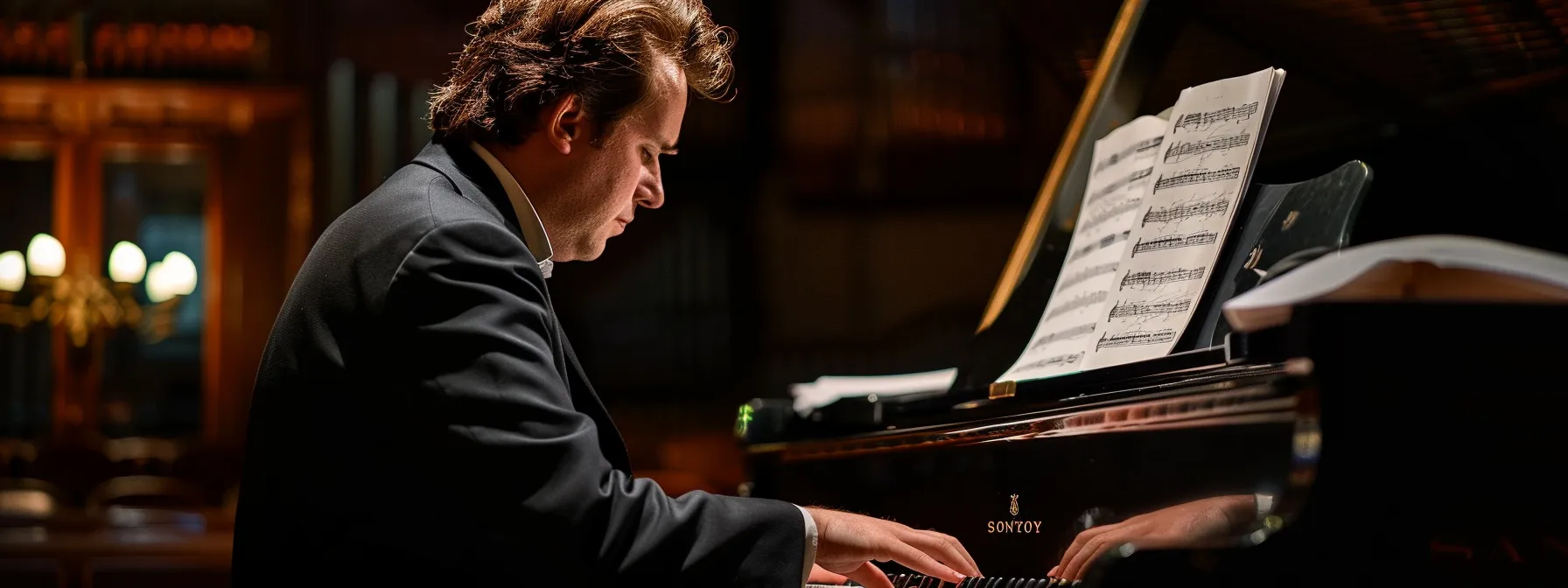
Embarking on your piano journey in London, especially Piano Lessons for Kids, starts with clarifying your musical goals. I encourage you to delve into identifying your specific interests: be it classical, jazz, or other genres. A tailored lesson plan, incorporating ear training and theory, will pave your path to success. Establish realistic short-term and long-term objectives to guide your progression. Whether you envision gracing the stages or simply playing for your own enjoyment, each goal should align with your ambitions. If aspiration leads you towards professional training, perhaps Leeds Conservatoire beckons. Whatever your dreams, starting with a strong foundation at WKMT is crucial. Feel free to send us an email; let’s translate your passion into a structured piano education journey.
Identify Your Musical Interests and Preferred Genres
As you contemplate your foray into Piano Lessons for Kids studies, it’s crucial to pinpoint your melodic predilections and the genres that resonate with you deeply. From the intricate web of classical compositions to the vibrant, soul-stirring rhythms of jazz, your chosen genre will shape the teaching method and curriculum I devise for you. Understanding musical notation, grasping the subtleties of each chord, and preparing for an audition—if that’s your aim—require bespoke guidance. Integrating my knowledge as a master of arts in musical pedagogy, I’ll ensure your lessons help you flourish in your preferred musical landscape.
Set Achievable Short-Term and Long-Term Piano Goals
As your piano mentor here in London, I stress the importance of setting realistic benchmarks in your musical journey. When learning the piano, it’s vital to outline achievable milestones, whether mastering the fundamentals within months or preparing a complex Bach fugue in a year’s time. Perhaps you aim to diversify your knowledge with a vocal coach from Cardiff, or delve into rock music‘s energetic tunes. No matter the direction, your goals need to crystallize into a lesson plan that evolves alongside your growing proficiency and knowledge. My role is to support these aspirations, ensuring each chord you strike is a step closer to your envisioned future in piano mastery.
Once you’ve set your sights on mastering the piano, the path ahead is clear. Discover the variety of Piano Lessons London offers to turn your goals into reality.
Explore Types of Piano Lessons Available in London

In the heart of London, I recognise the pivotal decision ahead for beginners: choosing the right piano lessons. You’ll encounter a diverse array of choices, from the structured art of classical training to the more fluid expression of contemporary keyboard artistry. Additionally, with options ranging from state-of-the-art studios in West Midlands and Manchester to at-home convenience, my studio tailors your educational experience to suit your needs. Whether you’re weighing the merits of face-to-face instruction or the flexibility of online lessons, each path offers unique benefits akin to including singing in your repertoire. As you prepare to explore these avenues, clarity in what each entails will be your first step towards mastering the piano.
The art of teaching piano pivots on the fact that your teacher needs to understand the tradition behind piano teaching. At WKMT we support our education on the paradigm set up by Maestro Vicente Scaramuzza . He believed in a holistic approach to piano and tutoring. Piano pedagogy should be centred in developing the main pillars of musical education reinforcing the relationship between the student and classical music, melody and sheet music.
Discover exceptional piano lessons with WKMT, a leader in piano education since 2010. Available in-studio in London or online worldwide.
Understand Differences Between Classical and Contemporary Lessons
As an advocate for tailored piano education, I guide my students to discern the clear distinctions between classical and contemporary lessons. Classical training is rooted in a rich tradition where pedagogy and discipline are cornerstones, preparing students for exams and a thorough understanding of music from Baroque to the Romantic period. In contrast, contemporary lessons often focus on genres such as jazz and blues, offering a more relaxed approach that prioritises improvisation and pleasure in playing. Making the right choice depends on your personal aspirations and the musical voice you wish to develop.
Consider Online Versus Face-to-Face Piano Lessons
As an experienced pianist and educator, I’ve observed that choosing between online and face-to-face piano lessons is quite like comparing the intricate beauty of Spain‘s architecture with the historic charm of Edinburgh: both have their unique splendour. Online lessons offer flexibility and comfort, inviting music theory and practice into your home without geographic constraints. Conversely, in-person lessons encourage a tangible connection with your instrument and teacher, which can be profoundly beneficial to your music education. Consider your lifestyle, learning preferences, and the level of personal interaction you desire as a budding pianist:
- Evaluate if the self-directed nature of online instruction complements your learning style.
- Determine whether the hands-on guidance of face-to-face lessons might better aid your technical development.
- Reflect on your need for flexibility regarding lesson scheduling and location.
As you consider the varied piano lessons in London, the next step is clear. Let’s move you closer to the teachers who will chart your course in music.
Find Qualified Piano Teachers Near You in London
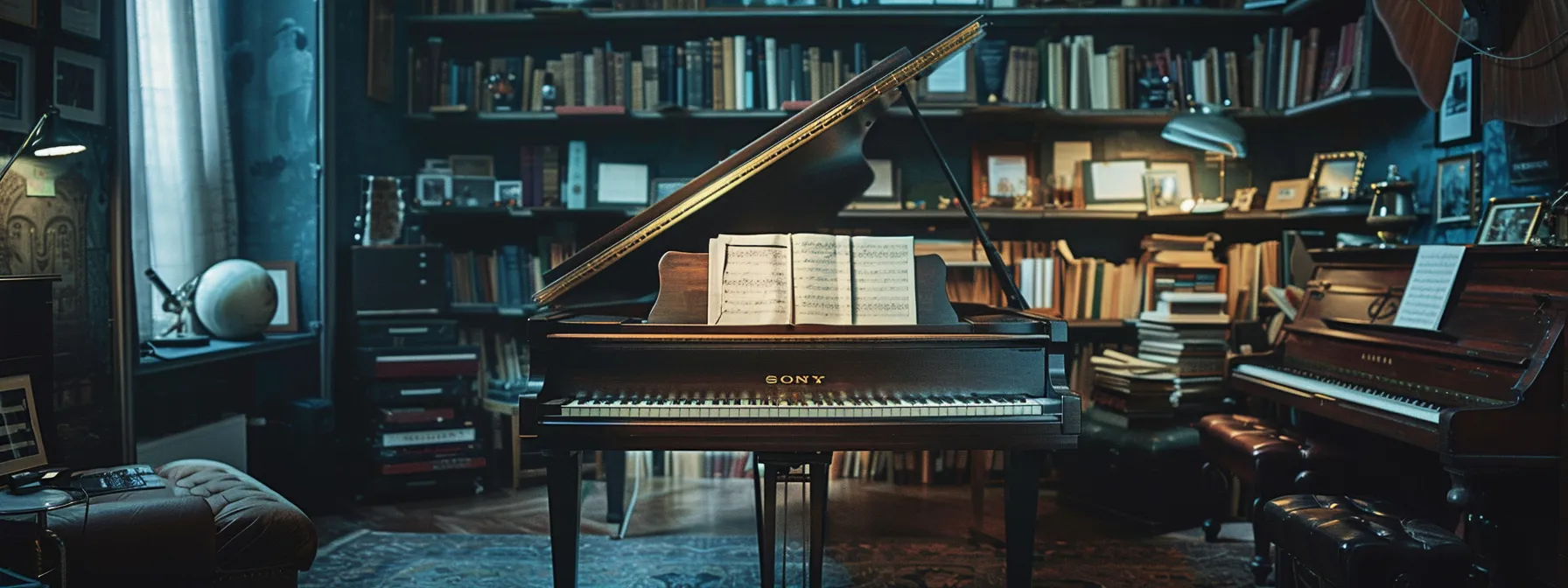
Choosing the right piano teacher in London involves careful consideration of credentials and hands-on experience with the musical instrument. I urge learners to seek out educators with a solid educational background, ideally those who have honed their expertise on quality pianos like the prestigious Blüthner. Additionally, assessing feedback from previous students provides invaluable insights into an instructor’s effectiveness. As you immerse yourself in music education, these steps will be your foundation, ensuring you align with a teacher who can truly elevate your piano playing abilities.
London is a wonderful gateway into the world of piano learning. the same way this capital makes it very easy for anyone to find the perfect musical instrument, London also is the perfect place to find your best piano teacher. Regardless if you were playing by ear or if you already know solfège London is the perfect place to find your perfect piano lessons.
Check Credentials and Experience of Piano Instructors
When seeking out piano instructors in London, it is essential to assess their qualifications with a discerning eye, especially since the vibrancy of genres like jazz harmony and the versatile appeals of pop music demand a comprehensive understanding and diverse expertise. Indeed, in towns akin to Bristol, where music education is celebrated, the background of a tutor can significantly influence your learning experience. It’s wise to verify a tutor’s credentials and inquire about their mastery in tutoring varied styles, thereby ensuring they can guide your transition from basic melodies to complex jazz harmony or the captivating hooks of pop music.
- Examine each teacher’s educational qualifications and specialisations.
- Consider their practical experience in teaching and performing music.
- Ask for testimonials or references to gauge their success in tutoring students.
Read Reviews and Recommendations From Other Learners
In my tenure at WKMT London, which is situated near the historically rich area of Marble Arch, I have discovered the power of peer testimonials. As you venture into finding the right piano mentor—whether you’re as far north as Birmingham or local—you must sift through reviews and recommendations from fellow learners. This feedback often touches upon an expert‘s ability to distil complex concepts, like saxophone breath control or reading a lead sheet, into digestible piano lessons. Such genuine endorsements, collected from the experiences of those who were once in your shoes, can indeed lead you to a decision that resonates with your aspirations and learning style.
In London, the quest for skilled piano instructors need not be a solo journey. Now, the choice stands before you: to join in harmony with others or to cultivate your art in the quiet focus of individual lessons.
WKMT offers an ideal set up wether you come from Greater London, Mayfair, Finchley, Maida Vale, Kensington, Holland Park or Bayswater. The main difference between us and the rest is our approach to piano pedagogy. We have been operating in London uninterruptedly since 2010 welcoming students from every corner of the city including Soho, Marble Arch and Camberwell.
Many piano schools in London succeed in hiring highly qualified piano teachers but very few achieve a clear unification of their diverse teaching approaches. At WKMT we work to guarantee the fluency between every teacher that builds up our tutorial team.
We thrive to select only teachers with the best curriculum who are good at hearing students and being patient when teaching.
If you are in Baker Street, Maida Vale, Notting Hill, Kensington, Finchley, Edgware or in Holland Park, all Greater London can benefit from WKMT Music Education.
Choose Between Group and Individual Piano Lessons

In the diverse landscape of piano education in London, one faces the pivotal choice between individual and group lessons. Assessing the benefits of personalised one-on-one sessions allows for tailored guidance, sharpening your violin or piano skill with precision while nurturing confidence.
Choosing the right teaching method for you or your child requires experience and information.
Conversely, evaluating the social dynamics of group learning environments may enhance fluency in sheet music reading, harmonic singing, playing by ear, solfège, creativity and foster cooperative experiences. Let’s explore both setups to determine the optimal environment for your musical development.
Assess the Benefits of Personalised One-on-One Sessions
As a pianist who conducts a piano studio in the united Kingdom which has employed piano teachers with a doctor of philosophy, like Daniel Pereyra, I firmly believe in the unparalleled attention a student receives during one-on-one sessions. This tailored approach draws from an extensive experience compellingly similar to how a dedicated trumpet player hones their craft. Nestled within the bustling environment of Kensington and also near Paddington, I have seen first-hand how personalised lessons allow for nuanced adjustments to technique and style that group settings may overlook. Such individualised focus accelerates learning, enriching the pianistic journey with a depth that echoes the cultural tapestry of the United Kingdom and also countries like France – deeply individual, yet universally appreciated.
Evaluate the Social Aspect of Group Learning Environments
In my time teaching at various locales in London, including areas such as Notting Hill, Marylebone, and Camberwell, I’ve observed how group learning environments open an invaluable social dimension to those studying piano.
Engaging with peers during ABRSM exam preparations or solfège practice sessions not only bolsters a sense of community but also fosters mutual encouragement and a shared passion for music. This collaboration can be especially advantageous for learners who thrive in interactive settings and seek varied perspectives in their musical education.
Your decision will shape your journey; solo passages or a symphony of collaborations may await. Now, let geographic ease and the rhythm of daily life guide your next steps in learning.
Tutoring students in rock music, jazz, jazz piano chord progressions or music theory in general can be done both one to one or in group lessons.
Consider Location and Schedule for Your Piano Lessons

Choosing the right piano lessons in London requires considering both location and timing. You might select lesson venues that are accessible, perhaps close to esteemed institutions like the Royal Academy of Music or linked with vibrant music scenes as found in the Royal Birmingham Conservatoire – United Kingdom.
It’s equally important to synchronise lesson schedules with your personal commitments, ensuring a seamless integration with your lifestyle, be it that of a budding songwriter or a student of diverse music genres.
As a composer, I will guide you through selecting spots that not only enhance your access to instruction but also align lessons with your routine, echoing the disciplined schedules found in Germany‘s music conservatories.
Select Accessible Lesson Locations Throughout London – United Kingdom
In my role as a dedicated piano teacher, I understand the significance of location in the journey of learning piano. It’s vital to select a studio that is not only reputable for nurturing talents across various genres, including blues and jazz piano, but also optimally positioned within London‘s nexus of cultural venues and concert halls. This thoughtful choice ensures that you benefit from an inspiring environment and convenient access, enhancing the continuity and richness of your musical education.
Synchronise Lesson Times With Your Personal Schedule
As a devoted classical music educator and musician, based in London, I’ve come to understand that synchronising tutoring lesson times with a musician‘s personal schedule is fundamental. It is imperative for students, whether they’re mastering the delicate touch of an electronic keyboard an acoustic piano, an electric piano, a synthesizer in Glasgow or practising finger positioning on a grand piano here, to integrate piano studies seamlessly into their daily rhythms. This harmonisation ensures consistency, which is essential for steady progress and maintaining the momentum of learning, thereby shaping disciplined and committed musicians. An hour of piano tutorial a week can make a big difference. Keeping consistent practising and being patient is fundamental when learning to play any musical instrument. Understanding musical notation, jazz improvisation, harmony and solfège is instrumental when designing any piano tutorial using traditional piano pedagogy.
Finding the right location aligns the stars for your piano journey. Now, let’s forge the path of mastery with practice strategies that guarantee progress.
Maximise Progress With Effective Practice Strategies
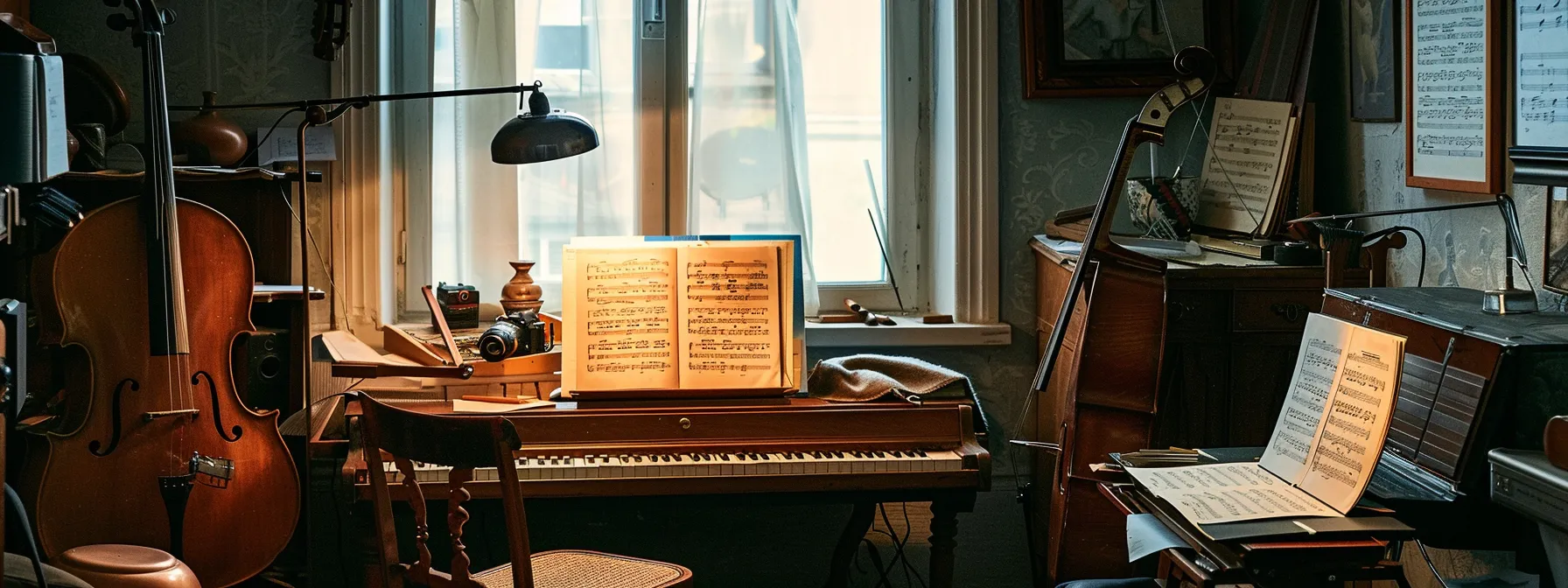
To pave a rewarding path in piano pedagogy, fostering motivation through a consistent practice schedule at home is crucial. I’ve seen myriad students blossom when their creativity isn’t stifled by chaotic practice environments; thus, creating an ideal space is paramount to building up your skill. Within these settings, the freedom for improvisation and composer studies can truly flourish. Below, I’ll share valuable strategies for setting the rhythm of your practice routine and cultivating an atmosphere where musical ingenuity takes root.
Develop a Consistent Practice Schedule at Home
In my experience, the development of a regular practice schedule at home is paramount for your advancement in piano. I recommend delineating a timetable that melds with your routine and allocates specific time slots dedicated to honing your craft. For example, immersing yourself in the rhythms of funk after your day’s tasks can be both therapeutic and a means of technical refinement. Utilising music technology, even on a modest budget, can further enrich your sessions; innovative apps and software, potentially sourced from Kensington‘s high-street shops or inspired by Italy’s rich musical heritage, can offer structured support in your daily practice. This strategy not only fosters consistency but also ensures that your precious time at the piano yields measurable growth, setting a strong foundation for your musical journey.
Create an Ideal Environment for Piano Practice
As a piano instructor with extensive experience, I recognise the fundamental significance of a well-structured practice environment. To this end, I suggest crafting a practice space that harmoniously blends the acoustic charm of a digital piano with the methodical learning of chord progression and utilisation of modern technology. Such an ambiance not only stimulates your engagement with frequently asked questions (FAQ) about piano techniques within the United Kingdom but also nurtures your musicality. An optimal setting, free from distractions and equipped with the right tools, can remarkably accelerate your learning curve, aiding you to transition smoothly from scales to complex pieces.
FAQ
The most commonly asked questions about piano lessons
1. What are the best piano lesson schools in London?
WKMT London is one of the leading piano schools, offering classical piano lessons using the renowned Scaramuzza technique. We specialize in delivering a high standard of piano education through experienced teachers and a structured curriculum.
2. How much do piano lessons cost in London?
Piano lessons in London vary depending on the teacher’s experience and the lesson duration. At WKMT, lessons start from £30 for 30 minutes, and the cost adjusts based on the length and type of lesson -as of September 2024-.
3. Who are the top piano teachers in London?
WKMT prides itself on having some of the top piano teachers in London, all trained in the Scaramuzza technique. Our educators are not only skilled pianists but also experienced in nurturing students of all levels.
4. Are piano lessons for beginners available in London?
Absolutely! WKMT offers beginner piano lessons, and we provide step-by-step guidance to help new learners develop a strong foundation in piano.
5. Can I find piano lessons for kids in London?
Yes, WKMT specializes in teaching children, using engaging and effective methods to foster a love for music from an early age. Our children’s program focuses on creativity and foundational skills.
6. What is the best age to start piano lessons in London?
At WKMT, we recommend starting piano lessons as early as four years old. Early exposure helps in developing musical skills and discipline.
7. Are group piano lessons available in London?
Yes, we offer group piano lessons for those who prefer a collaborative learning environment. These are excellent for fostering a sense of teamwork and mutual learning.
8. Can I book piano lessons online in London?
WKMT offers online piano lessons for students who prefer learning from the comfort of their own homes. This option is available to both local and international students.
9. Do piano teachers in London offer free trials?
Some teachers at WKMT offer trial lessons, allowing new students to experience our teaching methods before committing to regular sessions.
10. What style of piano lessons are offered in London?
At WKMT, we focus on classical piano, but we can also incorporate other styles such as jazz and contemporary music, depending on the student’s interests.
11. Are piano lessons in London available for adults?
Yes, we cater to adult learners at WKMT, with customized lessons that suit the learning pace and goals of adult students.
12. Can I learn to play piano in London quickly?
The speed of learning depends on the individual’s commitment and practice. At WKMT, we tailor lessons to help students progress efficiently.
13. Are there piano lessons near me in London?
WKMT has multiple locations across London, ensuring you can find a convenient studio. We also offer online lessons for maximum flexibility.
14. How long are piano lessons in London?
Piano lessons typically last 30, 45, or 60 minutes. We recommend longer sessions for more advanced students.
15. What is the cost of piano lessons per hour in London?
The cost at WKMT starts at £60 per hour, with varying rates depending on the teacher’s experience.
16. Can I find piano lessons in North London?
Yes, WKMT offers piano lessons throughout London, including in North London.
17. Are there piano lessons available in Central London?
Absolutely! WKMT has a studio located in Kensington, Central London, which provides easy access for students across the city.
18. Can I learn jazz piano in London?
Yes, we offer jazz piano lessons at WKMT for those interested in this style.
19. Are piano lessons in London taught by experienced teachers?
All our teachers at WKMT are highly qualified and experienced, with a deep understanding of both piano performance and pedagogy.
20. Do piano schools in London offer certification?
Yes, we prepare students for ABRSM and Trinity College examinations, providing internationally recognized certifications.
21. What are the best piano lessons in London for beginners?
WKMT’s beginner piano lessons focus on building strong technical foundations and fostering a love for music from the start.
22. Can I take piano lessons in London online?
Yes, WKMT offers online piano lessons, providing the same quality of education as in-person sessions.
23. What are the top-rated piano schools in London?
WKMT is consistently rated among the top piano schools in London due to our excellent teaching staff, structured curriculum, and results-driven approach.
24. Can I learn piano in London as a complete beginner?
Absolutely! WKMT welcomes complete beginners and tailors lessons to ensure they progress confidently.
25. What is the average cost of piano lessons in London?
The average cost for piano lessons in London ranges from £60 to £250 per hour, depending on the teacher and lesson format.
26. Are piano lessons in London available for children?
Yes, WKMT offers a dedicated children’s piano program, specially designed for young learners.
27. What is the best piano school in North London?
WKMT offers top-tier piano lessons throughout London, including North London, ensuring high-quality education no matter your location.
28. Can I find piano lessons in London with a qualified teacher?
All WKMT teachers are highly qualified, ensuring the best education for every student.
29. What is the cost of group piano lessons in London?
Group piano lessons at WKMT start from £25 per session, depending on the group size.
30. Are piano lessons in London available on weekends?
Yes, we offer lessons seven days a week, including weekends, to accommodate busy schedules.
31. Can I take piano lessons in London with a native speaker?
Yes, we have teachers from diverse backgrounds, and you can choose a native speaker to match your language preference.
32. What is the best piano school in Central London?
WKMT’s Kensington studio is among the best in Central London, offering a premium learning environment.
33. Can I find piano lessons in London for beginners?
Yes, WKMT offers specialized beginner lessons for both children and adults.
34. Are piano lessons in London personalized to each student?
All WKMT lessons are personalized based on each student’s level, goals, and interests.
35. What is the average duration of piano lessons in London?
Lessons typically range from 30 to 60 minutes, depending on the student’s level and availability.
36. Can I take piano lessons in London with a female teacher?
Yes, we have both male and female teachers at WKMT, allowing you to choose the best fit for your learning style.
37. What is the best piano school in West London?
WKMT’s Kensington studio is widely regarded as one of the top piano schools in West London.
38. Can I find piano lessons in London with flexible scheduling?
WKMT offers flexible lesson scheduling to suit students with busy lives.
39. What is the best age to start taking piano lessons?
Starting between 4 and 6 years old is ideal for developing long-term musical skills, but it’s never too late to begin!
40. How long are piano lessons typically?
Lessons typically last between 30 and 60 minutes.
41. What is the cost of piano lessons?
Lesson costs vary, but WKMT offers competitive rates starting at £40 per 30 minutes.
42. Do I need a piano to take lessons?
It’s recommended to have access to a piano for practice, but beginners can start with a keyboard.
43. Can I learn piano online?
Yes, WKMT provides high-quality online piano lessons. Piano Pedagogy does not get affected by learning online or in an electronic keyboard.
44. Are group piano lessons effective?
Group lessons can be effective for students who enjoy learning in a social environment, but individual lessons are ideal for focused, personalized progress. These type of lessons are particularly good for tutoring music theory and harmony.
45. What is the best method for learning piano?
At WKMT, we use the Scaramuzza technique, a method that emphasizes proper hand positioning and movement for efficient learning. As a traditional piano pedagogy approach, it also gives particular importance to preparing students for concert experiences as well as teaching music theory.
46. How often should I practice piano?
Regular practice is key! We recommend practicing at least 30 minutes daily.
47. Can I teach myself piano without lessons?
While self-teaching is possible, professional lessons accelerate progress and ensure proper technique.
48. What are the benefits of taking piano lessons?
Piano lessons improve cognitive function, discipline, creativity, and provide a fulfilling artistic outlet.
49. How do I find a piano teacher near me?
You can contact WKMT to be matched with a qualified teacher near your location or online.
50. What is the importance of piano lessons for children?
Piano lessons for children enhance discipline, cognitive development, and creativity while fostering a lifelong appreciation for music. Tutoring singing, melody, music theory, sheet music and classical music is always a part of a music lesson at WKMT London – United Kingdom.
51. Can I learn piano at any age?
Yes, it’s never too late to start learning piano!
52. How long does it take to learn piano?
This varies per student, but with consistent practice and lessons, you can make noticeable progress within a few months.
53. Are piano lessons worth the investment?
Absolutely! Learning piano brings lifelong skills and enjoyment.
54. Can I take piano lessons online for free?
Some free resources exist, but professional instruction, such as that offered by WKMT London – United Kingdom, ensures the best quality and structured learning.
55. What are some popular piano lesson software?
For online learning, platforms like Zoom are commonly used, and WKMT utilizes these for high-quality remote lessons.
56. How do I know if I’m ready for piano lessons?
If you have an interest in learning, you’re ready! WKMT caters to all levels, from complete beginners to advanced students.
57. What are some common piano lesson mistakes?
Some common mistakes include improper hand positioning, not practicing enough, and failing to focus on foundational skills. At WKMT, we guide students to avoid these.
58. Can I take piano lessons if I have no musical experience?
Yes, WKMT welcomes students with no prior musical experience and designs lessons to guide you from the basics onward.
At WKMT London, we believe everyone can learn and enjoy the piano with the right guidance and dedication. Feel free to reach out to book your first lesson with us!
SOME USEFUL RESOURCES
-
Frontiers in Psychology: This study examines how piano lessons improve cognitive function, mood, and quality of life, particularly in older adults. It highlights that piano learning enhances cognitive abilities, such as memory and motor skills, and serves as an enjoyable and mentally stimulating activity(
).
-
PLOS ONE: Research published here explores how music education, including piano lessons, affects students’ psychological development, focusing on self-esteem and self-efficacy. It underscores that music education can play a key role in improving students’ confidence and academic achievement(
).
-
British Journal of Music Education (Cambridge Core): This pilot study evaluates the relationship between instrumental music learning (including piano) and academic attainment at age 16. It shows that students involved in music tend to have higher scores in subjects like English and mathematics, suggesting a positive link between musical training and academic success(
).
-
Frontiers in Neuroscience: This research addresses how musical training, including piano lessons, affects brain plasticity and cognitive development across different ages. It emphasizes that learning to play an instrument can improve auditory cognition and executive functioning, particularly in older adults(
).
-
SAGE Journals: A longitudinal study from SAGE examines how three years of piano instruction affected children’s academic performance and self-esteem. The findings suggest that while piano lessons boost self-esteem and school music performance, their direct impact on math and language skills is less significant(
).
Discover exceptional piano lessons with WKMT, a leader in piano education since 2010. Available in-studio in London or online worldwide.