
 TRIAL LESSON
HOME PAGE, Piano Lessons
Exploring the Heritage of 3+ London Piano Factories

Feb
Exploring the Heritage of 3+ London Piano Factories: Kemble, John Broadwood, Knight, and Bentley
Are you curious about the rich history behind London’s piano manufacturing scene? The Kemble, Knight, and Bentley piano factories have shaped the landscape of musical heritage in the region, producing quality instruments that resonate with players. In this article on WKMT Blog, I will explore the history of these factories, highlight their contributions to classical music, and discuss the importance of preserving vintage pianos. By understanding this heritage, you’ll gain insights into the craftsmanship behind digital pianos and the legacy that continues to influence today’s musical standards. Let’s explore the main London piano makers nowadays.

JOHN BROADWOOD & SONS
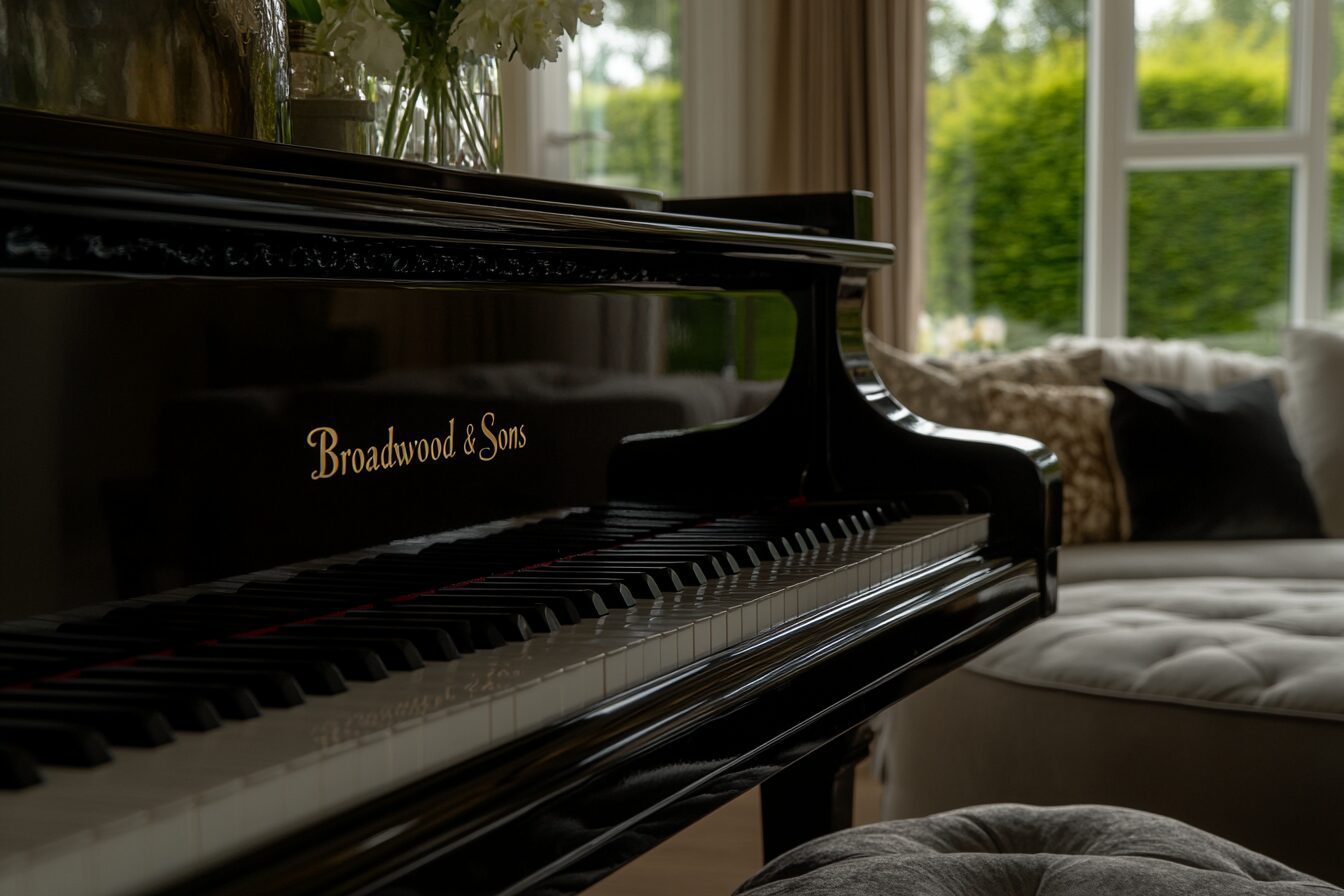
John Broadwood & Sons stands as the world’s oldest surviving piano manufacturer, with roots stretching back to 1728 en.wikipedia.org. Its pianos not only set technical benchmarks in the early days of the instrument, but also profoundly influenced composers from Haydn and Beethoven to later Romantic musicians.
Foundation & Innovation (Est. 1728)
The Broadwood saga begins in 1728 when Burkat Shudi, a Swiss harpsichord maker in London, opened his workshop – the enterprise that John Broadwood would later inherit. John Broadwood, a Scottish carpenter, joined Shudi’s firm in 1761 and married his daughter, ultimately taking over after Shudi’s death in 1773. As the harpsichord gave way to the piano-forte, Broadwood transitioned the company’s focus to the new instrument, ceasing harpsichord production by 1793. From its earliest years, Broadwood’s craftsmanship was marked by innovation. The company produced its first square piano in 1771 and a first known grand piano by 1781. Broadwood collaborated with other makers (Robert Stodart and Americus Backers) to design a “grand piano in a harpsichord case” around 1777, essentially inventing the modern grand piano form.
Early Broadwood grands introduced foot pedals for dampers and soft effects (replacing hand stops) much like modern pianos.In 1788, John Broadwood pioneered the divided bridge for grand pianos – separating bass and treble sections on the soundboard – which greatly improved the richness of the bass and became a model for later piano design. Perhaps Broadwood’s most celebrated contribution was expanding the piano’s range.
At the urging of virtuoso Jan Ladislav Dussek, Broadwood extended the keyboard beyond the standard five octaves. By 1794 their grands spanned a full six octaves.This was a significant technical leap, providing composers with a broader palette. Contemporary observers noted that Broadwood’s 1788 model already boasted an increased dynamic range and flexibility, impressing visiting musicians like HaydnThe English pianos were sturdier, louder instruments compared to their Viennese counterparts, built with heavier frames and action to project in larger rooms. By the 1790s, Broadwood pianos featured heavier (thicker) hammers, improved actions, and robust soundboards, innovations that created greater volume and dynamic contrast. These advances set English pianofortes apart and laid the groundwork for the piano’s evolution into a concert instrument.
Haydn’s Relationship with Broadwood
When Franz Joseph Haydn arrived in London in 1791, he encountered the Broadwood piano and found it a revelation. Haydn lodged in accommodations provided by the Broadwood firm and was “taken aback by the different quality” of the English pianos compared to the Viennese instruments he knew. The Broadwood had a “much gutsier” sound with more powerful sustain (partly due to less efficient damping), meaning notes lingered and resonated longer than on Continental pianos. This bold, ringing tone made a strong impression on Haydn, who had spent his career with the softer Viennese keyboard instruments.
Broadwood’s influence quickly found its way into Haydn’s music. During his London visits (1791–1792 and 1794–1795), Haydn composed his last and grandest piano sonatas for Broadwood-type pianos. These works – notably the Sonata in C major Hob. XVI:50 and Sonata in E-flat major Hob. XVI:52, dedicated to Therese Jansen – are on a new scale, clearly written with the English piano in mind. They feature a wider compass, robust textures, and dynamic markings that exploit the Broadwood’s strengths.
In the C major sonata, Haydn even inserts an explicit “open pedal” indication (in the first movement, bars 73–74) inviting the performer to hold the sustain pedal down, which creates a glorious wash of sound. This effect mimics the Broadwood’s resonant sustain and would have been impractical on the cleaner, quick-damping Viennese pianos. Musicologists note that with these sonatas, “the piano leaves the confines of the salon and enters the concert hall”, due in part to the instrument’s expanded sonic capabilities.
Haydn also used English pianos in his London piano trios, which allowed the keyboard to assume a more assertive role alongside strings. The Broadwood’s bell-like upper register and bold, resonant bass gave Haydn’s keyboard writing new depth. In essence, Haydn’s encounter with Broadwood unlocked an extra degree of power and expressiveness in his late compositions. As one source notes, the composer was “impressed with Broadwood’s improved model of 1788”, appreciating its greater dynamic range which encouraged him to write more virtuosic, expansive keyboard parts. Haydn’s successful adaptation to the Broadwood piano set an example for other composers and signaled that the piano was evolving into a concert instrument capable of holding its own in large venues.
In my personal opinion, I believe that the imrpovement in sound qualities brought by Broadwood new technical capacities joint with Haydn´s custom of counting with an orchestra for hisperformances motivated the creation of the trios named for piano and accompaniment. The fact that London might not have offered so easily the facility of counting with an orchestra possibly fostered Haydn creativity to find a solution that coiuld still keep the piano supported by an ensemble -Juan Rezzuto
Beethoven and Broadwood
If Haydn’s Broadwood experience was influential, Ludwig van Beethoven’s relationship with Broadwood was transformative. By the 1810s, Beethoven was world-famous and piano makers vied to have him play their instruments. Up to this point, Beethoven had used primarily Viennese pianos (like those by Stein, Walter, and Streicher) known for their light touch and clarity, and he had briefly owned a French Érard. Viennese instruments were agile but relatively delicate in tone. Beethoven’s music, however, was outgrowing the limitations of these pianos as he pushed toward a more heroic, orchestral sound.
Enter John Broadwood & Sons. In 1817, on a trip to Vienna, Thomas Broadwood (John’s son) met Beethoven and decided to send the composer the firm’s finest grand piano as a gift. The following year, 1818, a six-octave Broadwood grand arrived in Beethoven’s home – shipped by sea from London and then carted to Vienna. It was a state-of-the-art instrument (serial no. 7362) and “when it arrived, there was nothing like it in the city – it was the most advanced piano of its day”.
Beethoven was deeply moved by this gesture. In a letter of thanks, he famously wrote that he would regard the Broadwood “as an altar, on which I shall place the most beautiful offerings of my spirit to the divine Apollo.”
This poetic gratitude reveals how Beethoven perceived the instrument: as a sacred medium for his art.
The Broadwood grand differed markedly from Beethoven’s earlier pianos. It had a heavier action, thicker leather-covered hammers, a thicker soundboard, and two pedals (sustain and una corda), all geared towards a more powerful, sustaining tone. Its robust construction yielded greater dynamic range and volume, perfectly suited to Beethoven’s dramatic style. The English mechanism was not as quick in repetition as a Viennese action, but it allowed weighty, sonorous playing. Beethoven, despite his worsening hearing (indeed by 1818 he was almost completely deaf), appreciated the Broadwood’s “more robust nature” and appears to have preferred it over his French Érard. He even devised a resonating “hearing machine” by attaching a wooden resonance chamber to this piano so he could feel its vibrations better – a proof to how much he valued its powerful voice, even if he could not fully hear it.
Crucially, Beethoven adapted his compositions to exploit the Broadwood’s capabilities. Almost immediately, he put the new piano to use in his work. For example, the titanic Hammerklavier Sonata Op. 106 (completed in 1818) seems to reflect the Broadwood’s extended range. In the last movement’s fugue, Beethoven writes notes that stretch to the Broadwood’s extremes: the music ascends to the instrument’s top note and drops to its bottom low C – pitches beyond the span of the earlier 5½-octave Viennese pianos. In fact, scholars have found evidence that Beethoven revised the finale of the Hammerklavier to include the new highest C and lowest C available on the Broadwood, thereby “spanning the typical English six-octave range”. Such passages would have been unplayable on his previous piano.
Similarly, his later works – the final piano sonatas Op. 109, 110, 111 and the Diabelli Variations Op. 120 – all demand rich sonorities and wide compasses that the Broadwood made possible. The Broadwood’s sustained tone and powerful bass allowed Beethoven to write long legato lines and thunderous dynamics, bridging the gap between piano and orchestra in sound.
Beethoven certainly pushed the Broadwood to its limits. Accounts mention him pounding vigorously, even breaking strings as he sought to “hear” through vibrations. He “promptly wore it out”, friends said, through intense use. (Indeed, after Beethoven’s death in 1827, that very Broadwood – by then heavily used – was passed to Franz Liszt, who kept it as a revered relic rather than a concert instrument.)
The Broadwood gift had accomplished its purpose: it inspired Beethoven to new heights of pianistic writing. It is telling that even Conrad Graf, a leading Viennese piano maker, later copied Broadwood’s innovations (such as the reinforced soundboard) to achieve a more “English” tone quality in his pianos. In Beethoven’s hands, the Broadwood had demonstrated the future direction of the piano: a grand, expressive, and symphonic instrument capable of filling large spaces with sound – effectively heralding the Romantic era of piano music.
Shaping Chamber Music & Broader Influence
Broadwood pianos did not just influence solo keyboard works; they also shaped chamber music aesthetics in the late 18th and early 19th centuries. With their stronger sound and wider range, Broadwood grands enabled the piano to take on a more equal (even leading) role in ensembles. Composers began writing chamber works that treated the piano as a partner to violins and cellos rather than a mere accompanist.
An illustrative example is Beethoven’s own “Archduke” Piano Trio Op. 97 (1811): its groundbreaking treatment of the piano as an “equal partner with the strings” reflects a trend that Broadwood’s powerful pianos could support. The piano part in such trios is virtuosic and boldly projected, requiring an instrument with both clarity and heft. While Beethoven wrote the Archduke Trio slightly before receiving his Broadwood, by that time English-style pianos (like an Érard or the emerging Broadwoods) were influencing the expectations of balance in chamber music. The broader dynamic range available meant a pianist could play softly under a violin melody, then thunder forth in a piano solo passage – true dynamic contrast that earlier, softer pianos struggled to deliver.
London, as a bustling musical center, saw its share of pianist-composers who leveraged the Broadwood sound in chamber and concert works. Muzio Clementi, who was not only a composer but also a rival piano manufacturer, nonetheless admired Broadwood instruments and contributed to the development of piano technique suited to them. Virtuosi like Jan Dussek (who lived in London in the 1790s) wrote sonatas and chamber pieces that capitalized on the expressive depth and broader compass of the new English pianos. The Broadwood’s sustaining pedal and mellow tenor allowed for lush accompaniments under lyrical string lines, changing the texture of piano trios and quartets to a more blended, orchestral sound. Pianists had to develop a stronger technique to control these larger instruments – playing on a Broadwood demanded power and nuanced pedaling to make full use of its resonance and “bell-like” tone in the upper register. This led to new approaches in pedaling and voicing that became standard in 19th-century piano playing.
The influence of Broadwood pianos extended well into the Romantic era. As the 1800s progressed, Broadwood became a byword for quality in England and beyond. The firm’s peak production in the 1850s – around 2,500 instruments annually – meant Broadwood pianos found their way into concert halls and parlors worldwide. They held a Royal Warrant and were patronized by monarchs, which further cemented their status. Many famous 19th-century musicians encountered Broadwoods on their UK tours. Frédéric Chopin, for instance, used a Broadwood piano during his 1848 visit to London and even performed his final public concert on a Broadwood (at London’s Guildhall). He praised the instrument’s touch and tone, though he confessed a personal preference for the familiar light touch of his Pleyel pianos back in Paris. Nonetheless, that Chopin could play his delicate Nocturnes and dramatic Ballades effectively on a Broadwood speaks to the instrument’s versatility. In fact, one modern pianist who tried Chopin’s own 1848 Broadwood noted that Chopin’s pedaling indications – often problematic on today’s powerful pianos – sounded clear on the Broadwood, without blurring. The Broadwood’s moderate sustain and clarity made it possible to realize the composer’s intentions faithfully, illustrating how the instrument’s design was in harmony with the performance practice of its time.
Other luminaries also left their mark on Broadwood’s legacy. Franz Liszt, the titan of the Romantic piano, did not concertize on Broadwood as much (he had his preferred Bosendorfers and later Steinways), but he famously kept Beethoven’s Broadwood as a treasured artifact. Johannes Brahms played Broadwoods during his visits to England and was counted among the firm’s illustrious customers. Even into the early 20th century, composers like Edward Elgar and Gustav Holst used Broadwood pianos – Holst composed parts of The Planets suite on a Broadwood grand, finding its solid tone helpful for hearing orchestral textures in reduction.
The Broadwood piano thus bridged eras: from Haydn’s classical elegance to Beethoven’s sturm und drang, and onward to the Romantic singing style, it continually adapted and inspired. Its broader influence can also be seen in how other manufacturers responded – the “English piano” style that Broadwood epitomized pushed builders like Érard, Pleyel, and later Steinway to pursue richer tone and stronger frames, ultimately leading to the modern piano with iron framing and massive string tension. By the 1840s, Broadwood themselves had adopted cast-iron reinforcements in their frames (an 1842 Broadwood grand in the Yale collection boasts a full cast iron frame) to support greater string tension and volume. This continuous improvement ensured that Broadwood pianos remained competitive as music grew more demanding.
In summary, Broadwood pianos shaped the chamber music and piano repertoire of their time by providing composers and performers an instrument of expanded expressive potential. They enabled the piano to evolve from a delicate parlour instrument to a concert-quality centerpiece. The aesthetic of intimate Classical-era chamber music gave way to the Romantic era’s grander scale, thanks in part to Broadwood’s contributions. As a result, the piano became the dominant instrument of 19th-century musical life – found not only on stage but as a staple of middle-class homes, where making music on a Broadwood (or one of its many imitations) was a mark of cultured society.
Current Status and Contemporary Relevance
Considering its long and illustrious history, one might ask: Are Broadwood pianos still made today? The answer is yes – albeit on a smaller scale. John Broadwood & Sons Ltd remains an active company and proudly retains its name since 1808, making it the oldest continuously operating piano firm in the world. After weathering a period of decline in the mid-20th century, the brand was revitalized in the 1980s and continues to craft, restore, and service pianos in England. The company holds a Royal Warrant as piano maker and tuner to the British Royal Household, a tradition it has upheld since the time of King George II.
Production these days is bespoke: in the late 1990s Broadwood even introduced a limited-edition “barless” grand piano design (featuring a unique frame without cross bars) to modernize its offerings. Broadwood’s workshop, which in recent years has been located in rural Yorkshire (Lythe, near Whitby), focuses on both new instruments and the restoration of historical Broadwoods. This means pianists and collectors can still obtain a new Broadwood piano, or have an heirloom Broadwood refurbished by the company that built it.
In terms of contemporary performance practice, Broadwood pianos occupy a special niche. Original Broadwood fortepianos from the late 18th and early 19th centuries are prized by performers specializing in historically informed performance. Using a period Broadwood (or modern replicas thereof), musicians can recreate the sound world of Haydn’s sonatas or Beethoven’s chamber music with authenticity. For instance, Beethoven’s own 1817 Broadwood has been restored and occasionally exhibited or played in demonstration, allowing us to hear the sonorities that Beethoven himself described in such glowing terms. Collections like the Cobbe Collection in Britain house Broadwood instruments once owned by great composers (Chopin’s 1848 Broadwood among them), and these are sometimes used in recordings to illuminating effect. Modern piano makers also acknowledge Broadwood’s legacy – the company’s historical designs inform the construction of today’s fortepiano copies used by scholars and performers.
While you won’t find a Broadwood on the stage of a modern international piano competition (today’s concert grands are mostly Steinways, Yamahas, etc.), the Broadwood influence persists. The very features we take for granted in a modern piano – a sturdy frame, expansive range, powerful bass, and expressive pedals – are in part due to Broadwood’s early innovations. And in Britain, the Broadwood name still carries prestige. Musicians and enthusiasts celebrate the brand’s heritage through events (such as the 2019 concert commemorating the centenary of Holst’s The Planets on the very Broadwood that Holst used). Owning or playing a Broadwood today is a connection to centuries of musical history.
In conclusion, John Broadwood’s pianos have left an indelible mark on music. From the workshops of 18th-century London emerged instruments that inspired Haydn to new creative heights and gave Beethoven the means to redefine piano composition. They empowered the piano to lead ensembles and filled early concert halls with their bold, singing tone. And though times changed and technology advanced, the Broadwood legacy endures – as a living link to the golden age of the piano. In Norman Lebrecht’s words (were he to opine here), the Broadwood piano is not just a piece of furniture or an antique; it is a witness to musical revolution, an artifact that sings of a past era while still resonating in our own. Through both its historical instruments and its ongoing craft, Broadwood continues to engage pianists and listeners, reminding us how a well-made piano can shape the very music written for it.
KEMBLE
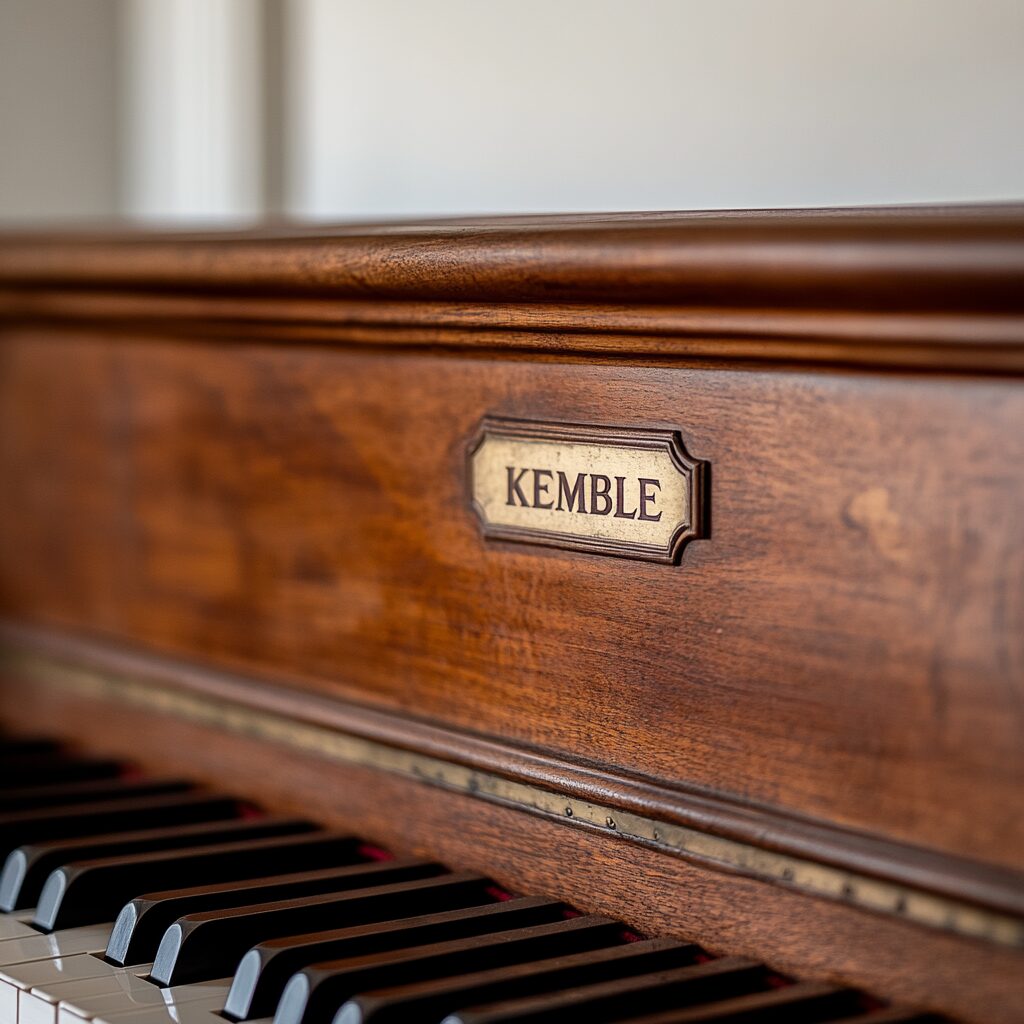
Understanding the History of London‘s Kemble Piano Factory
The Kemble Piano Factory, established in the heart of London, has a rich heritage rooted in innovative craftsmanship. In this section, I will explore its origin, focusing on key production techniques and notable models that shaped the piano industry.
I will also discuss its contributions to local music culture, recent developments, and its current ownership, all while highlighting the significance of materials like sound boards sourced from Italy, alongside links to local piano brands in Milton Keynes and Fazioli‘s influence. London piano makers full guide.
Origin and Establishment of Kemble Pianos
-
Foundation and Early Roots (1911):
Kemble Pianos was founded by Michael Kemble in 1911 in Stoke Newington, North London, during a time when the piano was a central fixture in British households. The brand emerged from a vision to provide accessible yet finely crafted instruments. -
Expansion and Industrial Growth (1950s–1968):
Under Robert Kemble’s leadership, the company relocated to Bletchley in the 1950s to accommodate growing demand. The pivotal 1968 partnership with Yamaha introduced a fusion of British craftsmanship and Japanese innovation, enhancing Kemble’s global reach. -
Modern Transition and Legacy (2009–Present):
Despite the closure of its UK manufacturing in 2009 and the subsequent relocation of production to Yamaha’s Asian facilities, the Kemble brand endures. It remains a symbol of enduring British piano heritage, seamlessly integrated with modern production and international appeal.
Key Innovations and Production Techniques
At the Kemble Piano Factory, we implemented key innovations in our production techniques that have set us apart in the piano industry. By integrating state-of-the-art methods for crafting player pianos, our team achieved a seamless blend of traditional craftsmanship and modern technology, ensuring superior quality in every instrument. We also focused on sourcing high-quality materials, such as robust wood from Crewe and acoustic soundboards from Woodchester, which contributed significantly to our pianos’ rich sound and longevity.
- Established in the early 20th century as a response to demand for quality pianos.
- Integrated traditional craftsmanship with modern production techniques.
- Sourced quality materials from regions like Crewe and Woodchester.
- Developed innovative player pianos that enhance user experience.
- Continued to evolve to meet the diverse needs of musicians.
Key Innovations and Production Techniques
Kemble Pianos was renowned for its commitment to quality and innovation. The company integrated traditional craftsmanship with modern production techniques, ensuring superior quality in every instrument. High-quality materials, such as European spruce soundboards, were utilized to enhance the pianos’ rich sound and longevity. Additionally, Kemble developed a range of acoustic pianos for Yamaha, reflecting a seamless blend of tradition and modern technology.
Notable Models and Contributions to the Piano Industry
Throughout its history, Kemble introduced several notable models that left a lasting impact on the piano industry. The company’s attention to detail in varnish application not only enhanced the aesthetic appeal of their pianos but also protected the wood, ensuring durability. Their commitment to precise piano tuning set industry standards, allowing musicians to perform with confidence. The robust craftsmanship exemplified in their models showcased a harmonious blend of tradition and modern innovation.
Impact on Local Music Culture
Kemble Pianos significantly influenced local music culture by providing high-quality instruments to homes, educational institutions, and performance venues, particularly in London and surrounding areas. While specific records of direct support for concerts and events are limited, the widespread availability of Kemble pianos facilitated music education and appreciation across diverse communities, fostering a vibrant musical environment.
Average realised price at London Auctions
Approximately £2,500–£3,500
Recent Developments and Current Ownership
In 2009, Kemble’s UK manufacturing operations ceased, with production moving to Yamaha’s facilities in Asia. Despite the relocation, the Kemble brand continued under Yamaha’s management until its discontinuation in 2020, concluding over a century of piano manufacturing legacy. It’s important to note that there was no documented collaboration between Kemble Pianos and automotive brands such as Bentley, nor the integration of automotive technologies into piano design.
https://www.theguardian.com/music/2009/oct/30/kemble-piano-makers
As the Kemble factory faded into memory, another name rose to prominence in London’s piano scene. The Knight Piano Factory carried on the tradition, leaving a mark that still resonates today.
KNIGHT
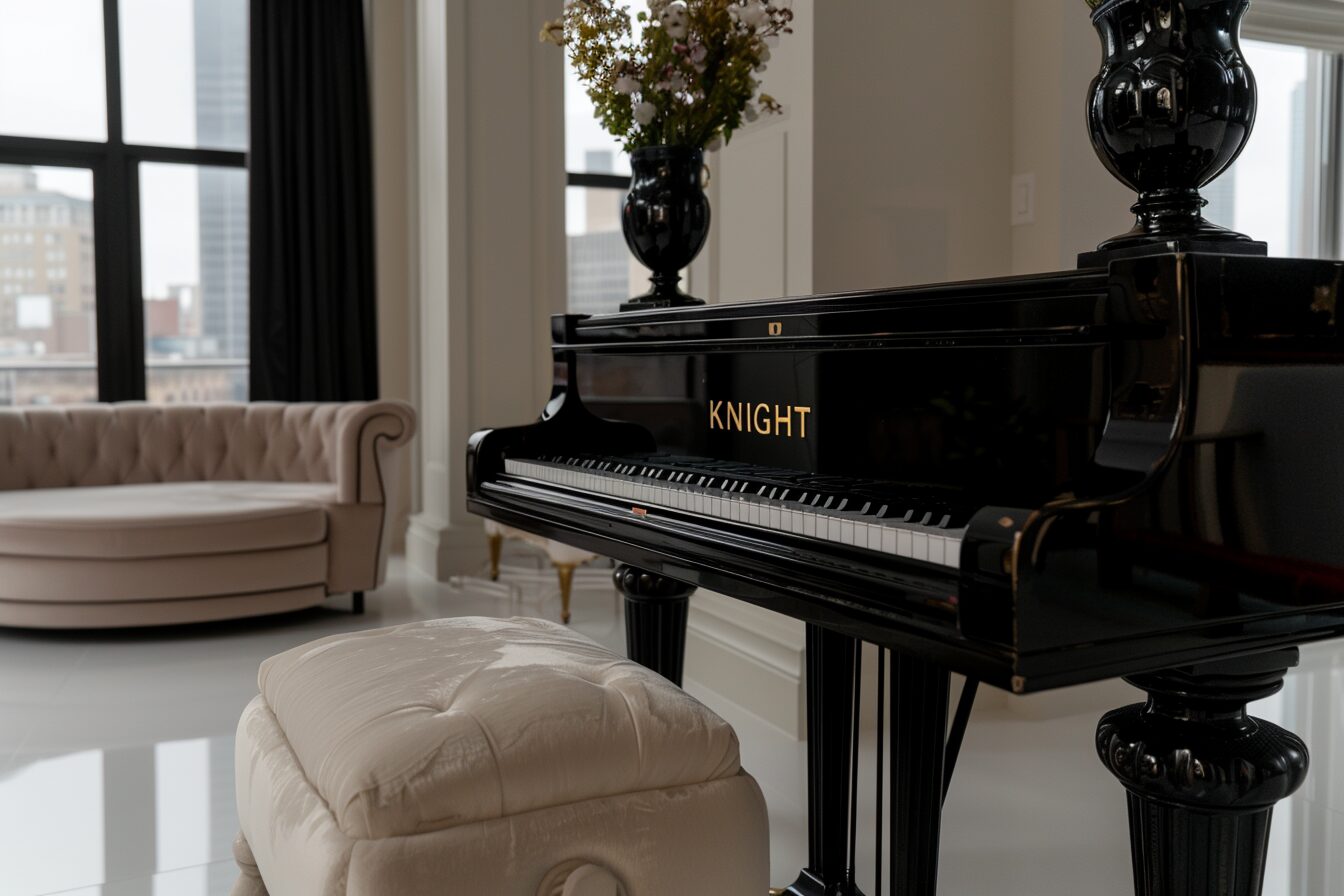
The Knight Piano Factory‘s historical overview reveals a commitment to craftsmanship and innovative design principles that have shaped the piano industry. I will highlight famous pianos produced by Knight, emphasising their influence on craftsmanship. Additionally, I will explore Knight’s role in music education and community outreach, followed by a look at its current status and evolution as a brand. One of the top London piano makers nowadays.
KEY FACTS
Date of Foundation: 1936.
Original Location: Stoke Newington, London, England.
Current Status: The company ceased operations in 2003.
Unique Feature: Knight pianos were the only brand, aside from Steinway’s own, featured in Steinway Hall, London.
Historical Overview and Founding Principles
Established in 1936 by Alfred E. Knight in England, the Knight Piano Company earned a reputation for producing compact pianos with exceptional tone and quality. Knight pianos were distinguished by their robust construction and rich, warm sound, achieved through meticulous craftsmanship and the use of premium materials, such as light European spruce soundboards. The company’s unwavering commitment to innovation and attention to detail solidified its prominent role in London’s musical culture.
Famous Pianos Produced by Knight
Among Knight’s esteemed models, the K10 upright piano stands out for its superior craftsmanship and tonal excellence. Introduced in the mid-20th century, the K10 features a compact design with longer bass strings, achieved by crossing them over treble strings at a greater angle. This design allows the K10 to match the tone and volume of larger upright pianos, making it a favored choice among musicians and educators.
The Influence of Knight on Craftsmanship and Design
The Knight Piano Company, established in 1936 by Alfred E. Knight in England, was renowned for its meticulous craftsmanship and innovative construction techniques. The company prioritized the use of high-quality materials, such as light European spruce soundboards, contributing to the rich, warm tone of their pianos. Knight’s commitment to detail and durability set a standard of excellence that resonated with musicians and collectors alike, reinforcing its legacy in the piano industry.
Knight’s Role in Music Education and Community Outreach
Knight pianos were widely used in educational institutions across the United Kingdom, providing quality instruments to schools and community centers. This facilitated access to music education for aspiring musicians, reflecting the company’s dedication to nurturing talent and enriching lives through music.
Average realised price at London Auctions
Approximately £3,500–£4,500
Current Status and Brand Evolution
The Knight Piano Company ceased operations in 2003. Subsequently, the brand name and designs were acquired by Whelpdale, Maxwell & Codd Ltd., makers of the Welmar piano. However, production was short-lived, and the Knight pianos manufactured during this period did not share the same characteristics as the original models. While the company is no longer operational, Knight pianos remain highly regarded in the second-hand market for their quality and craftsmanship.
The Knight Piano Factory left a mark on music that lingered in the air.
BENTLEY
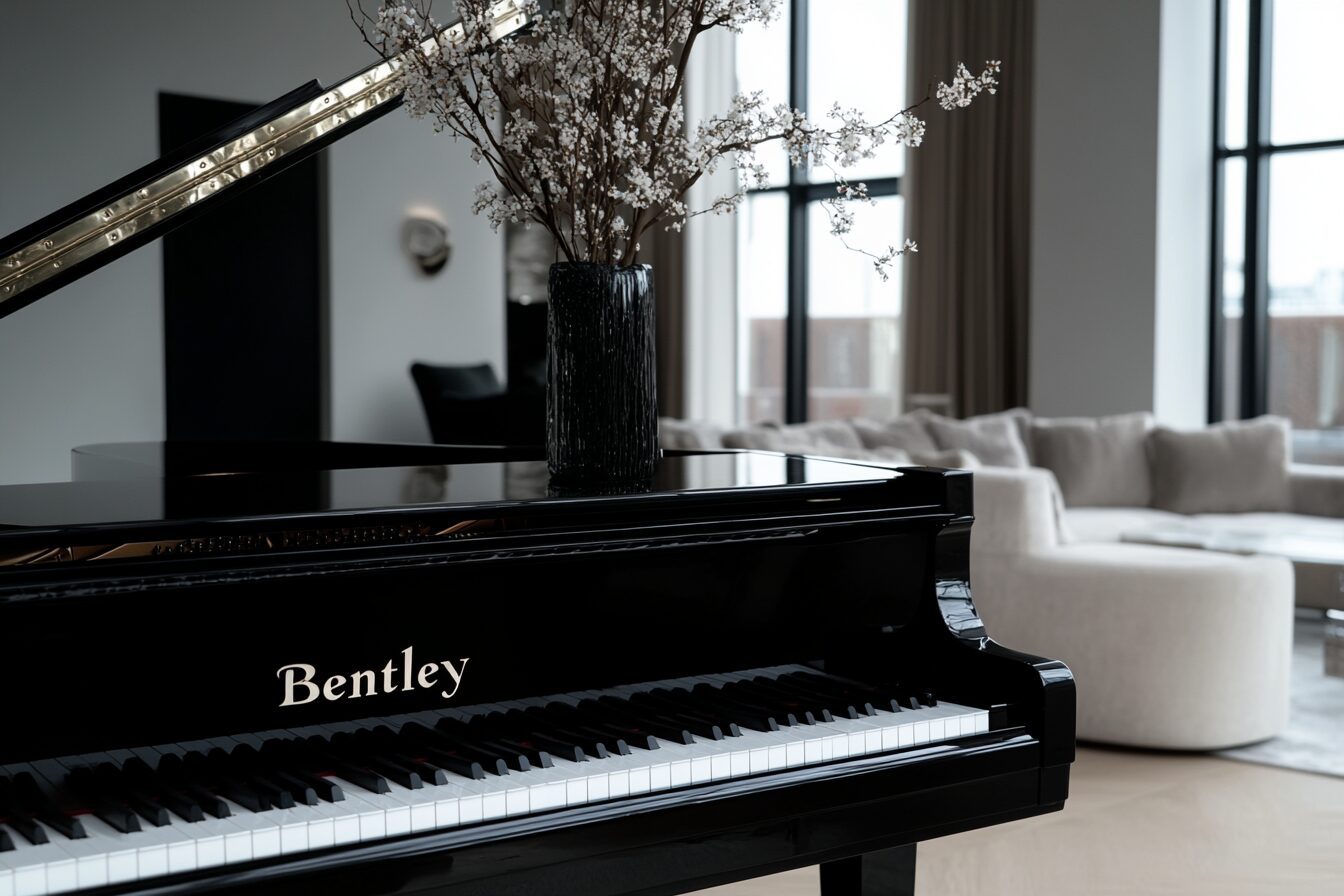
Bentley Piano Factory‘s Contributions to Musical Heritage
The story of the Bentley Piano Factory‘s inception highlights its role in shaping London‘s music culture. I will focus on signature features that define Bentley pianos, examine influential models from various decades, and discuss the factory‘s enduring legacy in the music scene. Additionally, I’ll provide insight into Bentley‘s modern initiatives aimed at engaging a new generation of musicians. Let’s dig into the most famous London piano makers, where elegance meets music.
KEY FACTS
Date of Foundation: The enterprise that would become the Bentley Piano Company was founded in 1906 in London by Douglas Grover.
Former Factory Location: In 1911, the company moved to Woodchester Mills near Stroud in the Cotswolds.
Current Ownership: As of 2003, the Bentley piano name was acquired by InterMusic of Poole, Dorset, England.
Operational Status: Bentley pianos are still being produced today, with manufacturing taking place in China.
Story of the Bentley Piano Factory’s Inception
The Bentley Piano Factory was established in the early 20th century, driven by a vision to create pianos that embody both elegance and exceptional sound quality. This establishment quickly gained recognition for its dedication to craftsmanship, employing skilled artisans who meticulously crafted each piano to meet high standards and cater to the musical aspirations of its clientele. The passion for music and attention to detail laid the groundwork for a legacy that still influences the piano industry today:
- Founded in the early 20th century with a focus on quality.
- Recognition for its dedication to craftsmanship.
- Skilled artisans committed to exceptional production standards.
- Crafting pianos that resonate with music enthusiasts.
Signature Features of Bentley Pianos
Bentley pianos are renowned for their remarkable elegance and superior sound quality. Each instrument showcases meticulous craftsmanship, reflecting the artisans’ commitment to detail and precision that has become a trademark of the Bentley name. I take pride in highlighting the unique features of these pianos, including their rich tonal range and the use of high-grade materials that enhance both durability and aesthetic appeal:
- Elegant design that stands out in any setting.
- Exceptional sound quality, offering a rich tonal palette.
- High-grade materials ensure durability and longevity.
- Meticulous craftsmanship exemplifies the artisans’ dedication.
- A balanced blend of tradition and contemporary innovation.
Influential Piano Models Through the Decades
Throughout its history, the Bentley Piano Factory has produced several influential models that have significantly impacted the music landscape in London and beyond. One standout is the Bentley Concert Grand, renowned for its exceptional sound quality and stunning craftsmanship, which has made it a preferred choice among professional musicians and venues alike. By combining traditional techniques with innovative design, Bentley has created pianos that not only meet the artistic demands of musicians but also enhance their overall performance experience.
The Factory‘s Legacy in London‘s Music Scene
The Bentley Piano Factory has played a significant role in shaping London‘s music scene, with its elegant instruments becoming synonymous with musical excellence. Many professionals and enthusiasts alike choose Bentley pianos for their performances, further solidifying the factory‘s impact on both local and international stages. By prioritising superb craftsmanship and innovative design, I have witnessed firsthand how these pianos not only meet but also elevate the artistic ambitions of musicians, fostering a rich cultural appreciation for the art of piano playing in our city.
Average realised price at London Auctions
Approximately £2,500–£3,500
Overview of Bentley‘s Modern Initiatives
At Bentley Piano Factory, we are committed to nurturing the next generation of musicians through various modern initiatives. Our focus includes providing workshops and masterclasses, where aspiring pianists can learn directly from experienced musicians in a supportive environment. Engaging with schools and community organisations allows us to ensure that music education remains an integral part of our cultural landscape:
- Workshops for aspiring musicians led by experienced artists.
- Collaboration with schools to enhance music education.
- Community outreach programmes that provide access to quality instruments.
- Support for local music festivals and events to promote artistic expression.
The legacy of Bentley Piano Factory is rich, yet it stands among other notable makers. Let us now turn our attention to how Kemble, Knight, and Bentley compare in their craftsmanship and influence.
Comparing the Three Factories: Kemble, Knight, and Bentley
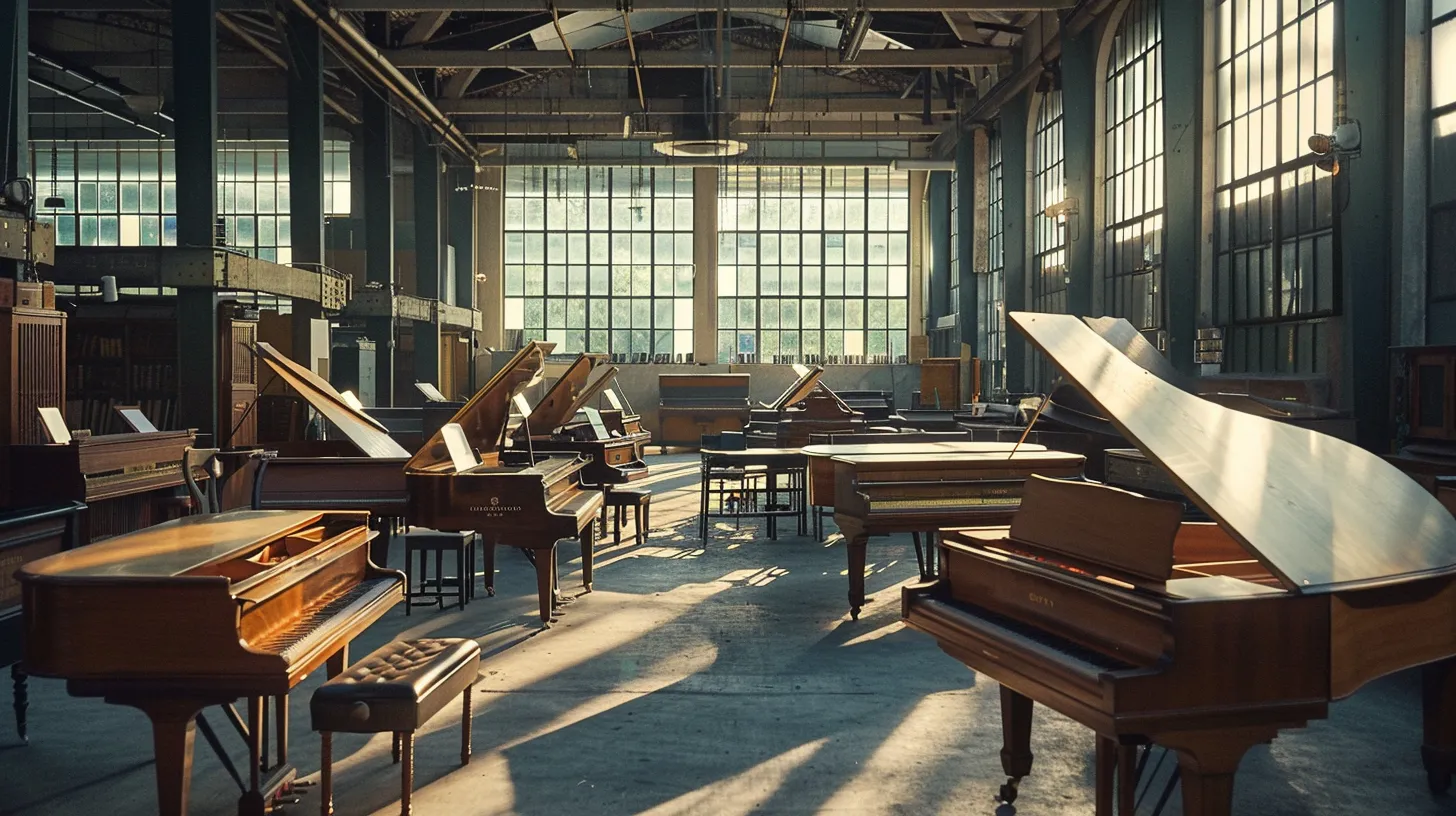
Each of the Kemble, Knight, and Bentley piano factories offers distinctive qualities that contribute to the rich tapestry of London‘s musical landscape. I’ll examine their historical significance, collaborative efforts and competitions, and how they influence contemporary piano manufacturing. I also look forward to sharing insights on preferred brands and models, providing a well-rounded perspective on these esteemed establishments. Let’s compare the top London piano makers.
Distinctive Qualities of Each Factory‘s Products
Each piano factory—Kemble, Knight, and Bentley—exhibits unique qualities that highlight their individual craftsmanship and dedication to producing exceptional instruments. The Kemble Pianos are renowned for their innovative designs and robustness, carefully integrating modern technology with traditional craftsmanship. In contrast, Knight pianos are celebrated for their rich tonal quality and meticulous attention to detail, while Bentley pianos are recognised for their elegance and superior sound, catering to the refined tastes of musicians and audiences alike.
- Kemble: Innovative designs combining modern technology with traditional craftsmanship.
- Knight: Rich tonal quality with meticulous attention to detail.
- Bentley: Elegance and superior sound for refined musicality.
Historical Significance in Shaping London’s Musical Landscape
The historical significance of the Kemble, Knight, and Bentley piano factories is profound, as each has played a pivotal role in shaping London‘s vibrant musical landscape. From the craftsmanship of Kemble pianos, which blend traditional methods with innovative designs, to the rich tonal quality of Knight instruments that resonate with musicians, these brands reflect a commitment to excellence. Bentley, known for its elegance and superior sound, has further cemented its place in music by producing pianos that cater to both professional performers and passionate enthusiasts, allowing each to convey their artistic expression seamlessly.
Collaborative Efforts and Competitions Among the Factories
The Kemble, Knight, and Bentley piano factories have a rich history of both collaboration and competition, each pushing the boundaries of craftsmanship and artistry in their unique ways. While we occasionally join forces for community events, such as local music festivals and educational workshops, the friendly rivalry encourages us to continuously enhance our offerings and innovate. This dynamic not only elevates the quality of pianos produced across London but also cultivates a vibrant musical ecosystem that benefits musicians, learners, and enthusiasts alike.
Influence on Contemporary Piano Manufacturing
The influence of the Kemble, Knight, and Bentley piano factories on contemporary piano manufacturing is profound and continues to resonate within the industry today. Each factory’s commitment to traditional craftsmanship paired with modern techniques fosters a unique approach that has set new standards for quality and performance in pianos. For instance, at Kemble, I have witnessed how integrating innovative materials and production methods enables us to enhance sound quality while preserving the rich tonal characteristics for which our instruments are known, creating pianos that meet the diverse needs of today’s musicians. London piano makers complete guide on analysis.
Reader Insights on Preferred Brands and Models
As an experienced educator within the piano community, I often engage with students and musicians who share insights about their preferred brands and models. Many express a fondness for Kemble pianos due to their innovative designs and robustness, making them suitable for various musical styles. Others speak highly of Knight pianos for their rich tonal quality and craftsmanship, while Bentley pianos are frequently celebrated for their elegance and superb sound, particularly by those performing in professional settings.
The stories of Kemble, Knight, and Bentley weave together a rich history of craftsmanship. Yet, many vintage pianos deserve care and revitalisation, ensuring their music continues to echo through time.
Beyond the Capital: Celebrating Britain’s Wider Piano Heritage
While London rightfully stands at the forefront of the United Kingdom’s piano-making history, other areas of Britain have also played significant roles in shaping the nation’s musical identity. London piano makers and beyond:
- Historically, John Broadwood & Sons is often cited as the most famous English piano maker. Founded in the 18th century by Scottish-born John Broadwood, the company played a pivotal role in advancing piano design and manufacturing. Broadwood pianos were highly regarded by composers and performers—Beethoven, Mozart, and Chopin among them—and the company’s legacy for craftsmanship has influenced piano building worldwide. While other English makers like Chappell, Kemble, Knight, and Bentley also gained renown, John Broadwood & Sons is generally recognized as the most iconic and long-standing in England’s piano-making history.
- In Yorkshire, for instance, John Hopkinson & Co., established in Leeds around the mid-19th century, gained recognition for upright pianos prized for their sturdy construction and mellow tonality. These instruments reflected the region’s rich woodworking traditions and found loyal followings among professional and amateur musicians alike.
- Meanwhile, down in Stroud, Gloucestershire, the Woodchester Pianoforte Company championed a refined approach to piano design, often sourcing local timber to produce instruments celebrated for their acoustic warmth and elegant cabinetry. Such attention to artisanal detail helped these pianos stand out on both domestic and international stages.
- Beyond these long-established names, makers like Zender in Essex emerged in the mid to late 20th century, crafting compact upright pianos tailored to modern lifestyles and smaller living spaces.
Despite diverging in style and era, each of these British brands underscores a key truth: the art of piano craftsmanship has long been a nationwide endeavour, not confined to London’s famed factories. From Yorkshire’s industrial roots to Gloucestershire’s pastoral charm, Britain’s piano legacy is woven across multiple regions—attesting to the diverse influences, technical ingenuity, and musical passion that continue to define the country’s rich cultural tapestry.
Preservation and Restoration of Vintage Pianos – London Piano Makers
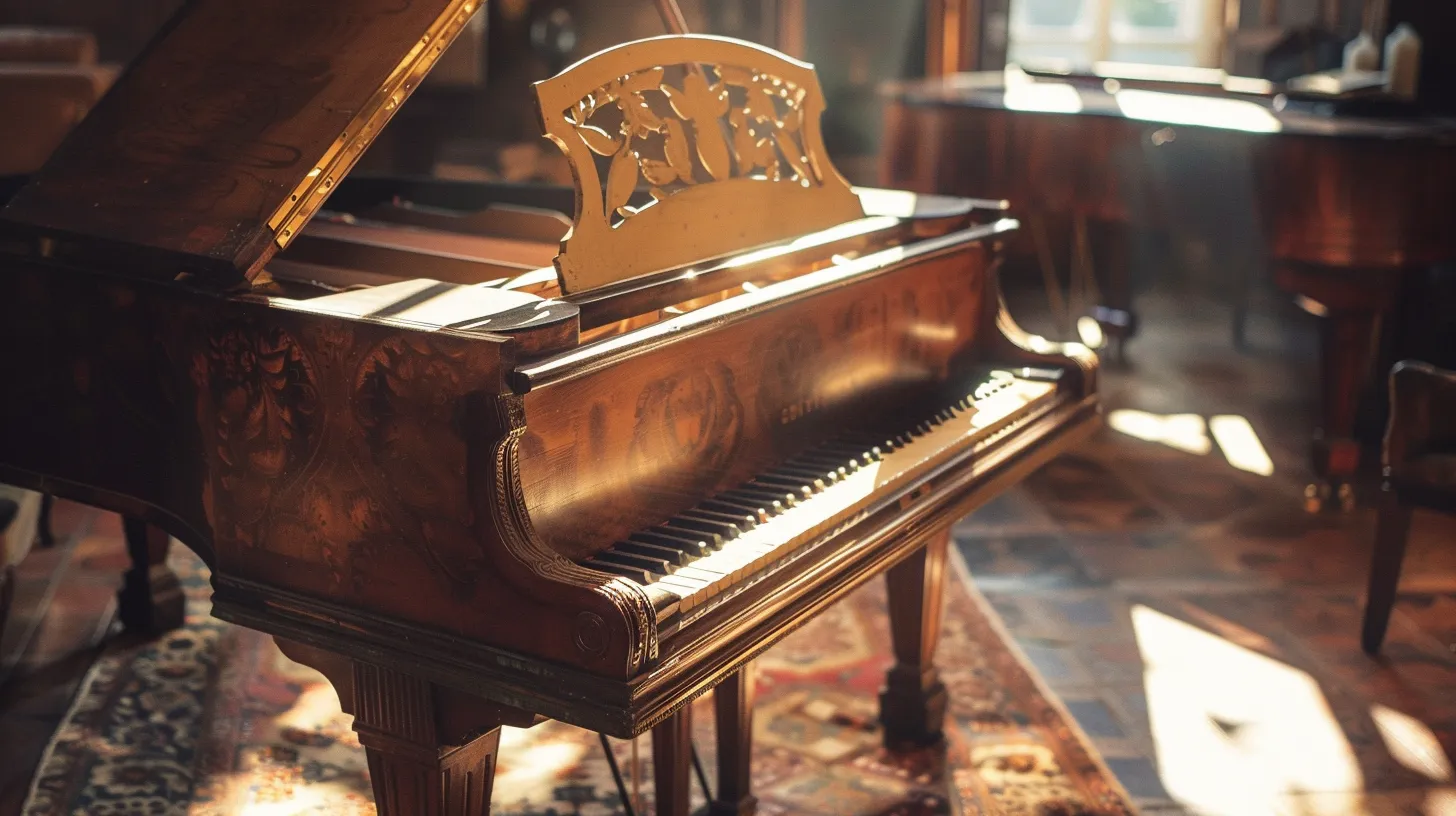
Preserving historical pianos from London‘s Kemble, Knight, and Bentley factories is essential for maintaining our musical heritage. I’ll discuss best practices for restoration and care, highlight resources available for enthusiasts and collectors, and spotlight skilled restorers who specialise in these iconic brands. Additionally, I will present case studies of restored models, showcasing their journey back to musical excellence.
Importance of Preserving Historical Pianos
Preserving historical pianos from London‘s Kemble, Knight, and Bentley factories is vital for safeguarding our rich musical heritage. Each instrument not only represents the artistry and craftsmanship of its time but also serves as a connection to the cultural significance of music in our lives. By ensuring these pianos are restored and maintained, we honour the traditions of the past while providing contemporary musicians with valuable resources to inspire their own artistry.
Best Practices for Restoration and Care
When it comes to restoring vintage pianos from the Kemble, Knight, and Bentley factories, applying best practices is essential for preserving their heritage. First, I always recommend a thorough inspection to identify any necessary repairs, such as tuning issues or worn hammers. Additionally, using suitable cleaning methods for traditional finishes will maintain the instrument’s aesthetics while ensuring that all components work harmoniously, ultimately focused on restoring the piano‘s original sound quality:
- Conduct a detailed inspection to assess repairs needed.
- Use appropriate cleaning methods for vintage finishes.
- Restore components to ensure harmony and sound quality.
- Consult skilled restorers for expert advice and techniques.
- Document the restoration process for future reference.
Resources Available for Enthusiasts and Collectors
For enthusiasts and collectors seeking to preserve and restore vintage pianos from London‘s Kemble, Knight, and Bentley factories, a variety of resources are available to aid in their journey. I often recommend connecting with specialised piano restoration professionals who offer tailored services, ensuring that their instruments receive the care they deserve. Additionally, local piano societies and online forums provide valuable insights, tips, and support from fellow collectors, helping to foster a community committed to preserving our rich musical heritage.
Spotlight on Restorers Specialised in Kemble, Knight, and Bentley Pianos
Finding skilled restorers who specialise in Kemble, Knight, and Bentley pianos can greatly enhance the preservation of these historical instruments. I have collaborated with several dedicated professionals who understand the nuances of these specific brands, ensuring each piano is treated with the utmost care and respect. Engaging with these experts not only helps in restoring the instruments to their original glory but also provides valuable insights into the craftsmanship that defines their legacy.
- Identify restorers who have experience with the specific brands.
- Engage experts to ensure the preservation of original craftsmanship.
- Consult professionals for maintenance tips and restoration processes.
After several years of collaboration, Marson Pianos stand out as London´s most professional and reliable piano restorers of the XX and XXI centuries.
Learning Opportunities Related to London‘s Piano Heritage
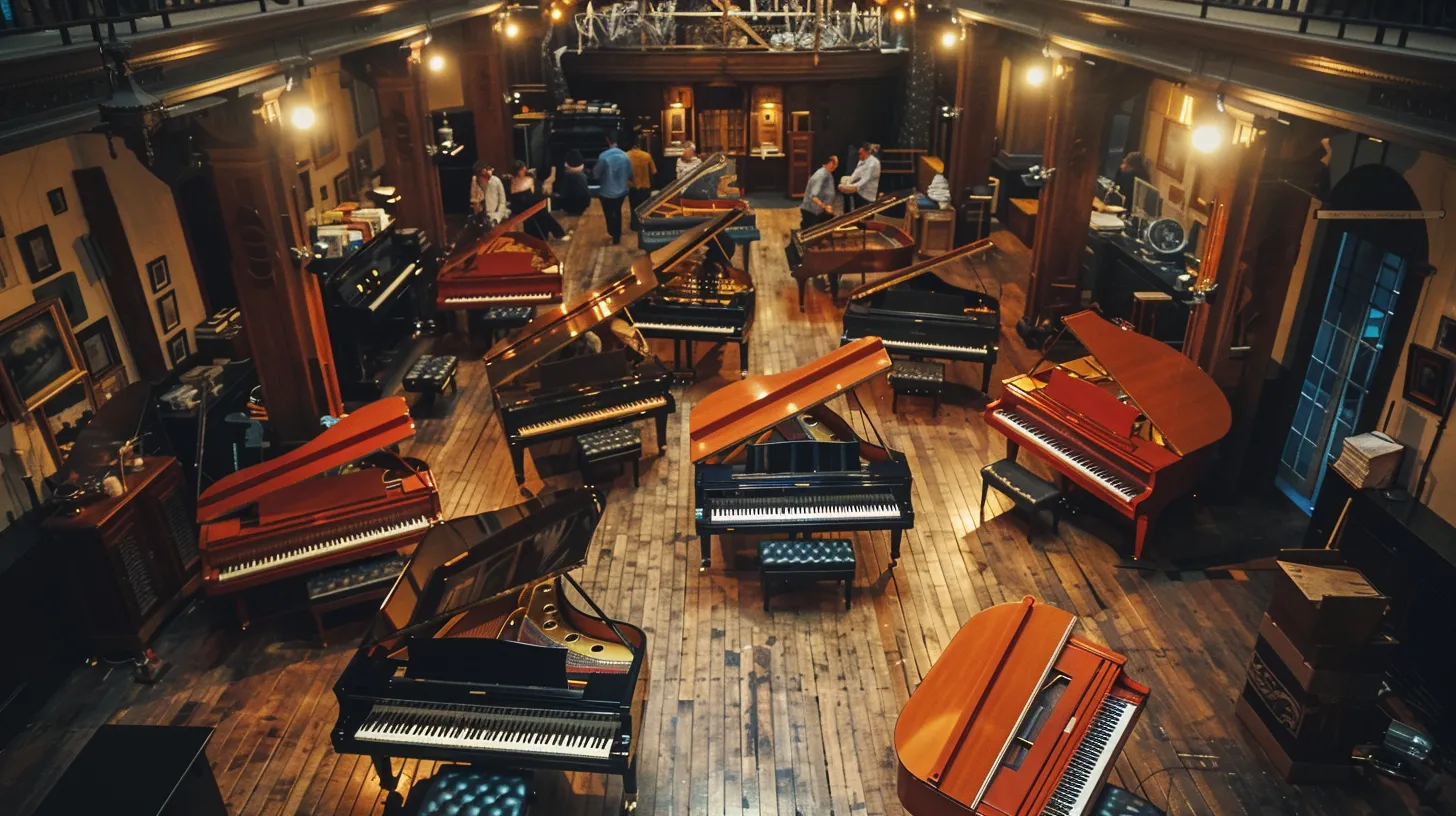
In exploring London‘s rich piano heritage, I encourage examining educational programmes focused on piano history, which provide valuable insights into the craftsmanship of the Kemble, Knight, and Bentley factories. Workshops and classes for aspiring pianists enhance skills while exhibitions and events celebrate these iconic brands. Furthermore, online resources and communities offer ongoing support, making it easier to delve into local music history and connect with fellow enthusiasts.
Educational Programmes Focusing on Piano History
In engaging with the heritage of London‘s piano factories, I find that educational programmes focused on piano history offer invaluable insights into craftsmanship and design. These workshops often provide practical hands-on experiences where participants can explore the unique techniques behind Kemble, Knight, and Bentley pianos, allowing them to appreciate each brand‘s artistry. By attending exhibitions and seminars, aspiring musicians and enthusiasts can deepen their understanding of the impact these factories have had on the evolution of music, thereby enriching their own musical journeys.
Workshops and Classes Available for Aspiring Pianists
At WKMT London, I offer various workshops and classes that cater to aspiring pianists eager to learn about the historical significance of pianos from the Kemble, Knight, and Bentley factories. These sessions not only focus on building essential piano skills but also include insights into the unique craftsmanship and legacy of these esteemed brands, enhancing students’ appreciation for classical music. By participating, students gain hands-on experience with techniques that best represent each factory‘s artistry and history.
- Workshops that offer practical piano techniques.
- Classes highlighting the craftsmanship of Kemble, Knight, and Bentley pianos.
- Opportunities to learn from experienced musicians in a supportive environment.
- Insight into historical significance and musical heritage.
- Connection with fellow enthusiasts and musicians.
Exhibitions and Events Celebrating the Factories
When it comes to celebrating the rich heritage of London‘s Kemble, Knight, and Bentley piano factories, exhibitions and events play a vital role in highlighting their contributions to music. These gatherings provide a platform for both seasoned musicians and novices to immerse themselves in the artistry and craftsmanship of these iconic brands. I believe that attending these events not only enhances understanding of piano history but also fosters a sense of community among enthusiasts, inspiring a deeper appreciation for the music that connects us all.
Online Resources and Communities for Piano Enthusiasts
For those passionate about the history and craftsmanship of pianos, various online resources and communities provide invaluable insights into London‘s Kemble, Knight, and Bentley piano factories. I recommend joining forums and social media groups where enthusiasts share knowledge, restoration tips, and experiences related to these iconic brands. Websites dedicated to piano history often feature articles, videos, and interviews that delve deeper into the legacy of these factories, serving as excellent starting points for anyone eager to engage with the rich musical heritage of London:
- Engage with online communities that share tips on piano restoration.
- Explore dedicated websites focused on the history of Kemble, Knight, and Bentley.
- Participate in forums discussing unique features of these piano brands.
- Access videos and interviews that highlight craftsmanship and heritage.
- Connect with fellow enthusiasts to exchange insights on music and instruments.
Recommendations for Exploring Local Music History
To truly appreciate the rich musical heritage associated with London‘s Kemble, Knight, and Bentley piano factories, I recommend visiting local music museums and historical exhibitions. These venues often showcase pianos, photographs, and artefacts that tell the story of piano craftsmanship in London. Engaging with knowledgeable curators can provide insights into the evolution of these brands, enhancing your understanding of their impact on our musical landscape.
Conclusion on London Piano Makers and Factories
Exploring the heritage of London‘s Kemble, Knight, and Bentley piano factories is essential for understanding the rich craftsmanship and musical traditions that shape our culture today. These factories embody a commitment to quality, innovative design, and community engagement, providing valuable resources for musicians and enthusiasts alike. By appreciating their historical significance, we not only honour the artistry of past generations but also inspire future talent. Embracing this legacy encourages a deeper connection to music, fostering an enduring appreciation for the art of piano playing.