
 TRIAL LESSON
Piano Lessons
The Greatest Classical Music of All Time
Dec
Classical Music Of All Time
The Greatest Classical Music of All Time
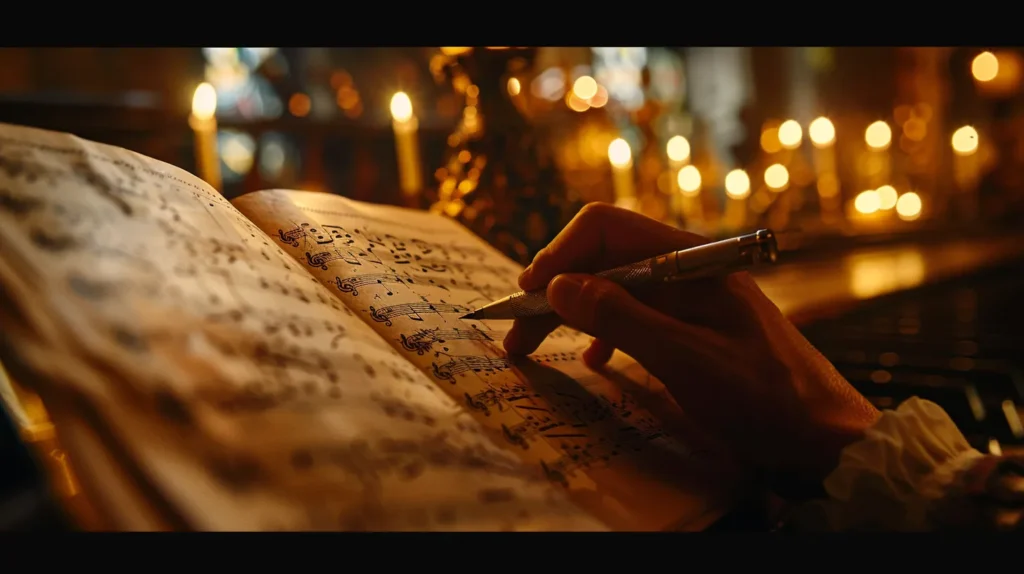
Classical music represents humanity’s most profound artistic achievements, offering a timeless exploration of beauty, emotion, and culture. From the intricate counterpoint of Johann Sebastian Bach’s Baroque masterpieces to the sweeping symphonies of Ludwig van Beethoven and the emotional depth of Johannes Brahms’ romantic music, classical compositions continue to inspire awe across generations. Iconic works such as Antonio Vivaldi’s The Four Seasons, Wolfgang Amadeus Mozart’s The Marriage of Figaro, and Pyotr Ilyich Tchaikovsky’s Swan Lake showcase the boundless creativity of these musical geniuses. Whether it’s a delicate piano sonata, a rousing violin concerto, or a majestic choral fugue, classical music transcends its era, uniting melody, harmony, and rhythm in ways that resonate universally.
In this article, we delve into the lives and legacies of the greatest composers, their opus numbers, and the timeless works that have shaped this unparalleled genre, celebrated by listeners from Vienna to London and beyond.
Classical music continues to inspire musicians and audiences alike from the Baroque period to the Romantic era and into the 20th century. In this article, we will explore some of the most influential composers, their masterpieces, and the lasting impact these works have had on the classical genre.
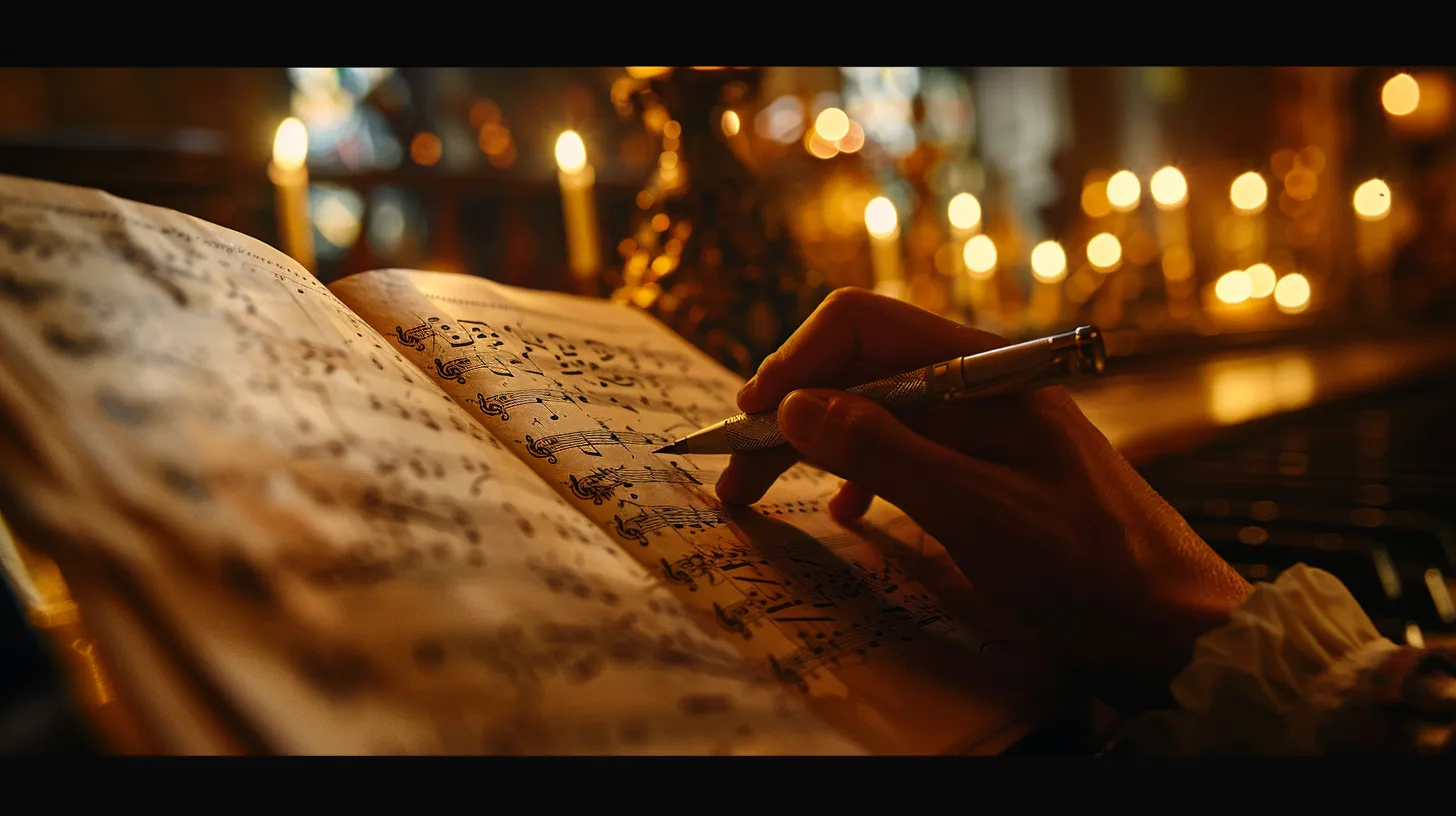
Classical Music and Its Enduring Legacy
Classical Music Definition
Classical music derives its name from its enduring legacy, representing a tradition of musical composition that has remained vital and influential for centuries. Rooted in the Baroque era with the works of Johann Sebastian Bach and George Frideric Handel, it reached new heights during the Classical period through the symphonies and piano concertos of Wolfgang Amadeus Mozart and Joseph Haydn.
The term “classical” suggests timelessness, as these works—such as Mozart’s Eine kleine Nachtmusik or Beethoven’s Für Elise—continue to captivate audiences with their intricate melodies, harmonic depth, and emotional resonance. This music’s structural clarity, often exemplified by the sonata form, and its ability to blend intellectual and emotional appeal have cemented its place in history.
Early Innovation of Classical Music
Through the Romantic era, composers like Johannes Brahms, Franz Schubert, and Tchaikovsky infused classical traditions with passionate expression, creating masterpieces like Swan Lake and Tchaikovsky’s concerto for Violin. Even into the 20th century, figures such as Stravinsky and Debussy redefined the boundaries of classical music with innovative orchestration and bold harmonic language, as seen in The Rite of Spring and La Mer. Whether performed by the Berlin Philharmonic or immortalized in sheet music, classical compositions have transcended their time, inspiring modern artists and musicologists to celebrate their complexity and cultural significance. This resilience and versatility make classical music a cornerstone of Western art, its influence echoed in opera, chamber music, and beyond.
Classical Music Top Pieces – Best Classical Music of all times
The masterpieces of classical music are considered more than just beautiful works—they are complex musical narratives that have a depth that rewards repeated listening. Whether it is the intricate counterpoint of Bach, the emotional complexity of Beethoven’s symphonies, or the lush orchestrations of Tchaikovsky, classical music invites listeners to engage in a rich experience that spans centuries.
Classical music can uniquely transport listeners to different emotional landscapes, sometimes evoking pure joy, sorrow, or a sense of grandeur, and other times inducing quiet reflection. It remains the bedrock of Western music, continually influencing modern genres like film music, jazz, and contemporary classical compositions.
Today, the performance and appreciation of these works continue to be a testament to their ability to speak across time and culture, making classical music as relevant now as it was during the time of its creation. Classical Music of all time.
The Enduring Necessity of Music: Connecting Hearts and Minds Across Time
Music has always been an intrinsic part of human culture, reflecting both our emotions and intellectual pursuits. From the grand symphonies of Ludwig van Beethoven and Johannes Brahms to the hauntingly beautiful works of Pyotr Ilyich Tchaikovsky, music is more than just entertainment; it is a vital form of expression. Classical compositions, such as those by Antonio Vivaldi and Richard Wagner, serve as powerful outlets for human emotion, with iconic pieces like The Marriage of Figaro and The Nutcracker evoking deep connections to the human experience. Instruments such as the cello, violin, and piano resonate across centuries, carrying forward the legacies of composers like Franz Schubert and Joseph Haydn. The universal nature of music allows people to engage with complex emotions and stories that words alone cannot convey, from Baroque counterpoint to Romantic expressiveness, making it an enduring part of life.
The adaptability and evolution of music further demonstrate its necessity. Throughout history, composers like Johann Sebastian Bach and Franz Liszt have pushed the boundaries of musical form, from the disciplined structures of Baroque music to the emotional intensity of Romanticism. The works of Beethoven, Richard Strauss, and Gustav Mahler illustrate how music grows in response to shifting societal dynamics. Today, music continues to evolve, influencing and being influenced by popular genres like Motown, blues, and the global impact of artists such as Paul McCartney and George Gershwin. The varying use of musical instruments, from the brass of a trumpet to the delicate sound of a flute, creates a diversity of expression that resonates with different generations and cultures. This adaptability is key to why music remains an essential and evolving force, from operatic arias to contemporary album releases, from the majestic Ride of the Valkyries to the folk-infused rhythms of composers like Béla Bartók and Jean Sibelius.
The act of making and experiencing music is also a deeply social and communal activity, highlighting its necessity in our lives. Whether playing in a string quartet, singing in a choir, or listening to a performance by the London Symphony Orchestra or the Vienna Philharmonic, music brings people together. Conductors such as Herbert von Karajan and Leonard Bernstein have demonstrated the power of orchestral music to unify and inspire. The joy of hearing beloved works like Chopin’s Für Elise, Gershwin’s Rhapsody in Blue, or Stravinsky’s The Rite of Spring is magnified in a collective setting. Today, music continues to be a medium for both personal catharsis and communal joy, allowing listeners to connect emotionally to the world around them, whether through the seasonal comfort of Christmas carols or the timeless energy of The Blue Danube. Through these experiences, music remains a universal language, connecting hearts and minds across time and cultures. Classical Music of all time Guide.
The Renaissance Revolution: The Value and Craft of Polyphony
Renaissance music, flourishing between the 14th and 17th centuries, was defined by its groundbreaking development of polyphony, a technique where multiple independent melodies intertwine in a cohesive harmony. This intricate structure, championed by composers like Giovanni Pierluigi da Palestrina and William Byrd, was not merely an aesthetic choice but a reflection of the era’s intellectual and spiritual ideals. Polyphony’s value lies in its ability to create depth and complexity, echoing the layered beauty of nature and the divine order, often celebrated in sacred compositions like motets and masses.
Building polyphony required a deep understanding of counterpoint, a discipline of combining individual musical lines according to strict rules. For example, melodies were crafted to maintain clarity and balance, avoiding dissonance while enhancing the emotional impact. Instruments such as the lute and harpsichord often supported these works, complementing voices in both sacred and secular settings. The Catholic Church, as in Palestrina’s Missa Papae Marcelli, saw polyphony as a tool for uplifting the soul, while secular polyphony thrived in madrigals and chansons.
This Renaissance innovation laid the groundwork for later masters. Johann Sebastian Bach’s Brandenburg Concertos and Mass in B Minor pushed counterpoint to its zenith, inspiring figures like Wolfgang Amadeus Mozart, whose Eine Kleine Nachtmusik subtly incorporates polyphonic textures, and Ludwig van Beethoven, evident in his late string quartets. The influence extended into Romanticism, seen in the rich harmonies of Giuseppe Verdi and Johannes Brahms, and even into modern works by Dmitri Shostakovich and Béla Bartók. Polyphony’s resonance in these later periods underscores its universal appeal, exemplifying music as a language of intellect and emotion that transcends time – Classical Music of all time forever.
The Baroque Period: A Foundation for Modern Music
Getting to Know Early Music
The Baroque era, spanning from approximately 1600 to 1750, served as the foundation for many of the musical forms that would later dominate the Classical and Romantic periods. Pioneers like Johann Sebastian Bach and George Frideric Handel revolutionized musical composition with their innovative use of counterpoint, ornamentation, and dramatic expression. Their works, including Bach’s Brandenburg Concertos and Handel’s Messiah, displayed a profound mastery of melody and harmony. Antonio Vivaldi’s The Four Seasons exemplified the dramatic flair and vivid imagery of Baroque music, blending virtuoso violin passages with evocative string instrument arrangements. These early compositions provided a framework for the complex musical developments that would follow in the works of later composers like Joseph Haydn, Wolfgang Amadeus Mozart, and even Ludwig van Beethoven, whose Opus Number symphonies would reshape the symphonic form.
The Baroque period also laid the groundwork for operatic music, influencing iconic works such as Mozart’s The Marriage of Figaro. Composers like Beethoven would build upon this operatic tradition, incorporating expansive instrumental passages and emotional depth into their symphonies, piano concertos, and string quartets. Romantic composers such as J. Brahms and Pyotr Ilyich Tchaikovsky, whose works like the Cello Concerto and Swan Lake ballet, maintained the Baroque’s intricate melodies, while infusing them with the passionate expressiveness that defines Romanticism. The Philharmonia Orchestra and stations like Classic FM continue to celebrate these lasting influences, often performing works that trace their origins back to the dramatic precision of Baroque music. These compositions also laid the path for the virtuosity of later pianists like Chopin, F. Liszt, and Sergei Rachmaninoff, whose piano works became the epitome of Romantic musical expression.
Early Music as a Source of Inspiration for future generations
Composers like C. Debussy, Maurice Ravel, and even Ferruccio Busoni took inspiration from the emotional depth, harmonic innovation, and structural complexity that characterized Baroque music, allowing it to evolve into the diverse array of musical genres that we enjoy today—from folk music and blues to operatic arias and symphonic works. This period, with its innovations in musical composition, has thus ensured its continued relevance in modern music, as heard in performances by the Vienna Philharmonic and orchestras worldwide, where its legacy is immortalized through timeless works.
Johann Sebastian Bach: The Master of Counterpoint and Polyphony
Often regarded as the pinnacle of Baroque music, Johann Sebastian Bach created some of the most complex and emotionally profound works ever written. His Italian Concerto, Goldberg Variations, and The Well-Tempered Clavier are masterpieces of counterpoint and polyphony. Bach’s compositions are celebrated for their intricate chord progressions, deep spiritual resonance, and technical complexity. His works, particularly in the realm of musical composition, demonstrate an unparalleled mastery of structure, exemplifying the ideal synthesis of mathematics and artistry, a quality that defines much of his output. Classical Music of all time Guide.
Bach’s Mass in B Minor and St. Matthew Passion are monumental works of sacred music, blending choir, soloists, and orchestra into grand choral settings. These compositions are as much an exploration of the divine as they are a testament to Bach’s mastery over musical form. His music’s depth is often said to transcend its time, continuing to influence modern composers in every genre, from the Romantic music of F. Schubert and Robert Schumann to the classical symphonic innovations of Ludwig van Beethoven. Even though Bach’s work was rooted in the Lutheran tradition, it reached a universal humanistic significance, exploring profound spiritual and philosophical questions through the language of music. His Mass in B Minor and St. Matthew Passion still inspire modern soprano and tenor soloists today, with the pieces often performed by elite orchestras like the Philharmonia Orchestra and the Vienna Philharmonic.
Bach’s ability to weave multiple voices together in intricate counterpoint has influenced classical musicians and composers in jazz, contemporary music, and even film scores. The techniques he developed in works like The Art of Fugue and The Musical Offering have been absorbed into the fabric of Western music, serving as a model for composers of all styles. The fugue, in particular, stands out as a highly architectonic and mathematical piece of music, with its strict rules and structural beauty that mirror the precision of geometry. Just as an architect might design a building with precise proportions, Bach’s fugues are constructed with logical, interwoven voices, creating a harmonic structure that reflects a deep understanding of mathematics. His work continues to influence modern musicians and conductors, such as Franz Liszt, Igor Stravinsky, and Gustav Mahler, who have cited Bach’s formal mastery in their own opus number catalogues.
George Frideric Handel: Oratorio and Opera
George Frideric Handel was a monumental figure of the Baroque period, renowned for his operas and oratorios, which significantly influenced Western classical music. His Messiah, with its celebrated Hallelujah Chorus, remains one of the most performed and beloved works in the classical repertoire. This masterpiece continues to inspire musicians and listeners, especially around Christmas time and exemplifies Handel’s talent in blending intricate chords with emotive lyrics.
The influence of Handel’s music extends far beyond the Baroque era. His operas and oratorios inspired composers like Joseph Haydn, Franz Schubert, and even later Romantic composers such as Pyotr Ilyich Tchaikovsky. His works helped shape the development of musical composition, and his mastery of both opera and oratorio set a high standard for later generations. Handel’s operas were known for their dramatic arias, and his Messiah remains a prime example of the emotional depth that can be conveyed through choral works.
Handel’s impact can be heard today in the works of Igor Stravinsky, Franz Liszt, and even modern musicians like Paul McCartney who, despite being part of popular music, have expressed admiration for the classical foundations laid by composers like Handel. Similarly, classic FM often features Handel’s works, maintaining their presence in the contemporary concert playlist. Notably, the Philharmonia Orchestra and London Symphony Orchestra regularly perform his oratorios and operas, continuing to bring his music to new generations of listeners.
The Classical Period: The Golden Age of Symphonies and Concertos
The Classical period, spanning roughly from 1730 to 1820, marked a significant shift in the history of Western music. Moving away from the complexity and ornamentation of the Baroque music era, composers embraced a focus on clarity, balance, and structure. This era witnessed the rise of genres such as the symphony, sonata, concerto, and string quartet, and it laid the foundation for modern orchestral and chamber music. During this time, the orchestra grew larger, and the piano emerged as the dominant keyboard instrument, shifting away from the harpsichord that was prevalent in earlier periods.
Composers like Wolfgang Amadeus Mozart and Ludwig van Beethoven were at the forefront of this transformation, producing works that have since become cornerstones of the Classical music repertoire. The Vienna Philharmonic, a symbol of the Classical period, regularly performed works like Mozart’s Eine Kleine Nachtmusik and Beethoven’s symphonies, both of which showcased the era’s emphasis on structured form and thematic development. These composers introduced opus numbers that became identifiers for their compositions, such as Beethoven’s famous Opus 27 (“Für Elise”) and Mozart’s Requiem, which carried the grandeur of the Classical style into the realm of opera and choral music.
The period also saw the development of important forms and structures, with the sonata form becoming a defining characteristic in symphonic and chamber music. The elegance and refinement of the Classical style were also reflected in works like Joseph Haydn‘s symphonies, string quartets, and the concerto for orchestra. These works adhered to the Classical ideals of proportion, symmetry, and clarity. Haydn’s symphonies, particularly his London Symphonies, and Beethoven’s later works, such as his Symphony No. 9, exemplified how composers could use these frameworks to build emotional depth and dramatic tension.
During the Classical period, the Rococo style, with its light and ornate textures, preceded the more formal Classicism. Composers like Carl Philipp Emanuel Bach and Johann Christian Bach bridged this transition, creating music that was both ornamented and structured, foreshadowing the more defined and restrained forms that would dominate the Classical era. These early works reflected a time of elegance and refined artistry that laid the groundwork for more dramatic and nuanced expressions of later Classical composers.
In terms of musical genres, the symphony and sonata became central to the Classical period’s artistic output, while works like Beethoven’s Piano Sonatas and Mozart’s operatic The Magic Flute revealed the increasing emphasis on character development and dramatic expression. Similarly, concertos for piano and violin, such as Beethoven’s Concerto for Violin and Mozart’s Piano Concerto No. 21, displayed an interplay of individual virtuosity with orchestral accompaniment that defined the Classical concerto.
Throughout the Classical period, composers also delved into religious music, as seen in Beethoven’s Missa Solemnis and Mozart’s Requiem. The Philharmonia Orchestra, as well as major ensembles such as the Vienna Philharmonic and Berlin Philharmonic, continue to perform these monumental works that bridge the gap between sacred and secular music, further demonstrating the lasting impact of the Classical tradition on later opera and orchestral music.
Vienna’s rise as a musical capital during this period is significant, not only because of its contributions to Classical music but also in how it influenced other great composers of the 19th and 20th centuries, including Claude Debussy, Johannes Brahms, and Jean Sibelius, who found inspiration in the orchestral richness and thematic development of Mozart and Beethoven. The legacy of the Classical period continues to inspire contemporary composers like Benjamin Britten, Max Richter, and Igor Stravinsky, who integrate the formalism of the Classical tradition with modern sensibilities in their symphonic and operatic works.
As Classical music evolved, its aesthetic principles of clarity and form laid the groundwork for later developments in romantic music, where emotional expression would become as important as structural integrity. Today, we still see the influence of the Classical period in diverse music genres, including film scores, popular music, and even blues, where the concept of musical form and chord progression remains relevant. From The Rite of Spring by Stravinsky to Swan Lake by Tchaikovsky, the Classical period’s focus on structure and balance can still be heard echoing through the ages, forever shaping the landscape of Western music.
Wolfgang Amadeus Mozart: A Genius of Melody and Harmony
No discussion of classical music would be complete without mentioning Wolfgang Amadeus Mozart. His symphonies, operas, and piano concertos are regarded as some of the greatest achievements in music history. His Eine Kleine Nachtmusik remains one of his most recognizable pieces, a melody that exemplifies his ability to blend classical form with lyrical beauty. Mozart’s piano concertos have become staples of the classical piano repertoire.
The balance he achieved between the orchestra and the piano creates a seamless dialogue between the two, a feature that continues to inspire pianists to this day. His operas, such as The Marriage of Figaro, are noted for their dramatic characterizations and sophisticated structures, setting the standard for opera composers.
Mozart’s ability to express a wide range of emotions with grace and clarity was revolutionary for his time. In his operas, he blurred the boundaries between high art and entertainment, combining catchy melodies with profound emotional depth. His operas, like Don Giovanni and The Magic Flute, dealt with universal human themes—love, jealousy, betrayal, and the search for wisdom—yet they retained a lightness of touch that made them accessible to audiences of all social classes – Classical Music of all time.
The Magic Flute, in particular, combined elements of folk music, opera buffa, and high classical tradition, creating a work that transcended the conventions of its time. Mozart’s operas were more than just stories with musical numbers; they were fully integrated works where every note served to enhance the drama, offering audiences an immersive experience that blended music with narrative.
In addition to his operatic works, Mozart’s Requiem Mass in D Minor stands as one of his most significant choral works. Written in the final months of his life, the Requiem is filled with a sense of urgency and profundity. The work remains one of the greatest sacred choral compositions in history, expressing deep sorrow and introspection in its portrayal of the eternal struggle between life and death.
Ludwig van Beethoven: The Bridge to Romanticism
Ludwig van Beethoven remains one of the most significant composers in Western music, bridging the Classical and Romantic periods. His music broke free from the formal conventions of Baroque music and the Classical era, marking a new era of self-expression and innovation that would influence generations to come. Beethoven’s works like his Symphony No. 9, with its iconic “Ode to Joy,” remain cornerstones of the classical repertoire, performed by major ensembles like the Philharmonia Orchestra, Vienna Philharmonic, and the Berlin Philharmonic. This symphony exemplifies his remarkable skill in orchestration and his ability to convey deep emotional depth through music, blending instrumental brilliance with vocal parts in the final movement—an innovation at the time.
His Piano Sonatas and String Quartets, written in the later part of his career, reflect Beethoven’s personal struggles, including his battle with deafness, and the triumph of his spirit. Works like the Moonlight Sonata (Piano Sonata No. 14 in C-sharp minor) show Beethoven’s remarkable ability to evoke a vast array of emotions, from introspective melancholy to overwhelming intensity. His Piano Concerto No. 5 (“Emperor”) further underscores his genius, combining virtuosic piano passages with deeply lyrical moments, often performed by soloists like Lang Lang or Clara Schumann. Beethoven’s creative output was revolutionary, setting the stage for later Romantic music composers like Franz Schubert, Robert Schumann, and Johannes Brahms.
His transition from the Classical period to the Romantic was marked by an innovative approach to form and harmony. Beethoven’s late works, particularly the Ninth Symphony (Opus 125), are filled with profound emotion, reflecting his personal journey and paving the way for Romantic ideals of individual expression and dramatic narrative. Composers such as Richard Strauss, Jean Sibelius, and Gustav Mahler drew inspiration from Beethoven’s powerful emotional depth.
Beethoven’s melodies have not only left a lasting impact on classical music but have also been woven into popular culture. The famous theme from Symphony No. 5 is instantly recognizable and has appeared in modern songs, such as Motown tracks and pop music. For example, Paul McCartney in his song “Yesterday” subtly draws upon the structure and harmonic language of Beethoven’s works. Additionally, Beethoven’s “Ode to Joy” has been sampled in various genres, even making its way into modern pop culture, as seen in Beethoven’s 9th featured in George Gershwin’s jazz compositions or in The Nutcracker suite being reinterpreted by contemporary artists like Max Richter.
Beethoven’s musical influence can be found in modern songs ranging from rock to classical crossover, with artists often reimagining his melodic lines. Tracks like “A Fifth of Beethoven” by Walter Murphy blend the iconic Symphony No. 5 melody with disco beats, showing how Beethoven’s themes continue to resonate in today’s music genres. As the world’s composers and performers have continued to evolve, Beethoven’s deep and lasting impact on musical instruments, sheet music, orchestral suites, and conducting techniques remains a central foundation of musicology. Classical Music of all time repertoire.
The emotive power of his music echoes in the melodies of contemporary works, from the Vienna Philharmonic to Classic FM Hall of Fame broadcasts, and even in modern music genres like blues, pop music, and alternative rock. Beethoven’s influence has crossed boundaries, keeping his legacy alive across centuries and genres, from his profound religious music to modern playlist creations in the world of album releases.
The Romantic Period: Passion and Innovation in Music
Definition
The Romantic period of classical music, roughly spanning from the early 19th century through the early 20th century, represented a dramatic shift in both musical style and the role of the composer. This era emphasized individual expression, emotional depth, and dramatic intensity. Composers moved away from the structured forms and balanced proportions of the Classical period, embracing expansive works filled with passion, imagination, and often, a sense of longing or melancholy. Many of these works remain staples in today’s album collections, performed by renowned orchestras like the Vienna Philharmonic and London Symphony Orchestra.
The influence of composers such as Ludwig van Beethoven, Brahms, and Frédéric Chopin defined the period. Beethoven, whose late works like Symphony No. 9 revolutionized symphonic music, bridged the Classical and Romantic eras. His exploration of emotional depth laid the groundwork for later composers. Robert Schumann and Richard Strauss brought new dimensions to musical storytelling with their leitmotifs and symphonic poems. Richard Wagner is particularly notable for his use of these leitmotifs in operas like Tristan und Isolde, where music and drama are deeply intertwined, creating intense, almost operatic soundtracks.
While composers like Frédéric Chopin and Claude Debussy explored deeply personal expression through piano works and nocturnes, Pyotr Ilyich Tchaikovsky and Giuseppe Verdi expanded the emotional capacity of opera and ballet. Tchaikovsky’s The Nutcracker Suite and Swan Lake have become iconic, exemplifying both the grandeur and the intimacy of Romantic music. Verdi’s La Traviata and Aida created unforgettable dramatic moments, driven by his mastery of orchestration and vocal writing, often performed by sopranos like Maria Callas.
Progress of Romantic Era
At the heart of the Romantic period was the burgeoning importance of the individual virtuoso. Sergei Rachmaninoff, known for his incredible piano technique, composed works that pushed the limits of the instrument, with his Piano Concerto No. 2 becoming one of the most celebrated pieces in the piano repertoire. Meanwhile, Franz Liszt transformed the art of piano composition, establishing a new language of virtuosity in works like his Hungarian Rhapsodies. Classical Music of all time.
The orchestra expanded dramatically during this time. The Philharmonia Orchestra, Berlin Philharmonic, and London Philharmonic Orchestra grew in size, incorporating a wider array of musical instruments, including expanded brass and woodwind sections. Composers like Jean Sibelius and Maurice Ravel brought a unique national flavour to the Romantic movement, with Sibelius’ evocative Finlandia and Ravel’s Boléro showcasing their mastery of orchestral colour. Classical Music of all time.
As the 19th century turned into the 20th century, composers like Igor Stravinsky and Dmitri Shostakovich began to push the boundaries of tonality and rhythm, setting the stage for the modernist movements that would follow. Stravinsky’s The Rite of Spring is a prime example of how Romantic ideas of expressiveness were taken to radical new extremes, causing a stir with its avant-garde rhythms and orchestration. Meanwhile, Benjamin Britten and Hector Berlioz continued to refine the genre of programmatic music, using the orchestra as a storytelling device, weaving in themes from religious music, poetry, and the human experience.
Throughout the Romantic period, the role of the composer was elevated, with figures like Franz Schubert and Felix Mendelssohn composing works that reflected the cultural changes of their time. The Romantic song cycle, popularized by composers like Robert Schumann and Johannes Brahms, saw a perfect marriage between poetry and music, where the two art forms would come together in intimate, often melancholic, songs that explore themes of love, loss, and longing. Schubert’s Winterreise and Brahms’ Lieder cycles became iconic works of the era.
As the Romantic period evolved, it continued to inspire new genres and forms, from the rich ballets of Tchaikovsky to the operas of Puccini. The love for virtuoso performance persisted through the 20th century and continues to captivate audiences. Whether through clarinet concertos or cello suites, the Romantic period fostered a rich tradition that influences popular music, classical soundtracks, and contemporary albums to this day.
Conclusion on Romantic Era of Music
The Romantic period was one of profound transformation, in which music became a powerful medium for expressing the deepest corners of the human experience. Whether through the expansive works of Mahler or the intimate piano compositions of Chopin, the period set the stage for all of the artistic and emotional growth that followed, influencing composers across genres and making an indelible mark on music history. Classical Music of all time Guide.
Beyond the Legacy of Virtuosity
Influential Power Beyond Its Era
The Baroque period was a golden age of musical innovation, leaving an indelible mark on the trajectory of Western music. France played a pivotal role, in producing compositions and cultivating a musical culture that influenced Europe and beyond. Composers such as Antonio Vivaldi, with his Four Seasons, and Jean-Baptiste Lully, whose operas like Armide established the French opera tradition, exemplified the virtuosity and creativity of the Baroque. Their groundbreaking works shaped the evolution of musical expression, inspiring composers across centuries.
The legacy of Baroque music influenced the great Classical composers like Wolfgang Amadeus Mozart, whose operatic masterpiece The Marriage of Figaro exemplified the intricate counterpoint and emotive depth of the era. These works set a precedent for later composers, notably Ludwig van Beethoven, whose Opus numbers defined the symphonic and piano repertoire, fusing Baroque complexity with the expanding Romanticism of his time. Composers like Joseph Haydn, often called the “Father of the Symphony,” and Franz Schubert, whose Eine Kleine Nachtmusik became iconic, continued to develop these Baroque foundations in their works, cementing the evolution of Western classical music.
The influence of the Baroque on Romantic music is evident in the compositions of Johannes Brahms, Pyotr Ilyich Tchaikovsky, and Frédéric Chopin, who infused the grandeur of Baroque structure with emotional depth. In works like Chopin’s Prelude and Brahms’ piano concertos, the use of chords, counterpoint, and sweeping orchestration reflects the enduring impact of the Baroque style. The virtuosity seen in Baroque violin concertos by Vivaldi and Bach also inspired later composers like Felix Mendelssohn in his Violin Concerto, while Franz Liszt‘s daring piano technique and Sergei Rachmaninoff‘s emotional intensity echoed the powerful expressiveness of earlier forms.
The interwoven musical lines and expressive phrasing of Baroque music also shaped the orchestral and operatic landscapes of the 19th and 20th centuries, with Richard Wagner’s Tristan und Isolde and Giuseppe Verdi‘s Requiem using leitmotifs to deepen musical narrative, a technique rooted in Baroque drama. Igor Stravinsky, with The Rite of Spring, and Claude Debussy, in works like Suite Bergamasque, brought forward the dynamics of Baroque orchestration while pushing harmonic boundaries toward Impressionism.
In popular music, the legacy of Baroque virtuosity persists through its influence on genres such as jazz and folk music, as well as contemporary film scores and album music. The intricate melodies, complex structures, and rich harmonies of Baroque music resonate in the works of Paul McCartney, whose melodies echo Baroque counterpoint, and George Gershwin, whose compositions like Porgy and Bess borrow from the expressive depth of Baroque opera. The layering of voices and instrumental timbres in modern rock and pop can trace roots back to Baroque principles, demonstrating how the virtuosity of the past continues to shape current music genres.
Early composers like Domenico Scarlatti, with his innovative keyboard sonatas, Georg Philipp Telemann, and Johann Christian Bach were also integral to the transition between Baroque and Classical styles. Their work in keyboard music and concertos influenced composers across Europe, including Richard Strauss, whose Alpine Symphony and operatic works exhibited a blend of Baroque ornamentation with late-Romantic grandeur. Similarly, Benjamin Britten’s operas and Maurice Ravel’s Boléro show the persistent impact of Baroque orchestration and rhythm in modern classical compositions.
The virtuosity and structural innovations of the Baroque period have also impacted modern musicology, shaping how composers, arrangers, and performers approach conducting, composing, and interpretation. The technical precision required by Baroque music continues to be integral to the pianist‘s skill set, especially with composers like Robert Schumann, who mastered the complexities of counterpoint and harmonic progressions that were first established in Baroque works like Bach’s Mass in B Minor. The London Symphony Orchestra and Vienna Philharmonic regularly perform works that echo these Baroque influences, demonstrating the genre’s persistent relevance.
From the exuberant concertos of Vivaldi to the operatic masterpieces of Jean-Baptiste Lully and Francesco Cavalli, Baroque music’s focus on melody, harmony, and dramatic expression laid the groundwork for nearly every musical development since. The bold creativity of this era continues to inspire pianists, orchestras, and modern composers like Max Richter and Daniel Barenboim, whose works demonstrate how Baroque traditions are woven into the tapestry of modern music. Whether in popular music, film scores, or classical symphonies, the Baroque spirit endures, securing its place as the cornerstone of Western music history. Classical Music of all time learning.
Conclusion: The Timeless Legacy of Classical Music
Classical music stands as a profound testament to humanity’s enduring creativity and emotional depth. From the baroque music of Johann Pachelbel and George Frideric Handel to the Romantic expressions of Pyotr Ilyich Tchaikovsky and Gustav Mahler, these masterpieces transcend their time, continuing to resonate with audiences worldwide. Compositions like The Four Seasons by Antonio Vivaldi or Eine Kleine Nachtmusik by Wolfgang Amadeus Mozart illustrate how the genre balances technical precision with profound emotion. Rooted in the cultural and historical contexts of their creation, works from composers such as Johann Sebastian Bach, Jean Sibelius, and Benjamin Britten showcase the universality of human experience, crafting enduring musical compositions that bridge centuries. Classical Music of all time for everyone to learn!
The evolution of classical music—from the intricate counterpoint of William Byrd’s Renaissance Motets to the dramatic leitmotifs of Richard Wagner’s Die Walküre—highlights its adaptability and depth. Whether in the structured elegance of sonata form or the evocative preludes and toccatas of composers like Maurice Ravel and Claude Debussy, each era brought unique innovations. Composers like Hector Berlioz (Symphonie Fantastique), Dmitri Shostakovich (Cello Concerto in D Minor), and Edward Elgar (Cello Concerto) pushed the boundaries of creativity, enriching classical music while paving the way for contemporary forms like film scores and even popular music, as heard in the orchestral arrangements of Paul McCartney or the sampling techniques of modern genres.
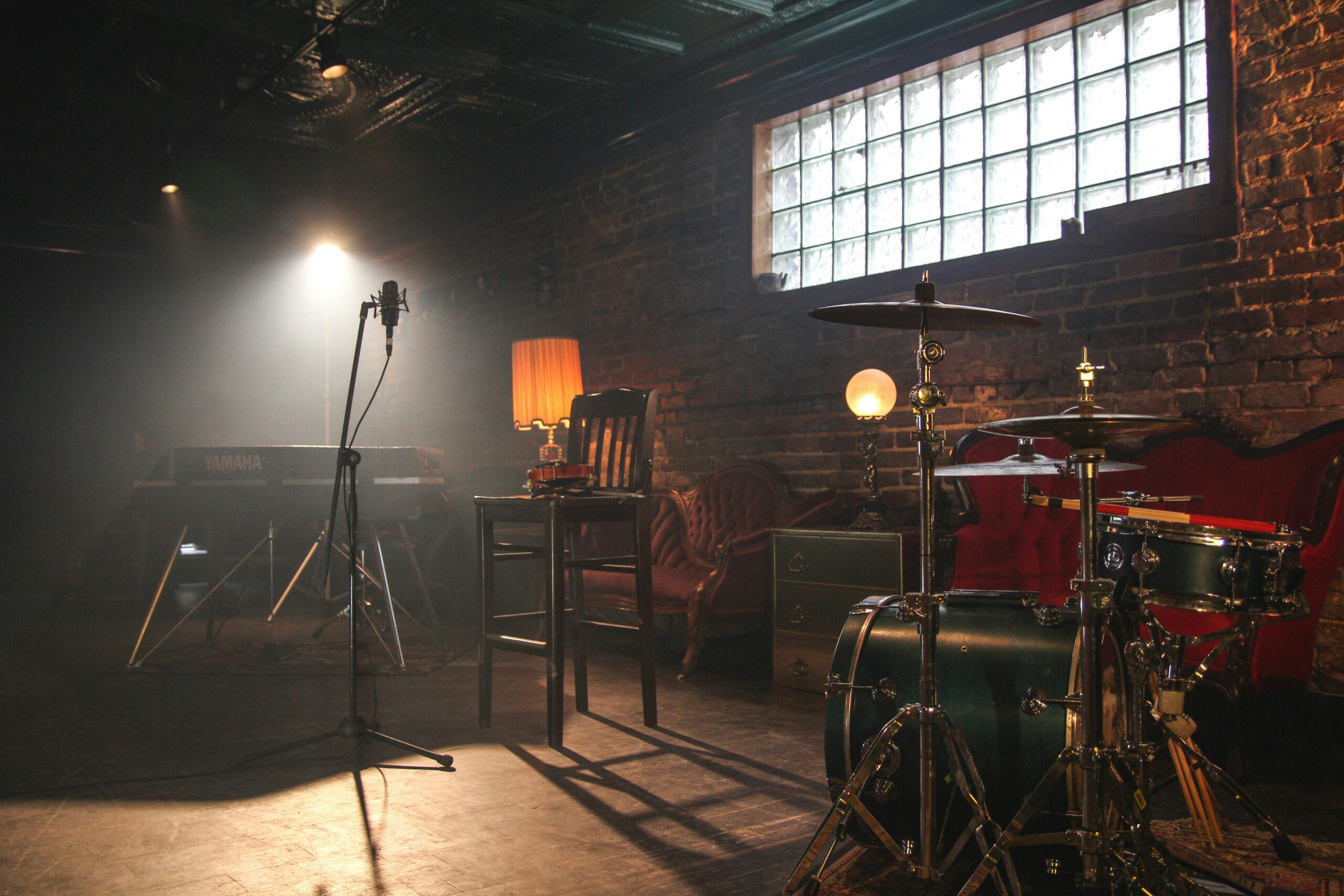
Musical instruments, from the harp and flute to the guitar and double bass, have played a pivotal role in these creations, providing the textures and colours that define the genre. Iconic works like Bach’s Cello Suites or Handel’s St. Matthew Passion remain staples of repertoire performed by world-renowned ensembles like the Vienna Philharmonic and Berlin Philharmonic. Performers, including Maria Callas and Luciano Pavarotti, and conductors like Herbert von Karajan and Carlos Kleiber, bring these pieces to life, ensuring their place in history. Going through Classical Music of all time.
Today, classical music’s influence is undeniable. It inspires contemporary composers like Max Richter and Steve Reich, shapes popular media with scores like Igor Stravinsky’s The Rite of Spring and Prokofiev’s Petrushka, and reaches new audiences via platforms like Classic FM. Its emotional landscapes, technical brilliance, and thematic depth make it an unparalleled art form. Whether through the pastoral themes of Ralph Vaughan Williams or the shimmering textures of Debussy’s La Mer, classical music continues to provide solace, inspiration, and beauty in a complex world.
For both seasoned enthusiasts and newcomers, the enduring appeal of classical music lies in its capacity to transcend boundaries, offering a timeless celebration of creativity, intellect, and imagination. From intimate ballads to grand symphonies, these works invite listeners on a journey that speaks to the essence of what it means to be human—an artistry that is as vital today as it was centuries ago. Hope you enjoyed this Greatest Classical Music of all time.
Discover exceptional piano lessons with WKMT, a leader in piano education since 2010. Available in-studio in London or online worldwide.