
 TRIAL LESSON
Piano Lessons
Busoni and Bach: A Transformative Encounter in Musical Innovation
May
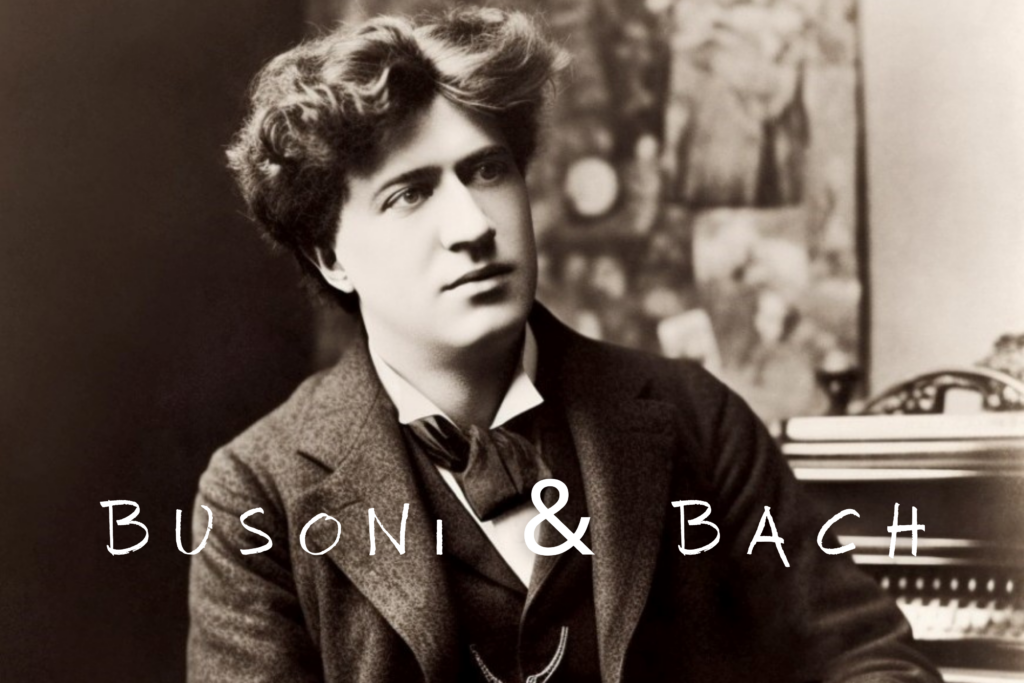
Ferruccio Busoni & Bach: A Transformative Encounter in Musical Innovation
The musical landscape of the late 19th and early 20th centuries witnessed a remarkable convergence of two extraordinary composers: Ferruccio Busoni and Johann Sebastian Bach.
This intersection brought about a transformative encounter that reshaped the interpretation and understanding of Bach’s music. In this article, we explore the profound influence Busoni had on Bach’s legacy, delving into his innovative transcriptions, his philosophies on interpretation, and the enduring impact of this dynamic musical exchange.
Discovering Bach: A Source of Inspiration
Ferruccio Busoni, an Italian pianist and composer, possessed an unwavering admiration for the genius of Johann Sebastian Bach. During his formative years, Busoni recognized the depth and complexity of Bach’s compositions, perceiving them as a musical treasure trove. Bach’s intricate counterpoint and profound expression became a wellspring of inspiration for Busoni’s own artistic development.
Transcription: Breathing New Life into Bach’s Music
One of Busoni’s most notable contributions to Bach’s legacy was his pioneering work in transcription. He believed that Bach’s music could transcend its original forms and flourish on different instruments. Busoni embarked on a transformative journey, adapting Bach’s organ and violin works for the piano. His transcriptions, including the monumental Chaconne in D minor, showcased Busoni’s virtuosity and demonstrated how Bach’s compositions could be reimagined and revitalized in the context of the modern piano.
The Philosophy of Interpretation: Individuality and Creativity
Busoni’s deep connection to Bach extended beyond transcription. He emphasized the importance of individual interpretation and creative expression in performing Bach’s music. Busoni challenged the notion of rigid adherence to historical conventions, encouraging musicians to infuse their own personalities and emotions into their renditions. This approach aligned with the emerging Romantic ideals of the time, which valued the subjective and emotional dimensions of music.
The Bach-Busoni Editions: A Testament to Musical Scholarship
Recognizing the need for authoritative editions of Bach’s music, Busoni dedicated himself to editing and publishing the Bach-Busoni Editions. These editions provided pianists with meticulously edited scores that integrated Busoni’s interpretive insights and pianistic adaptations. Busoni’s editions spanned a wide range of Bach’s works and served as invaluable resources for performers, ensuring the accurate representation of Bach’s music while allowing room for artistic interpretation.
A Lasting Legacy: Shaping the Interpretation of Bach
Busoni’s transformative encounter with Bach left an indelible mark on the interpretation and performance of Bach’s music. His transcriptions and editions not only showcased the adaptability of Bach’s works but also expanded their accessibility to a wider audience. Busoni’s philosophies on interpretation—valuing individuality and creative expression—inspired subsequent generations of musicians to approach Bach’s music with fresh perspectives. His innovations contributed to the enduring popularity and reverence for Bach, solidifying his position as one of the greatest composers in history.
The meeting of minds between Busoni, Ferruccio and Bach, J.S. represents a transformative encounter that forever altered the musical landscape. Ferruccio Busoni music’ deep reverence for Bach’s music, coupled with his innovative transcriptions, enlightened interpretations, and meticulous editions, breathed new life into Bach’s compositions. Their synergy opened new doors for performers, fostering a spirit of creative exploration and individual expression. The legacy of Busoni’s transformative encounter with Bach endures to this day, enriching our understanding and appreciation of Johann Sebastian Bach’s timeless and profound musical creations.
Do not miss our post about the legacy of Bach on contemporary music!