
 TRIAL LESSON
HOME PAGE, Piano Lessons, Uncategorized
World-Class Pianists in London — 10 Famous International Names Who Called the Capital Home
Dec
World-Class Pianists in London — 10 Famous Names | WKMT
World-Class Pianists in London — 10 Famous International Names Who Called the Capital Home
By WKMT London | Updated July 2026
From Clementi’s fortepiano workshops to Mitsuko Uchida’s Royal Festival Hall concertos, London has drawn the greatest pianists of every era. This is the story of who came, why they stayed — and what their repertoire can teach today’s piano students.
Few cities can claim as deep a relationship with the piano as London. For over 250 years, world-class pianists in London have shaped not just the sound of the instrument but the cultural life of the capital itself. Some, like Muzio Clementi and Dame Myra Hess, made the city their lifelong home. Others, like Franz Liszt and Vladimir Horowitz, arrived as visiting legends whose London concerts became the stuff of history. This guide to 10 London-based famous international world-class pianists — eleven names, in truth, once the honourable mentions insisted on inclusion — traces that lineage century by century.
Along the way, we pair each artist with one recommended work that a developing pianist can realistically study — because at WKMT, we believe the best way to honour London’s pianistic heritage is to play it.
In this guide
- The famous pianists who called London home — profiled by century, from Clementi to Pires
- A timeline of 250 years of pianists in the capital
- How London compares with Vienna, Paris, Moscow and New York as a pianists’ city
- Recommended repertoire for piano students — one key work per pianist, with approximate ABRSM grades
- How to use these artists’ recordings in your own practice
The Famous Pianists Who Called London Home — and Those Who Could Not Stay Away
London has always been a city of music: a place where the world’s most talented pianists have found inspiration, audiences, and often a permanent home. From the eighteenth century to the present day, these musicians shaped not only the sound of the piano but the cultural heartbeat of the capital. What follows is a closer look at these remarkable artists, organised by century, and the legacy each left behind.
The 18th Century
Muzio Clementi (1752–1832)
Years in London: 1770s–1832
Muzio Clementi was not merely a pianist; he was a revolution. Known as the “Father of the Pianoforte,” Clementi spent the bulk of his life in London — composing, teaching, publishing, and even manufacturing pianos. He laid the technical and pedagogical foundations of modern piano playing, and he did it from a city that would become a beacon for pianists ever after. The recording below is played on a fortepiano, the very instrument Clementi had in mind: lighter, more transparent, and closer to the sound-world he actually composed for.
The 19th Century
Ignaz Moscheles (1794–1870)
Years in London: 1821–1846
Ignaz Moscheles brought genuine star power to London. A virtuoso of the first rank, he performed for packed audiences while teaching the next generation of pianists — Mendelssohn among his devoted friends and colleagues. His quarter-century in the capital elevated London’s standing as a musical centre and inspired a wave of serious piano study across the city.
William Sterndale Bennett (1816–1875)
Years in London: 1830s–1875
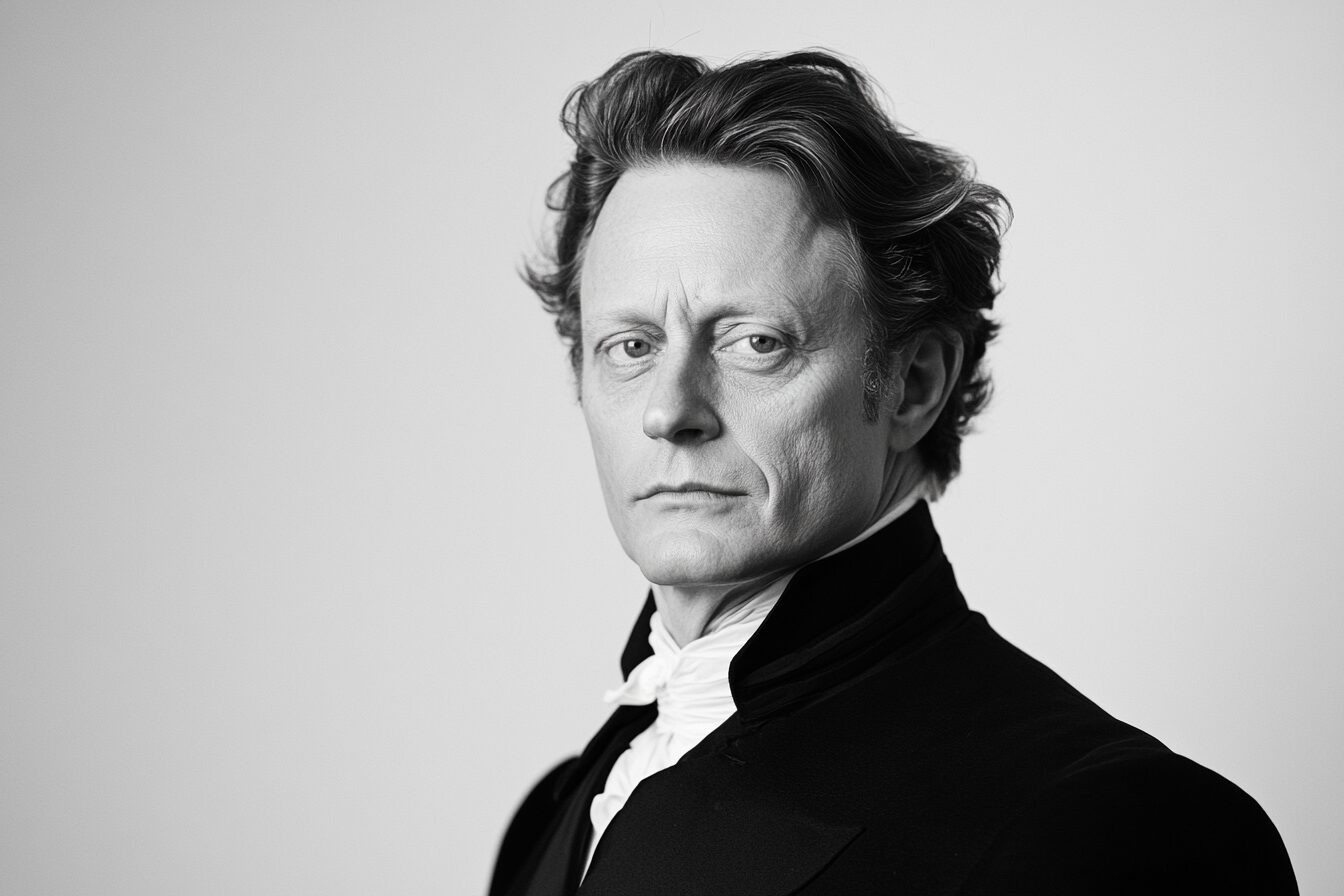
William Sterndale Bennett was pianist, composer, conductor and institutional leader in one — a defining figure of Victorian musical London. Admired by Mendelssohn and Schumann, he led the Royal Academy of Music and helped make the capital synonymous with high-calibre piano artistry. His Piano Concerto No. 1, heard below, shows the elegance and quiet drama that won him such distinguished admirers.
Franz Liszt (1811–1886)

The connection: celebrated visits, 1824–1840s
Franz Liszt never lived in London, but his relationship with the city was electric. He first appeared here as a twelve-year-old prodigy in 1824, and his return visits drew audiences whose descriptions of his playing still read like eyewitness accounts of a natural phenomenon. The performance below — his Piano Concerto No. 1 played by Martha Argerich — conveys something of that voltage.
The 20th Century
Dame Myra Hess (1890–1965)
Years in London: 1890–1965
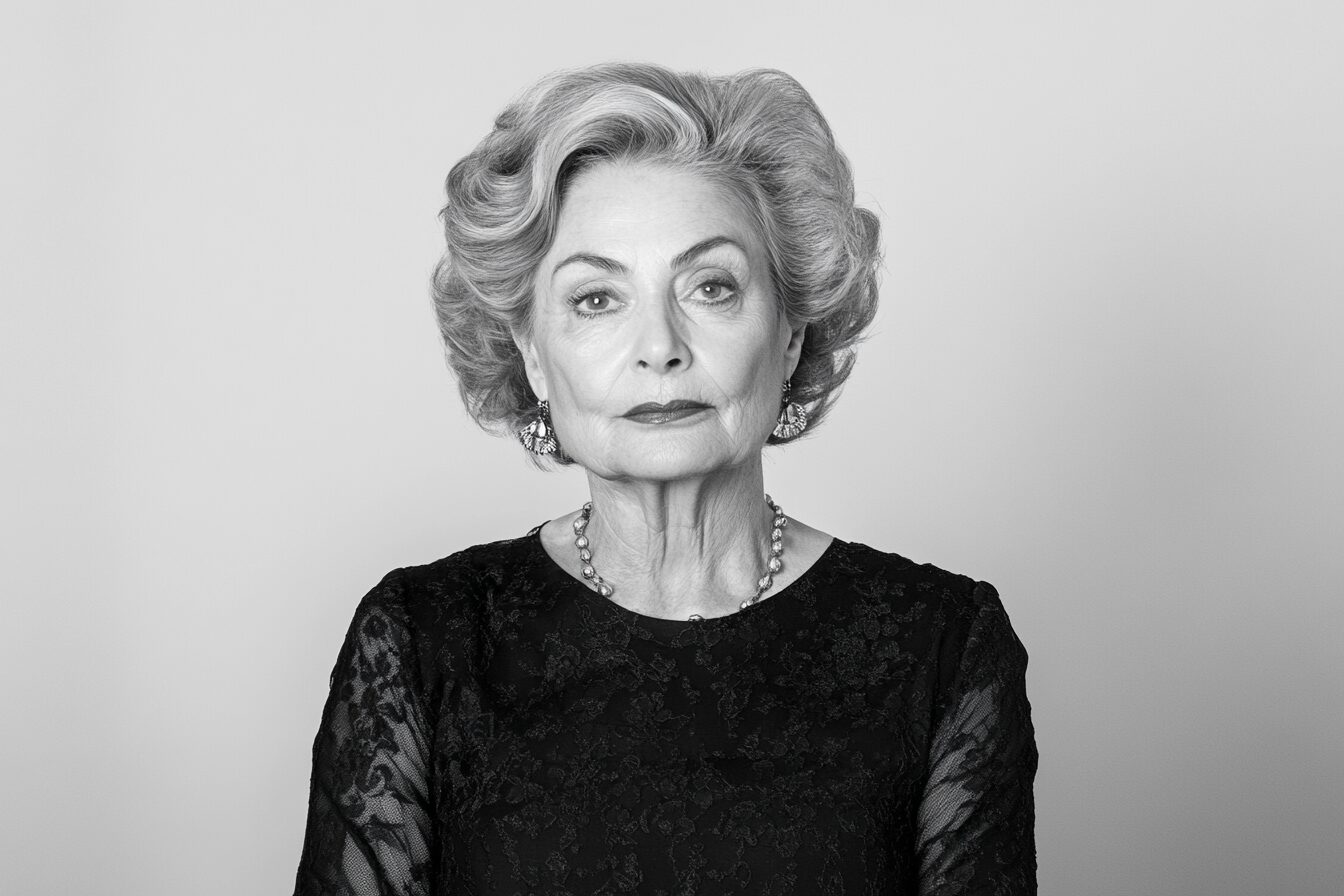
Think of wartime London and you think of Dame Myra Hess. Her lunchtime concerts at the National Gallery during the Second World War — nearly 1,700 of them, given while bombs fell on the city — were more than performances; they were acts of defiance and hope. Her transcription of Bach’s Jesu, Joy of Man’s Desiring, heard below, became so closely identified with her that one wartime soldier reportedly insisted the melody was “not Bach — Myra Hess.”
Sir Clifford Curzon (1907–1982)
Years in London: 1920s–1982
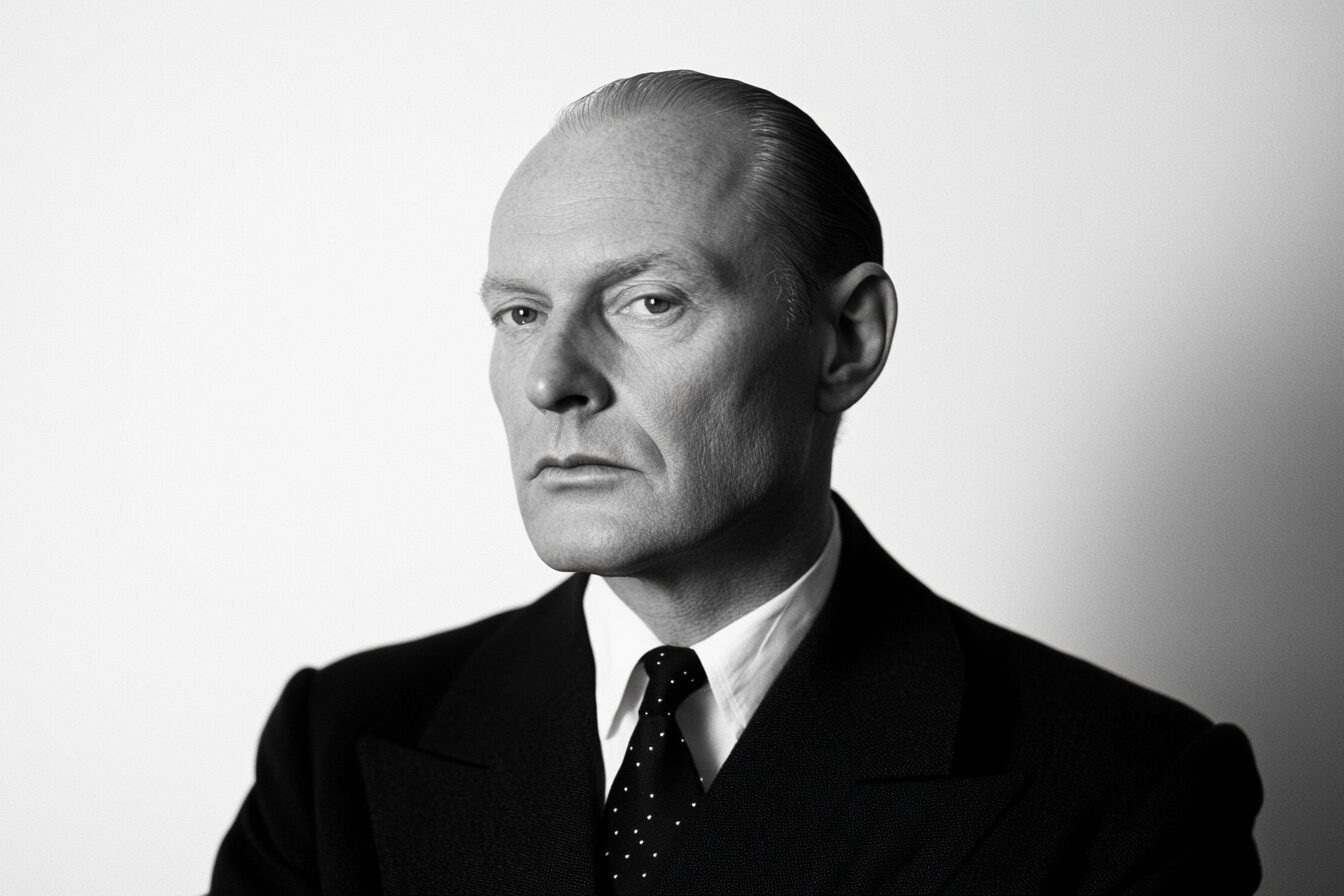
A Londoner by birth and temperament, Sir Clifford Curzon was renowned for meticulous preparation and rare emotional depth, above all in Mozart and Schubert. His 1968 recording of Schubert’s final sonata, the B-flat major D. 960 — written weeks before the composer’s death — remains one of the most profound documents of twentieth-century pianism.
John Ogdon (1937–1989)
Years in London: 1960s–1989
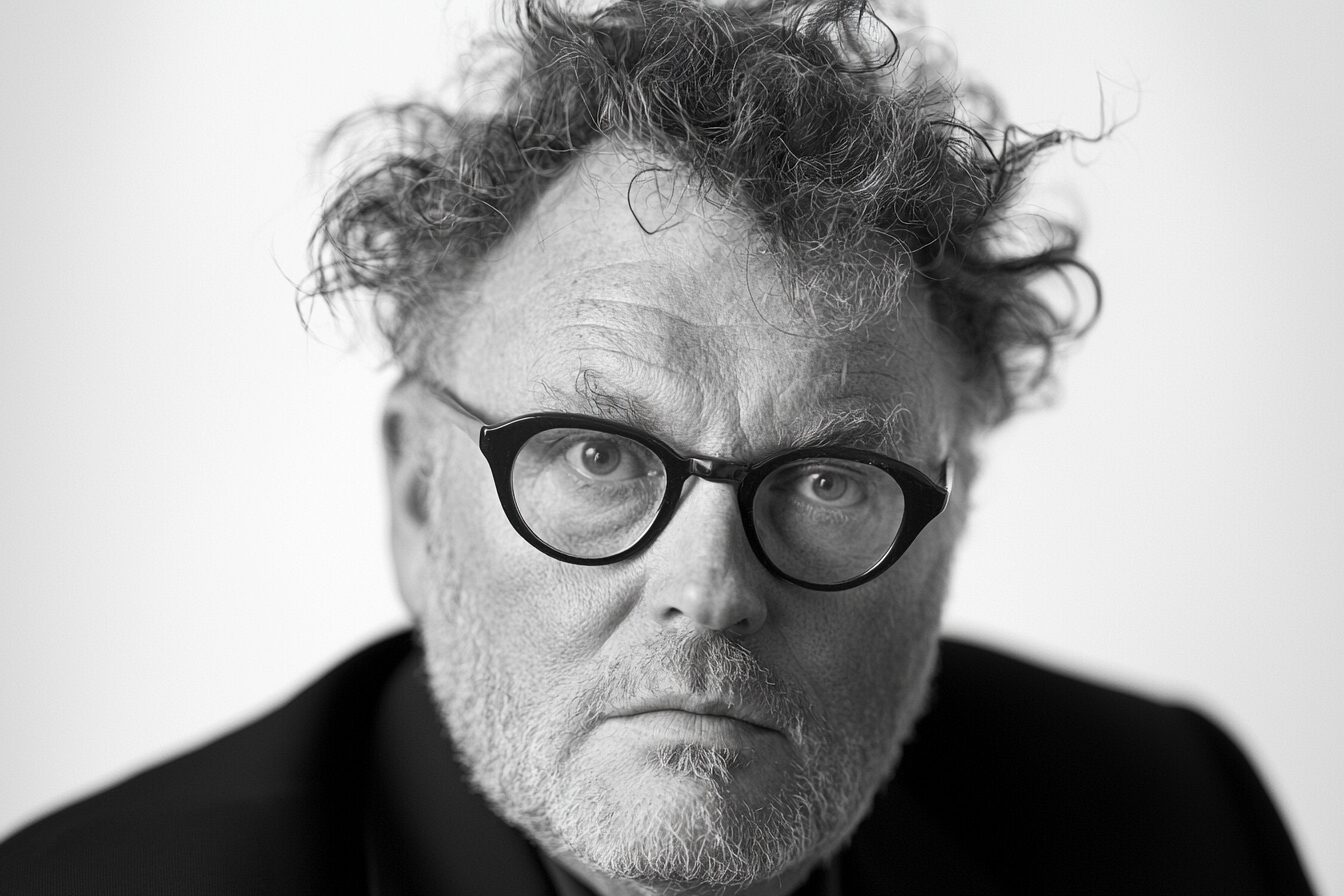
John Ogdon was a phenomenon. Joint winner of the 1962 Tchaikovsky Competition alongside Vladimir Ashkenazy, he lived in London at the height of his career and became synonymous with fearless pianism — from Liszt to the most demanding modern repertoire, played with extraordinary skill and sensitivity.
Vladimir Horowitz (1903–1989)
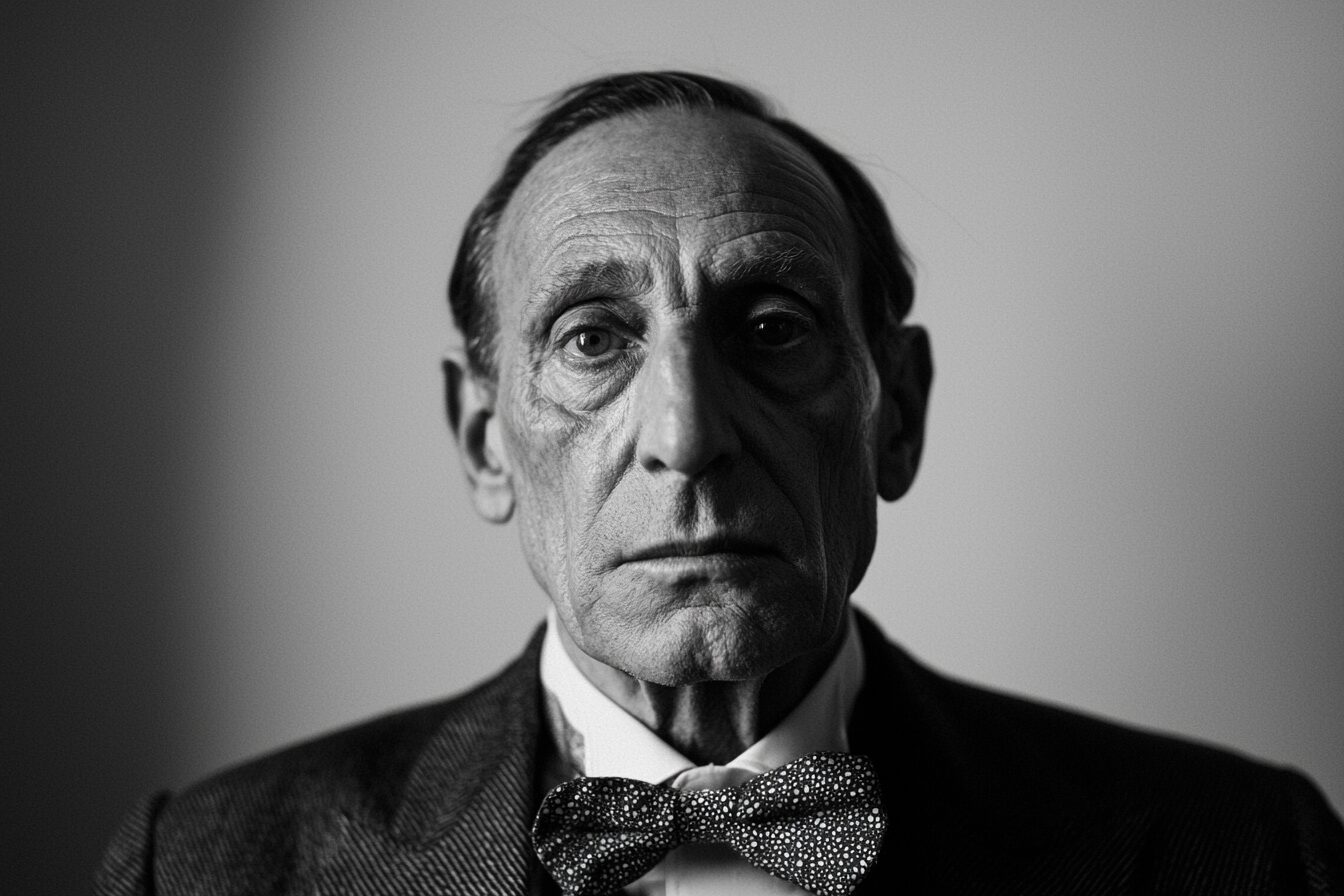
The connection: London appearances, 1930s–1980s
Vladimir Horowitz appeared in London rarely, which made each visit an event. His performances attracted worldwide attention and confirmed London’s status as a city where the greatest pianists came to be measured.
Sviatoslav Richter (1915–1997)
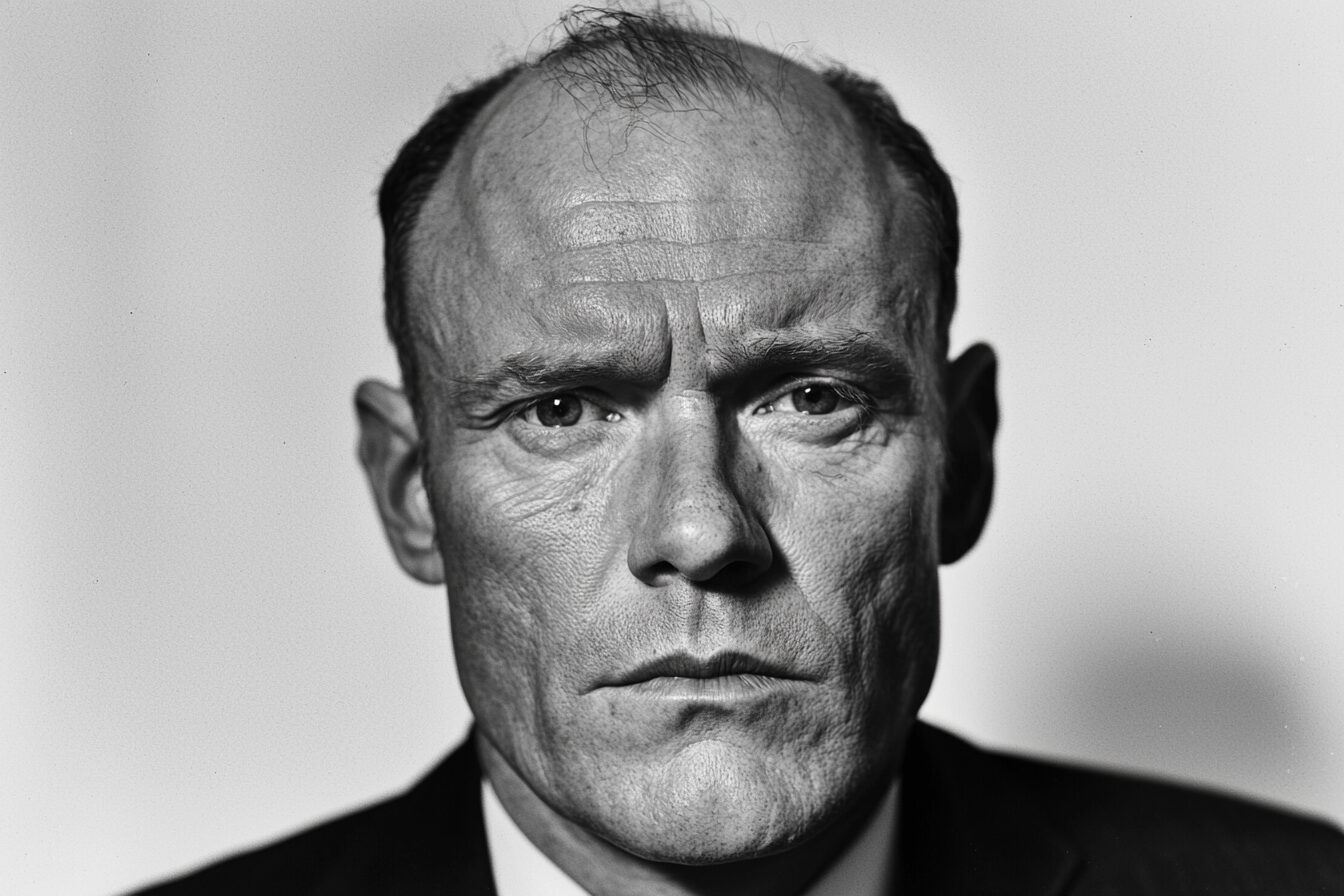
The connection: London performances, 1960s–1990s
Richter’s concerts in London were legendary. Known for volcanic intensity harnessed to absolute technical command, Sviatoslav Richter built a relationship with the city’s audiences that endured for three decades of visits.
The 21st Century
Dame Mitsuko Uchida

Years in London: 1970s–present
Dame Mitsuko Uchida is a London icon. A naturalised British citizen resident in the city for five decades, she has stood at the heart of its musical life throughout — above all in Mozart, Schubert and Beethoven. The performance below, Beethoven’s Emperor Concerto with Andris Nelsons and the Boston Symphony Orchestra, shows an artist in her seventies playing with undiminished grace and power.
Maria João Pires

The connection: regular London performances since the 1990s
Though never a London resident, Maria João Pires is a beloved presence in the city’s concert halls. Her poetic Mozart and Chopin, and her recurring collaborations with London ensembles, have made her one of the most cherished visiting artists of the past thirty years.
Why World-Class Pianists in London Stay — Venues, Colleges and Audiences
What draws pianists to London, and what keeps them here? Partly the venues: Wigmore Hall and the Royal Albert Hall offer two poles of an unrivalled concert ecosystem, from intimate recital to Proms spectacle. Partly the institutions: the Royal College of Music, the Royal Academy of Music and the city’s independent studios have nurtured great talent for two centuries. And partly the audiences — knowledgeable, international, and large enough to sustain piano music every night of the year.
London’s advantage has never been a single golden age. It is continuity: from Clementi’s workshop to Uchida’s Festival Hall residencies, there has never been a decade without a world-class pianist working in the capital.
Periods are approximate and reflect each pianist’s principal years of London residence or regular appearances.
Where Do the World’s Greatest Pianists Call Home? Vienna vs London and Beyond
It is the classical music world’s favourite comparison: Vienna against London, with Paris, Moscow, Berlin and New York never far behind. Vienna has history on its side; London offers diversity, continuity and institutional depth. Here is how the numbers stack up when we count the legendary pianists who actually lived in each capital:
| City | Famous resident pianists | Count |
|---|---|---|
| London | Muzio Clementi, Ignaz Moscheles, William Sterndale Bennett, Myra Hess, Clifford Curzon, John Ogdon, Dame Mitsuko Uchida | 7 |
| New York | Vladimir Horowitz, Sergei Rachmaninoff, Leonard Bernstein, Van Cliburn, Arthur Rubinstein | 5 |
| Moscow | Sergei Prokofiev, Sviatoslav Richter, Emil Gilels, Nikolai Lugansky, Dmitri Bashkirov | 5 |
| Budapest | Béla Bartók, Ernő Dohnányi, Zoltán Kocsis, Georges Cziffra, András Schiff | 5 |
| Paris | Frédéric Chopin, Franz Liszt, Gabriel Fauré, Alfred Cortot | 4 |
| Vienna | Ludwig van Beethoven, Franz Schubert, Johannes Brahms, Carl Czerny | 4 |
| Berlin | Clara Schumann, Ferruccio Busoni, Wilhelm Kempff, Emil von Sauer | 4 |
| Warsaw | Ignacy Jan Paderewski, Witold Małcużyński, Krystian Zimerman, Artur Rubinstein | 4 |
London stands tall with seven legends who shaped its classical scene — from Clementi, the “Father of the Pianoforte,” to Uchida, its reigning Mozartian. Myra Hess even kept the city’s spirit alive through the Blitz with her National Gallery concerts. London’s particular magic is the meeting of history and modernity: a melting pot where each generation of pianists has found both a tradition to inherit and an audience ready for something new.
Recommended Repertoire for Piano Students — One Work per Pianist
Reading about great pianists is inspiring; playing the music they championed is transformative. For each artist profiled above, here is one work a developing pianist can realistically study — either a piece they composed, or one indelibly associated with their London career. Grades are approximate ABRSM equivalents for a polished performance, not merely reading through the notes.
| Pianist | Recommended work | Approx. grade | Why this piece |
|---|---|---|---|
| Muzio Clementi | Sonatina in C, Op. 36 No. 1 | Grade 2–3 | The classic first sonatina — clean Classical fingerwork written by London’s own piano pioneer |
| Ignaz Moscheles | Study from the Studies, Op. 70 | Grade 7+ | Élite Romantic étude writing that bridges Clementi and Chopin |
| W. Sterndale Bennett | Three Musical Sketches, Op. 10 — “The Millstream” | Grade 6 | Elegant Victorian character piece; a genuine rarity that examiners love |
| Franz Liszt | Consolation No. 3 in D-flat | Grade 8 | Liszt’s lyricism without the transcendental fireworks — a Grade 8 list favourite |
| Dame Myra Hess | Bach–Hess, Jesu, Joy of Man’s Desiring | Grade 6–7 | Her own transcription: a masterclass in voicing a chorale within flowing triplets |
| Sir Clifford Curzon | Schubert Impromptu Op. 90 No. 2 (listen: Sonata D. 960) | Grade 7 | Schubert was Curzon’s calling card; the E-flat impromptu is the student gateway |
| John Ogdon | Rachmaninov Prelude in C-sharp minor, Op. 3 No. 2 | Grade 8 | Big Romantic sonority in a compact frame — Ogdon territory in miniature |
| Vladimir Horowitz | Schumann, Träumerei (from Kinderszenen) | Grade 6 | His signature encore: deceptively simple, an education in tone and rubato |
| Sviatoslav Richter | Bach Prelude & Fugue in C, WTC Book I | Grade 6 | Richter opened recitals with Bach; the C major pair teaches control and calm |
| Dame Mitsuko Uchida | Mozart Sonata in C, K. 545 (listen: Concerto K. 595) | Grade 6 | The “easy” sonata that is anything but — perfect preparation for Uchida’s Mozart |
| Maria João Pires | Chopin Nocturne in E-flat, Op. 9 No. 2 | Grade 7 | The nocturne Pires makes sound newly composed; a study in singing tone |
The fastest way to grow as a pianist is not to imitate great artists, but to understand why they made the choices they made — and that begins with playing the repertoire they loved.
Can Studying These Pianists Improve Your Own Playing?
Honestly: yes — provided listening is treated as active study rather than background admiration. Adult learners in particular often return to the piano inspired by a Uchida concerto broadcast or a Curzon recording, and that inspiration is worth harnessing properly. Our adult piano lessons in London are frequently built around exactly this bridge: taking the recordings a student loves and turning them into a structured technical and musical curriculum. Here is the method we recommend:
- Choose one pianist and one piece. Depth beats breadth. Pick the artist whose sound draws you in, and the recommended work at or slightly above your level.
- Listen three times with three different questions. First for the melodic line, then for the bass and harmony, then for timing — where does the artist take time, and why?
- Learn the score before re-listening. Once the notes are secure, return to the recording and note three interpretative decisions you can hear but had not noticed in the score.
- Compare two artists on the same work. Curzon’s Schubert against Uchida’s, or Hess’s Bach against a modern recording. Difference is where interpretation becomes visible.
- Bring your findings to your lesson. A good teacher will show you how the sounds you admire are physically produced — this is where listening becomes technique.
Frequently Asked Questions on World-Class Pianists in London
Which famous pianists actually lived in London?
Seven of the artists in this guide made London their home for substantial periods: Muzio Clementi, Ignaz Moscheles, William Sterndale Bennett, Dame Myra Hess, Sir Clifford Curzon, John Ogdon and Dame Mitsuko Uchida. Liszt, Horowitz, Richter and Pires were celebrated regular visitors.
Who is considered the greatest London-based pianist?
There is no single answer, but Muzio Clementi has the strongest historical claim — he shaped modern piano technique, publishing and manufacture from London over six decades. Among living artists, Dame Mitsuko Uchida is widely regarded as the capital’s pre-eminent resident pianist.
Why did Dame Myra Hess become famous during the Second World War?
When concert halls closed in the Blitz, Hess organised daily lunchtime concerts at the National Gallery — nearly 1,700 performances between 1939 and 1946. They became a symbol of cultural resistance, and her Bach transcription Jesu, Joy of Man’s Desiring became her emblem.
Where can I hear world-class pianists in London today?
Wigmore Hall offers piano recitals almost nightly; the Royal Festival Hall and Barbican host the international piano series; and the BBC Proms at the Royal Albert Hall bring the world’s leading concerto soloists to London every summer.
Which pieces from this guide suit an intermediate piano student?
Clementi’s Sonatina Op. 36 No. 1 (around Grade 2–3) is the natural entry point. From roughly Grade 6, students can approach the Bach–Hess transcription, Schumann’s Träumerei, Mozart’s K. 545 and Bach’s C major Prelude and Fugue. Liszt’s Consolation No. 3 and the Rachmaninov prelude are realistic Grade 8 goals.
Do I need a conservatoire background to study this repertoire?
No. Every work in the repertoire table is standard teaching material. What matters is studying it with correct technique from the start — which is why WKMT builds its curriculum on the Scaramuzza school’s approach to tone production and physical ease.
Carry the Legacy Forward
London is not just a city of pianistic history — it is where the next generation of pianists is being formed. WKMT’s piano lessons combine world-class teaching with a deep connection to the capital’s musical heritage, from complete beginners to advanced diploma candidates.