
 TRIAL LESSON
music production, Music Theory Resoucers, Piano Lessons
Exploring the Beauty of Classical Music: A Guide to Must-Listen Pieces
Nov
Good Classical Music – Good Classical Songs
Exploring the Beauty of Classical Music: A Guide to Must-Listen Pieces
Have you ever wondered how to distinguish the nuanced harmonies of good classical music or which piano pieces resonate with timeless eloquence? In this essential guide, you will journey through the rich tapestry of classical music eras—from the intricate Baroque period to the emotive Romantic era. You will uncover essential classical pieces that every new listener should hear and learn about the pivotal role of the piano in shaping musical history. Whether you’re seeking to deepen your appreciation for musical masterpieces or looking to curate your first classical playlist, this post will ease your quest by revealing the soul-stirring beauty of good classical piano songs and compositions. Join me in exploring the allure of classical music, a realm where every note speaks volumes and every melody tells a story.
Key Takeaways
- Classical music is defined by complex compositions and historic context
- Piano‘s evolution reflects its growing importance in classical music
- Iconic pianos and sonatas educates on expressive capabilities
- Symphonies offer structured auditory narratives and emotive power
- Live performances and community engagement enrich the classical experience
Understanding the Foundations of Classical Music
Delving into the essence of classical music, it is crucial to recognise the term extends beyond the Classical Period, encompassing creations from Johann Sebastian Bach‘s Baroque era to Wolfgang Amadeus Mozart‘s influential compositions. The development of musical notation and the evolution of instruments have shaped the melodies and harmonies that define what we could name as good classical songs. Moreover, the societal and cultural contexts of the times have deeply influenced composers and their works. The ensuing sections unveil how these foundational elements merge to craft the rich tapestry of classical music.
Defining Classical Music: Beyond the Classical Period
As a connoisseur and educator in the realm of classical music, I’ve observed that defining this music genre requires a broader perspective than merely associating it with a specific historical period. Indeed, the term ‘classical music‘ encompasses the profound expressions found in Ludwig van Beethoven‘s Romantic symphonies, the studies of the piano sonatas by F. J. Haydn, the grandiose scale of an orchestra in full flight, and the intricate storytelling of opera. Each musical composition within this sphere holds its own distinct narrative, tied intricately to unique emotional and cultural landscapes.
My understanding broadens when reflecting on the complex structures of musical compositions from eras preceding and following the Classical Period. The emotional depth of Romantic music, for example, offers a stark contrast to the refined classicism of earlier compositions. These palpable differences speak to the evolution of music over time, with artists like Beethoven leading the orchestra through transformative expressions, heralding a new era of emotional intensity and individualism that would become visceral hallmarks of the age.
We can’t go through good classical piano songs without listening to the famous Moonlight Sonata by L. V. Beethoven.
The Evolution of Musical Notation and Instruments
The leap forward from handwritten manuscripts to printed sheet music during the Classical Period was revolutionary for the dissemination of music. This shift vastly improved the accuracy of musical works, allowing nuances and the composer‘s intentions to be more faithfully transmitted. Furthermore, as a professional in this field, I’ve seen how precise notation has guided countless students in mastering complex pieces like a sonata or a lyrical piano suite, and cello suite.
Instrumental advances, particularly in the violin and cello, have shaped the very essence of what we consider to be good classical music. The refinement of the violin‘s design led to a surge in virtuosic compositions, while innovations in cello crafting expanded its sonic capabilities. These developments permitted composers to explore new territories of expression and technical brilliance in their songs and instrumental works:
- Introduction of the Stradivarius violin and its impact on violin concertos.
- Evolution of the bow, enhancing the cello‘s dynamic and articulation range.
- Compositional shifts in the sonata form aligning with the enhanced expressiveness of these instruments.
As a beautiful orchestral classical piece we have the famous Scheherazade, Op 35 by Rimsky-Korsakov.
The Influence of Historical Context on Compositions
As a pianist deeply immersed in the study and performance of classical music, I’ve noticed the profound impact of historical context on the compositions that define our genre. Take for example Frédéric Chopin and Franz Liszt, whose works are suffused with the spirit of Romanticism; their pieces vividly capture the period’s values of deep emotion and individualism, with melodies that speak to the soul’s longing and heroism. Through sensitive exploration of nuance, these composers have left us a legacy that continues to challenge and inspire pianists with each performance.
The turbulent times many composers lived through are often reflectively etched within their music. I have personally delved into pieces where the juxtaposition of melancholic melodies with hopeful crescendos exemplifies the strife and subsequent aspiration of an era. This is particularly evident in the compositions of Frédéric Chopin, who, while creating exquisite melodies, also wove the narrative of his homeland’s struggle for freedom into the fabric of his music, prompting listeners and performers alike to consider the broader sweep of history through the lens of his evocative compositions.
We learnt the roots; they are deep and rich. Now, let us meet the Baroque pioneers, their works a map of notes and timeless echoes.
The Baroque Era: Pioneers and Their Works
In the realm of the Baroque Era, Johann Sebastian Bach stood as a true master of counterpoint, his preludes and arrangements setting a new tempo in the fabric of music. Handel, renowned for his profound contributions to oratorio and opera, transformed narrative and melody, while Vivaldi’s “The Four Seasons” introduced a vivid array of key variations that forever marked the period. These pioneers shaped an epoch celebrated for its inventiveness and complex emotional depth.
Johann Sebastian Bach: Master of Counterpoint
As I impart my knowledge on the Baroque era to students, Johann Sebastian Bach‘s mastery of counterpoint invariably takes centre stage. His compositions, rich in intricate chord progressions, weave together voices that, while independent, unite to form a complex yet harmonious tapestry. It is within his fugues that the true genius of Bach’s harmony is grasped, teaching us the balance between artistic freedom and strict musical structure.
Bach’s influence is undeniable in the conception of today’s classical music; from the concerto to the symphony, traces of his innovation are found. I often illustrate to my pupils how the Renaissance gave way to the Baroque period, with Bach’s work epitomising the era’s transformative impact on musical composition. His legacy endures, offering vital lessons in the development of musical form and harmonic expression.
- The groundbreaking nature of Bach’s contrapuntal technique.
- His chord progressions as the foundation for modern harmony.
- The progression from Renaissance to Baroque music, spotlighting Bach’s pivotal role.
Nothing compared to the II Movement from the Piano Concert in F Minor, Prelude in C Major, or the Cello Suite No 1 in G, both by Bach.
Handel’s Contributions to Oratorio and Opera
Reflecting upon Handel’s indelible mark on oratorio and opera compels me to acknowledge his profound storytelling through music. His opus, filled with dramatic narratives and celestial melodies, notably in “Messiah,” provides a narrative experience analogous to the vivid seasonal transitions depicted in Antonio Vivaldi‘s “The Four Seasons.” Handel’s works demonstrate a seamless blend of theatricality and musical mastery, influencing future compositions and setting a high bar for emotional engagement in musical storytelling.
In my personal journey as a soloist and mentor, Handel’s compositions stand out as exemplary teaching tools for budding classical enthusiasts. Just as Pyotr Ilyich Tchaikovsky‘s compositions and Johannes Brahms‘s symphonies offer a rich tapestry of cultural expressions, Handel’s oratorios serve as a bridge, connecting the voice’s expressive power with the intricate orchestration reminiscent of later masterpieces like “Suite Bergamasque.” His artistry with choral and instrumental arrangements fosters an enduring legacy, imbuing grandeur in music that remains cherished across centuries.
Let’s listen to the Sarabande in D minor by Handel. In my opinion, a powerful and emotional piece.
Vivaldi’s Impact With “The Four Seasons”
Antonio Vivaldi‘s “The Four Seasons” stands as one of the most pivotal works of the Baroque era, brilliantly conveying emotion through the violin. As an expert immersed in classical instruction, I perceive Vivaldi’s concertos as not merely music for listening, but vibrant narratives painted with bow and string. Much like Johann Pachelbel‘s “Canon in D”, this masterpiece of Vivaldi illustrates a vivid soundscape that connects the listener to the cyclical nature of life and the nuanced moods of each season.
Not only does “The Four Seasons” enchant with its storytelling, it also represents a cornerstone for those engaging with classical music for the first time – a first step towards the intricate symphonies of Joseph Haydn or the lively rhythms found in jazz. In teaching students, I emphasize the importance of ‘singing‘ through instruments, an art that Vivaldi mastered, allowing emotion to resonate with each note and inviting an audience to experience a spectrum of feelings akin to a vocal performance.
- The anticipation of spring, bursting with fresh melodies and hopeful rhythms.
- Summer’s stormy crescendos, synchronous with the season’s sultry heat.
- Autumn‘s harvest, accompanied by the joyous dance of country folk.
- Winter’s icy chill, articulated through the shivering strings and stark contrasts.
The Baroque era carved the path. Now, the Classical period hones it, seeking perfection in simplicity and balance.
The Classical Period: Symmetry in Sound
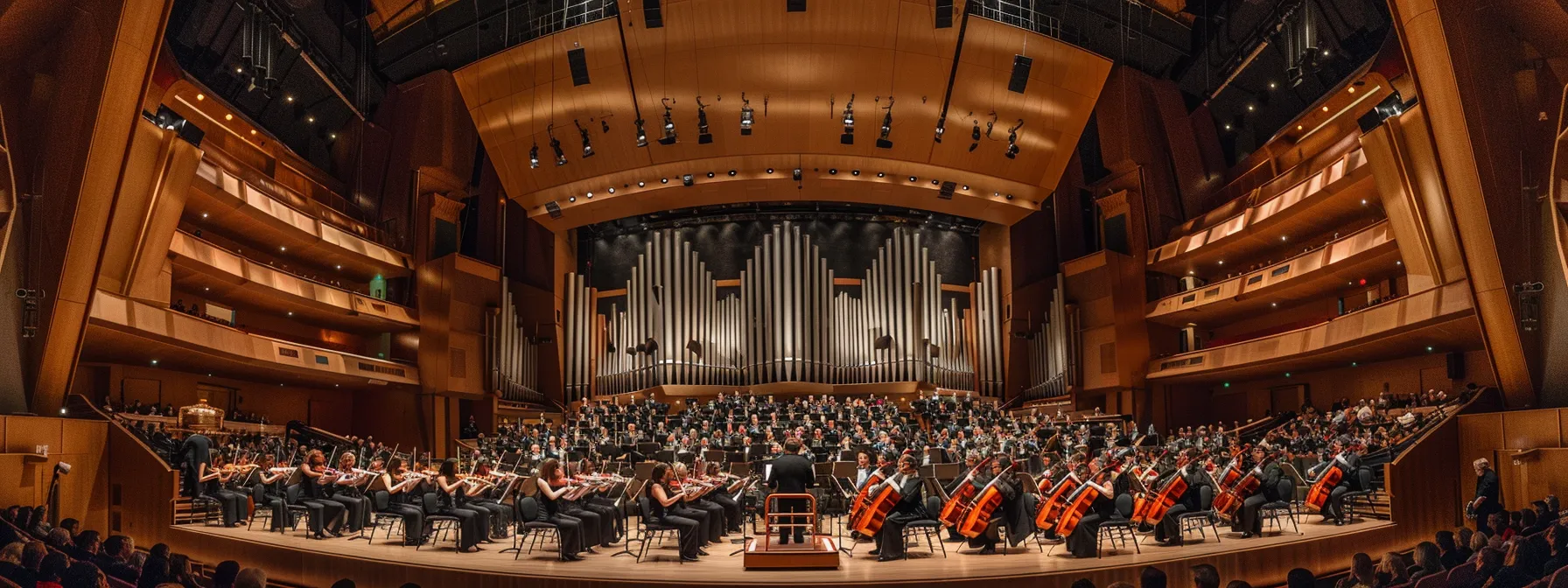
Within the Classical Period, a distinct symmetry of sound emerged, shaped by the likes of Wolfgang Amadeus Mozart through his innovations in counterpoint and exquisite concerts. Joseph Haydn, oftentimes regarded as the ‘father of the symphony,’ reinvented the genre, carving a path for others to follow. Meanwhile, early Beethoven’s works bridged Classical norms with the nascent stirrings of Romanticism, encapsulated in his piano sonatas that still resonate in concert halls worldwide. These titans crafted a timeless canon, culminating in elegant orchestrations like ‘The Blue Danube‘, which epitomise the era’s enduring charm.
The Innovations of Wolfgang Amadeus Mozart
In the heart of the Classical Period, my students with digital pianos often marvel at the lyrical refrains characteristic of Wolfgang Amadeus Mozart‘s compositions. His mastery in creating intricate overtures serves as a perfect foundational block for those learning about structure and the delicate balance of musical narration.
Mozart‘s music, including empathic harmonies and a storied sense of drama, also introduced elements that would later culminate in orchestral masterpieces like “In the Hall of the Mountain King“. His influence resonates strongly today, providing potent learning material for pianists seeking to understand the delicate interplay between melody and emotion within the classical framework:
- Creating contrast and dialogue between different musical phrases.
- Advancing the piano‘s role in concertos and sonatas, inspiring learners to explore expressive possibilities.
- Devising captivating overtures that set the stage for grander musical narratives.
From Mozart, apart from his piano sonatas or piano concertos, I take as the most powerful to me, Lacrimosa, from his Requiem.
Joseph Haydn and the Development of the Symphony
In my tutelage, Joseph Haydn invariably emerges as the architect of the classical symphony, with a keen ear for unearthing the perfect balance in rhythm and theme. Through his work, Haydn transformed the symphony into an art form with its own language and form, thus laying the groundwork for all future composers in this genre. His symphonies, numbering over a hundred, remain essential studies for anyone eager to understand the intricacies of classical composition.
Haydn’s contributions to the symphony extended beyond structure to the integration of a distinct midi-like quality – that clear, precise articulation embodied in the modern digital age. This canon of rhythms and harmonies informs not just the musicians’ fingers but also their soulful expressions, a testament to Haydn’s enduring influence on the art of music itself:
- Establishing a framework that let melody and harmony converse fluidly.
- Enhancing the symphony‘s emotional reach, thereby captivating the listener’s ear.
- Infusing each composition with a rhythm that resonates through time.
F. J. Haydn maximum piano concert would be in D Major No 11. This is a beautiful performance of this concerto by Haydn.
Early Beethoven: Bridging Classical and Romantic Styles
In the early works of Ludwig van Beethoven, I often uncover the seamless fusion of Classical formality with the burgeoning spirit of Romanticism. This synthesis is particularly evident in his motifs, which carry the emotive thrust of Romantic music while adhering to Classical precision, almost preluding the timbral expansions that a synthesizer would later afford contemporary composers like Claude Debussy.
As an educator, I guide my students through the layers of Beethoven’s compositions, highlighting his innovative use of accompaniment to support and enhance a melody, an early glimpse into the elaborate interplay that would characterise a suite by Claude Debussy. Such insights not only illuminate Beethoven’s role as a pivotal figure linking two musical eras but also amplify students’ appreciation for the richness of good classical music.
We shouldn’t miss the beautiful second movement from one of his most famous concerts ever, the No 5, Emperor.
The Classical Period held our hands through a dance of balance and order. Now, we turn to the Romantic Era, where rules bowed to the stirrings of the heart.
The Romantic Era: Music With Emotion
The Romantic Era elevates the passionate engagement of classical music to new heights with Ludwig van Beethoven‘s later works, characterised by their grandiose fugues and emotive power. As an avid purveyor of classical education, I draw attention to Frédéric Chopin‘s expressive melodies in G major, an elegant hymn of piano craftsmanship. Furthermore, Pyotr Ilyich Tchaikovsky‘s enchanting ballets, including the beloved “Swan Lake“, continue to capture the hearts of audiences, exemplifying the era’s enduring appeal.
Ludwig Van Beethoven’s Later Works and Their Significance
Exploring the grandeur of Ludwig Van Beethoven‘s later works invites us to delve into musical narratives where profound bass lines and monumental developments evoke a powerful emotional response. These compositions, brimming with the depth of humanity’s struggles and triumphs, stand as significant contributions to the Romantic Era, crafting a soundscape in which every sonorous waltz and symphonic movement captures the listener’s spirit.
As a passionate advocate for the transformative power of music, I’ve utilised the principles of Beethoven’s dynamic approach to enlighten aspiring musicians. Pieces like “Eine kleine Nachtmusik” echo the mastery found in his later creations, encouraging a holistic appreciation of the era’s essence. In the same vein, the influence of Beethoven is perceptible in the works of Erik Satie and Muzio Clementi, underscoring the timeless significance of his musical legacy.
The Expressive Melodies of Frédéric Chopin
In my teachings as a pianist, I stress the significance of Frédéric Chopin‘s nocturnes, viewing them as the quintessence of Romantic expressionism within the genre of classical music. His utilisation of the piano to emulate the delicate dynamics of a choir has mesmerised audiences and continues to inspire pianists through the scores published by the International Music Score Library Project.
Chopin’s melodies, rich in lyrical beauty, often reflect a nocturnal serenity that transcends the simple auditory experience, offering an introspective journey akin to the poetic waltzes of Johann Strauss II. In guiding students through interpretations of these pieces, I observe a universal appreciation for Chopin’s ability to convey deep emotion within each composed phrase, enhancing their understanding of emotional depth in music.
Obviously, what to say about the Nocturnes by Chopin? Everyone should know about them. As an example, I share this beautiful Nocturne. I hope you like it.
Tchaikovsky’s Ballets and Their Lasting Appeal
In my professional journey as a musician, I have continually marvelled at the enduring appeal of Tchaikovsky’s ballets. Works such as “Swan Lake” and “The Nutcracker” serve as a cerebral gymnopédies, harmoniously blending emotion and beauty in a way that stimulates the brain, drawing one into a narrative as complex and engaging as the finest compositions of Mozart or the operatic dramas of Gioachino Rossini.
Indeed, as a pianist, I understand deeply how Tchaikovsky’s mastery in orchestrations creates an immersive experience that rivals the symphonic vigour of Mozart‘s work. Each performance of Tchaikovsky’s ballets encapsulates a raw emotive energy that transcends time, captivating both the seasoned musician and those new to the classical realm, continually reaffirming the compositions’ place in the pantheon of good classical music.
His, in my opinion, Opera prima is the Concert for piano Number 1, and most special is the performance by Marta Argerich. Simply stunning.
The Romantic Era breathed life into music, filling every note with passion. Now, let us introduce essential classical pieces that will stir the hearts of new listeners.
Essential Classical Pieces for New Listeners
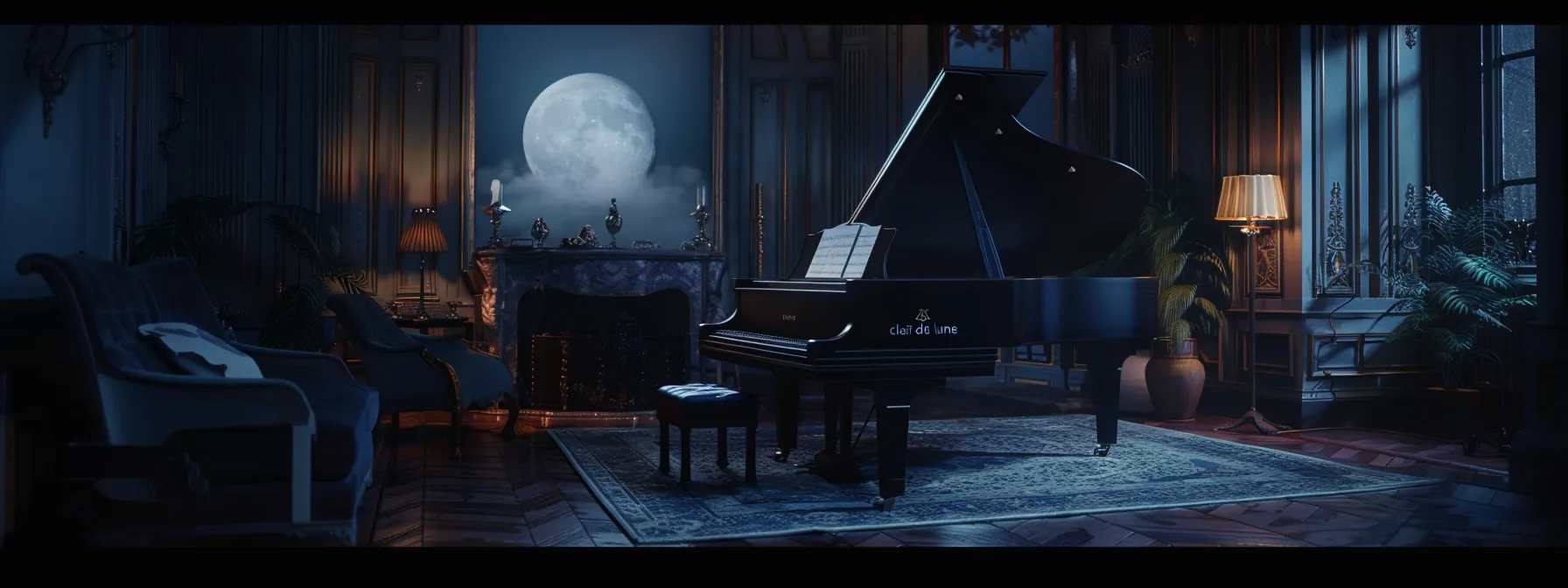
Embarking on a journey through good classical music, learners encounter touchstones of the genre that resonate across time. “Für Elise” by Beethoven exemplifies the emotive power of sonata form, while “Clair De Lune” by Debussy weaves the texture of moonlight into music, mirroring the lyrical beauty found in folk tunes. Pachelbel’s revered “Canon in D” endures as a matrimonial favourite, akin to the timeless overture of “William Tell“. In these masterpieces, the aspiring pianist and enthusiast alike discover the quintessence of the classical repertoire, integral to my teachings at WKMT London for those seeking piano lessons in London.
“Für Elise” by Beethoven: A Timeless Piano Piece
“Für Elise” by Beethoven remains an emblematic piece that resonates with novices and seasoned musicians alike. As a classical pianist, I’ve seen its simple yet enchanting melody serve as a beacon for Piano Lessons for Beginners, offering an entry point into the world of music that is both rewarding and comprehensible. This piece, with its memorable tune, provides an ideal learning opportunity, particularly for children engaging in piano lessons.
In my experience, “Für Elise” has been a profound piece for students in both Piano Lessons for Children and Adult Piano Lessons. It allows learners to experience the joy of playing a timeless classic while honing their skills. Through this piece, I guide my students to understand the delicate balance of tempo and dynamics, demonstrating the nuances that great musical works embody and how they can too achieve such emotive expression with practice.
“Clair De Lune” by Debussy: Capturing Moonlight in Music
“Clair De Lune” by Claude Debussy is a quintessential piece that epitomises the ethereal qualities of good classical music. As a pianist and mentor, I guide my students towards its gentle, reflective tones, revealing the layers of harmonic textures that mimic the tranquillity of moonlit reflections on water.
This composition invites listeners to grasp subtlety in music, allowing for a profound appreciation of the nuanced interplay between light and shadow. The piece serves as an excellent introduction to the deep emotional resonance of classical piano music, proving both captivating and accessible for new enthusiasts:
- The opening notes set a scene of serene contemplation, welcoming the listener into a nocturnal realm.
- A gentle crescendo mirrors the rising moon as Debussy’s craftsmanship unveils a tapestry of sound.
- The ebbing flow echoes the timeless dance between dusk and dawn, encapsulated within the music‘s cadence.
“Canon in D” by Pachelbel: A Wedding Favourite
“Canon in D” by Johann Pachelbel endures as a wedding favourite for its ability to imbue ceremonies with a sense of timeless romance. Its baroque elegance and the graceful repetition of chords create an atmosphere of sophistication and unity, reflecting the solemnity and joy of matrimonial vows. This piece has become synonymous with wedding celebrations, offering a harmonious backdrop that complements the emotional depth of the occasion.
Teaching wedding pianists to master “Canon in D” is rewarding because of its transformative impact at ceremonies. Its enduring popularity lies in the music‘s structure: it progresses with a reassuring continuity, much like a couple’s journey in life. Each note, steady yet evocative, cultivates an ambiance that remains etched in the memories of all present:
- The opening progression ushers in the celebration with resonant tones of anticipation.
- Sequential phrases evoke the steadfast cycle of companionship and love.
- The concluding chords bring a sense of joyful culmination, mirroring the newlywed’s hopes and dreams.
I am sure you heard this piece before. Mostly used in weddings worldwide.
From the delicate weave of melodies to the rise and fall of harmonious crescendos, you’ve savoured the essence of classical music. Now, meet the maestros, the architects of these timeless arias and concertos, poised to stir your soul.
Celebrated Classical Composers to Know
Exploring the bedrock of classical music, we cast a spotlight on composers whose works define the genre. The genius of J. S. Bach, a master of counterpoint whose harmonies dance through the centuries; the vast catalog of Wolfgang Amadeus Mozart, whose symphonies and sonatas captivate with their elegance; and the profound legacy of Ludwig Van Beethoven, whose compositions ushered in the Romantic era, all stand as pillars in the temple of good classical music. These sections delve into their unique contributions and the timeless appeal of their masterpieces.
The Genius of Johann Sebastian Bach
The genius of Bach lies in his unparalleled ability to weave complex counterpoint with emotive melody, a hallmark that underscores the Baroque era’s enduring influence on classical music. In my own practice and instruction, I find Bach’s works to be quintessential, as they encourage a heightened awareness of polyphonic textures and the melodic interplay that forms the backbone of advanced musical compositions.
For aspiring pianists and classical enthusiasts, Bach presents an inexhaustible source of discovery, ranging from the masterful ‘Well-Tempered Clavier’ to the emotionally charged ‘Chaconne’ from the Partita in D minor. My experience has taught me that engaging with Bach’s repertoire is not just a study of history but an active cultivation of precision, discipline, and expressive depth that defines good classical music.
Exploring the Works of Wolfgang Amadeus Mozart
My exploration into Wolfgang Amadeus Mozart‘s repertoire reveals an exquisite tapestry of sonic landscapes that continue to enchant students and audiences alike. His symphonies, notably the profound ‘Jupiter’, exhibit a mastery in combining melodic grace with dramatic orchestration, setting a precedent for future generations of composers and defining the elegance of the Classical era.
In navigating Mozart‘s chamber music, one encounters the quintessence of classical harmony and innovation. The intimacy of his string quartets and his piano concertos’ virtuosic breadth encapsulate Mozart‘s genius, serving as essential studies for pianists who seek to embrace the delicate nuances and emotional depth characteristic of good classical music.
Understanding the Legacy of Ludwig Van Beethoven
Recognising the significance of Ludwig Van Beethoven‘s contributions to classical music forms an integral part of my role as a dedicated instructor. His musical legacy, characterized by groundbreaking symphonies and emotionally charged sonatas, propels the craft into new realms of expressive possibility. Beethoven’s ability to infuse classic forms with a spirit of romantic freedom is an exemplar for students and connoisseurs alike, forging a unique connection that continues to inspire and challenge pianists.
My personal experiences in teaching Beethoven’s compositions have revealed their profound capacity to articulate the deepest human emotions. Threading a path through the diverse landscape of his oeuvre, from the ‘Moonlight Sonata‘s pensive tranquillity to the ‘Ninth Symphony‘s jubilant energy, his works encourage us to explore the extent of our expressive parameters. Students often discover their own musical voice within the dramatic contrasts and motifs that are hallmarks of his style:
- Exploring the reflective adagio movements to master expression and dynamic control.
- Interpreting the vigorous allegros as an exercise in technical precision and musical agility.
- Delving into the thematic developments as a builder of interpretative insight and emotional engagement.
Our journey through the pantheon of classical masters ends. Now, let us taste the instrument that speaks their language with every key: the piano.
The Significance of the Piano in Classical Music
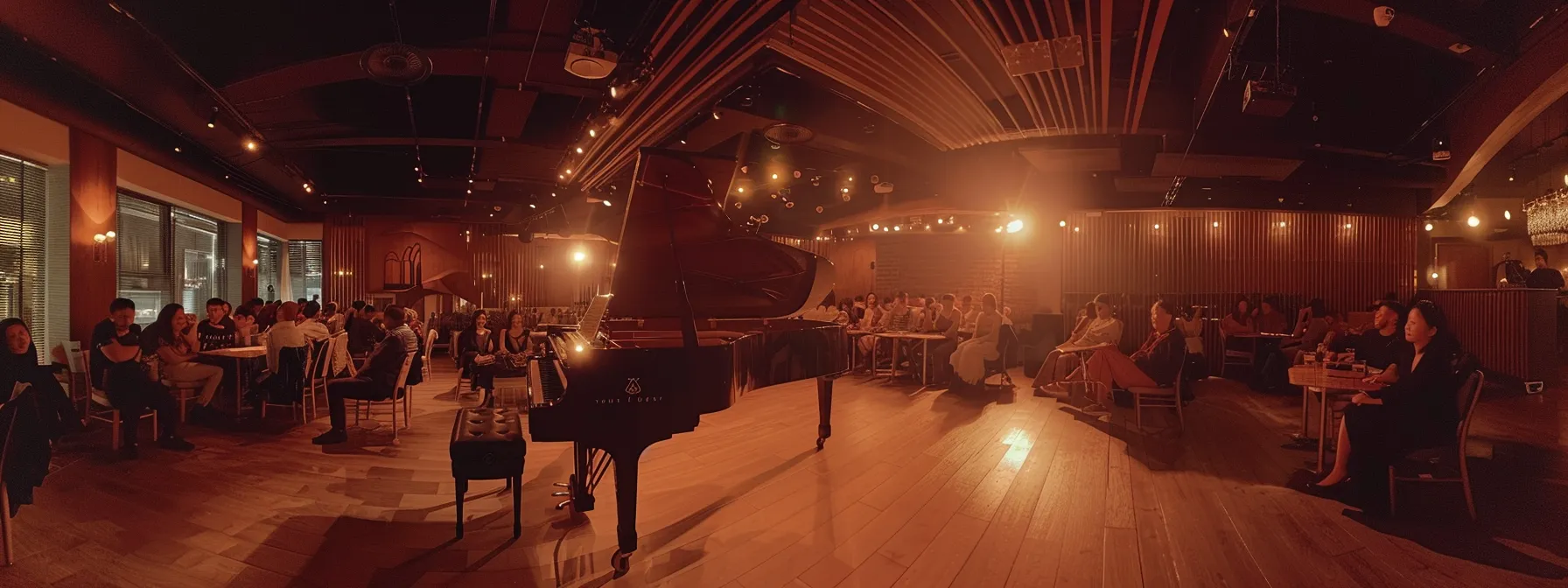
The piano‘s journey through the timeline of classical music is as transformative as it is enchanting. We’ve witnessed the piano‘s ascendancy from harpsichord precursors to the grand pianos of today, accommodating an ever-evolving repertoire of piano compositions. In my tutelage, I emphasise the iconic piano concertos and sonatas that have become benchmarks of musical excellence; these pieces parallel the instrumental evolution with creative ingenuity. Acknowledging the virtuosity of influential pianists further reveals how these artists have indelibly shaped the genre, enriching our understanding and appreciation of classical music‘s finest offerings.
Evolution of Piano Compositions Through the Ages
From my years of teaching and performing, I’ve observed the piano‘s repertoire evolve tremendously through the ages. Starting with early Baroque pieces that capitalised on the instrument’s clavier predecessors, through to the Classical era where the likes of Mozart and Haydn began composing works that pushed the piano‘s expressive capabilities. The piano‘s role grew from a mere background accompaniment to a central, standalone voice captivating audiences with intricate sonatas and concertos.
Advancing into the Romantic period and beyond, I’ve watched the piano compositions grow richer and emotionally more potent. Composers like Chopin and Liszt exploited the piano‘s dynamic range, whilst Debussy and Ravel later uncovered its colouristic potential. Each age brought new techniques and compositional methodologies, as witnessed in piano pieces which now weave through modern performances and form the pinnacle of the virtuosic pianist‘s repertoire.
Iconic Piano Concertos and Sonatas
The contribution of iconic piano concertos and sonatas to classical music cannot be overstated. Masterpieces like Beethoven’s ‘Emperor’ Concerto and Tchaikovsky’s Piano Concerto No.1 have not only highlighted the sheer versatility of the piano but also afforded audiences a sublime experience of orchestral collaboration. These works, both powerful and delicate, offer insight into the composers’ virtuosity and the piano‘s capacity for expressiveness.
Guiding students through the nuances of Chopin’s sonatas or the grandeur of Mozart‘s concertos, I’ve witnessed firsthand their growth in technical skill and emotional expression. These iconic compositions embody the transformative journey of the piano throughout musical history, serving as essential studies for any aspiring pianist keen on exploring the instrument’s remarkable legacy:
- Chopin’s Sonata No. 2 in B-flat minor, unravelling the intricate dance between melancholy and virtuosity.
- Mozart‘s Concerto No. 23 in A major, weaving elegant melodies with the piano‘s lyrical qualities.
- Beethoven’s ‘Moonlight’ Sonata, capturing the nuances of light and shade with its haunting adagio and vigorous finale.
Influential Pianists Who Shaped the Genre
In my years guiding piano enthusiasts at WKMT London, I’ve come to celebrate the indelible impact of pianists like Arthur Rubinstein and Glenn Gould on classical music. Rubinstein’s interpretations of Chopin have communicated the composer‘s poetic genius to generations, while Gould’s distinct renditions of Bach’s fugues have reshaped our understanding of Baroque intricacies. Their legacy endures, echoing through today’s standard of piano excellence.
Observing the careers of influential pianists such as Martha Argerich and Alfred Brendel has provided invaluable insights into the emotive power of piano performance. Argerich’s fiery interpretations breathe life into the works of Prokofiev and Ravel, while Brendel’s intellectual approach to Beethoven’s sonatas unveils the cerebral depths within classical compositions. These artists have not just played notes; they’ve sculpted emotional landscapes, inspiring countless students to strive for such expressive prowess.
The piano stands majestic in the heart of classical music, its keys unlocking melodies that have echoed through the ages. Now, let us turn the page to the grandeur of symphonies and orchestral works, where every instrument joins in conversation with history.
Discovering Symphonies and Orchestral Masterpieces
The symphony, an orchestral adventure, unfolds its structure for curious minds eager to unravel the intricacies of this majestic form. Covering must-hear orchestral works, I synthesize a rich resource for enthusiasts seeking enlightenment. Deliberating the pivotal role of each instrument within an orchestra, I elucidate the unique contribution they make to the collective symphonic narrative. These explorations articulate not only the texture but also the very heartbeat of orchestral masterpieces.
The Structure of a Symphony Explained
In my professional capacity as both a musician and an educator, I have explained the structure of a symphony countless times. Typically, a symphony is divided into four movements that convey a journey through different emotional and musical landscapes. The first movement is often fast and vigorous, employing a form known as sonata allegro, which sets the stage for the thematic exploration that the symphony undertakes.
The second movement contrasts with the first by offering a slower, more lyrical experience, while the third generally features a rhythmic dance-like quality, often a minuet or scherzo. The final movement concludes the symphony, usually returning to a brisk pace that wraps up the musical themes introduced earlier, providing a satisfying resolution. It is through this structured progression that symphonies speak to the listener, crafting an auditory narrative steeped in tradition and innovation.
Must-Hear Orchestral Works for Enthusiasts
In teaching my students at WKMT London, I stress the importance of immersing oneself in the grandeur of orchestral works which are celebrated cornerstones of good classical music. The profound “Symphony No. 9″ by Beethoven – widely hailed as the ‘Choral’ symphony – provides a profound auditory feast, blending robust orchestral fabric with choral grandiosity.
One cannot overlook Tchaikovsky’s “Swan Lake“, a masterpiece that stretches beyond the traditional confines of an orchestra, extending into ballet. Here, the intertwining of evocative music and physical artistry reinforces the narrative power of orchestral compositions, offering enthusiasts a multifaceted sensory experience.
The Role of Each Instrument in an Orchestra
In an orchestra, each instrument plays a pivotal role, crafting a soundscape as rich and varied as the classical repertoire itself. From the soaring melodies of the violin to the robust undertones of the double bass, every member of the string section contributes to the tapestry of sound that defines orchestral performance.
The woodwinds, with the versatile flute and the soulful clarinet, add colour and texture to the overall harmony, while the brass section, led by the regal French horn and the commanding trumpet, injects a sense of grandeur and power. Percussion instruments, such as the timpani and snare drum, provide rhythm and drama, underpinning the orchestral narrative with their resonant beats:
- The violins often carry the main melody, guiding the listener through the emotional peaks of the piece.
- Clarinet and oboe interject with intricate solos, weaving through the composition with their distinct timbres.
- Horns and trumpets frequently herald the start of new thematic sections, marking transitions with their bold fanfares.
- Timpani punctuate climactic moments, adding depth to the orchestral crescendos and finales.
Majestic symphonies lead us through a world of sound, now let them colour every moment of our day. In the gentle hum of daily life, classical music finds its place, lifting the mundane to the magical.
Integrating Classical Music Into Daily Life
Immersing oneself in the world of classical music extends beyond mere appreciation; it is about active engagement. Discovering live performances and concerts nearby, delving into the vast libraries available on streaming platforms, and joining conversations within communities and discussion groups all form integral parts of the classical music experience. Upcoming sections will explore these avenues, offering insight into harnessing these resources to enrich one’s daily life with the elegance of timeless classics.
Finding Live Performances and Concerts Near You
In my experience, one of the most enriching ways to deepen one’s connection with classical music is through the vibrancy and immediacy of live performances. Seeking out local concerts and recitals can be as simple as browsing the event listings of nearby concert halls or cultural centres, ensuring you are present when the air thrums with the passionate crescendos of a live orchestra.
As someone who treasures the communal aspect of music, I frequently guide students and fellow enthusiasts towards websites and apps that specialise in classical event listings. These platforms often offer tailored recommendations, enabling you to discover upcoming performances that resonate with your musical tastes, right in the heart of your community.
Accessing Classical Music Through Streaming Platforms
For my students eager to explore the rich landscape of classical music at their convenience, streaming platforms offer an invaluable resource. These digital libraries open up a world of symphonies, concertos, and solo performances, all accessible with a simple tap. I recommend using platforms that specialise in classical music to ensure the highest audio quality and to have access to a comprehensive catalogue that spans the entire spectrum of the genre.
As someone who appreciates the profundity of classical works, I find that streaming services have made it remarkably easy to integrate this timeless music into everyday life. Whether it’s for focused study sessions or the sheer pleasure of listening, streamed classical music is a click away, catering to both seasoned aficionados and newcomers keen to immerse themselves in the sonic beauty of good classical compositions.
Joining Communities and Discussion Groups
Joining communities and discussion groups dedicated to classical music has greatly enriched my own appreciation for this art form. These groups serve as hubs where enthusiasts like myself gather, enabling the exchange of insights and fostering a sense of camaraderie amongst members. For anyone eager to delve deeper into classical music, participating in online forums or local music clubs offers a platform to discuss composers, interpretations, and upcoming performances, which are invaluable for continuous learning.
What illustrates the strength of these groups better than the practical support and motivation they provide? Engaging with fellow members encourages one to explore works that may have been undiscovered in solo exploration. Organising listening sessions and attending concerts together often result in enriching educational experiences and potentially lifelong friendships. Here are some of the activities my classical music community engages in that cultivate our shared passion:
- Monthly meet-ups to discuss a featured composer or piece.
- Attending performances and sharing reviews.
- Partaking in collaborative learning and playing sessions.
Classical music enriches our existence. Now, let us create a soundtrack for life’s moments.
Curating Your Own Classical Music Playlist
Creating a classical music playlist combines selecting pieces that resonate with one’s mood and thematic inclinations with discovering a balance between renowned compositions and lesser-known treasures. I’ll guide you through assembling a playlist that remains vibrant, providing tips to keep your musical collection engaging and reflective of the genre‘s diverse landscape.
Selecting Pieces Based on Mood and Theme
As I guide students through the nuances of creating their classical music playlists, I stress the importance of selecting pieces that resonate with their current mood and the themes they wish to explore. A serene day might call for the gentle melodies of Debussy’s “Clair de Lune”, while a moment of introspection could be complemented by the sobering adagios of Beethoven’s symphonies. It’s about creating a soundtrack that reflects and enhances one’s emotional state, offering both solace and inspiration.
In constructing your personal collection, consider how the themes of individual compositions might weave together to create a narrative arc. For instance, the warm overtures of a Mozart opera could segue into the triumph and complexity of Wagner’s orchestral pieces, leading the listener on an auditory journey through the human experience. Such thoughtful compilation not only enriches your listening experience but also deepens your understanding of the emotive power inherent in good classical music.
In recent years, the classical music scene has witnessed a revival through the works of composers who bridge traditional classical elements with fresh, modern ideas. Ludovico Einaudi, for instance, has captivated audiences worldwide with his evocative, minimalist compositions, like Divenire and Nuvole Bianche. Einaudi’s music, known for its simplicity and emotional depth, invites listeners into a contemplative, almost cinematic experience. Similarly, Max Richter has redefined classical music with pieces like On the Nature of Daylight and his Recomposed interpretation of Vivaldi’s Four Seasons. His works blend lush strings and ambient textures, creating soundscapes that are both familiar and refreshingly contemporary.
Philip Glass, a pioneer of minimalist music, offers works like Glassworks and Metamorphosis, where repetitive patterns and evolving melodies build a hypnotic sense of rhythm and movement. Glass’s music invites the listener to lose themselves in subtle variations and deep resonance. Composers such as Ólafur Arnalds and Hildur Guðnadóttir have also brought a modern twist to classical traditions, integrating electronic elements and exploring new textures. Each of these composers offers a unique gateway into classical music, making it accessible and resonant for today’s listeners.
Balancing Well-Known Works With Lesser-Known Gems
As a classical music enthusiast, I often encourage my students to bridge the gap between celebrated masterpieces and hidden gems. The fusion of timeless works by Bach or Beethoven with lesser-known pieces fosters a richer, more engaged listening experience, broadening one’s horizons within the classical genre.
Introducing lesser-known composers or compositions into your playlist isn’t just about discovery; it’s about creating depth in your musical understanding. It can be profoundly rewarding, discovering a piece that resonates personally that may not have the widespread acclaim of a ‘Für Elise’ or a ‘Four Seasons’. Here are a few suggestions to begin the exploration:
- Alexandre Tansman’s vibrant and oft-overlooked piano suites, full of colour and modern tonality.
- Louise Farrenc’s Symphony No. 3, a remarkable work that marries the traditional with the boldness of 19th-century innovation.
- Samuel Coleridge-Taylor’s “Hiawatha’s Wedding Feast”, which captivates with its fusion of Victoriana and melodious richness.
Tips for Keeping Your Playlist Fresh and Engaging
To keep your classical music playlist fresh and engaging, I regularly update it with a mix of seasonal works and thematic pieces that suit current events or my emotional landscape. This method allows the playlist to remain relevant and dynamic, reflecting the ebb and flow of life’s rhythms. For instance, adding Vivaldi’s ‘Winter’ from “The Four Seasons” as the chilly months approach creates a timely and atmospheric listening experience.
I also recommend interspersing live recordings with studio versions to keep the playlist vibrant. Live performances bring an entirely different energy and interpretation to a piece, capturing the spontaneity and audience interaction often lost in the studio:
- Adding a live rendition of Beethoven’s “Symphony No. 9″ can breathe new life into the familiar.
- Seeking out live piano recitals which may feature improvised cadenzas or unique encores rounds out the auditory journey.
- Introducing live orchestral sessions with audience applause and real-time acoustics enriches the playlist with a touch of authenticity.
Frequently Asked Questions
What defines the Baroque era in classical music?
The Baroque era, spanning 1600-1750, is marked by ornate details, contrapuntal textures, and emotive expression, epitomised by composers like Bach and Vivaldi.
Can emotional depth be found in Romantic era compositions?
Romantic era compositions are indeed replete with emotional depth, often expressing intense feelings through dynamic contrasts and expressive melodies.
Which classical pieces should a beginner start with?
Beginners should start with timeless pieces like Bach’s “Minuet in G”, Beethoven’s “Ode to Joy”, and Schumann’s “Wild Rider” to build foundational skills.
Who are the most influential classical composers to study?
The most influential classical composers to study often include Bach, Mozart, Beethoven, Chopin, and Debussy, each pioneering distinct musical styles and technical advancements in piano education.
How can I integrate classical music into my daily routine?
Incorporating classical music into your routine can be effortless—play it during morning preparations, as a backdrop to your work or study, or to unwind before sleep.