
 TRIAL LESSON
Piano Lessons
Strategies for Maximising Piano Practice Efficiency

Nov
Efficient Piano Practice
Strategies for Maximising Piano Practice Efficiency
Table Of Contents:
- Key Takeaways
- Understanding Essential Practice Principles
- Setting Clear and Attainable Goals
- Organising Your Practice Sessions Efficiently
- Employing Effective Practice Techniques
- Overcoming Common Practice Obstacles
- Making Use of Available Resources
- Maintaining Motivation and Consistency
- Frequently Asked Questions
Are you spending countless hours at the piano but not seeing the progress you desire? As a dedicated pianist and teacher, I understand that productivity at the keys is not solely about the quantity of practice but the quality. In this article, I’ll share strategies that focus on setting clear, attainable objectives, organizing practice effectively, and applying the most efficient techniques. Learn how to overcome common hindrances and utilise available music resources to ensure that every minute at the piano propels you forward. This piece is crafted to tackle the challenge of stagnating practice sessions, arming you with the tools to become a more accomplished musician. Efficient Piano Practice with WKMT.
Key Takeaways
- Regular practice and setting clear goals bolster piano proficiency
- Recording sessions aid in critical self-assessment and development
- Diverse musical challenges keep practice engaging and promote growth
- Qualified instruction ensures correct technique and faster learning
- Technology enriches practice with interactive tools and new learning methods
Understanding Essential Practice Principles
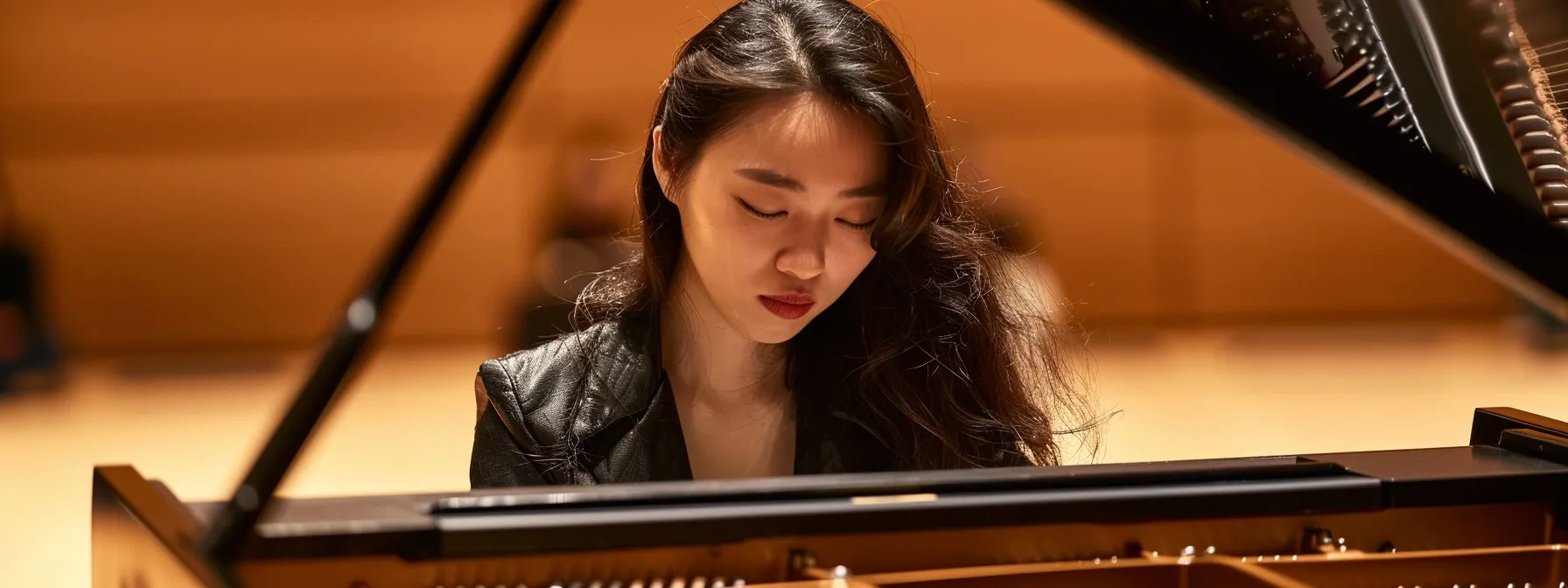
In my pursuit to optimise piano practice efficiency, I’ve identified pivotal strategies to elevate learning. Grasping the distinction between practice and performance is fundamental, as is honing the ability to channel focused attention during sessions. A sturdy technical base is critical; this involves structured exercises, mastering tempo, refining arpeggios, and strengthening finger agility. These cornerstones foster accelerated progress and finesse in playing.
Differentiating Between Practice and Performance
During my tenure as a piano instructor, I’ve observed that separating practice from performance is instrumental in developing both skill and confidence. Practice sessions are the brain‘s training grounds, where meticulous attention to rhythm, dynamics, and expression shapes musicality. Here, mistakes are a valuable asset, allowing for critical analysis and targeted improvements.
Conversely, performance is the culmination of practice; it’s where skill transforms into art. It is the moment to let motivation and confidence take the lead, trusting in the foundation laid during practice to deliver a fluid, emotive rendition. Understanding this dichotomy is vital, as it ensures students approach each aspect with the proper mindset, fostering a sense of achievement and progress.
The Role of Focused Attention
In my professional experience, the role of focused attention in piano practice is paramount for embedding music theory and muscle memory into one’s repertoire. Concepts like chord progression and rhythm patterns need mindful repetition; this is where tools such as a metronome are indispensable. They induce a steady tempo, imbuing a sense of timing that is crucial for any pianist‘s development.
Furthermore, applying focused attention in practice sessions allows for immediate feedback on your playing. Assessing each note for accuracy and expression enables the correction of errors in real time, establishing a clear pathway to improvement. Muscle memory solidifies through this attentive repetition, which in turn, furthers one’s ability to fluently navigate the keyboard with confidence and precision.
Establishing a Solid Technical Foundation
In my extensive experience coaching students, the development of muscle memory through persistent practice cannot be overstated. As students immerse themselves in learning and interpreting sheet music, their fluency on the keyboard grows, leading to a more instinctive connection with the instrument. This solid technical foundation is essential for advancing to more complex compositions and empowers students to express themselves more fully through music.
Knowledge of music theory and its application on the piano lays the groundwork for solid technical skills. My approach encourages students to consistently engage with the piano, reinforcing their understanding of scales, chords, and arpeggios. This deliberate practice transforms theoretical knowledge into practical skill, ensuring that students not only play the notes but also comprehend the language of music, which is critical for true mastery and expressive performance.
Mastering the piano demands more than just understanding practice principles. Now, let us set our sights on clear, attainable goals to chart the course for success.
Discover exceptional piano lessons with WKMT, a leader in music education since 2010. Available in-studio in London or online worldwide.
Setting Clear and Attainable Goals
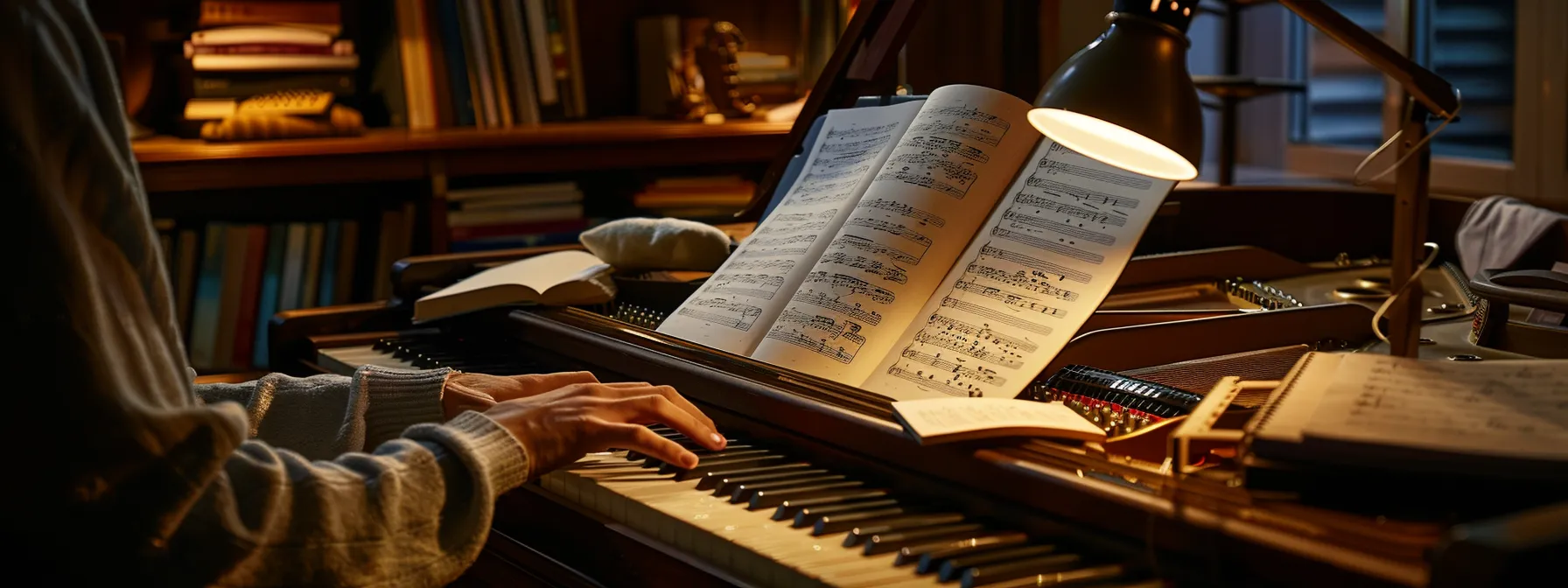
As a professional dedicated to maximising the efficacy of piano practice, I focus intently on setting clear and achievable goals. Defining both short-term and long-term objectives serves as the guiding framework for progress, allowing both beginners and seasoned pianists to monitor advancements effectively. Embracing mistakes as learning opportunities, measures of speed, thorough warming up, and fine-tuning the ear are all essential. As skills enhance, adjusting these goals ensures continuous improvement and sustained motivation. Efficient Piano Practice.
Defining Short-Term and Long-Term Objectives
My approach to setting clear objectives includes delineating what a student hopes to achieve in the immediate term, such as perfecting a scale or mastering a certain phrase. Focusing on one hand’s coordination or delving into the beginnings of harmony, these short-term objectives cultivate a precise understanding, granting students a series of reachable milestones that mark their journey towards greater musicality.
Looking to the horizon, long-term goals stretch far beyond the initial scale or phrase; they embrace the complex layers of musical understanding. As a mentor, I instil in my students the importance of developing a profound grasp of harmony and an adaptive technique that will serve their hands well across all genres and styles. It’s through these sustained ambitions that pupils attain a level of proficiency where their hands and minds fluently communicate the language of music.
Monitoring Progress Effectively
In my experience, effective monitoring of progress begins with the disciplined recording of practice sessions. Whether tackling the complexities of jazz or the nuances of classical music, I note my developments in dynamics and articulation, ensuring the thumb—and indeed all fingers—achieve the desired precision. This task requires a methodical approach, where every nuance of expression is evaluated and critically assessed to foster continuous growth.
To my students, I always suggest maintaining a practice log; it serves as an honest record of their journey. As they apply themselves to their piano practice with dedication, oscillating between crescendos and diminuendos, the power of such self-review becomes evident. It’s through this diligent reflection that my pupils uncover subtle improvements in their musical expression, a testament to their evolving command over the keyboard.
Adjusting Goals as Skills Improve
As a musician gains experience, it’s vital to recalibrate goals to reflect the enhanced level of skill. When I notice a student’s proficiency in a sonata growing, I encourage them to graduate from merely playing notes to interpreting the music‘s emotional landscape. This not only solidifies their education but also nudges them towards the nuanced world of improvisation and expressive storytelling through music.
Advancement in piano education should be coupled with increasingly complex challenges to stretch the musician‘s capabilities. For instance, if a student displays comfort with fundamental scales, I might then introduce more intricate improvisation exercises, driving them to compose impromptu melodies. This fosters creativity and pushes boundaries, ensuring that their journey continues to be as enriching as it is educational.
Once your goals are set, the next step is straightforward. Efficient practice turns aims into achievements.
Organising Your Practice Sessions Efficiently
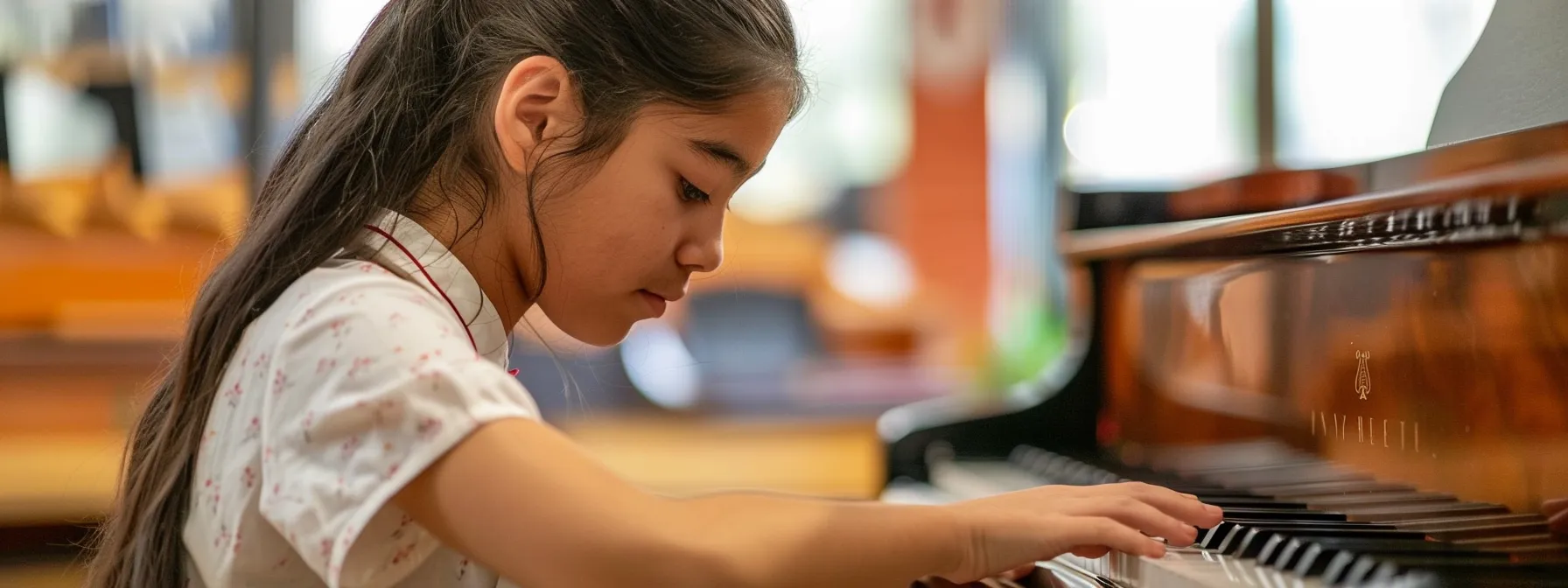
Aspiring to enhance piano proficiency, I advocate for a well-structured practice regimen that balances various elements of musical education. By allocating defined time frames for reinforcement of major and minor scales, understanding key signatures, and tackling nuanced works from different composers, students can ensure comprehensive growth. My approach emphasises the importance of grappling with complex passages for gratification in mastery, while maintaining an equilibrium between technical drills and actual musical pieces.
Creating a Structured Practice Schedule
Creating a structured practice schedule is a strategy I advocate to harness creativity while mastering technical skills. For students preparing for the ABRSM exams, I advise dedicating specific segments of practice to dissecting jazz piano intricacies, channeling their energy into each musical element. This method ensures a balanced skillset evolves, shaped equally by passion and discipline.
It’s essential for a structured practice schedule to be malleable, adapting to the daily fluctuations in energy and focus. By crafting a strategy that accommodates varied repertoire, including jazz and classical pieces, students remain engaged and motivated. Allocating time to explore new techniques or revisiting challenging sections keeps practice dynamic, fostering continuous improvement and self-satisfaction.
Allocating Time to Various Skills
In my years of teaching, I’ve seen the significant impact of allocating dedicated time to different skills within piano practice. For those taking Piano Lessons in London, be they Piano Lessons for Kids or Adult Piano Lessons, I suggest a balanced approach. Spend time drilling technical exercises to bolster dexterity but also carve out moments for interpretative work, which is just as critical for honing performance finesse.
The key to optimising practice sessions for my students has been consistent with this: alternating between scales, sight-reading, and repertoire work ensures a well-rounded skill set. As a professional in this domain, I have witnessed firsthand how this strategy champions progress, making every minute count towards elevating one’s craft in piano.
Prioritising Challenging Pieces or Passages
In my professional approach to piano pedagogy, I place significant emphasis on tackling challenging pieces or passages head-on, particularly for Piano Lessons for Beginners. This strategy not only bolsters a student’s technical repertoire but also instills resilience and a problem-solving mindset. By consistently dedicating a portion of practice time to these demanding sections, learners are equipped to overcome obstacles, leading to gratifying breakthroughs in both competence and confidence.
When I guide my students, I stress the importance of breaking down arduous passages into manageable segments, allowing for focused attention on each intricacy. This targeted practice, integral for beginners, enables a deeper understanding and mastery of complex rhythms and fingerings. Thus, students incrementally build upon their skills, transforming what was once intimidating into a comfortable and expressive part of their musical expression. Efficient Piano Practice.
Balancing Technical Exercises and Musical Pieces
In my professional experience, achieving musical growth requires a disciplined approach to balancing technical drills with practicing actual musical pieces. Dedicating time to technical exercises sharpens the foundational skills, while integrating musical pieces allows one to apply these techniques in context, enhancing interpretative abilities and artistic expression. This balanced practice strategy is vital for sustaining enthusiasm and continually progressing in piano proficiency.
I advocate for a practice regime where equal importance is placed on both the precision of scales and the interpretative nuances of Bach or Debussy. Allotting specific practice time to technical exercises develops the agility and strength necessary for intricate passages, whereas focusing on musical pieces nurtures one’s ability to convey emotion and storytelling through performance. This dual focus secures a comprehensive and rewarding learning experience.
Organisation shapes the path. Now, brace for the charge down it with techniques that sharpen skill and halve effort. Efficient Piano Practice..
Employing Effective Practice Techniques

As a piano instructor, I advocate for employing deliberate practice techniques that enhance accuracy and timing. Engaging in slow practice hones precision, while breaking music into sections and practicing hands separately streamlines learning. Metronome use is essential for maintaining rhythm, and mental practice coupled with visualisation aids in internalising compositions. These methods, pivotal for developing pianistic skill, will be comprehensively explored.
Utilising Slow Practice for Accuracy
In my dedicated practice, I’ve found slow practice to be a powerful tool in achieving musical accuracy. It allows for a microscopic examination of each note, ensuring that every finger movement and key press is deliberate and precise. By reducing the tempo, my students can focus on the intricate details of the music, such as dynamics and articulation, which are often overlooked when playing at full speed.
This method of practice also provides the opportunity to internalise the structure and harmony of the piece. Concentrating on a slower pace leads to a deeper understanding of the composition and improves memory retention, a benefit that resonates with my students as they progress. The successes achieved through slow practice become evident when the tempo is gradually increased: accuracy remains intact and the music flows effortlessly.
Breaking Music Into Manageable Sections
One aspect of maximizing piano practice that I have found particularly effective is dividing music into manageable sections. This approach focuses effort and practice on smaller chunks, allowing for a more detailed and thorough understanding of each part. As each section is mastered independently, gradually combining them leads to a polished and cohesive performance.
Handling complex pieces segment by segment not only streamlines the learning process but also reduces the likelihood of feeling overwhelmed. This strategic division transforms a daunting piece into a series of achievable tasks, offering a clear path forward for students. It’s a rewarding way to build confidence as each completed section reinforces a sense of progress and achievement.
Practicing Hands Separately Before Combining
In my approach to fostering efficiently piano practice, I’ve found that practicing hands separately is crucial before attempting to play with both hands together. It allows students to concentrate on the technical demands and intricate nuances of each hand, ensuring that they develop proficiency and muscle memory individually. This focused technique lays a strong foundation, enabling a smoother transition when both hands are eventually combined.
My experience instructs that tackling difficult passages one hand at a time can greatly reduce the complexity of learning new parts. I’ve witnessed students achieve greater clarity and control over their playing, as this method provides the opportunity to refine hand coordination and rhythm. Once each hand’s part is mastered, the integration process presents fewer challenges, leading to a more coherent and refined performance. Efficient Piano Practice.
Incorporating Metronome Use for Timing
In my professional experience as a piano teacher, I’ve found the metronome to be an indispensable tool for developing impeccable timing. It acts as a reliable guide, allowing students to maintain a consistent pace throughout their practice, which is crucial for mastering complex rhythms and synchronization. This disciplined approach to timing not only prepares students for solo performances but also for ensemble play where precise timing is paramount.
Integrating metronome use in daily practice has proven beneficial for students who aspire to tighten their rhythmic accuracy. When I instruct, for instance, tackling challenging pieces becomes significantly more manageable as the metronome provides an auditory cue to align their keystrokes,fostering a rhythmic discipline that translates into more confident and dynamic performances. This method cultivates a robust sense of tempo, essential for everyone pianist wishing to perform with both precision and expressiveness. Efficient Piano Practice.
Applying Mental Practice and Visualization
In my practice and teaching, applying mental practice and visualization is a transformative technique for understanding and internalizing music more deeply. This approach entails envisioning oneself playing the piece flawlessly, hearing the music internally, and feeling the keys under the fingers without physically playing the instrument. It reinforces learning, allows for rehearsal anywhere, and bolsters memory retention, facilitating a more confident and assured performance.
Mental practice serves as an effective complement to physical practice, particularly in solidifying difficult passages or transitions. I instruct students to close their eyes and mentally rehearse the piece, concentrating on the flow of the music and the actions of each hand: this hones their ability to anticipate and execute the music with precision when they return to the keyboard. It’s a powerful tool that targets the pianist’s cognitive and emotional engagement with the piece, extending practice beyond the physical constraints of the piano:
Practice sharpens skill, but obstacles test resolve. Let’s steadfastly navigate the hurdles to keep the music flowing.
Overcoming Common Practice Obstacles

Within the journey of mastering the piano, certain obstacles like managing frustration, staying patient, dealing with plateaus in progress, and preventing physical strain are inevitable. In my instructional experience, conquering these challenges is crucial for maintaining an efficient practice regime. Tackling each impediment head-on not only fosters resilience but also ensures a safe and sustainable path to piano proficiency.
Managing Frustration and Staying Patient
In my teaching practice, guiding students through the complexities of musical growth, patience is a virtue I incessantly stress. Mastering piano skills doesn’t happen overnight; it unfolds over consistent, deliberate practice regimens that test perseverance. Therefore, I teach my students to set realistic expectations for their progress, reinforcing the crucial nature of patience in their musical journey.
Fostering resilience in the face of frustration is also a cornerstone of my instructional approach. I instigate the importance of structured breaks to avoid burnout, and an emphasis on acknowledging even the smallest of victories, crucial for sustaining motivation. Here’s how students can maintain patience and mitigate frustration during practice sessions:
- Adopt a growth mindset, recognizing that each mistake is a stepping stone towards improvement.
- Include rest and reflection in practice plans to prevent fatigue and foster mental clarity.
- Celebrate every achievement, no matter how small, to nurture a sense of progression and triumph.
Dealing With Plateaus in Improvement
In my career as a piano educator, I have witnessed students encounter plateaus that can halt their improvement trajectory. To move past these stages, it’s essential to re-evaluate practice routines and incorporate new exercises or pieces that challenge the status quo. This could involve more complex rhythms, unfamiliar keys, or genres that push the pianist out of their comfort zone, fostering growth and reigniting progress. Efficient Piano Practice Guide.
Sometimes, adopting a fresh perspective on familiar pieces can rejuvenate a stagnating practice regimen. I recommend focusing on nuances such as phrasing, dynamics, and tempo changes to rediscover the depth of the composition. By delving deeper into interpretation, students can often unlock new levels of understanding and performance capability:
- Refine phrasing to better convey the emotional narrative of a piece.
- Experiment with dynamics to inject contrast and interest.
- Adjust tempos to explore different expressive possibilities.
Preventing Physical Strain and Injury
In my professional practice, I have found that preventing physical strain and injury is crucial for piano players aiming to sustain long-term development and enjoyment of their craft. Instilling ergonomic techniques early on, such as proper posture at the piano and relaxed hand positioning, not only aids in avoiding strain but also enhances playing efficiency. As a piano educator, I focus on teaching these fundamentals to safeguard my students’ health while fostering a conducive environment for practice efficiency.
One effective strategy I employ involves incorporating regular breaks into practice sessions to alleviate stress on the hands and wrists. Stretching exercises are also vital: they maintain flexibility and circulation, essential for pianists to perform at their best. By integrating these practices, my learners can continue refining their craft without the setback of injury, ensuring uninterrupted progression in their piano studies:
As we smooth out the rough patches in our practice routine, it’s time to consider what’s next. Harnessing the right tools and support can turn today’s efforts into tomorrow’s triumphs.
Making Use of Available Resources
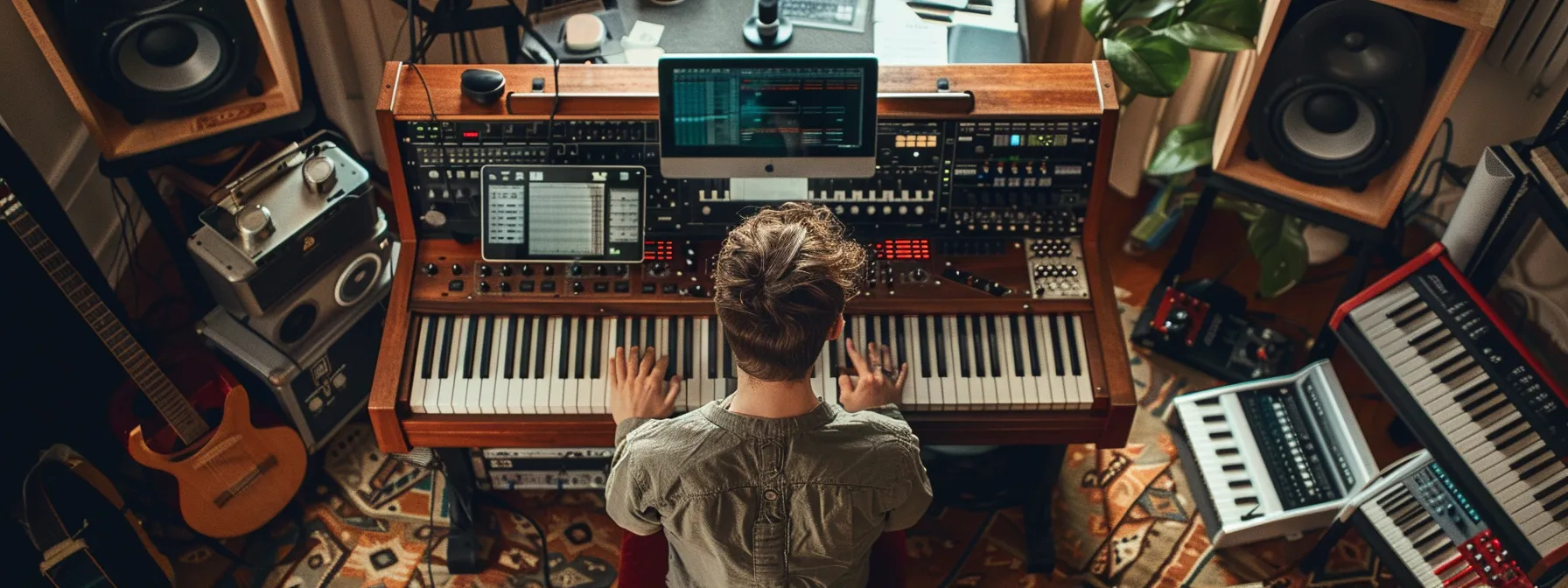
As I’ve honed my teaching methods, the utility of resources has proven invaluable in maximising practice efficiency. Recording sessions for thoughtful self-evaluation, integrating cutting-edge technology and learning apps, and the irreplaceable insights from a qualified teacher form a triad of support. Each plays a crucial role in developing autonomy and enhancing skills for any aspiring pianist. Let’s delve into how these elements can transform your practice routine.
Recording Sessions for Self-Evaluation
In my practice, I’ve witnessed the transformative impact of recording sessions for self-evaluation. This straightforward technique allows students to listen back to their playing objectively, picking up on nuances and areas for improvement that might be missed in the moment. It’s a powerful tool for refining technique and musical expression, providing immediate feedback that can be used to inform the next practice session.
Encouraging my students to regularly record themselves cultivates a habit of critical listening and self-assessment, which is invaluable for progress. Through recorded playback, they gain insights into timing, dynamics, and phrasing, and can track their development over time. This form of reviewing one’s own performance is instrumental in bridging the gap between how they perceive their playing and how it actually sounds. Guide for Efficient Piano Practice.
Leveraging Technology and Learning Apps
In my professional journey as a piano educator, I’ve embraced the integration of technology and learning apps as indispensable tools for sharpening practice efficiency. These platforms offer interactive experiences that can drastically enhance learning speed and retention, with features like immediate feedback on pitch accuracy, rhythm training, and the ability to track practice progress over time. Such tools have proved instrumental for my students, providing them with a personalised practice assistant that guides them through daily exercises and repertoires.
Leveraging apps that simulate various piano sounds or offer comprehensive music libraries encourages students to immerse themselves in practice, making it both engaging and fun. They can explore a wide range of genres and pieces that might not be readily available in their physical music collections. This accessibility empowers them to practice anytime and anywhere, bridging the gap between structured lessons and self-guided learning: it’s a modern innovation that keeps them connected to their musical growth.
Seeking Guidance From a Qualified Teacher
In my professional experience, the guidance of a qualified teacher has been a cornerstone for piano students seeking to maximise practice efficiency. A teacher not only tailors lessons to the individual’s learning style but also addresses specific technical challenges, offering strategies that can streamline the mastering process. This personalised feedback is critical, as it ensures that students work on the right areas with the correct technique, saving time and accelerating improvement.
Having a mentor who possesses a deep understanding of piano pedagogy can be transformative. As an expert in guiding students through their musical journey, I provide actionable insights that lead to significant breakthroughs. Whether it’s adjusting posture, refining touch, or exploring musical interpretation, the informed perspective of a teacher is invaluable for nurturing talent and driving progress: it’s a relationship that truly enriches the learning experience.
With discipline, we’ve harnessed the tools at our disposal. Now, let’s turn our focus to sustaining the drive that fuels our musical journey.
Maintaining Motivation and Consistency

As we delve into refining piano practice, maintaining motivation and consistency emerges as integral to progression. Establishing a regular practice routine provides a structured framework, while setting milestones and celebrating achievements sustains drive. Ensuring sessions remain inviting enhances perseverance, and the introduction of fresh repertoire keeps inspiration alive. Together, these elements forge a foundation for consistent improvement and enduring engagement with the piano. Guide for Efficient Piano Practice.
Establishing a Regular Practice Routine
For my students seeking continuous improvement, establishing a regular practice routine is crucial. I encourage them to carve out consistent time slots each day for their piano practice, which ensures daily progress and embeds practice as a habit. This routine aids in building muscle memory and enhancing skill retention, creating a solid platform for ongoing musical development. Efficient Piano Practice.
I’ve found that a predictable practice schedule also helps in maintaining focus, allowing my students to approach each session with clear intent. By setting aside specific times dedicated solely to piano practice, they can immerse themselves in learning without distractions, ensuring that their time at the piano is both productive and rewarding. Efficient Piano Practice.
Setting Milestones and Rewarding Progress
In my role as a piano educator, I underscore the importance of setting achievable milestones that align with a student’s unique musical journey. These benchmarks serve as a compass, guiding learners towards their next achievement in mastering the piano. By celebrating each completed scale, memorised piece, or successful recital, students experience tangible signs of their progress, which fuels their motivation to persist and strive for greater heights. Efficient Piano Practice.
For instance, I recall a student who aimed to master a complex Chopin nocturne; we broke the piece down into sections and set weekly goals. Upon reaching each milestone, we acknowledged the progress made, whether it was smoother transitions or a more nuanced expression which was inspiring not just for the student but also a reaffirming moment for my teaching approach:
Keeping Practice Engaging and Enjoyable
Ensuring piano practice remains engaging and enjoyable is a vital aspect of teaching I always focus on. Incorporating a variety of musical genres and challenging compositions into the routine prevents monotony and stimulates a student’s curiosity and excitement. This diversity not only broadens their musical horizons but also keeps their passion for learning alive.
I have found that personalising practice sessions by introducing pieces that resonate with a student’s individual taste can make a substantial difference. When learners play music they genuinely enjoy, their engagement levels surge, reinforcing interest in their practice. Here’s how engaging and enjoyable practices have enhanced learning:
- Integration of student-preferred music maintains practice enthusiasm.
- Variety in repertoire solidifies a deeper appreciation for different musical styles.
- Personalised practice fosters a more emotionally invested approach to learning.
Exploring New Repertoire for Inspiration
Introducing new pieces into one’s playlist can be a refreshing way to maintain engagement and inspiration. As a piano teacher, I often weave unfamiliar compositions into lessons to spark curiosity and challenge students, ensuring their practice remains a dynamic discovery of the piano‘s vast repertoire. These new selections encourage learners to explore various musical styles, thereby broadening their appreciation and keeping their passion for the instrument invigorated. Guide for Efficient Piano Practice 2024.
For effective learning, stepping outside one’s comfort zone with repertoire can lead to exciting breakthroughs in both technique and expressive capability. I’ve found that when my students tackle genres and pieces that are new to them, it stimulates thought and encourages adaptability in their playing style. This practice not only refines their skills but also imbues their musical journey with a sense of continuous evolution:
- Challenging genres expand technical prowess and interpretative depth.
- New pieces fortify problem-solving abilities and musical understanding.
- Embracing diverse compositions sustains interest and musical curiosity.
Frequently Asked Questions on Efficient Piano Practice
What are the core principles of effective piano practice?
Effective piano practice hinges on regularity, focus, methodical progression, and reflective listening—each contributing to sustained musical development and skill enhancement.
How can I set realistic goals for my piano learning?
Setting realistic piano learning goals involves assessing your current skills, targeting incremental progress, and allowing time for practice. Establish milestones and consult an experienced piano teacher to ensure they’re aligned with your abilities.
What’s the best way to structure my piano practice sessions?
Optimise your piano practice by dividing time between warm-up exercises, technical drills, repertoire work, and sight-reading to ensure a balanced approach that strengthens all aspects of your playing.
Are there specific techniques to enhance my piano practice?
Absolutely, implementing the Scaramuzza technique, focusing on relaxation and efficiency, significantly improves piano practice and performance outcomes.
How can I stay motivated and consistent with piano practice?
To maintain motivation and consistency in piano practice, set achievable goals, reward progress, and mix up your routine to keep sessions engaging. Efficient Piano Practice.