
 TRIAL LESSON
11
Sep
Sep
Why adult piano practice links attention, hearing and movement, with practical strategies for building reliable coordination without forcing it.
Why adult piano practice links attention, hearing and movement, with practical strategies for building reliable coordination without forcing it.
How rhythm, rhyme and careful listening at the piano may support phonological awareness, with evidence-based guidance for parents and teachers.
Flow state at the piano grows from clear goals, balanced challenge and immediate feedback. Learn how adult musicians can practise for absorption.
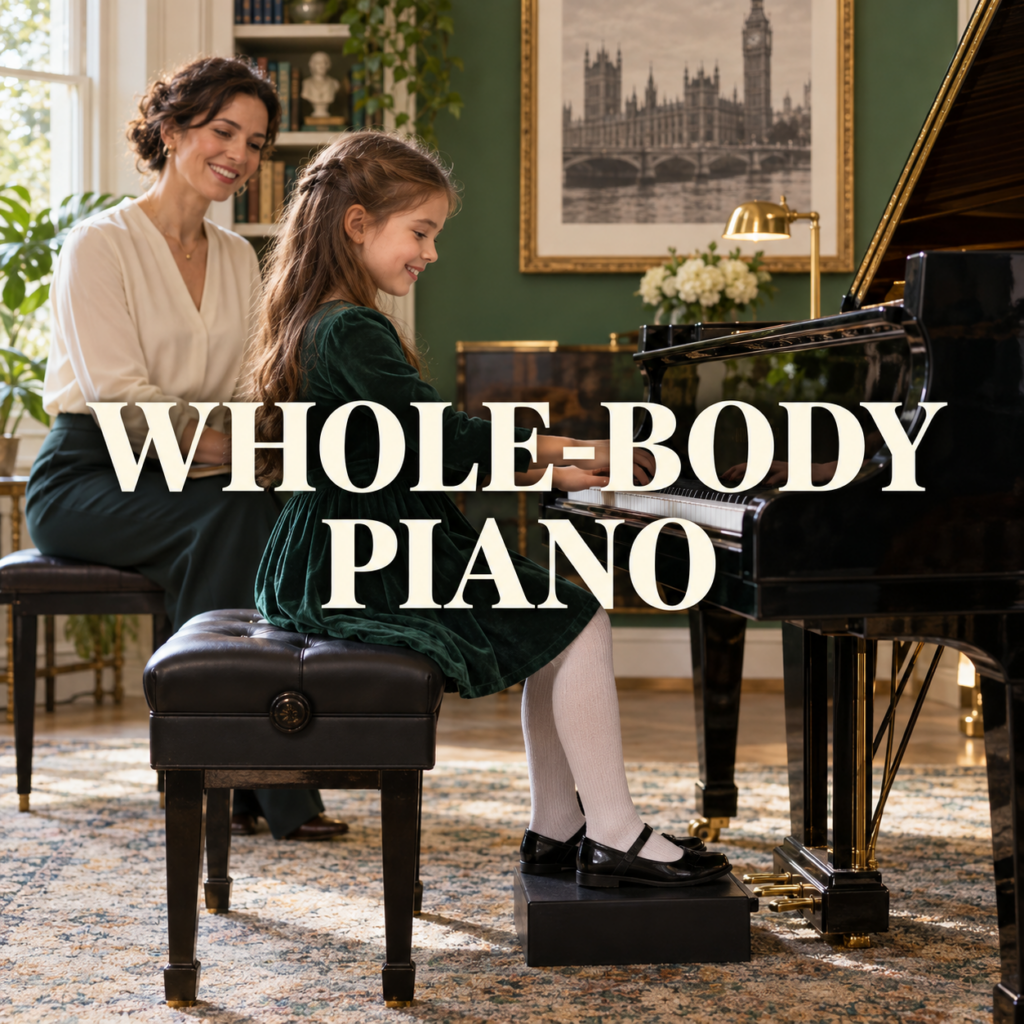
Gross motor development meets piano through posture, balance, pulse and coordinated movement. Learn what music lessons can support for children.
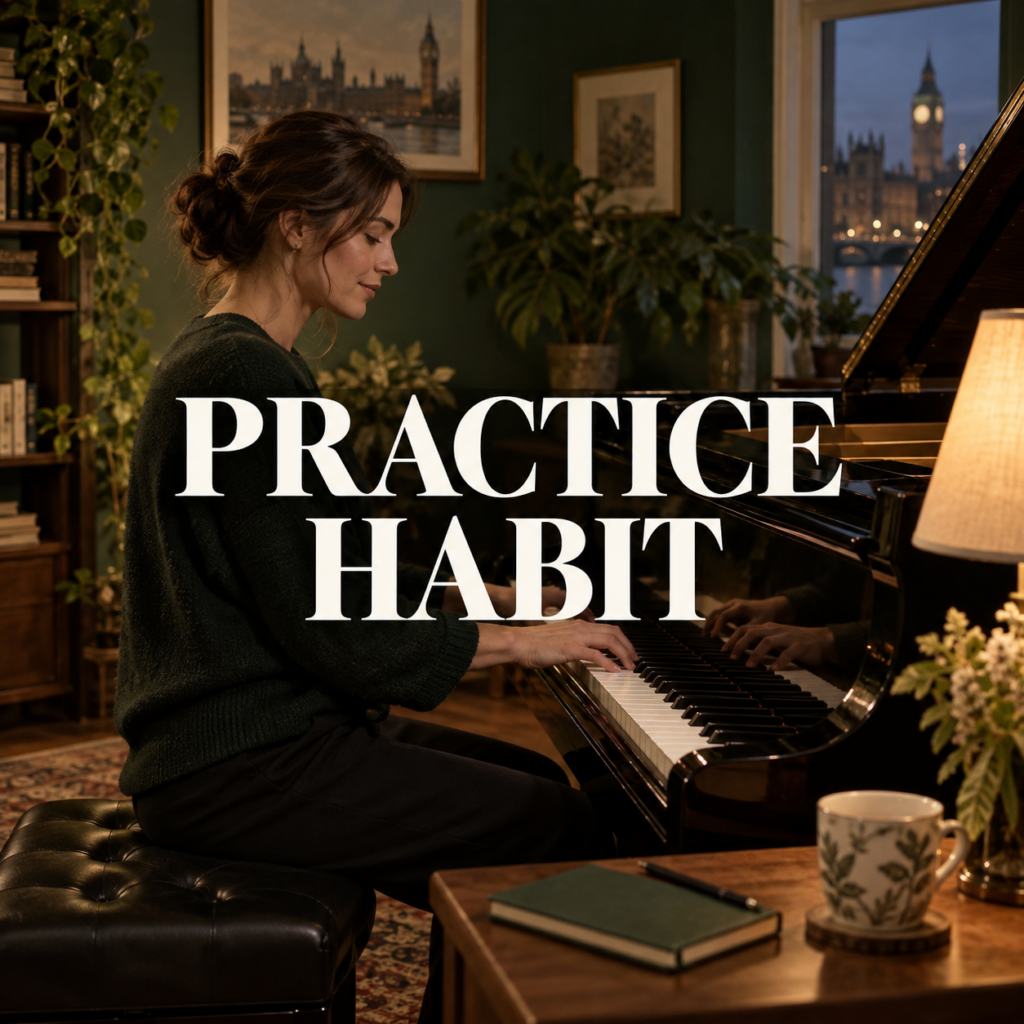
Use practical habit formation principles to make adult piano practice consistent: stable cues, small starts, musical rewards and flexible recovery.
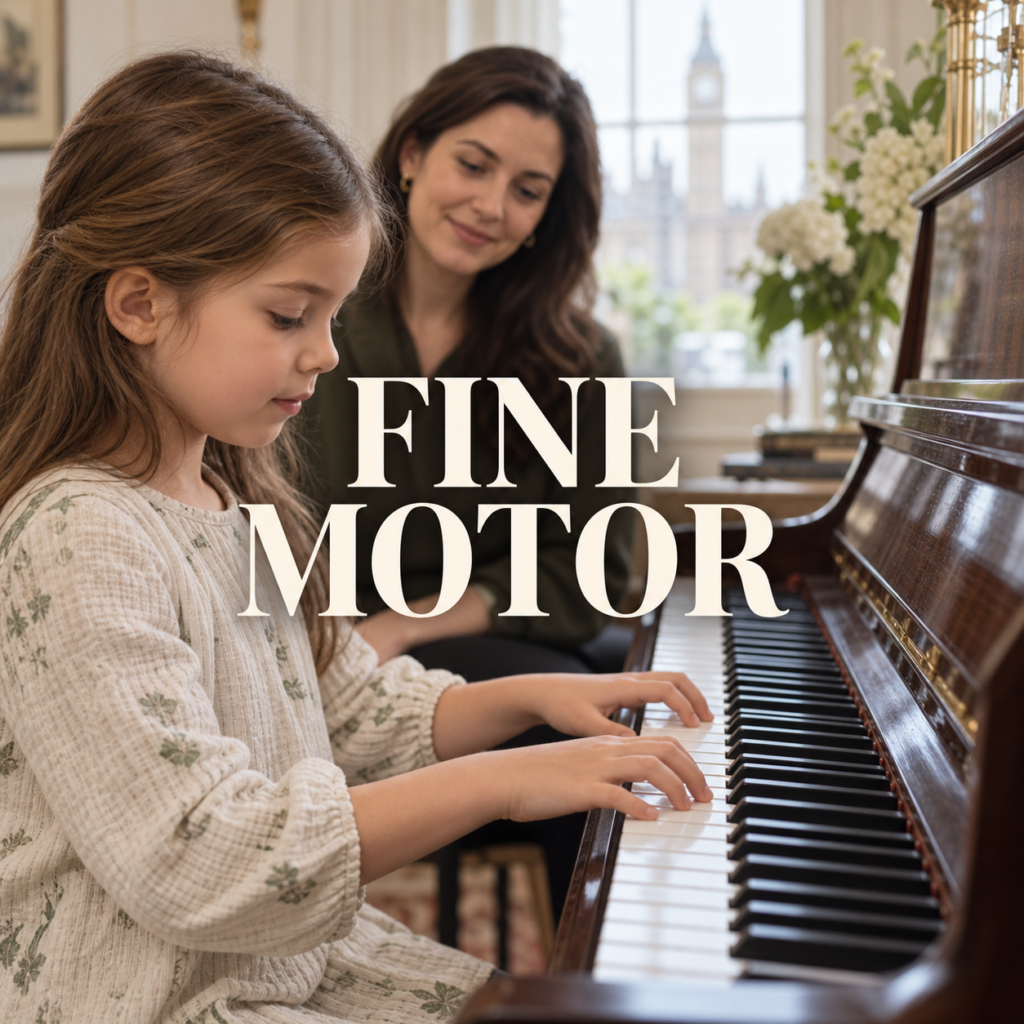
Learn how piano practice can support fine motor development in children through graded movement, sound feedback and age-appropriate teaching.
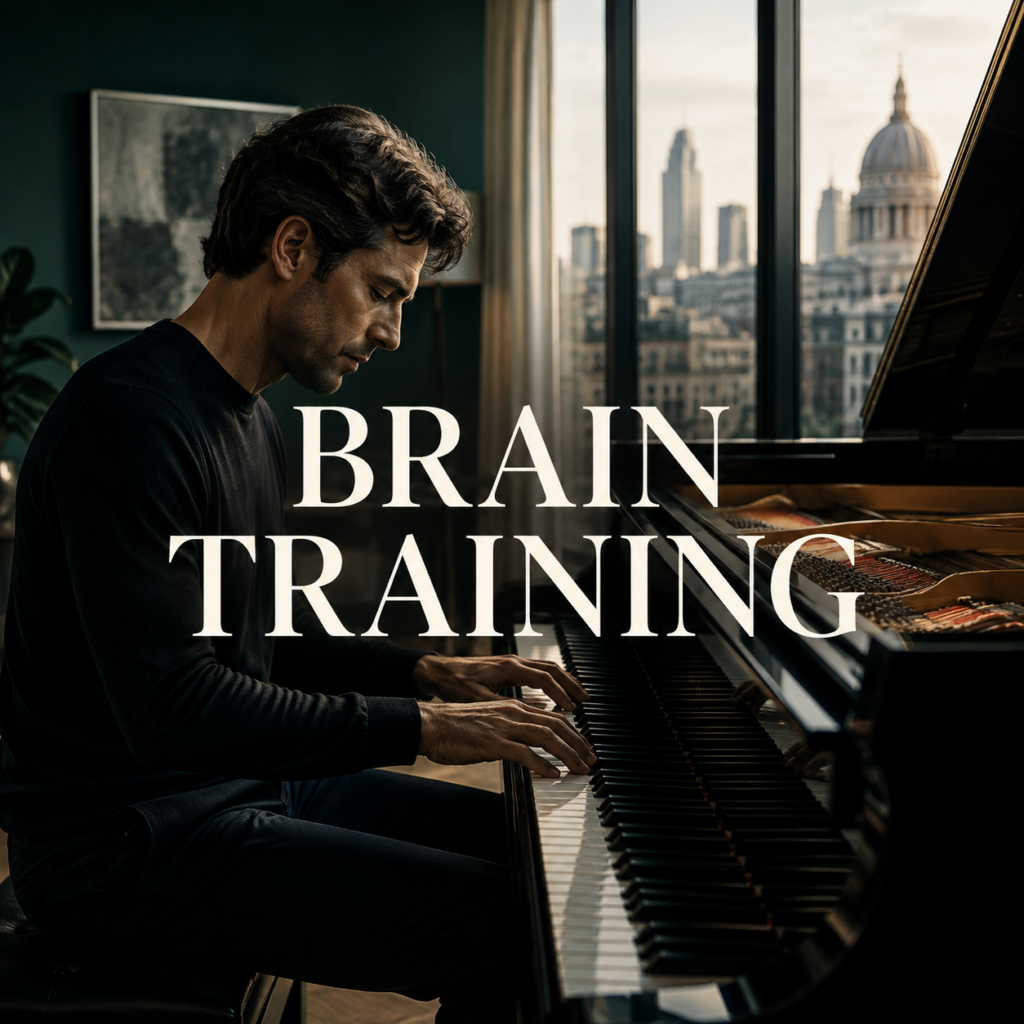
Brain training often promises quick gains through isolated puzzles. Piano asks something richer: coordinate sound, movement, notation, memory and expression in a skill that keeps opening into music.
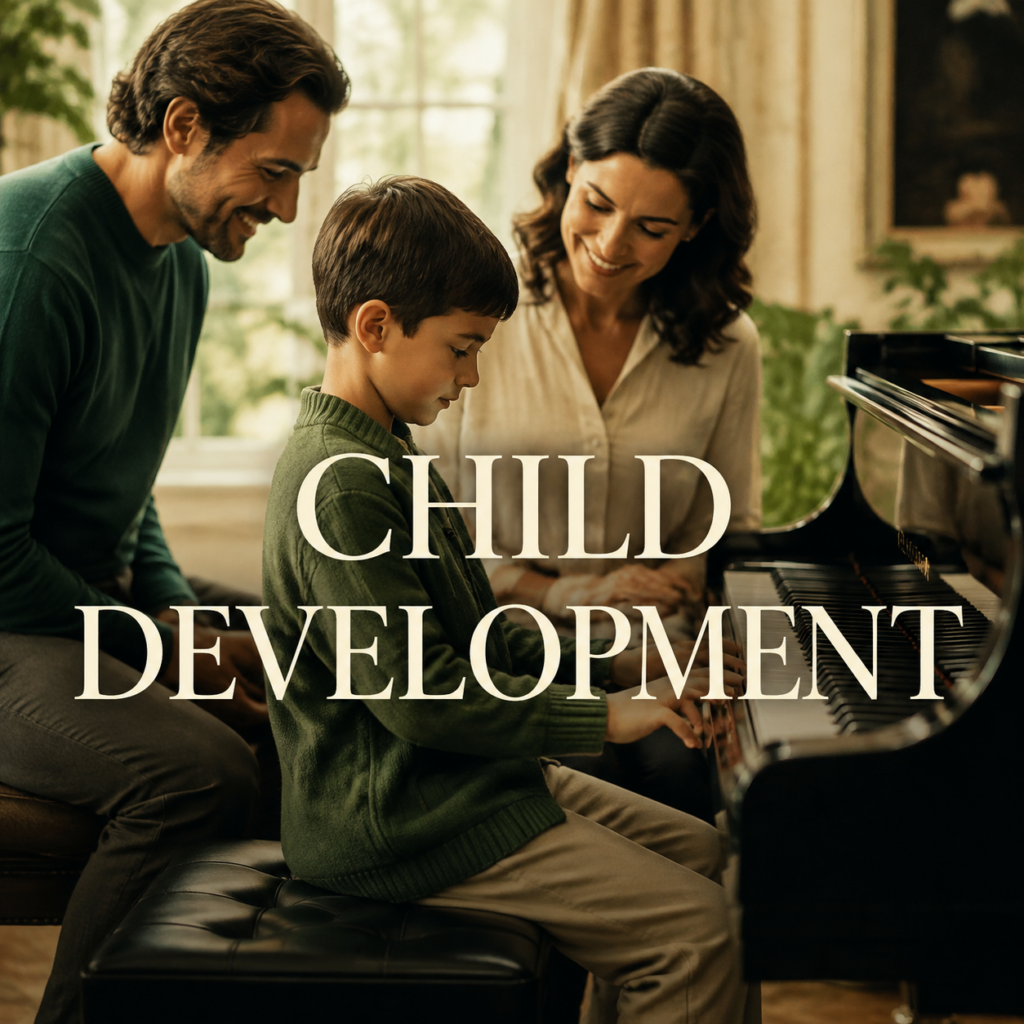
Child development is not a checklist that music accelerates on command. At the piano, it appears as a changing relationship between movement, language, attention, emotion and growing independence.

Healthy ageing is supported by purpose, capability, connection and environments that let people keep doing what matters. Piano can become serious adult study within that larger picture.
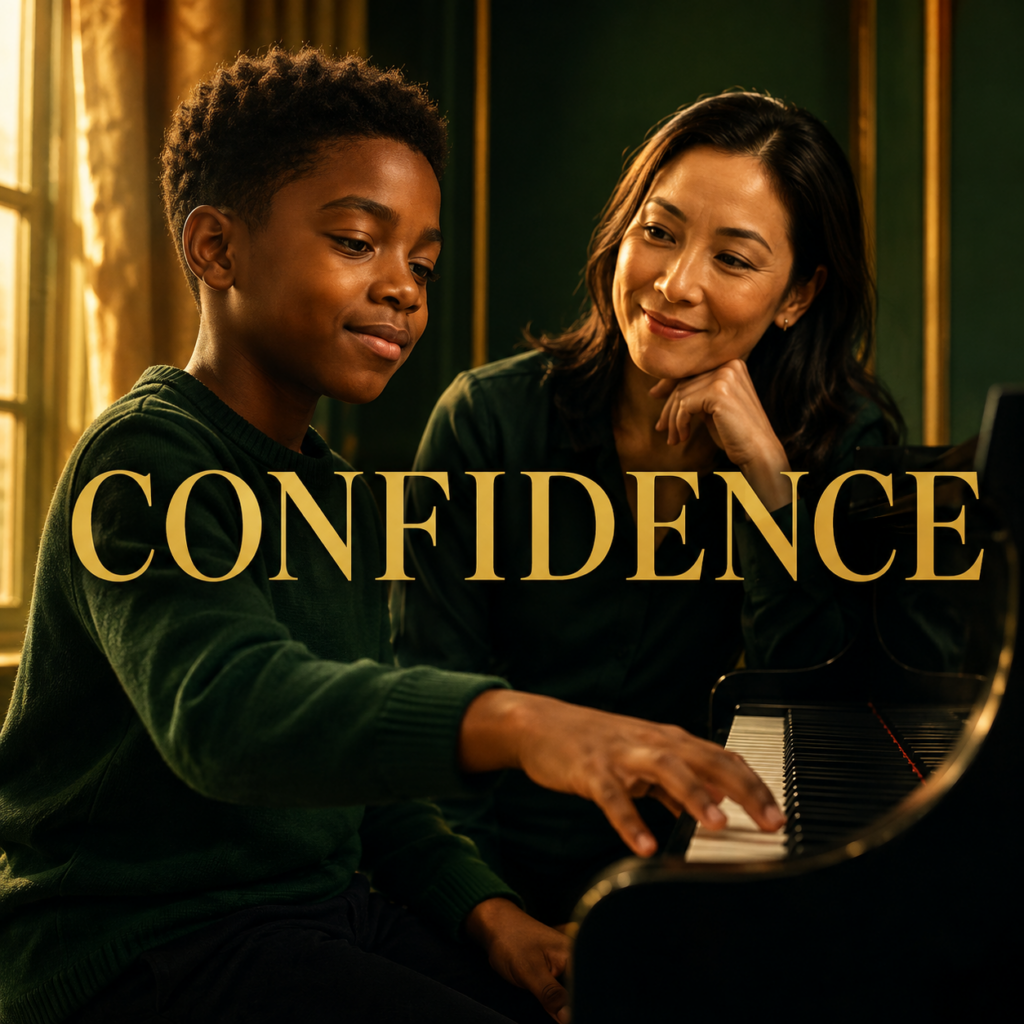
Confidence building activities work best when courage follows preparation. Piano lets a child rehearse, make a decision and carry it through while music—not personality—remains the centre of attention.