
 TRIAL LESSON
Piano Lessons
Flow State: What Adult Pianists Discover in Serious Practice
Sep
Flow state Complete Guide
WKMT London adult learner guide
Flow State: What Adult Pianists Discover in Serious Practice
Some practice sessions feel unusually continuous: attention narrows, the next action is clear and musical time seems to replace clock time. That experience can be valuable, but it is a consequence of well-shaped work rather than a button the pianist presses.
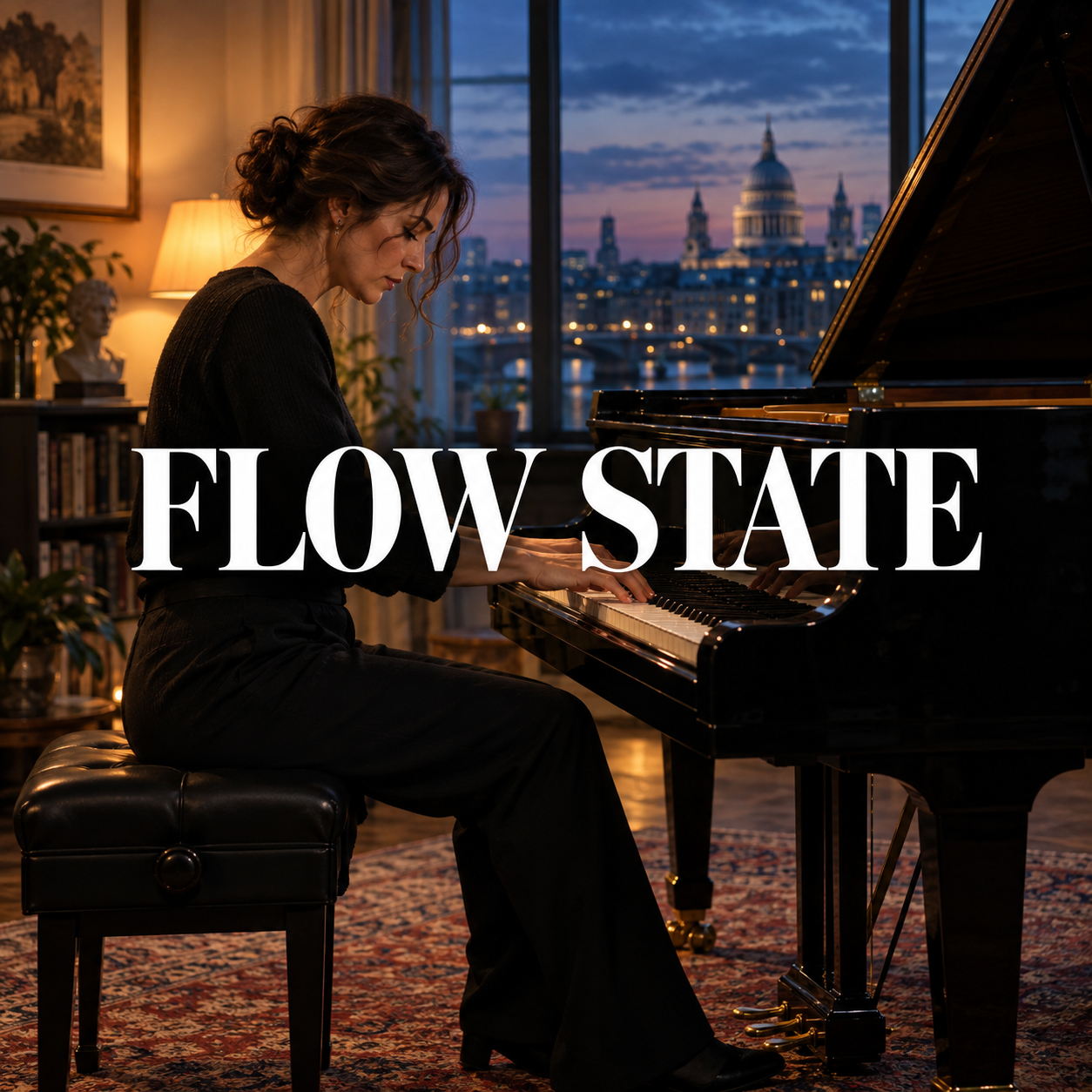
What a flow state feels like in piano practice
In a flow state, action and awareness can feel closely joined. The adult pianist is neither daydreaming nor mechanically repeating. Attention stays with timing, sound, movement and the next musical decision. Self-conscious commentary recedes because the task supplies enough information to keep the mind engaged.
Research in music distinguishes this absorption from simple enjoyment. Studies of pianists and performing musicians associate flow with focused engagement, perceived control and motivation, but the evidence does not promise better playing whenever time seems to disappear. A passage can feel fluent while an unnoticed error becomes more secure.
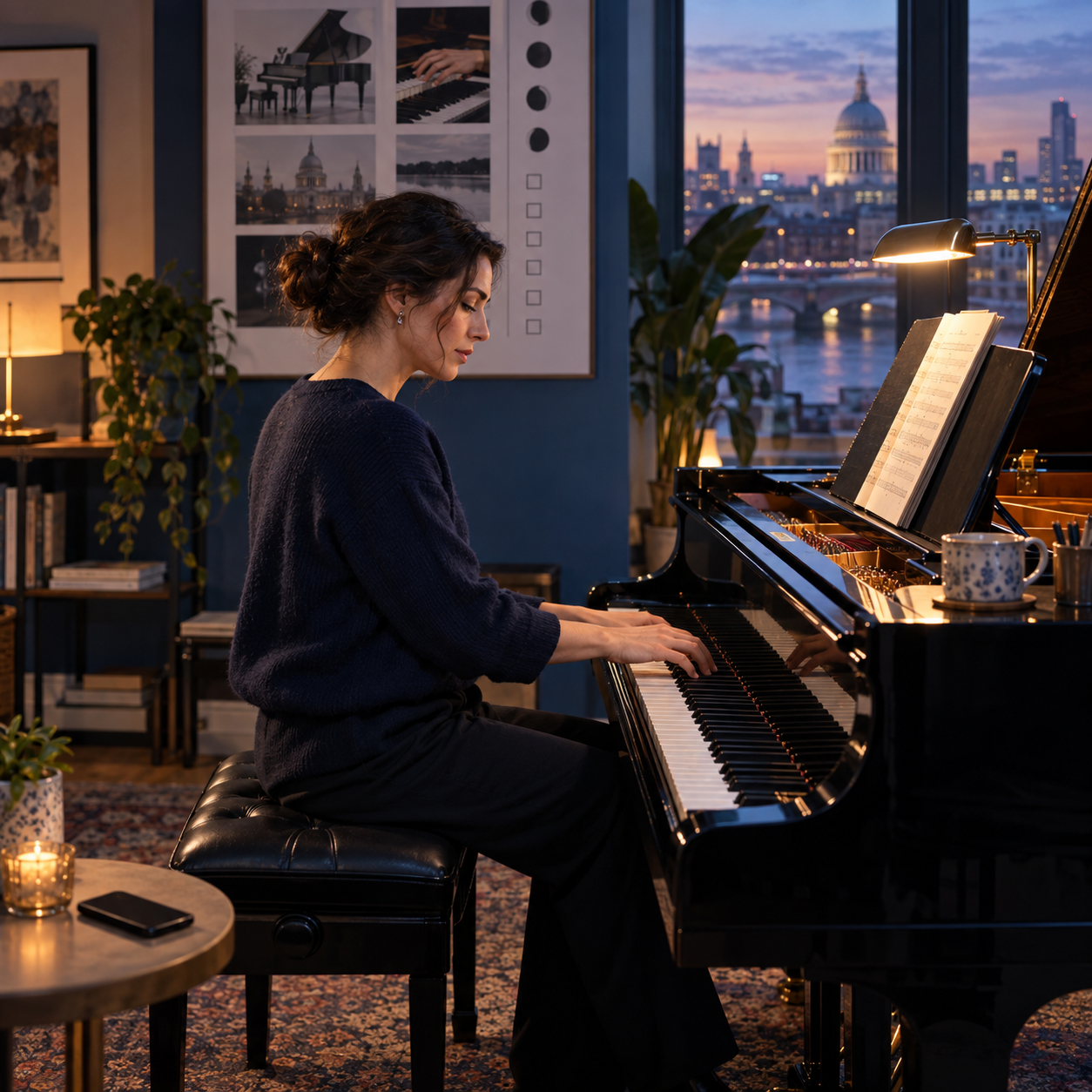
Clear goal
Choose one passage and one audible outcome.
Matched challenge
Work where correction is possible but attention is fully required.
Immediate feedback
Listen for a defined signal, adjust, then test the longer musical line.
Why challenge and skill must stay in balance
A task that is too easy invites boredom; one that is too difficult invites confusion or anxiety. The useful zone sits between them. Instead of attempting an entire page at full speed, an adult might choose four bars, one voicing goal and a tempo that preserves the intended gesture. That creates a challenge the ear can evaluate immediately.
The flow state also depends on clear feedback. At the piano, feedback is unusually rich: pitch, rhythm, balance, resonance and physical ease arrive together. The discipline is to select one or two signals rather than judging everything at once. A narrow question can hold attention more effectively than a vague command to improve.
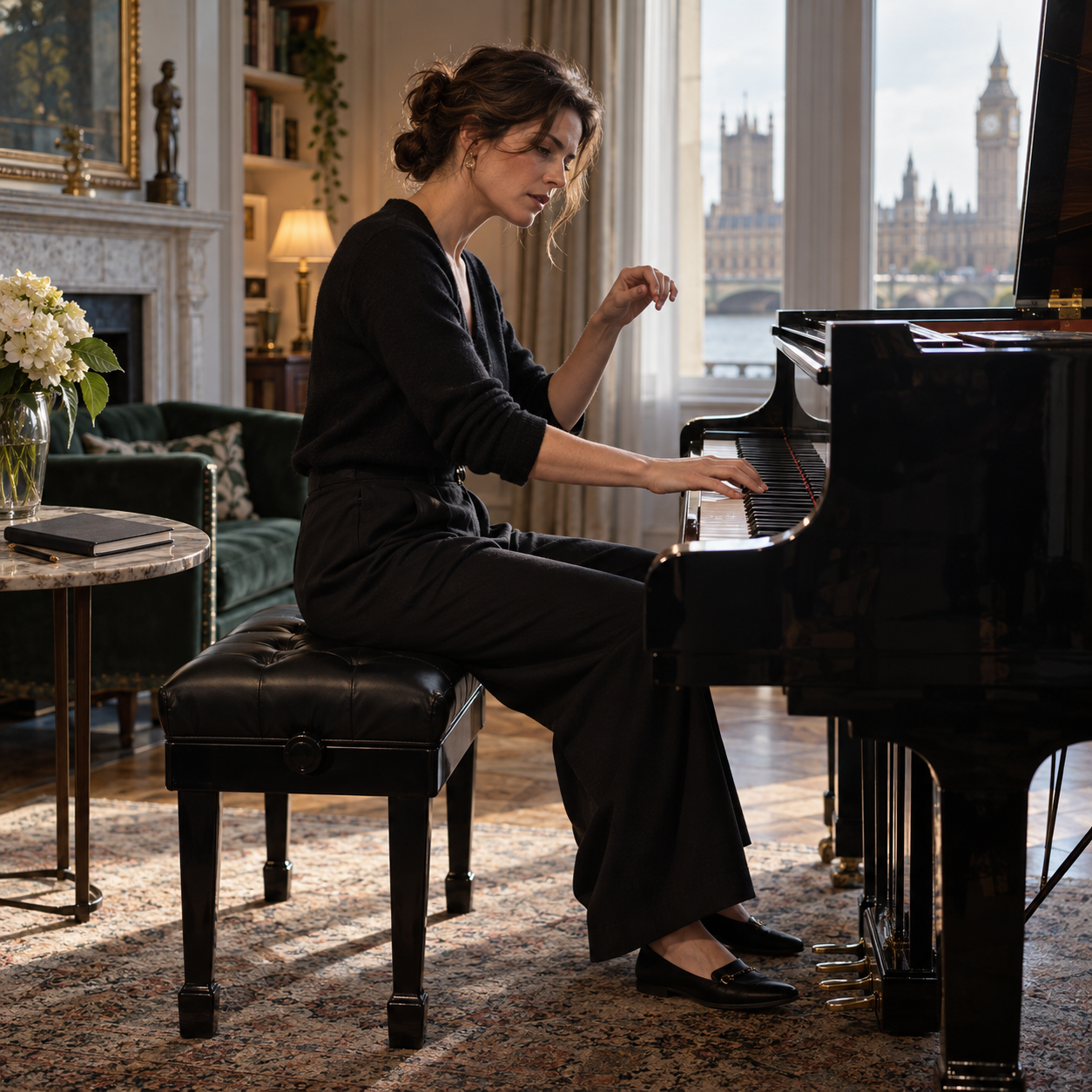
Flow is not the absence of discipline; it is what disciplined attention can feel like when the musical problem is shaped well.
Designing a practice session that can support flow state
Start with a two-minute arrival: silence the phone, place the score, decide the passage and name the audible result you want. Spend ten minutes solving at a scale where success and correction are both possible. Then play a longer span without stopping, allowing the musical line to test whether the small work has joined the whole.
Alternate analysis and continuity. Slow, interruption-rich work is essential when changing fingering or rhythm. Unbroken playing is essential when testing memory, pacing and expression. A flow state is more likely during continuity, but continuity becomes trustworthy only because analytical practice has prepared the ground.
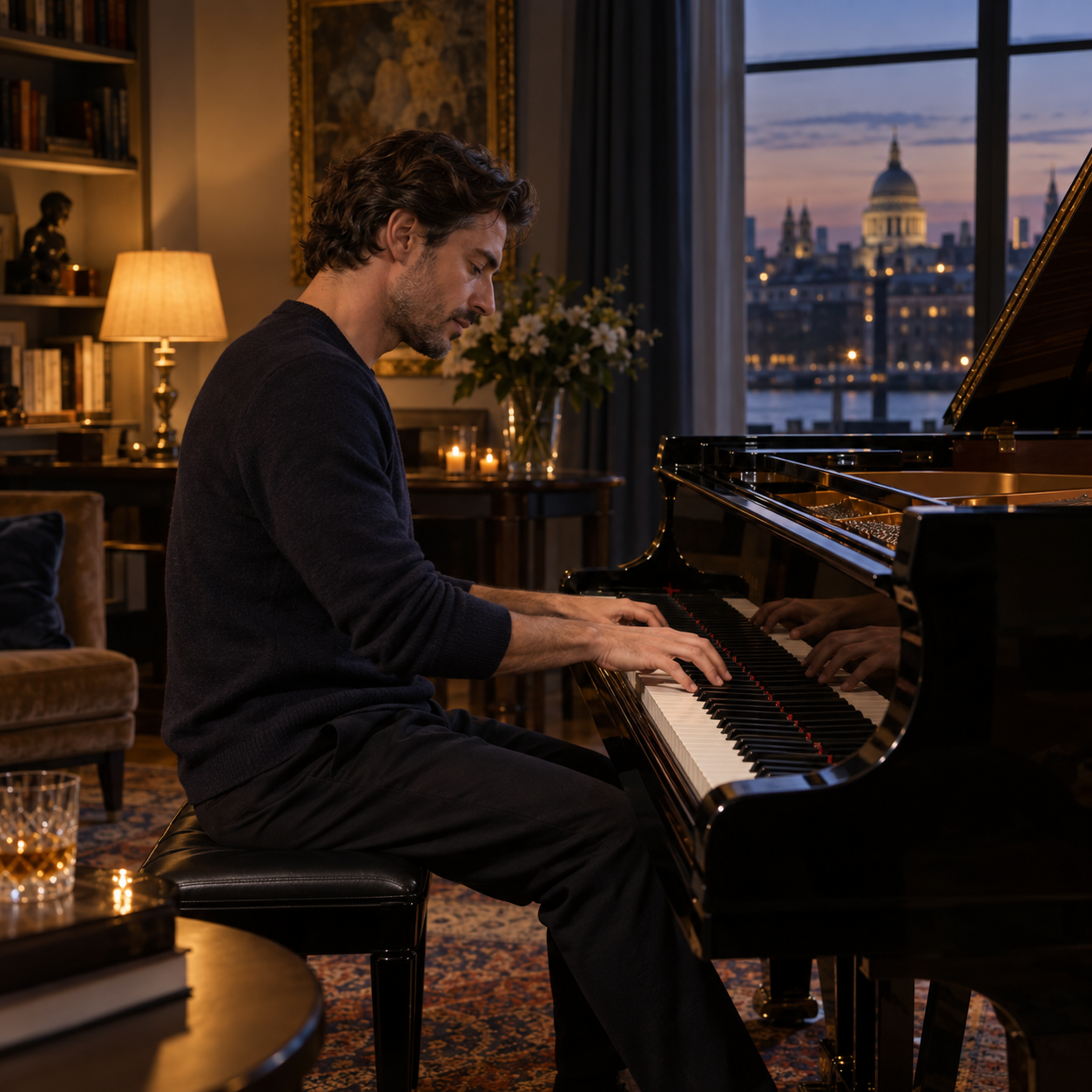
How adult piano lessons protect serious absorption
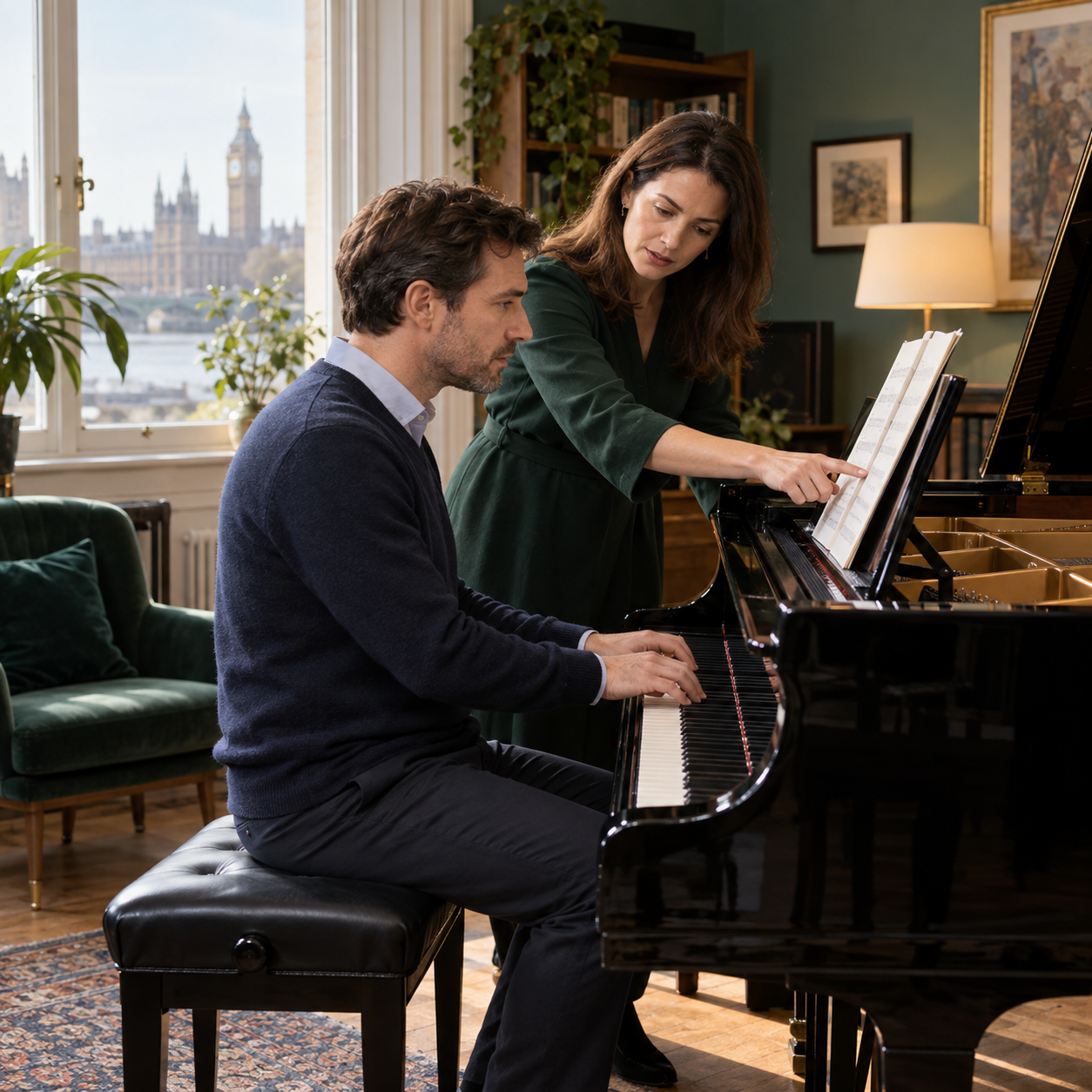
Adults often bring an efficient professional mind to music, then become frustrated when artistic learning refuses to follow a straight line. A teacher can resize the task, identify the decisive technical cause and keep the challenge just beyond comfort without making it shapeless. This is one reason weekly lessons can deepen rather than interrupt independent practice.
At WKMT London, adult piano lessons connect technique, repertoire and reflective listening. The student learns when to measure, when to repeat and when to let a phrase continue. The goal is not to chase a special feeling every evening. It is to create musical conditions in which sustained attention has something worthwhile to do.
For a related WKMT perspective, read efficient piano practice.
WKMT London
Build a serious adult practice life with tasks, repertoire and feedback calibrated to your experience and available time.
Sources
- PMC: systematic review of flow in music
- PMC: flow predictors in pianists
- PubMed: boredom, mind-wandering and flow in classical musicians
- Frontiers in Psychology: flow in performing musicians
- University of Padua research: flow and musical practice
- SAGE: flow research in music contexts
Sources for flow state checked 10 September 2026. Educational guidance; individual learning and development vary.