
 TRIAL LESSON
Pianists, Piano Lessons
Garrick Ohlsson in London: Chopin, Scale and Serious Piano Sound
Aug
Garrick Ohlsson in London
WKMT London listening guide
Garrick Ohlsson in London: Chopin, Scale and Serious Piano Sound
Garrick Ohlsson gives piano learners a rare lesson in scale: Chopin can sing, thunder, breathe and remain noble without losing proportion. For London students, his playing is a practical way to hear how tone, structure and patience turn virtuosity into musical speech.
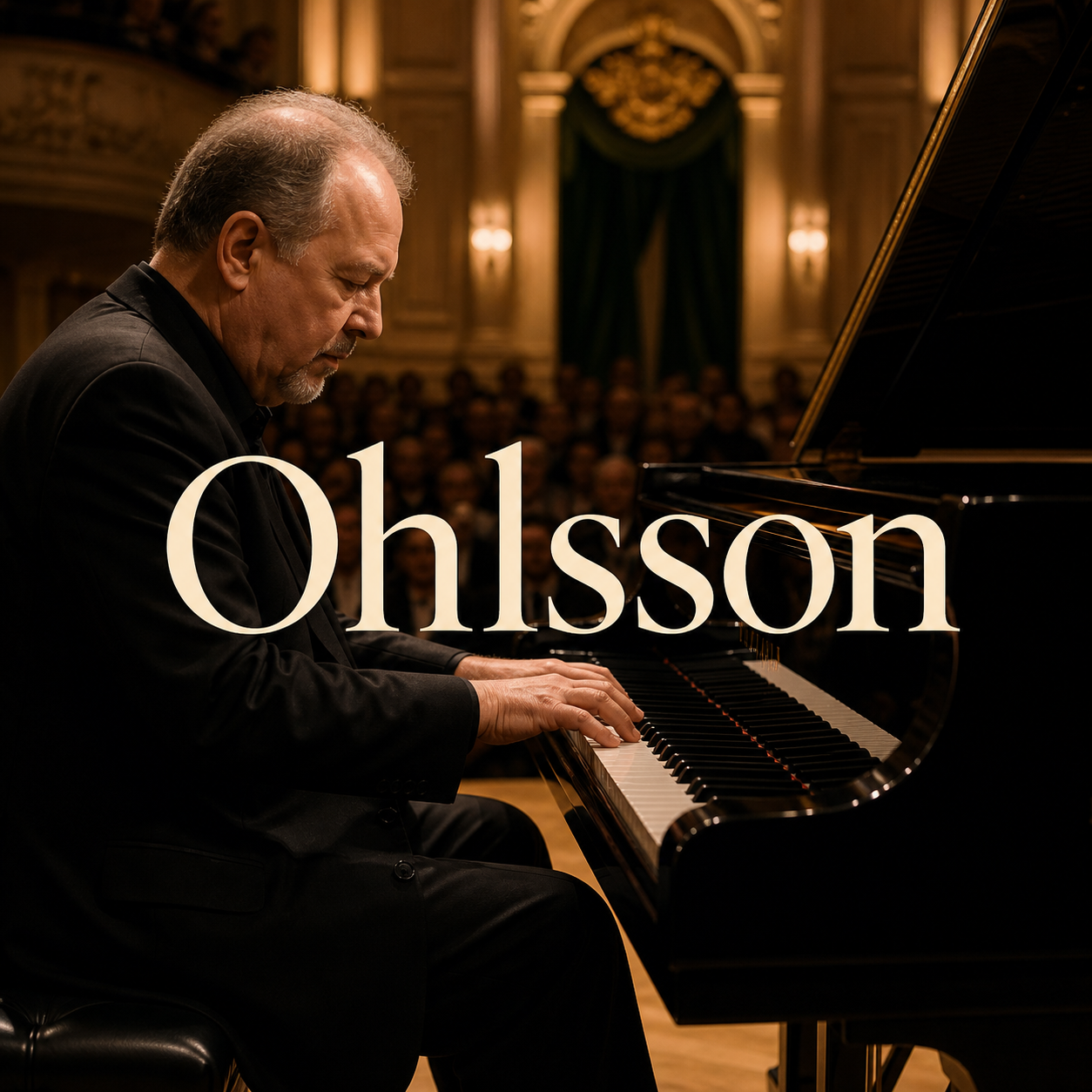
Many learners first notice speed. Ohlsson asks for a different ear. Listen to the bass before the melody, then listen to the melody as if it were being carried by the bass. A large Chopin phrase begins to feel less like decoration and more like architecture. That is directly useful for anyone considering classical piano study in London, because a good lesson must help the student hear what controls the sound before trying to imitate the surface.
Garrick Ohlsson and the Chopin scale
Ohlsson’s breakthrough at the 1970 Warsaw Chopin Competition was historic. The Chopin Institute lists him as the first prize winner that year, placing him in a lineage of pianists measured not only by brilliance but by their ability to make Chopin sound inevitable. That matters because Chopin is unforgiving. Sentimentality weakens the line; display can flatten the harmony; too much caution removes the dance.
Ohlsson’s distinction is the feeling that the instrument is allowed to become large without becoming coarse. The left hand can create a true orchestral floor, while the right hand retains speech, inflection and breath. In lessons, that becomes a precise technical question: how can the arm release weight into the key while the fingertip still shapes the end of a phrase?
Bass before beauty
Hear the harmonic ground before admiring the top line.
Tone before speed
Ask whether the sound can carry before asking whether the passage can go faster.
Phrase before effect
Let a climax grow from direction, not from sudden volume.
Silence before release
Notice how the end of a gesture prepares the next one.
The prizes and facts behind Garrick Ohlsson
Ohlsson studied at the Westchester Conservatory, Juilliard and with Claudio Arrau, among others. His official biography records three decisive early prizes: Busoni in 1966, Montreal in 1968 and Warsaw in 1970. The sequence matters. It shows a pianist formed by international competition, but not trapped by competition manner. His later discography expanded into Beethoven, Brahms, Scriabin, Rachmaninov and contemporary repertoire, while Chopin remained central to his identity.
That breadth keeps the Chopin playing from becoming narrow. Ohlsson can make a nocturne sound vocal, but he can also give it the structural patience of a symphonic slow movement. He can make a polonaise ceremonial without making it stiff. He can let a mazurka keep its accentual strangeness instead of smoothing it into salon prettiness.
London has heard that seriousness repeatedly. Wigmore Hall’s archive and season material document Ohlsson appearances in London recital life, and UK concert listings over many years place him within the city’s serious listening culture. For a learner, the London connection is not ornamental. It reminds us that studying piano here means entering a city where the recital tradition is alive, demanding and close enough to inform weekly practice.
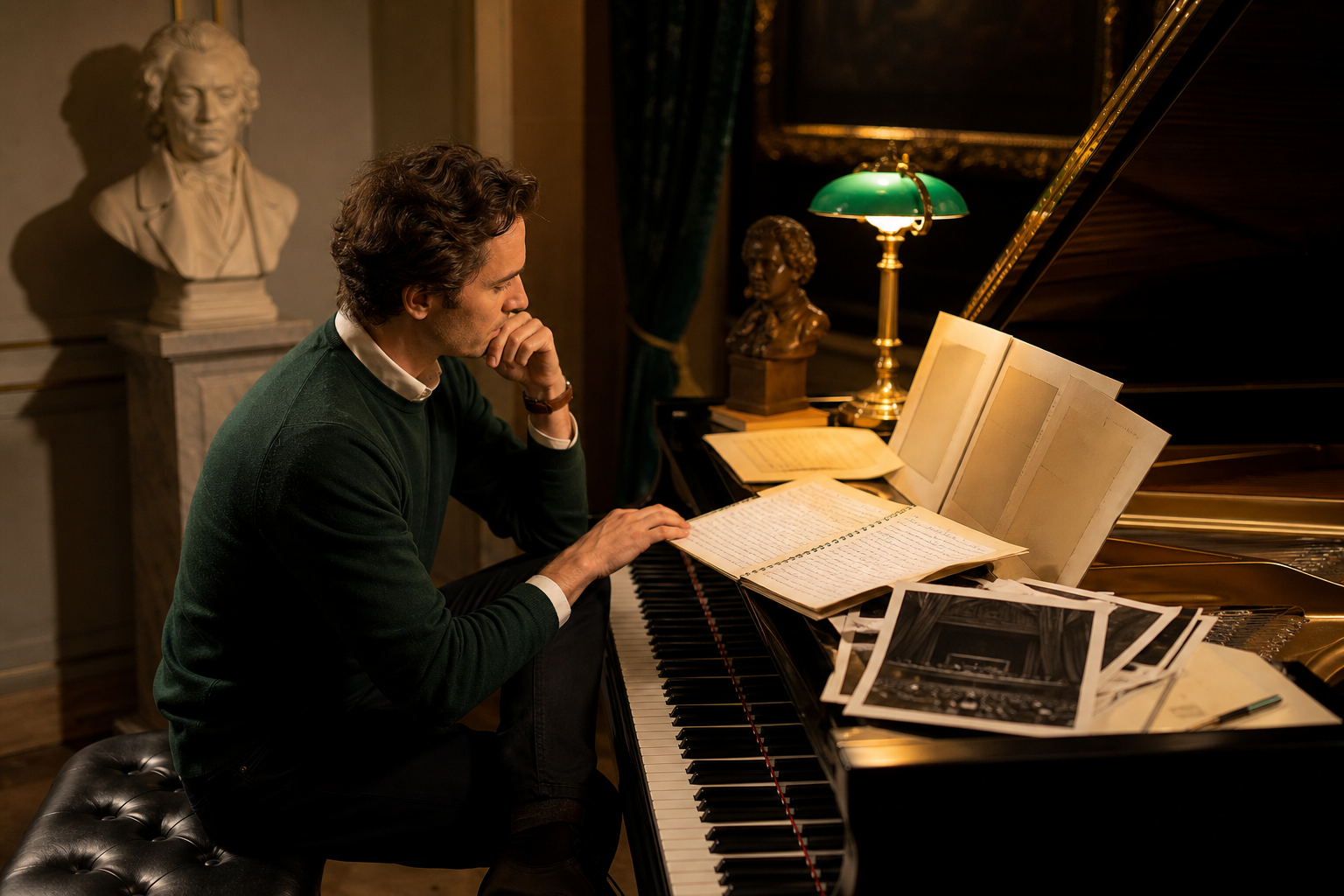
The point is not to copy Garrick Ohlsson. It is to learn how a pianist can make a large sound remain cultured, legible and human.
A Garrick Ohlsson listening route for London learners
Start with one Chopin nocturne. Listen first for the vocal line. Then listen again only for the left hand. On the third hearing, notice whether the melody floats because the bass is calm, or whether it needs to lean into a harmonic change. This simple sequence changes the listener’s expectation of a lesson. The teacher is no longer just correcting notes. The teacher is helping the student hear the forces that make the notes speak.
Then move to a larger Chopin work: a ballade, scherzo or polonaise. Ask where the music changes scale. Does the pianist thicken the sound by pressing harder, or by allowing the bass, pedal and timing to work together? Does the phrase become broader because the tempo slows, or because the inner rhythm has gained authority?
Related video
Garrick Ohlsson performing Chopin Nocturne in D-flat major, Op. 27 No. 2 is embedded below from YouTube for educational listening context. Rights remain with Garrick Ohlsson, Warner Classics / YouTube and the relevant rights holders.
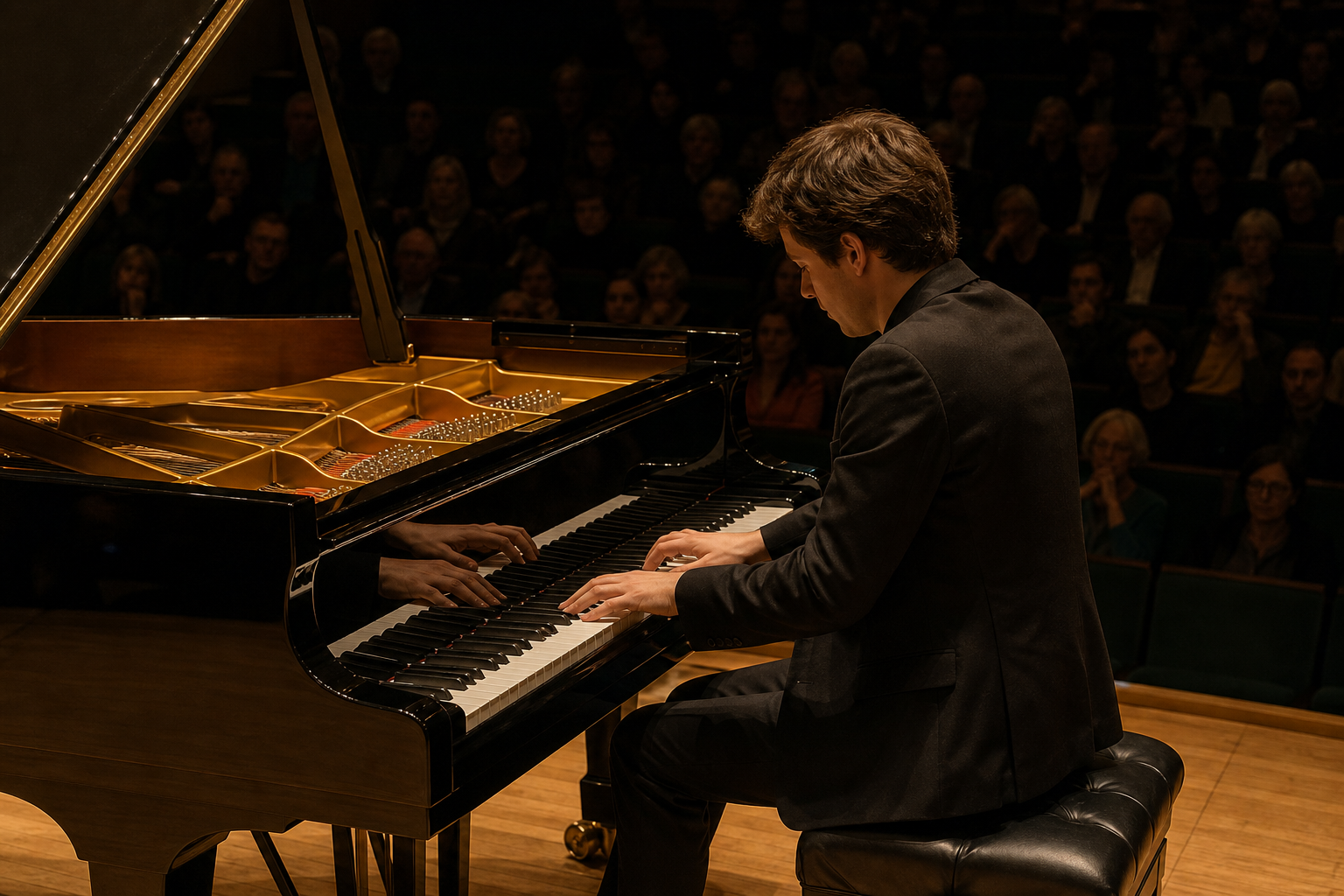
What Garrick Ohlsson teaches about piano sound
A strong sound is not necessarily a loud sound. It is a sound with a centre. Ohlsson’s Chopin often carries that centre through long paragraphs, so that decoration, rubato and resonance do not feel like separate effects. For students, this is a useful safeguard. The more beautiful the passage, the more clearly it needs direction.
Try the following exercise. Play a phrase once with only the bass notes. Sing or imagine the melody while the bass moves. Then play the melody alone and notice where it wants support. Finally, play both hands together at half volume. If the phrase now feels larger, you have found scale without forcing sound.
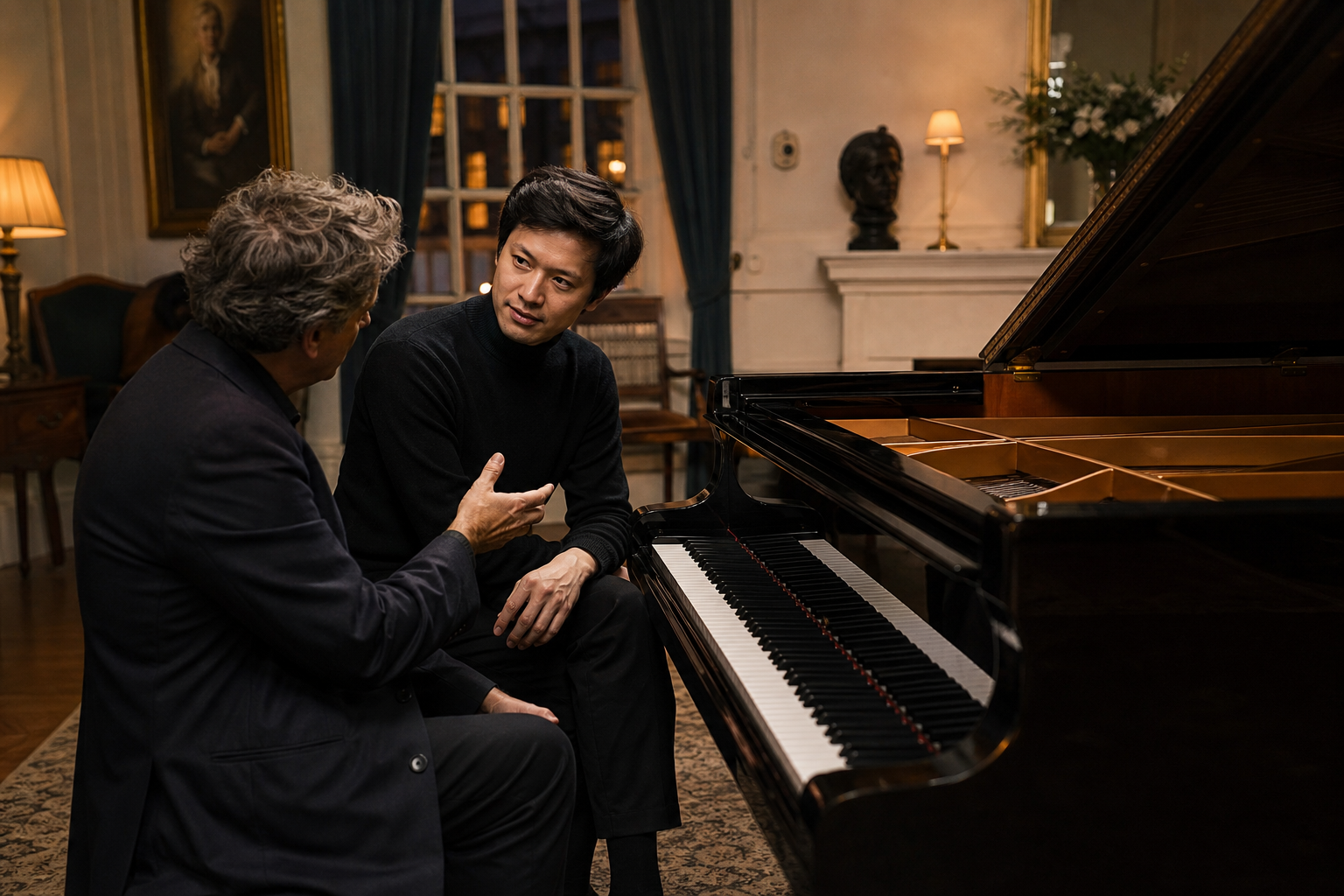
From Garrick Ohlsson to serious piano lessons in London
The value of this listening is practical. A learner who hears Ohlsson only as a famous pianist may leave with admiration. A learner who hears how he balances bass, line, pedal and time arrives at the lesson with better questions. Why does this left hand sound heavy? Where should the phrase breathe? How can the arm release without blurring the harmony?
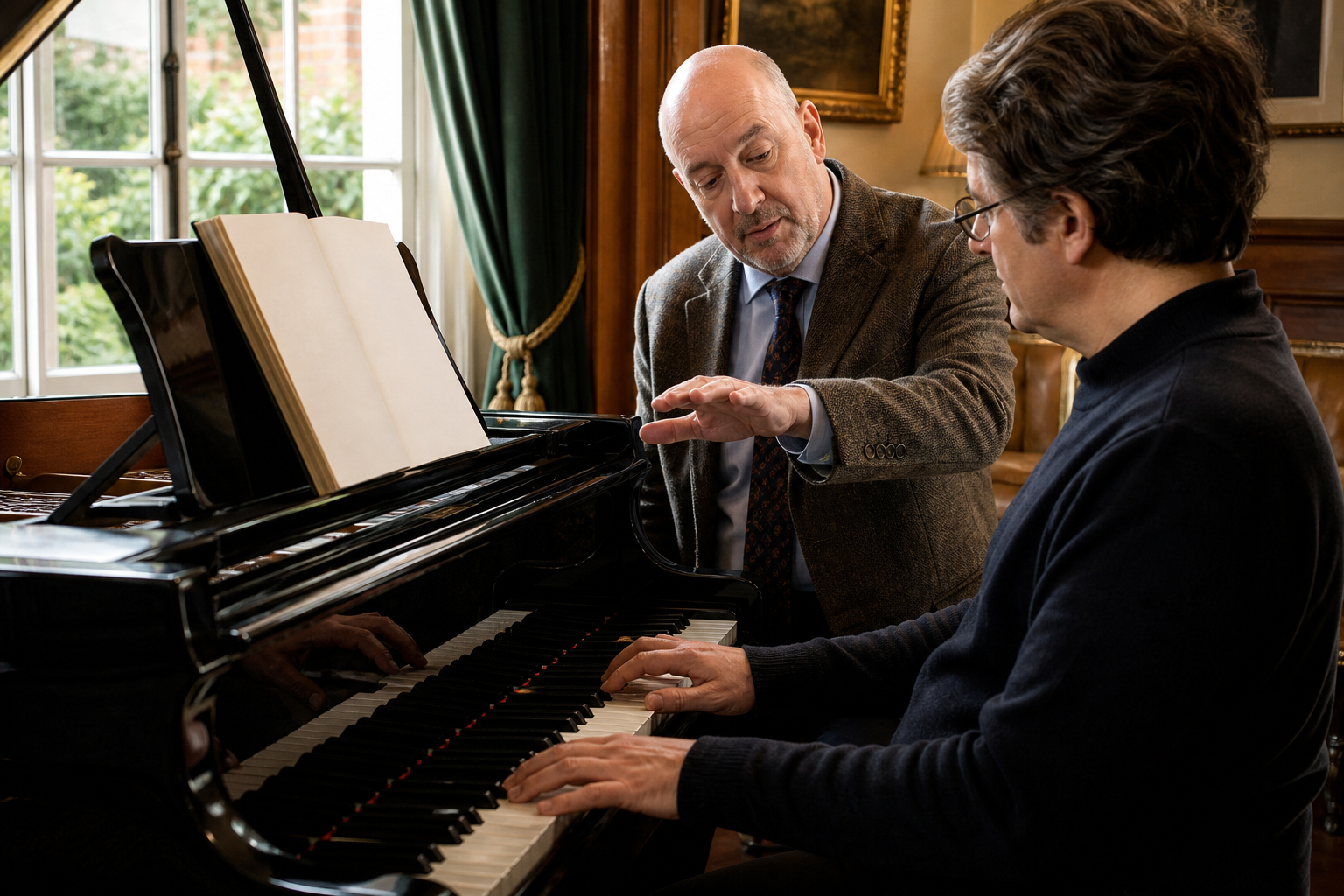
Those are teachable questions. They are also the reason face-to-face feedback remains valuable. In WKMT London’s classical piano lessons, the teacher can hear the sound in the room, adjust physical movement directly, demonstrate an alternative and help the student connect technical correction with musical purpose. For another route into pianist-led listening, WKMT’s guides to Haochen Zhang in London and Richard Goode in London offer useful companions.
WKMT London
Study classical piano in London with individual teaching that connects listening, sound, technique and musical interpretation.
Sources on Garrick Ohlsson
- Garrick Ohlsson: official biography.
- The Fryderyk Chopin Institute: Garrick Ohlsson competition profile.
- Recording Academy: Garrick Ohlsson.
- Wigmore Hall: Garrick Ohlsson recital listing.
- Encyclopaedia Britannica: nocturne.
Sources last checked 27 August 2026.