
 TRIAL LESSON
Pianists, Piano Lessons
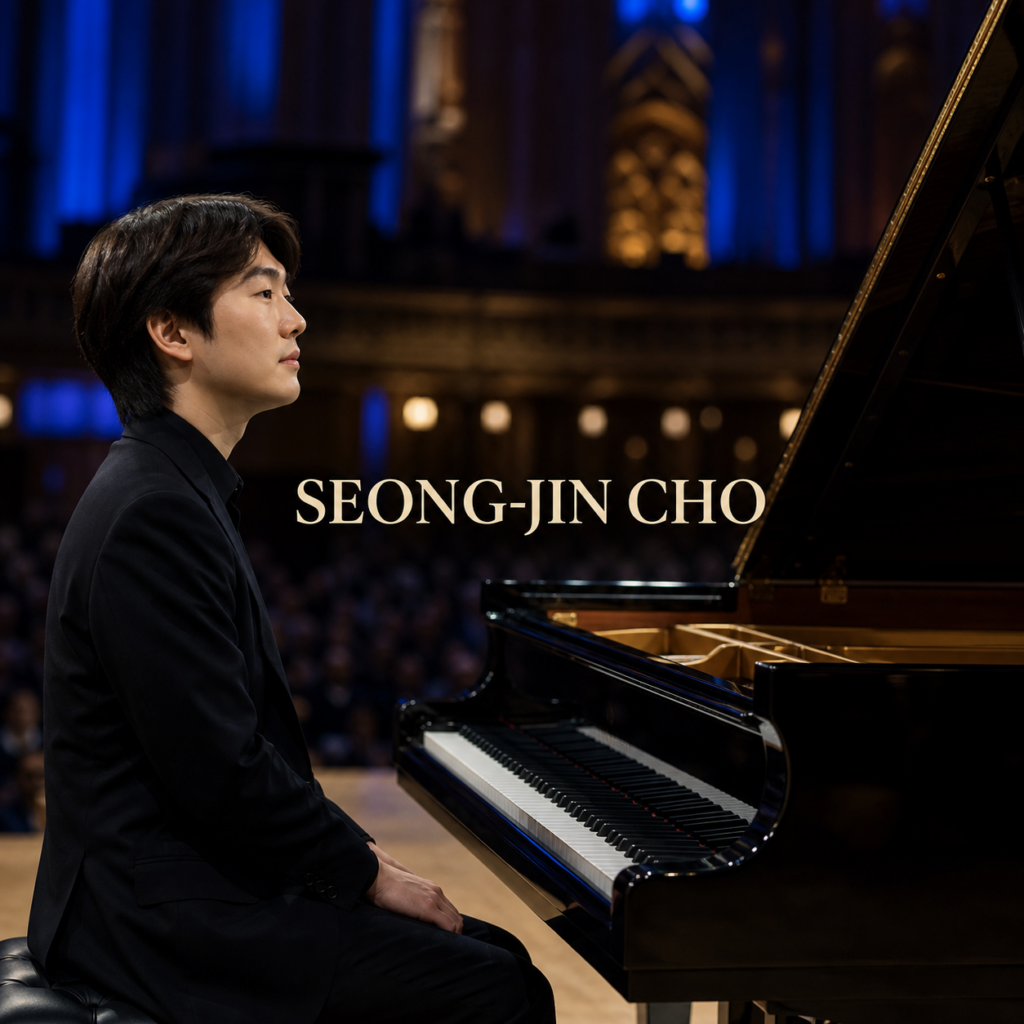
Seong-Jin Cho in London: Debussy, Colour and the Art of Serious Piano Listening
Aug
Seong-Jin Cho in London
WKMT London listening guide
Seong-Jin Cho in London: Debussy, Colour and the Art of Serious Piano Listening
Seong-Jin Cho rewards listeners who notice proportion before display: the distance between melody and accompaniment, the speed of a harmonic change, and the exact moment when resonance becomes colour.
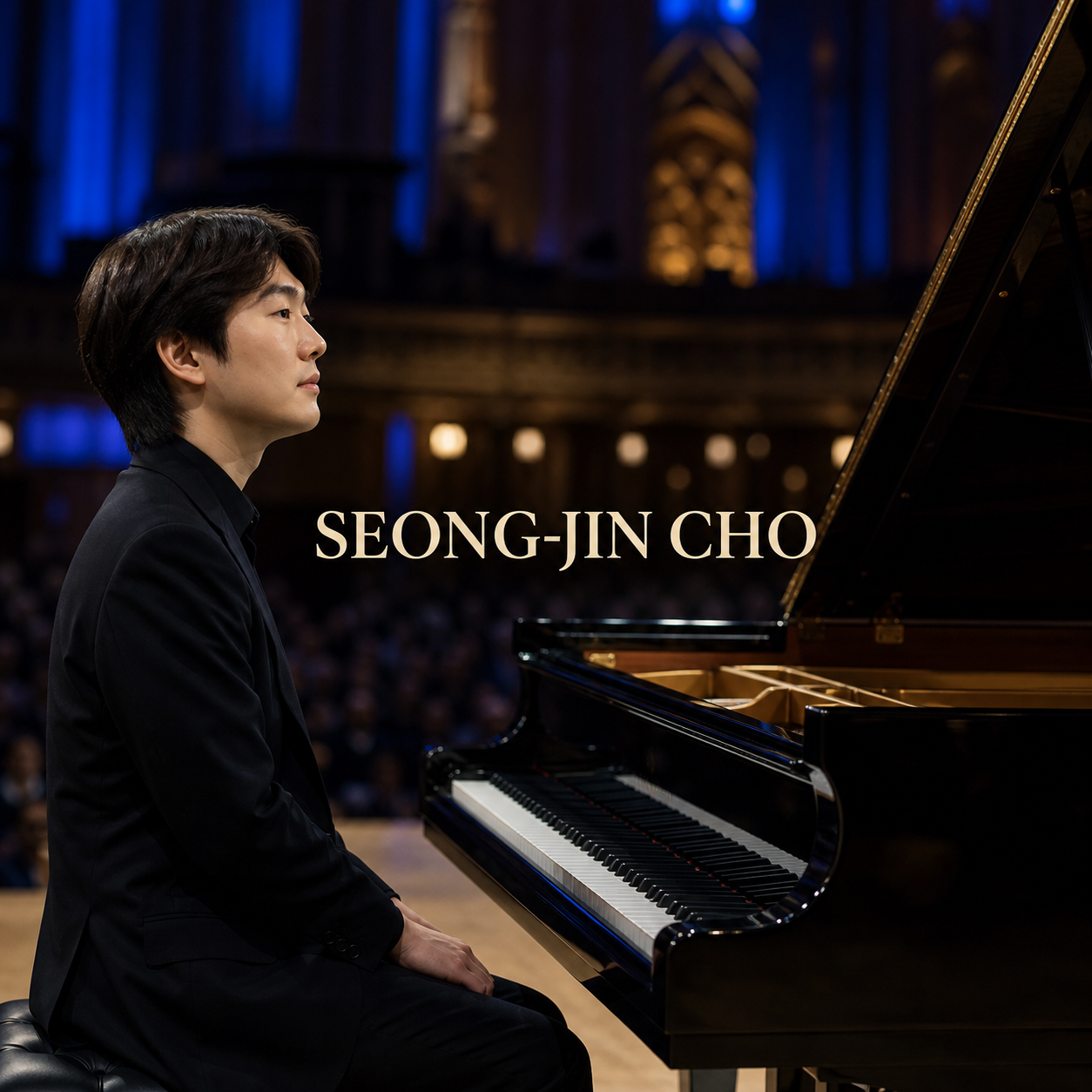
For London audiences, Seong-Jin Cho is no remote recording artist. His relationship with the city has included appearances at the Barbican, Wigmore Hall, the BBC Proms and Royal Festival Hall, followed by a substantial London Symphony Orchestra Artist Portrait across the 2025/26 season. That record makes him an unusually useful subject for anyone interested in how a modern pianist builds sound in different halls and across very different composers.
This guide answers the central question quickly: what distinguishes Cho is not a single trademark colour, but his control of relationships. A quiet inner voice remains audible without being enlarged. A pulse can breathe without losing its architecture. Pedal enriches the harmony without replacing finger clarity. His playing is therefore a fine case study for listeners, concertgoers and adult pianists developing their own interpretative judgement.
Why Seong-Jin Cho matters now
Cho came to international attention when he won First Prize at the 17th International Fryderyk Chopin Piano Competition in Warsaw in 2015. The official competition archive confirms the result; his biography records that an exclusive Deutsche Grammophon contract followed in early 2016. These are familiar milestones, but they explain only part of his artistic position.
The more revealing development is the breadth of his recent projects. His discography moves from Chopin to Debussy, Mozart, Schubert, Berg, Liszt and Handel. In 2025 he marked Ravel’s 150th anniversary with the complete solo piano works and both concertos. Deutsche Grammophon described it as his first complete immersion in one composer’s piano output. The scale of that project matters because Ravel exposes every weakness in balance, articulation and sonic imagination. A pianist cannot hide behind atmosphere: the notation is exacting and the textures often orchestral.
Cho’s 2025 all-Ravel Barbican programme placed that work before a London audience in a single evening, moving from miniatures to Miroirs and Gaspard de la nuit. The Barbican noted that his 2023 debut there had met a sold-out hall. The London Symphony Orchestra then chose him for a 2025/26 Artist Portrait involving concertos and chamber-scale events. In an LSO interview, he described music as an art of timing. That thought provides a better entrance to his playing than the usual catalogue of prizes.
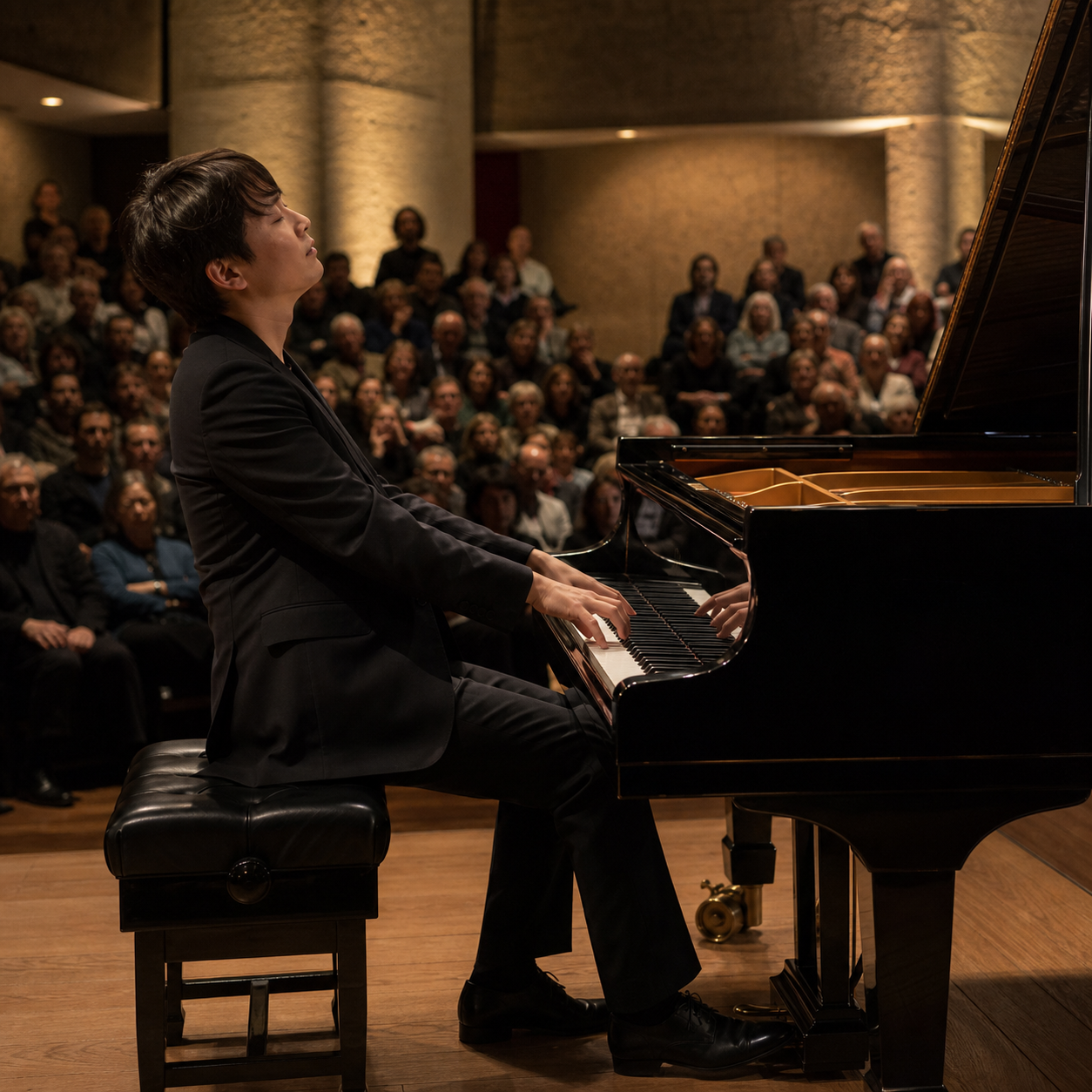
Seong-Jin Cho in London: a relationship built in public
London has heard Cho in several kinds of musical space. His official site records a Barbican recital in February 2023, a Wigmore Hall appearance in July 2023, a BBC Proms performance in August 2023, the Philharmonia’s season-opening concert in September 2023, and a London Philharmonic Orchestra debut at Royal Festival Hall in April 2024. The Wigmore programme paired him with cellist Kian Soltani in Stravinsky, Prokofiev and Rachmaninov, revealing a collaborative side distinct from the solitary recital image.
The May 2025 Barbican return was devoted to Ravel’s complete solo piano music. A year later, the LSO Artist Portrait had broadened the London picture again through Prokofiev and Chopin concertos, contemporary repertoire and chamber events at LSO St Luke’s. These appearances are now past, so concertgoers should consult the artist’s official schedule and venue pages for new dates rather than relying on an old listing. Details in this article were last checked on 11 August 2026.
Each hall changes what a pianist can risk. Wigmore Hall’s intimacy reveals the grain of a soft attack. The Barbican asks colour to travel across greater distance. Royal Festival Hall and the orchestral stage place the piano inside a wider spectrum. Readers planning a concert can explore WKMT’s guide to the best London concert halls, then listen for how projection changes without becoming force.
Great piano colour is not a surface decoration. It is the audible result of balance, timing, touch and harmonic understanding.
Debussy and the language of colour
Cho’s 2017 Debussy release contains Images Books I and II, Suite bergamasque and Children’s Corner. The programme is a valuable listening laboratory because these pieces refuse a single solution. Reflets dans l’eau needs fluidity, yet its reflections must arise from lucid harmonic layers. Cloches à travers les feuilles depends on distance and overlap, yet the bell-like sonorities lose meaning if every register melts into the same haze.
Cho’s approach encourages attention to three levels. First comes the foreground line, which may be brief or partly hidden. Beneath it lies a moving harmonic field. Around both sits resonance: essential, but never permission to blur rhythm and voicing. Listen for the moment when a note stops being an isolated event and becomes part of the room’s acoustic. Then notice how Cho clears the texture before the next important harmony arrives.
This is also why the focus on Debussy should not obscure Ravel. Debussy often invites the ear to follow atmosphere in motion; Ravel can make colour feel engineered with jeweller-like precision. Cho’s Ravel project reveals the same sensitivity under stricter outlines. In both composers, the colour comes from disciplined relationships, not an indiscriminate soft pedal or constant rubato.
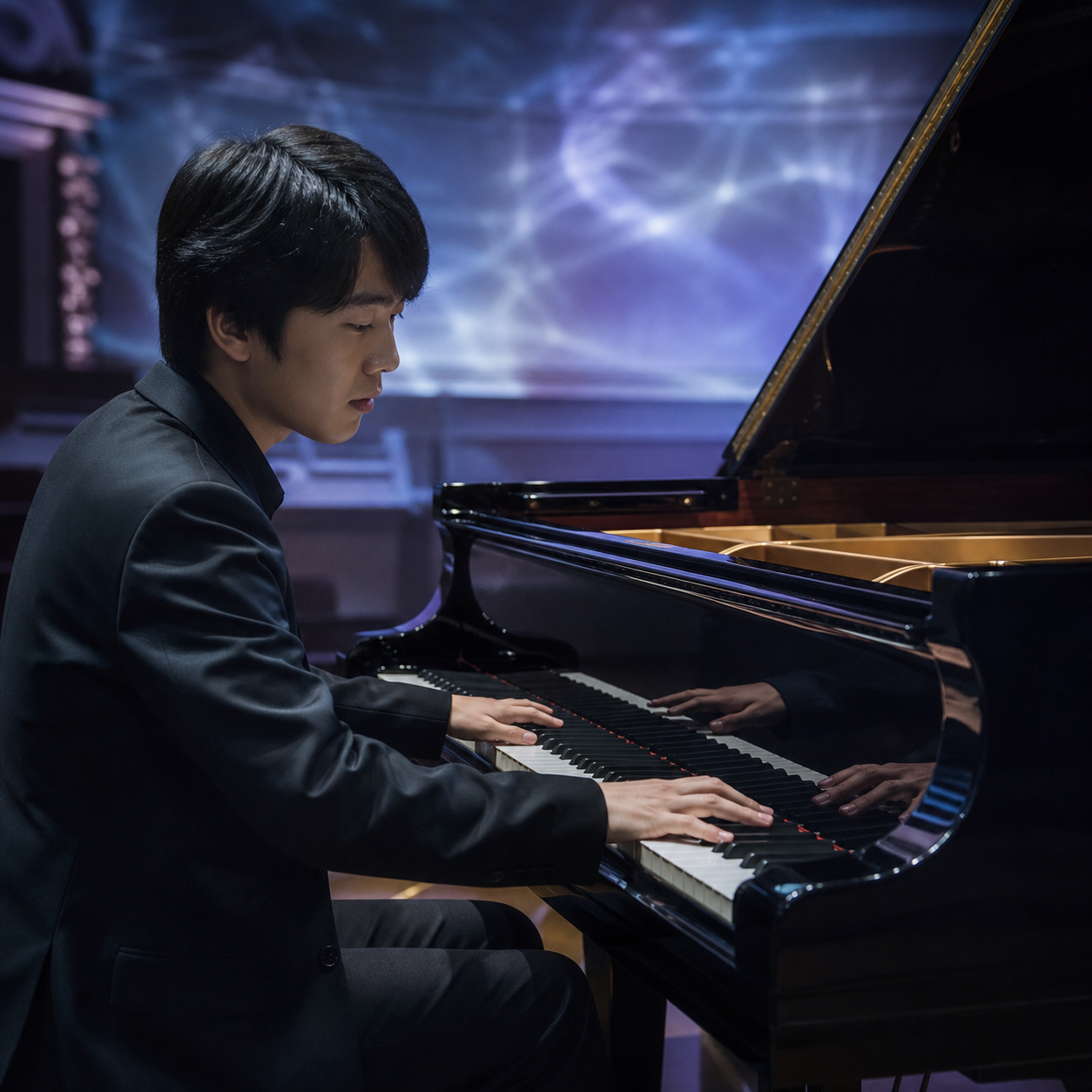
How to listen: timbre, pedalling and tonal perspective
Serious listening does not require a score, although one can deepen the experience. It requires a sequence. Choose a short passage, hear it more than once, and change only one question at a time. WKMT’s article on the importance of listening offers a wider context; the framework below is designed specifically for Cho.
Begin with architecture. Cho’s restraint makes more sense when heard over a long span: a phrase may seem cool locally because its warmth is being reserved for a later return. On the second pass, follow an inner voice rather than the melody. On the third, attend to pedal and decay. Finally, listen to timing. A delay is expressive only when the underlying pulse remains imaginable.
Hall position affects these judgements. Closer seats clarify attack and key noise; greater distance integrates the instrument’s spectrum and the room’s reverberation. Neither is inherently superior. For colouristic repertoire, a central position with some distance often gives a coherent blend, while an intimate recital room can make fine voicing unusually legible. Accessibility, sightlines and personal comfort should remain part of the decision.
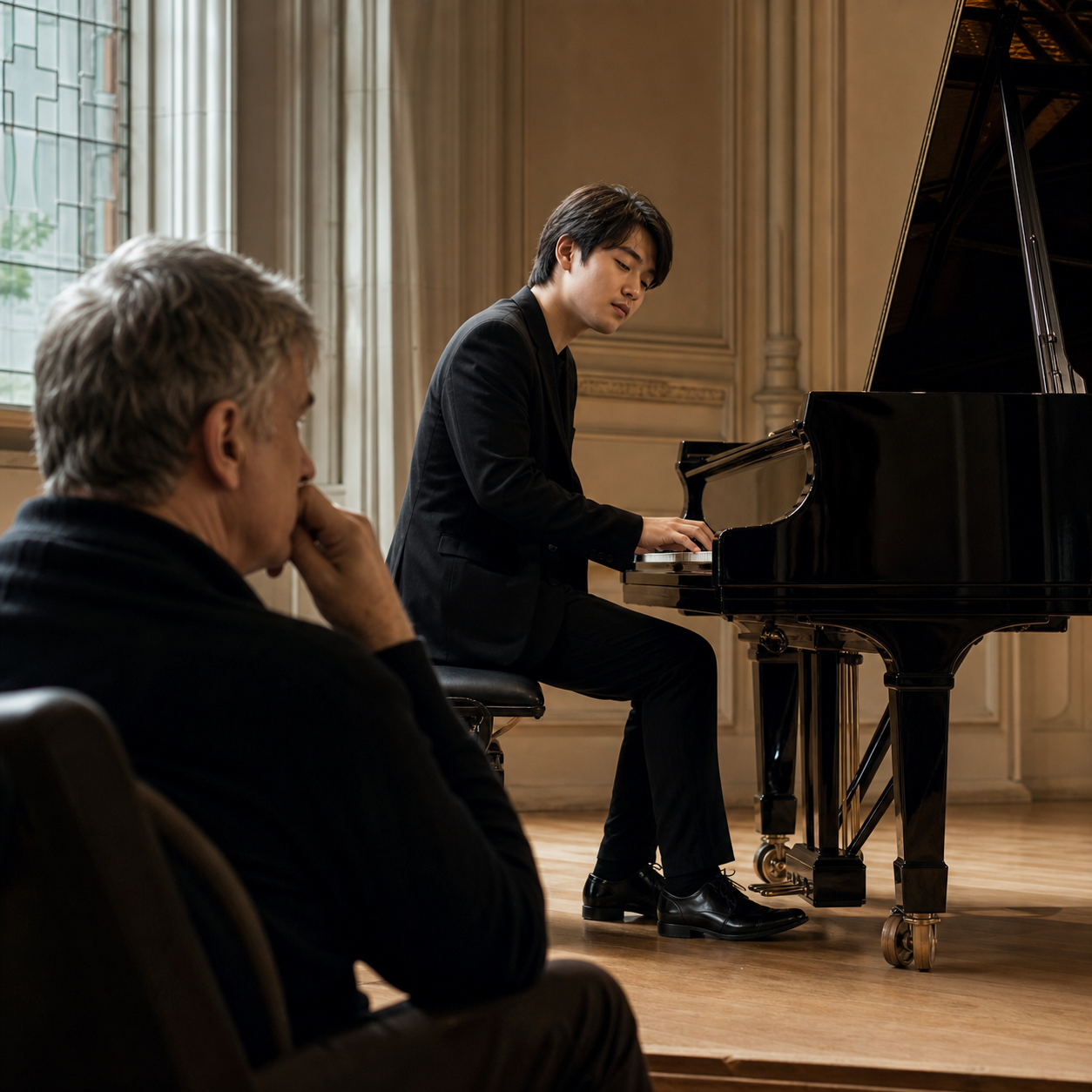
Debussy, Ravel and Chopin: three listening priorities
| Repertoire | Listen first for | Common distraction | Better question |
|---|---|---|---|
| Debussy | Layered distance and harmonic light | Treating softness as vagueness | Which plane is nearest? |
| Ravel | Precision, texture and orchestral registration | Hearing virtuosity as speed alone | How is every detail weighted? |
| Chopin | Singing line, pulse and harmonic direction | Counting expressive freedom as rhythmic looseness | Can the accompaniment still breathe? |
The table is not a set of fixed labels. Cho’s Debussy can be exact, his Ravel sensuous and his Chopin architecturally severe. Its purpose is to give the first hearing a manageable focus. Once the ear has located one relationship, it can widen its attention without losing clarity.
Essential recordings and a thoughtful route through them
Start with the 2017 Debussy album rather than a scattered playlist. Hear Images Book I as a sequence, then return to Reflets dans l’eau and compare its opening with the firmer outlines of Mouvement. Next, move to the 2025 Ravel: The Complete Solo Piano Works. The Sonatine, Miroirs and Le Tombeau de Couperin show how Cho changes articulation without abandoning his basic concern for proportion.
Then place those French recordings beside Chopin. His 2016 recording of the First Piano Concerto and Four Ballades with the London Symphony Orchestra, and the 2021 companion release of the Second Concerto and Scherzi, reconnect colour to cantabile and large-scale narrative. Finally, The Handel Project from 2023 reveals how his control of attack and release functions when pedal must become more discreet.
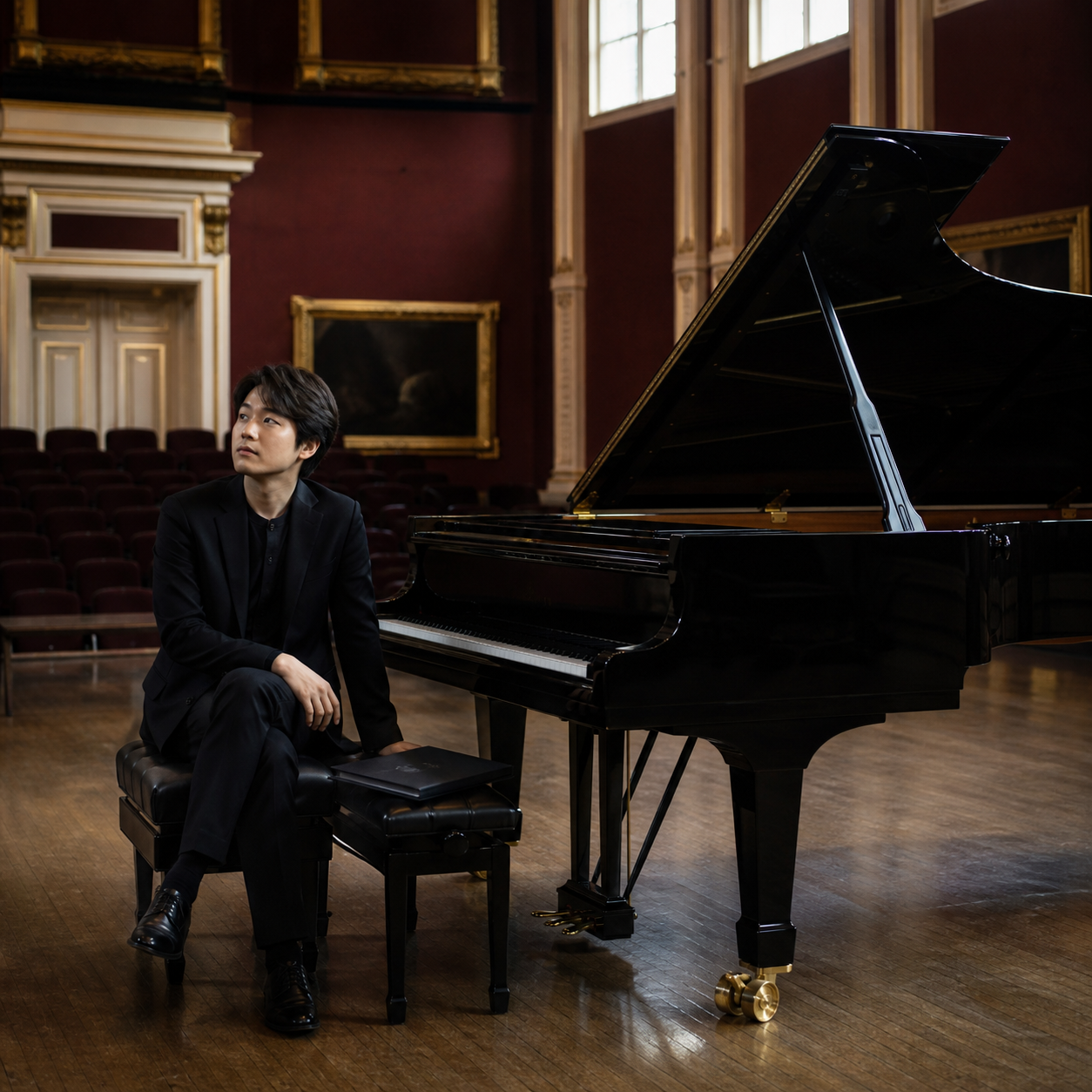
From serious listening to serious piano study
Cho’s work belongs naturally within London’s broader culture of close musical study. At WKMT, classical piano study in London connects listening, technique and interpretation rather than treating them as separate subjects. A pianist who hears tonal planes more clearly is better equipped to voice them; a listener who understands physical gesture can distinguish effort from expressive intensity.
For readers returning to the piano or working at an advanced amateur level, adult piano lessons at WKMT offer a natural setting for this kind of detailed work. The goal is not imitation. It is to develop an ear capable of making and defending musical choices.
Hear more, then shape more
Explore WKMT’s London teaching approach, where repertoire, sound and attentive listening meet at the piano.
Quick questions
What is the best Seong-Jin Cho recording to begin with?
For the article’s central theme, begin with the 2017 Debussy album. Follow it with the 2025 complete Ravel solo works, then compare both with his Chopin recordings.
Has Seong-Jin Cho performed regularly in London?
Yes. His official record includes the Barbican, Wigmore Hall, BBC Proms and Royal Festival Hall, followed by the LSO’s 2025/26 Artist Portrait. Check official schedules for any new appearances.
Do I need to read music to use this listening guide?
No. Follow phrase direction, foreground and background, resonance and timing. A score can add detail later, but careful repeated listening is enough to begin.
Sources on Seong-Jin Cho
- Seong-Jin Cho: official biography
- London Symphony Orchestra: 2025/26 Artist Portrait
- Barbican: Seong-Jin Cho, A Ravel-athon
- Deutsche Grammophon: complete Ravel project
- Deutsche Grammophon: Seong-Jin Cho discography
- International Fryderyk Chopin Piano Competition: 2015 results
- Wigmore Hall: 22 July 2023 programme