
 TRIAL LESSON
Pianists, Piano Lessons
Richard Goode in London: Classical Balance and the Art of Listening
Aug
Richard Goode in London
WKMT London listening guide
Richard Goode in London: Classical Balance and the Art of Listening
Richard Goode can make familiar Classical and Romantic repertoire feel newly inevitable. His playing asks a rewarding question for London listeners and piano learners: how can structure remain clear while every phrase still sounds discovered in the moment?
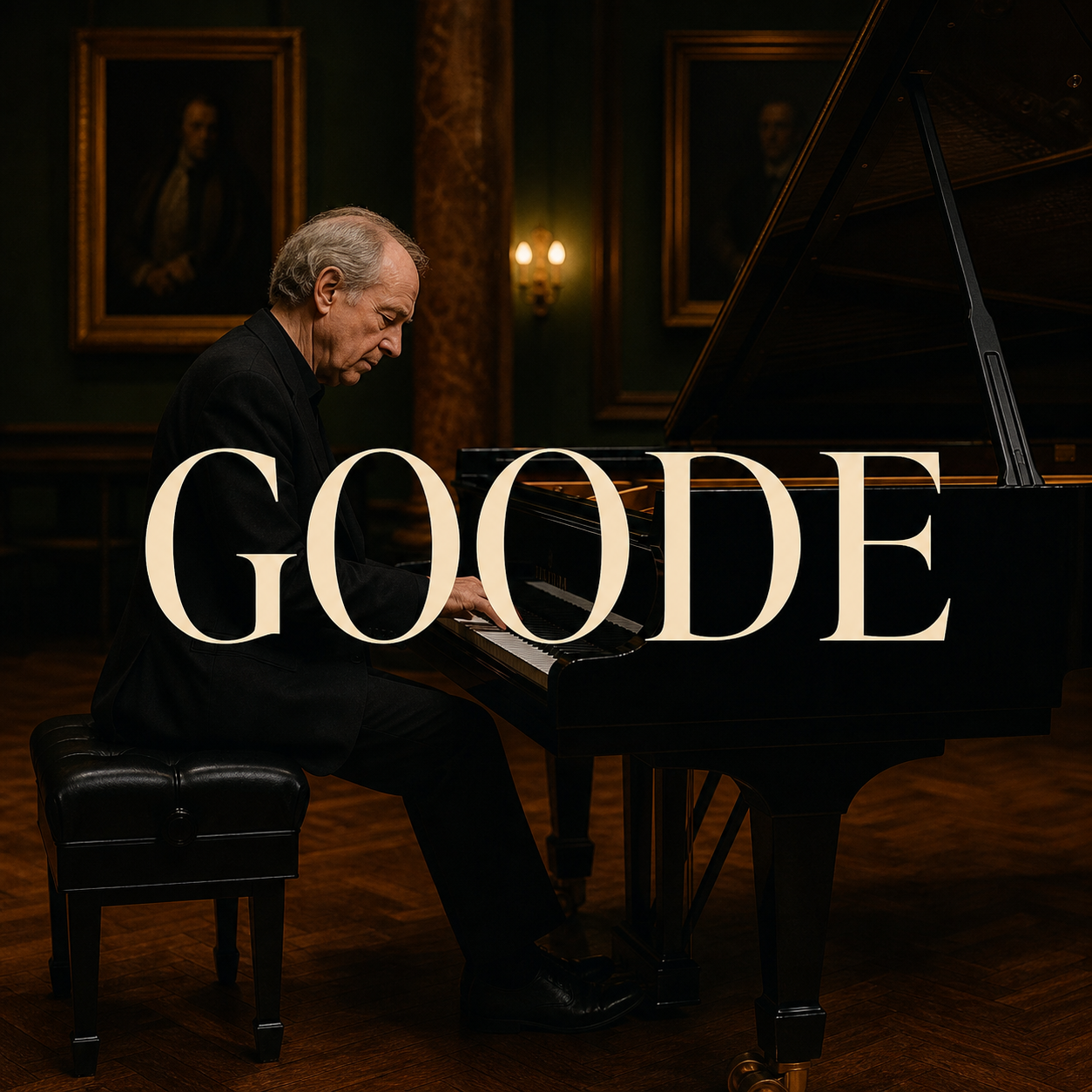
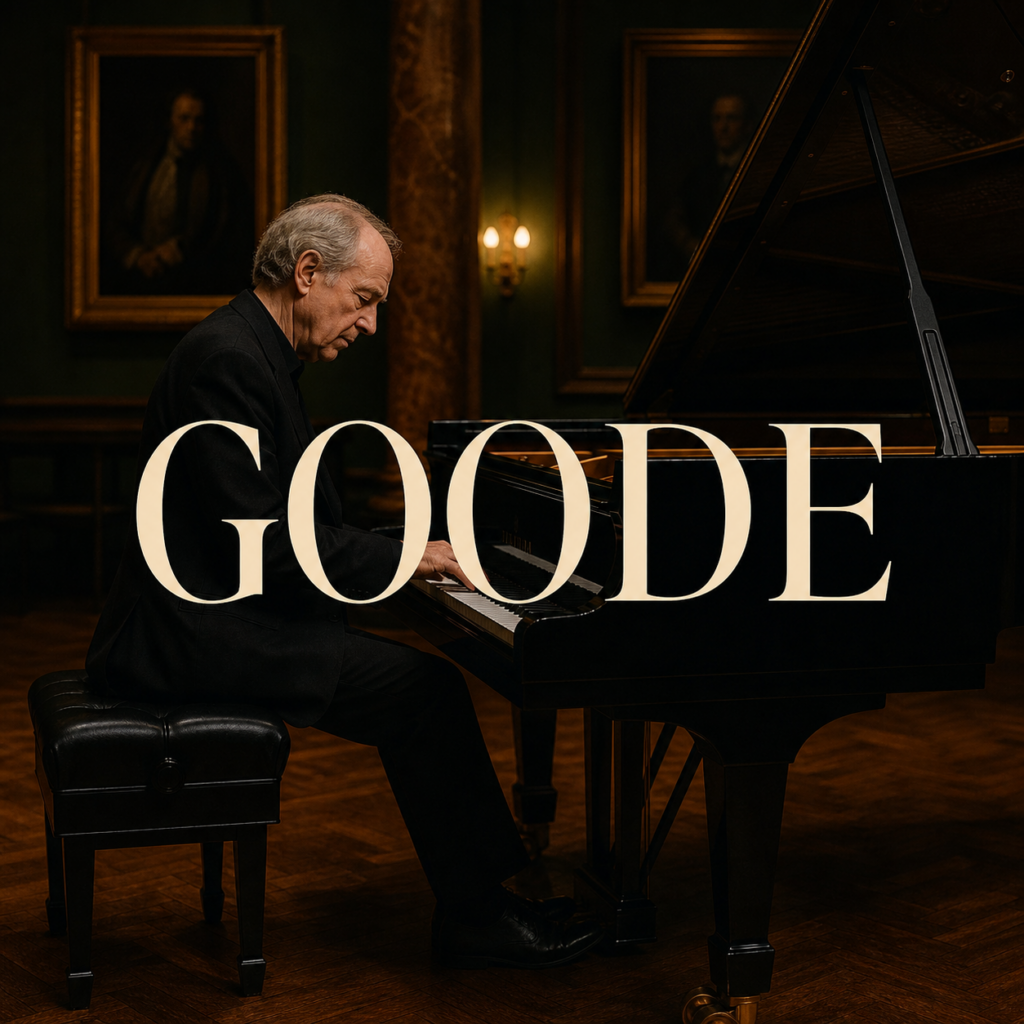
Born in New York in 1943, Richard Goode received a rigorous musical education without emerging as a replica of one school. The pianist’s official biography records studies at Mannes College and the Curtis Institute, including decisive work with Reisenberg and Serkin. Those lineages are audible in his respect for the score, yet the result is never dutiful. A phrase breathes because its harmony, rhythm and voicing agree.
That balance is central to classical piano study in London. WKMT London teaches one-to-one lessons in which touch, posture, score reading and interpretation are treated as parts of one musical action. Technical security matters because it gives a player choices: whether to lean, release, wait or allow an inner voice to alter the emotional temperature.
Richard Goode: training, honours and recorded landmarks
Goode’s international career grew through recitals, orchestral appearances and chamber partnerships rather than theatrical self-presentation. His recording of Brahms’s clarinet sonatas with Richard Stoltzman received the 1983 Grammy for Best Chamber Music Performance. His ten-disc Beethoven sonata cycle for Nonesuch was the first complete cycle by an American-born pianist and remains a central reference in his catalogue.
The scale of that achievement can distract from its musical lesson. A complete cycle is not valuable because it is complete; it is valuable when each sonata retains its own world. Early Beethoven needs wit and volatility, the middle period needs architectural force, and the late works need freedom without vagueness. Richard Goode changes colour and rhetorical weight while keeping an unmistakable seriousness of purpose.
Proportion
Hear how local rubato remains inside a persuasive larger span.
Inner voice
Follow the middle register when the melody appears settled.
Release
Notice how the end of one gesture prepares the next.
Character
Let wit, tenderness and severity remain distinct rather than uniformly grand.
How Richard Goode makes classical balance audible
Classical balance is sometimes mistaken for politeness. In Goode’s playing it is active: bass, inner parts and melody continually renegotiate their weight. A cadence may be delayed by the smallest hesitation, yet the pulse does not dissolve. A soft phrase may carry more tension than a loud one because its harmonic destination remains vivid.
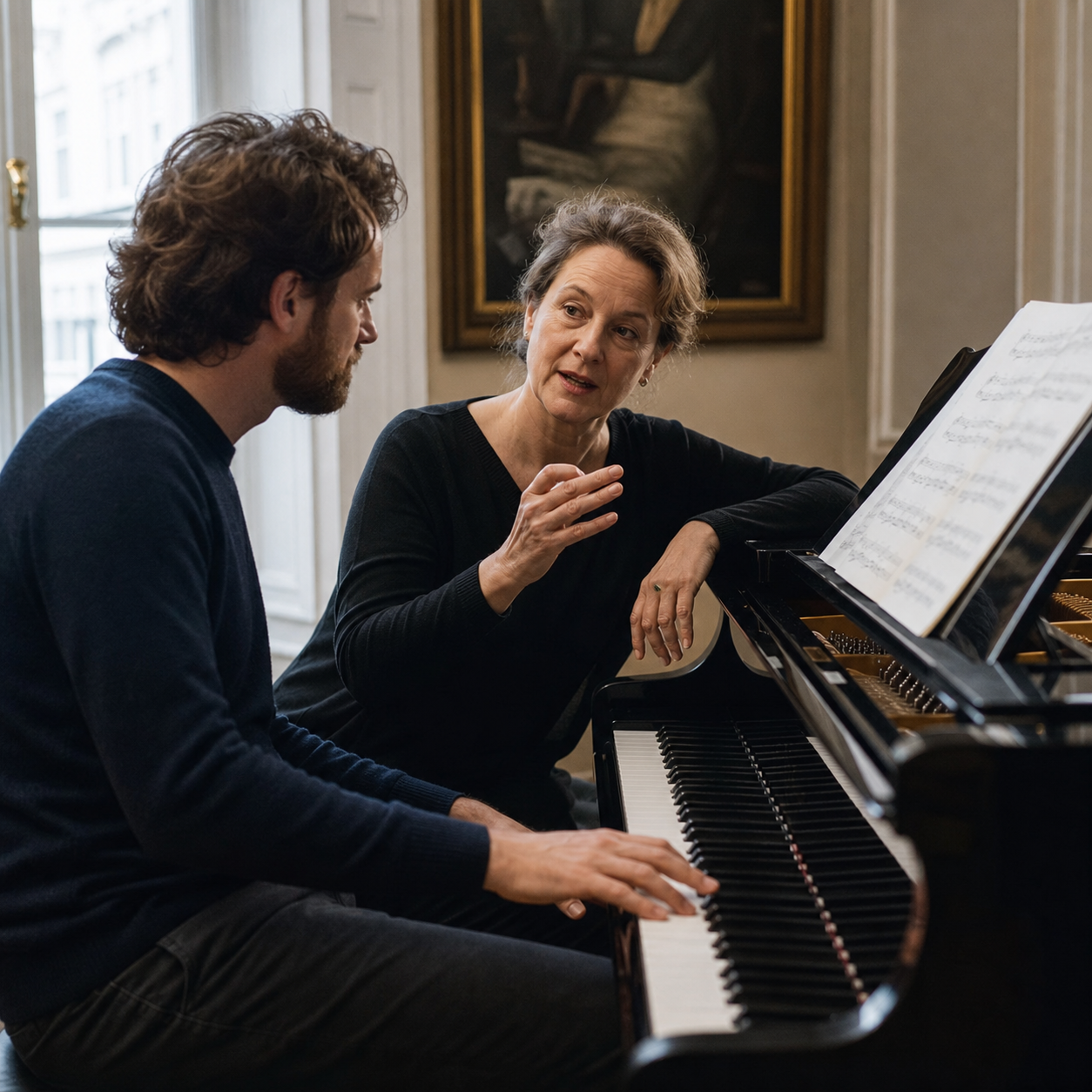
At the instrument, take eight bars and play the melody alone, then the bass alone, then the inner part that most changes the harmony. Reassemble them at half volume. If the phrase loses direction, volume was hiding an unclear hierarchy. This practical route connects with WKMT’s recent guide to Jonathan Biss and serious Beethoven study, where interpretation begins with what each note does to the next.
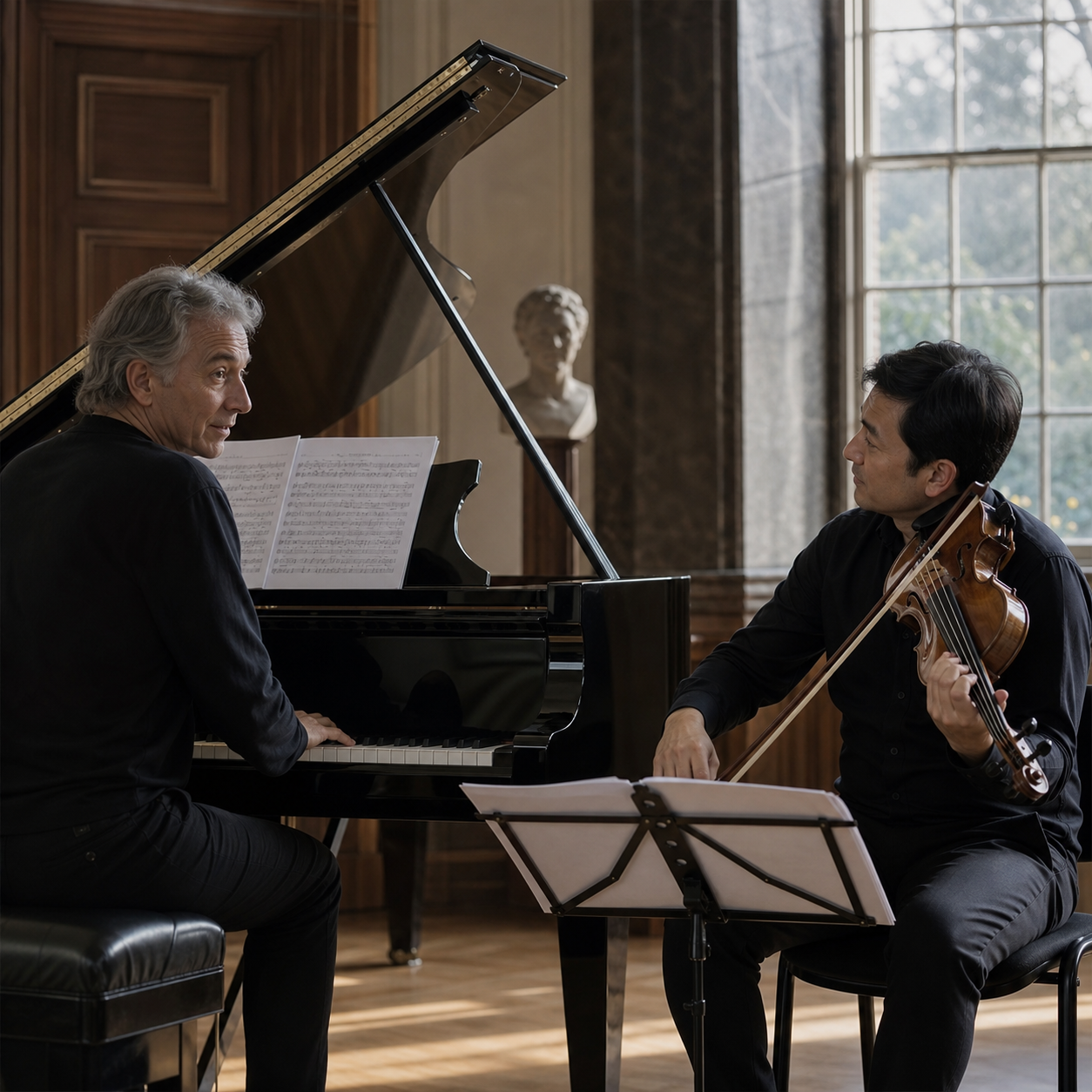
Balance is not the absence of risk. It is the art of making every risk belong to the musical sentence.
Richard Goode in London: Wigmore Hall and a listening tradition
London is not an invented frame around Goode’s career. His tour history includes repeated Wigmore Hall appearances, and the hall’s 2024/25 programme presented a 7 May 2025 recital devoted to Beethoven, Schumann and Debussy. The programme described the architectural grasp and expressive detail that have long distinguished his performances.
Earlier UK tours also included the Royal Festival Hall and Wigmore Hall, while a Cal Performances profile records his 2010 Honorary Fellowship from London’s Guildhall School of Music and Drama. These connections place Richard Goode within London’s serious recital culture: a tradition that rewards concentration, memory and close attention rather than spectacle.
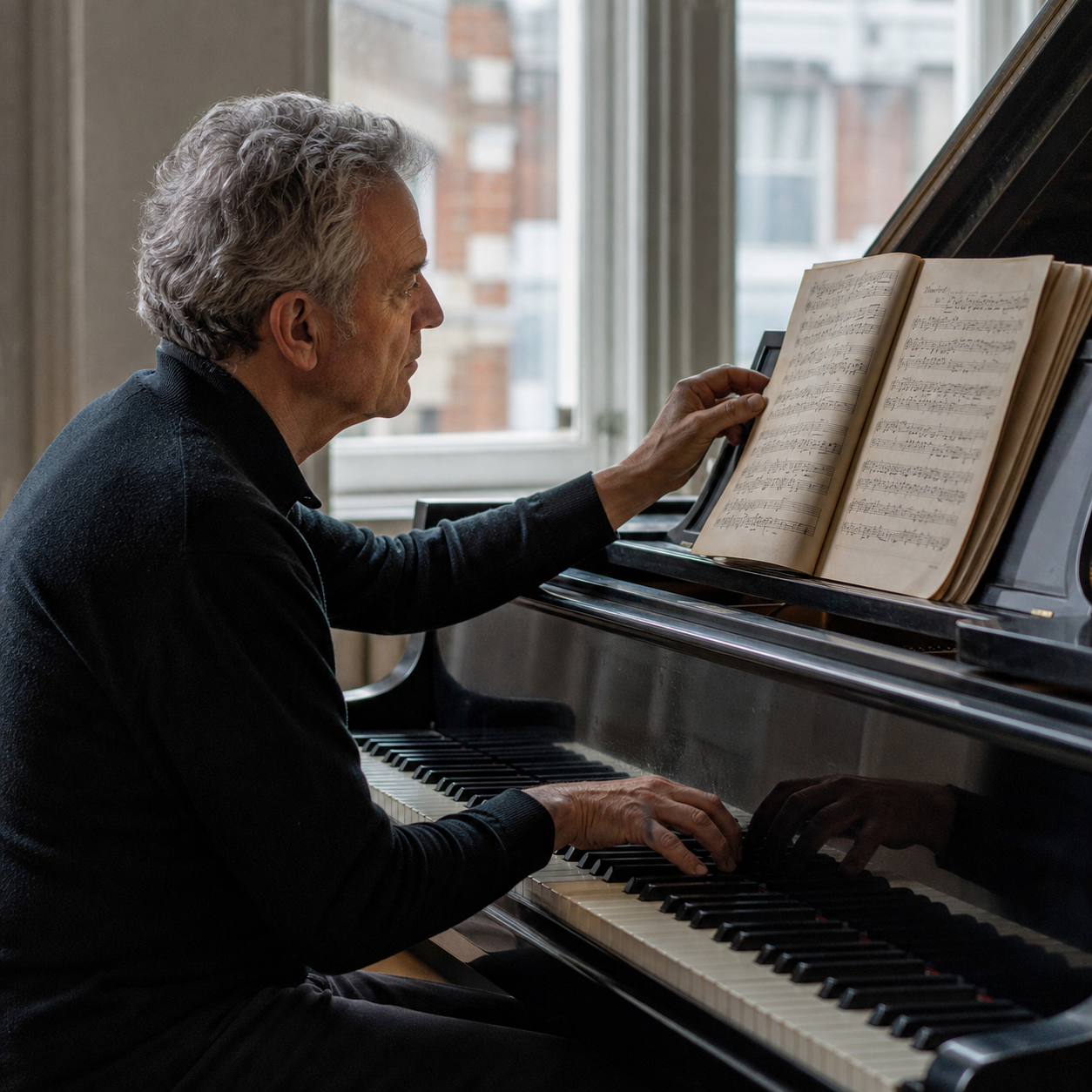
A Richard Goode listening route
Begin with one early Beethoven sonata and one late sonata. Add a Mozart concerto with the Orpheus Chamber Orchestra, a Schubert work and the Grammy-winning Brahms collaboration with Stoltzman. On the first hearing, follow the emotional arc. On the second, trace bass and pulse. On the third, listen only for releases and silences.
The Recording Academy profile provides a concise record of Goode’s Grammy history, while his current tour archive documents the continuing London relationship. For a contrasting younger Mozart perspective, WKMT’s Jan Lisiecki listening guide offers a useful companion.
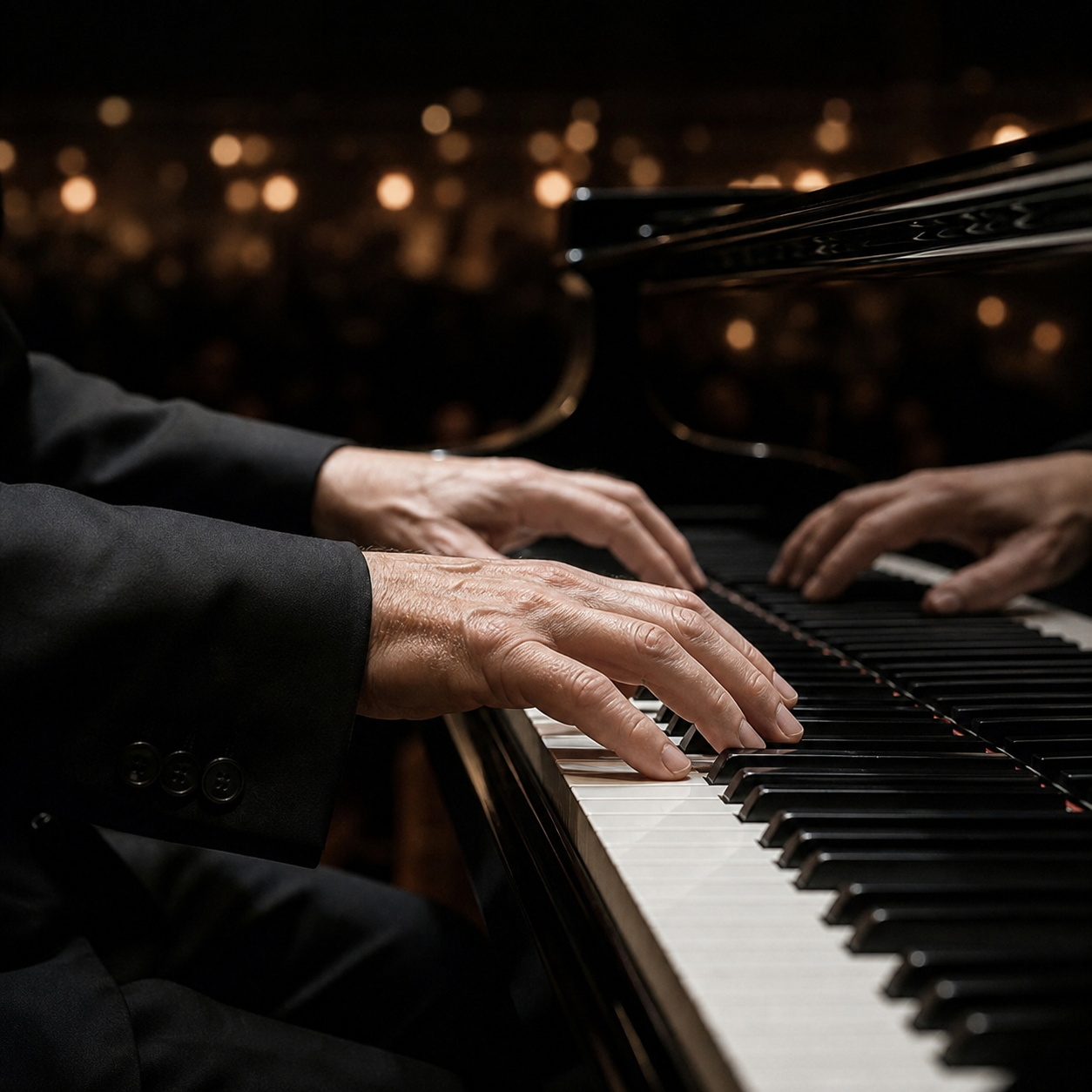
What piano learners can keep from Richard Goode
Do not copy a tempo or mannerism. Keep the deeper habits: hear several layers at once, let harmony govern timing, protect differences of character, and distrust effects that do not serve the whole. Richard Goode’s artistry reminds us that fidelity and imagination are partners. The score becomes more alive when attention becomes more exact.
WKMT London
Discover individual classical piano lessons in London shaped by close listening, secure technique and thoughtful interpretation.
Sources
- Richard Goode: official biography
- Wigmore Hall: 2024/25 programme
- Cal Performances: Richard Goode programme profile
- Recording Academy: Richard Goode
- Richard Goode: tour archive
Sources last checked 26 August 2026.