
 TRIAL LESSON
Piano Lessons
St James’s Hall London: The Lost Concert Room That Shaped Victorian Piano Culture
Oct
WKMT London music-history guide
St James’s Hall London: The Lost Concert Room That Shaped Victorian Piano Culture
A hotel now occupies the Piccadilly site, but for nearly half a century St James’s Hall gathered London’s musical public beneath an Alhambra-inspired ceiling. Its piano recitals, chamber concerts and popular series helped make attentive listening part of the city’s everyday culture.
In brief
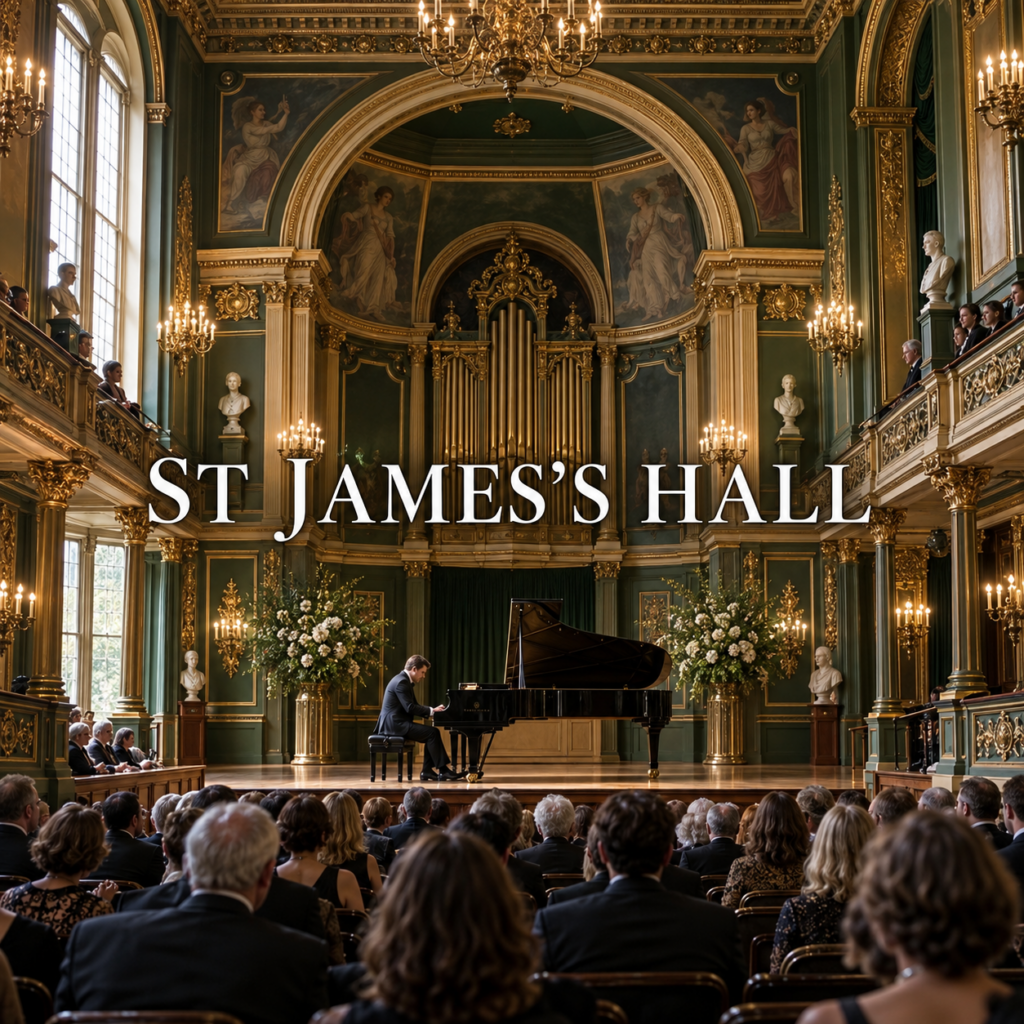
St James Hall London was a major concert complex between Piccadilly and Regent Street, opened on 25 March 1858 and demolished in 1905. Designed by Owen Jones, its main hall seated just over 2,000 people and became famous for the Monday Popular Concerts. Liszt, Clara Schumann, Grieg, Tchaikovsky, Paderewski and many other leading musicians appeared there, making it central to Victorian piano and chamber-music life.
St James Hall London: a concert room hidden behind Piccadilly
St James Hall London occupied an unusually compressed urban site with entrances from both Piccadilly and Regent Street. Owen Jones, already celebrated for his work at the Crystal Palace, designed a complex of three halls and restaurants. The principal room rose above the ground floor, supported by iron and decorated in a richly coloured Florentine and Alhambra-inspired manner.
Contemporary accounts praised the main hall’s acoustics even when access, ventilation and orchestral arrangements attracted criticism. Its scale was intimate enough for chamber music yet large enough for public celebrity. The building showed how Victorian London could place serious music inside the commercial movement of the West End rather than isolate it in a courtly or private setting.
The Monday Popular Concerts changed who could listen
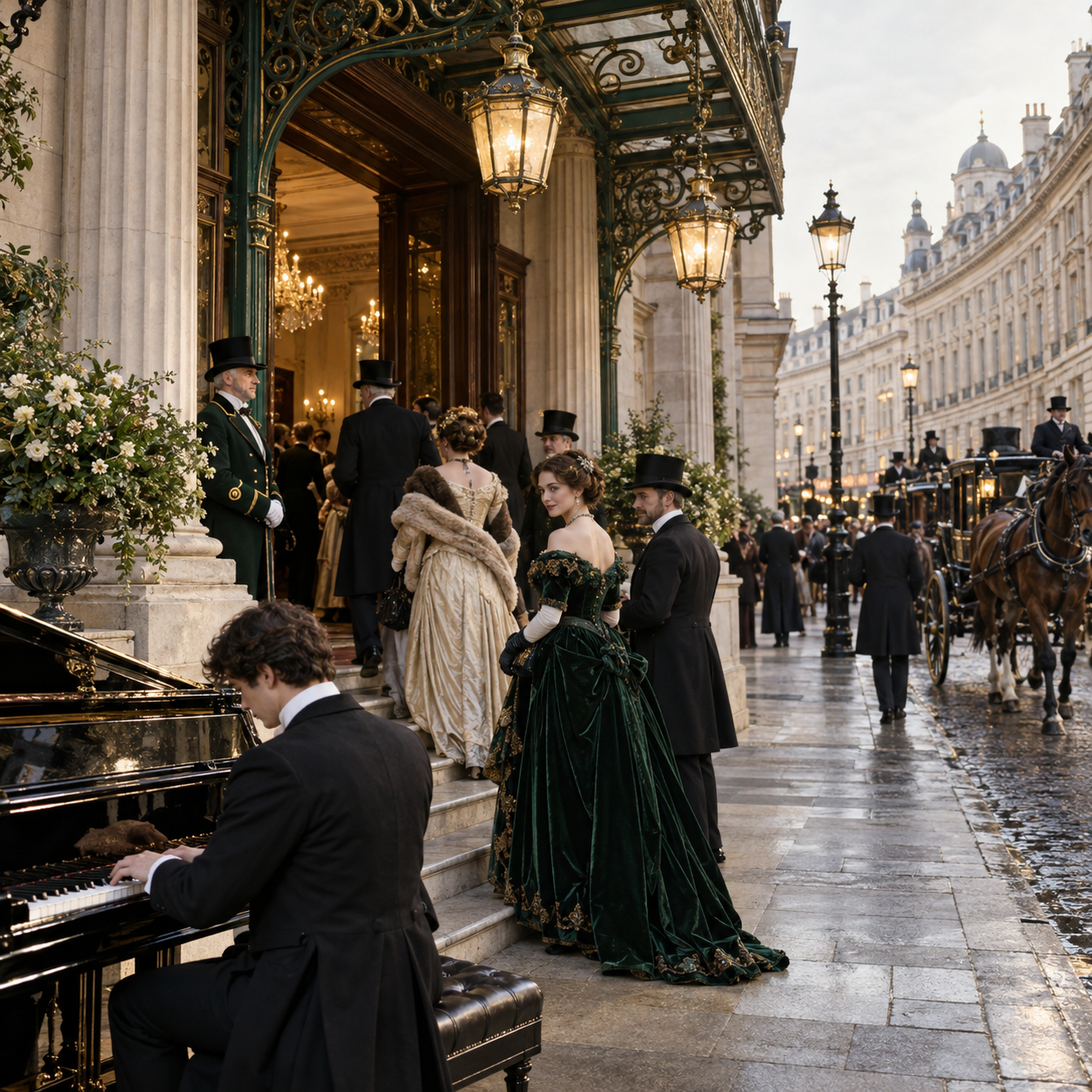
From 1859 the Monday Popular Concerts offered chamber music at accessible prices and with unusual regularity. Their importance lay not merely in cheap tickets. Repetition created a listening public: audiences could hear canonical works, compare performers and return week after week. Serious instrumental music became a habit rather than a rare ceremonial event.
For modern students taking classical piano lessons in London, that history is a reminder that musicianship grows through repeated listening as well as practice. WKMT’s guide to reading sheet music carefully offers the complementary private skill: learning to see on the page what an experienced audience learns to hear in performance.
A stage for pianists, composers and public memory
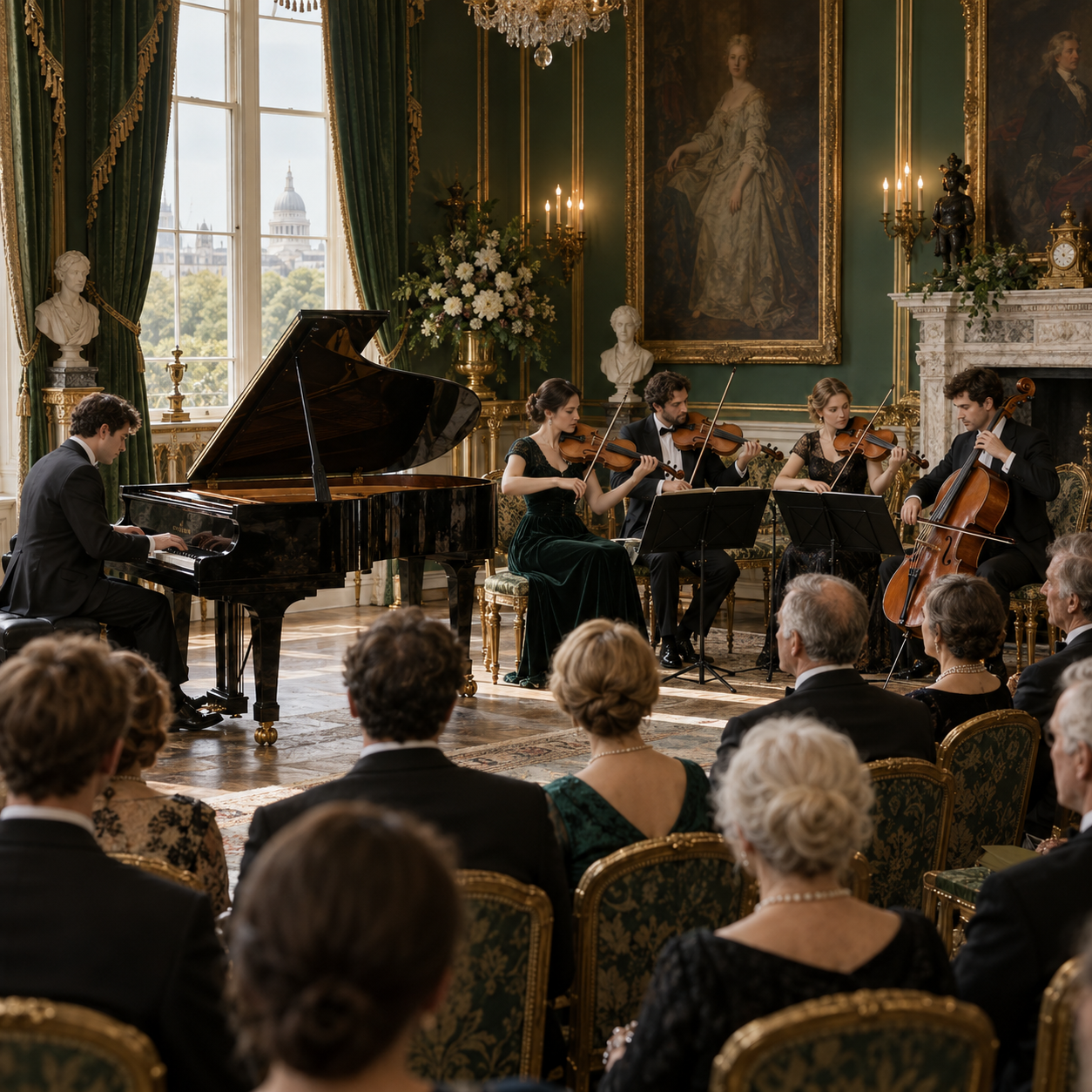
The hall welcomed an extraordinary sequence of musical figures. Liszt, Clara Schumann, Anton Rubinstein, Grieg, Tchaikovsky and Paderewski all belonged to its history, alongside singers, quartets and orchestras. Charles Hallé appeared frequently, and the room’s chamber series helped establish the repertory through live encounter rather than textbook authority.
St James Hall London also hosted Charles Dickens’s public readings, showing how Victorian audiences crossed between literature, music and spectacle. The point is not a catalogue of famous visitors. It is the concentration of attention: a recognisable room allowed Londoners to build shared memories around particular sonorities, interpretations and personalities.
A concert hall becomes historic when a city learns to listen there together.
Why the hall disappeared in 1905
By the 1890s London had acquired newer rivals. Queen’s Hall opened in 1893 with stronger orchestral facilities, while Bechstein Hall, now Wigmore Hall, arrived in 1901 with a purpose-built intimacy for chamber music and recital. St James’s Hall faced expensive renewal, awkward circulation and a valuable West End site.
The final concerts took place in February 1905 before demolition for the Piccadilly Hotel. Buildings vanish, yet habits outlive them. London’s appetite for piano recitals, chamber series and close listening transferred to other venues. The loss therefore marks both an ending and a change in the geography of musical London.
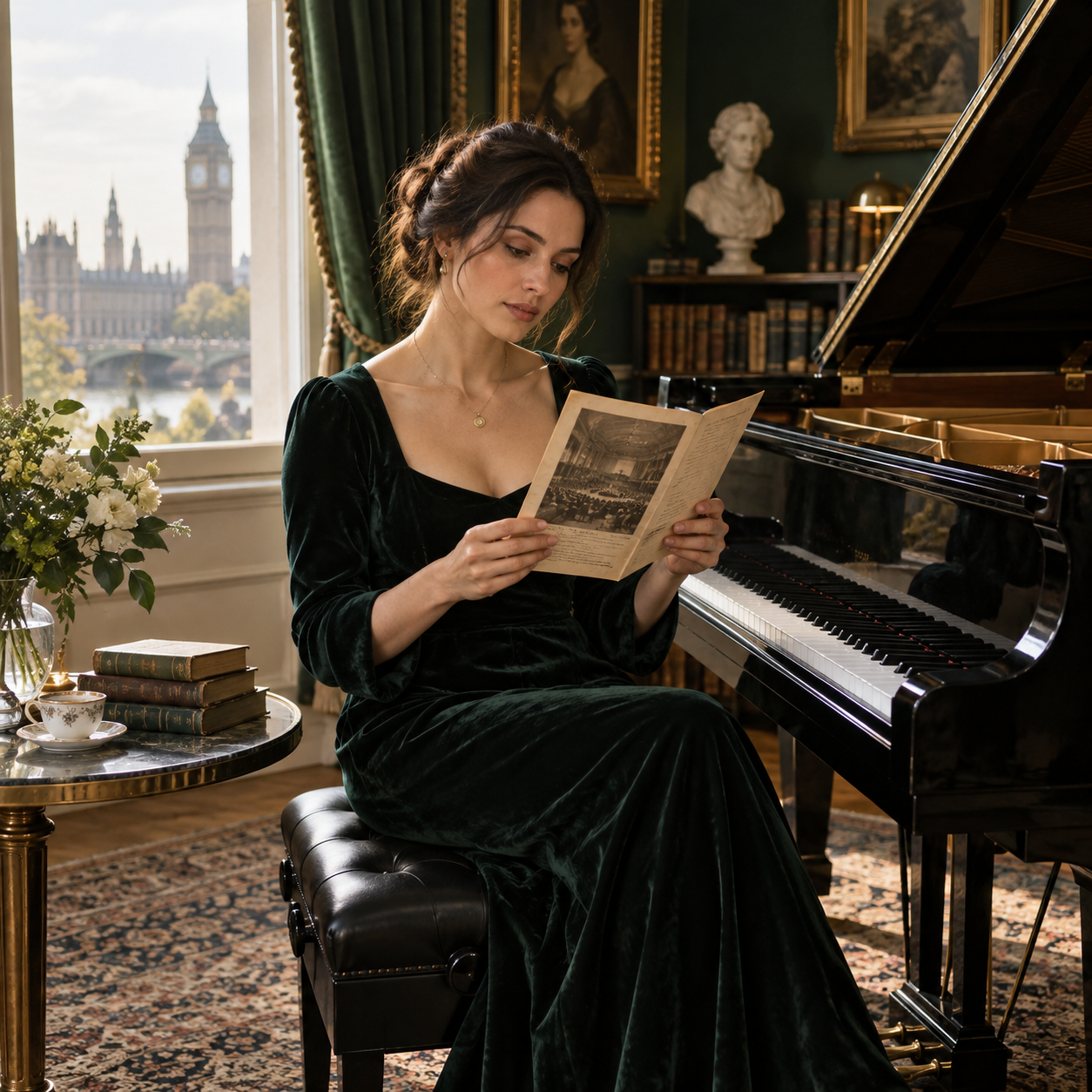
Listening to Victorian piano culture today
To imagine the room, choose a work heard in late-Victorian London and listen without treating the past as sepia decoration. Follow the bass, the shape of a repeated theme and the degree of intimacy the music requires. Ask how a large but responsive hall might have altered balance, projection and pacing.
Then compare that experience with a current London recital. St James Hall London matters because concert culture is made from rooms, prices, programmes, performers and returning listeners together. WKMT’s account of piano phrasing can help turn historical curiosity into an active listening practice: musical architecture is heard through timing, breath and destination.
WKMT London
Discover piano study in London as part of the same living culture of attentive listening, interpretation and shared musical knowledge.
Explore piano lessons in LondonSources on St James Hall London
- Survey of London: St James’s Hall
- The Victorian Web: St James’s Hall
- A Dictionary of Music and Musicians
- British Newspaper Archive: music halls
- Royal Philharmonic Society archive
- Victoria and Albert Museum: Owen Jones
Sources checked 11 October 2026. Educational guidance; individual circumstances and progress vary.