
 TRIAL LESSON
Piano Lessons
Conquer Piano Recital Nerves: A Comprehensive Guide
Sep
Piano Recital Anxiety Management Strategies
Conquer Piano Recital Nerves: A Comprehensive Guide
Introduction
Anyone who says they’ve never been nervous before a recital is either fibbing or isn’t human. As musicians, especially pianists, we all have our bouts of stage fright. Anxiety is a completely normal response to performing in front of others. It signals our body to prepare for the ‘fight or flight’ reaction. By understanding and managing these butterflies, we can transform them into allies instead of foes.
The Key Fears Associated with a Piano Recital
- Fear of failure: This fear often reigns supreme when it comes to piano recital anxiety. The thought of hitting an erroneous note, forgetting the piece in the middle of the performance, or even facing a complete breakdown on stage is nightmare-inducing. Besides, many professionals worry that if their performance is not good enough, they won’t get their fee. However, such situations can be easily prevented by a professionally-drafted music performance contract. A small mistake should not mitigate the efforts you put into your performance.
- Fear of judgment: A problem that tends to haunt many pianists is the dread of being judged by the audience. The desire to live up to audience expectations can spur intense stress. Performers often worry that every minor lapse might be harshly criticized, leaving them feeling perpetually on edge.
- Fear of the unknown: This is a commonly underestimated trigger of performance anxiety. Uncertainties like how the audience will react, unexpected technical hitches, or fluctuating timing aspects can significantly amplify anxiety. The unpredictability of these elements poses an added psychological burden, further reducing the performer’s confidence and focus.
- Fear of damaging reputation: Professional pianists often worry about how their recital is influencing their career trajectory. A single flawed performance can make them anxious about losing future opportunities or falling out of favor in their professional circles. This fear can overshadow their love for music and reduce their performance to merely a means to maintain their reputation.
Are There Ways to Manage Piano Performance Anxiety?
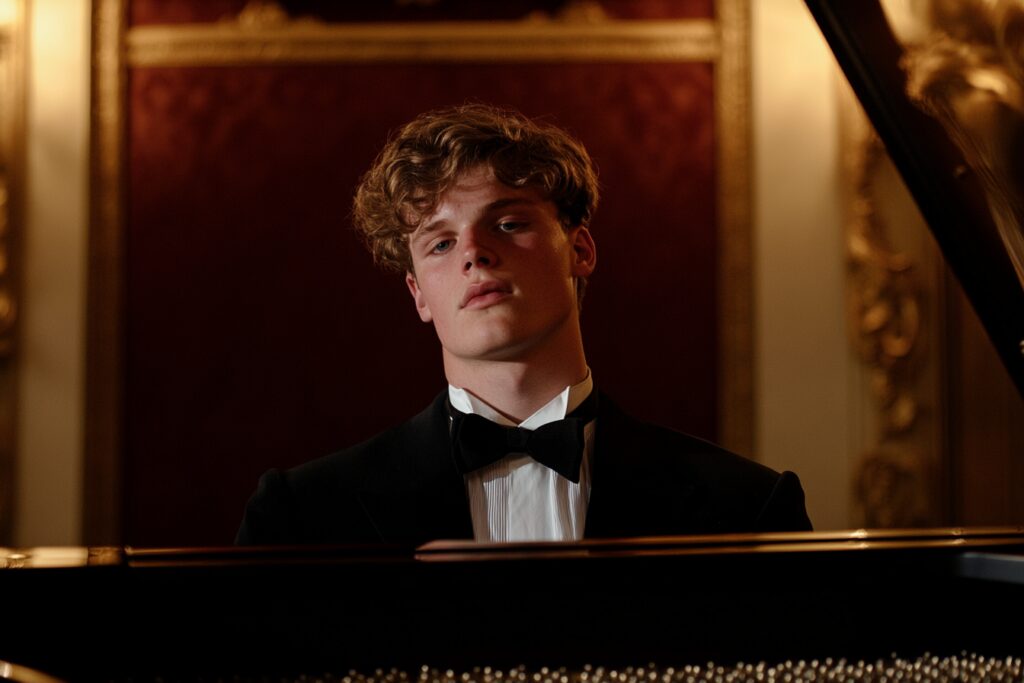
Consider your journey to the recital. Preparation is where it all begins. Imagine spending long hours fine-tuning every note and every chord until your piece becomes a part of you. But this intense dive isn’t confined to solitary practice. Add a sprinkle of reality by rehearsing in conditions similar to the recital environment. You can even invite your friends or colleagues to become your audience so that you get the feel of a live performance.
While preparation sets the stage, visualization amplifies your performance strides. Picture yourself on stage, fingers flowing over the piano keys like a gentle stream, every note resonating in the vast hall. But the key here is not the pursuit of an error-free performance. Instead, it’s about visualizing triumph in the face of mistakes and recovering with grace and confidence.
Backstage, with a heart racing like a galloping stallion, remember the power of controlled breathing. Every deep, calming breath is like an anchor, grounding you, pulling you back from the whirlpool of anxiety towards the shore of composure.
Finally, don’t forget the potent power of words. Encourage yourself with positive affirmations, reminding your jittery self of your musical prowess and prior victories on stage. Elements like these shape the vibrant tapestry of your performance, each thread fortified with your resilience, turning anxiety from foe to ally.
What Else Do Piano Players Do to Prevent Performance Anxiety?
- Wear certain clothing: Some pianists believe that donning a particular piece of clothing or accessory, such as a “lucky scarf” or a “special concert shirt,” can help ward off stress.
- Have a specific pre-show meal: Certain pianists stick to a chosen food or snack, believing it brings good luck and calms their nerves, ranging from a specific type of herbal tea to a particular kind of fruit.
- Talk to the piano: It might sound odd, but some musicians develop a personal bond with their instrument. They may talk to it before the performance, treating it as a trusted ally rather than a source of anxiety.
- Practice unusual warm-up routines: Some pianists have uncommon rituals, like playing a particular scale or piece repeatedly, performing hand gymnastics, or even juggling tennis balls to loosen up their fingers and hands.
- Do yoga: A less strange but unique practice among some musicians is engaging in calming activities like yoga or meditation that allow them to focus their mind and tune their body for the performance.
Conclusion on Piano Recital Anxiety Management Strategies
Piano recital anxiety is an inherent part of our performance journey, something we must accept but need not surrender to. The secret to managing it is about embracing the nervous energy and transforming it into a driving force for rooted, compelling performances.
Remember, anxiety is not a testament to your skills or a prediction of how well your performance will go. It’s simply adrenaline pumping you up before you act. So the next time you’re backstage with pounding heartbeats and sweaty palms, take a pause, breathe, and remind yourself that every piano key, every sound wave, every heartbeat is an opportunity for you to share your gift of music with the world.
Discover exceptional piano lessons with WKMT, a leader in piano education since 2010. Available in-studio in London or online worldwide.