
 TRIAL LESSON
Piano Lessons
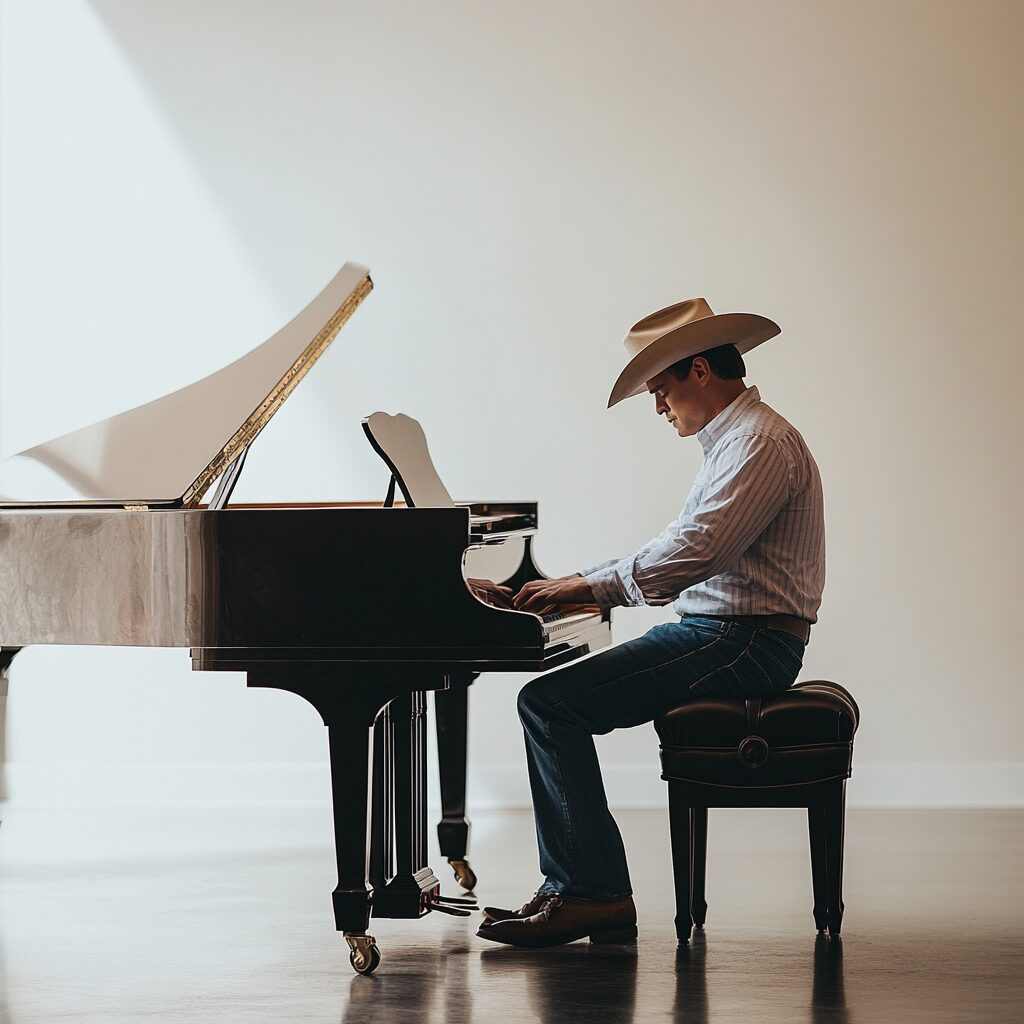
Master the Basics of Country Piano Playing
Sep
Master the Basics of Country Piano Playing
Country Piano Playing Basics
Table Of Contents:
- Learn Country Piano: Essential Tips for Beginners
- Key Takeaways
- Master the Foundations: Getting Started With Country Piano Basics
- Set Up Your Piano or Keyboard for Country Music Playing
- Familiarise Yourself With the Layout of Piano Keys and Notes
- Understand Basic Music Notation and Rhythms Used in Country
- Learn Common Scales in Country Music for Beginners
- Start Practising Simple Country Melodies and Tunes
- Develop Hand Coordination With Beginner Piano Exercises
- Developing Essential Techniques for Country Piano Beginners
- Practise Finger Strengthening Exercises Every Day
- Master the Use of the Sustain Pedal in Country Piano
- Improve Timing and Groove With Metronome Practice
- Add Dynamics to Enhance Expression in Your Playing
- Build Left-Hand Skills for Accompaniment Patterns
- Explore Common Rhythms and Styles in Country Piano
- Exploring Iconic Country Piano Styles and Artists
- Study the Signature Style of Pianist Floyd Cramer
- Analyse Classic Country Piano Recordings and Tracks
- Identify Key Elements of Traditional Country Piano Style
- Learn Famous Licks From Renowned Country Pianists
- Understand Gospel and Blues Influences on Country Piano
- Watch Live Performances for Inspiration and Techniques
- Learn Key Country Piano Chords and Playing Patterns
- Memorise Essential Major, Minor, and Seventh Chords
- Practise Common Chord Progressions in Country Music
- Incorporate Walking Bass Lines in Your Left-Hand Playing
- Use Arpeggios to Enhance Your Country Piano Sound
- Implement Turnarounds and Fills to Add Musical Interest
- Blend Melody and Harmony in Solo Country Piano Pieces
- Practice Tips to Accelerate Your Country Piano Skills
- Set Achievable Goals and Monitor Your Piano Progress
- Establish a Consistent Daily Practice Routine
- Use Metronome and Backing Tracks to Improve Timing
- Record and Listen to Yourself to Identify Weaknesses
- Break Down Complex Pieces Into Manageable Sections
- Stay Motivated by Learning Your Favourite Country Songs
- Enhance Your Playing With Classic Country Songs for Piano
- Select Beginner-Friendly Country Songs to Learn First
- Practise Slowly, Then Increase Speed for Accuracy
- Focus on Phrasing and Expression in Song Performances
- Perform for Others to Build Confidence in Your Skills
- Expand Repertoire With Various Country Music Styles
- Begin Writing Your Own Country Piano Compositions
Learn Country Piano: Essential Tips for Beginners
Are you feeling lost in the sea of chords and melodies that underpin the soulful sounds of country piano? This guide is tailored specifically for beginners like yourself, aiming to demystify the fundamentals of playing this iconic instrument. We’ll delve into mastering basic techniques and explore the rhythms that made legends at the Grand Ole Opry. Discover the essential chords and playing patterns that will have you sounding like Jimmie Rodgers in no time. By engaging with our straightforward tips, you’ll not only elevate your musical abilities but also deepen your appreciation for the rich heritage of country music. Country Piano Playing Basics complete guide.
Key Takeaways on Country Piano Playing Basics
- Master the basics of piano keys to embody country legends in your playing
- Practice with metronomes and backing tracks to develop impeccable rhythm and timing
- Explore varied country styles to add depth and versatility to your piano skills
- Performing live builds confidence and reinforces musical knowledge in country piano
- Compose your own country pieces to express a unique voice and deepen music understanding
Master the Foundations: Getting Started With Country Piano Basics

Embarking on your journey with Piano Lessons for Beginners country piano begins with foundational skills crucial for emulating icons like Johnny Cash and the Carter Family. Ensure your piano or keyboard is apt for country music’s distinct sound, a fusion of blues and bluegrass music. Familiarise yourself with the keys and notes, understand fundamental notation and rhythms, and delve into scales often heard in country tunes. Start with simple melodies that will pave the way for singing along, and focus on exercises that enhance hand coordination, essential for the aspiring pianist. Country Piano Playing Basics.
Set Up Your Piano or Keyboard for Country Music Playing
Initiating your endeavor in country piano calls for a setup that resonates with the soulful melodies of legends like Loretta Lynn, Merle Haggard, and Willie Nelson. At WKMT Piano Lessons, I guide beginners to tailor their instrument, ensuring the piano’s tone and action are ideally suited for the distinct rhythmic storytelling found in country music. This alignment is pivotal – it lays the groundwork for an authentic country sound, and enables students to fully immerse in the style’s expressive nuances. Country Piano Playing Basics.
Familiarise Yourself With the Layout of Piano Keys and Notes
As a devotee to the art of country music, exemplified by Dolly Parton and Charley Pride, I understand the importance of knowing your instrument intimately. Before George Strait strummed his first chord, he, like every great musician, familiarised himself with the fundamentals. An integral first step for any beginner is to recognise each piano key and its corresponding note, a skill that paves the way for the mastery of country classics. To play country music effectively, you must know your instrument as the Country Music Association knows its artists: inside and out.
Here are the steps you’ll need to master the piano layout:
- Identify all the white keys and their notes, associating each with the correct pitch.
- Understand the black keys, which represent sharps and flats, vital for that Emmylou Harris-style inflection.
- Repeat key recognition exercises to build a natural and quick association between notes and keys.
Mastering these basics sets a solid foundation for playing country music with authenticity and feeling, much like Charley Pride did when he brought his unique sound to the masses.
Understand Basic Music Notation and Rhythms Used in Country
Grasping the rhythmic heartbeat of country music is like learning the stride of a well-loved dance. Country greats such as Hank Williams and Tammy Wynette lived by the pulse of music notation and rhythms inherent to their tunes, a legacy carried on by Garth Brooks and Reba McEntire. In my lessons, I illuminate these essentials, demystifying the syncopated rhythms and melodic twangs that can turn George Jones’s classics into your own. Embrace these concepts, and you’ll begin to play with a rhythm as natural as the legends themselves:
- Study common time signatures in country music, like the 4/4 march of a Hank Williams number.
- Practice the ‘boom-chick’ pattern, which mimics the heart of a Tammy Wynette ballad.
- Develop a feel for the shuffle rhythm that underscores many Garth Brooks hits.
Learn Common Scales in Country Music for Beginners
Delving into country piano, you’ll soon discover that the scales form the backbone of its distinctive sound, much like the harmonies within a Patsy Cline classic or the melodies in a Buck Owens record. As a dedicated piano educator, I encourage you to learn and practice the major pentatonic and blues scales, which are foundational to the genre. Think of the soul-stirring documentaries by Ken Burns, capturing the essence of Bill Monroe’s bluegrass and Conway Twitty’s heartfelt ballads; it’s these scales that impart that haunting beauty to their songs. Here’s a table to guide you through the key scales used in iconic country music tracks:
Start Practising Simple Country Melodies and Tunes
Once I’ve instilled the basics of key recognition and scale practice in my students, I encourage them to begin playing simple country melodies. These tunes – reminiscent of the melodic stories told by Randy Travis and the twangy Bakersfield sound – serve as the perfect practice pieces for honing your developing skills. Whether it’s the soulful ballads of Ronnie Milsap or the compelling narratives of Waylon Jennings, starting with these straightforward compositions allows you to familiarize yourself with the genre’s nuances and build up dexterity. Embrace the ethos of country music by learning these songs, and you’ll quickly notice a progression in your playing that could one day echo through the halls of the PBS documentaries celebrating country music‘s finest.
Develop Hand Coordination With Beginner Piano Exercises
Developing hand coordination is fundamental for aspiring country piano players, whether you dream of channeling songwriter greats like Miranda Lambert or the swinging rhythms of Bob Wills. Through my tailored exercises, I’ve seen students go from fumbling with basics to confidently crafting their own cowboy playlist. As with any musical skill, practice is paramount; focus on drills that flex fingers independently and sync left-hand rhythms with right-hand melodies. This not only solidifies your foundational skills but prepares you for the complex musical stories you’ll tell on the keys. Country Piano Playing Basics.
Now that you’ve grasped the basics, it’s time to build on them. Let’s step into the rhythm and heart of country piano and see where it takes us.
Developing Essential Techniques for Country Piano Beginners

Honing essential techniques is vital in crafting that authentic country sound, celebrated by legends like Gene Autry and enshrined within the Country Music Hall of Fame and Museum. Thus, I guide students, across the United States, through targeted practices to embody the prowess of Glen Campbell and Roy Rogers. Together, we’ll work on finger strengthening exercises daily, perfect sustain pedal usage, and synchronize our playing with a metronome to bring dynamic and rhythmic life to your performance. We’ll also delve into building left-hand accompaniment patterns and exploring the unique rhythms and styles that make country piano so distinctive.
Practise Finger Strengthening Exercises Every Day
To successfully capture the infectious energy of rockabilly or the intricate picking of a Brad Paisley tune, daily practice of finger strengthening exercises is essential. In my teachings, I stress this routine as it lays the foundation for the dynamic control needed to emulate the spirited performances of Patty Loveless or the fluid transitions of Lefty Frizzell. Moreover, building finger strength underpins your ability to sustain Jerry Lee Lewis’s high-octane piano solos, ensuring each note is played with the requisite force and precision.
Master the Use of the Sustain Pedal in Country Piano
Mastering the sustain pedal is quintessential for delivering the rich, resonant soundscapes reminiscent of Marty Stuart’s legendary performances. As we delve into country piano, I emphasise to my students how essential this skill is – much like the robust heritage echoed in Bristol’s country roots sessions, the sustain pedal brings a soulful, lingering quality to your playing. In my lessons, we explore how the judicious use of the pedal, akin to the lingering harmonies of the Sons of the Pioneers, can add depth to ballads and drive to rock and roll-influenced tracks, creating that immersive, toe-tapping experience celebrated by CMT and country enthusiasts alike.
Improve Timing and Groove With Metronome Practice
Improving timing and groove is essential, and as I often explain to my students, practising with a metronome is akin to adding the rhythmical precision that artists like Connie Smith, Kris Kristofferson, and the roots of outlaw country embody. When you play along with a metronome, you’re training much like The Everly Brothers did, ensuring each chord and melody falls impeccably in time, creating that foot-tapping consistency that defines country music. And for vocalists akin to Kitty Wells, it’s this sense of timing that supports the storytelling at the heart of her songs, anchoring the emotions conveyed in each lyric.
Add Dynamics to Enhance Expression in Your Playing
Infusing dynamics into your country piano playing breathes life into every tune, capturing the soulful emotion akin to Tanya Tucker’s resonant vocals or the timeless storytelling of Ernest Tubb. As an experienced pianist, I’ve witnessed firsthand the transformative power of well-placed crescendos and diminuendos—they’re the sonic equivalent of a heartfelt performance at the Grand Ole Opry, where the likes of Dottie West and Elvis Presley left audiences spellbound. Consider the dynamics as the contour of a landscape; as you ride the wave of louder and softer passages, you create a musical journey that’s as compelling as a classic country hit spinning on the radio.
Build Left-Hand Skills for Accompaniment Patterns
As an accomplished pianist and instructor, I’ve found that strengthening your left-hand skills is essential for playing country piano with the prowess of artists like Roy Acuff and Jean Shepard. In the lively tunes emanating from Texas dance halls to the crossover hits of pop music, a robust left hand provides the rhythmic underpinning that makes the genre so compelling. By focusing on patterns that support Bill Anderson’s storytelling lyrics or the melodic pulses behind Jean Shepard’s hits, you’ll enhance your ability to provide a solid accompaniment that is as versatile as it is rhythmic: a foundation upon which the great narratives of country music are built. Country Piano Playing Basics.
- Pay attention to bass note patterns often used in Texas swing, ensuring they’re played with accuracy and rhythmic stability.
- Experiment with left-hand chord voicings that add depth to the storytelling found in Bill Anderson’s songwriting.
- Integrate rhythmic exercises into your practice to capture the driving force behind Jean Shepard’s and Roy Acuff’s iconic tracks.
Explore Common Rhythms and Styles in Country Piano
Exploring the common rhythms and styles in country piano is key to mastering this genre, significantly enhancing the versatility of your playing. From the upbeat tempo of Western Swing to the soulful chords of Americana, these diverse patterns pave the way to adapting the styles of icons like Barbara Mandrell, Ricky Skaggs, and Don Williams. As your guide, I encourage immersing yourself in these distinct sounds, as they form the fabric of authentic country music expression: whether it’s the smooth storytelling ballads or the lively dancefloor numbers, understanding and practising these styles empowers you to develop a sound rich in country heritage.
Mastering the basics sets the stage; it’s time to meet the giants. We walk the paths they carved, discovering the soul in every note they played.
Exploring Iconic Country Piano Styles and Artists

In the pursuit of mastery within the academy of country music, it’s essential to immerse oneself in the study of iconic piano styles and artists. I guide my students to analyse the signature techniques of Floyd Cramer, echoing substantial influence on artists like Jim Reeves and Keith Whitley. We’ll dissect classic country tracks to identify traditional style elements, learn renowned licks, and understand the gospel and blues roots shaping country piano. Moreover, by observing live performances, we enhance our grasp of practical playing techniques, infusing our music with the essence of storied icons like Fred Rose, even harking back to Canada’s lush musical heritage.
Study the Signature Style of Pianist Floyd Cramer
As I delve into the teachings of country piano, it is clear that understanding the signature style of pianist Floyd Cramer is crucial. With his roots firmly planted in Tennessee, Floyd’s contributions to country music involved a unique ‘slip note’ technique that beautifully complemented the singing cowboy genre, much admired by Eddy Arnold and later by artists such as Chris Stapleton. By studying Floyd’s recordings, I guide my students towards capturing that same heartfelt expression in their own playing, an endeavour that pays homage to both tradition and innovation within country music.
Analyse Classic Country Piano Recordings and Tracks
In my experience as a piano tutor, the analysis of classic country piano recordings is an invaluable learning tool. For instance, listening actively to Shania Twain’s dynamic performances on her tours, Kenny Chesney’s heartfelt delivery, Keith Urban’s intricate artistry, Alan Jackson’s timeless appeal, and the raw energy of Luke Combs concerts can provide rich insights. These icons showcase techniques that are not just emblematic of their style, but embody the very essence of country piano playing, affording beginners a practical blueprint that resonates through the genre. Country Piano Playing Basics.
Identify Key Elements of Traditional Country Piano Style
Identifying key elements of traditional country piano style is akin to uncovering the musical threads that weave through the fabric of iconic country concerts and festivals. For instance, at the CMA Music Festival or during a lively Country Fest, you will hear the timeless sounds of easy country songs on guitar and piano that define this genre. As an expert, I guide my students to recognise patterns such as the walking bass line, accentuated by a syncopated right-hand melody, which forms a cornerstone of the traditional country sound. This fundamental understanding not only enhances performances but also solidifies one’s ability to cover the classics with authenticity at any CMA festival or casual gathering.
Learn Famous Licks From Renowned Country Pianists
As someone who has immersed themselves in the nuances of country piano, I find learning famous licks from renowned pianists invaluable. These signature motifs, immortalised in tracks by Alan Jackson and other CMA Fest headliners, serve as quintessential studies for any enthusiast looking to bridge the gap from beginner to performer. At my studio, students are encouraged to internalise these keystones of country to country legends, dissecting the timeless riffs that resonate throughout festivals and honky-tonks worldwide.
By integrating these iconic licks into your repertoire, you will not only enhance your musical prowess but also develop a deeper appreciation for the art of country piano. Here’s a breakdown of some key licks and the legends behind them:
Understand Gospel and Blues Influences on Country Piano
In my teachings, I place considerable emphasis on understanding the gospel and blues influences that form the bedrock of country piano. It’s this rich tapestry of sound, with its emotive chord progressions and soulful melodies, that’s been championed by grand masters like Ray Charles. Their music has paved the way for country piano techniques, teaching students how to weave that deeply spiritual and grittily human feel into their playing. It’s essential for any enthusiast to appreciate these genres, as they inject depth and character into the country style, giving it the poignant resonance heard in the works of Hank Williams Sr. and the rhythmic vitality synonymous with Jerry Lee Lewis:
Watch Live Performances for Inspiration and Techniques
As an avid pianist and tutor, I encourage my students to seek out live country music performances, as there is a wealth of technique and passion to be absorbed from such experiences. Observing the nuanced fingerwork and emotive playing of seasoned musicians in a live setting can provide invaluable inspiration. Moreover, these performances offer practical insights into the application of techniques that can’t be fully communicated through sheet music or audio recordings alone, thereby enriching one’s personal expression at the piano.
We have journeyed through the soulful rhythms of historic country music. Let us now press the keys that bring those melodies to life.
Learn Key Country Piano Chords and Playing Patterns

In my lessons, mastering essential chords and playing patterns is a fundamental step towards fluency in country piano. Memorising key major, minor, and seventh chords paves the way for crafting that soulful country resonance. We’ll practise common chord progressions that are the backbone of timeless country hits and explore how walking bass lines can add depth to your left-hand technique. Arpeggios, turnarounds, and fills will be employed to embellish your playing, while blending melody with harmony enables you to perform solo pieces with finesse. These elements are critical for any pianist looking to captivate with authentic country sound.
Memorise Essential Major, Minor, and Seventh Chords
In my lessons, I stress the importance of committing to memory the vital major, minor, and seventh chords. These are the keystones of country music‘s distinct harmony and pivotal for crafting authentic soundscapes. My guidance enables students to fluidly transition between these chords, laying a versatile foundation for exploring the rich narrative of country tunes and developing a strong chordal vocabulary essential for any budding pianist.
Practise Common Chord Progressions in Country Music
Instructing beginners on the pathway to country piano proficiency, I accentuate the quintessence of practising common chord progressions. Such progressions are the scaffolding of countless country hits, forming a musical lexicon that stirs emotions and crafts timeless narratives. Understanding this structural language equips my students with the capability to not only replicate the hits of yesterday but also create their own bespoke blend of country soul:
- Start with the classic I-IV-V progression, imbuing songs with an upbeat and traditional country feel.
- Experiment with adding minor chords, such as the vi chord, to bring depth and narrative tension to your music.
- Practice the I-V-vi-IV pattern, a common staple in modern country ballads which provides a solid base for lyrical storytelling.
Mastering these chord sequences is more than an academic exercise; it’s an open door to the heart of country music, where each chord played resounds with the echoes of a rich and vibrant heritage. Country Piano Playing Basics.
Incorporate Walking Bass Lines in Your Left-Hand Playing
In my instruction on country piano, I always emphasise the inclusion of walking bass lines, which lend a compelling forward momentum to any piece. These flowing bass patterns are crucial for emulating the rhythmic pulse of country music and require coordination with the left hand that, once mastered, adds a rich, textural foundation to your songs. As a beginner, once you start incorporating these lines into your playing, you’ll find they’re not just a technique but a gateway to the soul-stirring depth that characterises this beloved genre.
Use Arpeggios to Enhance Your Country Piano Sound
In my experience teaching country piano, I’ve observed that arpeggios can significantly enhance the texture of your playing. When we break chords into individual notes played in succession, it creates a harp-like effect that adds dimension and movement. It’s a technique that, when applied thoughtfully, can transform a simple chord progression into a more layered and compelling musical narrative. I suggest beginners start with major and minor triads, practising them across various inversions, before advancing to more complex seventh arpeggios:
- Master triad arpeggios in the key signatures common in country music.
- Practise changing smoothly between arpeggios and full chords within a song.
- Incorporate arpeggios into ballads for flowing verses or use them to build up to a powerful chorus.
Arpeggios are not just a mere embellishment; they’re a vital tool to convey the emotive storytelling that defines country music, providing aspiring pianists with a path to more expressive performances.
Implement Turnarounds and Fills to Add Musical Interest
In my piano lessons, I vastly encourage students to weave turnarounds and fills into their country music renditions to cultivate a more engaging listening experience. These decorative elements not only bridge sections of a song seamlessly but also infuse personality and flair into your playing. I’ve found that incorporating these techniques can be a game-changer, especially when you’re aiming to capture the attention of an audience or express a storyline’s emotional peaks and valleys with more finesse.
Blend Melody and Harmony in Solo Country Piano Pieces
Mastering the blend of melody and harmony in solo country piano pieces is a pivotal skill on the journey to becoming proficient in this heartfelt genre. During my years of instruction, I’ve found that achieving this, particularly when playing alone, gives life to the rich narratives and emotive undertones of country classics. By carefully balancing your hands to bring out the singable melodies while maintaining the harmonic framework underneath, you offer listeners an engaging, full-bodied musical experience that mirrors the work of country music maestros.
You’ve got your chords and patterns; it’s raw music waiting to wake. Let’s sharpen that sound, find the fast track to making your country piano sing.
Practice Tips to Accelerate Your Country Piano Skills

As a dedicated tutor, I guide budding country pianists through personalised strategies designed to accelerate learning. Setting achievable goals and monitoring progress form the bedrock of effective practice. A consistent routine, complemented by metronome and backing track sessions, sharpens timing, while recording and self-review identifies areas for improvement. For complex pieces, breaking them into sections aids mastery, and the joy of playing your favourite country songs keeps motivation high. Country Piano Playing Basics.
Set Achievable Goals and Monitor Your Piano Progress
In my teaching practice, I encourage students to set realistic goals for their country piano progression, which are essential for maintaining focus and gauging success. For instance, mastering a specific chord progression or a particular song within a month provides a clear target and a satisfying sense of accomplishment upon completion. Moreover, regularly recording your sessions and listening back helps to identify areas for improvement, ensuring that your efforts are directed where they are most needed and reaffirming the strides you’ve made in your musical journey.
Establish a Consistent Daily Practice Routine
As a seasoned piano instructor, I have observed that establishing a daily practice routine is a pivotal step in accelerating skill development for country piano beginners. It’s about creating a habit, dedicating a specific time each day to sit at the keyboard. This consistency lays the foundation for steady progress and deepens familiarity with the intricacies of country music style and technique.
After setting this daily practice, here’s a guide to ensure it’s effective:
- Start with warm-up exercises to loosen fingers and focus your mind on the task.
- Divide your practice into segments – scales, chord progressions, and song practice.
- Finish by reviewing challenging areas and set goals for the next session.
Use Metronome and Backing Tracks to Improve Timing
Improving timing in country piano requires precision and regularity, a skill effectively honed through the disciplined use of metronomes and backing tracks. In my experience guiding students, practising alongside these tools provides a reliable structure for timing, fostering a sense of rhythm essential for country ballads and upbeat honky-tonk alike. Moreover, it instills the skills necessary to confidently play in sync with other musicians, whether in a casual jam session or a more formal performance setting.
When integrating metronomes and backing tracks into your practice sessions, consider the following process to maximise your progress:
Record and Listen to Yourself to Identify Weaknesses
In my piano instruction, I often stress the importance of recording your playing and meticulously reviewing it, a practice that’s indispensable for detecting subtle errors and areas in need of improvement. This self-evaluation plays a critical role in fine-tuning your skills, allowing you to hear nuances in timing and expression that might otherwise go unnoticed during the immediacy of playing. It’s an insightful exercise that, while sometimes challenging, ultimately grants a clearer perspective on one’s musical journey and paves the way for refined country piano performances.
Break Down Complex Pieces Into Manageable Sections
In my teaching practice, I’ve seen how dissecting complex country piano pieces into manageable sections leads to more efficient learning. By focussing on small parts one at a time, students can build accuracy and confidence before connecting these segments into a cohesive whole. This approach not only simplifies the learning process but enhances retention, as tackling a song bit by bit makes the task less overwhelming and more achievable, ultimately quickening the journey towards becoming a proficient country pianist. Country Piano Playing Basics full guide.
Stay Motivated by Learning Your Favourite Country Songs
Maintaining enthusiasm for learning country piano often hinges on engaging with the music you love. I guide my students towards selecting their favourite country songs as practice material, ensuring a personal connection that fuels their motivation and deepens their commitment to improvement. This approach aligns practice with pleasure, creating a rewarding learning experience that resonates with the soul of country music.
To help tailor your practice sessions effectively, consider the following success stories of students who embraced their preferred country tunes:
With your fingers now dancing confidently across the keys, it’s time to give them the tunes they deserve. Let’s delve into classic country songs that will bring your piano skills to life.
Enhance Your Playing With Classic Country Songs for Piano

As we progress through the foundational stages of learning country piano, selecting beginner-friendly country songs is a vital step. I encourage my students to practice slowly at first, ensuring precision before building up to performance speed. It’s not just about the notes, but also about phrasing and expression—key elements that bring country music to life. Performing for an audience builds indispensable confidence, while expanding your repertoire delves into the rich diversity of country styles. And, when you’re ready, I guide you towards composing your own country piano pieces, marking a true milestone in your musical development.
Select Beginner-Friendly Country Songs to Learn First
As a beginner eager to learn country piano, selecting the right songs is imperative; opt for pieces that not only align with your skill level but also stir your passion for country music. Simpler songs with straightforward chord progressions and melodies like Johnny Cash‘s “I Walk The Line” or Willie Nelson’s “On The Road Again” serve as excellent starting points. These classics allow you to practice essential techniques while enjoying tunes that embody the spirit of country music: an ideal blend for engaging and effective learning. One of the upcoming Country artists is Beyonce with her album Cowboy Carter with hits such as Texas Hold’Em, and or cover on the famous Jolene by Dolly Parton. Country Piano Playing Basics full guide for beginners.
To systematically approach your country piano education, here’s a starter list of songs designed to build your confidence at the keys, each chosen for their simplicity and popularity in the genre:
Practise Slowly, Then Increase Speed for Accuracy
In my own experience teaching piano, I always stress to my students the importance of practising country songs slowly at first to ensure accuracy in finger placement and rhythm. It’s tempting to jump straight into playing at the original tempo, but this can lead to sloppy habits that are hard to break. Once you’re comfortable with the melody and the chord transitions, then you can gradually increase the speed until it mirrors the soulful tempo of classic country tunes, ensuring a performance that’s both confident and true to form. Country Piano Playing Basics.
Focus on Phrasing and Expression in Song Performances
As I guide students through their country piano learning journey, I emphasise the importance of phrasing and expression in song performances. It is the delicate ebbing and flowing of dynamics, coupled with the articulation of notes, that truly bring a piece to life. When we perform classics like “Jolene” or “Take Me Home, Country Roads,” focusing on the emotive storytelling embedded within each phrase can transform a simple rendition into a captivating musical narrative, deeply resonating with audiences and showcasing the unique character of country music. Country Piano Playing Basics.
Perform for Others to Build Confidence in Your Skills
As an advocate for practical learning experiences, I’ve observed remarkable growth in confidence among my students when they perform country piano pieces for an audience. Whether it’s a family gathering, a local open mic night, or a digital recital, stepping into the spotlight serves as a catalyst for skill enhancement. Each performance, regardless of scale, is a valuable step towards mastery, bolstering your stage presence and reinforcing your musical knowledge under the watchful eyes and ears of listeners.
For optimal benefits in confidence building, follow this sequence of actions:
- Prepare a setlist of country songs that both challenge and play to your strengths.
- Rehearse in an environment that simulates the actual performance setting.
- Seek feedback post-performance to identify strengths and areas for further growth.
Expand Repertoire With Various Country Music Styles
In my experience, expanding your repertoire with various country music styles plays a crucial role in developing versatility and depth as a pianist. Diving into the swing of Western tunes, the bluesy grit of traditional honky-tonk, or the heartfelt narratives of country ballads offers a broader canvas for expression and technical growth. It’s through mastering these diverse styles that students like you find their unique voice within the rich tapestry of country music:
- Western Swing invokes a sense of joyful movement and incorporates elements of jazz and dance rhythms.
- Traditional Honky-tonk, with its raw edge and blues influence, demands a strong rhythmic left hand and emotive right-hand melodies.
- Country Ballads focus on storytelling and require control over phrasing to convey the song’s emotional depth.
This dynamic approach to learning ensures you’re not just playing notes, but also connecting with the spirit that animates country music, empowering you to engage audiences with genuine performances.
Begin Writing Your Own Country Piano Compositions
As you gain confidence with the classics, I encourage you to venture into the creative realm of composing your own country piano pieces. By combining the chord progressions, melodies, and rhythms that you’ve practised, you can start to craft original works that reflect your unique voice and expression. This inspiring step not only deepens your understanding of country music‘s structure but also affords an immense sense of achievement as you see your musical ideas come to life on the keys.