
 TRIAL LESSON
Pianists, Piano Lessons
Nikolai Lugansky in London: Rachmaninoff, Colour and the Art of Serious Piano Listening
Jul
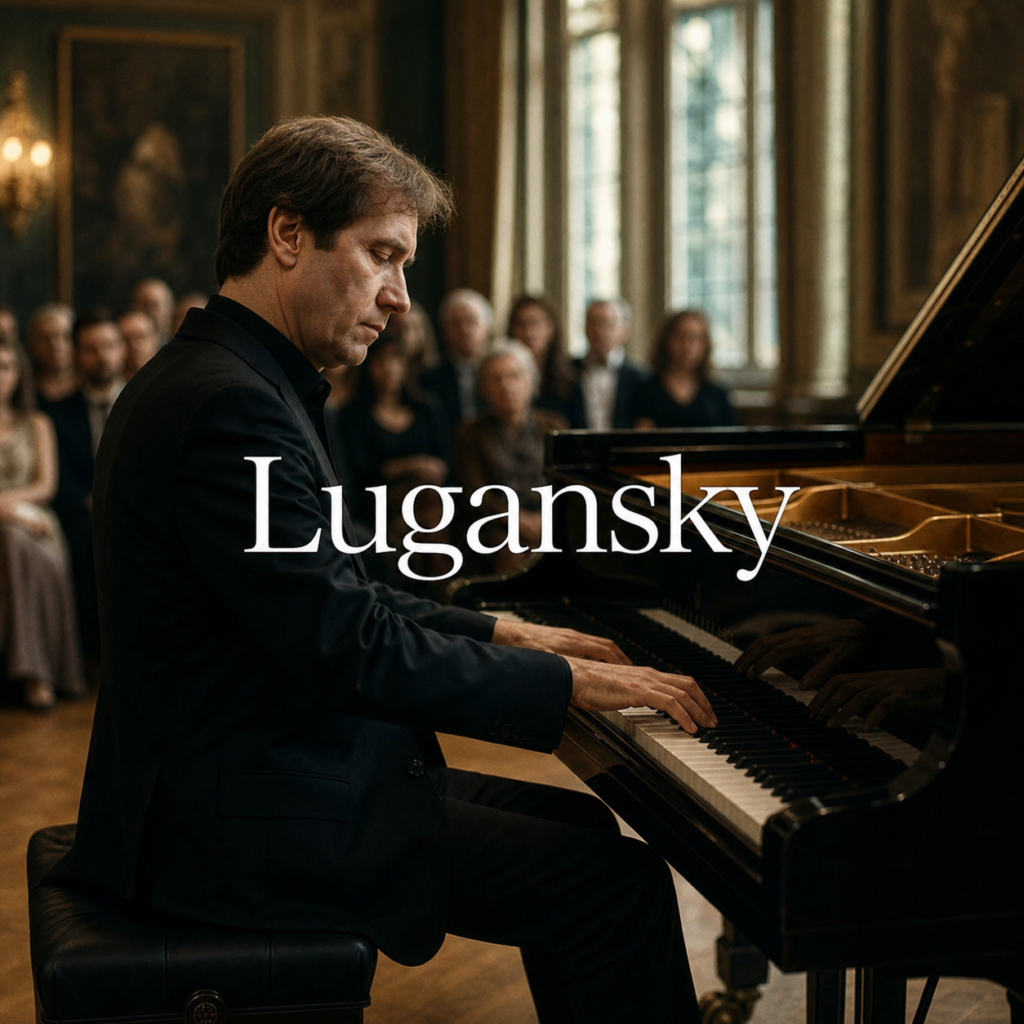
Nikolai Lugansky in London
WKMT London piano culture
Nikolai Lugansky in London: Rachmaninoff, Colour and the Art of Serious Piano Listening
Nikolai Lugansky gives London listeners a rare model of Russian pianism: spacious, exact, sonorous and disciplined enough to make virtuosity feel inevitable.
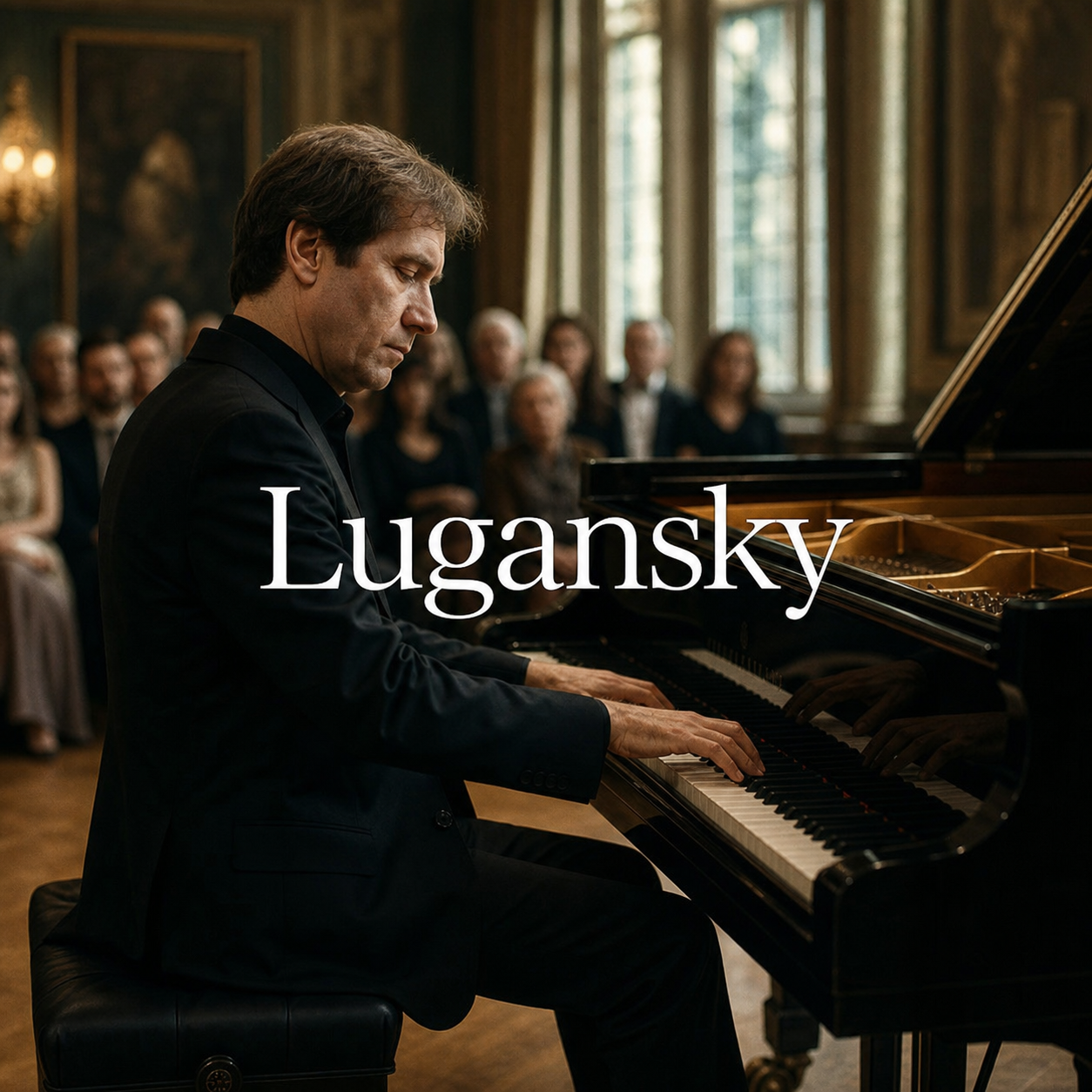
26 April 1972, Moscow
Rachmaninoff, Prokofiev, Chopin, Debussy
Wigmore Hall, Philharmonia and Royal Festival Hall appearances
Colour, voicing, balance and long-line listening
Why Lugansky Matters to Contemporary Listeners
Searches for Nikolai Lugansky usually begin with biography, recordings or tickets. The stronger question for London listeners is more musical: what does his playing teach the ear? In an age of fast clips and emphatic personal branding, Lugansky remains striking because he lets the score appear larger than the performer.
His most persuasive performances are built on tone colour, meaning the exact shade and weight of sound; voicing, the art of making one musical line speak through many notes; and balance with orchestra, where a pianist must project without turning concerto writing into a contest. These qualities explain why Rachmaninoff is central to his reputation. The music needs splendour, but it collapses if the bass is overfed, the pedal blurs, or the melody is pressed too hard.
That is why Lugansky is especially useful for listeners who already know the famous surfaces of Russian piano music. Rachmaninoff can be consumed as romance and thunder; Lugansky asks the ear to notice proportion. A phrase may be broad, but the rhythm underneath remains alive. A chord may be immense, but the melodic top still has direction. The result is not coldness. It is passion controlled by grammar.
The best Lugansky listening starts when brilliance stops sounding like display and begins to sound like structure.
For students and adult amateurs at WKMT’s piano lessons in London, that distinction matters. Advanced repertoire is not made convincing by speed alone. It is made convincing by hierarchy: what must sing, what must recede, what must glow, and what must remain unsentimental.
A Concise Biography
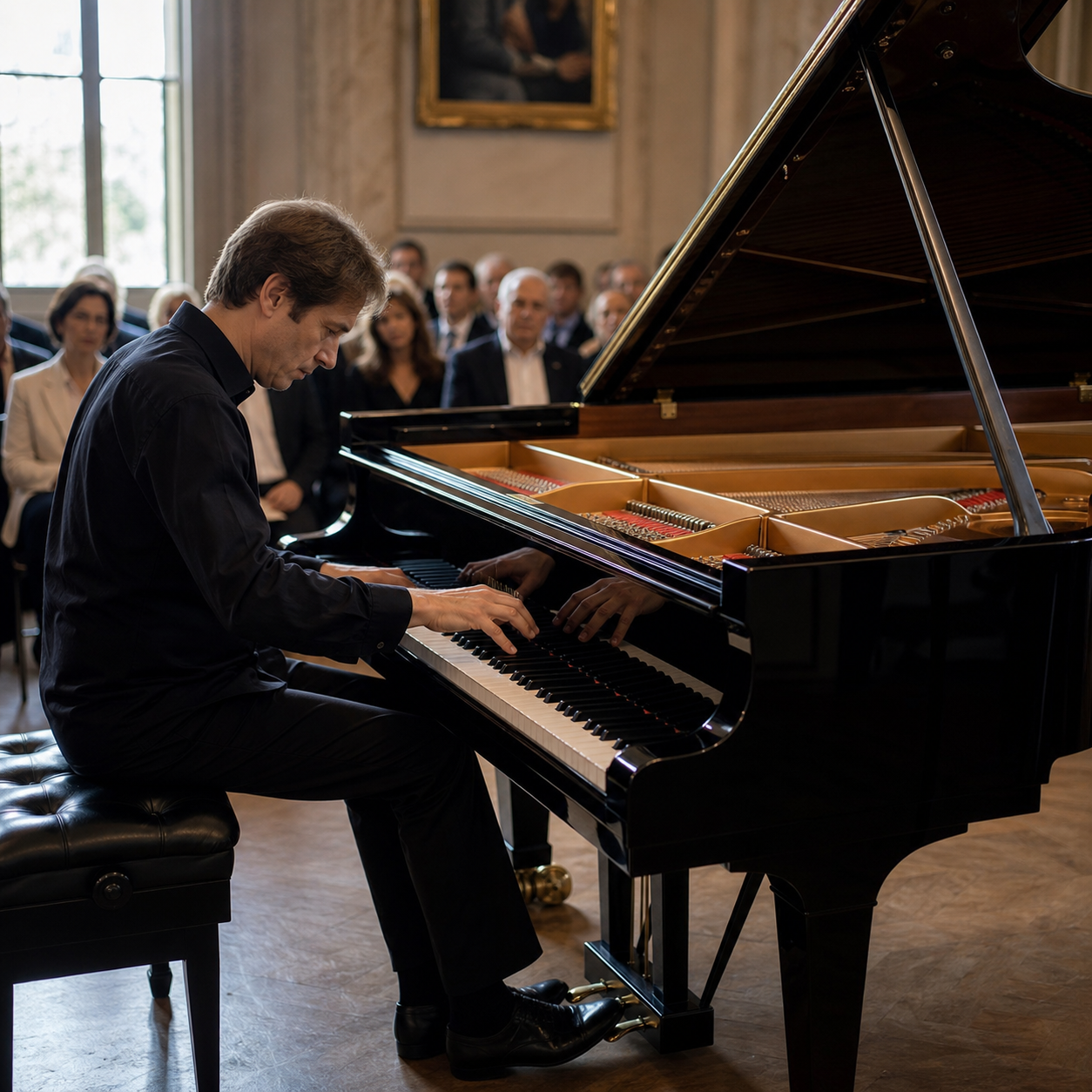
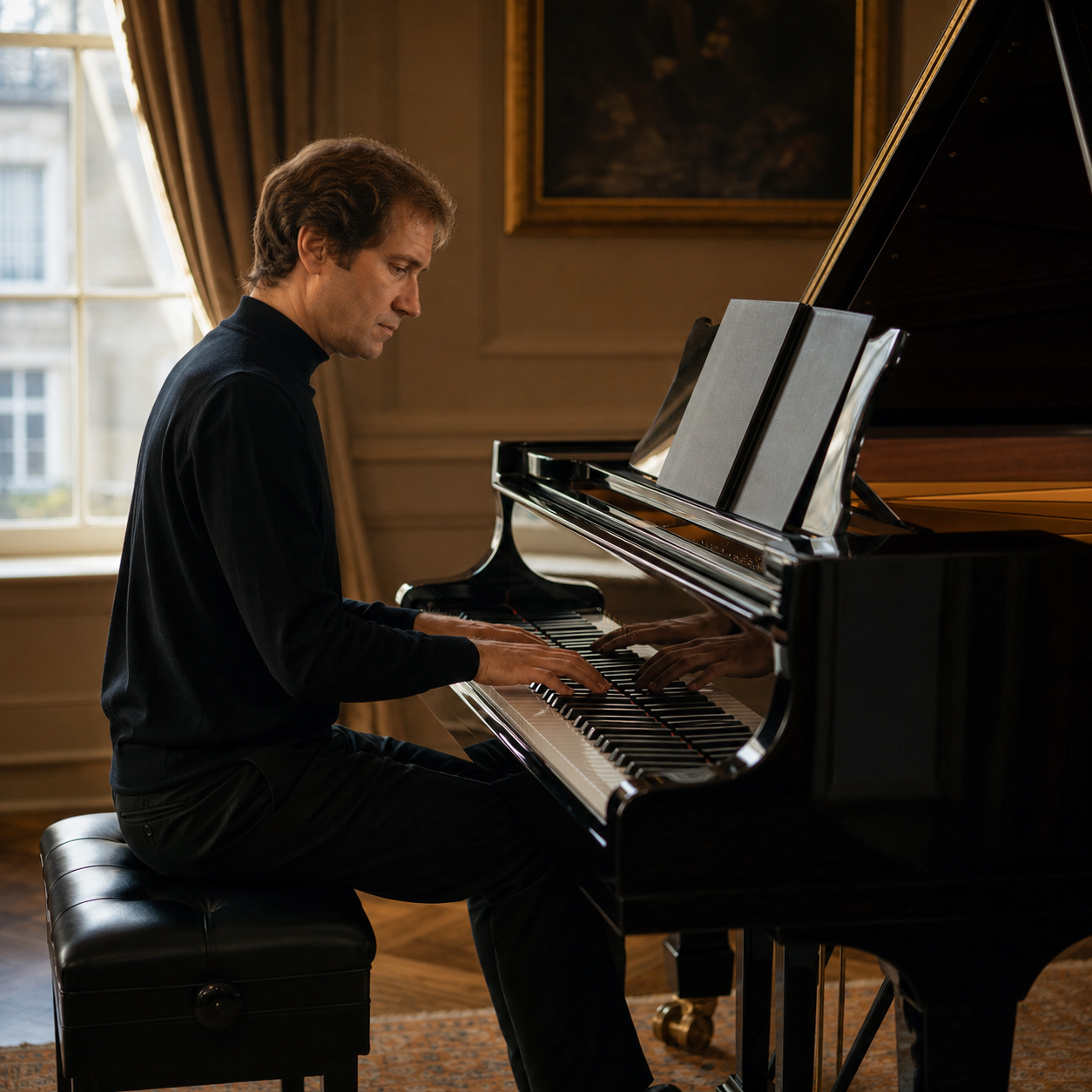
Nikolai Lvovich Lugansky was born in Moscow in 1972 and studied within the Russian conservatoire tradition. His official biography names the Central Music School and Moscow Conservatoire, with Tatiana Kestner, Tatiana Nikolayeva and Sergei Dorensky among his formative teachers [1]. That lineage matters because it joins formidable technical schooling to a culture in which sound, phrase and harmonic weight are not decorative extras.
Competition recognition brought him wider attention, including the silver medal at the 1994 International Tchaikovsky Competition. Since then, Lugansky has built an international career as recitalist, concerto soloist and chamber partner. His biography lists work with conductors including Kent Nagano, Gianandrea Noseda, Vasily Petrenko and Lahav Shani, and orchestras including the London Symphony Orchestra [1].
He is also a recording artist of unusual consistency. Harmonia Mundi identifies him as an exclusive artist and lists albums in Beethoven, Debussy, Franck, Rachmaninoff, Wagner transcriptions and Schumann [2]. His official biography notes that his 2023 Rachmaninoff focus included monographic programmes at the Theatre des Champs-Elysees and Wigmore Hall, giving London audiences a direct place in the recent Lugansky story [1].
When pupils hear Lugansky, ask them to identify the melody before they admire the difficulty. If the melodic line is unclear, the performance may be exciting but the musical argument is weak.
Signature Repertoire and Recordings
Lugansky’s centre of gravity is Russian Romantic and early modern piano writing, especially Rachmaninoff and Prokofiev, with Chopin, Debussy, Beethoven and Schumann giving contrast. The Rachmaninoff association is more than convenient branding. His best Rachmaninoff playing clarifies dense textures without bleaching them. Listen for bass resonance that supports rather than floods; inner lines that emerge like speech; and climaxes that are prepared harmonically, not simply made louder.
For pianists, the recordings are also a practical warning. Large hands, power and velocity are never enough. Rachmaninoff’s writing tempts players to treat the keyboard as a physical landscape to be conquered. Lugansky’s better performances suggest another route: map the harmony first, decide which register carries the story, and let the technical mechanism serve that decision. This is why his playing often feels spacious even at high difficulty.
In Chopin, the interest is different. Lugansky is not a salon miniaturist. He tends to give Chopin architectural firmness, making the Preludes and Etudes feel less like poetic fragments and more like dramatic scenes. In Prokofiev, rhythmic bite and clean articulation become essential. The same pianist who can expand a Rachmaninoff phrase must also make Prokofiev’s motor energy sound dry, bright and unsentimental.
| Recording area | Listen for | Why it helps |
|---|---|---|
| Rachmaninoff Preludes | Long melodic lines above heavy harmony | Teaches balance and pedal discipline |
| Etudes-Tableaux | Image, rhythm and colour in miniature | Shows how virtuosity can remain pictorial |
| Chopin Preludes | Sharp changes of emotional temperature | Builds concise listening and phrase awareness |
| Prokofiev and Russian repertoire | Clean rhythm, bright attack and structural drive | Prevents Romantic colour from becoming blur |
| Wagner transcriptions | Orchestral illusion on the keyboard | Tests voicing, sonority and dramatic pacing |
Recent discography reinforces this range. Harmonia Mundi lists his Robert Schumann album, Beethoven sonatas, Debussy, Franck, Rachmaninoff Etudes-Tableaux and 24 Preludes, plus Wagner opera-scene transcriptions [2]. For a first evening, pair Rachmaninoff with Chopin: the ear learns how Lugansky moves from saturated resonance to a more compressed, aphoristic kind of drama.
Lugansky in London: Performance History, Recent Appearances and Practical Info
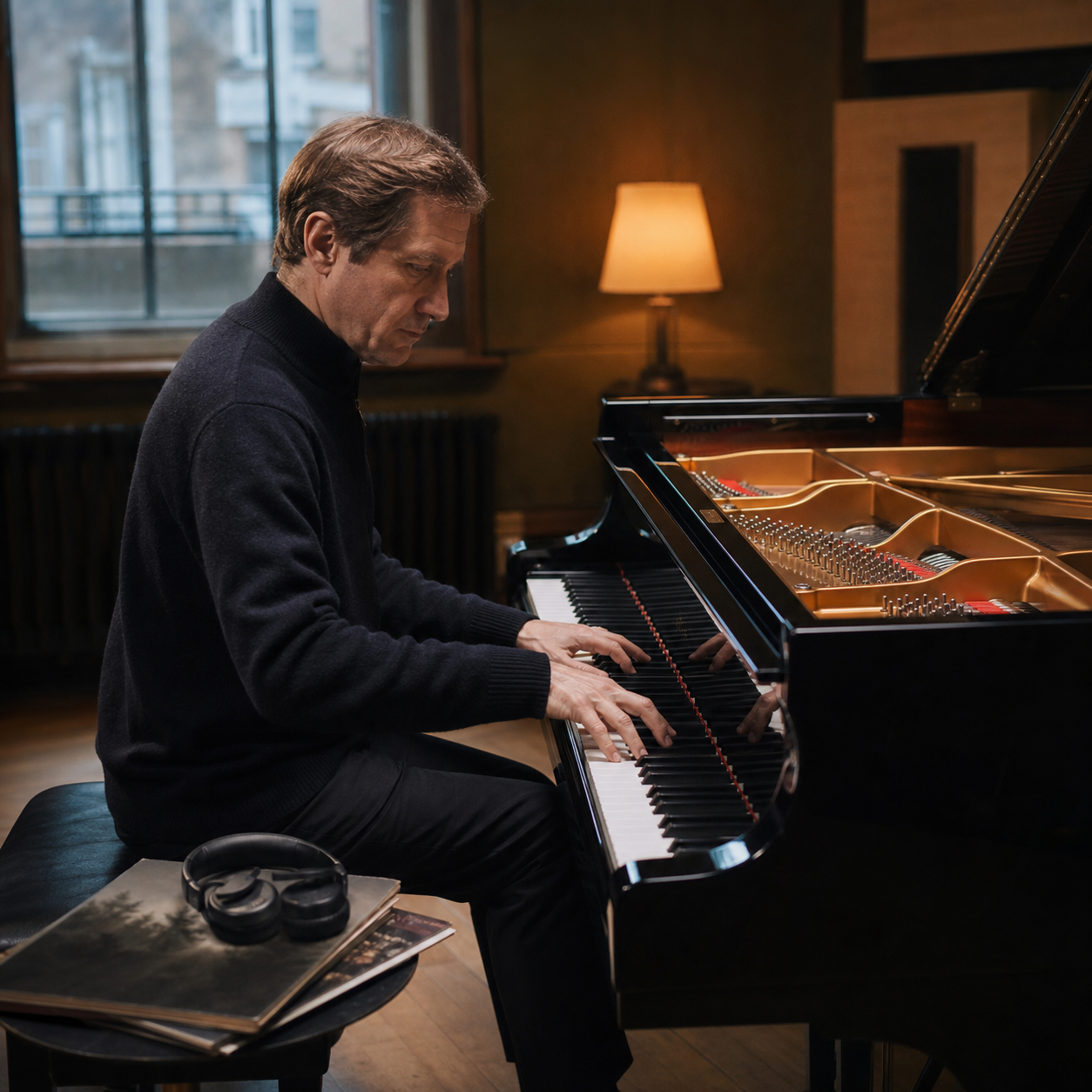
London matters to Lugansky’s current profile because it gives his artistry the right acoustic and audience frame. Wigmore Hall’s artist listing shows an archive of Lugansky appearances and a forthcoming recital on Monday 12 October 2026 [3]. The 12 May 2026 Wigmore Hall recital opened a multi-season Schumann and Chopin series, with tickets listed across several price bands and the hall noting a programme of Schumann’s Kinderszenen and Humoreske followed by Chopin’s 24 Preludes [4]. Last checked: 12 July 2026.
The Southbank Centre has also presented Lugansky in Rachmaninoff’s Third Piano Concerto with the Philharmonia at Royal Festival Hall, and its event page places the performance within the building’s public visit information [5]. For London readers, this distinction is useful: Wigmore Hall frames the recitalist and colourist; Royal Festival Hall frames the concerto pianist who must project across orchestral mass.
Practical listening starts before the first note. At Wigmore Hall, arrive early enough to let the room settle; late entry can be restricted and the atmosphere rewards concentration. For Royal Festival Hall, allow time for the Southbank foyer and larger audience flow. For both, check the official venue page on the day for ticket status, access details and timing.
London’s advantage is variety. A recital hall exposes the grain of his sound: the soft attacks, the degree of pedal, the way inner voices move under a melody. A concerto evening tests projection, stamina and dialogue with the orchestra. Hearing both settings, even across different seasons, gives a fuller picture than a biography alone. It also reminds students that interpretation changes with the room. The same phrase must be proportioned differently in Wigmore Hall intimacy and Royal Festival Hall scale.
For Adult Learners
If Lugansky’s playing draws you back to the keyboard, use that impulse seriously. Work on one page of Rachmaninoff or Chopin with a teacher, concentrating on sound layers rather than speed. WKMT’s adult piano lessons in London are well suited to this kind of interpretive study.
How to Listen: Five Moments That Reveal His Art
1. The first melody after a dense opening. Notice whether the tune arrives as a separate voice or merely as the loudest notes. Lugansky’s strength is often the former.
2. The left hand in Rachmaninoff. The bass should have depth without mud. If you can still hear the harmonic direction, the pedal is serving the music.
3. A Chopin transition. In the Preludes, listen to how quickly a mood changes. Lugansky tends to make those turns clean rather than sentimental.
4. The top of a climax. Many pianists arrive with force; the finer test is how they leave. Does the sound release naturally, or does it collapse?
5. Silence after a phrase. Serious playing uses silence as timing. In Lugansky, pauses often clarify structure rather than create theatrical suspense.
After listening, write down one technical observation and one musical observation. A technical note might concern pedal depth, hand balance or tempo steadiness. A musical note might concern grief, radiance, tension or release. Keeping both columns separate prevents the common mistake of using technical language as a substitute for musical response.
For each work, ask three questions: where is the main voice, what colour supports it, and how does the pianist move from one emotional state to the next?
Teaching, Collaborations and Legacy
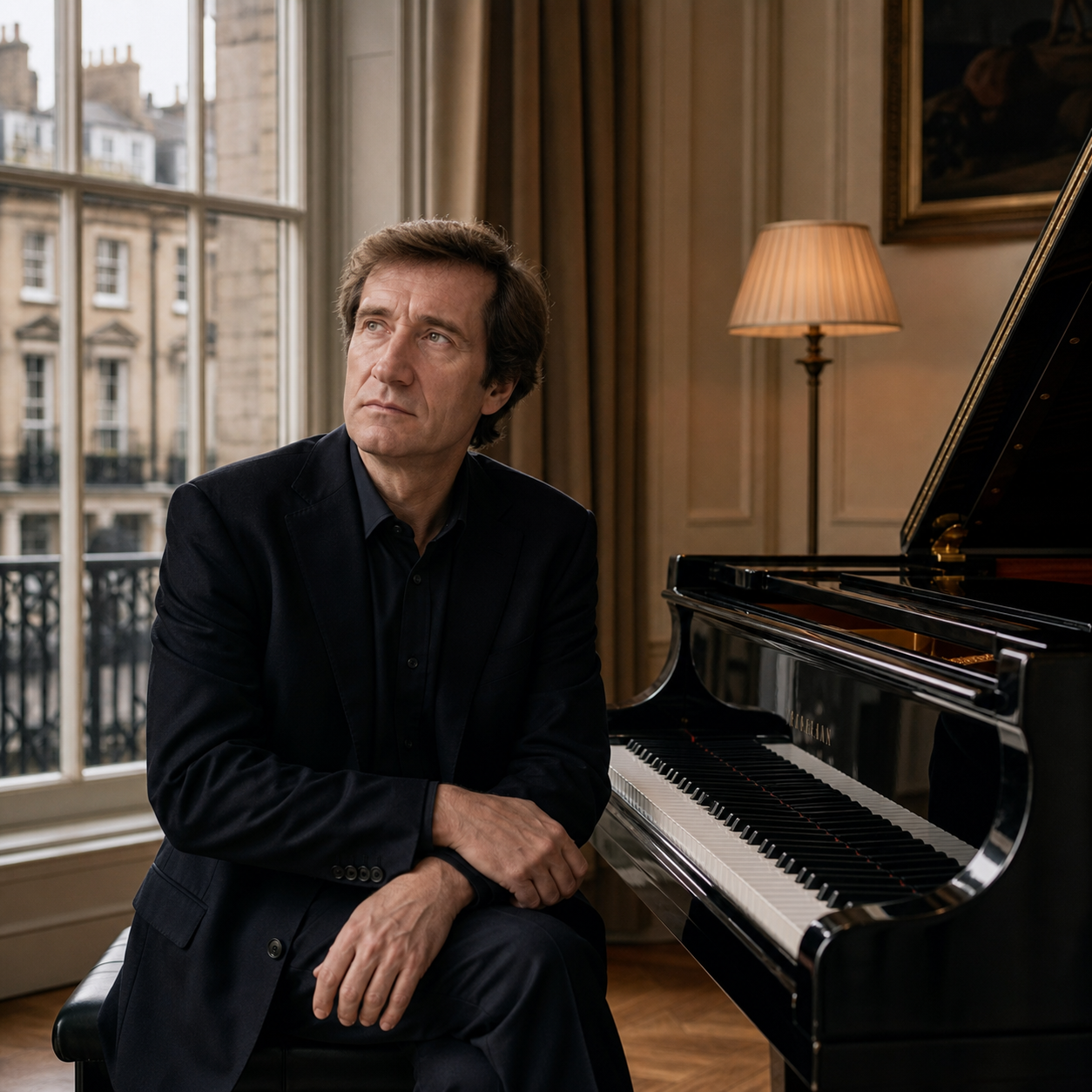
Lugansky’s legacy is not only recorded. His official biography notes chamber collaborations with Vadim Repin, Alexander Kniazev, Mischa Maisky and Leonidas Kavakos [1]. Chamber work matters because it disciplines a pianist’s listening from another direction: the keyboard must breathe with bow, phrase and human timing.
His teaching associations and public courses also point toward a wider educational role. Tonebase describes a Rachmaninoff course taught by Lugansky on style and symbolism [6]. Whether encountered through a hall, a recording or a class, his value for serious listeners is consistent: he makes virtuosity answer to musical architecture.
For WKMT, that is the useful lesson. London piano study should not treat great performers as distant celebrities. They are models of attention. Lugansky shows how a pianist can bring physical command, tonal imagination and disciplined listening into one coherent act.
Study Serious Piano Listening at WKMT
If this article sends you back to Rachmaninoff, Chopin or the problem of tone colour, WKMT can help turn listening into structured work at the keyboard. Our London teachers connect repertoire, sound production and interpretation in weekly lessons.
FAQs
What is Nikolai Lugansky best known for?
He is especially known for Rachmaninoff, Prokofiev, Chopin and Debussy, with a reputation for colour, control and depth of sound.
When can London listeners hear him?
Check official venue listings first. Wigmore Hall lists Lugansky appearances, including a 2026 recital series page checked on 12 July 2026 [3][4].
Which recording should a new listener try first?
Start with Rachmaninoff Preludes or Etudes-Tableaux, then contrast them with Chopin Preludes to hear how Lugansky changes texture and scale.
Sources on Nikolay Lugansky
- Official biography
- Harmonia Mundi artist page and discography https://www.harmoniamundi.com/en/artistes/nikolai-lugansky
- Wigmore Hall artist listing https://www.wigmore-hall.org.uk/artists/nikolai-lugansky
- Wigmore Hall, Nikolai Lugansky piano, 12 May 2026 https://www.wigmore-hall.org.uk/whats-on/202605121930
- Southbank Centre, Nikolai Lugansky plays Rachmaninoff https://www.southbankcentre.co.uk/whats-on/nikolai-lugansky-plays-rachmaninov/
- Tonebase, Rachmaninoff: Style and Symbolism taught by Nikolai Lugansky https://www.tonebase.co/piano/courses/nikolai-lugansky-rachmaninoff-style-and-symbolism