
 TRIAL LESSON
Pianists, Piano Lessons
Marc Andre Hamelin in London: Virtuosity, Colour and the Art of Serious Piano Listening
Jul
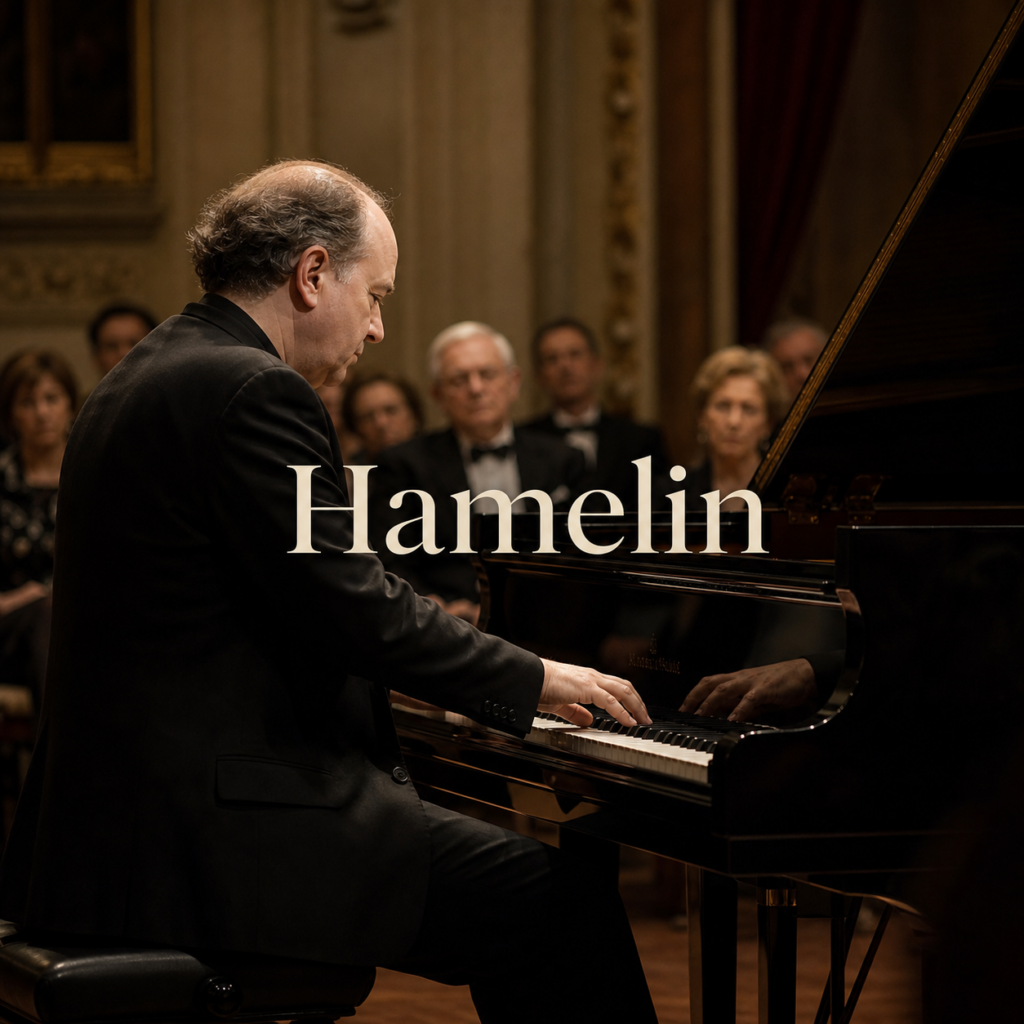
Marc Andre Hamelin in London
WKMT London Piano Culture
Marc Andre Hamelin in London: Virtuosity, Colour and the Art of Serious Piano Listening
A WKMT guide to Hamelin’s rare-repertoire authority, recordings, London recital relevance and lessons for serious adult pianists.
Quick Overview
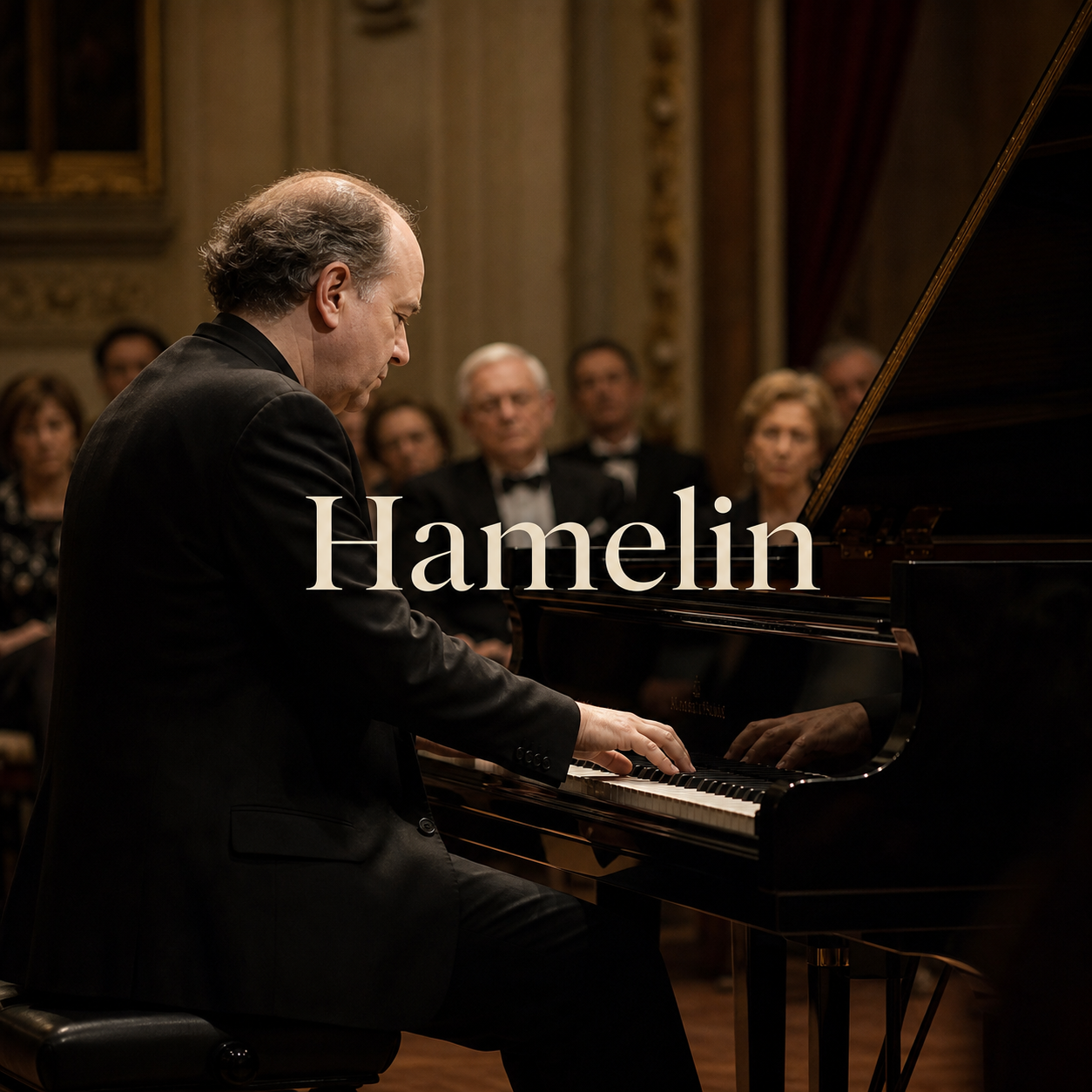
Marc Andre Hamelin is often described through difficulty: Alkan, Godowsky, Medtner, Sorabji, Rzewski, late-Romantic labyrinths and modern piano extremes. That is accurate, but incomplete. The more useful question for London listeners is what his playing does with difficulty. Hamelin turns density into speech, danger into proportion, and technical command into colour. For serious pianists, especially adults returning to demanding repertoire, that makes him a model of disciplined imagination.
Why Marc Andre Hamelin Matters
Searches for Marc Andre Hamelin usually carry two intentions at once. Some readers want a biography of the Canadian pianist-composer born in Montreal in 1961; others want to know which recordings prove the legend. The answer belongs to both. Hamelin’s official profile and artist management biography emphasise the same unusual balance: consummate musicianship, brilliant technique, and an intrepid exploration of rare nineteenth-, twentieth- and twenty-first-century repertoire.
His career has helped return neglected keyboard worlds to circulation. Alkan becomes more than a curiosity. Godowsky becomes more than a rumour of impossible studies. Medtner, Catoire, Roslavets and Kapustin sit beside Haydn, Liszt, Brahms and Debussy as living musical choices. That breadth is valuable because it changes the listener’s map. Virtuosity is not a circus act; it can be a form of scholarship in sound.
Key Listening Point
When Hamelin plays complex music, listen first for the bass line and the harmonic direction. The spectacle is real, but the structure is what makes the spectacle musical.
At a Glance
Montreal, 1961
Rare repertoire, virtuoso clarity, composer-pianist works
Long association with Hyperion
Wigmore Hall and Southbank recital culture
The Rare-Repertoire Revolution
Hamelin’s importance is not only that he can play difficult works. It is that he has made many listeners believe those works deserve ordinary musical attention. Hyperion’s catalogue around him includes Alkan and Henselt concertos, Godowsky’s Studies on Chopin’s Etudes, Kapustin, Roslavets, Catoire, Reger, Dukas, Busoni and his own piano music. The label’s documentary It’s all about the music frames this as a composer-pianist tradition: performers who write, transcribe, test the instrument and enlarge what the piano can say.
That tradition matters for pianists in London because it resists a narrow exam-only view of repertoire. A serious student may not play Godowsky tomorrow, but listening to Hamelin can sharpen the ear for contrapuntal balance, left-hand independence, repeated-note control, and the difference between true speed and musical panic. It also reminds us that the canon has edges. The great composers are not diminished when rare voices are heard beside them.
| Repertoire area | What Hamelin reveals | Lesson for pianists |
|---|---|---|
| Alkan and Godowsky | Virtuosity as architecture, not noise | Practise layers before speed |
| Medtner and Catoire | Late-Romantic density with singing line | Keep the phrase alive inside thick texture |
| Haydn and Debussy | Clarity and colour without exaggeration | Let articulation create character |
| Hamelin’s own works | A pianist-composer testing the modern keyboard | Technique should serve imagination |
Best Marc Andre Hamelin Recordings to Start With
The phrase best Marc Andre Hamelin recordings can mislead if it becomes a trophy list. Better to choose recordings by listening purpose. Start with Godowsky’s Studies on Chopin’s Etudes if you want to hear legendary technical control joined to tenderness. Try Alkan and Henselt concertos for orchestral scale and historical curiosity. Use Kapustin for rhythmic vitality and jazz-inflected classical writing. For Hamelin as composer, Hyperion’s pages for his New Piano Works and Found Objects / Sound Objects show a pianist still interested in what the instrument can become.
Godowsky after Chopin: follow how one hand can carry several musical jobs.
Alkan, Medtner and Kapustin: hear why difficulty can reveal character.
Found Objects / Sound Objects: use the piano as percussion, harmony, theatre and line.
Hamelin’s greatest lesson is that the impossible should still sound inevitable.
A Five-Step Listening Framework
Hamelin’s discography can feel forbidding because the surfaces are so active. The simplest way in is to listen in passes. On the first pass, ignore the reputation of the work and notice character: is the music ceremonial, comic, obsessive, lyrical, brittle, or volcanic? On the second, listen for register. Hamelin often makes the upper line sparkle while the real argument is happening in the middle register or bass. On the third, follow pedalling. In complex textures, a blur that sounds exciting once can quickly conceal the harmony; Hamelin’s clarity comes from knowing exactly how much resonance the room and instrument can bear.
On the fourth pass, listen for tempo as proportion. Very fast playing is not automatically rushed. The issue is whether the tempo leaves enough space for harmonic arrival points and phrase ends to register. Finally, listen for humour. Alkan, Kapustin and Hamelin’s own music often have a wit that disappears when the listener hears only difficulty. A pianist who can make the impossible sound inevitable can also make it sound playful.
Practice Insight
Choose eight bars from any advanced work and name the hierarchy aloud: melody, bass, harmonic trigger, rhythmic motor, decorative surface. If you cannot name those layers, playing faster will only make the confusion louder.
Marc Andre Hamelin and London Listening Culture
London is a natural setting for Hamelin’s artistry because the city has audiences who listen historically. His profile has long been connected with Wigmore Hall and the International Piano Series at Southbank Centre, while recent artist materials continue to mention European appearances including Wigmore Hall. A Demidenko Wigmore Hall review or any other London pianist review asks similar questions of the reader: how does a particular room change colour, timing and audience attention?
For Hamelin, Wigmore-style listening suits the close detail of his art. A large concerto can dazzle, but a recital hall lets the audience notice the exact moment when a secondary voice becomes the argument. It also gives London students a concrete habit: attend a recital, choose one technical issue to hear, then take that issue back to the practice room. This is how concert culture supports classical piano study in London without turning every musical experience into a sales pitch.
The same listening habit suits WKMT’s local musical ecosystem. A student might hear a difficult recital at Wigmore Hall, then study touch control in West Kensington, Camberwell or Bermondsey with clearer questions: how does a pianist voice rapid chords without hardness? How can the forearm release after repeated notes? When should the pedal warm a harmony, and when should it stay out of the way? Those are practical questions, not abstract admiration. They turn a concert evening into serious musical education.
What Pianists Can Learn From Hamelin
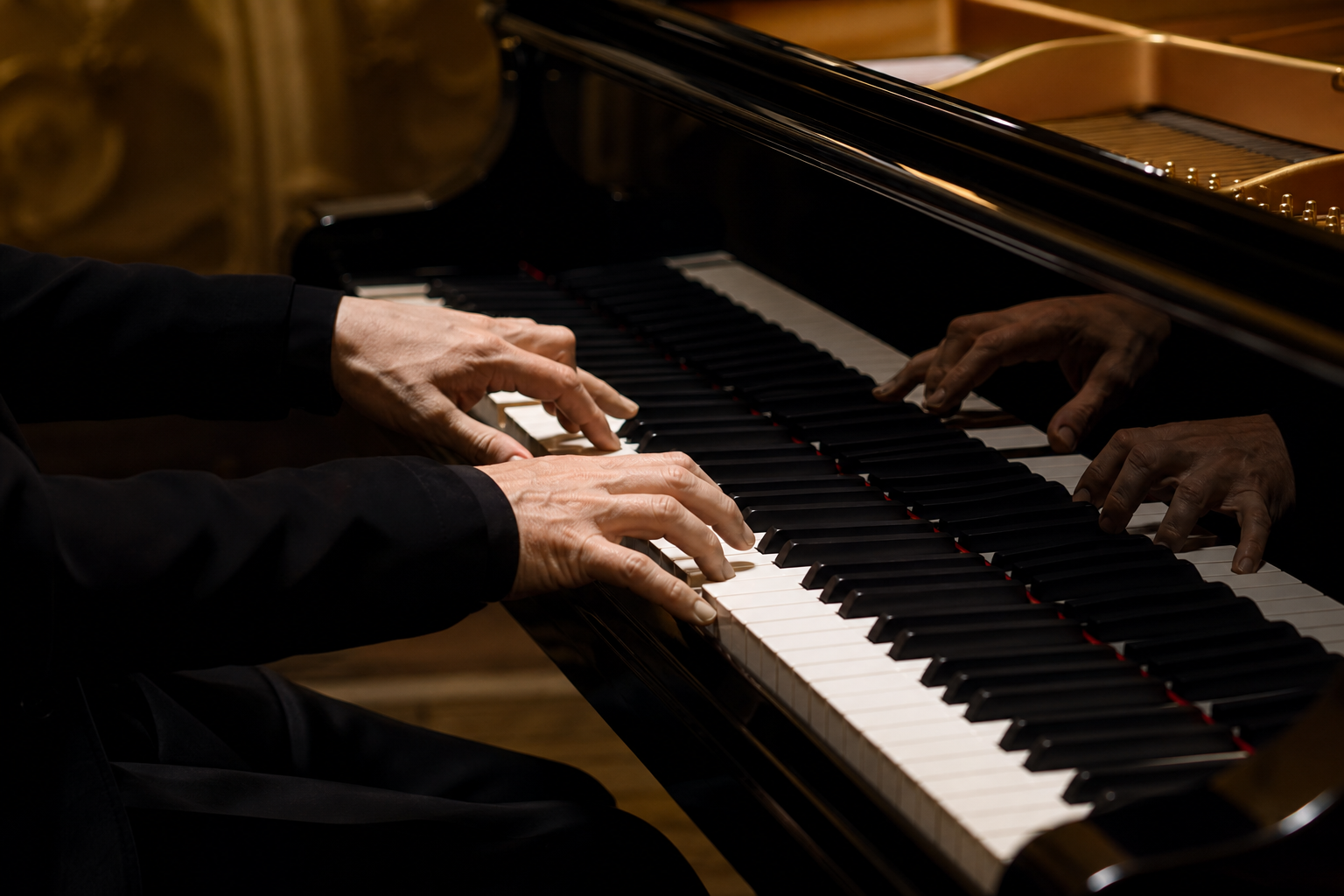
The obvious answer is technique, but the deeper answer is order. Hamelin’s playing suggests that complex passages should be understood before they are accelerated. He can make formidable music sound clear because the hands are not merely trained; the musical hierarchy is clear. That is a useful principle for advanced amateurs. Mark the bass. Decide which inner note matters. Remove unnecessary pedal. Practise the leap slowly enough that the ear, not the hand, leads the movement.
WKMT’s teaching culture often returns to this same point through structure, voicing and physical freedom. Related work on rotation movement in Scaramuzza piano technique, sight-reading and performance preparation all point towards the same discipline: let technique be organised by listening.
Hamelin also offers a useful corrective to perfectionism. In advanced piano study, students often treat technical work as a private athletic contest. The result is tension, unreliable memory and a narrow sound. A more musical approach asks what the passage is for. A leap may create theatrical space. A repeated-note figure may imitate nervous speech. A thick chordal texture may need organ-like breadth rather than percussive attack. Once the function is clear, the body can choose a more economical movement.
For adult learners, this is especially important. Adults often understand the music emotionally before their technique can realise it. Hamelin’s playing can be intimidating if heard as a standard of speed; it becomes encouraging when heard as a standard of organisation. The goal is not to play his repertoire immediately. The goal is to bring the same seriousness to smaller works: transparent voicing in Bach, balanced rotation in Beethoven, clean pedalling in Debussy, and phrasing that keeps the listener oriented.
For Adult Learners
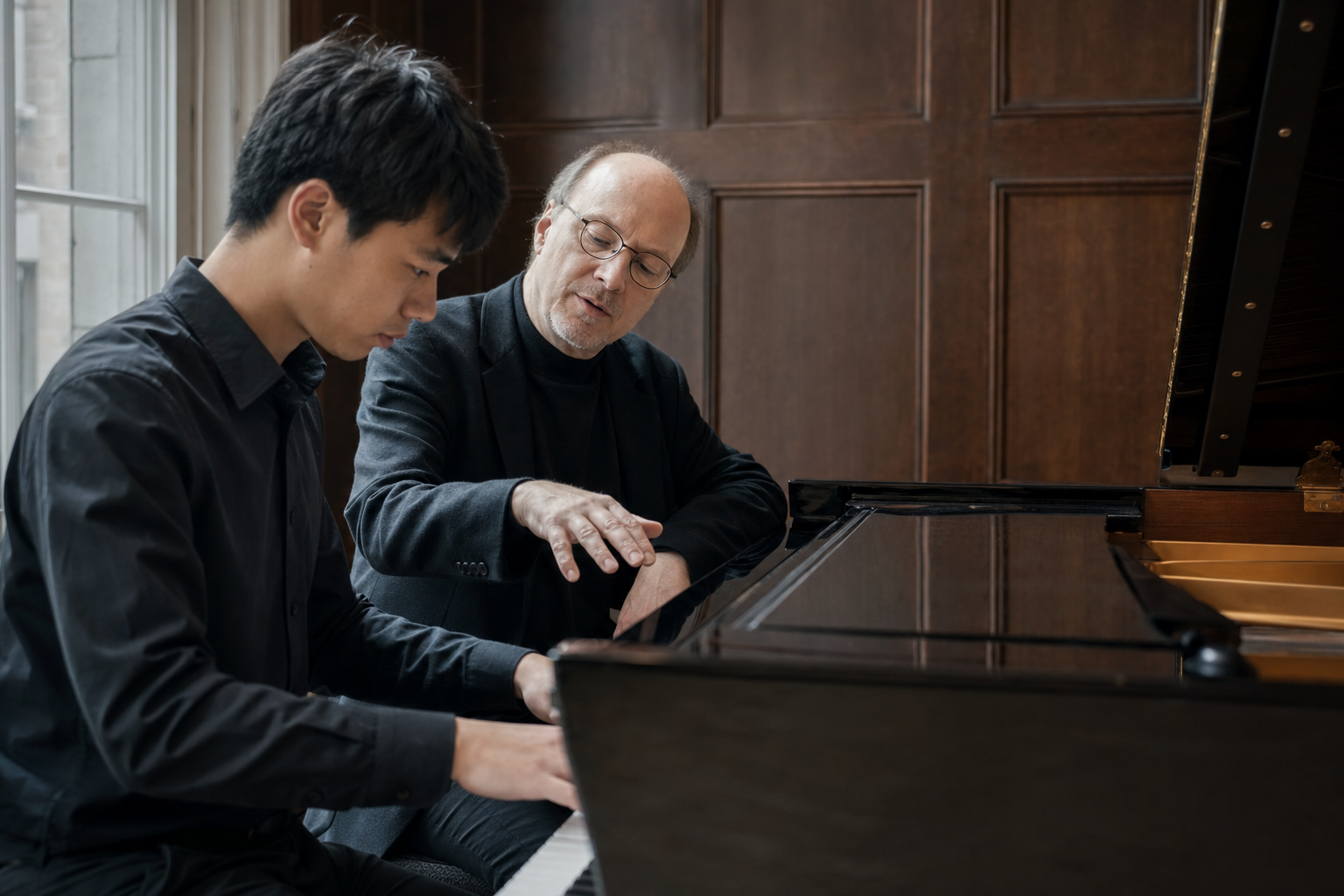
Bring one Hamelin recording into a lesson and ask what makes the texture intelligible. The answer may involve fingering, forearm rotation, voicing, pedalling or phrase design, but it should always begin with what the ear can understand.
WKMT Perspective
Hamelin is not a pianist to imitate superficially. He is a pianist to study for standards: command of texture, curiosity about repertoire, discipline under pressure, and the refusal to separate technique from musical thought.
How to Build a Hamelin Listening Evening
For a practical London listening evening, keep the programme short. Begin with one familiar work or composer, so the ear has a point of reference. Then choose one rare work that stretches your musical vocabulary. Finish with a piece by Hamelin or a twentieth-century composer-pianist, where the keyboard becomes more experimental. Keep notes, but do not turn the evening into homework. Write down three observations only: one colour, one technical question, and one phrase you want to discuss with a teacher.
This kind of focused listening is ideal preparation for WKMT London piano masterclasses and student performance opportunities. It trains the student to hear detail before receiving correction. It also keeps curiosity alive. Hamelin’s career proves that pianists need not choose between rigour and imagination; the richest playing usually asks for both.
FAQs
What is Marc Andre Hamelin best known for?
He is best known for extraordinary technical command, rare repertoire, composer-pianist works, and a major Hyperion recording legacy that includes Alkan, Godowsky, Medtner, Kapustin and his own music.
Where should a new listener begin?
Begin with a focused purpose: Godowsky for virtuoso clarity, Alkan or Medtner for neglected Romantic worlds, Kapustin for rhythmic vitality, and Hamelin’s own works for modern keyboard colour.
Can adult pianists learn from Hamelin without playing that repertoire?
Yes. His recordings teach listening, hierarchy, voicing and technical order, even when the pieces themselves are beyond a student’s immediate reach.
Sources on Marc Andre Hamelin
- Marc Andre Hamelin official website and calendar, marcandrehamelin.com
- Colbert Artists Management, Marc Andre Hamelin biography, colbertartists.com
- New England Conservatory faculty profile, necmusic.edu
- Hyperion Records, It’s all about the music – the art of Marc Andre Hamelin, hyperion-records.co.uk
- Hyperion Records, Godowsky Studies on Chopin’s Etudes page, hyperion-records.co.uk
- Hyperion Records, Alkan and Henselt Piano Concertos, hyperion-records.co.uk
- Hyperion Records, Marc Andre Hamelin: New Piano Works, hyperion-records.co.uk