
 TRIAL LESSON
Pianists, Piano Lessons
Krystian Zimerman in London: Precision, Colour and the Art of Serious Piano Listening
Jul
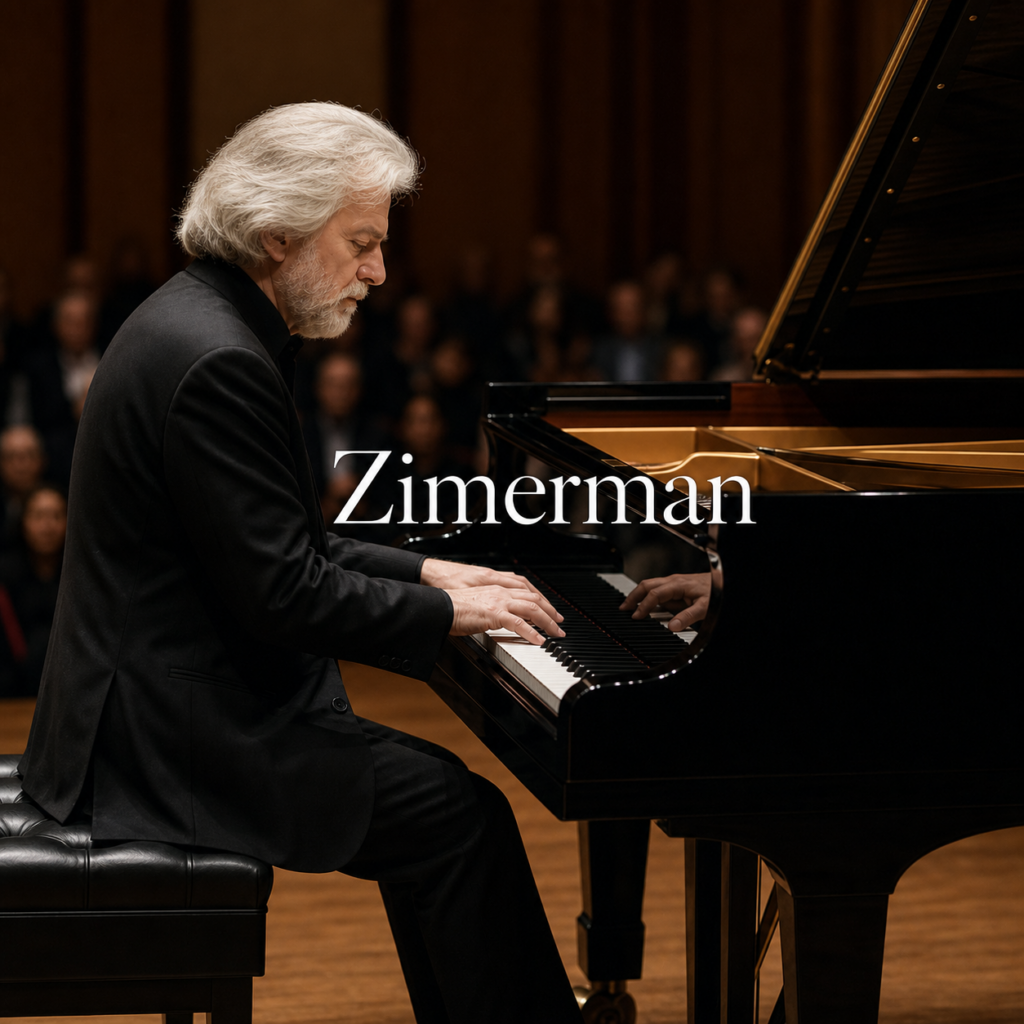
Krystian Zimerman in London
WKMT London piano culture
Krystian Zimerman in London: Precision, Colour and the Art of Serious Piano Listening
Krystian Zimerman is the rare pianist whose reputation rests as much on restraint as on brilliance. For London listeners and advanced piano students, his playing offers a lesson in disciplined sound, architectural timing and the courage to let detail speak.
Why Zimerman matters today
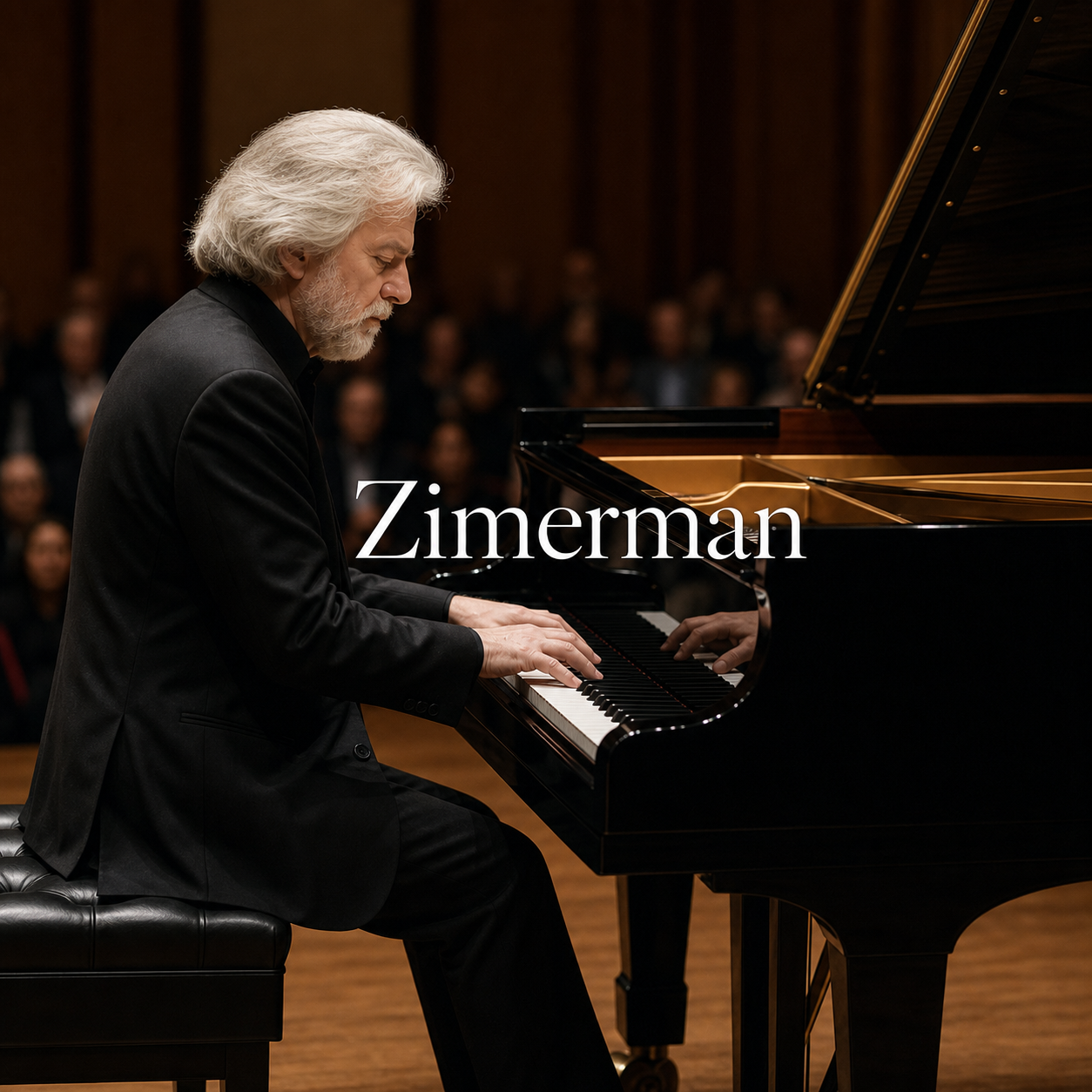
In an age of fast clips and visible virtuosity, Zimerman represents an older and more demanding idea of piano performance: the pianist as craftsman, editor and acoustician. His public profile is not built on constant exposure. It is built on select appearances, exacting preparation and a recorded legacy in which sound quality is never treated as secondary.
That makes him especially valuable for London audiences. A listener leaving a major recital venue after hearing Zimerman does not usually remember speed first. They remember the way a bass note changed the temperature of a phrase, the way silence became structural, or the way a Chopin transition arrived without theatrical insistence. For students taking classical piano lessons in London, this is not distant celebrity culture. It is a practical model of how serious pianism is made.
The appeal is also educational. Many advanced amateurs know what it means to play the right notes and still feel that the piece has not spoken. Zimerman’s playing points to the missing layer: the hierarchy of sound. Which note carries the sentence? Which harmony changes the listener’s expectation? Which silence is part of the music rather than an interruption? These questions belong in the practice room as much as in the concert hall.
Verified biography and career highlights
Krystian Zimerman in London – He was born in Zabrze, Poland, in 1956 and trained in Katowice, within a musical culture that valued exact touch, disciplined structure and deep engagement with Chopin. His international breakthrough came in 1975, when he won the International Chopin Piano Competition in Warsaw. That victory placed him in the lineage of pianists for whom Chopin is not decorative salon music, but a language of long breath, polyphony and refined danger.
Since then, Zimerman has developed a deliberately selective career. His collaborations have included major orchestras and conductors, and his discography has centred on composers whose writing exposes every weakness of tone: Chopin, Beethoven, Brahms, Debussy, Schubert, Ravel and Lutoslawski. Deutsche Grammophon has been central to his recorded profile, including landmark Chopin, Debussy and concerto recordings. In 2022 he received the Praemium Imperiale for music, a recognition of international artistic stature.
This selectivity is not aloofness for its own sake. It reflects a view of the pianist’s work as a serious chain of decisions: instrument, hall, programme, rehearsal time, recorded sound and the relationship between soloist and orchestra. Zimerman has long been associated with unusually high standards around the piano itself, and that care is audible in the finished result. The music arrives with a sense that nothing has been left to habit.
Born in Zabrze, Poland.
Wins the International Chopin Piano Competition.
Chopin, Beethoven, Brahms, Debussy and Polish repertoire.
Praemium Imperiale laureate for music.
Zimerman’s musical signature: what to listen for
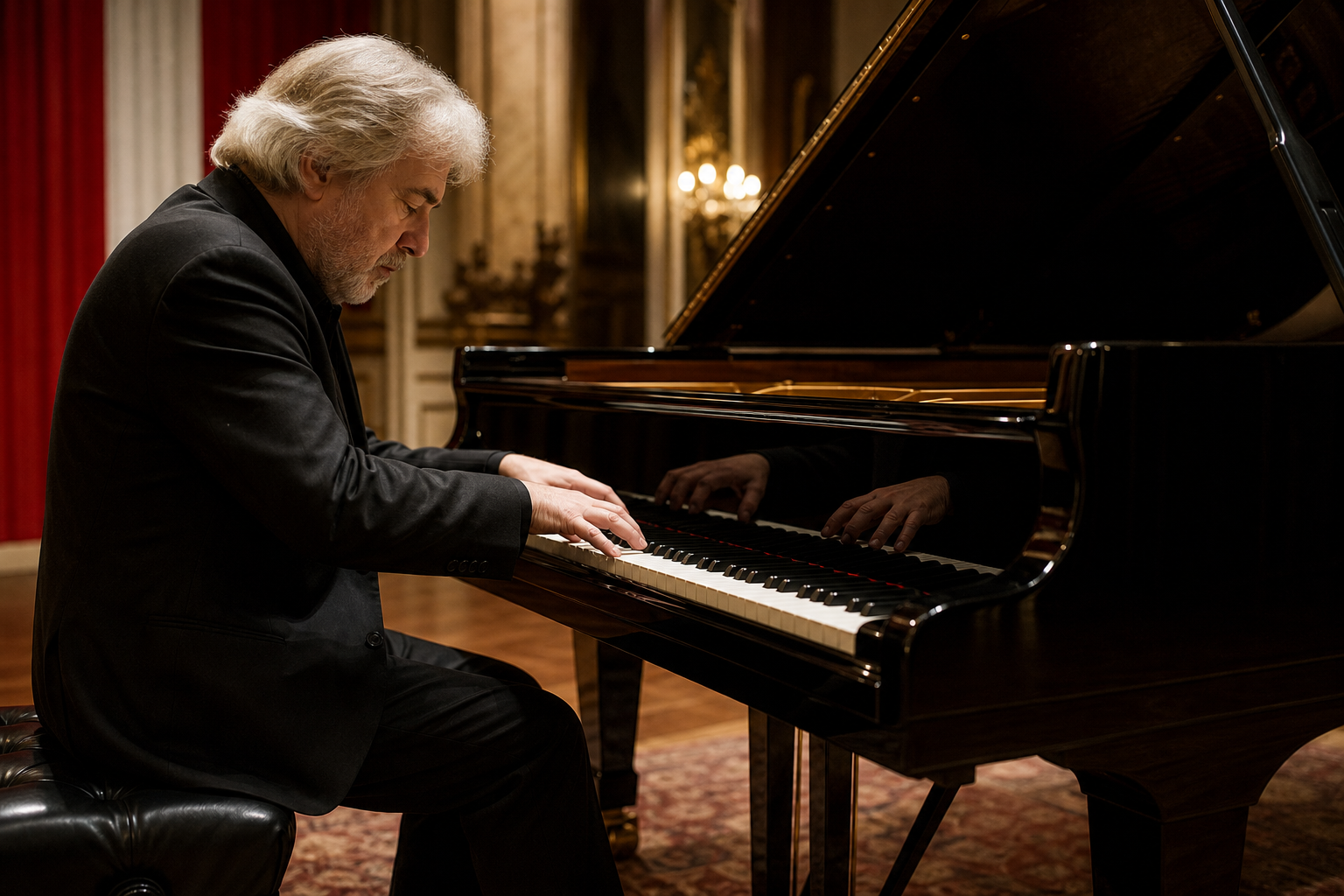
Zimerman’s playing often begins with the quality of attack. The note is not merely sounded; it is placed. In Chopin, this produces a kind of speech where melody and accompaniment retain separate identities. The right hand can sing without becoming sentimental, while the left hand holds harmonic direction with unusual clarity.
His pedalling is equally instructive. Many pianists use pedal as atmosphere. Zimerman uses it as grammar. In Debussy and Ravel, colour changes are carefully graduated rather than washed together. In Beethoven, resonance serves architecture: it supports the line without obscuring the joints of the form.
The central lesson is not perfection for its own sake, but the musical responsibility behind every chosen sound.
His rubato is also worth studying. It rarely feels pasted on to the phrase. Instead, timing grows from harmonic pressure, register and character. This is why his Chopin can feel free without losing spine, and why his Beethoven can breathe without sounding indulgent. A mature listener should ask: where does the phrase lean, and where does it refuse to lean?
Another hallmark is the refusal to confuse intensity with volume. In Brahms, for example, a dense texture can sound heavy if every strand is given equal pressure. Zimerman’s approach suggests another route: let the principal line carry the emotional weight, let the inner voices colour it, and let the bass define the space. The result is powerful because it is organised. This is a useful corrective for students who try to solve expressive problems by adding force before they have clarified balance.
His playing also makes a case for patience. Transitions are prepared; climaxes are earned. The listener is invited to hear the destination before it arrives, which is one reason his performances can feel inevitable without feeling mechanical. That quality is difficult to imitate, but easy to study: mark the harmonic turning points in a score, then decide where the hand, pedal and breath must change before the obvious arrival.
Listening guide: five recordings to start with
| Recording | Why it matters | Listen for |
|---|---|---|
| Chopin Ballades, Barcarolle and Fantaisie | A concentrated portrait of Chopin as structure, not merely atmosphere. | Narrative pacing, bass-line direction and controlled climaxes. |
| Debussy Preludes | Shows how colour can remain clear without becoming vague. | Pedal transparency and sharply profiled sonority. |
| Beethoven Piano Concertos with Simon Rattle and the London Symphony Orchestra | A London-linked modern concerto cycle of classical scale and orchestral conversation. | How piano tone sits inside the orchestra rather than above it. |
| Brahms Piano Concertos | Reveals weight without heaviness and lyricism without looseness. | Long-range harmonic tension and inner voices. |
| Lutoslawski Piano Concerto | Connects Zimerman to modern Polish repertoire and rhythmic brilliance. | Precision, attack and sudden changes of surface. |
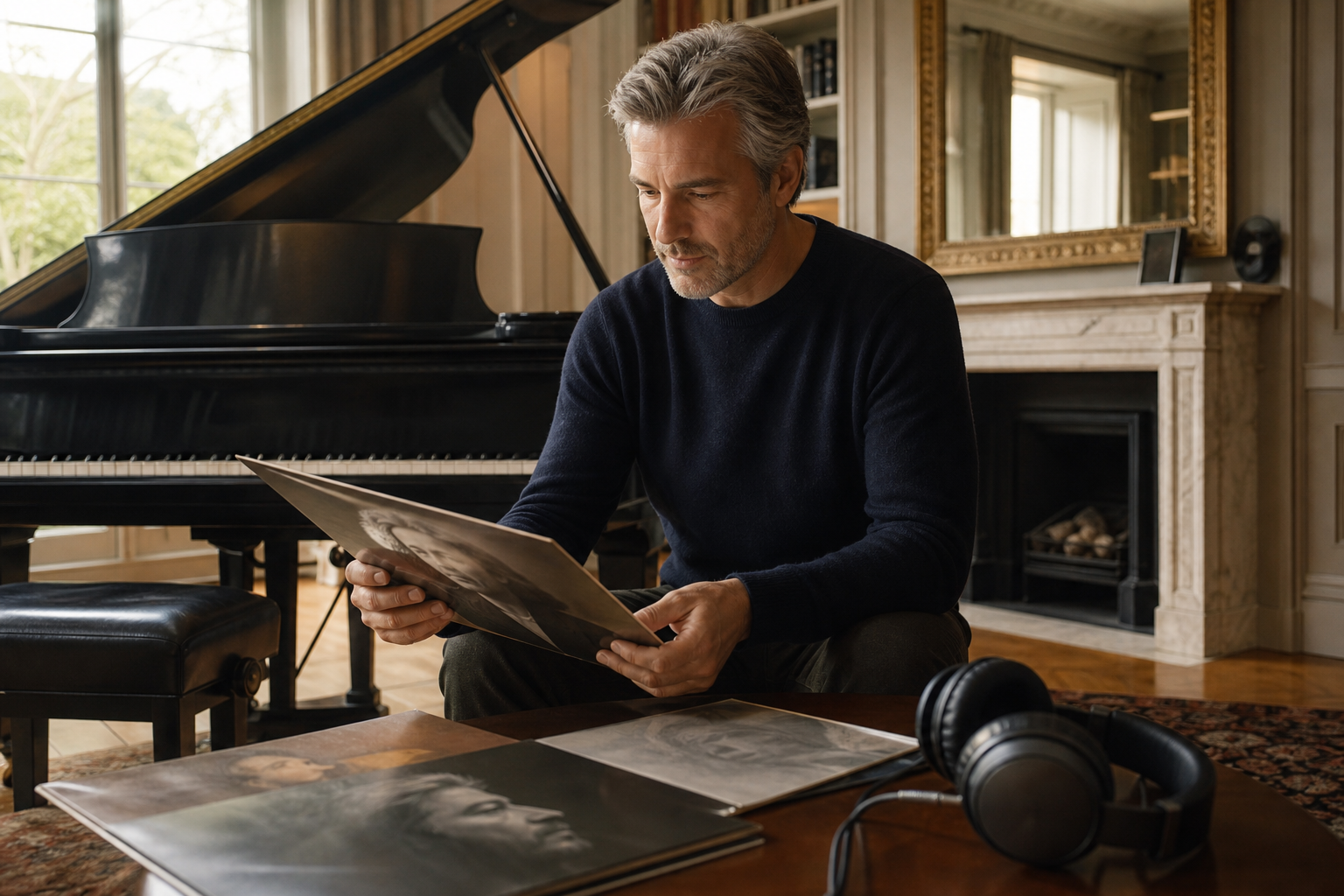
A useful listening order is to begin with Chopin, move to Debussy, then hear the Beethoven concertos. Chopin shows the singing line and the dramatic instinct; Debussy reveals the ear for colour; Beethoven shows how Zimerman places the piano inside a larger architectural argument. After that, Brahms and Lutoslawski make more sense because the listener already understands his priorities: controlled sonority, disciplined timing and a refusal to blur complex textures for comfort.
Do not listen to these recordings as background music. Choose one movement or one short piece, follow the bass line, and then listen again for the right hand. On a third hearing, notice the pedal. This slow method is far closer to the way a teacher would use a great recording in a lesson: not as a museum object, but as a working model.
Krystian Zimerman in London: venues and practical listening
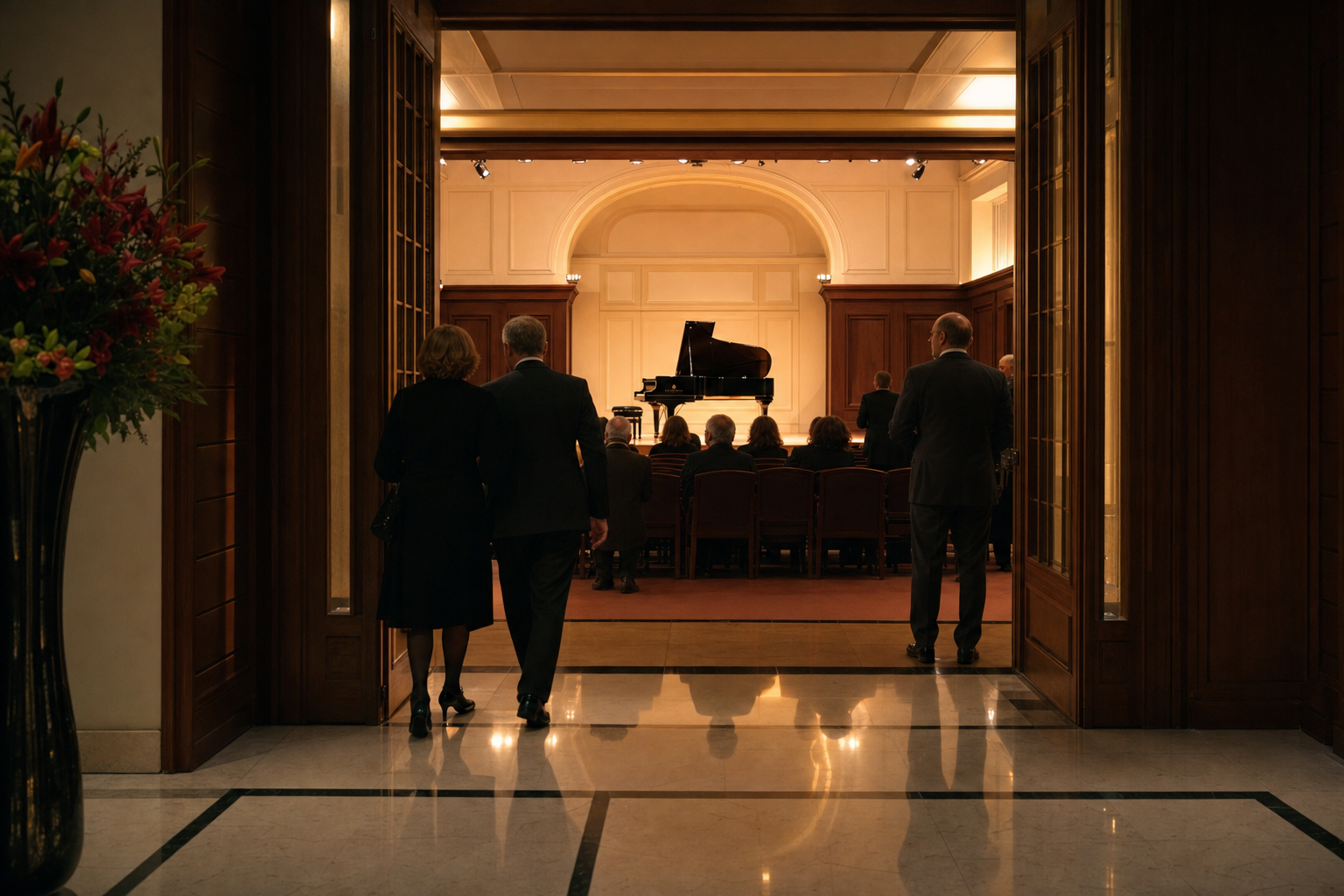
London’s major classical venues suit different aspects of Zimerman’s art. The Royal Festival Hall offers breadth and public scale; the Barbican brings a more analytical acoustic; Wigmore Hall, when relevant to a pianist of this stature, favours intimacy and speech-like detail. For large piano recitals, seating matters. A listener interested in colour should avoid treating the closest seat as automatically best. A central position with balanced bass and treble often reveals more of the pianist’s design.
Before booking any future appearance, use the official venue page and artist or label listings rather than secondary calendars. Time-sensitive concert details were last checked for this article on 2026-06-30. Where no official current London date is available, the best preparation is still practical: hear the listed recordings, read the programme before arrival, and give the ear ten quiet minutes before the first note.
For students, venue listening can be surprisingly concrete. In a dry acoustic, articulation and release become easier to hear. In a larger hall, long pedals and bass resonance reveal how much planning is needed to keep harmony clean. London gives listeners both experiences across its concert calendar. The point is not to rank the halls, but to notice how the same pianist’s priorities meet different rooms.
Listen to one work slowly, not five works hurriedly.
Notice how silence and release shape the next phrase.
Write down one sound quality you can describe without adjectives like “beautiful”.
Pedagogy, legacy and local recommendations
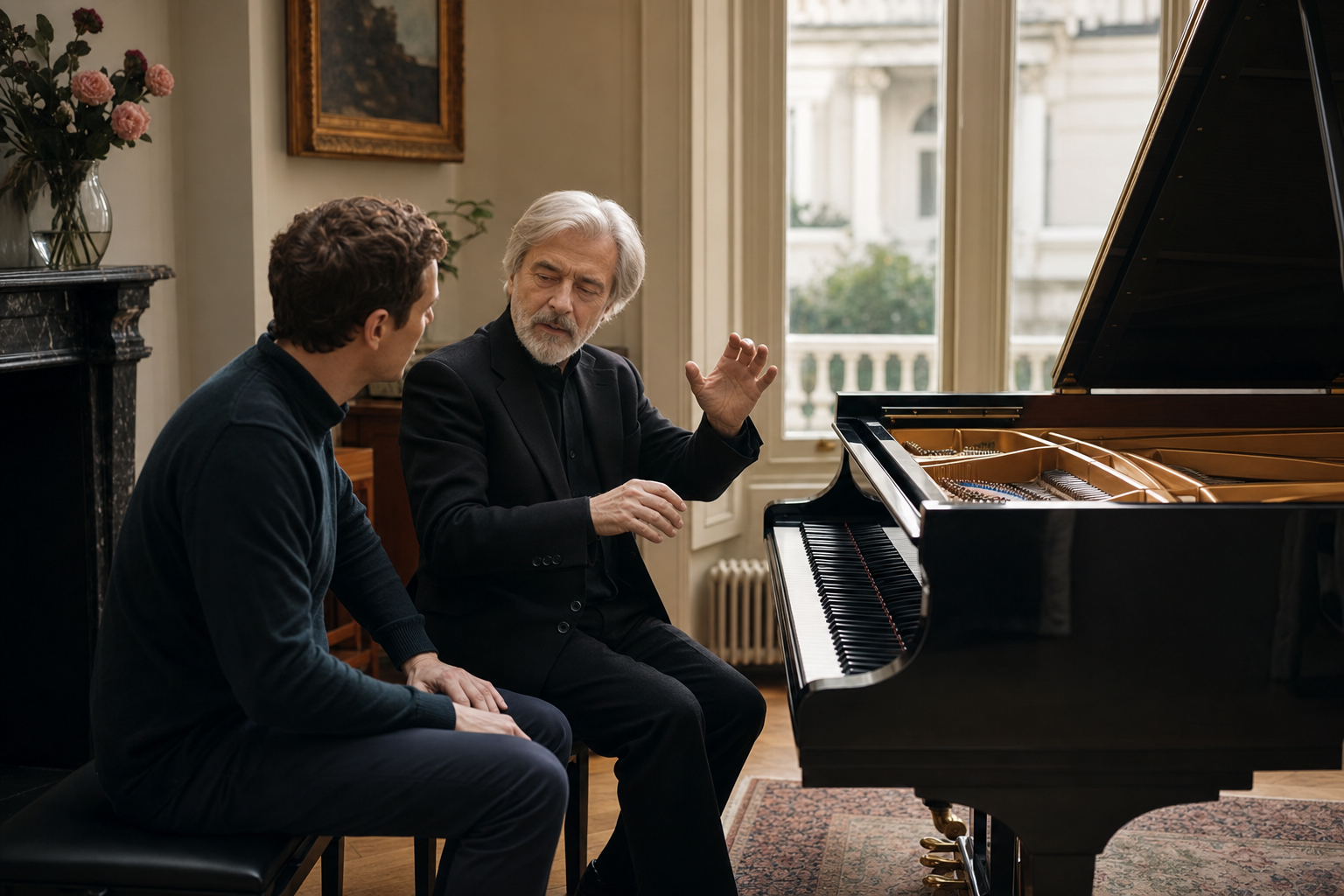
Zimerman’s legacy is not only a list of recordings. It is an attitude towards preparation. He reminds students that interpretation is not an opinion added after technique; it is technique organised by musical thought. Tone, balance, pedalling and timing become one discipline.
For adult pianists, this is encouraging. One does not need a concert career to practise more seriously. A Chopin nocturne, a Beethoven slow movement or a Debussy prelude can become a laboratory for listening. WKMT’s adult piano lessons in London are particularly suited to this kind of work: repertoire is studied as sound, structure and habit, not as a list of pieces to get through.
A productive Zimerman-inspired lesson might spend twenty minutes on four bars. That is not slow progress; it is the part of progress that later makes the whole piece easier. The student learns how much sound the left hand needs, whether the pedal changes with the harmony or the gesture, and how to prepare a melodic arrival without exaggerating it. These are the details that distinguish serious study from repetition.
The same approach helps returning adults who feel technically rusty. Instead of rebuilding confidence through speed, they can rebuild it through listening. A clear two-part invention, a Schubert phrase or a Chopin mazurka can become manageable when the task is narrowed: sing the top line, clarify the bass, release tension, then add colour. This is how concert listening becomes daily practice.
Study serious piano listening at WKMT
If Zimerman’s playing makes you want to refine voicing, pedal control and interpretation, WKMT can help you connect concert listening with practical piano study.
FAQ and conclusion
What is Krystian Zimerman best known for?
He is best known for his Chopin interpretations, exacting sound control, major concerto recordings and unusually selective concert career.
Which recording should a new listener start with?
The Chopin Ballades are a strong entry point because they show narrative, colour and architecture in one programme.
What can piano students learn from him?
Students can learn to treat tone, pedalling, voicing and silence as technical responsibilities rather than decorative extras.
Zimerman’s artistry is demanding because it leaves little room for passive listening. It asks the listener to hear how a phrase is built, why a colour changes, and what discipline sits behind beauty. For London pianists, that is the deeper invitation: attend concerts with sharper ears, then return to the keyboard with more exact questions.
Sources on Krystian Zimerman in London
- Deutsche Grammophon, Krystian Zimerman artist profile
- The Fryderyk Chopin Institute
- Praemium Imperiale, 2022 laureates
- London Symphony Orchestra, Beethoven piano concertos with Simon Rattle and Krystian Zimerman
- Southbank Centre official listings and venue information
- Barbican official listings and venue information