
 TRIAL LESSON
Pianists, Piano Lessons
Julius Katchen in London: Brahms, the Wigmore Hall and the Discipline of Serious Piano Listening
Jul
Julius Katchen in London Complete Guide
WKMT London · Pianists and interpretation
Julius Katchen in London: Brahms, the Wigmore Hall and the Discipline of Serious Piano Listening
How a formidable American pianist made London central to his recorded legacy, and what attentive listeners can still learn from his Brahms.
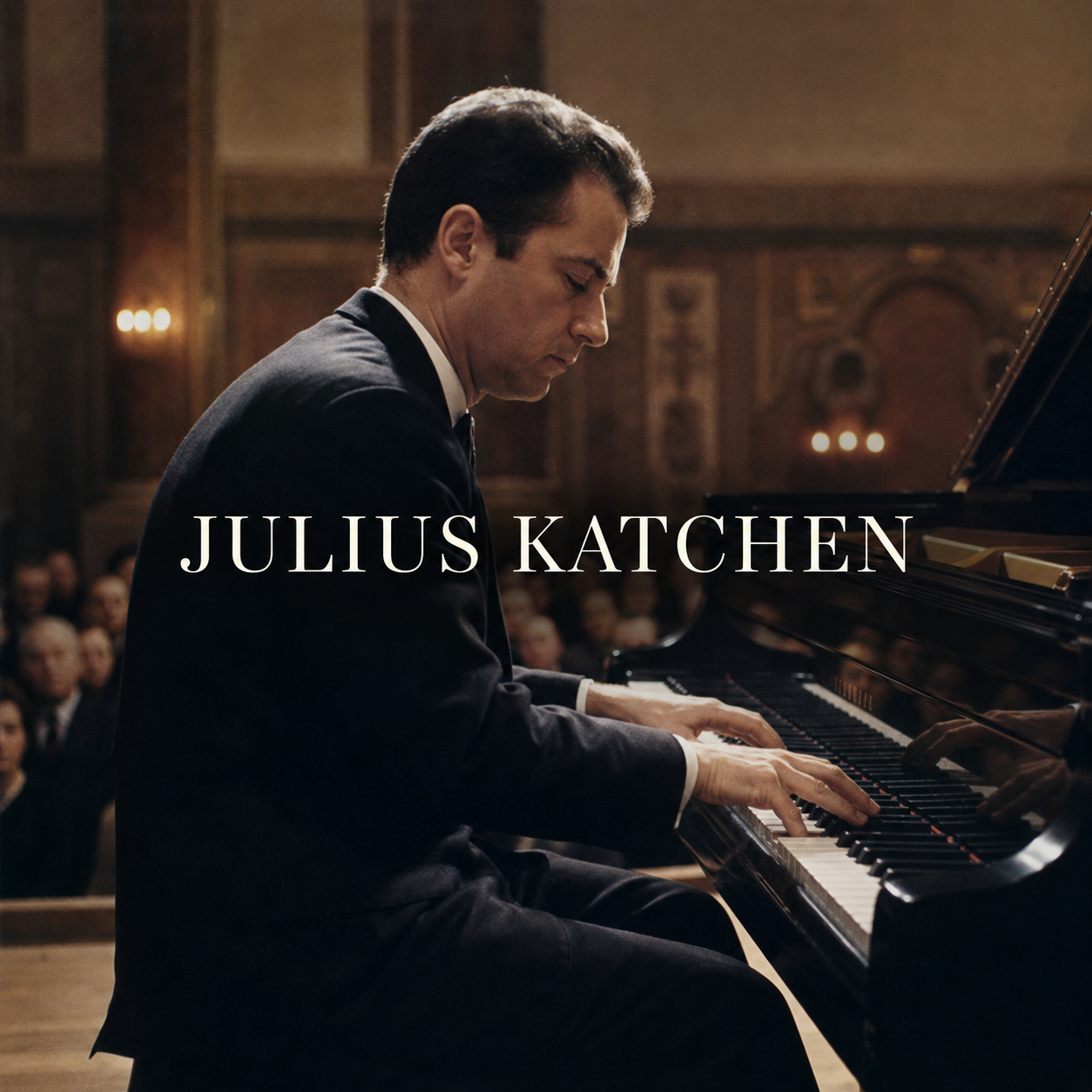
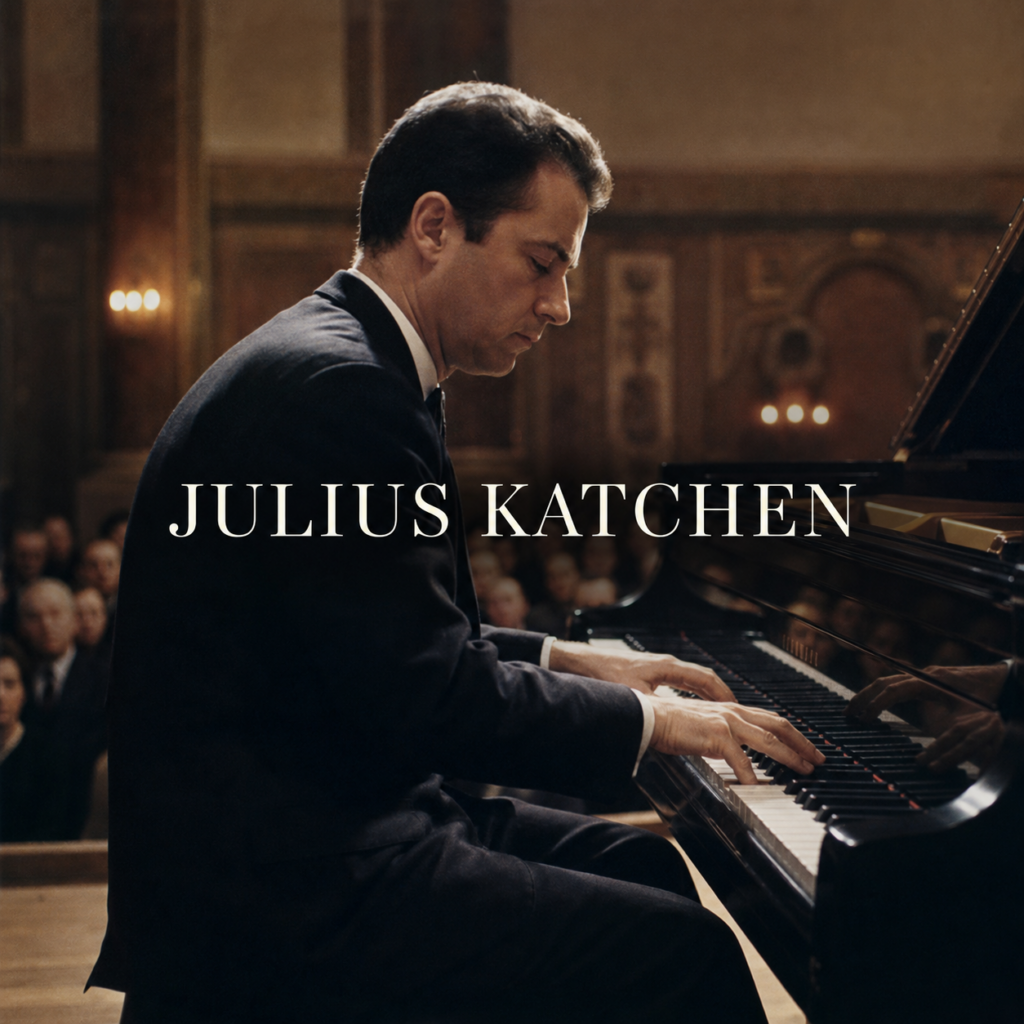
Julius Katchen occupies a singular place in twentieth-century piano culture. Born in New Jersey in 1926, educated as both a musician and a philosopher, and based in Paris after the Second World War, he became inseparable from Brahms in the public imagination. Yet London was more than a stop on his touring calendar. Decca’s West Hampstead studios were the workshop in which much of his recorded identity was formed, from the first Handel Variations session in 1949 to the mature stereo cycle of Brahms’s solo piano works.
For London listeners, that history offers a useful way into his art. Katchen can sound massive, urgent and almost orchestral, but sheer weight is only the surface. Beneath it lie sharply voiced inner parts, elastic breathing and an unusually clear sense of where a long movement is going. This guide places the documented record first, then turns it into practical listening: what to notice, how to compare interpretations, and why his example remains valuable within London’s culture of classical piano study.
Julius Katchen: quick facts and the London connection
Decca Eloquence’s centenary collection, announced for August 2026, gathers Katchen’s Brahms recordings across seventeen CDs. Its documentation identifies his April 1949 Handel Variations session at West Hampstead and the later stereo solo cycle made between 1961 and 1965. The larger Complete Decca Recordings edition extends to thirty-five CDs, evidence of a partnership far broader than one composer.
From prodigy to independent musical mind
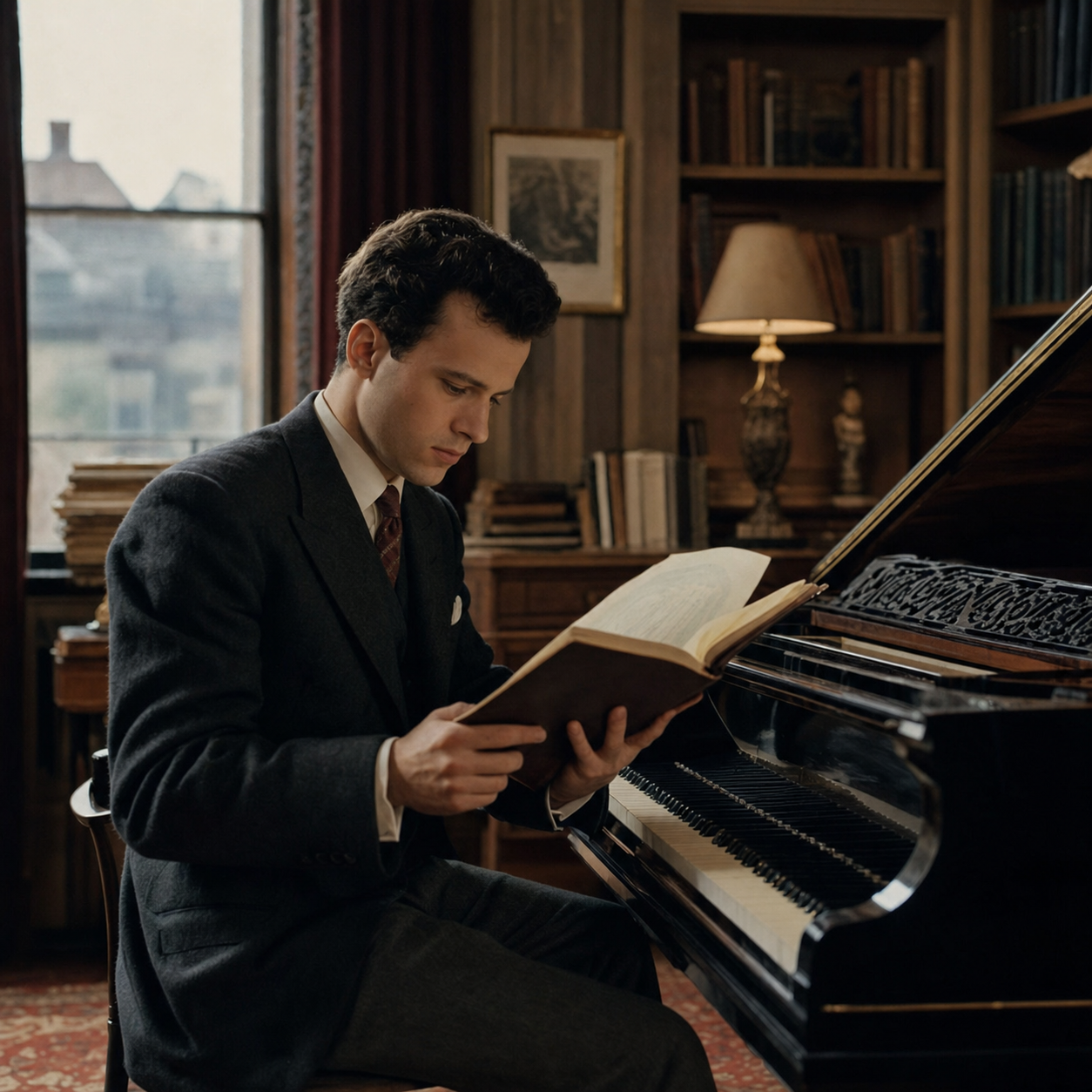
Katchen first studied with his maternal grandparents, Mandell and Rosalie Svet, and appeared publicly as a child. Decca’s account recalls his Mozart D minor Concerto debut at ten and Eugene Ormandy’s subsequent invitation to perform with the Philadelphia Orchestra. What followed was unusual for a prodigy: rather than moving directly into relentless touring, he completed a liberal-arts education at Haverford College before establishing himself in Europe.
That intellectual independence matters when hearing him. Katchen’s playing is rarely neutral. He makes strong decisions about pulse, balance and climax, yet the decisions tend to emerge from the score’s structure rather than from decorative personality. His philosophy background should not be turned into a convenient explanation for every interpretation, but it helps us resist the caricature of a pianist driven by fingers alone.
After moving to Paris, he developed an international career as soloist and chamber musician. His collaborators included violinist Josef Suk, cellist János Starker and clarinettist Thea King. The surviving recordings reveal a pianist who could project against an orchestra yet also adjust quickly to a partner’s consonants, breaths and changes of colour. That chamber instinct is one reason the large sonorities in his solo Brahms remain articulate.
“Power is only musically persuasive when the listener can still hear direction, hierarchy and breath.”
London as recording room, not merely backdrop
The most securely documented London story is in the recording ledger. Decca’s West Hampstead studios became a recurring site for Katchen’s work, and current catalogue data identifies sessions there for the Handel Variations, the Op. 79 Rhapsodies, the Op. 10 Ballades and the Third Sonata. The King’s College London CHARM discography preserves further session-level evidence from Decca’s classical archive.
This changes the way we understand “Katchen in London”. Concert appearances matter, but the city’s durable contribution lies in the microphones, producers and repeated returns to the studio. In a recital, an interpretation exists once. A recording cycle forces the pianist to confront repertoire across years, to revisit earlier answers and to leave a coherent account that later listeners can test movement by movement.
The studio chronology also guards against a common listening mistake: treating an artist’s style as fixed. Katchen returned to the Handel Variations three times across thirteen years. The earlier account captures the velocity and appetite of a young virtuoso; later readings place that energy within a more differentiated tonal design. Hearing those versions consecutively is like watching a musical argument acquire punctuation. The notes remain Brahms’s, but the pianist’s understanding of tension, release and scale becomes more discriminating.
London’s broader listening culture provides the natural setting for that exercise. A hall such as Wigmore rewards proportion and detail rather than empty volume, while recording sessions expose uneven voicing mercilessly. Readers interested in that culture can explore WKMT’s account of András Schiff at Wigmore Hall and its wider reflection on the importance of listening.
The Brahms interpreter: weight, pulse and inner voices
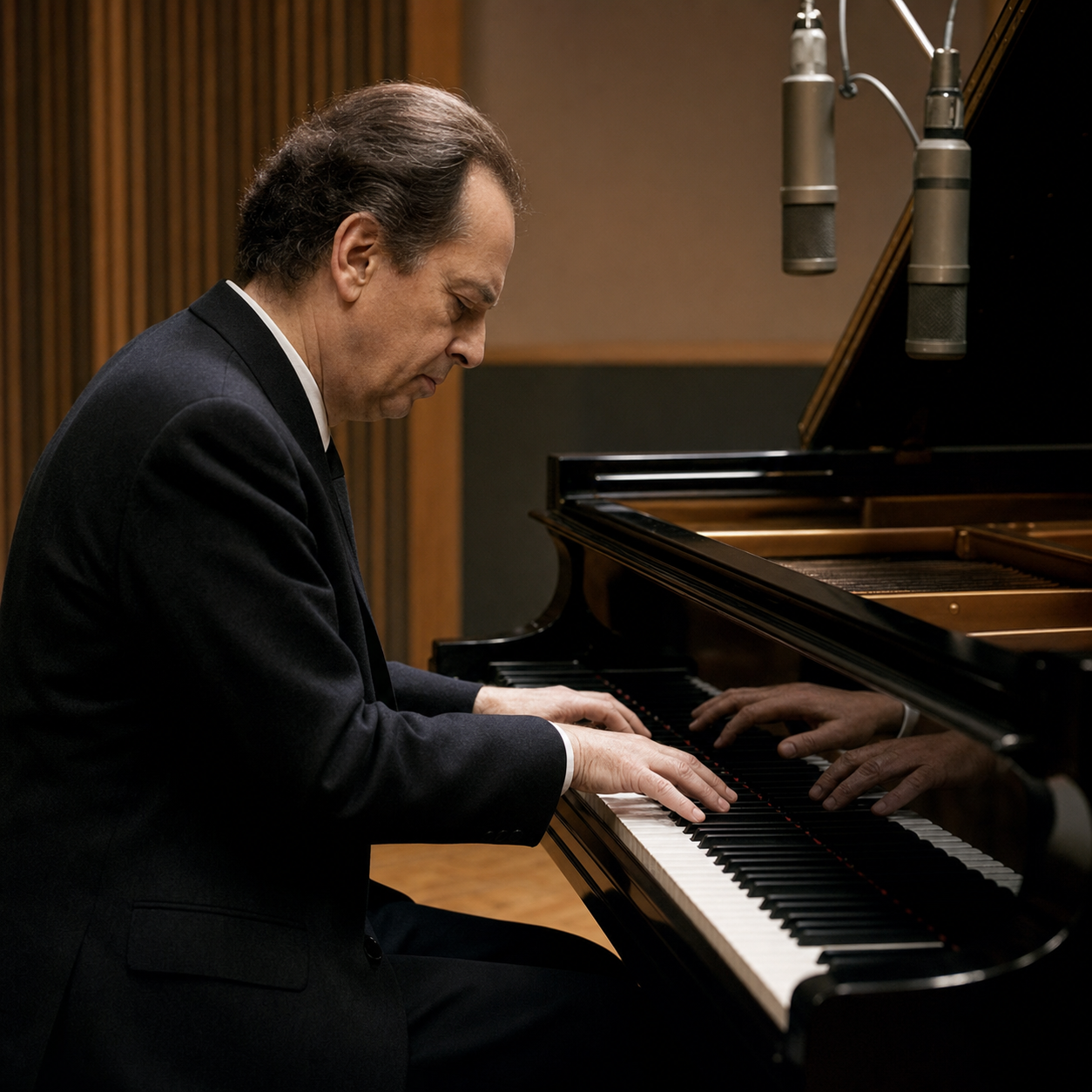
Gramophone describes Katchen as a pianist of assured, big playing and daring Brahms recordings. Decca Eloquence is more specific: the F minor Sonata helped launch his international recording career, while the mature cycle covered the complete solo works. The scale of the project is important because Brahms asks for radically different modes of attention, from the public rhetoric of a sonata or variations set to the intimate compression of late intermezzi.
Katchen’s first strength is pulse. He can bend a phrase without allowing the underlying metre to dissolve. His second is voicing. In thick textures, important notes do not simply become louder; they acquire colour and placement. His third is architecture. Climaxes arrive as consequences of earlier harmonic pressure, not as isolated demonstrations of sonority.
| Repertoire | First listening focus | Question to ask |
|---|---|---|
| Handel Variations, Op. 24 | Rhythmic character | How does each variation retain the theme’s skeleton? |
| Ballades, Op. 10 | Narrative pacing | Where does the music turn from statement to memory? |
| Third Sonata, Op. 5 | Long-range proportion | Can you hear the five movements as one argument? |
| Late pieces, Opp. 116–119 | Inner-voice colour | Which quiet line changes the harmony’s emotional temperature? |
For pianists, these are interpretive questions before they are technical ones. A student may possess the notes of the first Ballade yet still flatten its narrative by giving every return the same colour. Katchen demonstrates that repetition is dramatic memory. WKMT’s discussion of Brahms’s Ballade Op. 10 No. 1 offers a close companion to this listening approach.
A five-pass Julius Katchen listening method
- Contour: follow only the main line and notice where it breathes.
- Foundation: listen again for bass direction and harmonic arrival.
- Interior: identify one inner voice that changes the phrase’s colour.
- Time: mark where Katchen presses forward, holds back or restores the pulse.
- Architecture: hear the entire movement once more without stopping and name its decisive turning point.
This method is deliberately simple. It prevents admiration from remaining vague and turns a recording into an active lesson. Advanced amateurs often try to hear everything at once, then conclude that interpretation is mysterious. A narrower task reveals how musical effects are built. The same approach transfers naturally to one’s own practice: record a passage, choose one listening focus, and resist correcting anything else until that question has been answered.
It also makes comparison fairer. Instead of saying that one pianist is warmer and another more rigorous, compare the same transition or return. Where does the bass change direction? Which voice receives the longest line? How quickly does the tempo recover after an expressive hesitation? These questions produce evidence rather than slogans. Katchen’s decisiveness makes him especially valuable for this work because his choices are audible without being crude.
Chamber music, the complete Decca picture and cultural afterlife
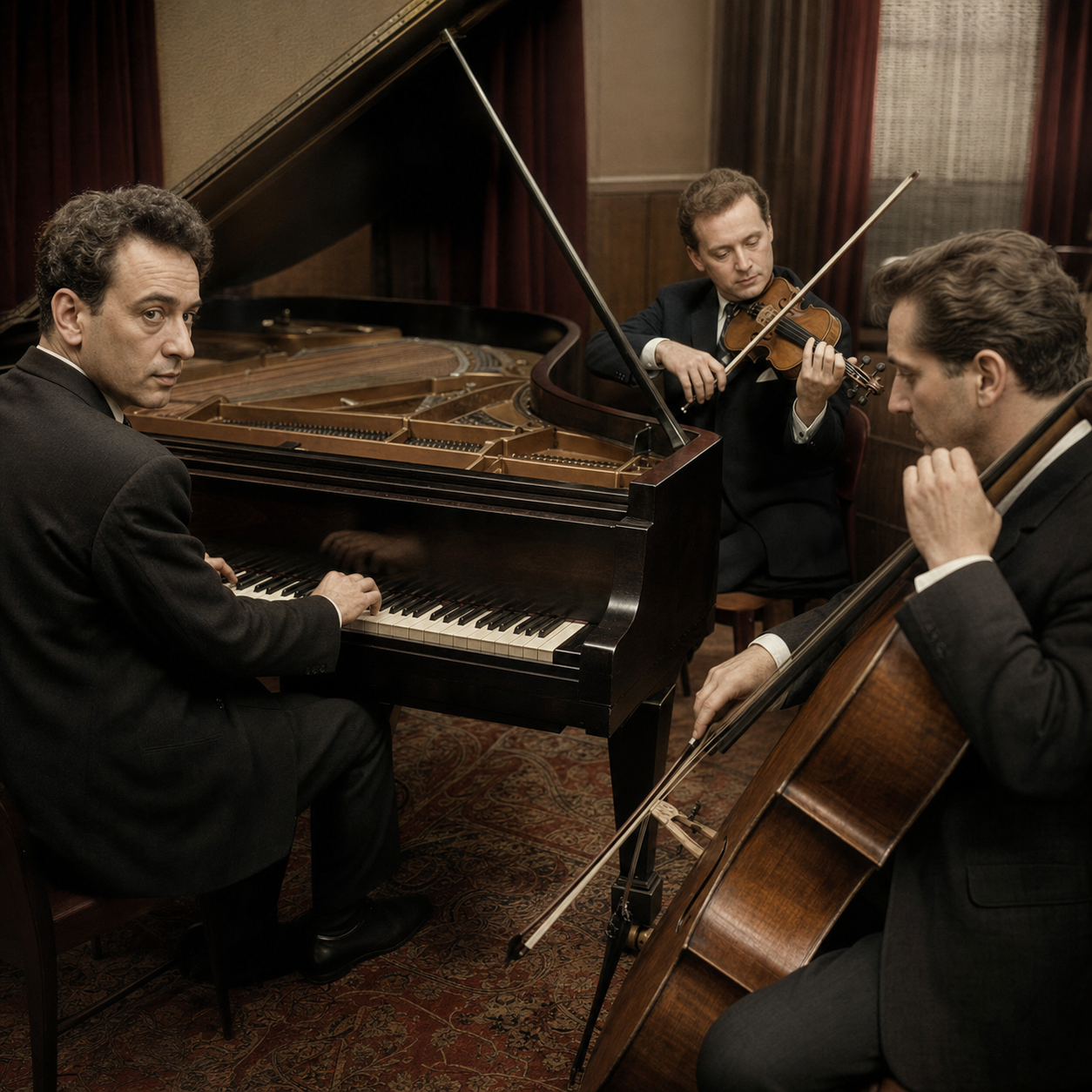
The centenary Brahms edition widens the portrait beyond solo repertoire. It includes concerto performances and chamber collaborations, among them the violin sonatas with Josef Suk, cello sonatas with János Starker and clarinet sonatas with Thea King. Some previously unissued material allows listeners to compare different partners and stages of Katchen’s development. This is not supplementary evidence. It shows how his rhythmic command operates in dialogue.
The wider Decca box also contains Gershwin, Prokofiev, Grieg, Schumann and Ravel, reminding us that “Brahms specialist” is a useful label only until it becomes a cage. His range helps explain the vividness of his Brahms: there is virtuoso attack, French colour, concerto projection and chamber flexibility within the same musical personality.
Katchen also collected Japanese netsuke, a fact often repeated because the collection later became notable at auction. It is tempting to turn this into a metaphor for miniature detail, but that would claim too much. Better to see it as evidence of a life attentive to craft beyond the piano. His cultural afterlife now rests chiefly in recordings, remastering projects and the renewed attention around the centenary of his birth on 15 August 2026.
Turn listening into musicianship
Katchen’s recordings reward the same habits that sustain serious piano study: patient attention, structural thinking and the courage to make a phrase speak.
Where to begin
Start with the Handel Variations, then move to the Op. 10 Ballades and the Third Sonata. These works reveal Katchen at three scales: concentrated variation, poetic sequence and monumental architecture. Add one chamber recording to hear how rapidly he adjusts to another musician’s line. Current editions and streaming availability vary by territory, so consult the official Decca and Eloquence catalogue pages before choosing a release (last checked 23 July 2026).
Julius Katchen’s London legacy is therefore both physical and intellectual. It lives in recordings made in West Hampstead, in performances preserved by the catalogue, and in the discipline he asks of anyone who listens closely. The big sound is memorable. The deeper lesson is the organisation within it.
Sources on Julius Katchen in London
- Decca Classics, Julius Katchen: Complete Decca Recordings.
- Decca Eloquence, Julius Katchen: The Brahms Recordings.
- Gramophone, “Icon: Julius Katchen”.
- King’s College London CHARM, Decca classical discography.
- Presto Music, Brahms Masterworks Volume 4 session and edition data.
- Larousse, Julius Katchen biographical entry.