
 TRIAL LESSON
Piano Lessons
Executive Function: What Adults Train When They Practise Piano
Sep
WKMT London adult learner guide
Executive Function: What Adults Train When They Practise Piano
Executive function is not an abstract brain phrase when an adult sits at the piano after work. It appears in the decision to slow down, isolate a bar, resist repeating a mistake and remember what the ear has just discovered.
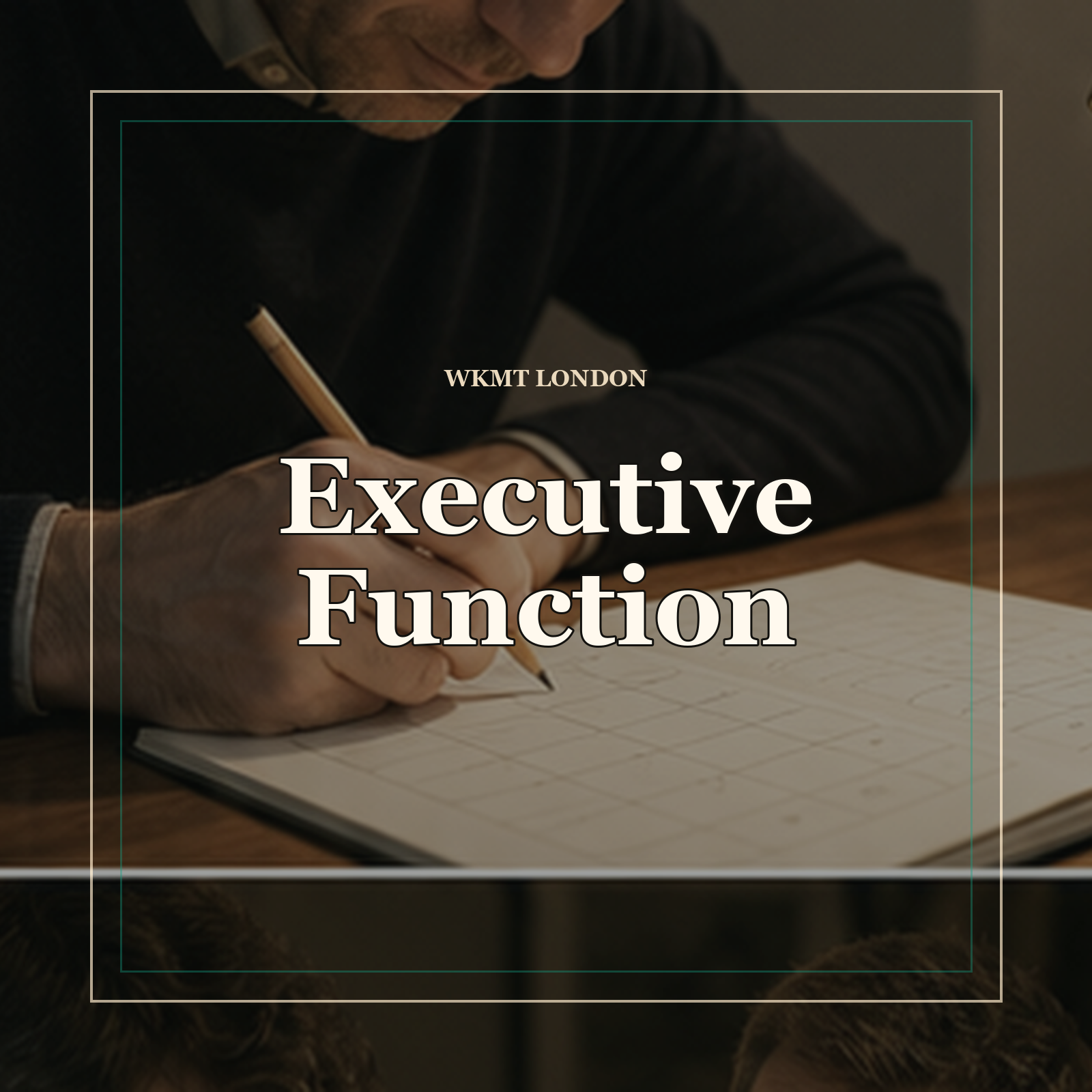
Many adults think the main problem is lack of talent. More often, the issue is practice design. They play too much material, too fast, with no clear test of success. The result is effort without enough information.
In adult piano lessons at WKMT London, executive function becomes practical: choose the target, hold it in mind, inhibit the old habit, listen to the result and adjust the next attempt.
How executive function appears in adult piano practice
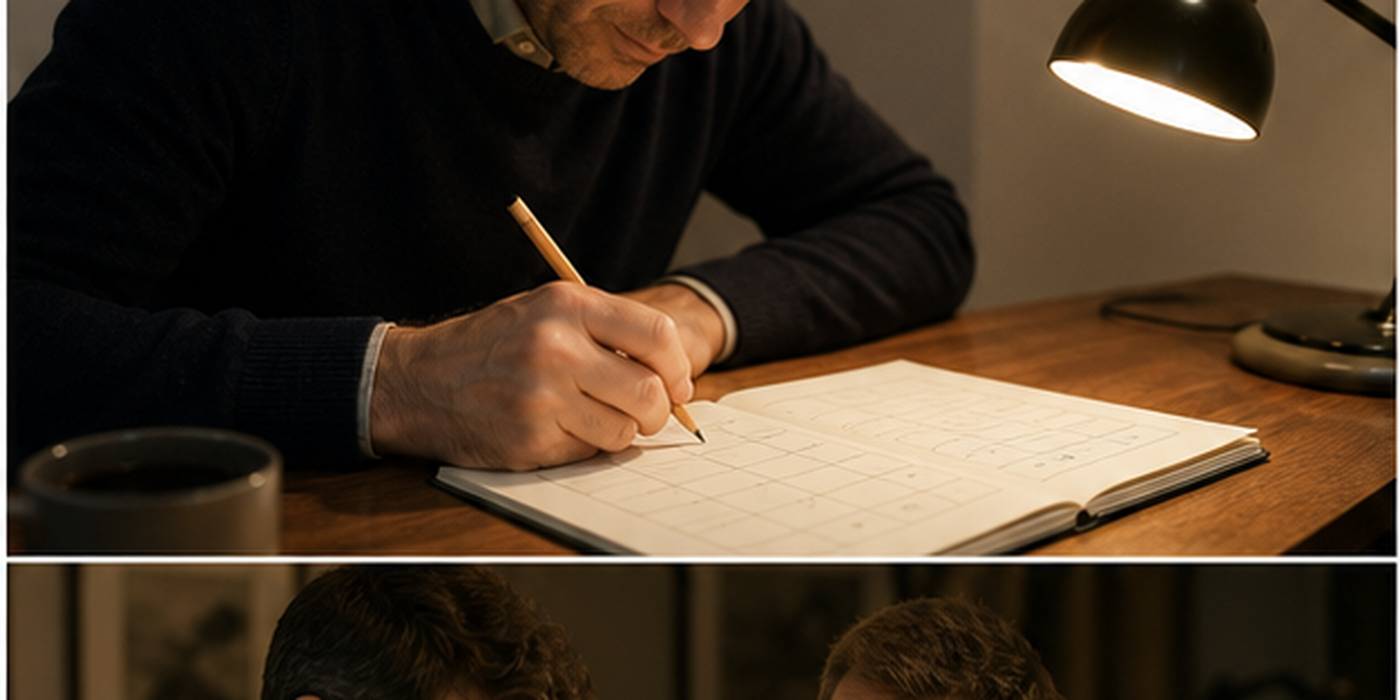
At the piano, executive function is audible. A learner who can plan a small task, keep it active and change strategy after listening is practising more than notes. They are learning how to supervise attention under musical pressure.
Plan
Define the bar, tempo and listening target before playing.
Hold
Keep the goal active while the hands are moving.
Inhibit
Stop the automatic mistake before it repeats.
Shift
Try a new route when the first strategy fails.
The strongest research language is cautious. Studies and reviews link musical training with executive-function processes, but the evidence varies by age, design and outcome. That caution is useful: it keeps the article honest and the lesson focused on what can actually be taught.
Four adult practice tasks that use executive function
1. One-bar diagnosis
Choose the exact bar that fails and name the cause: fingering, rhythm, leap, harmony or tension.
2. Tempo inhibition
Play slowly enough that the old error cannot hide inside speed.
3. Memory check
Look away and describe the harmonic or melodic shape before playing again.
4. Strategy shift
If three attempts fail, change the method: clap, sing, block chords or separate hands.
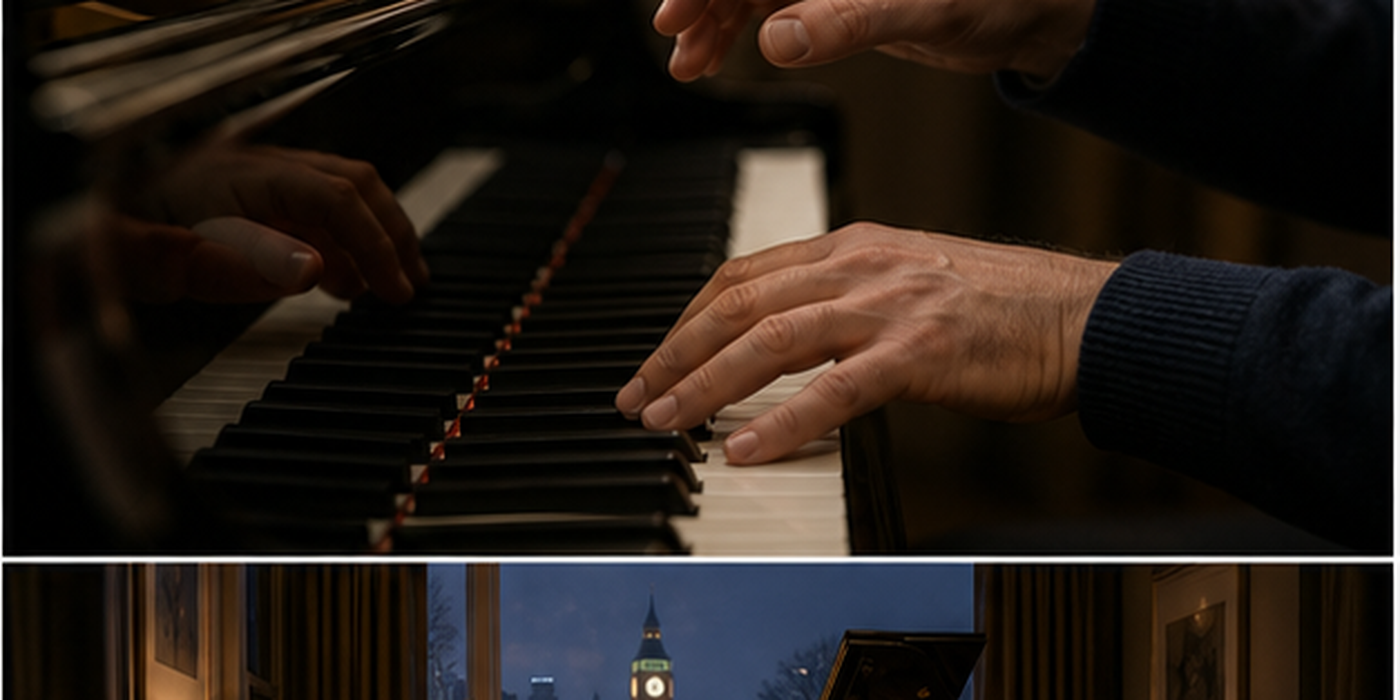
The adult advantage is not having more time; it is the ability to understand why a method works.
What adult learners should notice
Look for cleaner decisions. Can you stop before the mistake? Can you explain what changed between two attempts? Can you leave a passage slightly better without exhausting the whole evening? These are signs of intelligent practice.
A lesson should help you practise more lucidly at home. The teacher is not simply correcting notes; they are modelling a way of thinking that you can reproduce when nobody is beside you.
Selected video
Educational video introducing executive function skills in a clear, non-clinical way. Embedded from YouTube for educational commentary; rights remain with Understood and the publishing channel / YouTube.
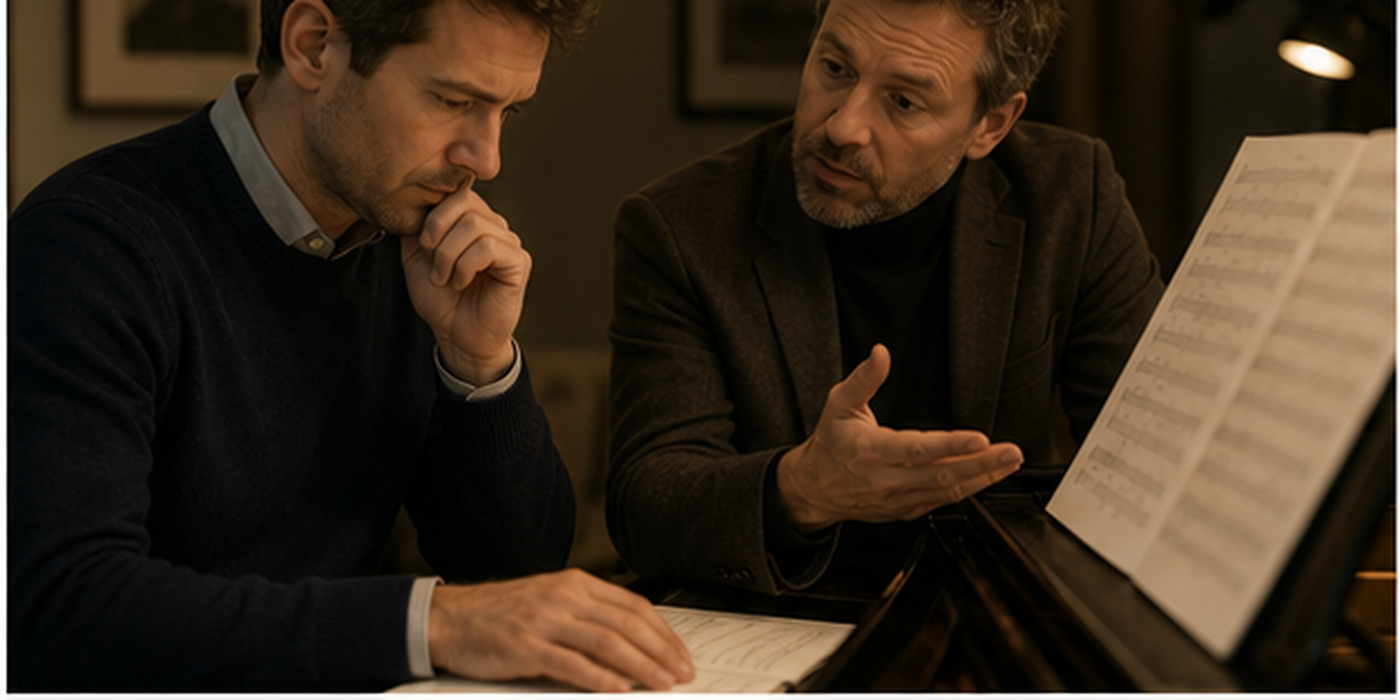
Executive function without self-punishment
Adult learners can be severe with themselves. Executive function should not become another reason to criticise. Its musical value is practical: it helps you choose a smaller task, listen more accurately and return tomorrow with a clearer route.
Readers can also compare WKMT guides on music and concentration and music and memory, where similar learning habits are explored from different musical angles.
WKMT London
Develop focused, serious and realistic piano practice through individual adult lessons at WKMT London.
Sources
- Frontiers in Psychology: music training and executive function
- Frontiers in Neuroscience: rationale for music training and executive function
- Open Book Publishers: executive functioning and self-regulation
- Association for Psychological Science: musical experience and executive function
Sources last checked 1 September 2026.