
 TRIAL LESSON
Pianists, Piano Lessons
Evgeny Kissin in London: Clarity, Poetry and the Art of Serious Piano Listening
Jul
Evgeny Kissin
WKMT London piano culture
Evgeny Kissin in London: Clarity, Poetry and the Art of Serious Piano Listening
A listening guide to Evgeny Kissin, his London recital presence, and the disciplined musical attention his playing can teach serious piano students.
Quick overview
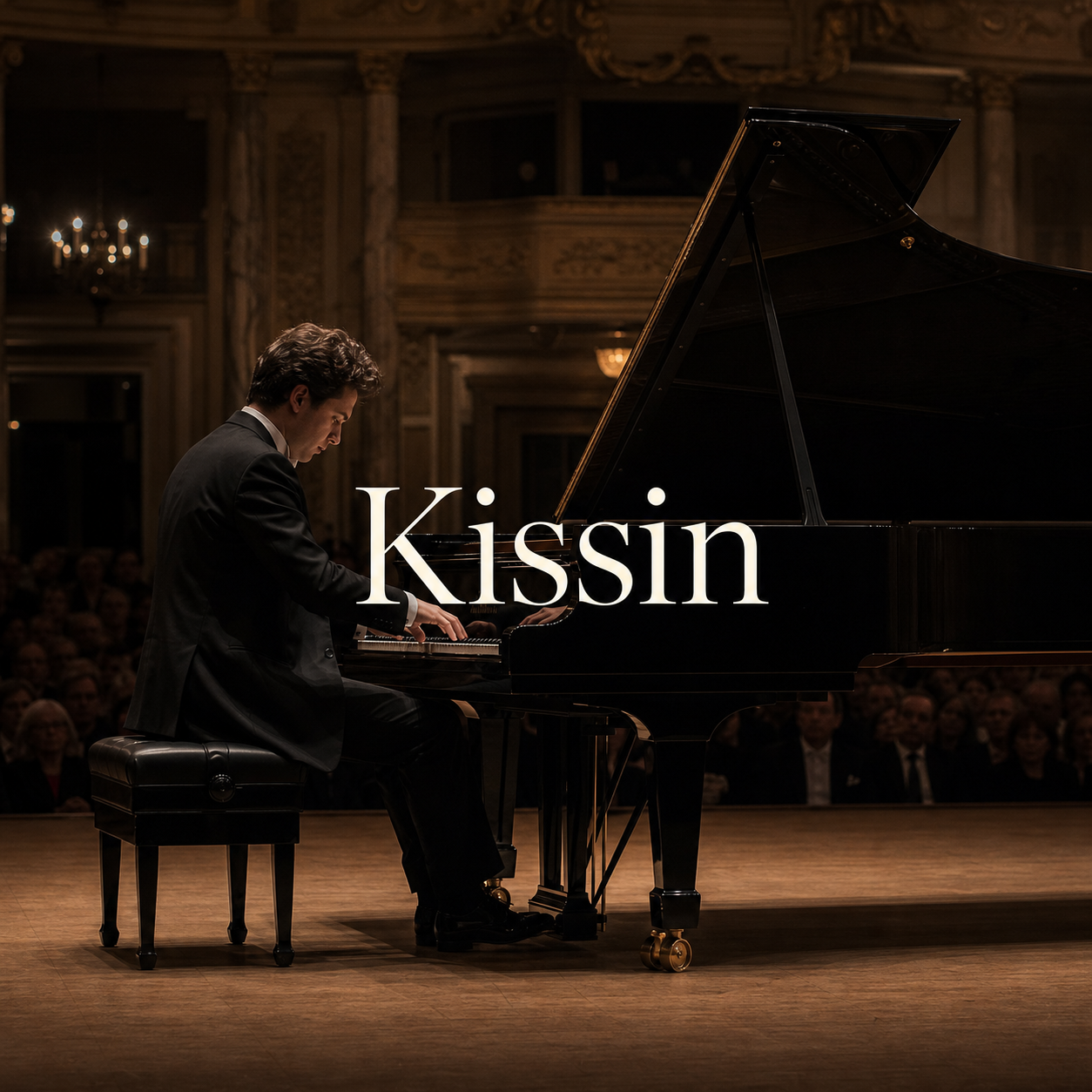
Evgeny Kissin is one of the most recognisable pianists of the modern concert stage: Moscow-born, internationally formed, and closely associated with Romantic repertoire, Russian piano-school intensity and a rare seriousness of tone.
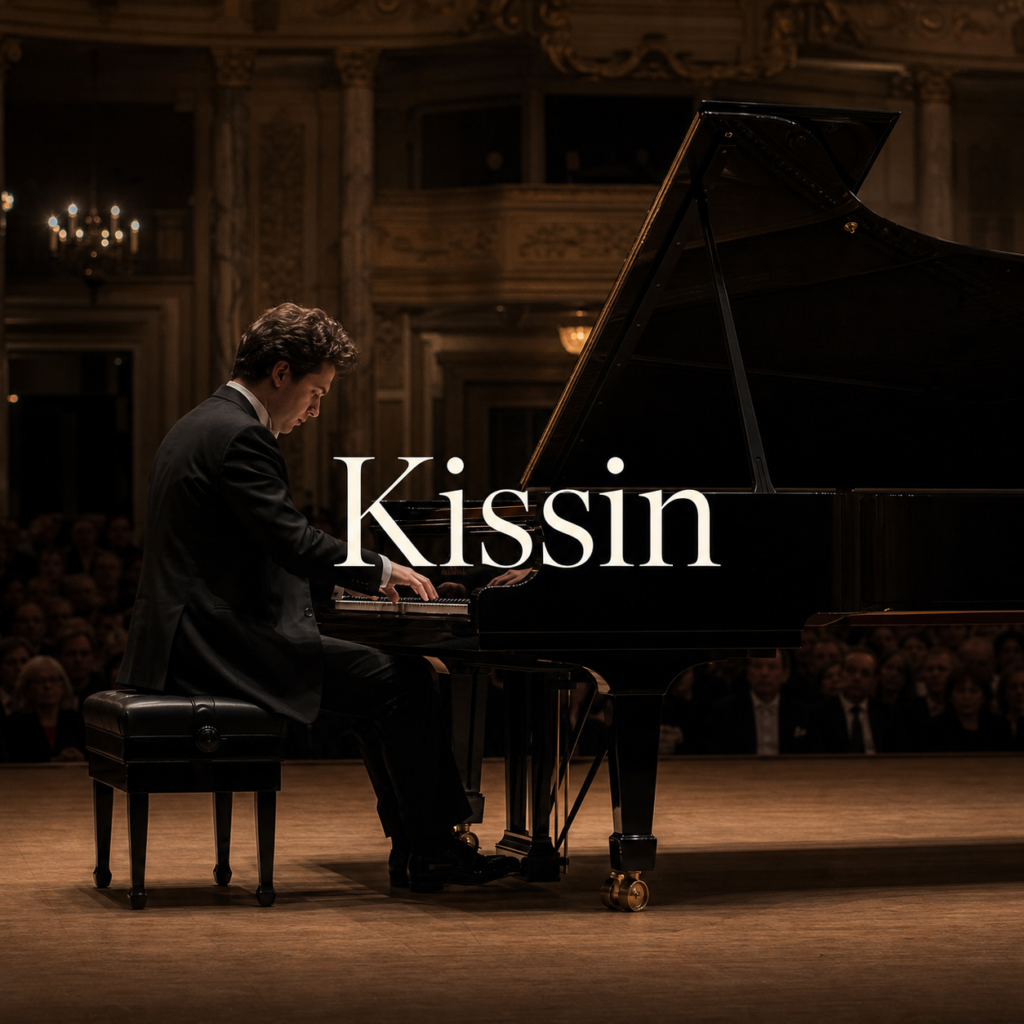
For London listeners, his name carries a particular charge. He first appeared at the BBC Proms in 1990 and, in 1997, became the first pianist invited to give a solo recital at the Proms. That recital is still discussed because it showed what a single pianist could do with a vast public space: hold attention through phrasing, touch and inward momentum rather than theatrical display.
At a glance
10 October 1971, Moscow.
Anna Pavlovna Kantor at the Gnessin School.
Chopin, Schumann, Liszt, Brahms, Rachmaninoff, Beethoven and Schubert.
BBC Proms history, Barbican recitals and Southbank orchestral culture.
A biography shaped by one musical line
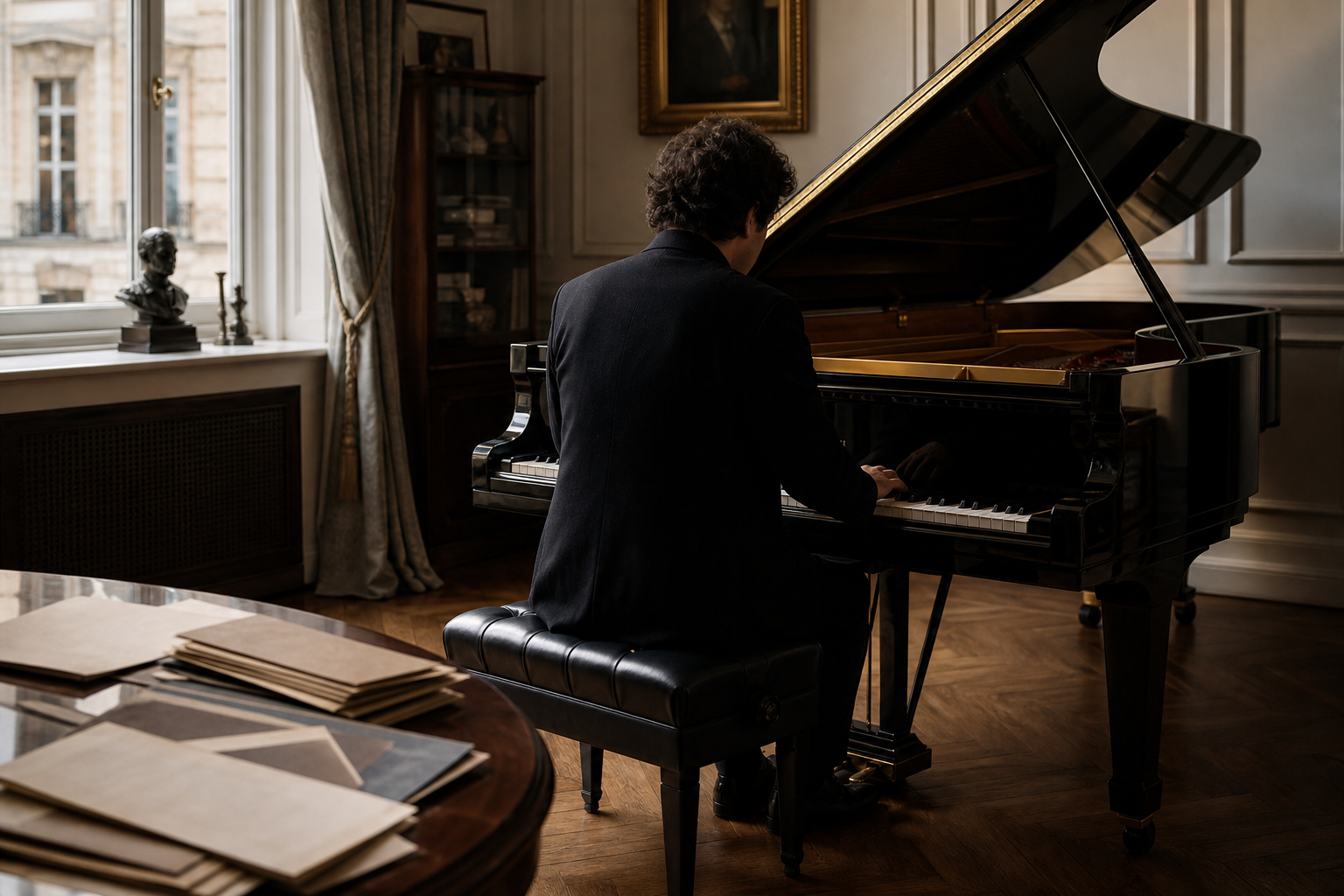
Kissin’s official biography records a childhood that reads almost implausibly direct: he began playing by ear and improvising at the age of two, entered Moscow’s Gnessin School at six, and remained under the guidance of Anna Pavlovna Kantor, his only teacher. At ten he played Mozart’s Piano Concerto in D minor, K. 466; one year later he gave his first solo recital in Moscow.
His public breakthrough came before adulthood. The early Chopin concerto recordings with Dmitri Kitayenko and the Moscow Philharmonic established him as a child prodigy, but the more durable story is not precocity. It is continuity. Kissin’s playing often feels as though the same musical line has been guarded for decades: a tone that can blaze without hardening, a rhythmic profile that can stretch without losing its spine, and a refusal to make lyrical music sentimental.
Teacher’s Note
For students, Kissin’s biography is a reminder that talent is only the visible part of musical formation. The deeper lesson is long continuity: one teacher, one disciplined ear, and years of refining the same essentials.
What to listen for in Kissin’s playing
The obvious surface is virtuosity. It would be a mistake to stop there. In Kissin, speed is rarely the central point; clarity is. Fast passagework is most convincing when it exposes harmony, direction and inner pressure. His Chopin can sound brilliant, but the effect depends on the weight of a bass note, the patience before a cadence, and the refusal to let decorative figuration become vague.
In Schumann and Liszt, listen to how he changes character without breaking the architecture. A phrase may become volatile, then suddenly still. In Rachmaninoff, he can thicken the sonority without drowning the melody. In Beethoven, the interest often lies in proportion: how strongly a transition must move, how long a silence can be trusted, and how the return of a theme should feel earned rather than announced.
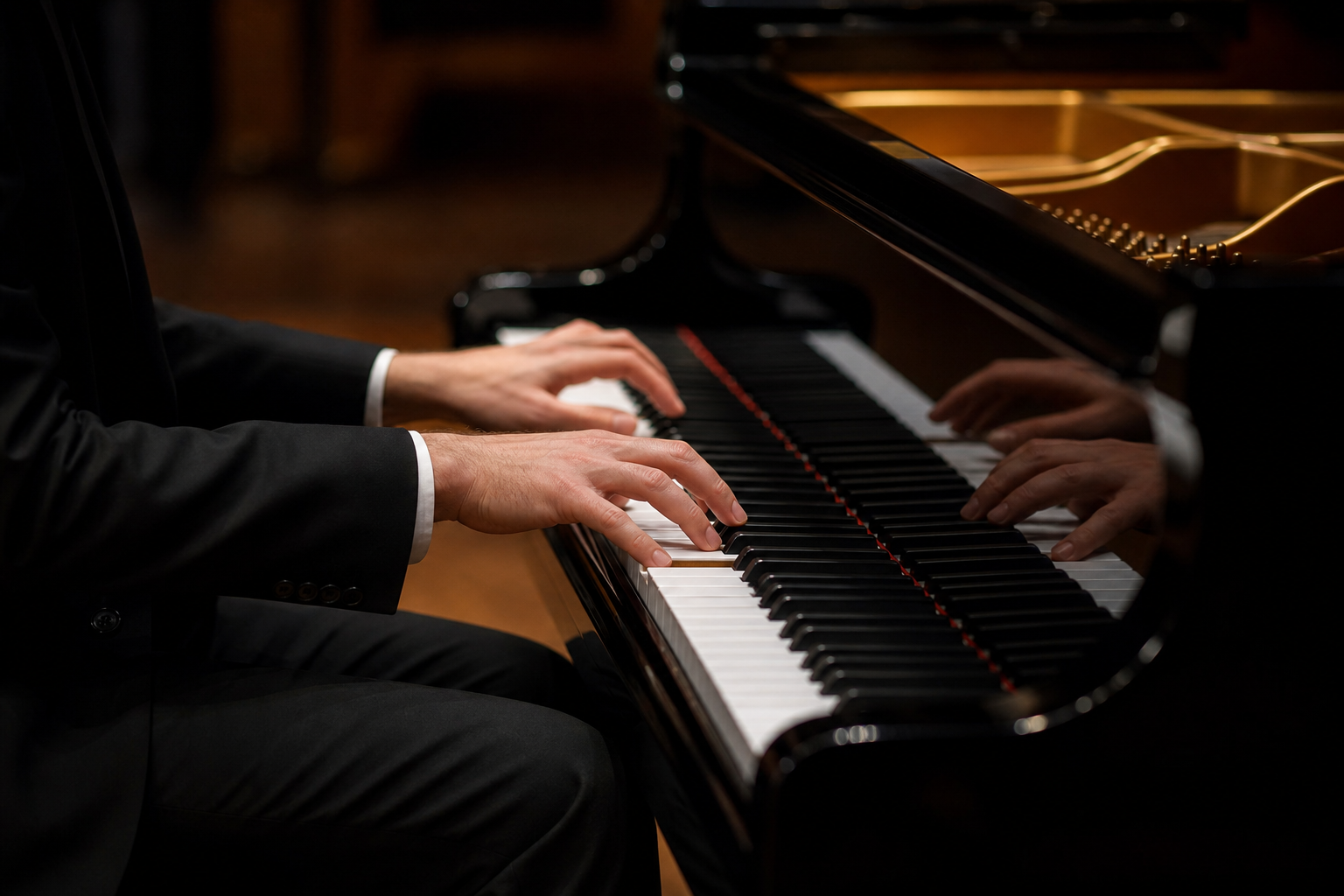
The strongest pianists do not merely play louder, faster or softer. They make the listener understand why the next sound must happen.
Kissin in London: the recital as a listening discipline
Kissin’s London story belongs to the city’s large public recital tradition: the Royal Albert Hall, Barbican, Southbank Centre and the wider culture of serious piano audiences. His 1997 Proms solo recital remains the symbolic moment because it made the piano recital a major public event within a festival built for orchestral scale. Medici’s programme note for the filmed recital describes the concert as a Proms first and notes the exceptional size of the audience.
Recent London programming keeps that association alive. The Barbican listed an Evgeny Kissin recital for 31 March 2026, with Beethoven, Chopin, Schumann and Liszt, confirming the continuity of his Romantic and classical-recital profile. A planned 2025 Philharmonia appearance at Royal Festival Hall was later replaced after he withdrew for health reasons, a useful reminder that live musical culture is fragile: dates, artists and programmes must always be checked from the venue or orchestra before travel.
Large-scale public listening; projection and silence matter.
Focused recital programming and a clear modern concert acoustic.
Orchestral London context, where pianist and ensemble balance become central.
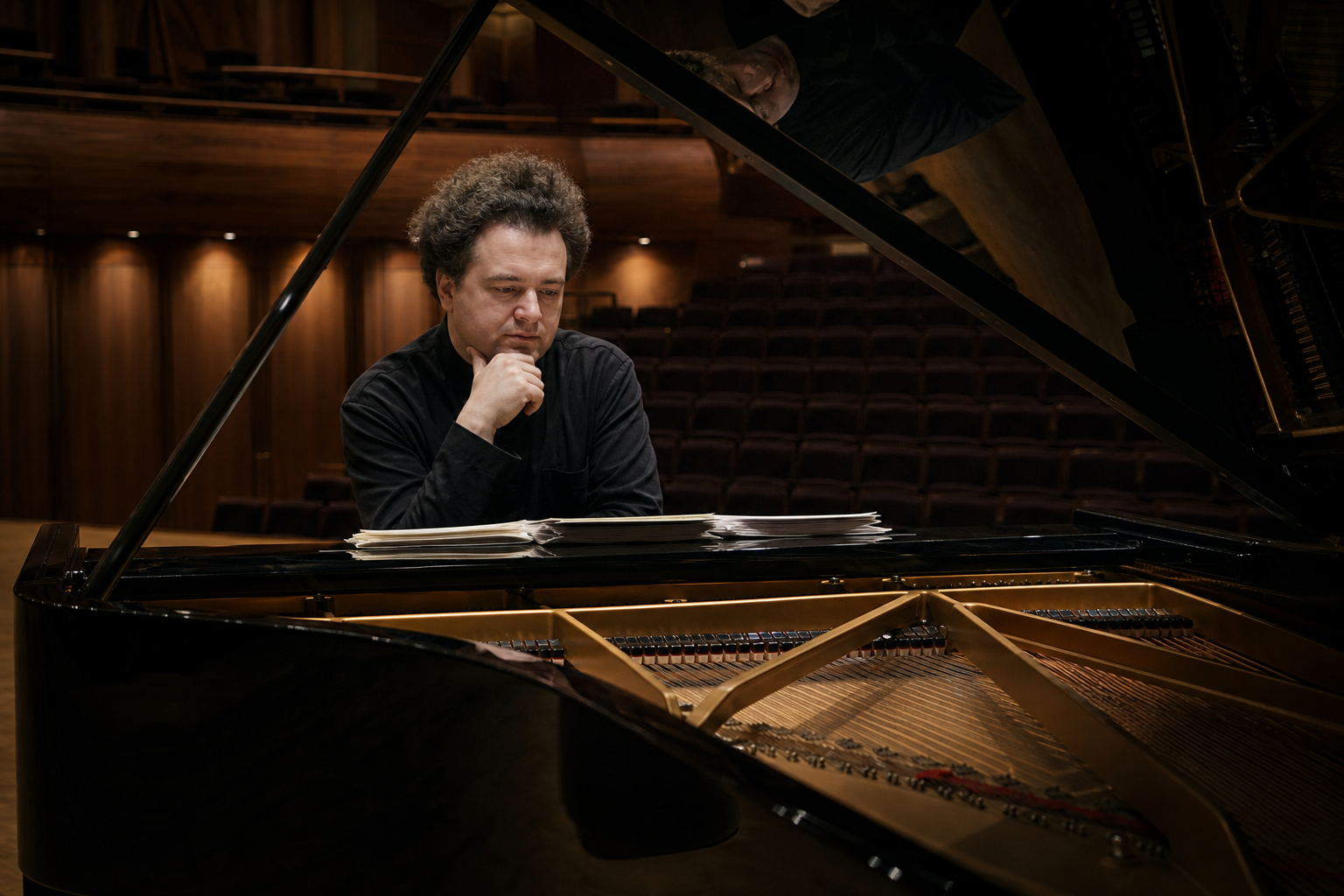
A serious listener’s guide
Begin with Chopin. In a ballade or nocturne, do not listen first for beauty. Listen for grammar: which note leans, which note releases, where the left hand quietly changes the emotional temperature. Kissin’s most persuasive Chopin performances make virtuosity feel governed by speech.
Move next to Schumann. The listener should notice contrast without caricature. Florestan-like urgency and Eusebius-like inwardness need different weights, but they must still belong to the same imagination. Then listen to Liszt for control of scale. The danger in Liszt is theatre without substance; the achievement is when brilliance grows from harmonic purpose.
Finally, listen to Beethoven and Rachmaninoff for structure. In Beethoven, ask whether the rhythm is carrying the argument. In Rachmaninoff, ask whether the melody remains audible through the density. Adult students benefit from this order of listening because it turns admiration into a practical ear: line, balance, rhythm, colour, silence.
Practice Insight
After hearing a Kissin recording, choose eight bars from your own repertoire and mark only three things: the main line, the bass arrival, and the silence before the phrase resolves. Practise those before adding more detail.
Recordings compared
| Listening focus | What it reveals | Student takeaway |
|---|---|---|
| Chopin concerto and recital playing | Long line, youthful fire, brilliance held inside form. | Speed must clarify direction. |
| Schumann and Liszt | Character changes, colour and risk without loss of structure. | Contrast needs a shared pulse. |
| Beethoven | Weight, transition, silence and formal argument. | Do not decorate the structure; reveal it. |
What Kissin teaches adult piano students
For adult learners, Kissin’s example is not a demand to imitate scale or intensity. It is an invitation to listen more honestly. Many adults practise notes before they practise hierarchy. They ask whether a passage is correct, but not whether the melody is leading, the left hand is proportionate, or the silence has meaning.
This is where classical piano study in London benefits from a cultivated listening culture. A teacher can help the student hear where a phrase begins to sag, where pedal masks unclear voicing, or where a climax arrives too early. For returning players, adult piano lessons at WKMT can turn this kind of listening into weekly practice rather than occasional inspiration.
Study serious listening with WKMT
WKMT’s London teachers work with tone, score literacy, phrasing and recital awareness as part of practical piano study.
Further London listening
Readers who enjoy this kind of artist-led listening can deepen the habit through WKMT’s music events in London, our classical concerts in London, and the WKMT London piano masterclasses. The aim is the same: to hear better, practise more intelligently, and bring a higher standard of attention back to the instrument.
Sources
- Evgeny Kissin official biography: kissin.org/biography
- Evgeny Kissin official concerts: kissin.org/concerts
- Barbican, Evgeny Kissin in Recital, 31 March 2026: barbican.org.uk
- Medici, Evgeny Kissin at the BBC Proms, London: medici.tv
- LA Phil artist biography for London/Proms and Carnegie context: laphil.com
- Philharmonia concert update, 2025 replacement notice: philharmonia.co.uk
- The Guardian review of Kissin in Shostakovich chamber music: theguardian.com