
 TRIAL LESSON
Pianists, Piano Lessons
Lang Lang in London: Virtuosity, Colour and the Art of Serious Piano Listening
Jul
Lang Lang in London
WKMT London piano culture
Lang Lang in London: Virtuosity, Colour and the Art of Serious Piano Listening
Lang Lang in London means more than a celebrity pianist arriving at a famous hall. It is a chance to hear how brilliance, communication and public imagination can change the way an audience listens.
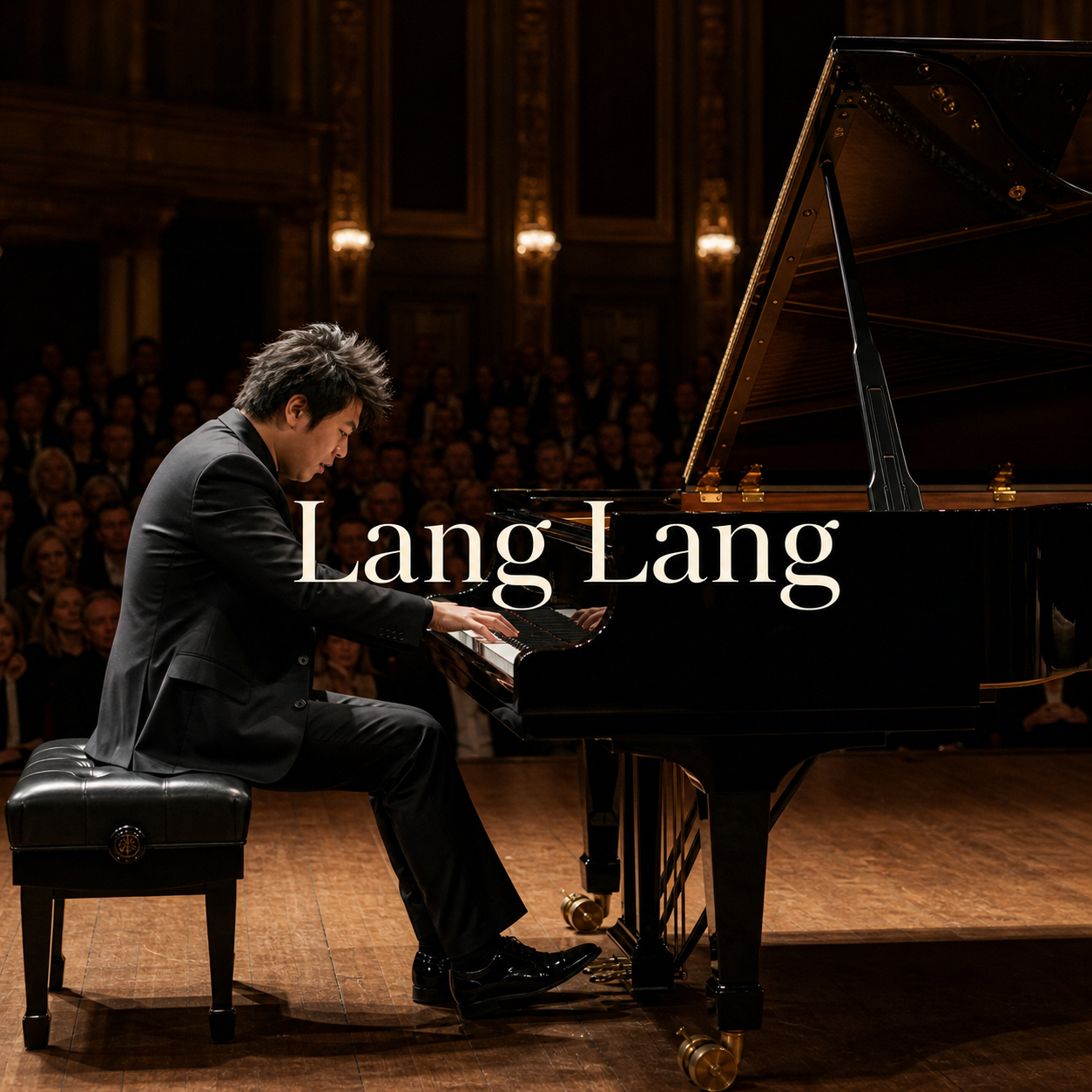
Why Lang Lang matters to London audiences
The London listener is spoilt for choice: Wigmore Hall intimacy, Barbican clarity, Royal Albert Hall scale, Southbank breadth. Lang Lang belongs to the part of that culture where the piano becomes public theatre without losing its classical discipline. His official biography presents him as pianist, educator and philanthropist, a musician who has played global ceremonies, collaborated across genres, and founded a foundation for music education. Deutsche Grammophon also records his recent work as unusually wide in reach, from the Goldberg Variations to Disney arrangements and a 2024 Saint-Saens album.
That range explains why a London reader may arrive with several questions at once: biography, recordings, ticket information, critical context, or a way into piano listening. This guide answers those needs from a piano-school perspective: what to know, what to hear, and how a serious amateur can listen beyond the surface dazzle.
14 June 1982, Shenyang, China.
Concert pianist, educator, recording artist and arts ambassador.
Royal Albert Hall, Southbank, Barbican and foundation activity.
Colour, rubato, gesture, projection and audience communication.
A brief career snapshot
Lang Lang’s biography is often told as a prodigy story, but the more useful musical story is one of scale. He became known internationally as a pianist able to make large audiences care about the instrument, while still remaining attached to the central repertoire. His official site stresses communication and accessibility; Deutsche Grammophon notes his UNICEF and UN roles, his foundation work, and recordings designed to bring piano playing to wider audiences.
For London readers, that matters because the city often separates serious listening from popular visibility. Lang Lang unsettles that division. The same artist can programme Beethoven, Saint-Saens, Bach, Liszt, film-linked repertoire and education projects. Some listeners admire the openness; others question the theatricality. Both reactions are worth taking seriously. A WKMT listener should neither dismiss the showmanship nor be dazzled by it. The question is simpler: what does the playing make audible?
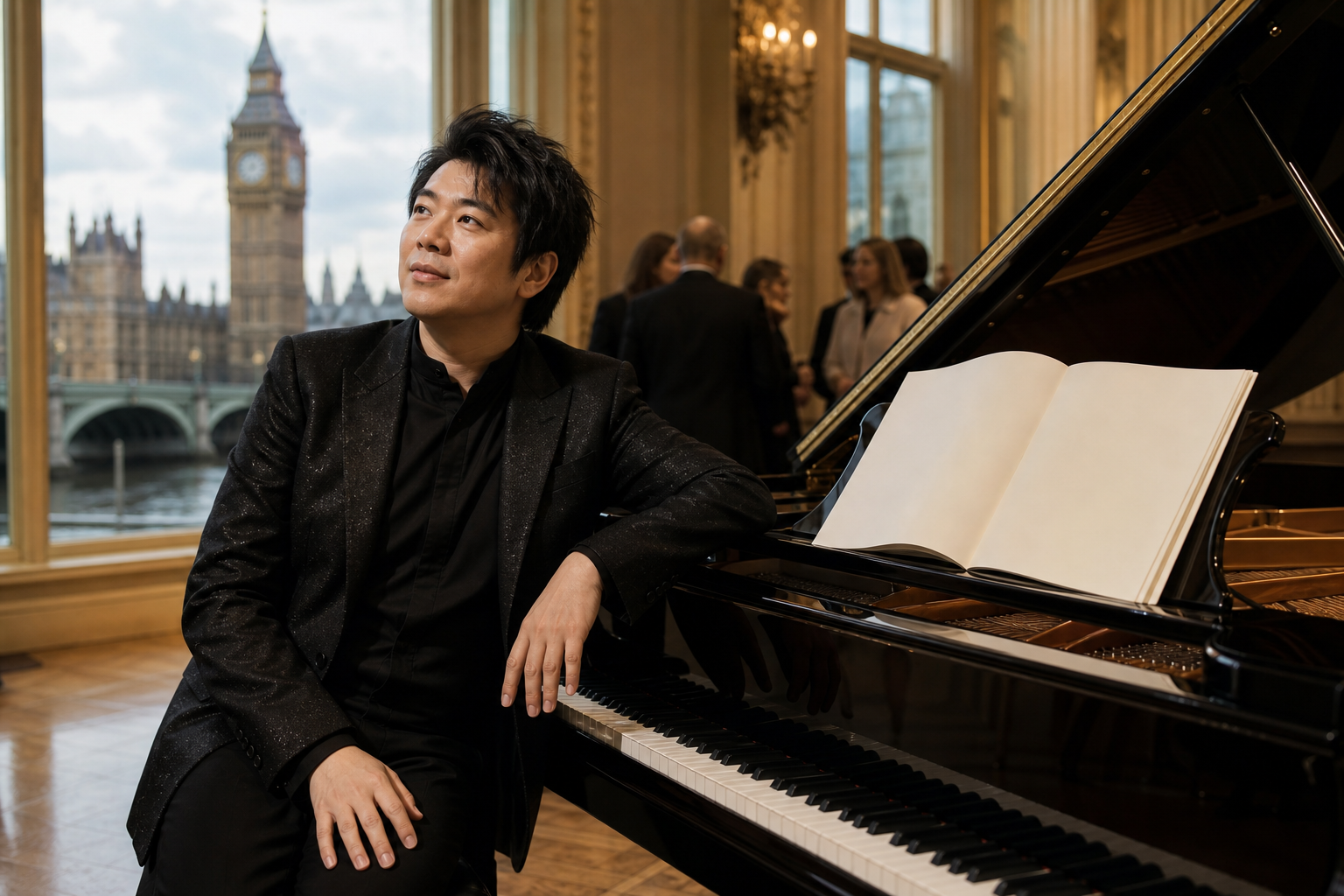
Signature repertoire and what to listen for
Lang Lang is easiest to misunderstand when heard only as a fast pianist. Virtuosity is part of the story, but the stronger question is how he shapes time. In Romantic showpieces, listen for the moment after a flourish, when the phrase either breathes or merely lands. In Liszt and Chopin, the best passages are not the loudest; they are the places where a singing line remains clear despite glittering figuration.
In French repertoire, his recent Saint-Saens project gives a useful test case. Deutsche Grammophon lists Saint-Saens, Ravel, Debussy, Faure, Delibes and several female French composers on the 2024 album, with Andris Nelsons and the Gewandhausorchester Leipzig. The ear should notice articulation: whether brilliance turns brittle, whether the pedal cleans the harmony, and whether a light texture keeps its wit.
In Beethoven, especially the concertos, the test changes. The soloist must project character without overwhelming structure. The Barbican’s 2027 listing, last checked 2026-07-06, places Lang Lang with the Boston Symphony Orchestra under Andris Nelsons in Beethoven’s First Piano Concerto. That is a useful London marker: early Beethoven needs charm, clarity and spring, not only weight.
Teacher’s Note
For adult pianists, Lang Lang is a reminder that communication is a technique. Projection, timing and colour are learned behaviours, not personality traits. A quieter phrase can still carry to the back of the hall if the hand, pedal and harmonic direction agree.
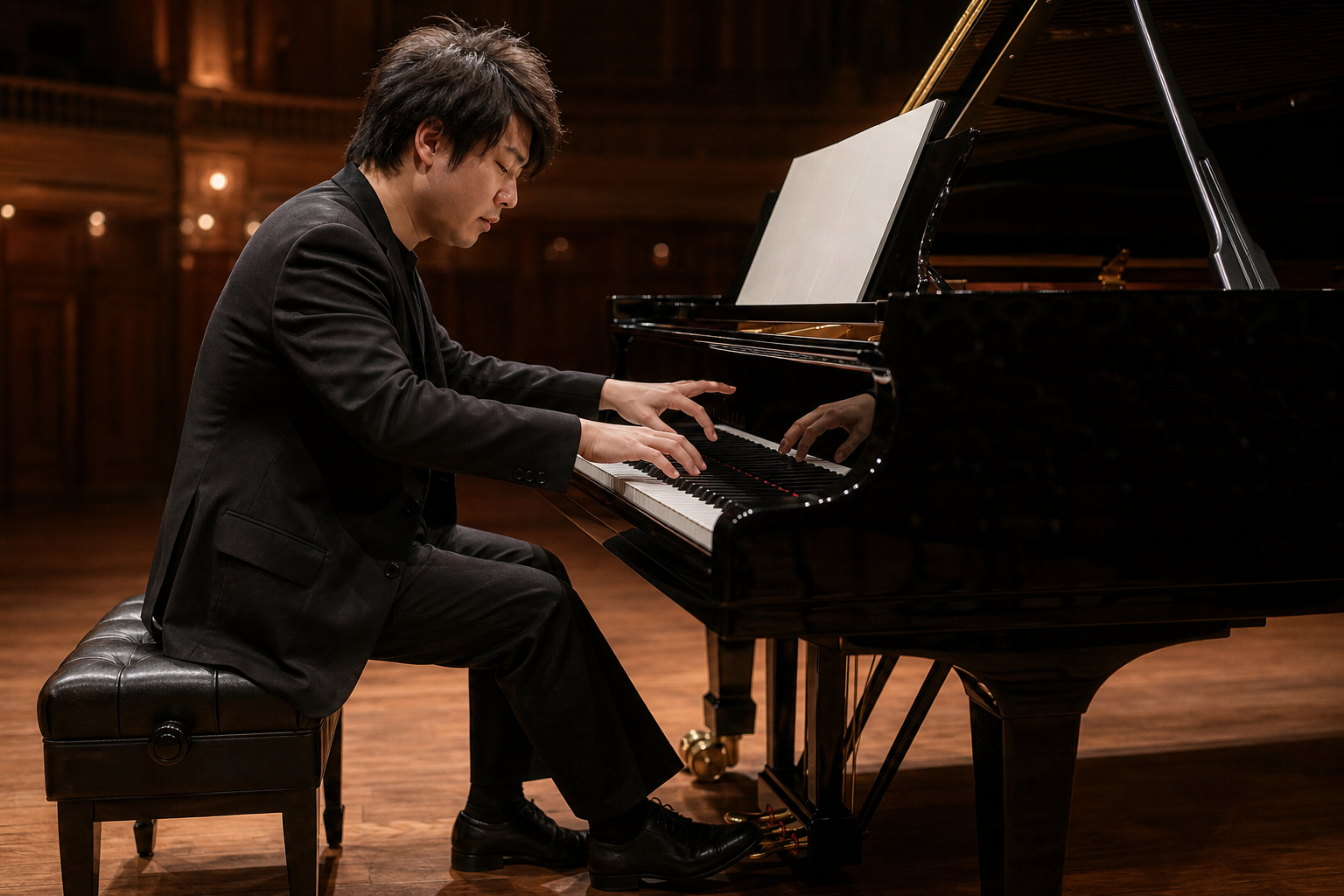
Lang Lang’s London highlights
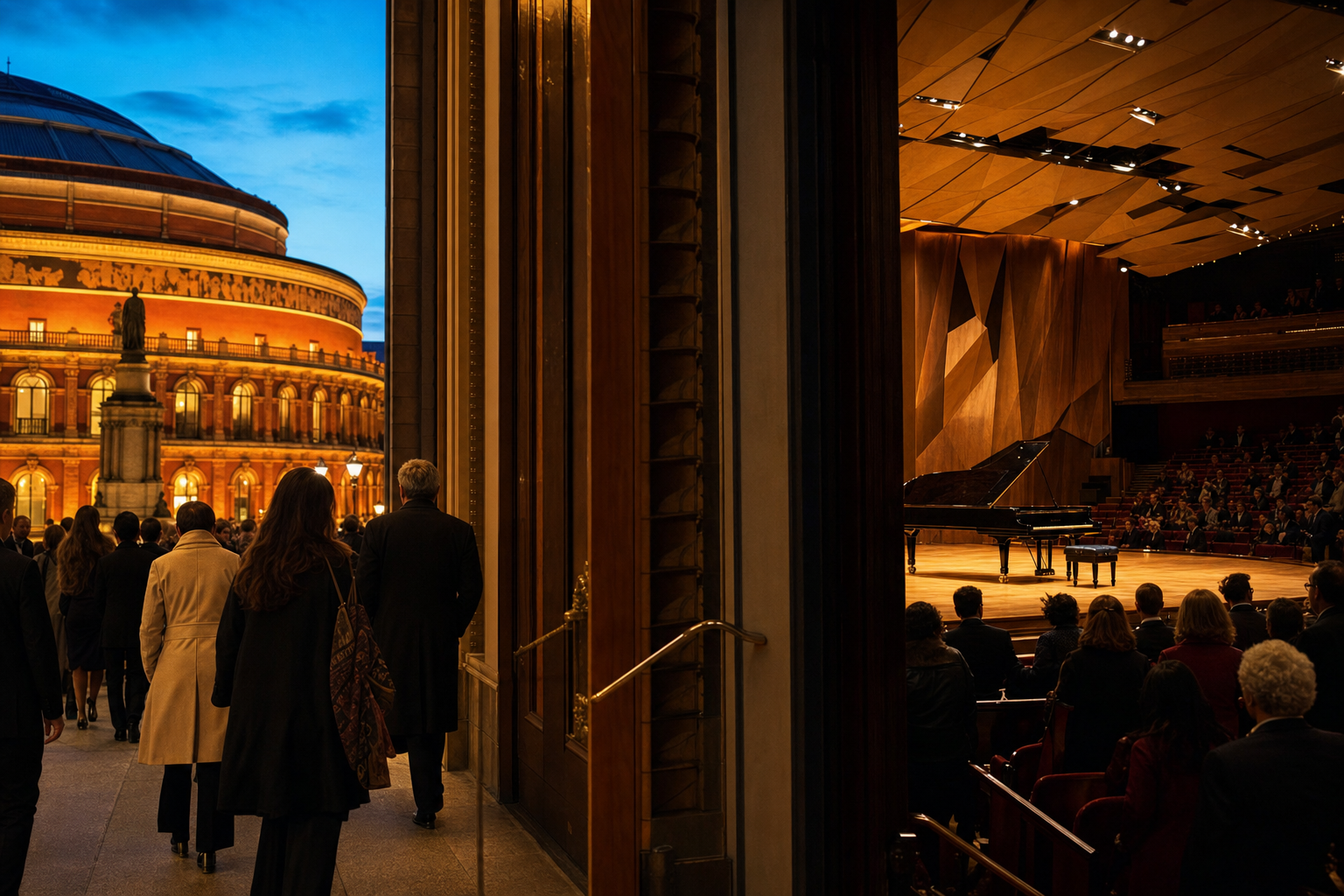
The Royal Albert Hall has suited Lang Lang’s public scale. In November 2023 he appeared there with the Royal Philharmonic Orchestra in a Saint-Saens programme; the Guardian’s review described the hall as packed and noted the intense public response, while also questioning how far the playing’s force served the music. That tension is useful. It tells London listeners that charisma is not a substitute for interpretation, but it is part of the live event.
The Southbank Centre has historically framed him as a festival figure as well as a recitalist, while the Barbican’s forthcoming Beethoven residency points towards a more classically architectural context. The difference between venues changes what the listener hears. At the Royal Albert Hall, sheer projection and spectacle dominate. At the Barbican, balance and orchestral detail matter. At Southbank, the audience often hears the pianist in a broader cultural programme.
| Venue context | What to listen for | Best preparation |
|---|---|---|
| Royal Albert Hall | Projection, theatre, scale. | Know the concerto themes before arrival. |
| Barbican Hall | Balance, articulation, orchestral dialogue. | Listen once to the full score, not only the solo part. |
| Southbank Centre | Programme design and public engagement. | Read the programme notes and compare repertoire links. |
How Lang Lang shapes serious piano listening
Serious listening does not mean austere listening. It means knowing where your attention goes. With Lang Lang, begin with sound colour: is the treble pearled, glassy, vocal or percussive? Then follow the left hand: does it support the phrase or simply thicken the resonance? Finally, listen to tempo flexibility. Rubato should illuminate syntax. When it merely advertises emotion, the line begins to sag.
The useful listener is neither a fan nor a sceptic. The useful listener can admire brilliance and still ask what the phrase has become.
Listening Framework
Use this three-step path in any Lang Lang performance: first, identify the melody under the surface activity; second, notice whether the bass clarifies or clouds the harmony; third, ask whether the final cadence feels earned. This simple map turns spectacle into musical evidence.
Practical guide for London concertgoers
For a concerto, seats with a clear diagonal view of the keyboard help you read the physical relationship between touch and sound. For a recital, avoid choosing only for closeness; a slightly wider perspective can make pedalling and resonance easier to judge. Check official venue pages for ticket and access details close to the date. The Barbican listing for 11 March 2027 was last checked on 2026-07-06 and showed the Boston Symphony Orchestra programme with Lang Lang in Beethoven’s First Piano Concerto.
Arrive with one movement already in the ear. If the programme includes Saint-Saens, notice the difference between wit and weight. If it includes Beethoven, listen for conversational clarity. If it includes Liszt, ask whether the virtuosic surface still reveals harmonic direction.
Recordings and broadcasts to hear in full
Start with the Goldberg Variations project for concentration and long-form architecture. Then hear the 2024 Saint-Saens album for the public-facing French colour that links directly to his recent London profile. Add Piano Book if you want to understand his education mission: short pieces, direct communication, and repertoire that invites students into the instrument. These are not equivalent projects, and that is the point. They reveal a pianist trying to speak to several audiences at once.
Study piano with a richer ear
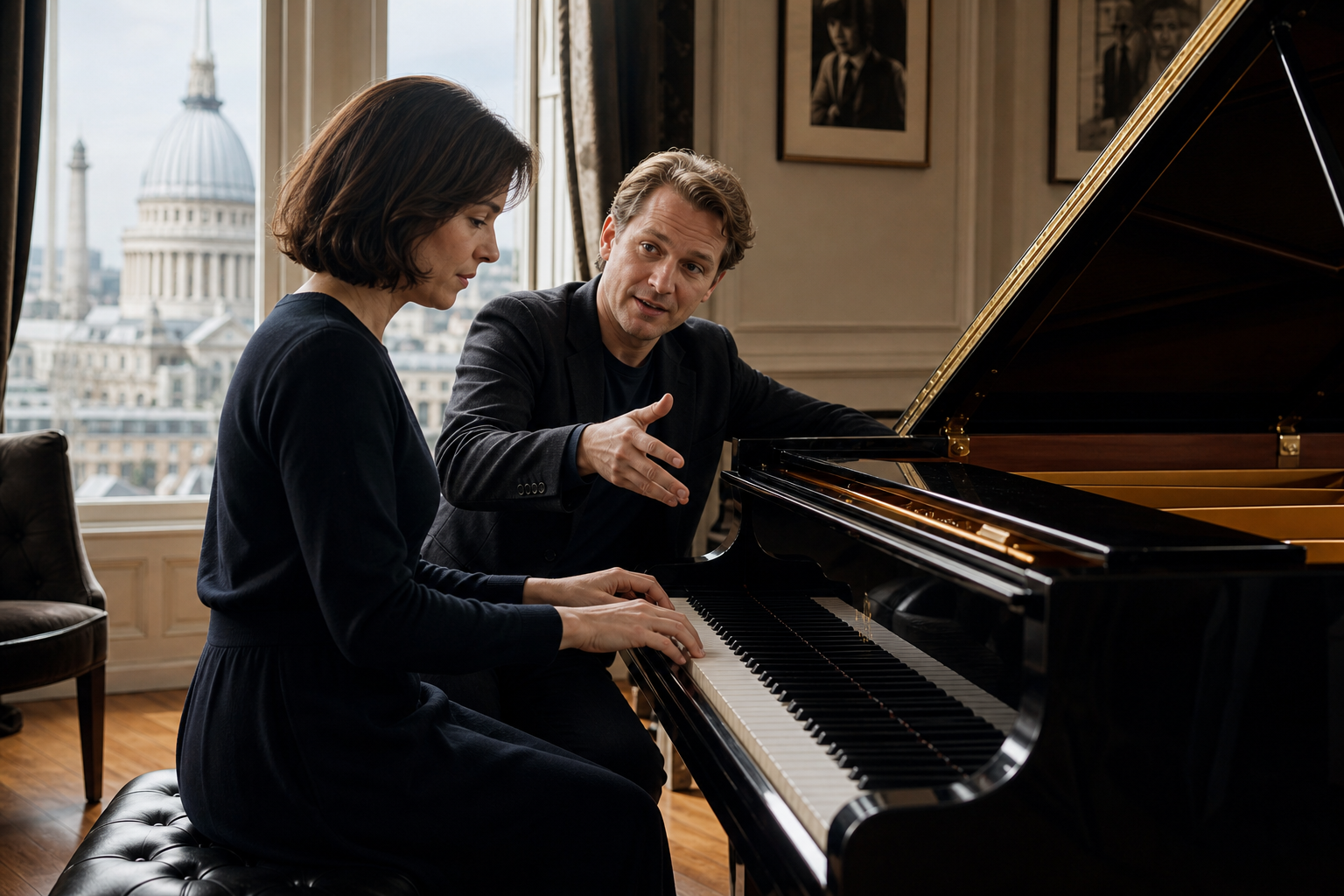
WKMT’s London piano tuition connects concert listening with practical musicianship: tone, structure, phrasing, pedalling and stylistic judgement at the keyboard.
Readers who want a more advanced route can also explore advanced piano lessons in London, WKMT’s classical concerts in London, and the studio’s London piano masterclasses.
Sources on Lang Lang in London
- Lang Lang official website and biography langlangofficial.com
- Deutsche Grammophon Lang Lang biography deutschegrammophon.com
- Deutsche Grammophon Saint-Saens album page deutschegrammophon.com
- Barbican, Boston Symphony Orchestra with Lang Lang barbican.org.uk
- Royal Albert Hall Lang Lang event archive royalalberthall.com
- Lang Lang International Music Foundation London gala page langlangfoundation.org
- The Guardian review of Lang Lang with the RPO at Royal Albert Hall theguardian.com