
 TRIAL LESSON
Pianists, Piano Lessons
Artur Schnabel: His Artistic Evolution and Creative Legacy
Mar
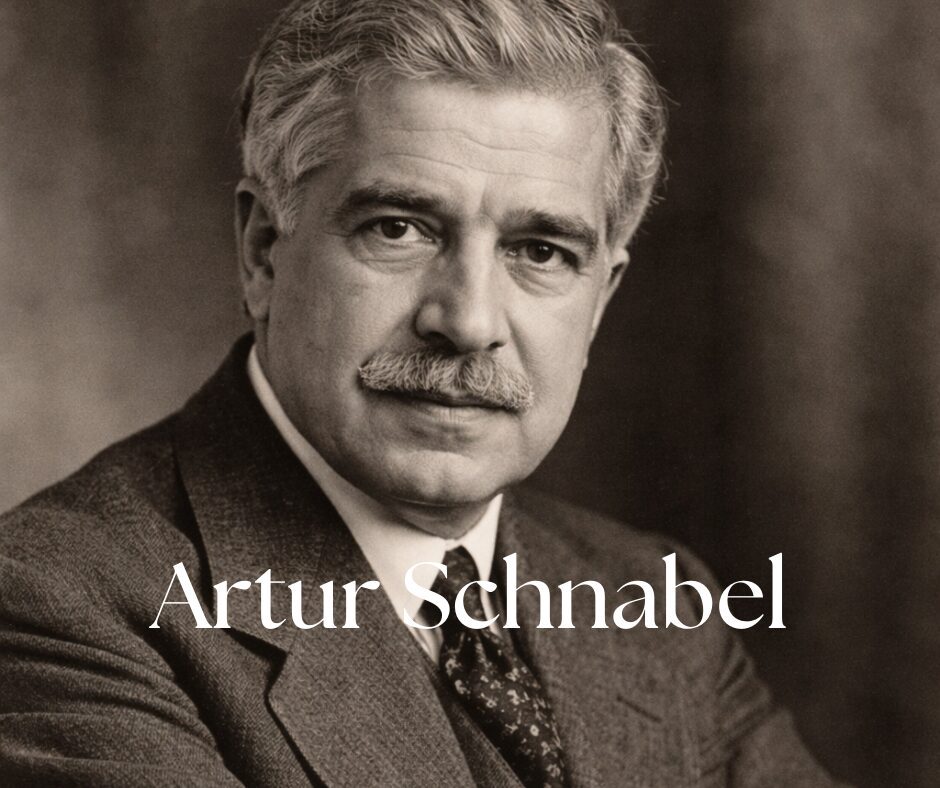
Artur Schnabel: All About This Famous Pianist
Artur Schnabel: His Artistic Evolution and Creative Legacy
Among the many pianists who shaped twentieth-century music, Artur Schnabel holds a unique and lasting position. He was not merely a performer but an intellectual interpreter of the piano repertoire. Schnabel approached music as a moral and philosophical responsibility, believing that great compositions demanded depth, reflection, and structural understanding. His artistic legacy continues to influence pianists and scholars around the world, proving that interpretation is not just about technical brilliance but about conveying profound musical truth.
Schnabel’s philosophy of performance was rooted in seriousness and respect for the composer’s intentions. Rather than focusing on surface-level virtuosity, he sought to uncover the spiritual and architectural dimensions of the music. This approach made him one of the most respected interpreters of the classical repertoire in the twentieth century.
Distinct Musical Philosophy
Schnabel firmly believed that music should carry intellectual and moral meaning. He was particularly devoted to the works of Ludwig van Beethoven and Franz Schubert, whose compositions he considered to possess unmatched spiritual depth and structural logic. For Schnabel, these composers represented the highest ideals of musical thought.
His interpretations emphasized long architectural lines rather than isolated emotional effects. Instead of highlighting virtuosic brilliance, he focused on the continuity of phrases and the inner tensions that shape large-scale works. Some critics described his playing as technically uneven at times, but many agreed that the intellectual depth he brought to the music overshadowed any imperfections. Schnabel demonstrated that musical greatness lies not in flawless execution, but in meaningful interpretation.
Understanding how Artur Schnabel developed his unique approach to piano performance requires deeper research. For students, his artistic philosophy can become an engaging and intellectually rich topic for academic essays. Instead of focusing on routine themes, exploring how Schnabel reshaped piano interpretation and influenced generations of musicians worldwide is an idea that professors would truly appreciate.
However, balancing academic assignments with detailed musical research can sometimes feel overwhelming. To make the process easier, students may consider using an online service that guarantees 100% human-written, plagiarism-free, and professional-level assignments. When academic pressure becomes intense and deadlines are tight, some students search for reliable assistance and even think, “Can someone do my homework for me?” Turning to qualified writers can provide peace of mind, ensuring that the final work meets university standards while allowing more time to focus on studying Schnabel’s profound artistic legacy.
Performance Style and Artistic Development
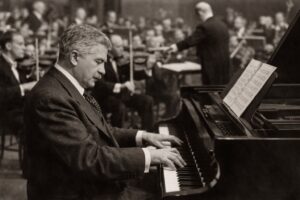
Schnabel’s artistic development was marked by discipline, study, and philosophical reflection. His performances were carefully balanced and thoughtfully constructed. He became especially renowned for his interpretations of Beethoven’s piano sonatas, where his structural clarity and spiritual insight were most evident.
Unlike performers who aimed to impress audiences with technical display, Schnabel approached each performance as a serious exploration of the score. He prioritized musical substance over showmanship. This commitment to authenticity and depth shaped his artistic evolution and distinguished him from many of his contemporaries.
For piano students, exploring Schnabel’s approach can be an inspiring academic topic. Researching how he reshaped piano interpretation encourages deeper understanding of performance philosophy and musical structure. His career demonstrates that studying historical recordings and written reflections can provide valuable insight into the evolution of pianism in the twentieth century.
Recordings and Historical Importance
Schnabel made history as the first pianist to record the complete cycle of Beethoven’s piano sonatas. These recordings remain landmarks in classical music history. They present Beethoven not merely as a composer of dramatic gestures, but as a profound thinker whose works demand contemplation and intellectual engagement.
His recordings continue to shape modern performances. Even decades later, pianists analyze his phrasing, tempo decisions, and structural understanding. Through these preserved interpretations, Schnabel’s artistic voice remains active in contemporary piano culture.
Teaching and Influence on Piano Culture
Beyond performance, Schnabel had a profound impact through teaching. He conducted masterclasses and mentored students who later became significant performers and educators. In his pedagogical approach, he emphasized that being a true musician mattered more than being a flawless technician.
His piano teaching philosophy centered on structure, harmonic awareness, and intellectual honesty. Students were encouraged to think deeply about the meaning of the works they performed. This educational influence extended his legacy far beyond his own concerts and recordings.
Key aspects of his influence include:
- Emphasis on musical meaning over technical perfection
- Focus on structural clarity and harmonic understanding
- Commitment to intellectual depth in interpretation
- Promotion of artistic integrity and authenticity
Through both recordings and pedagogy, Schnabel helped redefine what it meant to be a serious concert pianist in the twentieth century.
Impact on Twentieth-Century Piano Performance
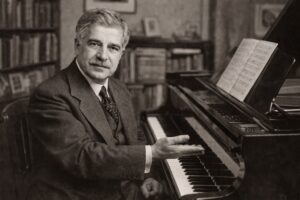
Twentieth-century pianism was profoundly shaped by Schnabel’s philosophy. He demonstrated that interpretation does not limit tradition but deepens it. His performances encouraged pianists to look beyond technical display and toward intellectual clarity and spiritual engagement.
Modern performers who study his recordings often strive to balance emotional expression with architectural precision. In this way, Schnabel’s influence continues to resonate in contemporary interpretations of Beethoven, Schubert, and other major composers of the classical canon.
Conclusion on Artur Schnabel
The work of Artur Schnabel is studied in conservatories and piano programmes worldwide. Through his recordings and teachings, we see how interpretation can function as a form of philosophical inquiry. He showed that music is not simply sound, but thought expressed through sound.
His legacy reminds us that true artistry lies in sincerity, depth, and intellectual courage. Even today, Schnabel remains a powerful example of how one pianist can reshape the understanding of an entire repertoire and leave a permanent mark on musical history.