
 TRIAL LESSON
Piano Lessons
ABRSM Prep Test Piano: A Parent’s Guide to a Confident First Assessment
Jul
ABRSM Prep Test Piano: Parent Guide
WKMT parent guide
ABRSM Prep Test Piano: A Parent’s Guide to a Confident First Assessment
The ABRSM Prep Test piano route gives a young beginner a friendly first musical goal before Grade 1. Used well, it can build confidence, listening, rhythm and a calm practice routine without turning early lessons into pressure.
What the ABRSM Prep Test is really for
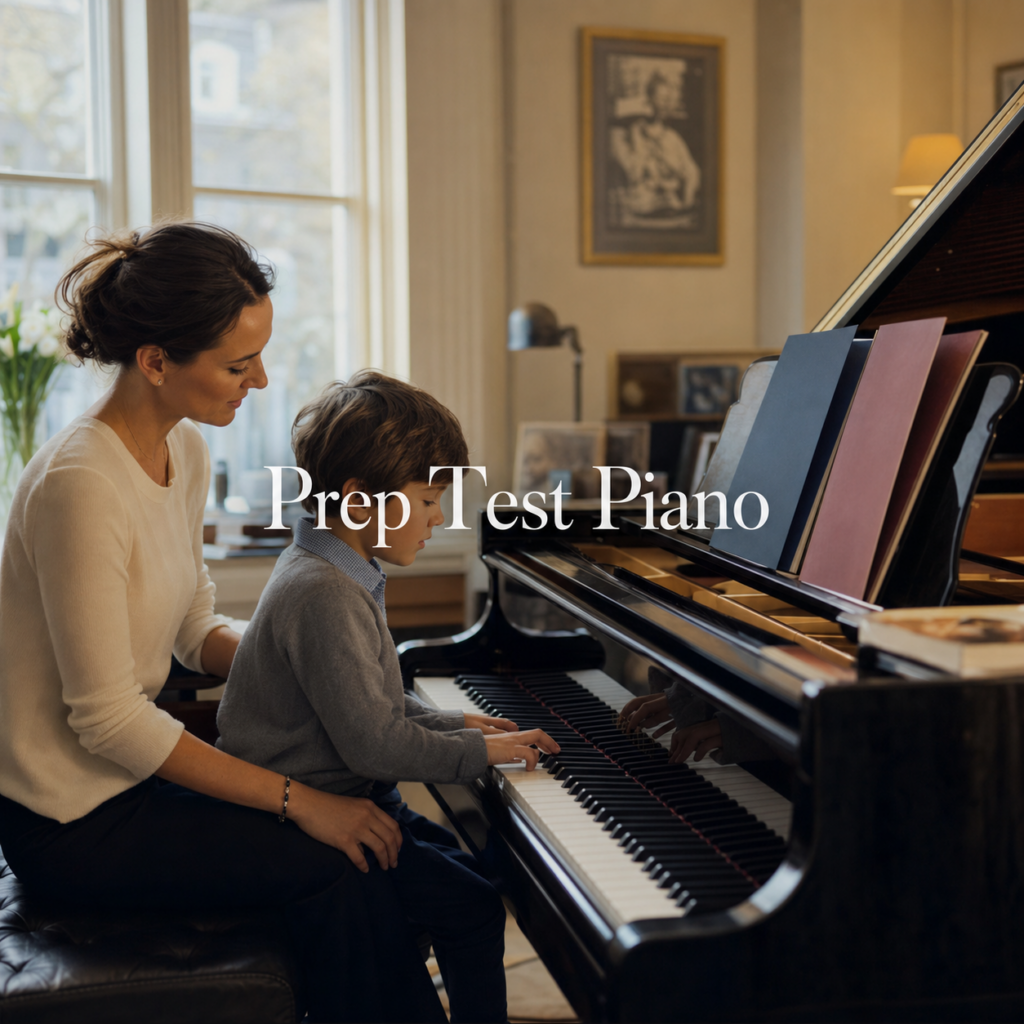
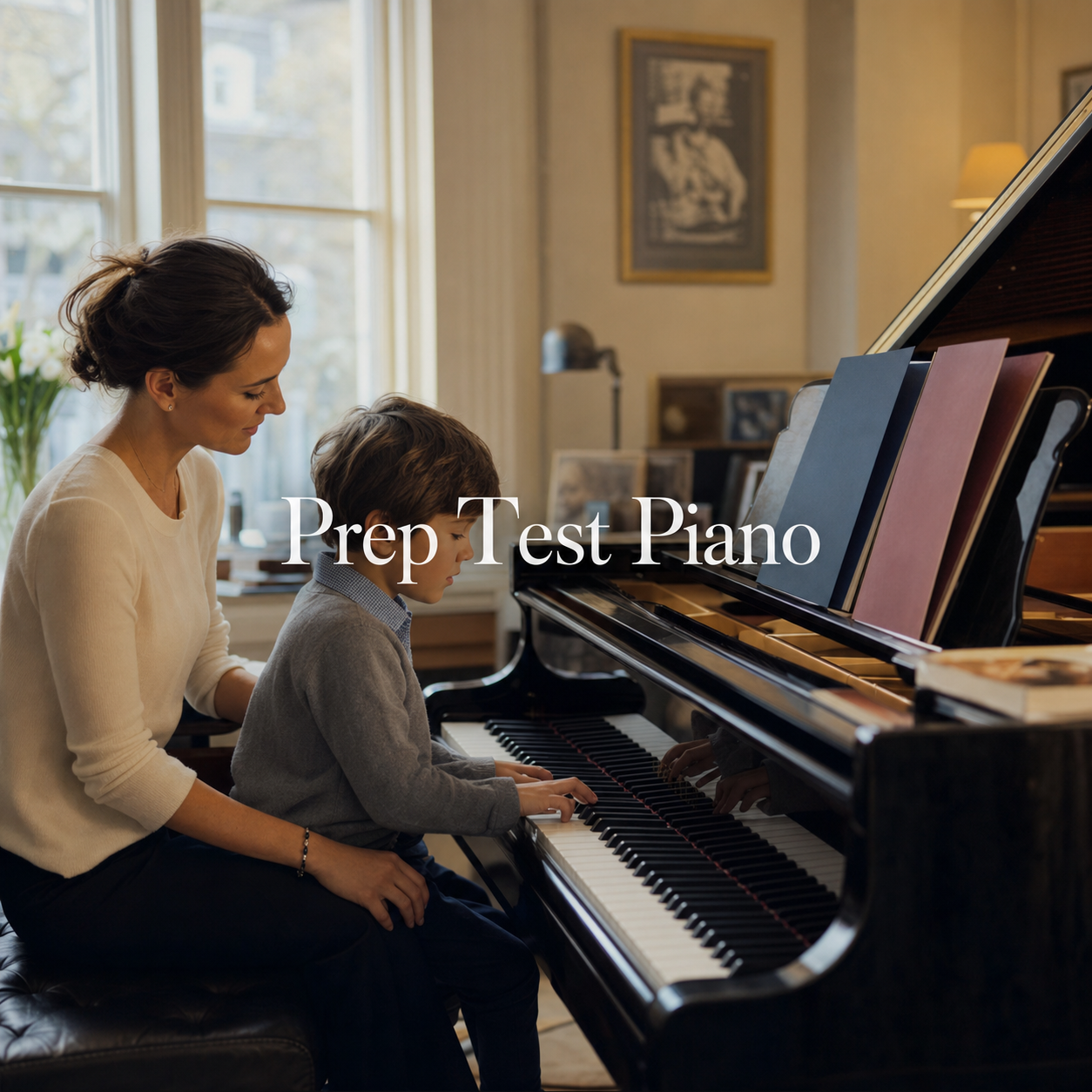
The ABRSM Prep Test is an entry-level, face-to-face assessment for beginners. ABRSM describes it as a short test that lasts around ten minutes and covers musical skills and understanding, with no pass or fail result. For parents, that single detail matters. The aim is not ranking a child; it is giving them a positive first experience of playing for someone beyond their regular teacher.
In piano lessons, the Prep Test sits before Initial Grade or Grade 1. It suits a child who can prepare a few short pieces or tunes, listen, clap, respond to simple musical prompts and sit at the piano with enough independence to enjoy the exchange. It is particularly useful for pupils who need a near-term goal but are not yet ready for the technical and reading demands of a graded exam.
For parents
If your child talks about the Prep Test as a little musical visit rather than an exam, the preparation is probably on the right track.
Readiness: the signs that matter more than age
Parents often ask whether a child is “old enough” for the ABRSM Prep Test piano pathway. Age helps a little, but readiness is more practical. A prepared child can repeat a short task, remember a simple musical idea, recover from small slips and accept gentle guidance. They do not need polished exam manners; they need enough security to show what they can already do.
The best preparation starts with the teacher’s judgement. Some six-year-olds are ready because they listen, practise in short bursts and enjoy playing for adults. Some older children need longer because they dislike being watched or have not yet built a stable pulse. That is normal. The Prep Test should recognise early musicianship, not rush a child into grades.
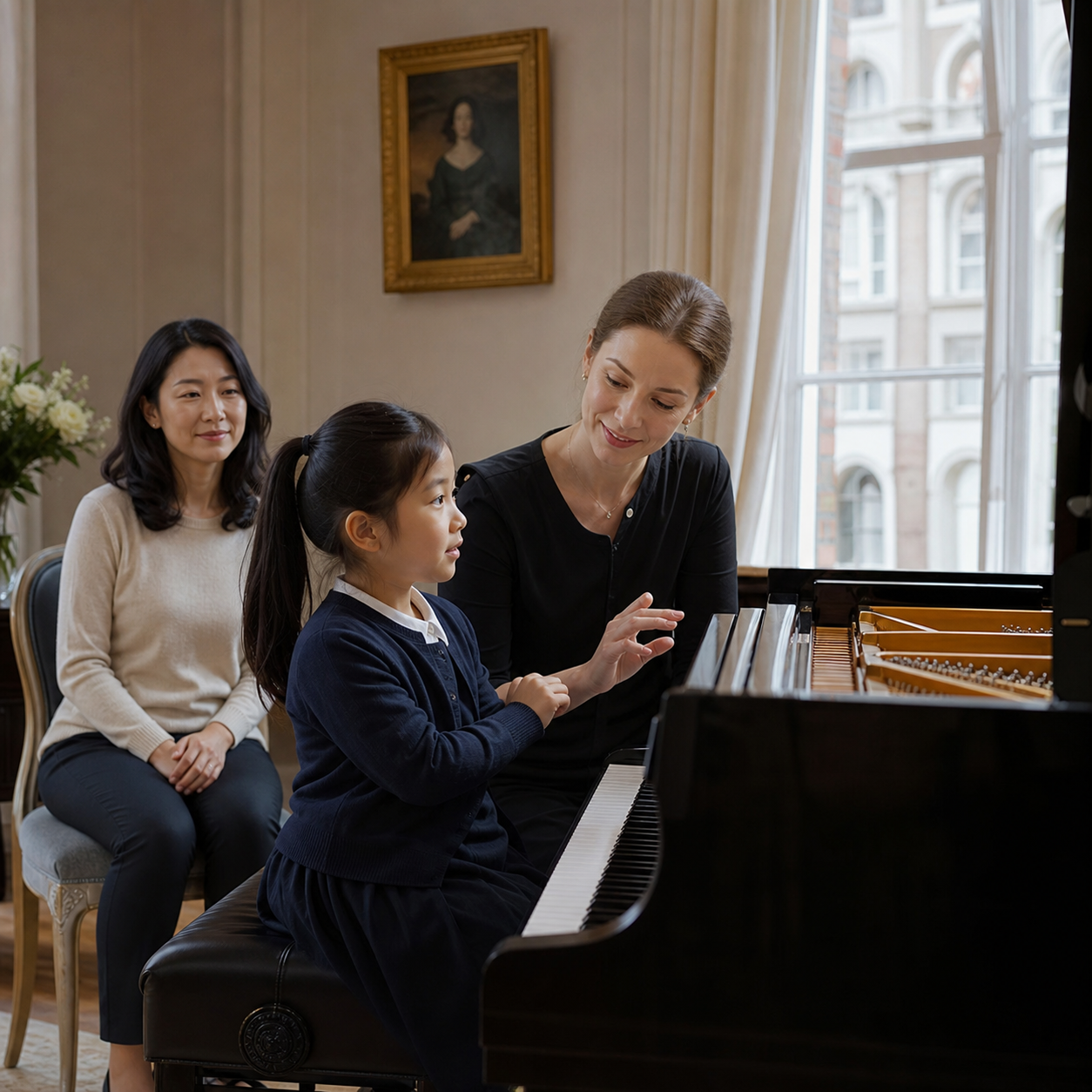
A few short pieces feel familiar, even if not perfect.
The child can echo rhythm, notice high and low sounds, and try again.
Small mistakes do not end the performance.
The child can play for a teacher, parent or friendly visitor.
Prep Test, Initial Grade or Grade 1?
The Prep Test is not a compulsory stage. Some pupils move straight toward Initial Grade or Grade 1. Others benefit from the gentler first certificate because it gives shape to their early study without demanding a full exam programme. The choice should depend on temperament, reading, coordination and family rhythm.
| Route | Best for | Parent watch-out |
|---|---|---|
| ABRSM Prep Test | A young beginner who needs a friendly first goal. | Do not over-rehearse until it loses its musical warmth. |
| Initial Grade | A pupil ready for a marked pre-Grade 1 structure. | Check that reading and pulse are genuinely stable. |
| Grade 1 | A child with stronger technical control and exam maturity. | Avoid making Grade 1 the first public playing experience if the child is anxious. |
A calm six-week preparation map
The best Prep Test work is short, regular and musically varied. A child should know what they are playing, but they should also feel comfortable listening, clapping, copying and answering simple musical prompts. That breadth prevents the test from becoming a narrow memory exercise.
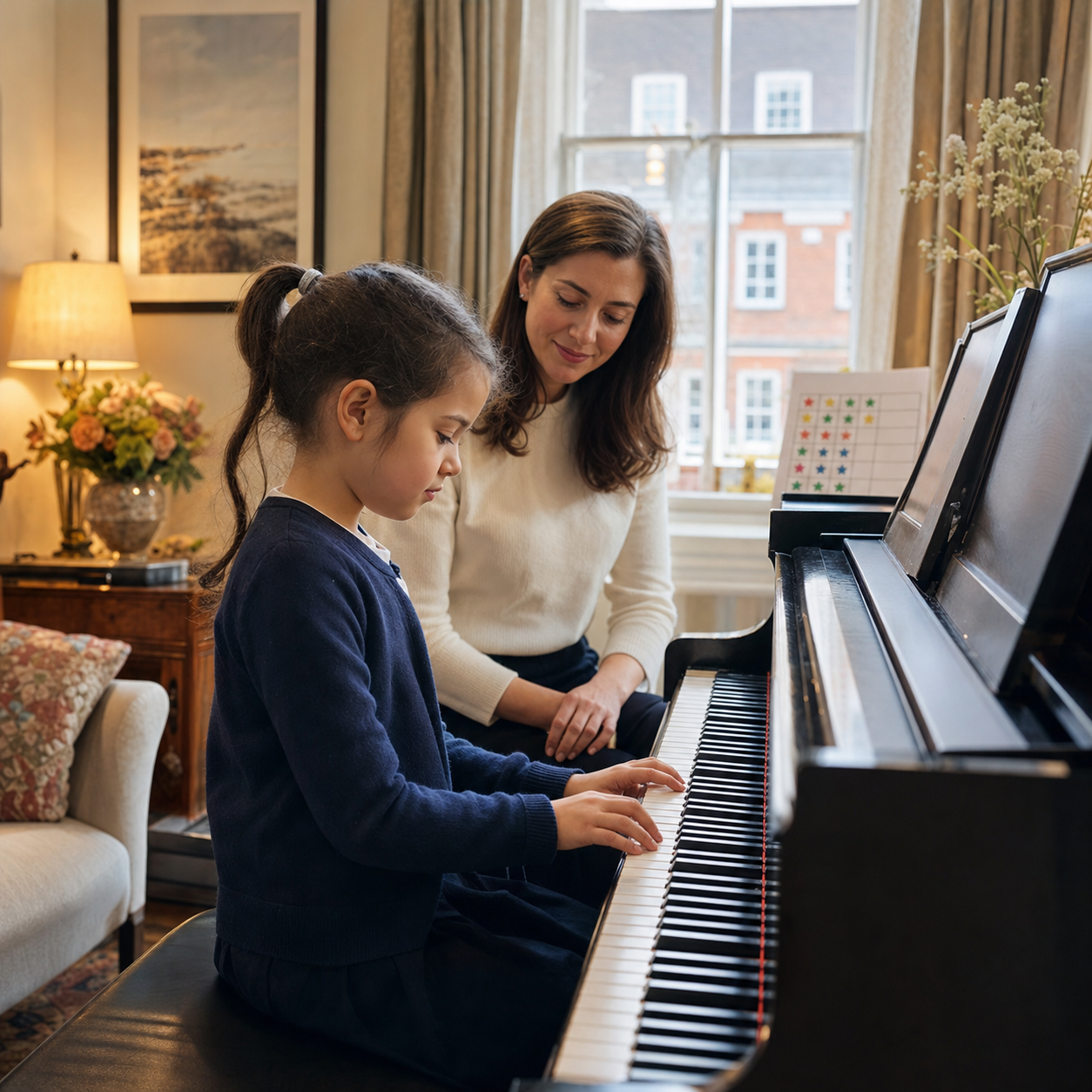
A child who can begin again calmly after a tiny wobble is often better prepared than a child who can only play correctly in perfect conditions.
What parents should do at home
Parents do not need to become substitute teachers. The most useful role is to protect the emotional climate. Five to eight minutes of focused practice can be enough for a young child if the task is clear: play the opening slowly, clap the rhythm, sing the tune, then finish with one complete performance.
Use praise carefully. Instead of “perfect”, try “your pulse stayed steady” or “you listened before you began”. This helps the child connect success with musical behaviour, not with adult approval alone. If a practice session becomes tense, stop early and return later. A short successful ending is worth more than a long struggle.
Teacher’s note
For children who study at WKMT, Prep Test preparation can be folded into normal lesson work: posture, rhythm, memory, listening and first-performance confidence all develop together.
What happens on the day
On the day itself, keep the morning ordinary. Avoid a last-minute practice marathon. The child should arrive rested, with music organised and a parent who is calm. If the test is at an unfamiliar venue, allow enough time to find the room without rushing.
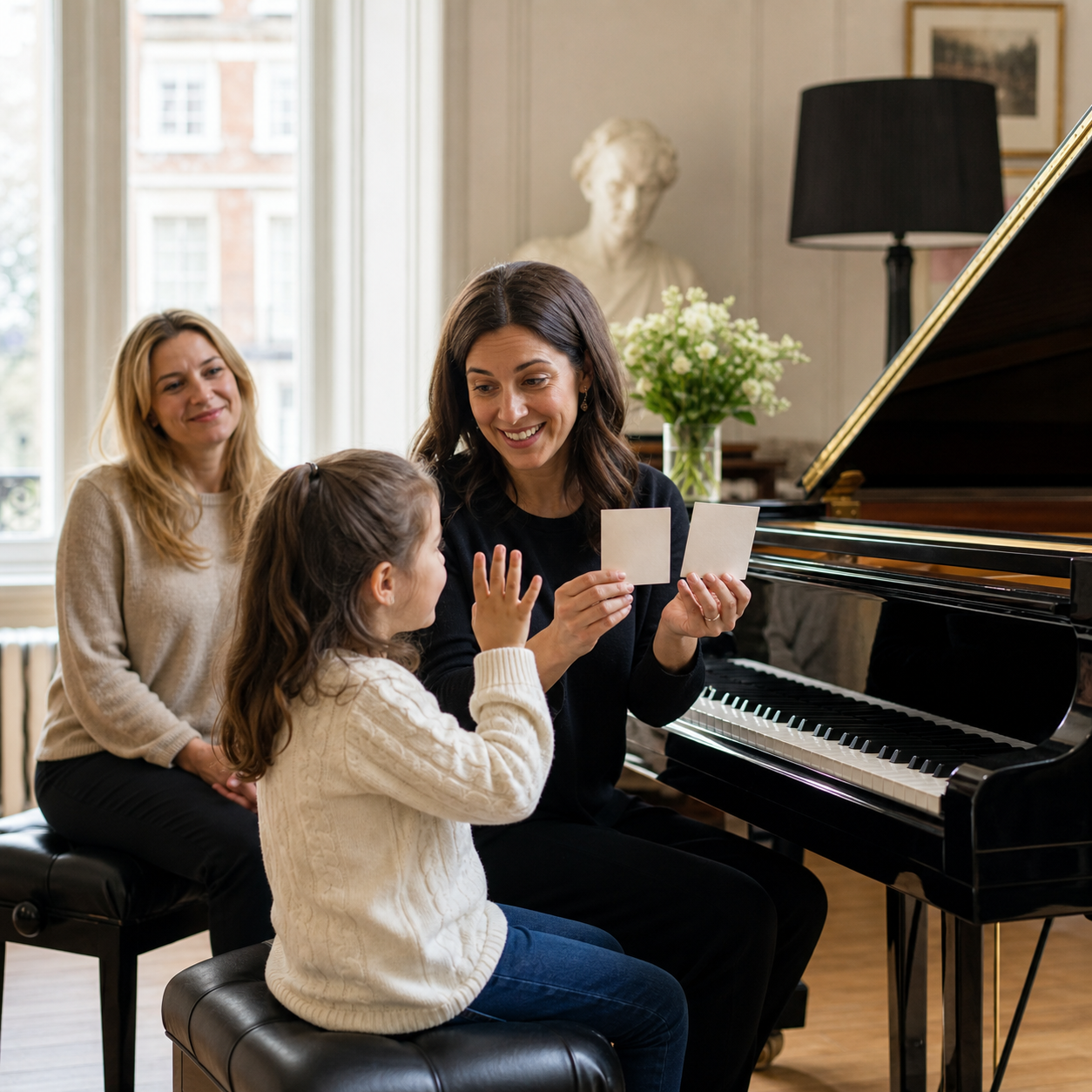
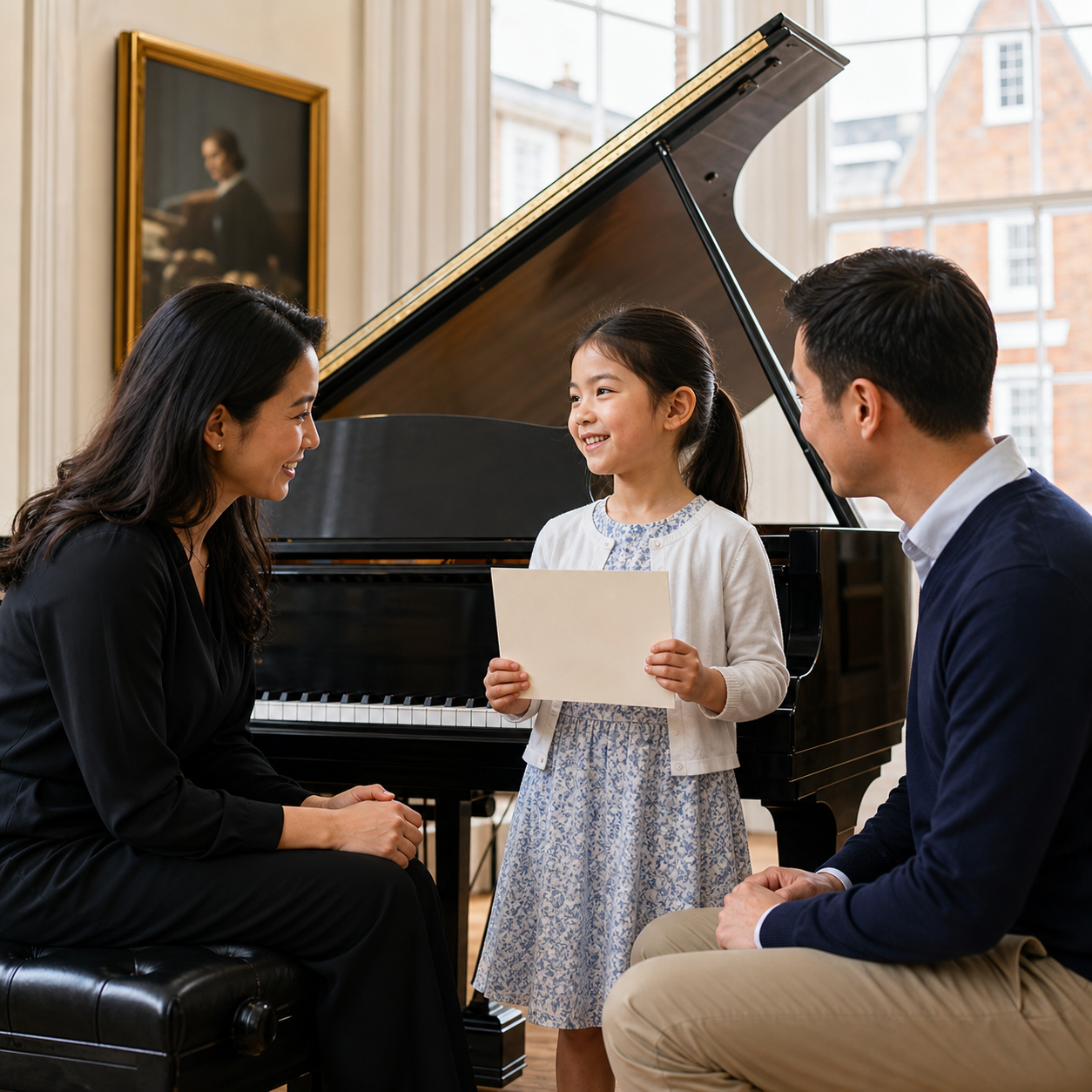
During the assessment, the examiner’s role is encouraging. The child plays, listens and responds to simple musical tasks. The result is constructive feedback and a certificate rather than a pass/fail mark. That is why the Prep Test can be a valuable bridge: it lets a pupil experience musical presentation before grades, auditions or school performances feel serious.
Support your child’s first piano milestone
If the ABRSM Prep Test piano route feels right for your child, the next step is steady teaching rather than hurried exam drilling. WKMT’s children’s piano lessons in London help young beginners build rhythm, listening, reading and confidence through a structured but warm weekly routine.
After the Prep Test: where progress should go next
After the certificate, resist the temptation to jump immediately into Grade 1 unless the child is technically and emotionally ready. The more musical route is to review what the test revealed. Did the pupil hold a steady pulse? Did they listen well? Could they recover after a mistake? Were the hands relaxed? These answers guide the next term more honestly than the certificate alone.
Some pupils move towards Initial Grade or Grade 1. Others need a term of broader playing: duets, simple scales, singing, creative tasks, and pieces that develop the hand gently. For families planning long-term study, it is worth understanding how early milestones connect to beginner piano foundations, scales and arpeggios, and later performance opportunities through WKMT music festivals.
Sources on ABRSM PREP TEST PIANO in London
- ABRSM, Prep Test
- ABRSM, Piano assessments
- ABRSM, Face-to-face exams
- ABRSM, How to book exams and assessments
- WKMT, Piano lessons for kids