
 TRIAL LESSON
Pianists, Piano Lessons
Wilhelm Backhaus in London: Beethoven, Brahms and the Art of Serious Piano Tone
Jun
Wilhelm Backhaus in London
WKMT London listening guide
Wilhelm Backhaus in London: Beethoven, Brahms and the Art of Serious Piano Tone
Wilhelm Backhaus remains compelling for London pianists because his best recordings teach discipline, architecture and the beauty of tone without display.
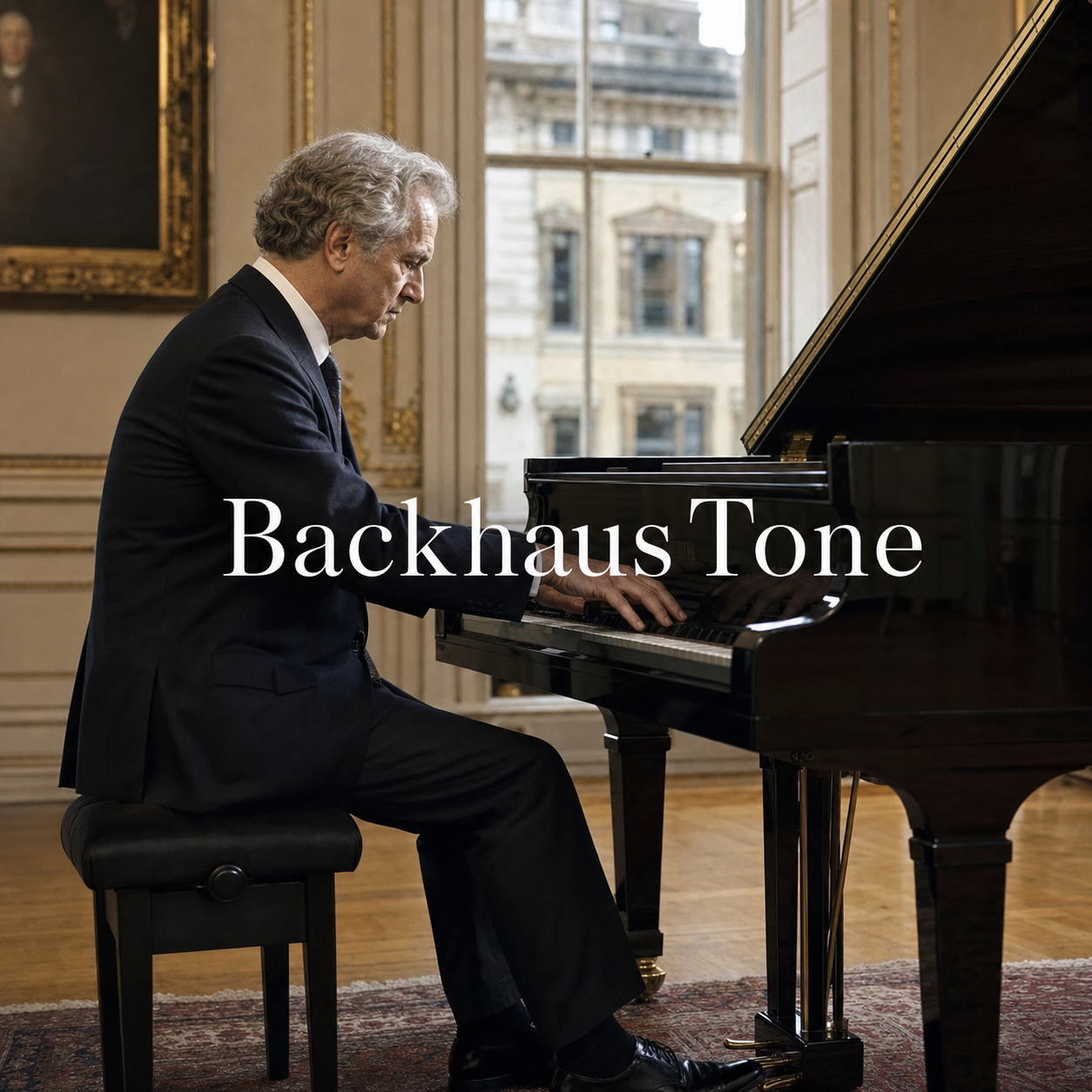
Why Backhaus Still Matters to London Listeners
A few bars of Backhaus in Beethoven can feel almost severe at first. The tempo is rarely theatrical, the rubato is spare, and the phrase does not plead for attention. Then the architecture begins to speak. Inner voices settle into proportion; a bass line carries the argument; a chord arrives with the inevitability of stone.
For a London audience used to intense recital culture, from Wigmore Hall intimacy to larger Southbank acoustics, this is a valuable lesson. Backhaus asks the listener to hear long paragraphs rather than isolated effects. His art helps pianists understand why tone is never just colour. Tone is also timing, balance, weight, release and moral restraint.
Quick Biography and Artistic Profile
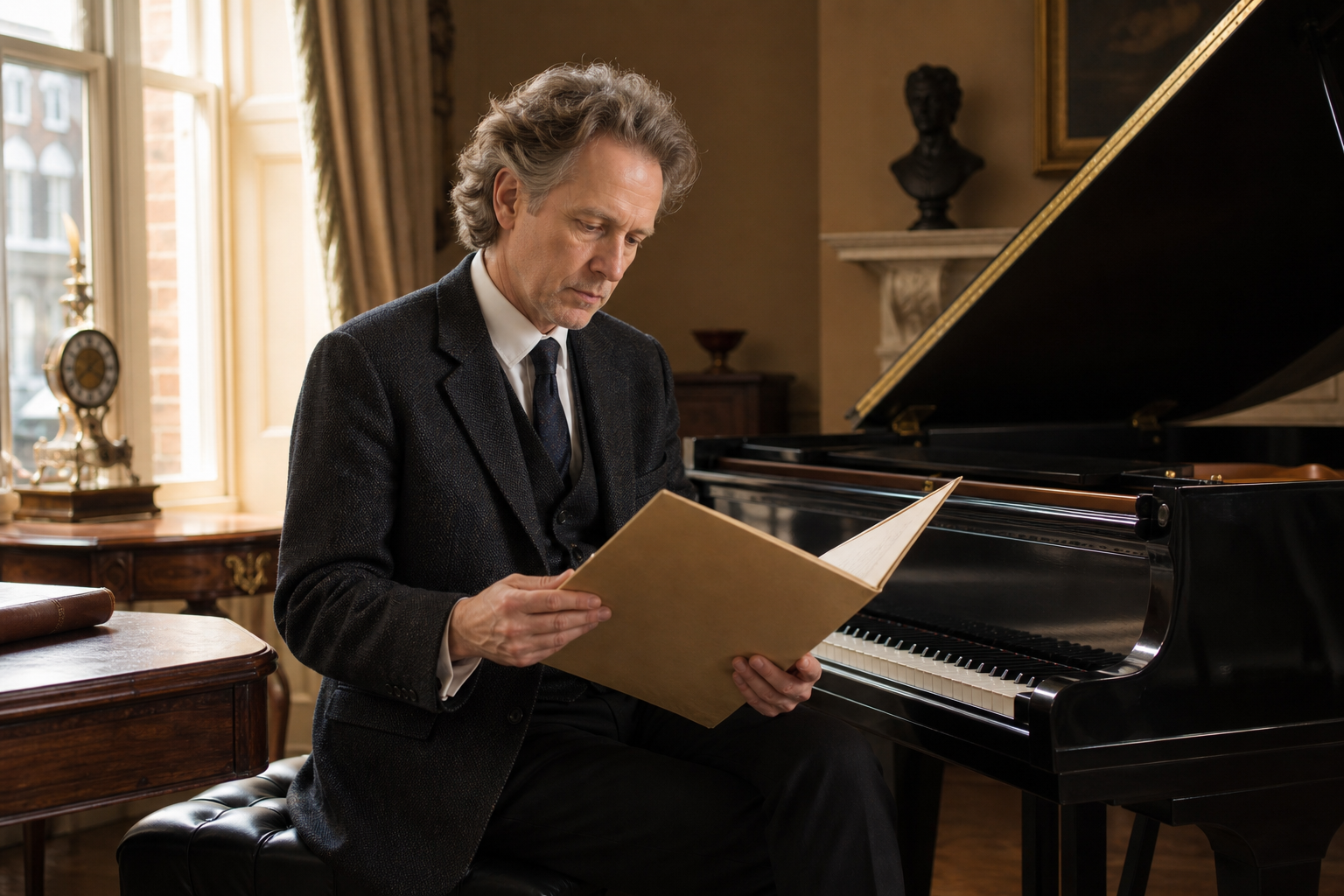
Wilhelm Backhaus was born in Leipzig in 1884 and trained in the German piano tradition, with early study at the Leipzig Conservatory and later work with Eugen d’Albert. He made his public reputation young, toured internationally, and became especially associated with Beethoven, Brahms, Mozart and Schumann. He died in 1969 in Villach, Austria, after a career that bridged the late Romantic world, acoustic and electrical recording, the LP era and post-war concert culture.
Biographical summaries often call him a German pianist and pedagogue. That is accurate but too thin. Backhaus was also a recording-era architect of the Beethoven sonata cycle. His approach prized continuity, directness and tonal firmness. He did not cultivate the volatile personality of some contemporaries; his authority came from proportion and from a conviction that the score’s structure could carry emotion without rhetorical excess.
His Bechstein association is part of the story. C. Bechstein’s official pianist biography emphasises his long career, major concert life and relationship with the firm’s instruments. The brand link should not be treated as neutral scholarship, but it helps illuminate how listeners connected Backhaus with a particular idea of German piano sonority: clear bass, compact attack, and a singing line that did not dissolve into perfume.
That artistic profile also explains why his name remains useful in teaching rooms. Backhaus is not the pianist one plays to demonstrate indulgent fantasy or extreme colouristic experimentation. He is the pianist one plays when a student needs to understand the difference between steadiness and stiffness. In his best performances, the pulse is disciplined without becoming mechanical; the line is objective without becoming empty. The distinction is subtle, and it is exactly the sort of distinction serious piano study has to cultivate.
Interpretive Profile: Beethoven, Brahms and Serious Piano Tone
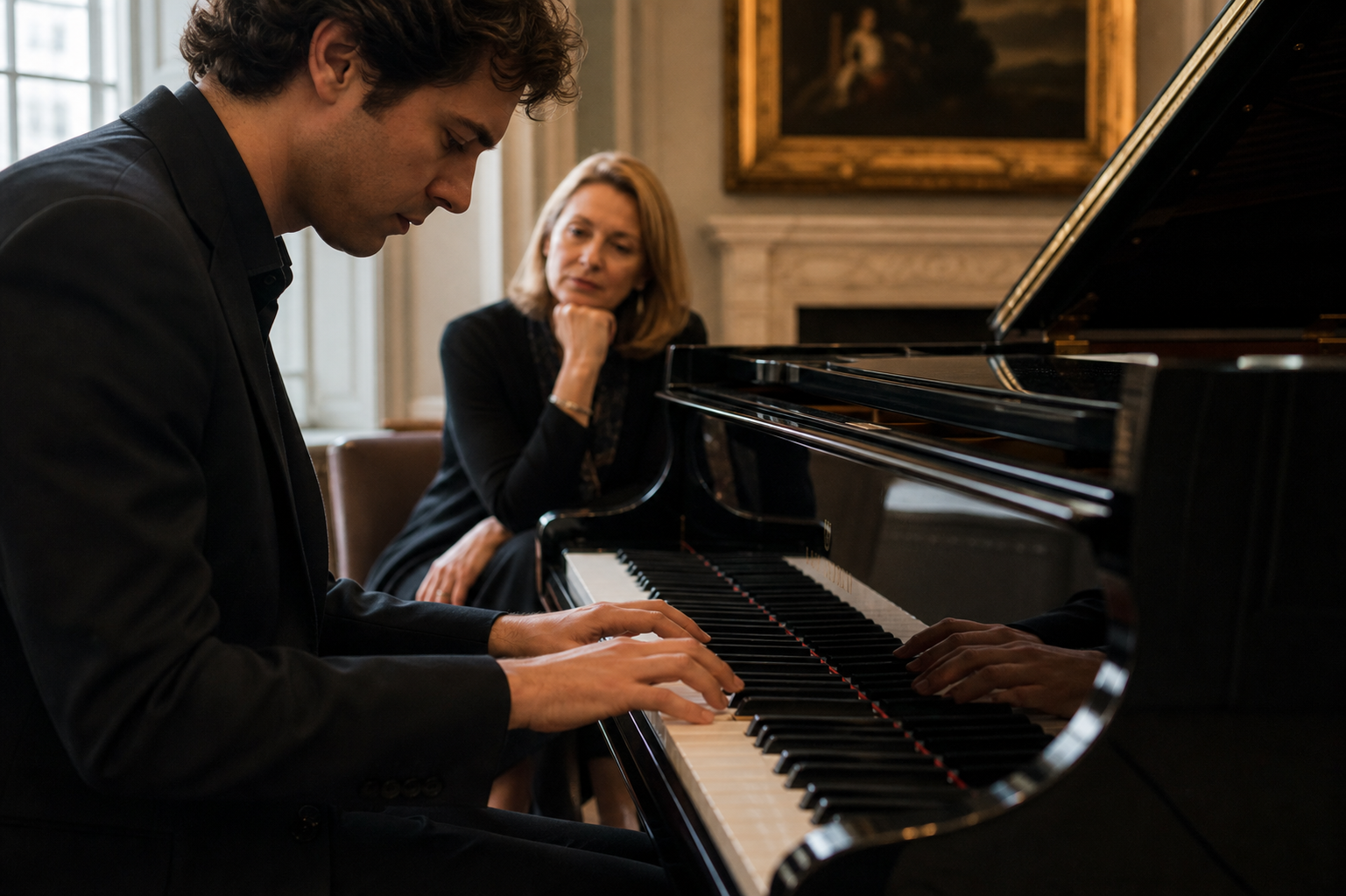
In Beethoven, Backhaus’s strongest gift is structural pacing. He is not indifferent to colour, but colour serves direction. A Beethoven sonata under his hands tends to move by harmonic necessity rather than by surface charm. This is why some listeners find him plain, while others hear a bracing honesty: the phrase is shaped, but it is not decorated with nervous commentary.
In Brahms, the same virtues become warmer. Backhaus’s rhythmic steadiness gives the music a grounded seriousness, and his legato often comes from economy of gesture rather than a blurred pedal. The left hand carries weight without becoming heavy; the right hand sings without sentimentalising. For adult pianists, this is useful because it shows that expressive maturity can come from restraint.
It is worth listening for release as much as attack. Many students think tone is created only at the moment the key descends, but Backhaus’s playing suggests a larger discipline: how a chord is allowed to decay, how a phrase breathes without losing its spine, and how a bass note can continue to govern the ear after it has sounded. This is particularly important in Beethoven, where harmonic direction often matters more than local prettiness. In Brahms, the same control prevents thick textures from becoming opaque.
Firm core, clear bass, rounded but rarely indulgent treble.
Broad paragraphs, stable pulse, minimal theatrical hesitation.
Controlled weight and release rather than constant colour change.
Backhaus’s lasting lesson is that seriousness at the piano need not be grey. It can be luminous when every sound has a reason.
Backhaus in London: Reception, Archives and Institutional Connections
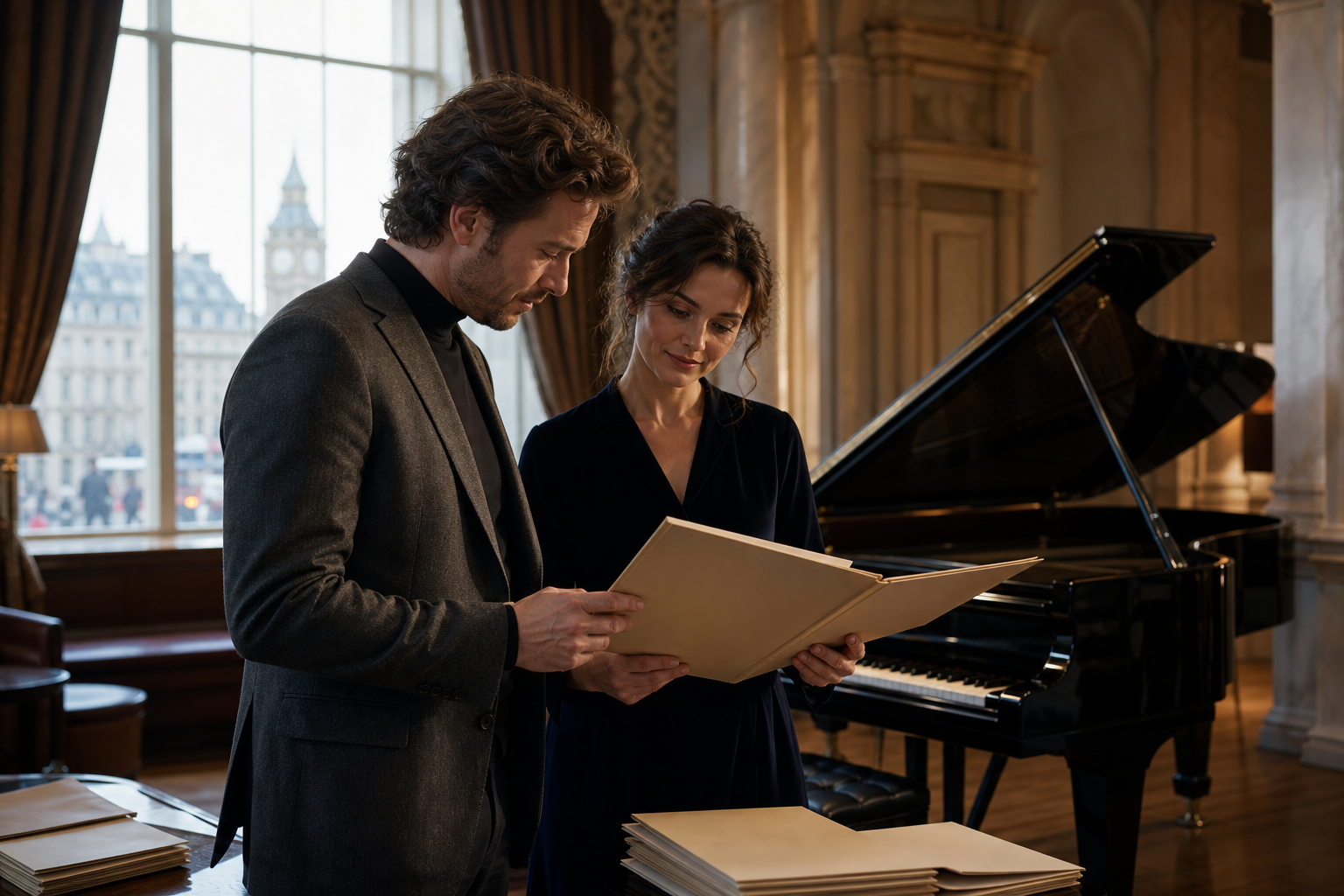
Backhaus belongs naturally in a London listening series because British musical culture has long valued the qualities for which he became famous: Beethovenian solidity, textual seriousness, and a recital manner that treats the audience as intelligent rather than impressionable. Publicly accessible biographical sources confirm his international concert career, but precise London concert dates and contemporary press lines require archive checking in sources such as The Times archive, the British Newspaper Archive and institutional holdings. Where those records are not freely visible, they should not be quoted second-hand.
That limitation is itself instructive. A responsible pianist-researcher distinguishes between a useful public summary and primary evidence. Backhaus’s London reception should be explored through dated programmes, reviews, record advertisements and library catalogue entries. The British Library Sound Archive and Explore catalogue are natural starting points for recordings and published references; conservatoire libraries may also hold editions, transfers or historical press material.
For WKMT readers, the practical point is clear: London is not only a place to hear pianists. It is a place to research listening. A student can compare one Backhaus Beethoven transfer with another, then ask why a firmer tempo, a drier recorded acoustic or a different piano changes the musical argument.
There is also a local listening question. London halls reward different kinds of pianism. A small hall can make a contained tone feel intimate; a larger hall can expose whether a pianist’s structural line carries beyond the first rows. Backhaus’s reputation for solidity makes him a useful case study for this problem. When a pianist avoids exaggerated surface gesture, the performance depends on projection, balance and form. Those are precisely the elements London students must learn to manage when moving from studio playing to public performance.
Discography and a London Listening Guide
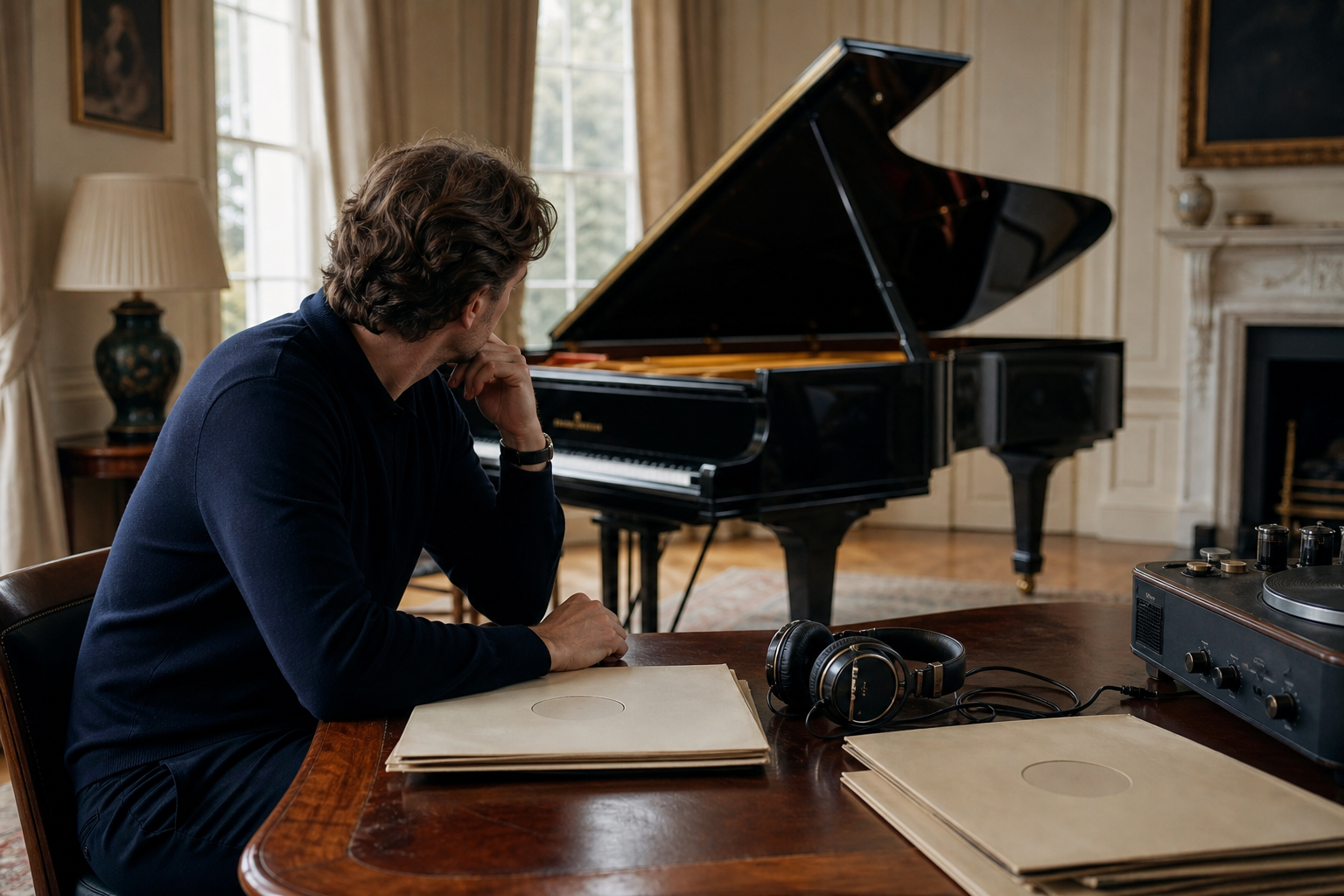
Backhaus’s discography is large enough to confuse a new listener. Begin with Beethoven. His Decca legacy and later reissues document a pianist who treated the sonatas as a lifetime’s terrain rather than a showcase. Some listeners prefer the earlier mono recordings for urgency; others prefer later stereo readings for breadth and recorded warmth. Both are worth hearing, because the differences reveal how performance, age and technology shape interpretation.
| Listening path | What to notice | Best use for students |
|---|---|---|
| Beethoven sonatas | Pulse, architecture, bass-line logic | Learning long-range form |
| Brahms piano works | Weight without heaviness | Balancing density and warmth |
| Mozart and Schumann | Classical clarity, restrained rubato | Avoiding overstatement |
When comparing remasterings, listen before reading the booklet note. Historic transfers can alter treble brightness, surface noise and perceived tempo. The question is not which edition sounds most modern, but which allows the musical argument to remain legible. For London listeners, this kind of comparison is ideal preparation for a lesson, lecture or small salon discussion.
A useful first comparison is to hear an early Beethoven sonata beside a late one. In the earlier works, notice whether Backhaus lets wit and articulation remain light, even when the tone has weight. In the later works, notice whether the texture becomes more inward without losing pulse. Then move to Brahms and ask whether the same hands produce the same colour. They do not. The sound remains recognisably Backhaus, but the rhetoric changes: Beethoven tends towards argument, Brahms towards density and memory.
Controversies and Historical Context
Backhaus’s biography cannot be separated from the 20th century. Public reference sources note contested political associations and contacts with the Nazi regime. A serious article should neither flatten that history into accusation nor hide it behind admiration. The correct tone is measured: acknowledge the documented issue, avoid unsupported embellishment, and keep musical legacy within its historical frame.
This matters because classical listening can become sentimental if history is excluded. Adult students should be encouraged to hear the recordings critically: to value musical discipline while understanding that artists do not stand outside politics, institutions or public life. The mature response is not cancellation by reflex or hero worship by habit. It is historically alert listening.
Legacy and Influence on UK Piano Teaching
Backhaus’s influence today is less about a school of imitators than about a standard of seriousness. He reminds pianists that Beethoven needs architecture, Brahms needs density that still breathes, and a large tone must be supported by technique rather than forced by the hand. These are teaching questions as much as historical observations.
At WKMT, this connects directly with classical piano study in London. Students need models of how sound behaves in a room, how a phrase belongs to a structure, and how a pianist can avoid confusing intensity with tension. Backhaus is not the only model, but he is a particularly useful corrective in an age of visual performance and short clips.
For teachers, Backhaus can also sharpen diagnostic language. Instead of asking only for “more expression”, a teacher might ask for clearer bass direction, less pedal at the cadence, a quieter accompaniment that still supports the melody, or a tempo that lets the harmony speak. These are practical instructions, not historical admiration. A recorded legacy becomes valuable when it changes how a living student listens to their own sound.
Study tone, structure and serious listening in London
WKMT’s teaching culture helps pianists connect historical listening with practical technique, repertoire and interpretation.
Practical Resources for Researchers and Curious Listeners
Start with public biographies, but do not stop there. Compare Decca’s artist pages and label catalogues with independent retailers, library catalogues and institutional sound archives. Use the British Library catalogue to search for recordings and related publications; use newspaper archives to verify reviews; use conservatoire libraries for broader context. If a concert date or quotation is not confirmed in publicly accessible catalogues, mark it as unconfirmed rather than repeating it.
For a lesson or seminar, bring two versions of the same Beethoven movement. Ask: what does Backhaus clarify? What does he underplay? Where does the bass decide the phrase? Those questions make history active.
If you are planning a deeper research session, keep a simple log: source searched, date checked, search terms used, item found and whether the evidence is primary or secondary. This prevents the common mistake of treating a catalogue listing, a label note and a later biography as if they carried the same evidential weight. For musicians, that discipline is not academic fussiness. It protects interpretation from attractive but unsupported stories.
FAQs
What was Wilhelm Backhaus best known for?
He was best known for Beethoven, Brahms and a disciplined Germanic piano tradition built on structural clarity, firm tone and restrained rhetoric.
Which Backhaus recordings should I hear first?
Start with Beethoven sonatas, then compare Brahms piano works and selected Mozart or Schumann performances to hear how his tone changes by style.
Can Backhaus help modern piano students?
Yes. He is especially useful for students learning long-range form, bass-line direction, tonal economy and expressive restraint.