
 TRIAL LESSON
Piano Lessons
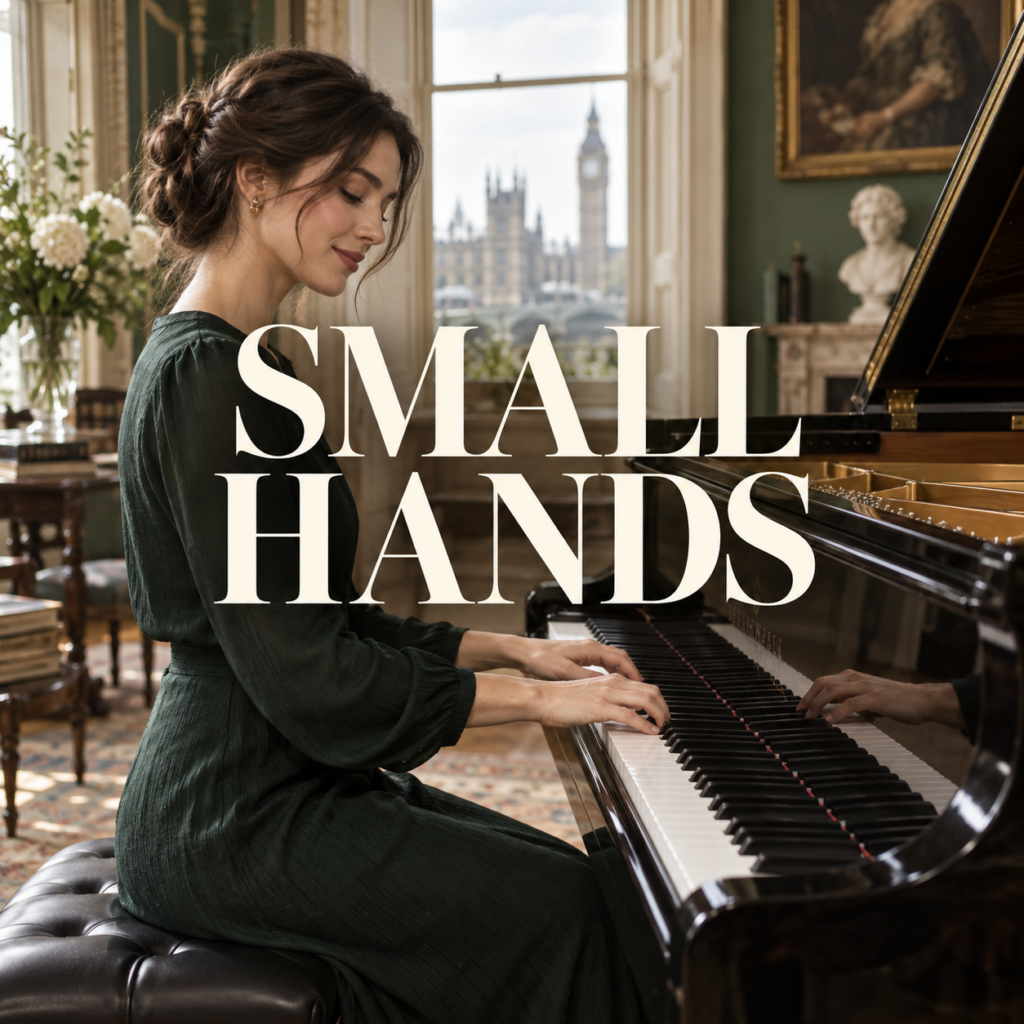
Playing Piano with Small Hands: Repertoire, Redistribution and Intelligent Technique
Sep
WKMT London adult learner guide
Playing Piano with Small Hands: Repertoire, Redistribution and Intelligent Technique
A small hand is not a defective large hand. It brings a different set of physical choices to the keyboard. The serious question is not how far the fingers can be forced apart, but how harmony, movement and voicing can be organised so the music speaks without strain.
In brief
Playing piano with small hands is entirely possible when technique and repertoire are adapted intelligently. Pianists may roll chords, redistribute notes between hands, omit a doubled note, use flexible fingering, move earlier and choose repertoire that fits. Persistent stretching or pain is not a valid training method; comfort, sound and musical continuity should guide the solution.
Playing piano with small hands without treating reach as destiny
Hand span influences which chords feel immediate, but it does not determine musical intelligence, rhythmic control, colour or phrasing. Many difficulties attributed to hand size are really questions of timing and organisation. A chord that cannot be held as a block may sound natural when lightly rolled, while a leap becomes manageable when the arm begins moving before the previous key is fully released.
The first rule is simple: pain is information, not a rite of passage. Playing piano with small hands should never depend on forcing an octave or holding a rigid stretch. Release between notes, keep the wrist available and let the arm carry the hand. If discomfort persists, stop and seek guidance from a suitably qualified teacher or health professional.
Redistribution, rolling and selective omission
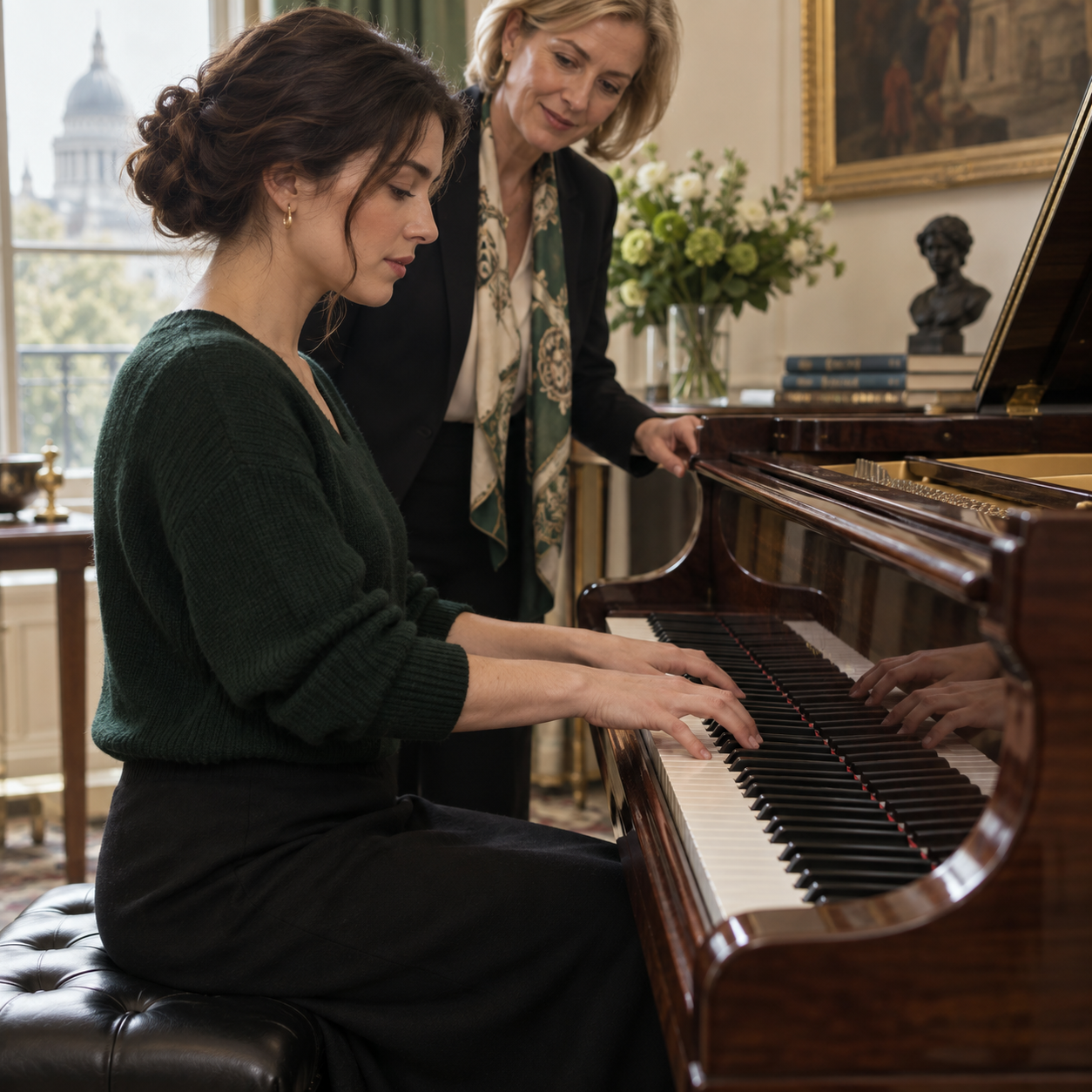
Redistribution means giving a note to the other hand when the musical texture allows it. In a wide left-hand chord, the right hand may quietly take the top note while preserving the melody above. Rolling can turn an impossible span into an expressive arpeggiation. The direction and speed of the roll should belong to the phrase, not sound like an apology.
Composers often double notes for resonance or orchestral weight. When one doubled note is physically impossible and harmonically non-essential, a careful omission may be more faithful than a tense, delayed attack. In adult piano lessons in London, such decisions can be tested by ear and by score, keeping the principal bass, melody and harmonic identity intact.
Choose fingerings for movement, not a frozen photograph
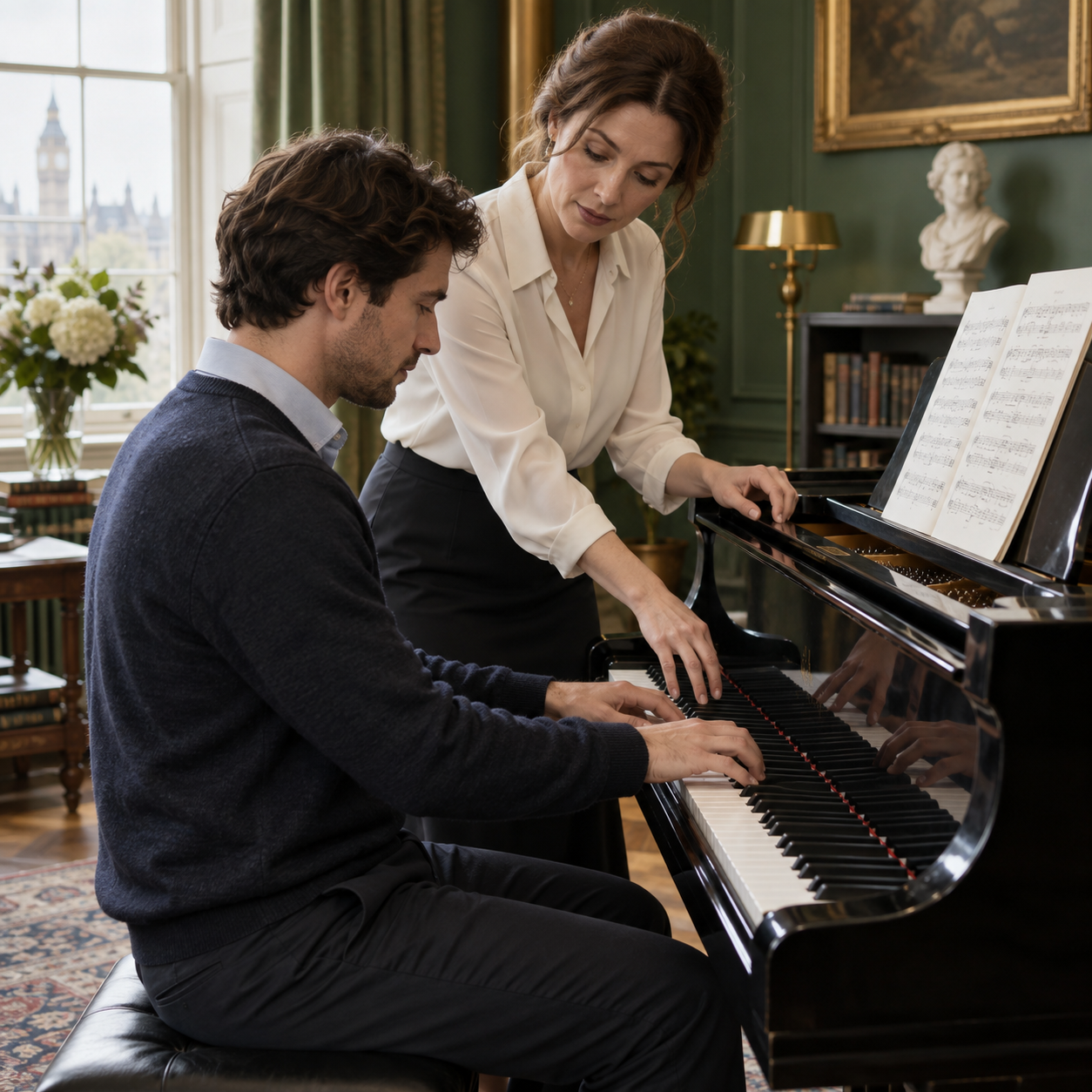
A printed fingering is a proposal, not a moral command. Small-handed pianists may change finger sooner, cross the thumb at a different point or use repeated fingers to keep the hand mobile. The best fingering prepares the next event and supports the desired articulation. It should be judged across the phrase, not on one isolated chord.
Practise the route silently on the key surfaces, noticing where the arm leads and where the hand releases. Then add sound at a moderate tempo. Research on hand span and keyboard size supports what many pianists report: standard key width can impose unequal muscular demands. That evidence strengthens the case for adaptation rather than heroic stretching.
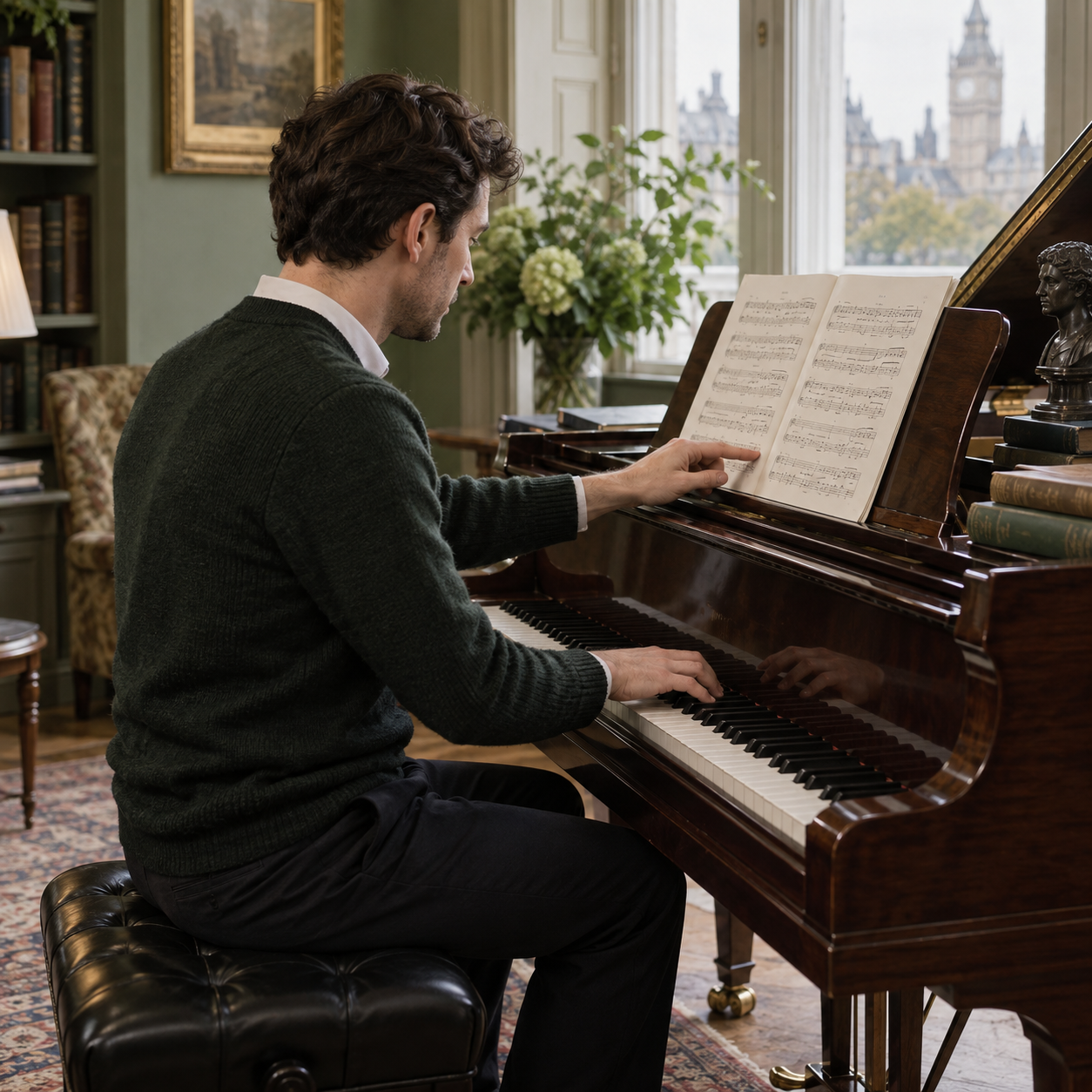
An intelligent adaptation can be more faithful to the music than a literal gesture performed with strain.
Repertoire and smaller keyboards
Repertoire choice should expand confidence while technique develops. Bach inventions, many Scarlatti sonatas, Classical sonatinas, Schumann miniatures, Debussy preludes and contemporary works offer rich challenges without continuous massive spans, though every score must be assessed individually. A teacher can sequence pieces so that one technical demand grows at a time.
Narrower-key instruments can reduce reach demands for some pianists, and current research is renewing discussion of the standard keyboard’s one-size-fits-all design. They are not available in every studio, so adaptation on a conventional instrument remains valuable. WKMT’s guide to piano warm-up exercises can support preparation, provided no exercise asks the hand to stretch beyond comfort.
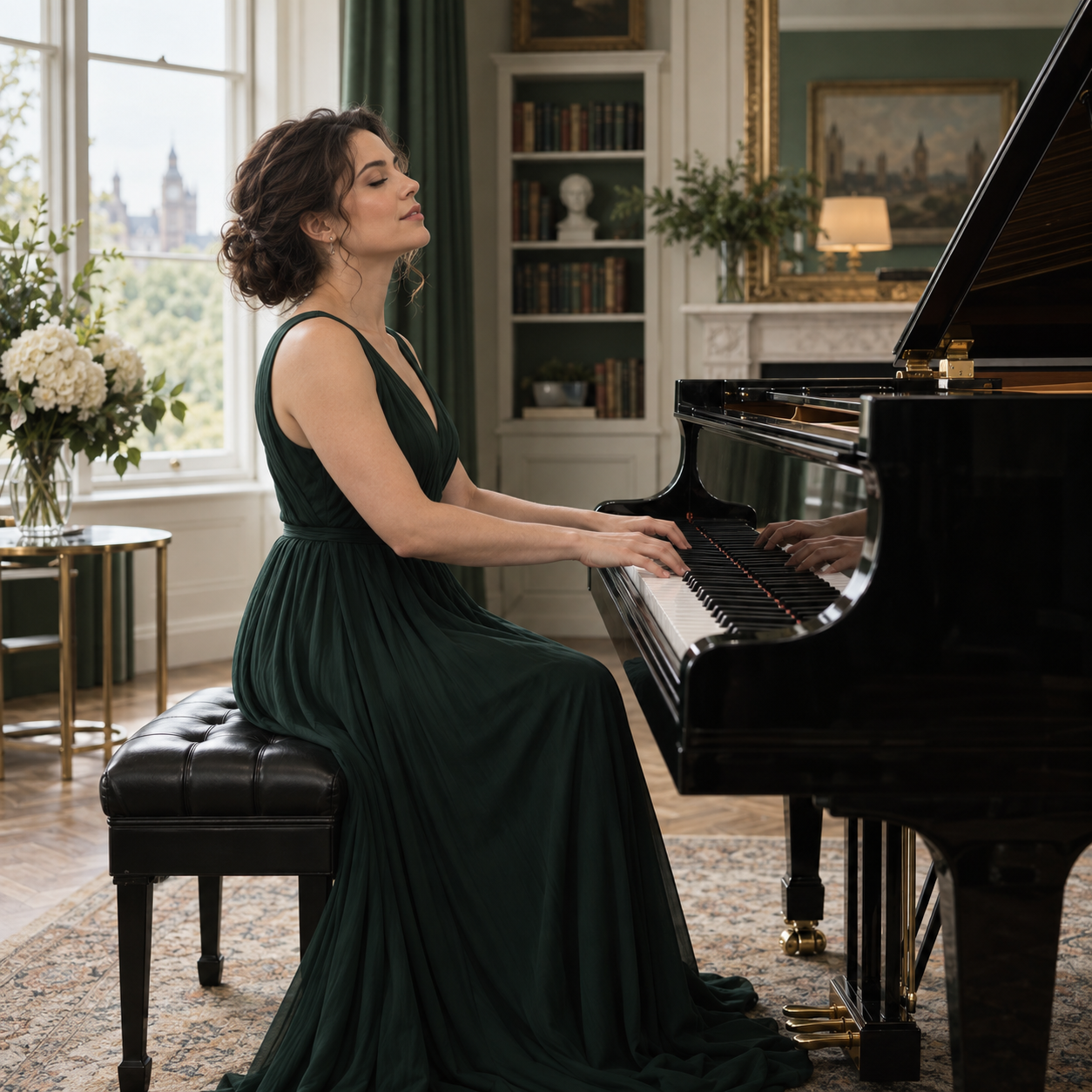
A practical test for every difficult passage
Identify the musical essentials: melody, bass, harmony, rhythm and character. Next, locate the exact physical obstacle. Try earlier movement, a different fingering, redistribution or a controlled roll. Record each version and choose the solution that sounds most coherent, not the one that looks most conventional.
Playing piano with small hands becomes less frustrating when the score is treated as a musical problem rather than an anatomical verdict. The mature pianist is allowed to make informed choices. Fidelity is not measured by silent suffering; it is heard in continuity, balance and an interpretation that the body can repeat safely.
WKMT London
Build a technique shaped around your hands, repertoire and musical ambitions.
Explore adult piano lessonsSources on playing piano with small hands
- Oxford Academic: Adaptive Strategies for Small-Handed Pianists
- Stanford Report: keyboard design and smaller hands
- University of Nebraska: Small Hands, SOS!
- Applied Ergonomics: hand span and keyboard size
- Performing Arts Medicine Association
- British Association for Performing Arts Medicine
Sources checked 16 September 2026. Educational guidance; individual circumstances and progress vary.