
 TRIAL LESSON
Piano Lessons
Lifelong Hobbies: Why Piano Can Become Serious Adult Study
Sep
Lifelong hobbies for adults in London
WKMT London adult learner guide
Lifelong Hobbies: Why Piano Can Become Serious Adult Study
Some pastimes entertain for a season; others deepen because they never quite run out of questions. Piano belongs among the richest lifelong hobbies because technique, listening and repertoire can keep evolving at every age.
Why piano belongs among lifelong hobbies
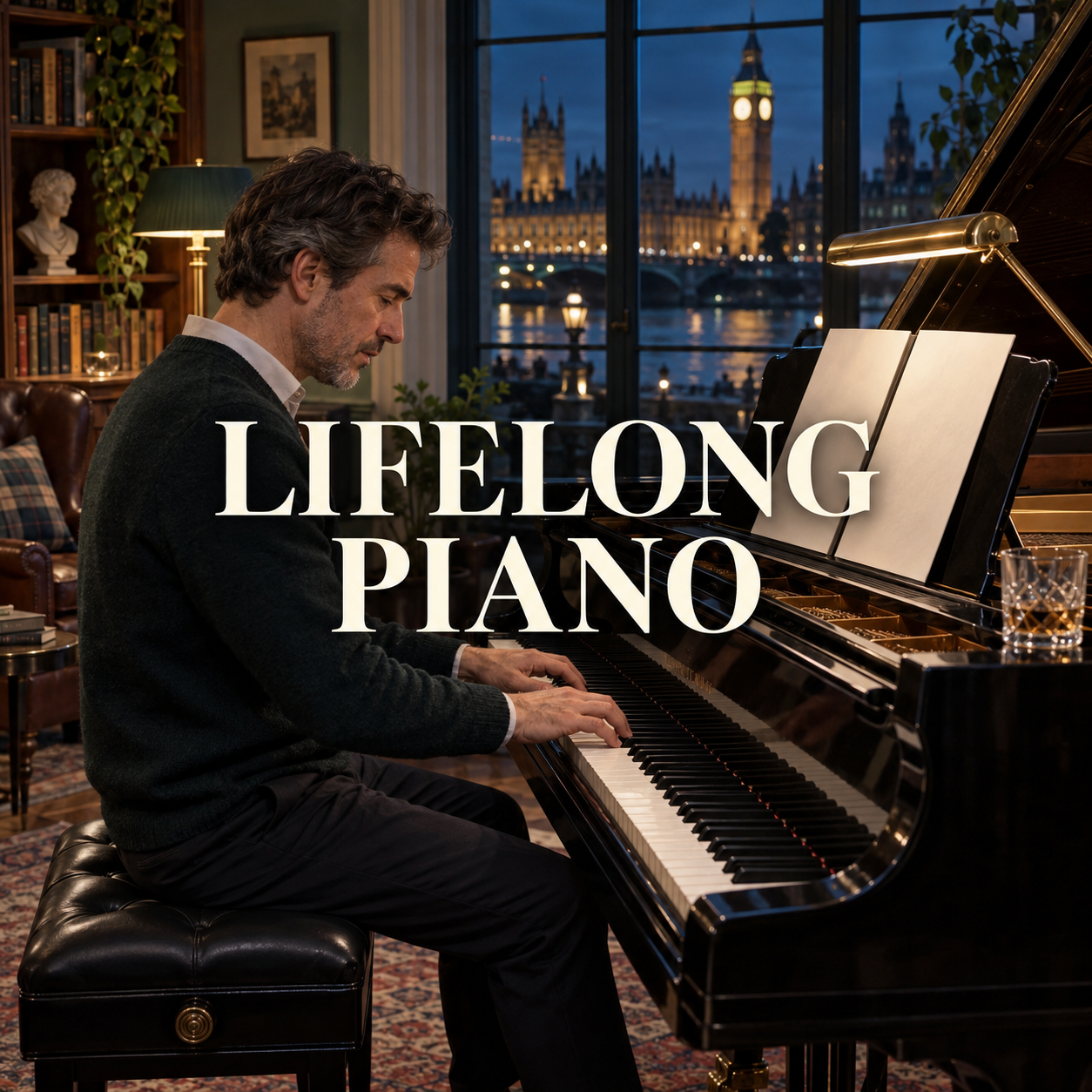
Piano offers immediate sound and almost unlimited depth. A beginner can shape a short melody in the first lesson, while an experienced player can spend years refining voicing in a Bach invention or the pacing of a Chopin nocturne. The instrument therefore balances access with inexhaustibility, one of the qualities that distinguishes lifelong hobbies from passing diversions.
It also combines several modes of attention. The player reads, listens, moves, anticipates and evaluates, often within a single phrase. This variety helps practice remain intellectually alive. Yet the deepest reason to continue is musical rather than medical: repertoire becomes a way of thinking, and familiar works reveal different meanings as the player’s ear and life experience change.
Minimum
Set a practice floor small enough to survive busy weeks.
Portfolio
Balance fluent, developmental and long-term repertoire.
Review
Notice changes in sound, ease and understanding, not only finished pieces.
What research can and cannot promise
Studies of older adults suggest that learning piano may support mood, self-efficacy, social connection and aspects of cognition. Randomised trials have reported improvements in quality of life or selected executive measures, while larger observational work links sustained musical engagement with cognitive trajectories. These are promising findings, not guarantees against illness or decline.
The honest value of lifelong hobbies does not depend on turning them into treatment. A weekly lesson can give structure, a piece can create absorption, and gradual mastery can restore a sense of agency after demanding work or major life change. Piano deserves to be chosen because the music matters. Possible wellbeing benefits are welcome companions, not the only justification.
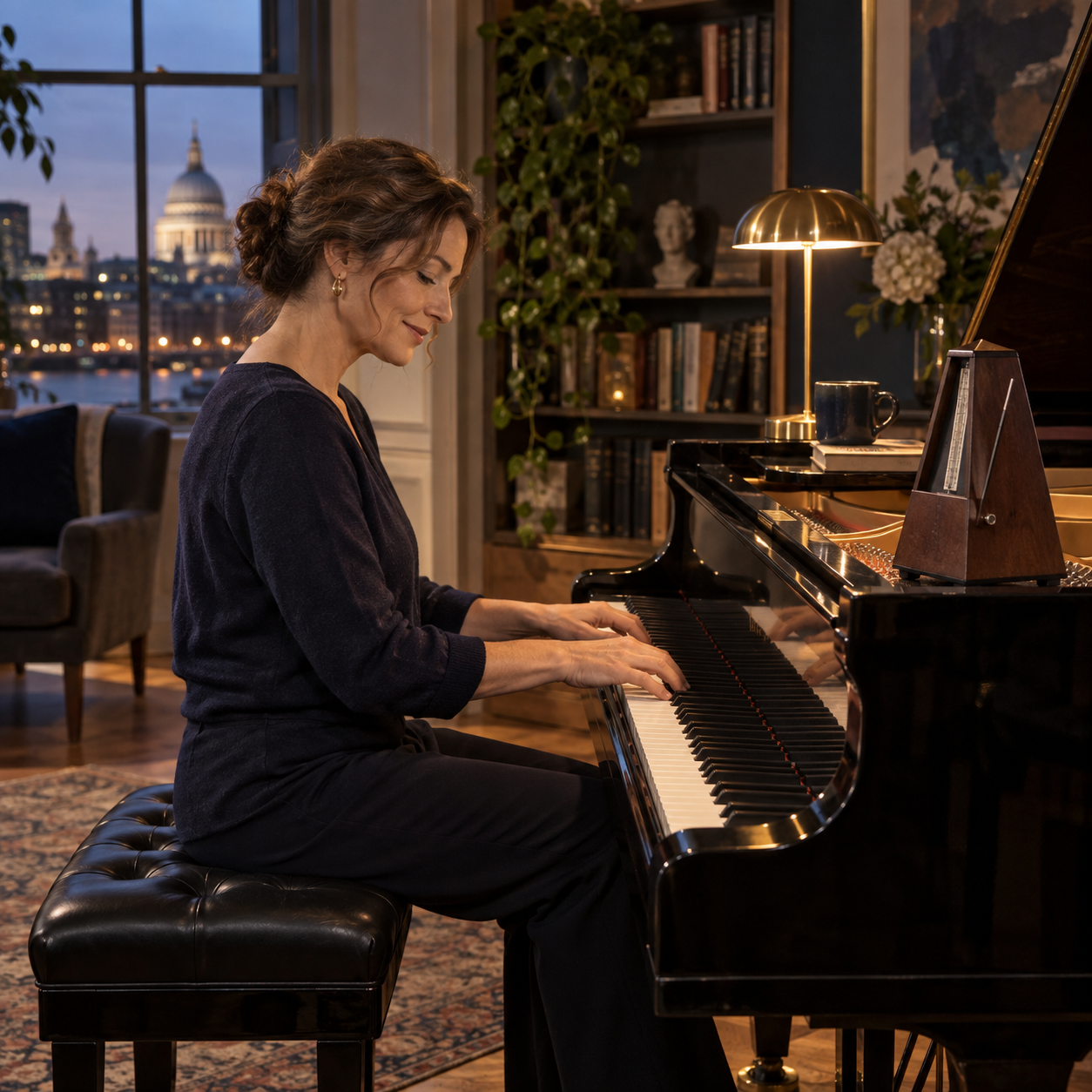
A lifelong hobby becomes serious when attention is sincere, not when leisure begins to resemble employment.
How to make adult piano study sustainable
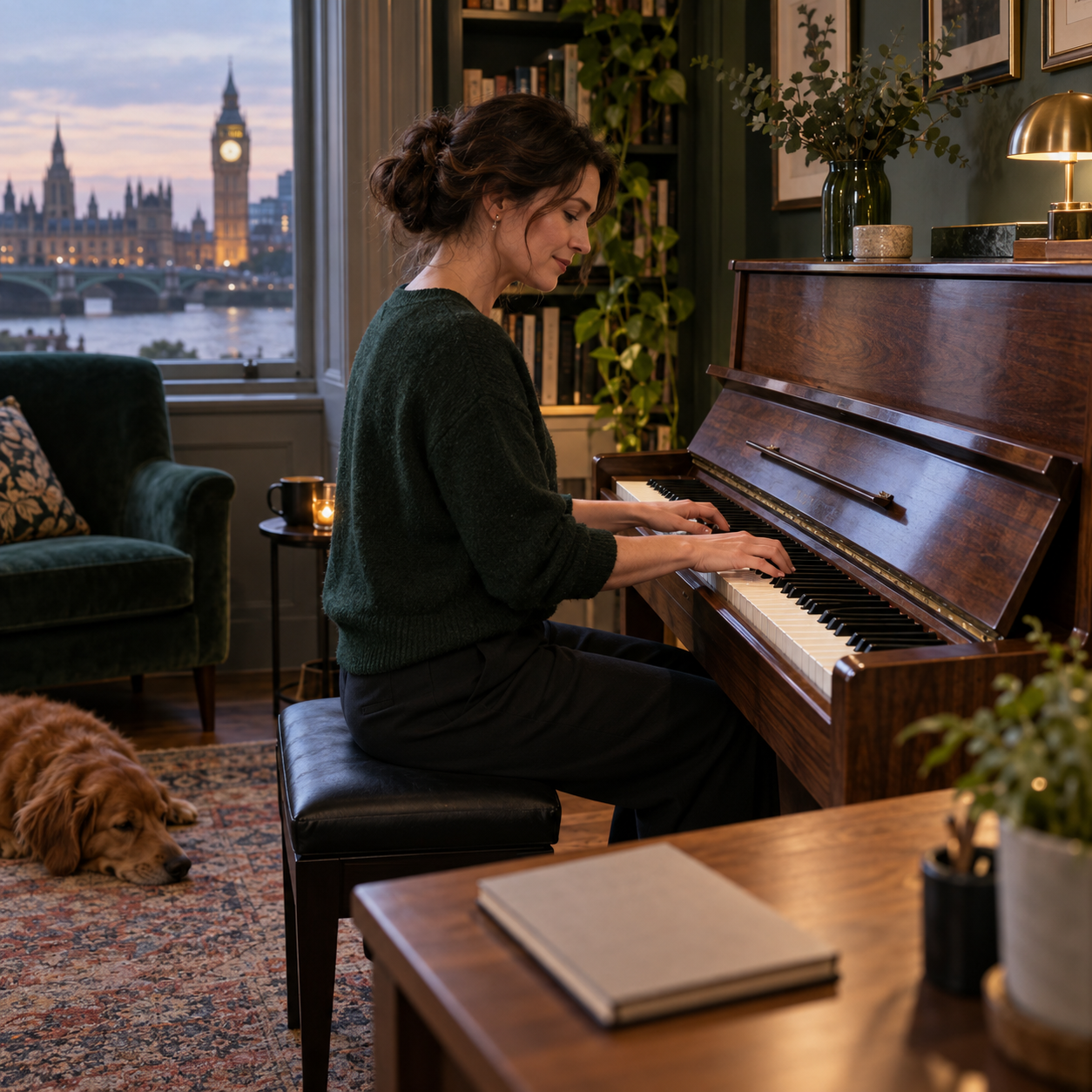
Sustainable practice begins with a small floor rather than an heroic ceiling. Ten focused minutes on a difficult day keeps contact with the instrument; a longer session can grow from there when time allows. Define the task precisely: balance the first phrase, secure one fingering, or hear the bass line alone. Vague intentions make even generous practice time disappear.
Choose repertoire on three horizons. Keep one accessible piece for fluency, one developmental work that stretches a specific skill and one long-term piece that carries personal meaning. This portfolio prevents the frustration of measuring every week against a single difficult score. It also lets lifelong hobbies include pleasure, craft and ambition at the same time.
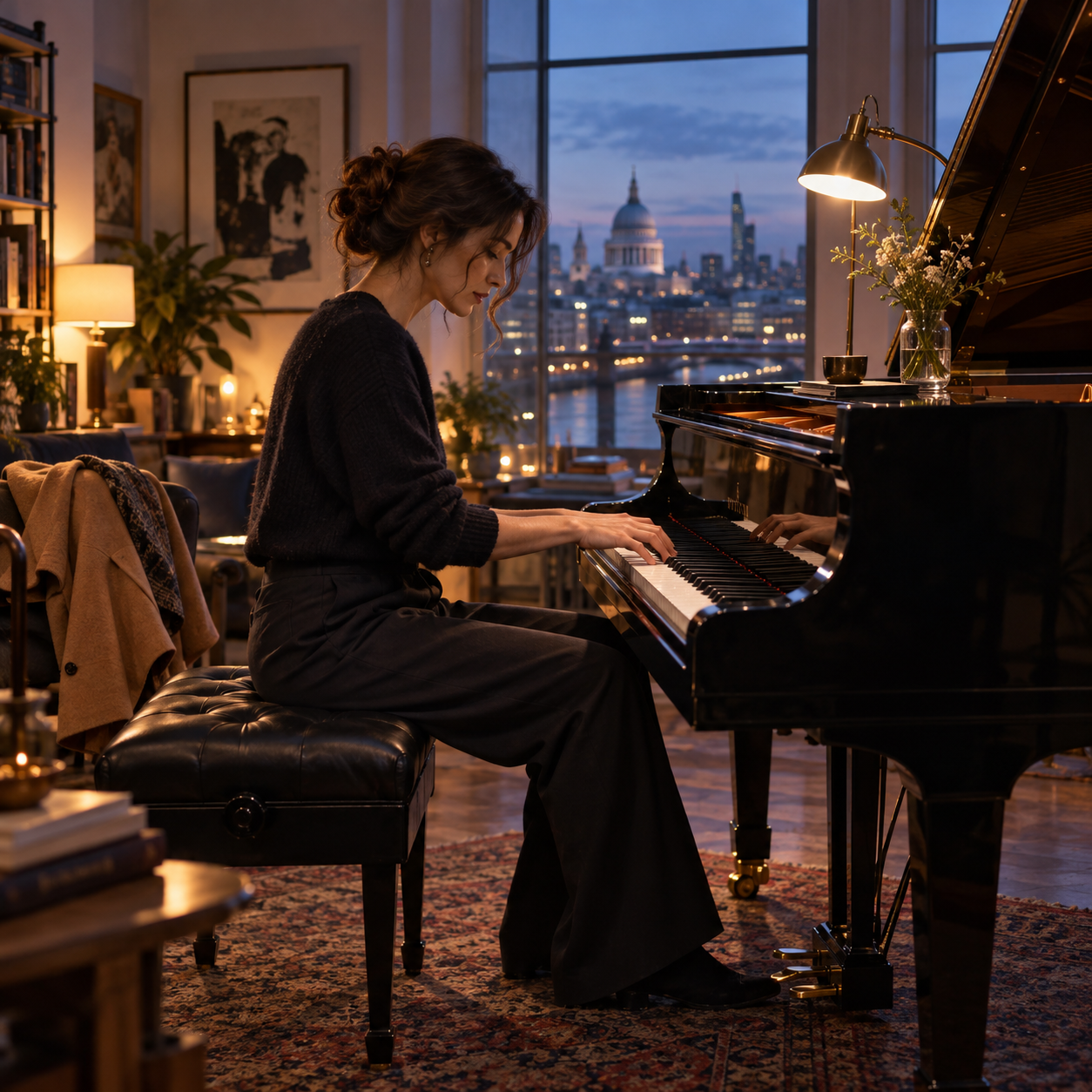
Why teaching changes the shape of a lifelong hobby
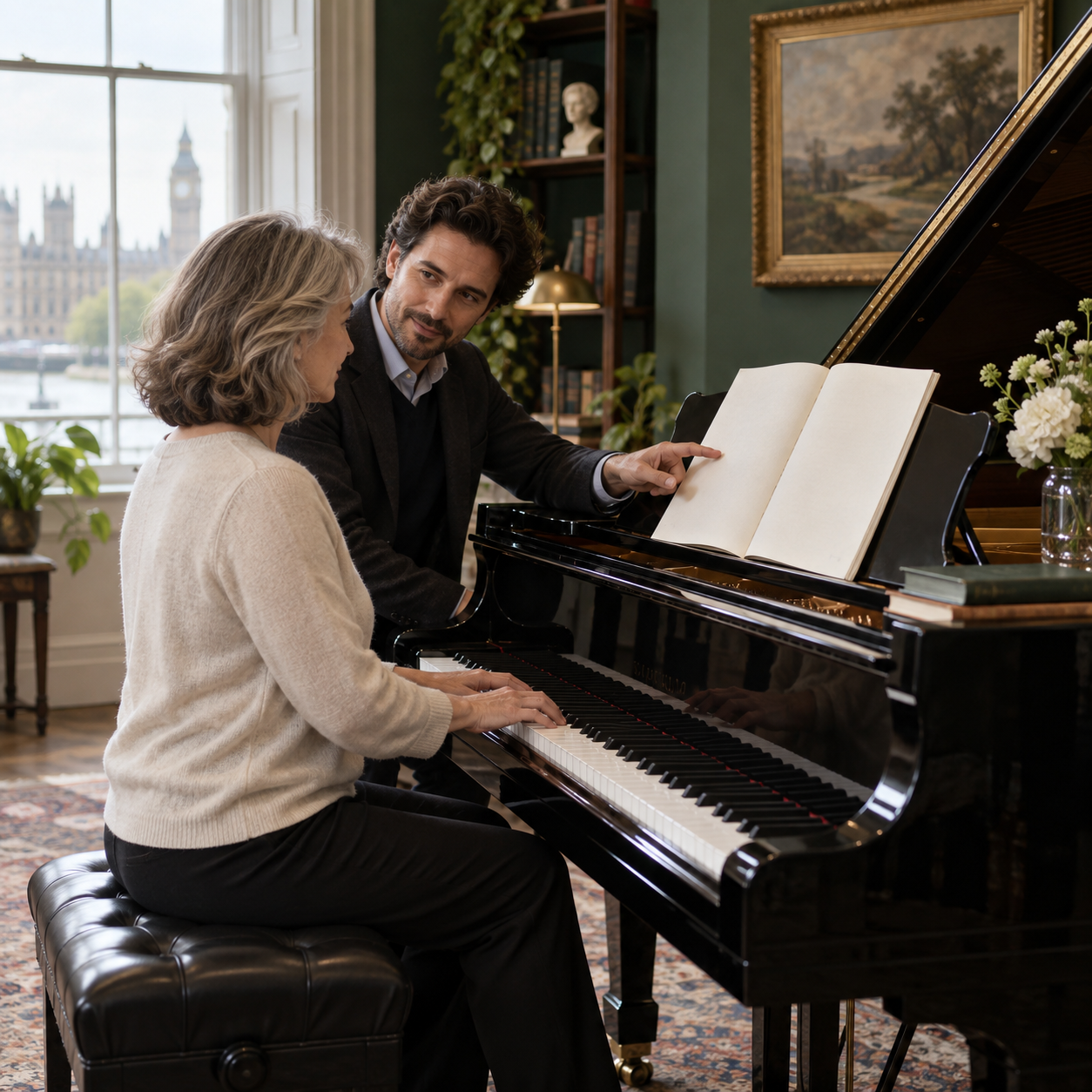
Independent exploration is valuable, but a teacher shortens avoidable detours. Adults often bring strong ideas and equally strong habits: held breath, inefficient fingering, over-pedalling or the belief that every mistake proves a lack of talent. A perceptive teacher connects one physical or musical adjustment to an audible result, then helps the student practise that change until it becomes dependable.
WKMT London adult piano lessons are designed for adults who want substance without pretending that work and family obligations do not exist. The lesson can hold a long view while adapting the weekly route. Serious study means care, curiosity and continuity. It does not require conservatoire hours, childhood training or a wish to perform professionally.
For a related WKMT perspective, read a practical beginner’s practice plan.
WKMT London
Build an adult piano practice with clear technical guidance, meaningful repertoire and goals that can mature with you.
Sources on lifelong hobbies
- PMC: piano learning, cognition, mood and quality of life
- Oxford Academic: piano training, executive function and psychosocial outcomes
- PMC: cognitive, motor and social factors in older adult music training
- PubMed: musical instruments and cognitive trajectories in a UK ageing cohort
- PMC: quality of life in older adults enhanced by piano practice
- Royal College of Music: music and wellbeing research
Sources checked 12 September 2026. Educational guidance; individual learning and development vary.