
 TRIAL LESSON
Piano Lessons
Hobbies for Busy Professionals: Making Piano Practice Worth the Time
Sep
WKMT London adult learner guide
Hobbies for Busy Professionals: Making Piano Practice Worth the Time
The best hobbies for busy professionals do not compete with work by imitating another performance target. They create a different quality of attention. Piano can fit a demanding London week because ten focused minutes can contain genuine listening, skilled movement and contact with music that matters personally.
In brief
Hobbies for busy professionals work best when they are easy to begin, meaningful in short sessions and deep enough to reward long-term return. Piano meets those conditions when the instrument is ready, practice has one clear aim and repertoire is chosen intelligently. Consistency matters more than long daily hours, and a responsive lesson can keep limited time focused.
Hobbies for busy professionals need a low-friction start
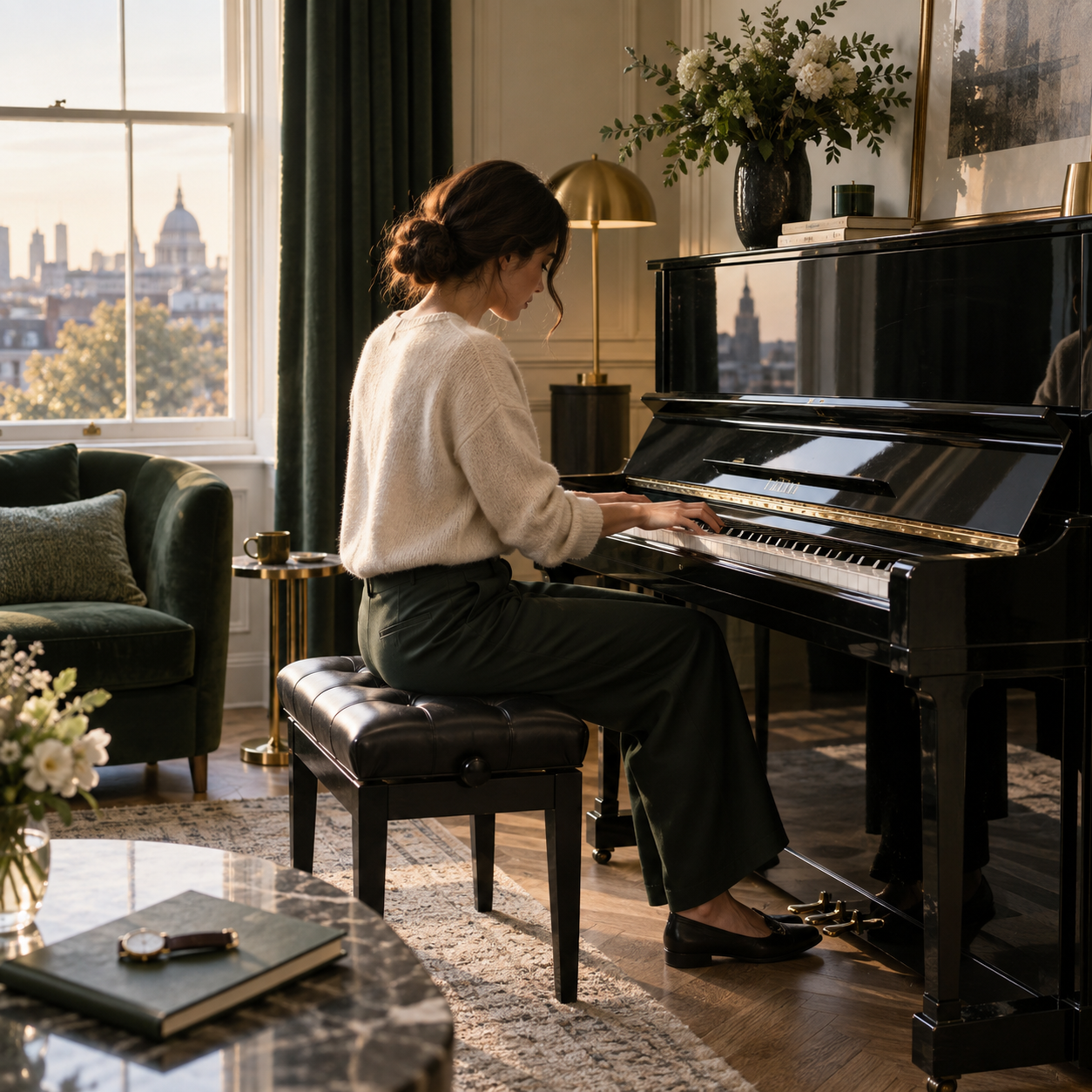
A hobby disappears when beginning requires twenty minutes of preparation. Keep the piano accessible, music open and the next task written in one sentence. If headphones are needed, leave them connected. The aim is to remove small decisions between the end of work and the first sound.
This is not an argument for making music effortless. It is a way of reserving difficulty for the music itself. Hobbies for busy professionals survive when the threshold is low but the experience is substantial. A single phrase balanced beautifully can provide more satisfaction than forty distracted minutes spent proving that practice happened.
Make a ten-minute piano session musically complete
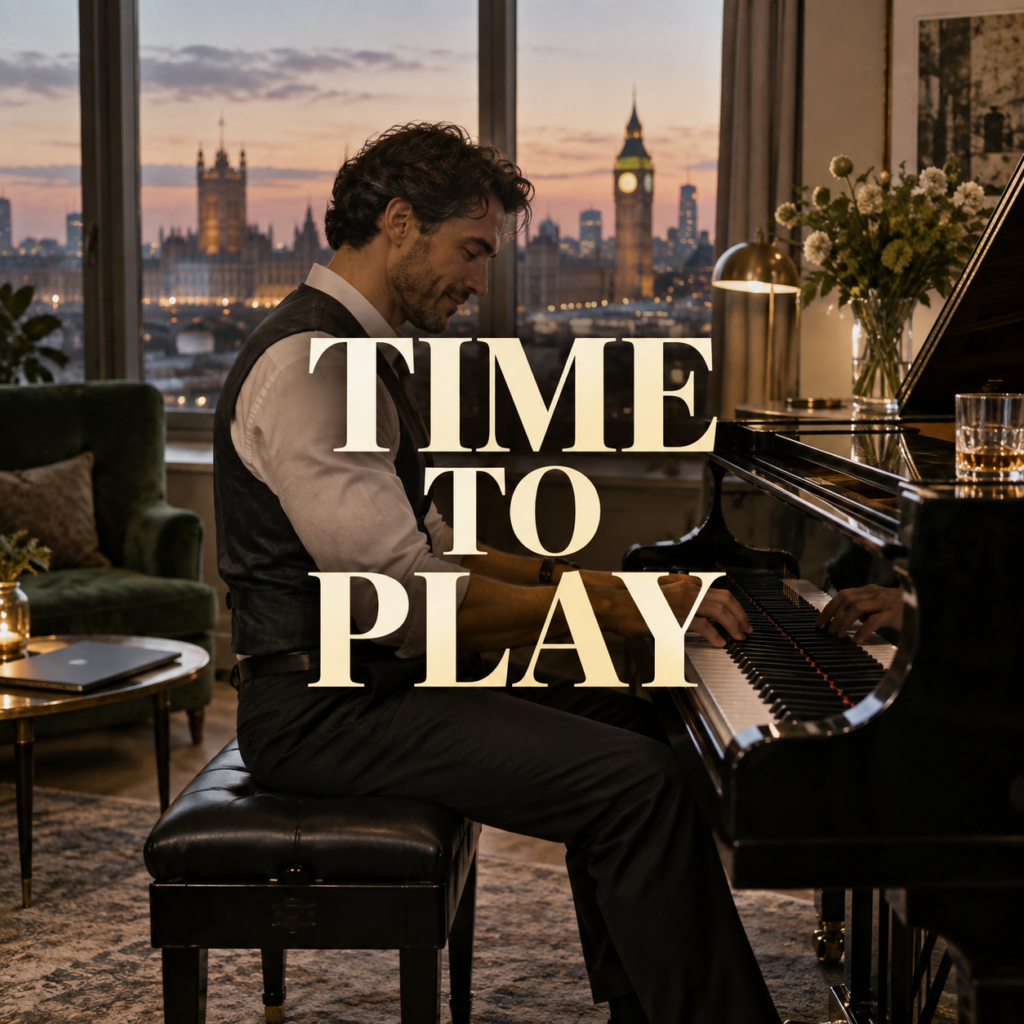
Begin with one minute of comfortable movement and attentive sound. Spend three minutes on a technical pattern taken from the piece, four minutes repairing one passage and two minutes playing a larger section without stopping. On another day, use all ten minutes for slow listening and voicing. The session needs a shape, not a fixed formula.
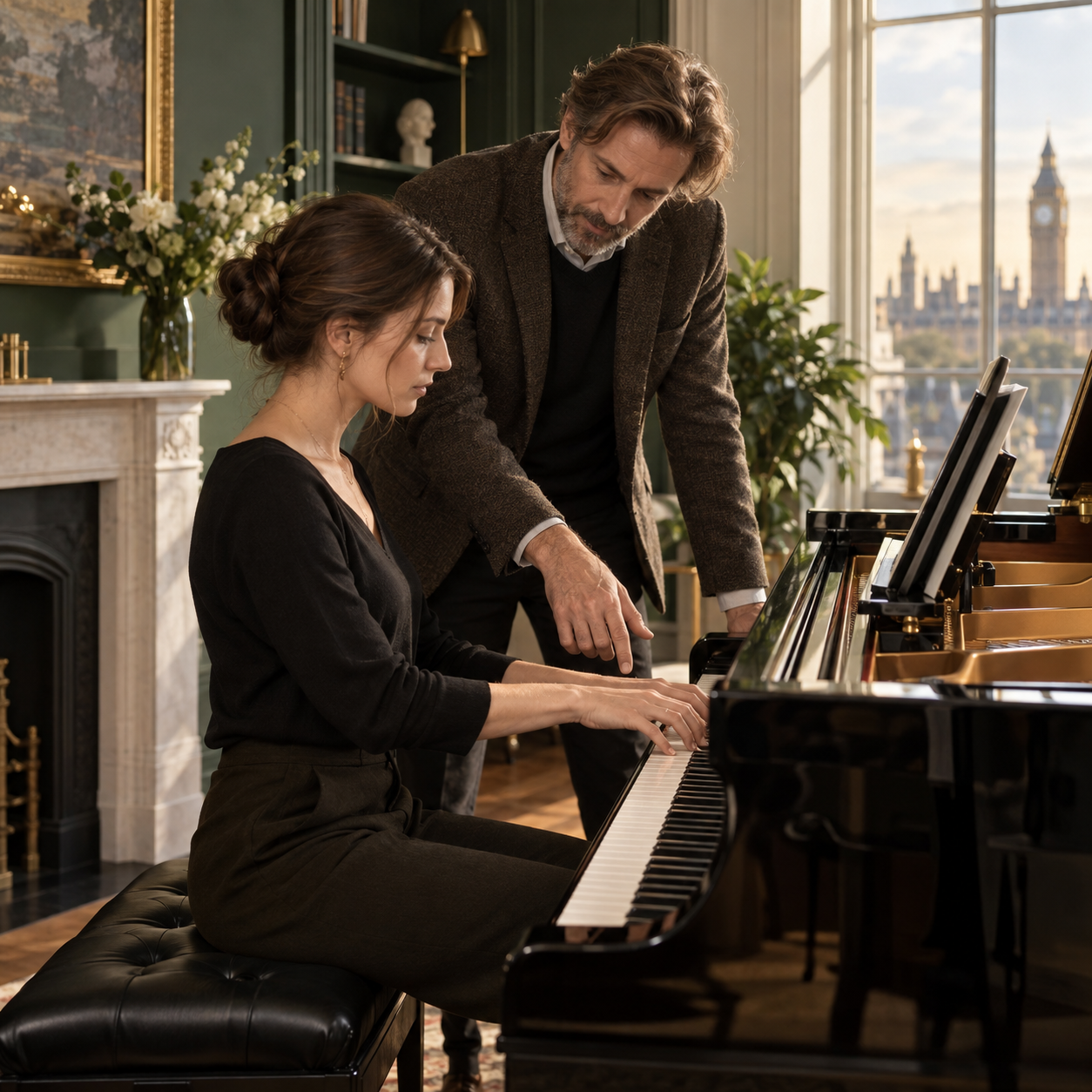
At adult piano lessons in London, a teacher can identify the smallest task that changes the performance. That may be one fingering, one bass line or one pedal release. Precise feedback protects scarce time and prevents the adult learner from rehearsing uncertainty.
Why piano offers more than escape from work
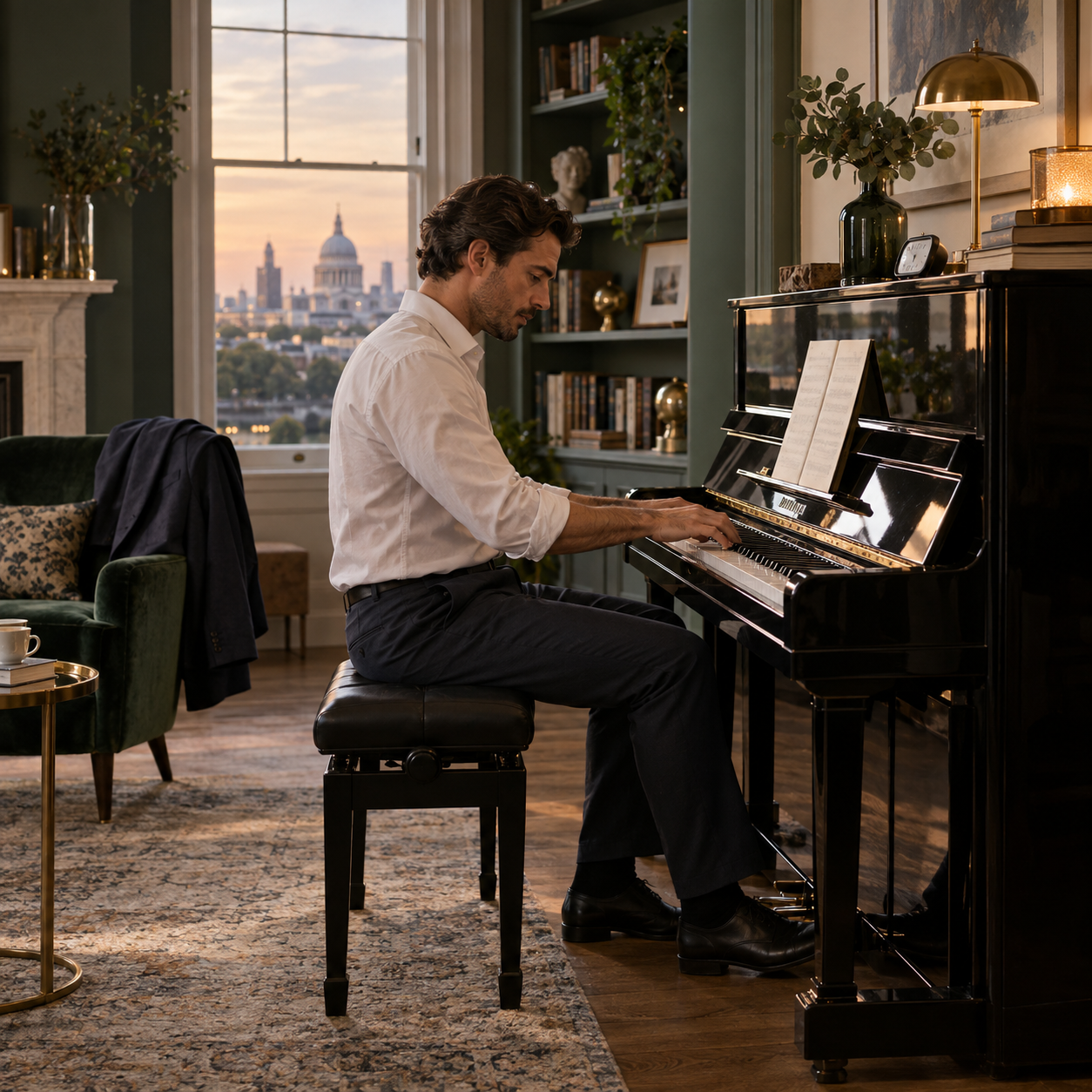
Research with adults who studied piano inside a demanding London law firm describes musical learning as an experience that could sit meaningfully beside professional identity. Wider research on adult piano students reports highly valued benefits in skill, accomplishment, musical knowledge, enjoyment and personal growth. These accounts explain why depth matters more than passive diversion.
The evidence should not be turned into a health promise. Hobbies for busy professionals are valuable first because people value them. Piano invites concentration on touch, timing, memory and sound, while repertoire opens a cultural world beyond the working day. Any sense of restoration grows from that musical engagement rather than from a guaranteed effect.
A worthwhile hobby changes the quality of attention, even when the available time is small.
A weekly plan that can survive a demanding calendar
Use three anchors: one short weekday session, one lesson or guided checkpoint and one longer weekend visit to the instrument. Treat additional practice as welcome rather than owed. When travel intervenes, listen with the score, tap fingering on a table or mark harmonic landmarks. Continuity can be maintained without pretending that every week is identical.
Choose one principal piece and one piece that already feels fluent. The first provides direction; the second preserves pleasure and sound. WKMT’s guide to practising piano after work explores the transition from professional attention to musical attention in greater detail.
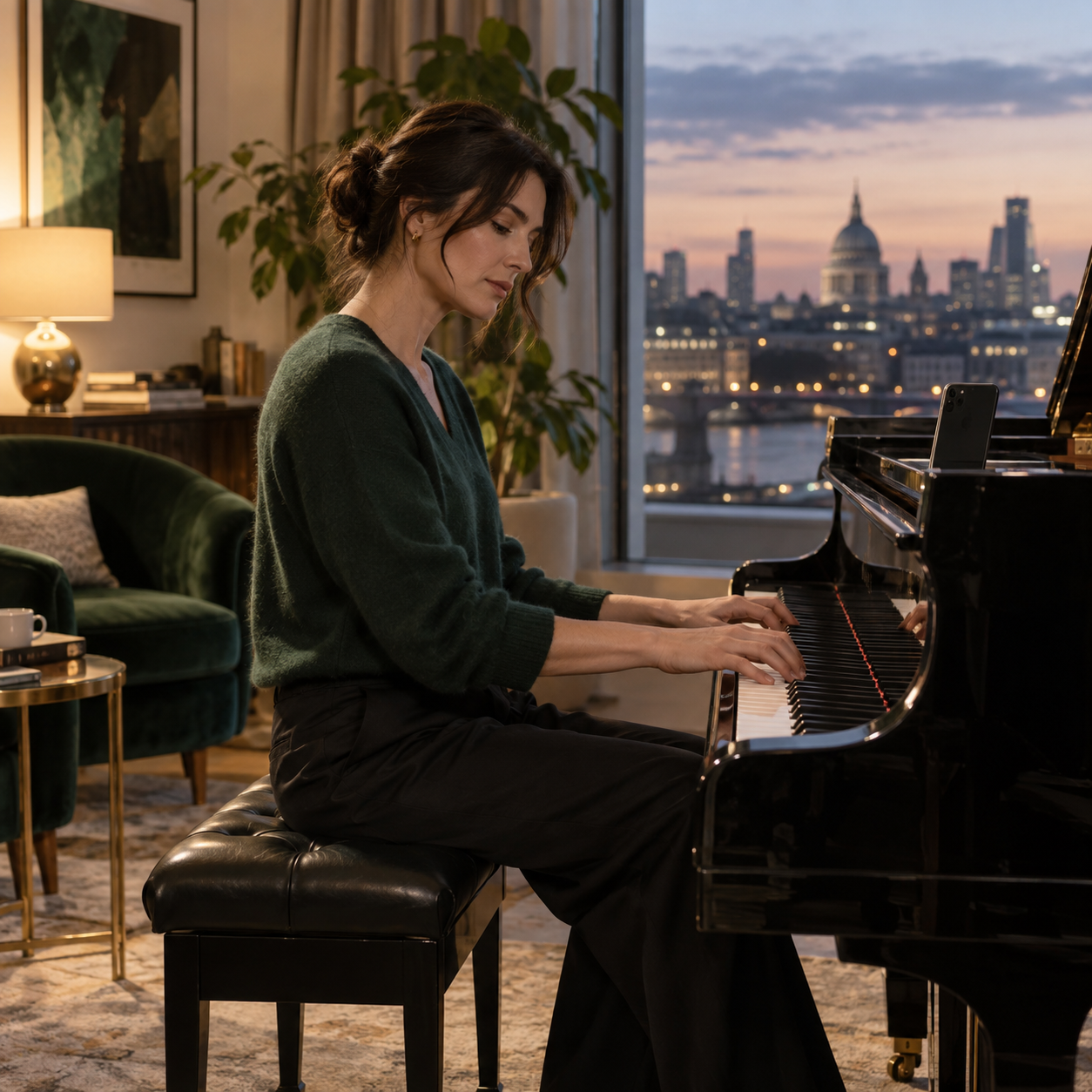
Measure progress by musical evidence
A calendar streak can encourage attendance, but it does not reveal whether the music improved. Record the passage once a week and ask a specific question: is the bass steadier, does the phrase reach its cadence, are releases cleaner? One audible improvement gives the next session a clear beginning.
The strongest hobbies for busy professionals can expand and contract without losing identity. Ten minutes may become an hour during a quieter week; after a deadline, the pianist can return without guilt. Seriousness is not constant volume of effort. It is the decision to keep listening, to seek good guidance and to let skill accumulate over time.
WKMT London
Build an adult piano plan that respects your working life while giving musical ambition a serious place within it.
Explore adult piano lessonsSources on hobbies for busy professionals adults
- Oxford University Research Archive: piano lessons in a London office
- ERIC: benefits reported by adult piano students
- PubMed: predictors of perceived busyness across adulthood
- PMC: time use, wellbeing and life satisfaction
- Royal College of Music: Centre for Performance Science
- BAPAM: healthy practice guidance
Sources checked 20 September 2026. Educational guidance; individual circumstances and progress vary.