
 TRIAL LESSON
Piano Lessons
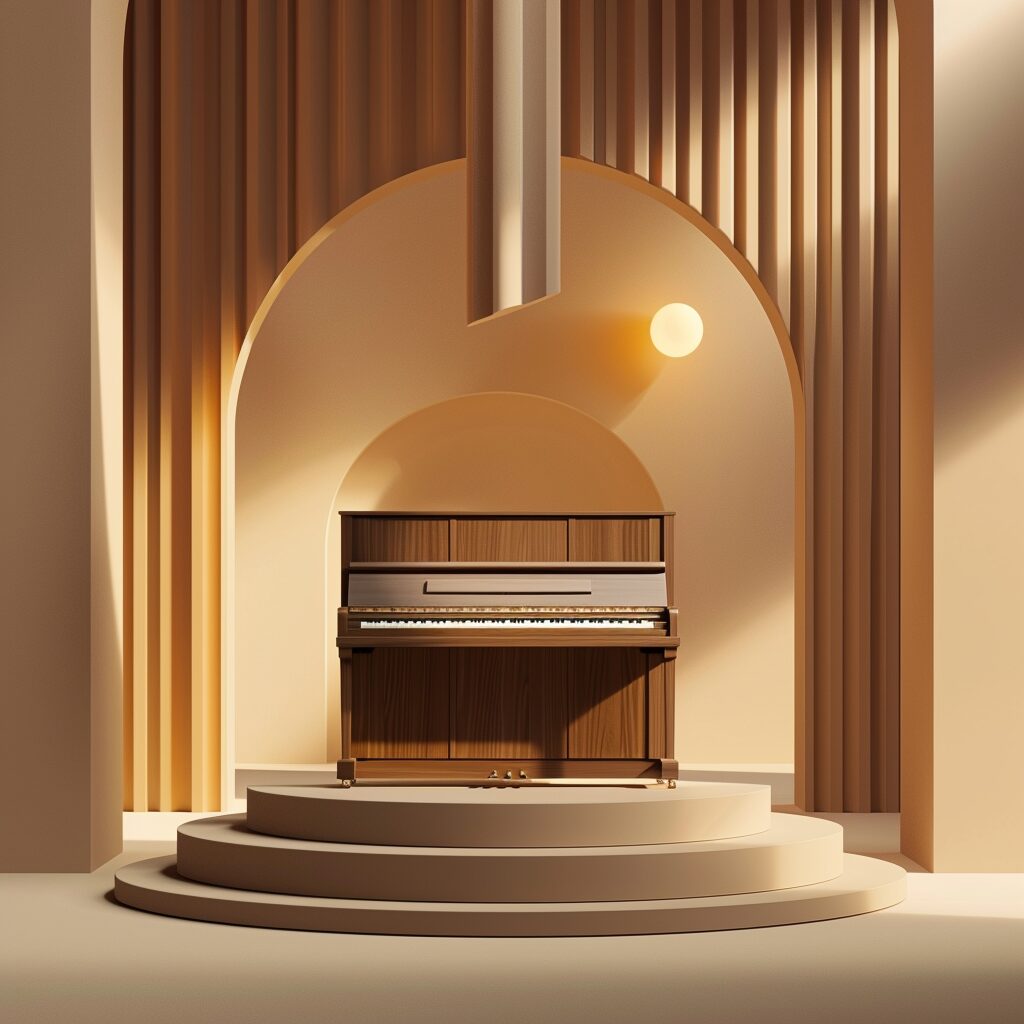
Top Upright Pianos – How to choose the best uprights
Jul
Best Upright Piano – How to Choose the Best Upright Pianos
Introduction to Best Upright Piano Guide
The upright piano, with its compact design and rich history, has been a cornerstone of musical expression for over two centuries. If you’re a beginner embarking on your musical journey, an intermediate player seeking an upgrade, or a professional in need of a space-saving alternative to a grand piano, choosing the best upright piano requires careful consideration. This comprehensive guide explores the world of upright pianos, covering their historical development and the factors that determine their quality.
We will delve into the characteristics that make the best upright pianos, such as sound quality, depth of tone, and dynamic range. We’ll compare top piano brands, including Yamaha upright pianos, Steinway pianos, and Bechstein upright pianos, and provide detailed reviews of the finest upright pianos available today.
Our journey will include nuances of touch and action, practical considerations of size and budget, and the significance of year manufacturer warranties. You’ll learn about new acoustic piano models offering exceptional musicality and long-lasting consistency of sound, like the Yamaha U series pianos and the impressive range of Kawai upright pianos. Additionally, we’ll highlight pianos with innovative features like carbon fiber components and leading-edge technology.
Understanding the importance of reliable action, unrivaled touch, and powerful bass, we aim to help you find the right choice for your needs, whether you’re an advanced pianist, a discerning teacher, or a serious musician. We will cover a variety of models from top piano makers, including Steinway K, Mason & Hamlin, and Pearl River, ensuring great value across different price points.
We’ll also consider the best value options for those with a limited budget and discuss important considerations such as price range, high-quality materials, and responsive action. By the end of this article, you’ll be equipped with the knowledge to make an informed decision about which upright piano best suits your needs, skill level, and aspirations. Whether you’re furnishing a cozy apartment, a school music room, or a professional studio, the perfect upright piano is out there, ready to become part of your musical soul. Let’s embark on this journey to discover the harmony of craftsmanship, sound, and personal preference that makes each piano unique.
History of the Upright Piano
The upright piano, a revolutionary design in the world of keyboard instruments, has a rich and fascinating history that spans over two centuries. Its development was driven by the need for a more compact and affordable alternative to the grand piano, making music more accessible to a wider range of people.
Early Precursors
The story of the upright piano begins in the early 18th century with the development of the “clavicytherium,” a vertical harpsichord. This instrument, while not a piano, laid the groundwork for the concept of vertical string placement.
The Birth of the Upright Piano
- 1739: Domenico Del Mela, an Italian instrument maker, created what is widely considered the first true upright piano. However, this early version did not gain widespread popularity.
- 1795: William Southwell patented the first upright piano in London. His design featured diagonal strings and was more compact than previous vertical instruments.
- 1800: John Isaac Hawkins, a British inventor working in Philadelphia, patented a more recognizable upright piano design. This model had vertical strings and a more efficient action, setting the stage for future developments.
Refinement and Popularization
- 1820s: Robert Wornum developed the “cottage piano” in London, which became the basis for modern upright piano actions. This design allowed for a shorter cabinet while maintaining good sound quality.
- 1830s-1840s: Upright pianos began to gain popularity in Europe and America. Their smaller size and more affordable price compared to grand pianos made them attractive for home use.
- 1860s: The “full iron frame” was introduced, allowing for higher string tension and improved sound quality. This innovation, first developed for grand pianos, was quickly adapted for uprights.
The Golden Age of Upright Pianos
- Late 19th Century: Upright piano production boomed, with numerous manufacturers entering the market. The instrument became a staple in middle-class homes, schools, and public spaces.
- Early 20th Century: The player piano, an upright piano that could play automatically using perforated paper rolls, became extremely popular, further cementing the upright’s place in homes and entertainment venues.
Modern Era
- Mid-20th Century: The rise of electronic instruments and changing musical tastes led to a decline in upright piano production and popularity.
- Late 20th Century to Present: A resurgence of interest in acoustic instruments has led to renewed appreciation for upright pianos. Modern manufacturing techniques have improved consistency and quality, while preserving traditional craftsmanship.
- 21st Century: The development of hybrid and silent upright pianos, combining acoustic mechanisms with digital technology, represents the latest evolution in upright piano design.
Throughout its history, the upright piano has continuously evolved, balancing the demands of sound quality, space efficiency, and affordability. From its humble beginnings to its current status as a beloved instrument in homes, schools, and concert halls worldwide, the upright piano has played a crucial role in shaping musical culture and education for generations.
Advantages of Upright Pianos
Upright pianos have maintained their popularity for over two centuries, and for good reason. They offer numerous advantages that make them an attractive choice for a wide range of pianists, from beginners to professionals. Let’s explore the key benefits of choosing an upright piano:
1. Space Efficiency
One of the most significant advantages of upright pianos is their compact design:
- Vertical Structure: By arranging the strings and soundboard vertically, upright pianos occupy much less floor space than grand pianos.
- Wall Placement: They can be placed against a wall, making them ideal for smaller rooms, apartments, or areas with limited space.
- Variety of Sizes: Upright pianos come in various heights, from spinet and console models to full-size uprights, allowing for flexibility in fitting different spaces.
2. Cost-Effectiveness
Upright pianos generally offer a more affordable option compared to grand pianos:
- Lower Initial Cost: On average, upright pianos are significantly less expensive than grand pianos of comparable quality.
- Reduced Maintenance Costs: The smaller size often translates to lower tuning and maintenance expenses.
- Value for Money: Many upright pianos offer excellent sound quality and playing experience at a fraction of the cost of a grand piano.
3. Durability and Stability
The design of upright pianos contributes to their robustness:
- Enclosed Structure: The vertical cabinet protects the piano’s internal components from dust and accidental damage.
- Climate Resistance: Upright pianos are often more resistant to changes in temperature and humidity due to their compact structure.
- Tuning Stability: Many uprights maintain their tuning well, requiring less frequent tuning than some grand pianos.
4. Sound Characteristics
While different from grand pianos, uprights offer unique and desirable tonal qualities:
- Direct Sound: The vertical orientation of the soundboard projects sound directly toward the player and audience.
- Intimate Tone: Many uprights produce a warm, intimate tone that’s well-suited for smaller spaces and personal playing.
- Volume Control: The closed cabinet design allows for easier volume control, making uprights suitable for practice in residential settings.
5. Pedagogical Benefits
Upright pianos are excellent instruments for learning and teaching:
- Consistent Action: The vertical action of upright pianos can help beginners develop finger strength and proper technique.
- Affordable Practice Instrument: Their lower cost makes them accessible for students and institutions.
- Preparation for Grand Pianos: Skills developed on a quality upright transfer well to playing grand pianos.
6. Aesthetic Versatility
Upright pianos can be aesthetically pleasing and versatile:
- Design Variety: Available in a wide range of styles, from traditional to modern, to match various decor preferences.
- Furniture Piece: Often serve as attractive furniture pieces in addition to being musical instruments.
- Customization Options: Many manufacturers offer custom finishes and designs to suit individual tastes.
7. Portability
While not easily moved on a whim, upright pianos are more portable than grand pianos:
- Easier Relocation: Their smaller size and weight make them easier to move between rooms or homes.
- Simpler Transportation: Professional movers can transport upright pianos with less difficulty and cost compared to grand pianos.
8. Suitability for Various Genres
Upright pianos are versatile instruments suited for multiple musical styles:
- Classical Repertoire: Many uprights can handle a wide range of classical pieces effectively.
- Popular Music: Their sound is well-suited for jazz, pop, and other contemporary genres.
- Recording: The direct sound projection can be advantageous in certain recording situations.
In conclusion, upright pianos offer a compelling combination of space efficiency, affordability, and musical quality. These advantages make them an excellent choice for a wide range of pianists and settings, from home use to professional applications. While they may not replicate every aspect of a grand piano’s performance, upright pianos provide a rewarding playing experience and have rightfully earned their place as beloved instruments in the world of music.
Factors to Consider When Choosing an Upright Piano
Selecting the right upright piano is a significant decision that requires careful consideration of various factors. Whether you’re a beginner, an intermediate player, or a professional musician, understanding these key elements will help you make an informed choice that best suits your needs, preferences, and budget.
1. Sound Quality
The sound of a piano is arguably its most important feature. When evaluating sound quality, consider the following:
- Tonal Character: Listen for richness, warmth, and clarity across all registers (bass, mid-range, and treble).
- Dynamic Range: The piano should be capable of producing a wide range of volumes, from soft pianissimos to loud fortissimos.
- Sustain: Note how long the sound continues after a key is struck, especially in the mid and bass ranges.
- Resonance: Pay attention to the overall resonance and how notes blend together when played simultaneously.
2. Touch and Action
The feel of the keys and the responsiveness of the piano’s action significantly impact playability:
- Key Weight: The keys should have a comfortable weight that allows for expressive playing without causing fatigue.
- Action Responsiveness: The action should be responsive, allowing for quick repetition and precise control.
- Consistency: The touch should be uniform across all keys.
- Dynamic Control: It should be easy to play both softly and loudly with a range of touches.
3. Size and Space Considerations
Upright pianos come in various sizes, each with its own characteristics:
- Spinet (36-40 inches tall): Smallest and most compact, but often with compromised sound quality.
- Console (40-43 inches): Good balance of size and sound, suitable for many home environments.
- Studio (44-47 inches): Improved sound quality, often used in music schools and small performance spaces.
- Full-size/Professional (47-52+ inches): Best sound quality and performance, approaching that of grand pianos.
Consider your available space and how the piano’s size might affect its sound and touch.
4. Brand and Reputation
Well-established brands often provide reliability and consistent quality:
- Research: Look into the history and reputation of different piano manufacturers.
- Reviews: Read professional reviews and user testimonials.
- Resale Value: Consider how well the brand holds its value over time.
5. Price Range
Determine your budget while considering long-term value:
- New vs. Used: Decide whether a new piano or a well-maintained used one better fits your needs and budget.
- Price-Quality Relationship: Generally, higher-priced pianos offer better quality, but there are exceptions.
- Hidden Costs: Factor in additional costs like delivery, tuning, and potential future repairs.
6. Intended Use
Consider how and where you plan to use the piano:
- Home Practice: A good-quality console or studio upright might suffice.
- Teaching: Consider a durable instrument that can withstand frequent use.
- Performance: A larger upright with superior sound quality may be necessary.
7. Construction and Materials
The piano’s build quality affects its sound, durability, and longevity:
- Soundboard: Look for high-quality wood, properly cured and installed.
- Frame: A solid cast-iron plate is standard in good-quality pianos.
- Strings: Check the quality and type of strings used.
- Cabinet: Ensure solid construction that will protect the instrument and contribute to its resonance.
8. Age and Condition (for Used Pianos)
If considering a used piano:
- Age: Pianos can last many decades if well-maintained, but very old instruments may have issues.
- Restoration History: Has the piano been rebuilt or had major repairs?
- Current Condition: Check for signs of wear, damage, or neglect.
9. Tuning Stability
A piano that holds its tuning well will require less frequent professional tuning:
- Tuning Pins: Ensure they are tight and in good condition.
- Climate Sensitivity: Some pianos are more stable in changing humidity and temperature.
10. Additional Features
Consider any extra features that might be important to you:
- Silent Systems: Some uprights come with the ability to practice silently using headphones.
- Humidity Control Systems: Built-in systems can help maintain the piano in challenging climates.
- Finish Options: While secondary to sound and touch, the piano’s appearance might be important in your home.
11. Warranty and Dealer Support
For new pianos, consider:
- Warranty Terms: What’s covered and for how long?
- Dealer Reputation: A good dealer can provide valuable support and services.
By carefully considering these factors, you’ll be well-equipped to choose an upright piano that not only sounds and feels great but also fits your specific needs and circumstances. Remember, it’s often helpful to try out multiple pianos and, if possible, bring along an experienced pianist or teacher to assist in your evaluation.
Top Upright Piano Models
When choosing an upright piano, it’s essential to consider various factors such as sound quality, touch and action, durability, and price range. Below, we present a curated list of some of the best upright pianos available in the market today, renowned for their exceptional performance and build quality. This selection includes pianos suitable for beginners, intermediate players, and professionals, ensuring there’s an ideal option for every pianist.

1. Yamaha U1
Overview: The Yamaha U1 is a legendary model in the world of upright pianos, known for its bright, clear tone and reliable action. It’s a perfect choice for serious pianists and students alike, offering exceptional value and durability.
Key Features:
- Sound Quality: Bright, clear tone suitable for a wide range of music.
- Build Quality: High-quality materials and precise manufacturing.
- Price Range: Mid-range, offering great value for its quality.
- Ideal For: Advanced pianists, serious musicians, and educational institutions.
2. Kawai K-800
Overview: The Kawai K-800 is part of Kawai’s Professional Upright Piano series, known for its exceptional build quality and rich, warm tone. It incorporates innovative materials like ABS-Carbon in its action for enhanced durability and performance.
Key Features:
- Sound Quality: Rich, warm tone with powerful bass.
- Build Quality: Use of modern materials like ABS-Carbon for durability.
- Price Range: Higher end, reflecting its professional-grade quality.
- Ideal For: Professional players and serious musicians seeking top-tier performance.
3. Steinway K-52
Overview: The Steinway K-52 is renowned for its rich, complex tone and excellent sustain. Handcrafted with premium materials, this piano is a favorite among professionals and serious students.
Key Features:
- Sound Quality: Rich, complex tone with long sustain.
- Build Quality: Handcrafted with premium materials for lasting quality.
- Price Range: High-end, indicative of its superior craftsmanship.
- Ideal For: Professional use, advanced players, and those seeking the best in quality.
4. Blüthner Model S
Overview: The Blüthner Model S combines exquisite craftsmanship with a unique, singing tone. This upright is known for its exceptional resonance and aesthetic appeal, making it a standout choice for both performance and visual impact.
Key Features:
- Sound Quality: Distinctive, lyrical tone with excellent resonance.
- Build Quality: Handcrafted with top-quality materials.
- Price Range: High-end, reflecting its unique features and craftsmanship.
- Ideal For: Classical musicians and those who appreciate both sound and visual beauty.
5. Schimmel K132
Overview: Schimmel’s K132 offers a clear, well-balanced tone and responsive touch, making it a popular choice among professional and serious amateur pianists. Its patented technologies enhance its performance and durability.
Key Features:
- Sound Quality: Clear, well-balanced tone across all registers.
- Build Quality: Incorporates innovative technologies and high-quality materials.
- Price Range: High-end, suitable for those seeking professional quality.
- Ideal For: Advanced players, professionals, and those desiring a top-tier instrument.
6. Bechstein Concert 8
Overview: The Bechstein Concert 8 is celebrated for its refined European sound and exceptional craftsmanship. Its rich tone and responsive touch make it ideal for classical repertoire and professional use.
Key Features:
- Sound Quality: Rich, singing tone with complex harmonics.
- Build Quality: High-end finishes and meticulous attention to detail.
- Price Range: High-end, aligning with its premium quality.
- Ideal For: Classical musicians and professionals seeking the best.
7. Pearl River EU122
Overview: The Pearl River EU122 offers great value for its price, providing reliable performance and solid construction. It’s an excellent choice for students and budget-conscious buyers without compromising on quality.
Key Features:
- Sound Quality: Balanced tone with good projection.
- Build Quality: Reliable construction with quality materials.
- Price Range: Mid-range, offering excellent value.
- Ideal For: Piano students and those looking for an affordable yet quality instrument.
8. Sauter Master Class 122
Overview: The Sauter Master Class 122 is known for its unique double-escapement action, providing a highly responsive playing experience. Its sophisticated design and solid construction make it a fantastic choice for serious musicians.
Key Features:
- Sound Quality: Clear, resonant tone with excellent dynamic range.
- Build Quality: Innovative design and solid construction.
- Price Range: High-end, reflecting its advanced features.
- Ideal For: Professionals and serious musicians who require precision and quality.
9. August Förster 134K
Overview: The August Förster 134K is renowned for its large, deep tone, closely resembling that of a grand piano. It’s crafted with meticulous attention to detail, making it a prized possession for classical musicians.
Key Features:
- Sound Quality: Deep, rich tone similar to a grand piano.
- Build Quality: Handcrafted with high-quality materials.
- Price Range: High-end, suitable for those seeking grand piano-like performance.
- Ideal For: Classical musicians and advanced players.
10. Essex EUP-123
Overview: Designed by Steinway & Sons, the Essex EUP-123 offers many of the qualities associated with Steinway pianos at a more accessible price point. It’s ideal for home use and educational settings.
Key Features:
- Sound Quality: Rich tone with good sustain.
- Build Quality: Incorporates Steinway design elements for durability.
- Price Range: More affordable within the Steinway family.
- Ideal For: Home use, intermediate players, and educational institutions.
This list of top upright pianos showcases a range of options from leading brands, each offering unique features and exceptional quality. By considering your specific needs and preferences, you can find the perfect upright piano that harmonizes with your musical journey.
Maintenance and Care for Upright Pianos
Proper maintenance and care are crucial for ensuring your upright piano remains in excellent condition, both in terms of sound quality and longevity. Here’s a comprehensive guide to help you keep your piano in top shape:
Regular Tuning
- Frequency: Have your piano tuned at least twice a year, ideally once every season.
- Why: Regular tuning maintains pitch accuracy and prevents long-term damage to the piano’s structure.
- Professional Service: Always use a qualified piano tuner. In the UK, consider technicians registered with the Pianoforte Tuners’ Association (PTA).
Humidity Control
- Ideal Range: Maintain relative humidity between 45% and 70%.
- Tools: Use a hygrometer to monitor humidity levels.
- Solutions:
- In dry conditions, consider a humidifier.
- In damp conditions (common in many parts of the UK), use a dehumidifier or moisture absorbers.
- Why: Consistent humidity prevents wood warping, glue joint weakening, and rust formation.
Temperature Control
- Ideal Range: Keep the room temperature stable, ideally between 20°C to 22°C.
- Avoid: Sudden temperature changes and direct sunlight.
- Why: Extreme or fluctuating temperatures can affect tuning stability and cause structural issues.
Cleaning
- Exterior:
- Dust regularly with a soft, dry cloth.
- For deeper cleaning, use a slightly damp cloth and dry immediately.
- Avoid commercial furniture polishes.
- Keys:
- Clean with a slightly damp cloth and dry immediately.
- For stubborn marks, use a mild soap solution (avoid getting moisture between the keys).
- Interior: Leave to professionals during regular maintenance.
Playing Habits
- Gentle Use: Avoid slamming the key lid or playing with excessive force.
- Regular Play: Playing your piano regularly helps maintain its condition.
Positioning
- Location: Place the piano against an internal wall, away from direct sunlight, radiators, and air conditioning units.
- Stability: Ensure the floor is level. Use caster cups to protect your floor and stabilise the piano.
Professional Servicing
- Frequency: Have a comprehensive service every 3-5 years.
- What’s Involved: Action regulation, voicing, deep cleaning, and structural inspection.
- Who: Use a qualified piano technician. The PTA or your piano’s manufacturer can recommend technicians.
Pest Control
- Prevention: Regular cleaning and inspection can prevent pest infestations.
- Common Issues: In the UK, moths can be a problem for the felt components.
- Solution: If you spot signs of pests, consult a professional immediately.
Moving the Piano
- Short Distances: If you need to move the piano within a room:
- Close and lock the lid.
- Lift, don’t push (pushing can damage the legs and casters).
- Use at least two people for small uprights, more for larger models.
- Long Distances: Always hire professional piano movers.
Insurance
- Consider specific musical instrument insurance for valuable pianos.
- Ensure your home insurance adequately covers your piano.
Resale Preparation
If you’re planning to sell your piano in the future:
- Keep records of all maintenance and tuning.
- Maintain a consistent care routine.
- Consider professional polishing or minor restoration if needed.
By following these maintenance and care guidelines, you can ensure that your upright piano remains a beautiful, well-functioning instrument for many years to come. Remember, when in doubt, always consult with a professional piano technician. They can provide specific advice tailored to your piano model and the unique climate conditions of your location in the UK.
Upright vs Grand Pianos: Key Differences
Upright and grand pianos differ in several key aspects. Upright pianos, with their vertical structure, are more compact and generally more affordable, making them suitable for smaller spaces and budgets. They produce good sound quality and are appropriate for most players, from beginners to advanced. Grand pianos, on the other hand, offer superior sound quality with more complex harmonics due to their horizontal string layout and larger soundboard. They feature a more responsive action, allowing for greater expressiveness and control, which is particularly beneficial for advanced players. However, grand pianos require significantly more space and are typically more expensive. While grand pianos are often considered the pinnacle of piano design, many high-quality upright pianos can rival the performance of smaller grand pianos, making them an excellent choice for serious pianists with space constraints.
How to Test and Choose Your Upright Piano: A Quick Guide
- Play across all registers: Test low, middle, and high notes to assess overall tonal quality.
- Check the action: Play soft and loud, fast and slow. The keys should respond consistently and comfortably.
- Listen for sustain: Play and hold notes in different registers. Listen for how long they ring out.
- Test the pedals: Ensure they work smoothly and effectively, especially the damper (right) pedal.
- Inspect the cabinet: Look for any signs of damage or poor craftsmanship.
- Play your repertoire: Bring sheet music and play pieces you’re familiar with.
- Try several pianos: Compare different models and brands to understand your preferences.
- Bring a pianist friend: If possible, have someone play while you listen from a distance.
- Consider the room: Remember, the piano may sound different in your home.
- Trust your ears and fingers: Choose the piano that feels and sounds best to you, regardless of brand or price.
Remember to take your time and revisit pianos on different days if possible. The right piano should feel comfortable and inspiring to play.
Digital vs Upright Acoustic Pianos: Why Traditional Often Triumphs
While digital pianos have their place, upright acoustic pianos often provide a superior musical experience:
- Sound Quality:
- Upright: Rich, organic sound with complex harmonics and natural resonance.
- Digital: Sampled sounds, which, while improving, can’t fully replicate acoustic complexity.
- Touch and Response:
- Upright: Genuine hammer action provides nuanced control and authentic feel.
- Digital: Weighted keys simulate acoustic action but often lack the same subtlety.
- Longevity:
- Upright: Can last decades with proper care, often becoming family heirlooms.
- Digital: Typically have a shorter lifespan and can become technologically outdated.
- Resale Value:
- Upright: Often retains value well, especially quality brands.
- Digital: Tends to depreciate more quickly due to technological advancements.
- Aesthetic and Presence:
- Upright: Adds warmth and character to a room, becoming a centerpiece.
- Digital: Generally less visually impactful, though some high-end models are improving.
- Musical Development:
- Upright: Fosters a deeper connection with the instrument, aiding in nuanced skill development.
- Digital: Good for beginners, but may limit advanced technical and expressive development.
While digital pianos offer convenience features like volume control and multiple sounds, an upright acoustic piano provides an unparalleled playing experience that can inspire and enhance your musical journey for years to come.
Conclusion on Best Upright Piano Guide: Embracing the World of Upright Pianos
Choosing an upright piano is a journey that combines personal preference, practical considerations, and musical aspirations. Here are the key takeaways to remember:
- Quality Matters: Invest in the best piano you can afford. A good upright can last decades with proper care.
- Sound and Touch: Prioritize pianos that sound pleasing to your ear and feel comfortable under your fingers.
- Space and Size: Consider your available space when choosing between different upright models.
- Brand Reputation: While not everything, established brands often offer reliability and consistent quality.
- Try Before You Buy: Always play a piano in person before making a decision.
- Maintenance is Key: Regular tuning and proper care will keep your piano in top condition for years.
- Budget Wisely: Remember to factor in ongoing costs like tuning and potential repairs.
- Growth Potential: Choose a piano that can accommodate your musical growth if you’re still learning.
Remember, the perfect upright piano is one that inspires you to play and fits seamlessly into your life and space. Whether you’re a beginner or an experienced pianist, your upright piano will be a cherished companion on your musical journey.
Discover exceptional piano lessons with WKMT, a leader in piano education since 2010. Available in-studio in London or online worldwide.