
 TRIAL LESSON
Piano Lessons
Adult Learning: Why Piano Study Rewards Mature Attention
Aug
Adult Learning: Why Piano Study Rewards Mature Attention
Adult learning at the piano is powerful because maturity brings patience, taste, memory and self-knowledge to an instrument that rewards careful attention.
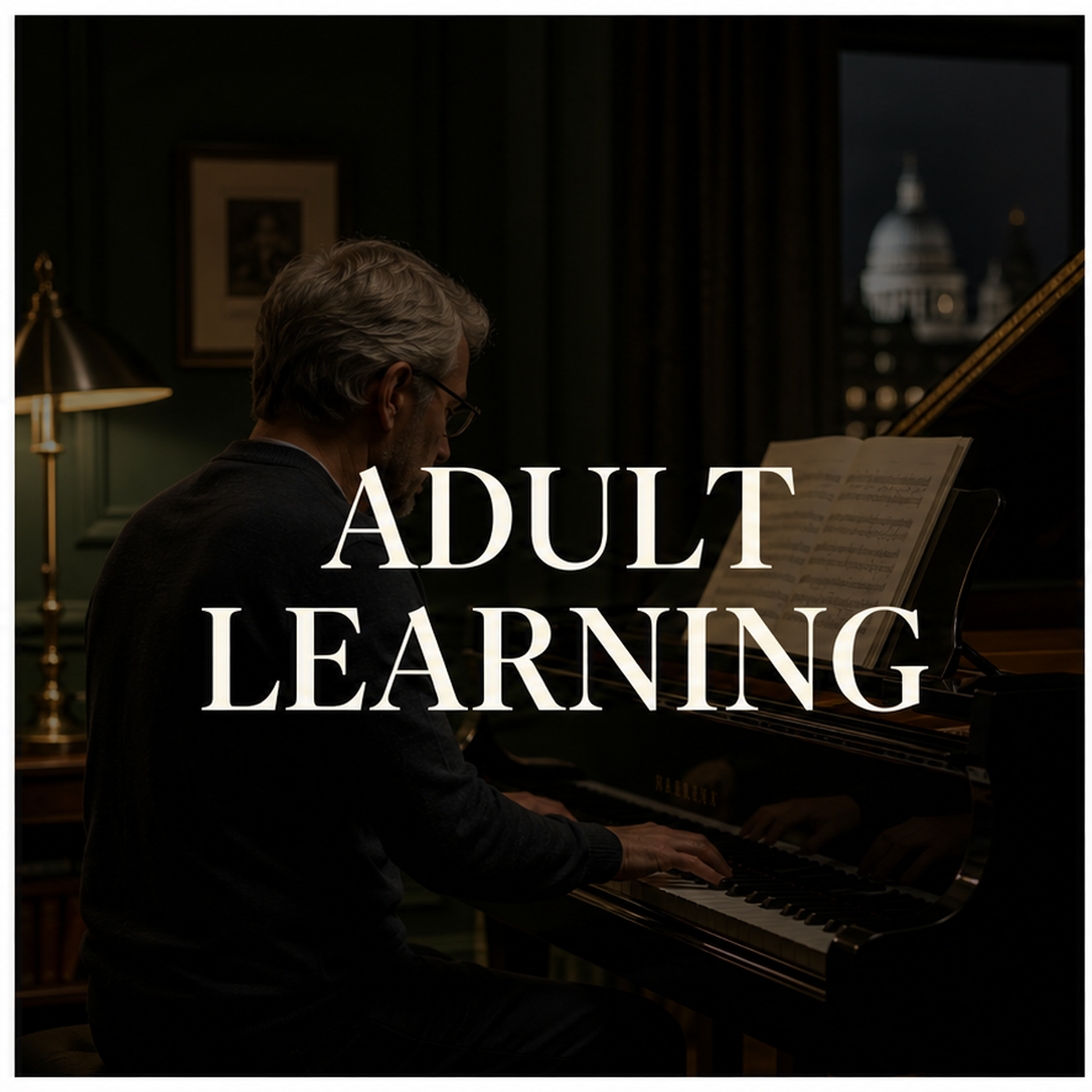
Many adults worry that they have arrived too late. The piano gives a better answer. Adult learning is not childhood learning repeated more slowly. It is a different kind of study, shaped by listening experience, discipline, taste and the ability to understand why a small correction matters.
In serious adult piano lessons in London, those strengths matter. An adult can connect a technical exercise with a musical reason, compare interpretations, plan practice around work and recognise the emotional value of returning to sound after a long day.
Adult learner answer
Adult learning at the piano works when lessons respect maturity: clear explanation, musical purpose, realistic practice and patient technical rebuilding.
Why adult learning is not second best
Children often learn through quick imitation and routine. Adults bring another advantage: conscious attention. They can ask what a phrase means, why a fingering helps, how the pedal changes harmony and what kind of practice fits a working week. The adult learner may need patience with coordination, but that patience can become a musical strength.
Research on adult learning and neuroplasticity is encouraging when read responsibly. Adults can build new skills through repetition, feedback and motivation. Piano lessons are not a medical treatment or a shortcut, but they are a rich learning task: reading, memory, movement, hearing and emotion are all active at once.
What mature attention changes in a lesson
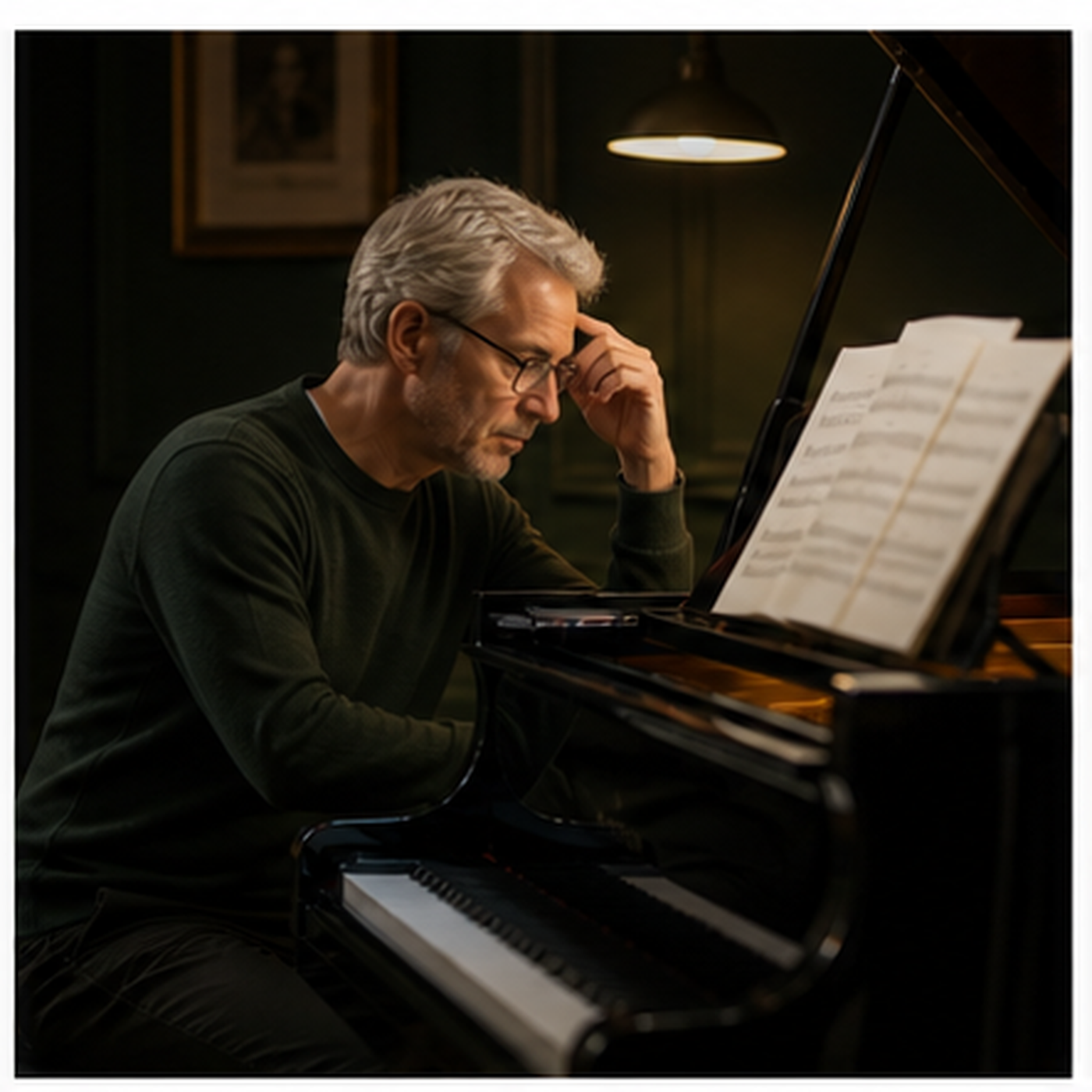
An adult can learn to practise diagnostically. Instead of playing a page ten times, they can ask: which bar fails, which hand causes it, what does the rhythm do, and what sound am I trying to make? That is the heart of adult learning at the piano.
Every exercise should answer a musical problem.
The ear checks whether the correction changed the sound.
Patterns become reliable when they are understood, not rushed.
How adults can build a real practice week
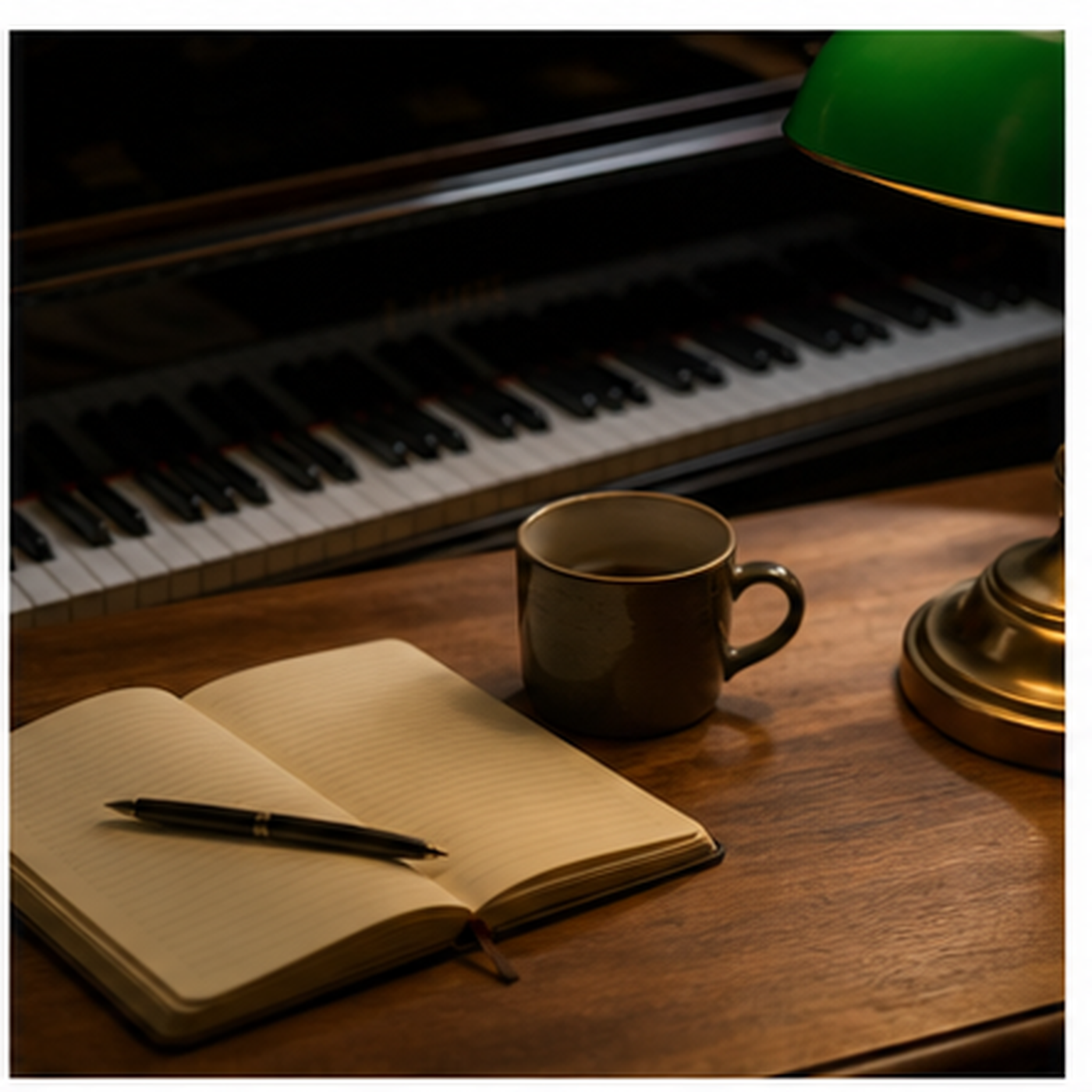
A useful adult routine is modest but precise. Ten minutes of slow tone work, one short technical pattern, one phrase from the main piece and one minute of reflection can be more effective than an exhausted hour without a plan. Adult learning rewards quality of contact.
For adult learners
Do not measure progress only by speed. Measure whether you hear more, understand more and recover from mistakes more intelligently than last week.
Study at WKMT London
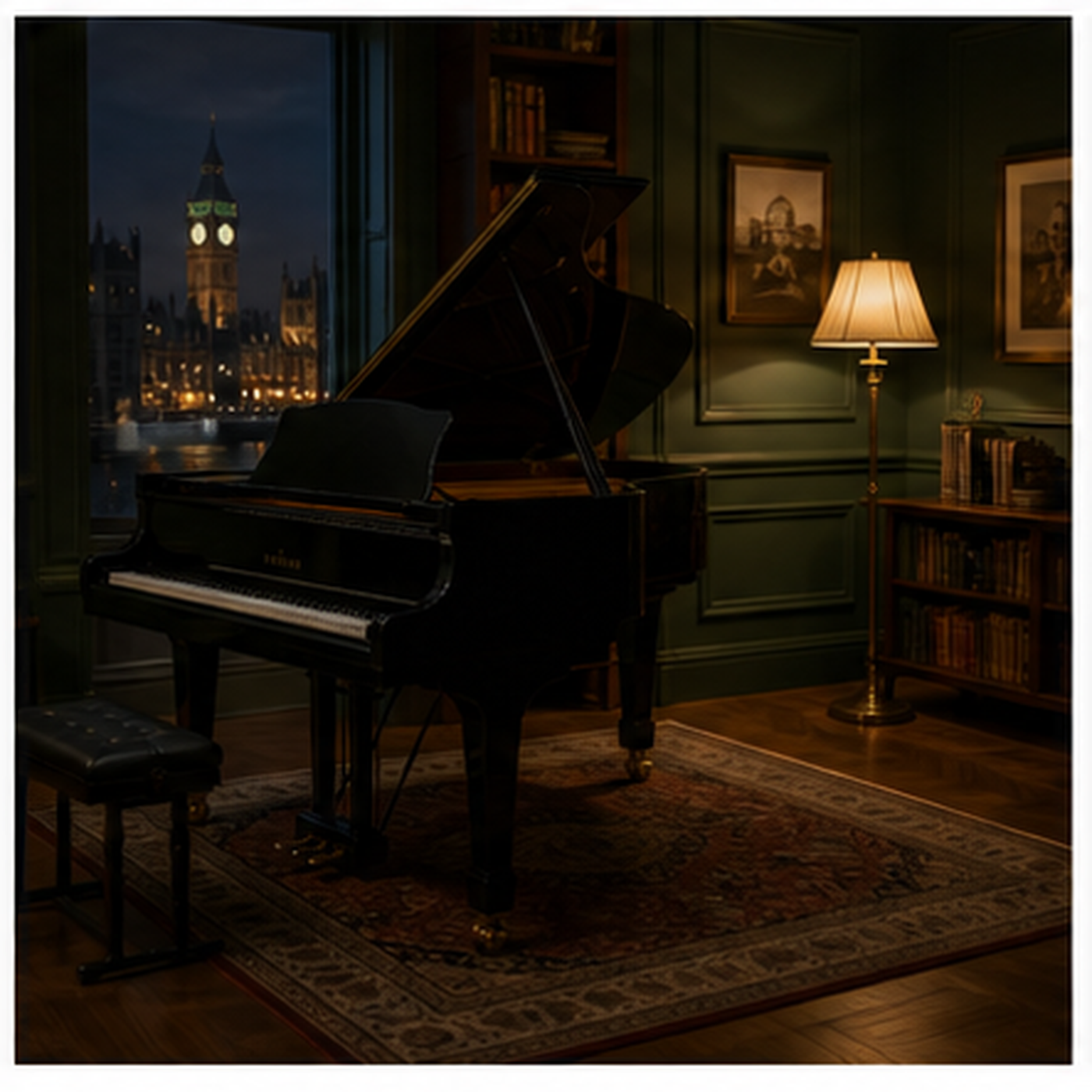
WKMT teaches adults who want thoughtful, face-to-face piano study in London, from first lessons to serious repertoire and returning practice.
Explore adult piano lessons – Adult learning like never beforeThe reward of starting with maturity
The adult learner can bring life into the lesson room: concerts heard, music loved, frustration understood, patience earned. Those experiences do not replace technique, but they give technique a reason. A chord is no longer just a shape. It becomes a colour the adult wants to control.
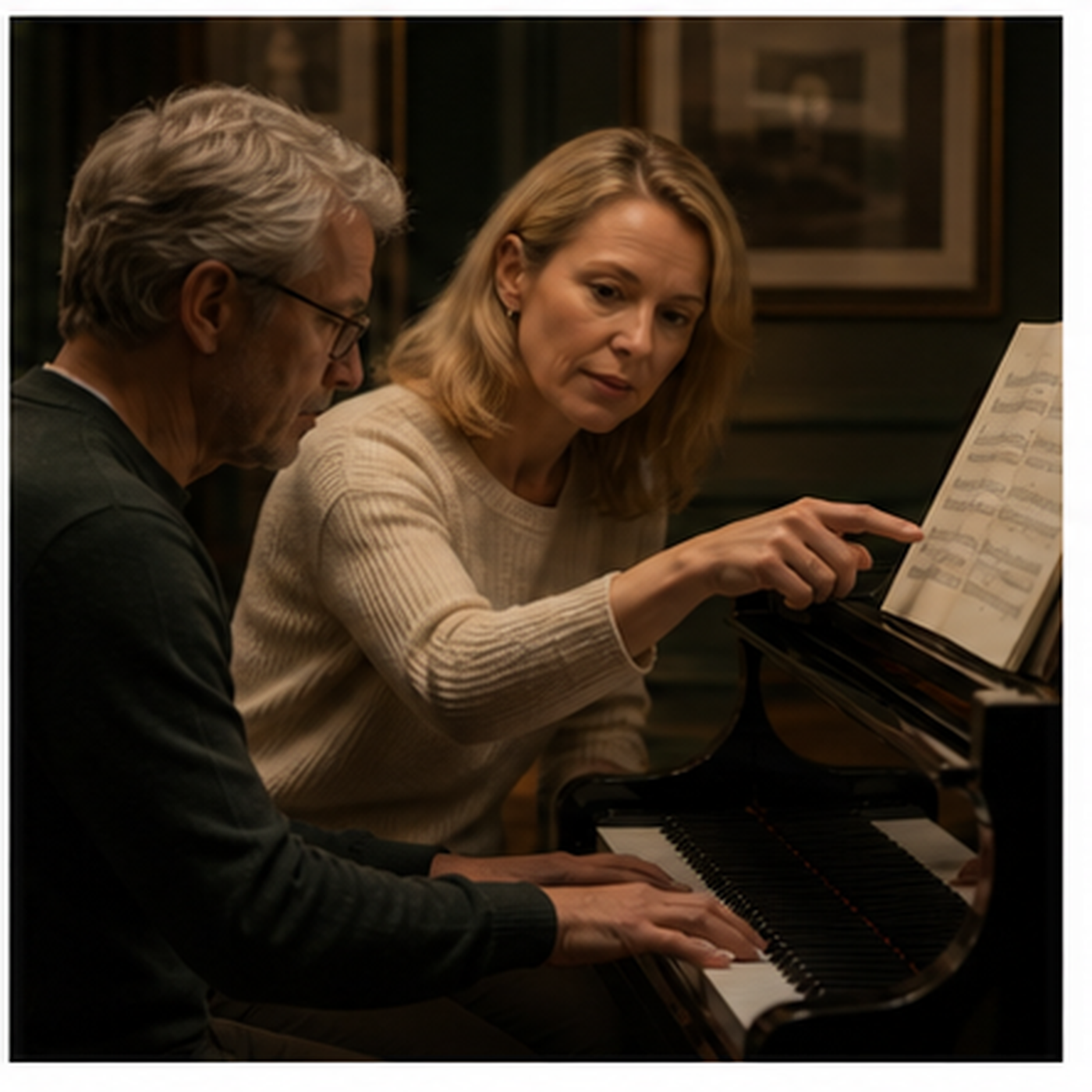
Adult learning at the piano is therefore not a consolation prize. It is a serious route into musicianship, shaped by curiosity, discipline and the desire to hear more deeply.
Sources
- Nature Reviews Neuroscience / PMC, neuroplasticity and learning overview, checked August 2026.
- Effects of music learning and piano practice on cognitive function, mood and quality of life in older adults, 2013.
- Frontiers in Aging Neuroscience, piano training and healthy aging, 2022.
- Britannica, learning in psychology overview, checked August 2026.
- BrainFacts, lessons in music for the healthy aging brain, 2020.
Related video
TED-Ed lesson on how practice affects the brain / YouTube is embedded below from YouTube for educational listening and context. Rights remain with the channel and rights holders.