
 TRIAL LESSON
Piano Lessons
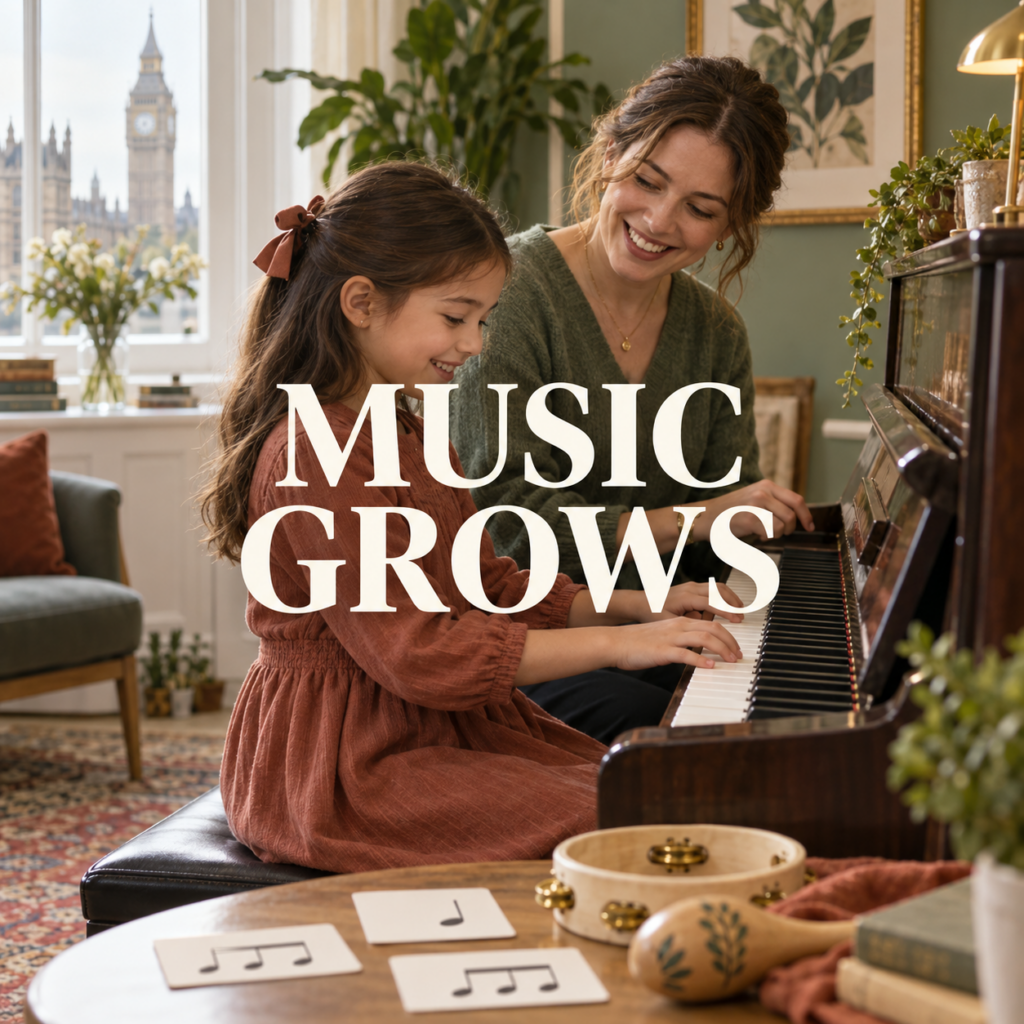
Children’s Music Education: Why Piano Can Join Technique, Culture and Imagination
Oct
WKMT London parent guide
Children’s Music Education: Why Piano Can Join Technique, Culture and Imagination
A good piano lesson teaches more than the next page. It helps a child hear relationships, move with control, recognise musical languages and imagine a phrase before playing it. Technique, culture and creativity should reinforce one another rather than compete for lesson time.
In brief
Children’s music education at the piano should build four connected capacities: reliable technique, attentive listening, knowledge of repertoire and culture, and creative musical thought. A balanced lesson may include singing, pulse work, notation, keyboard technique, repertoire, improvisation and reflection. Progress means that a child can hear, understand and shape music with growing independence, not merely complete more pieces.
Children’s music education should build musical knowledge
Ofsted’s music research emphasises that children need more than a sequence of activities. They need carefully ordered knowledge about pitch, rhythm, sound, notation, technique and structure. Encountering many instruments or styles may be enjoyable, but depth appears when pupils remember ideas, use them again and hear the results in their own music making.
At the piano, this sequence can be concrete. A child sings a phrase, finds its contour on the keyboard, notices a repeated rhythm, learns the fingering that makes it comfortable and then uses the same idea in a short improvisation. Children’s music education becomes coherent when one activity illuminates the next.
Technique is a means of expression, not a separate subject
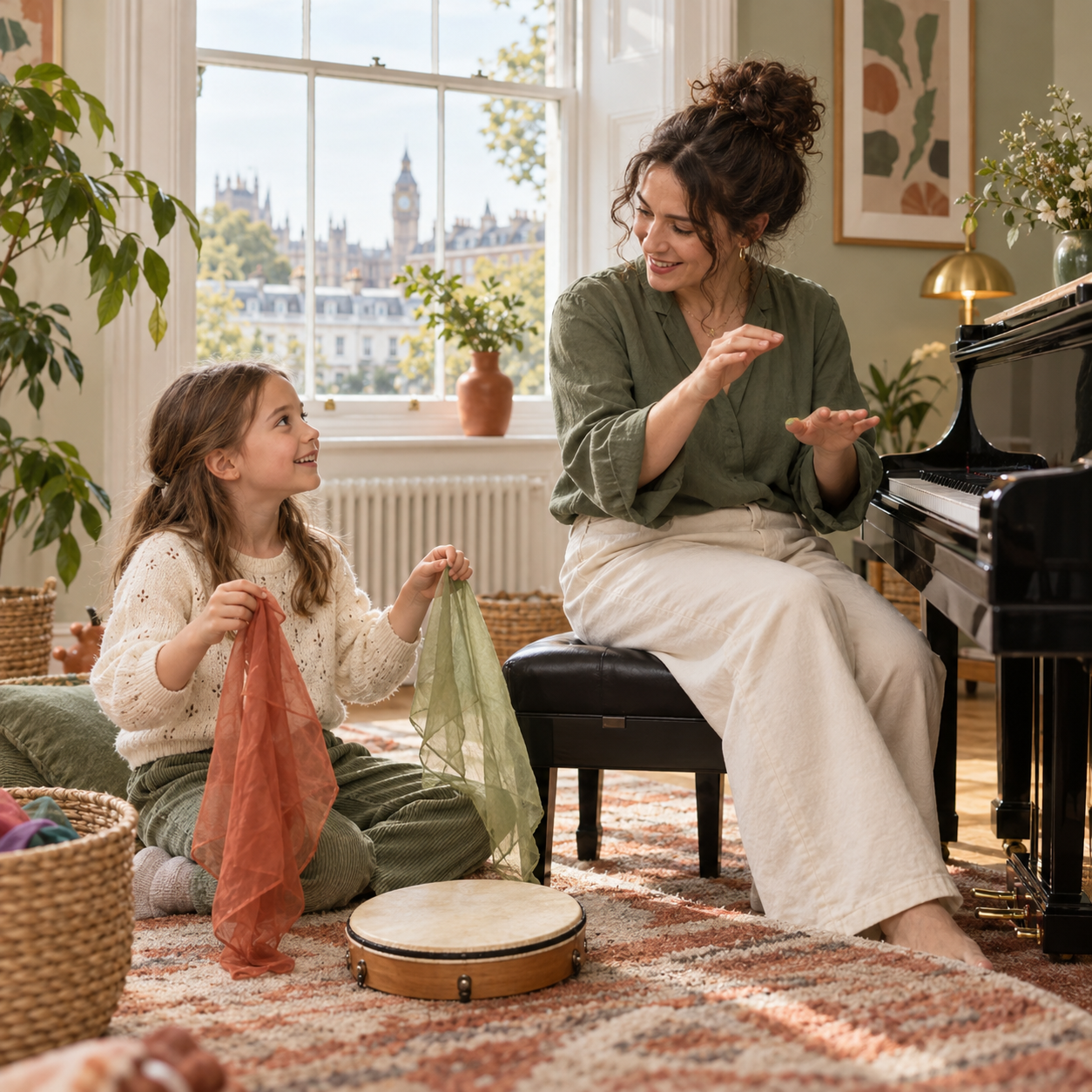
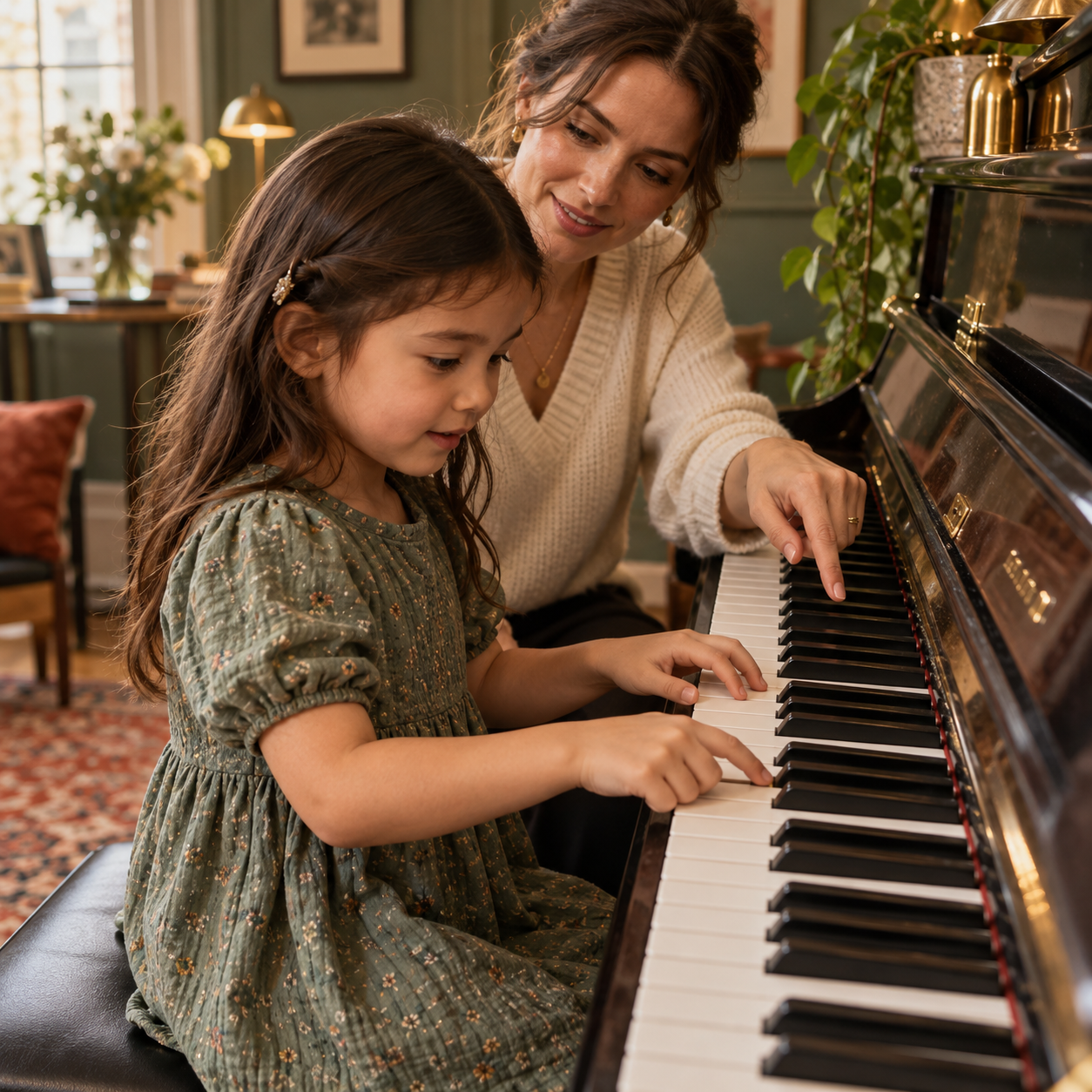
A secure hand position, coordinated movement and clear articulation matter because they make musical choices possible. Technique should therefore be attached to sound from the beginning. A five-note pattern can explore balance, direction and release instead of becoming a race. The child learns what a movement is for, not only how it looks.
In children’s piano lessons in London, this connection protects both curiosity and physical comfort. WKMT’s guide to music and movement activities shows how whole-body pulse can prepare rhythmic control at the keyboard.
Culture gives every piece a larger world
Children benefit from learning who made a piece, where its musical language came from and what kind of occasion it might have served. A minuet becomes clearer when its dance character is felt; a folk melody carries a community and history; a contemporary work may invite a different approach to colour and silence.
Culture should not become a lecture attached to the lesson. One image, recording, map or story can sharpen listening, followed by a direct question at the piano: where does this music dance, sing or imitate? Children’s music education gains depth when historical knowledge changes the child’s sound.
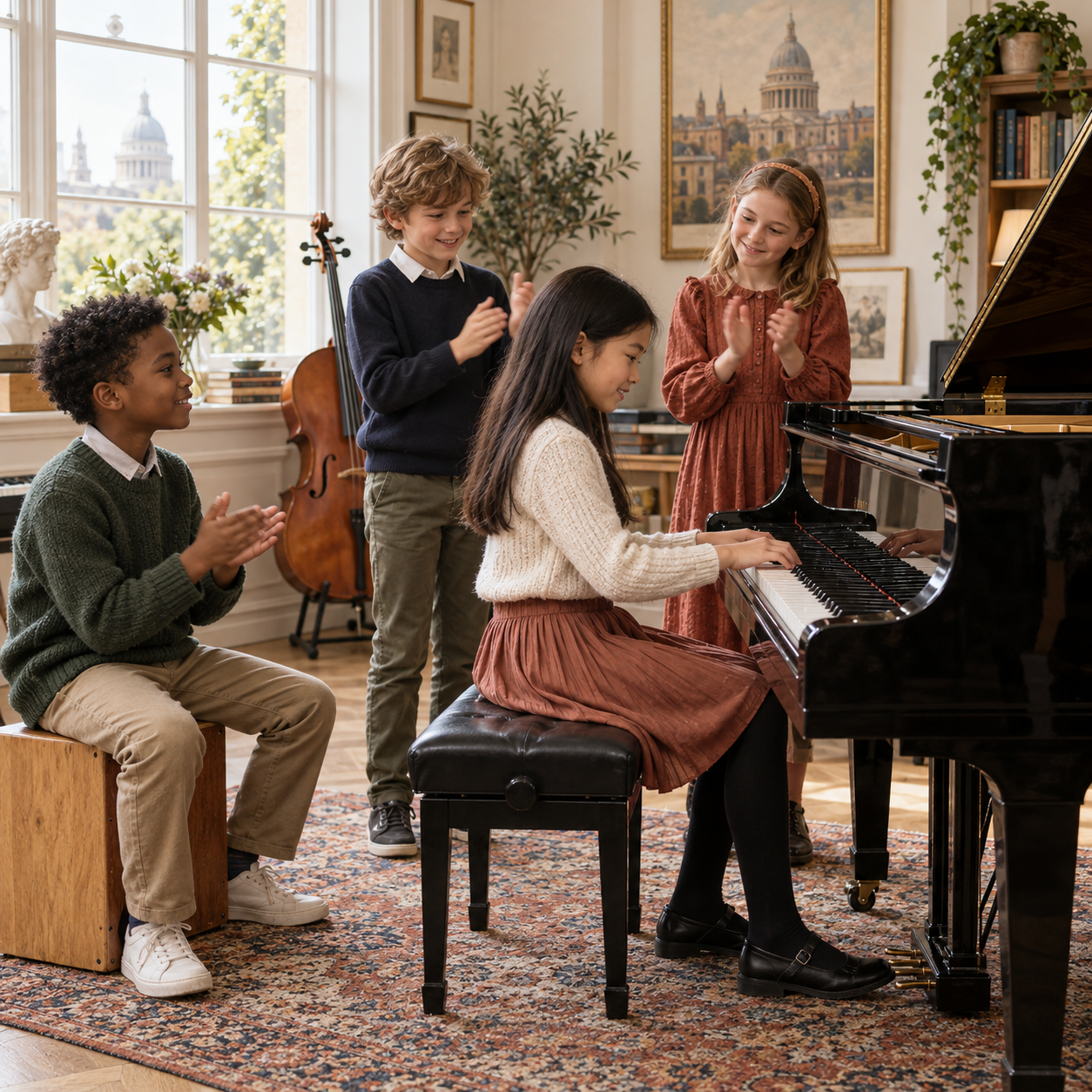
The fullest children’s music education joins disciplined craft to the freedom to hear, understand and imagine.
Imagination and evidence belong together
Research about transfer from music to general academic ability is mixed, and strong claims deserve caution. Music education is worth pursuing first because becoming musical is itself valuable. It develops craft, attention, memory within music, shared performance and access to a remarkable cultural inheritance.
Creativity strengthens that learning. Ask a child to alter the ending of a phrase, invent an answering rhythm or choose a register for a character. These tasks are not a holiday from discipline. They reveal whether the child understands pulse, contour, harmony and style well enough to make a meaningful choice.
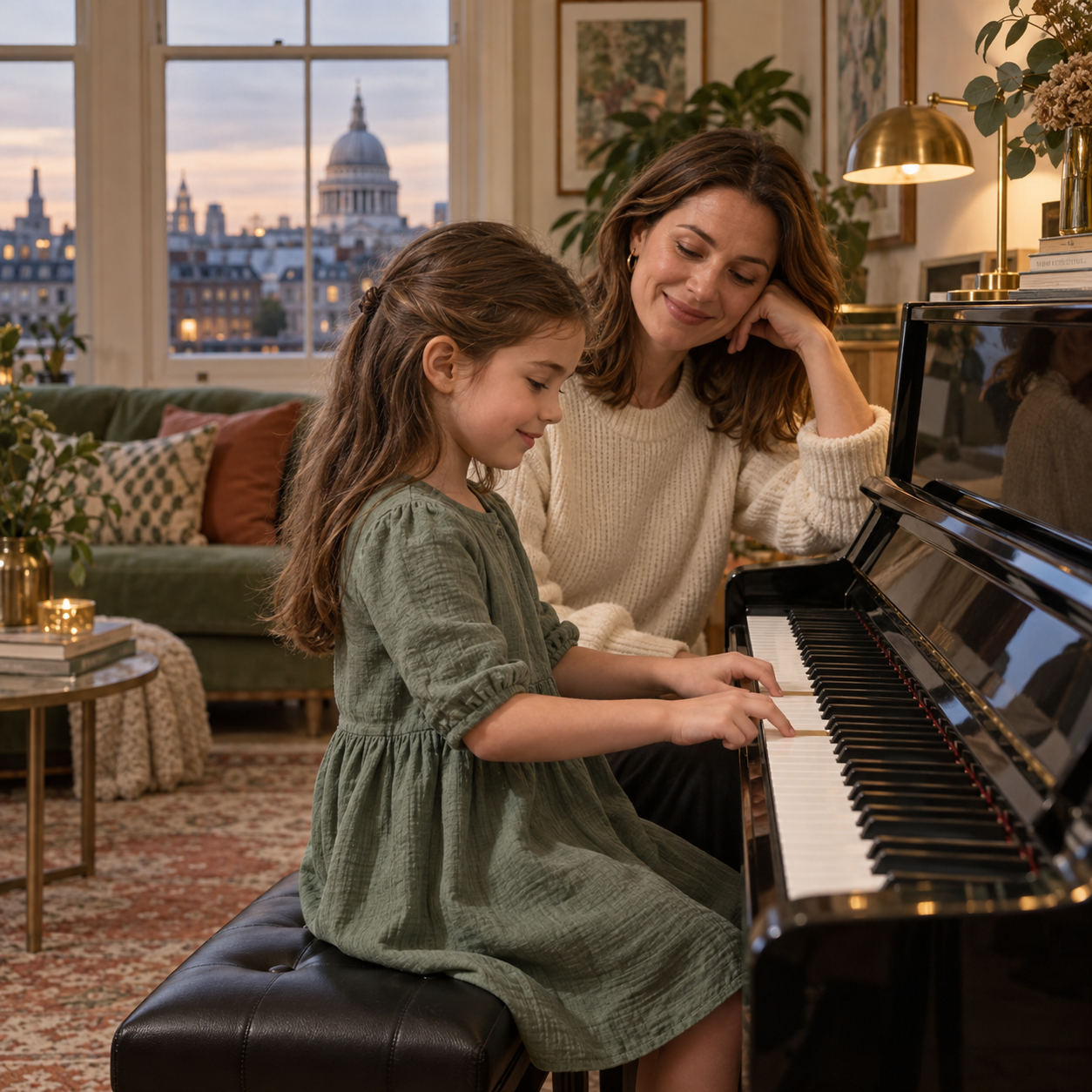
A balanced weekly pattern for families
Across a week, combine short technical work, one developing piece, one familiar piece, a listening task and a small creative challenge. Keep the order flexible. On a tired day, sing and listen before playing; on a confident day, record a performance and discuss one expressive decision. Consistency matters more than an identical routine.
Parents can ask specific, musical questions: Which voice should we hear? Where does the phrase arrive? What changed in the second attempt? This language values thought rather than perfection. Children’s music education succeeds when a young pianist gradually takes ownership of listening, practising and interpreting.
WKMT London
Give your child a thoughtful piano education in which technique, musicianship, culture and imagination grow together.
Explore children’s piano lessonsSources for children’s music education in London
- Ofsted: Striking the right note
- Department for Education: National Plan for Music Education
- University of Liverpool meta-analysis
- Educational Research Review meta-analysis
- PMC: emotional development systematic review
- UCL music education research
Sources checked 10 October 2026. Educational guidance; individual circumstances and progress vary.