
 TRIAL LESSON
Piano Lessons
Music as a Hobby: When Adult Piano Study Becomes Something Deeper
Sep
WKMT London adult learner guide
Music as a Hobby: When Adult Piano Study Becomes Something Deeper
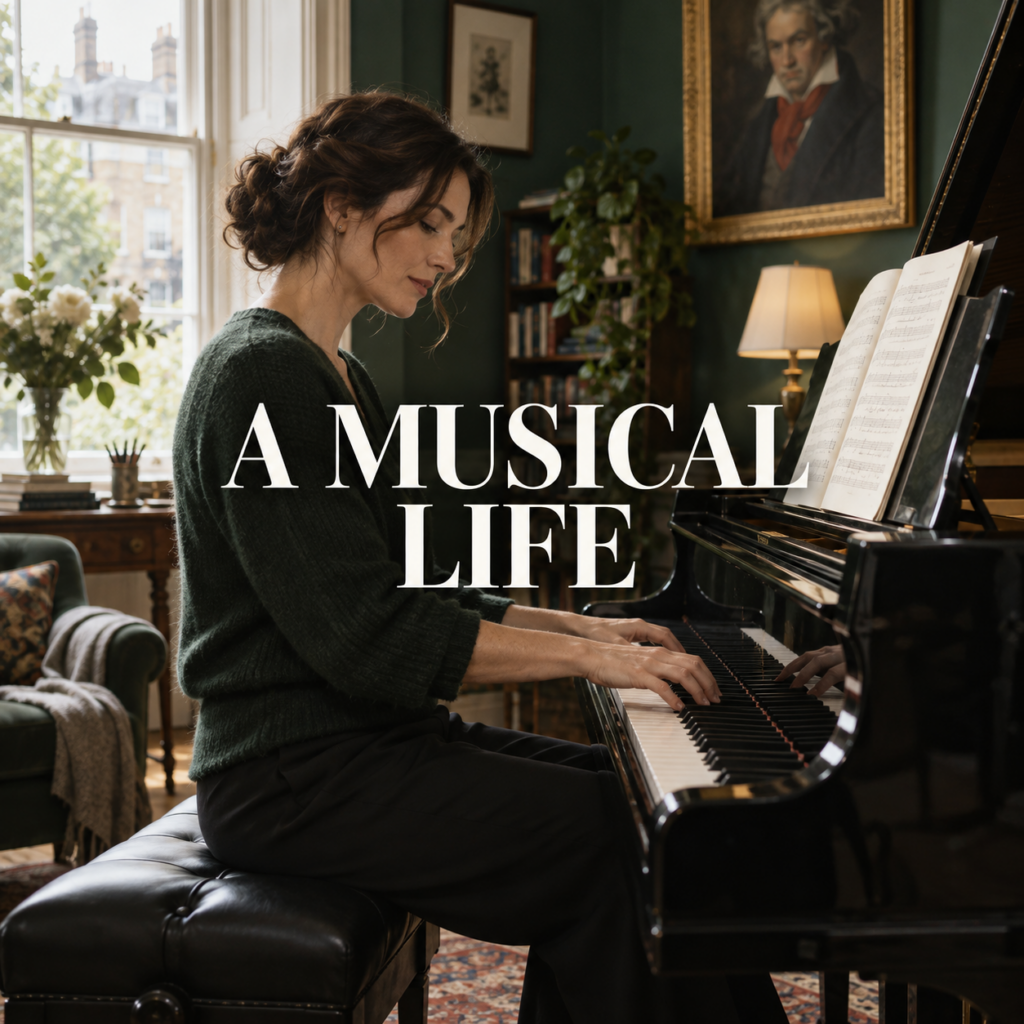
Music as a hobby begins in spare time, but it rarely stays superficial. A piece gathers memories, a weekly lesson creates rhythm and a difficult bar becomes evidence that attention can still deepen. Piano offers adults a craft whose value is not reduced to productivity.
In brief
Music as a hobby gives adults a structured creative practice combining listening, movement, memory and expression. Research links active music-making with several aspects of wellbeing, although results vary and piano is not a medical treatment. Its durable value lies in meaningful engagement: choosing repertoire, developing skill, sharing music and returning regularly to attentive work.
Music as a hobby is active, not passive
Listening can change a room; playing changes the listener as well. The adult pianist must decide how a phrase breathes, coordinate the body and accept immediate feedback from sound. That agency helps music as a hobby feel substantial. Progress is visible, but there is no requirement to monetise it or turn leisure into another public identity.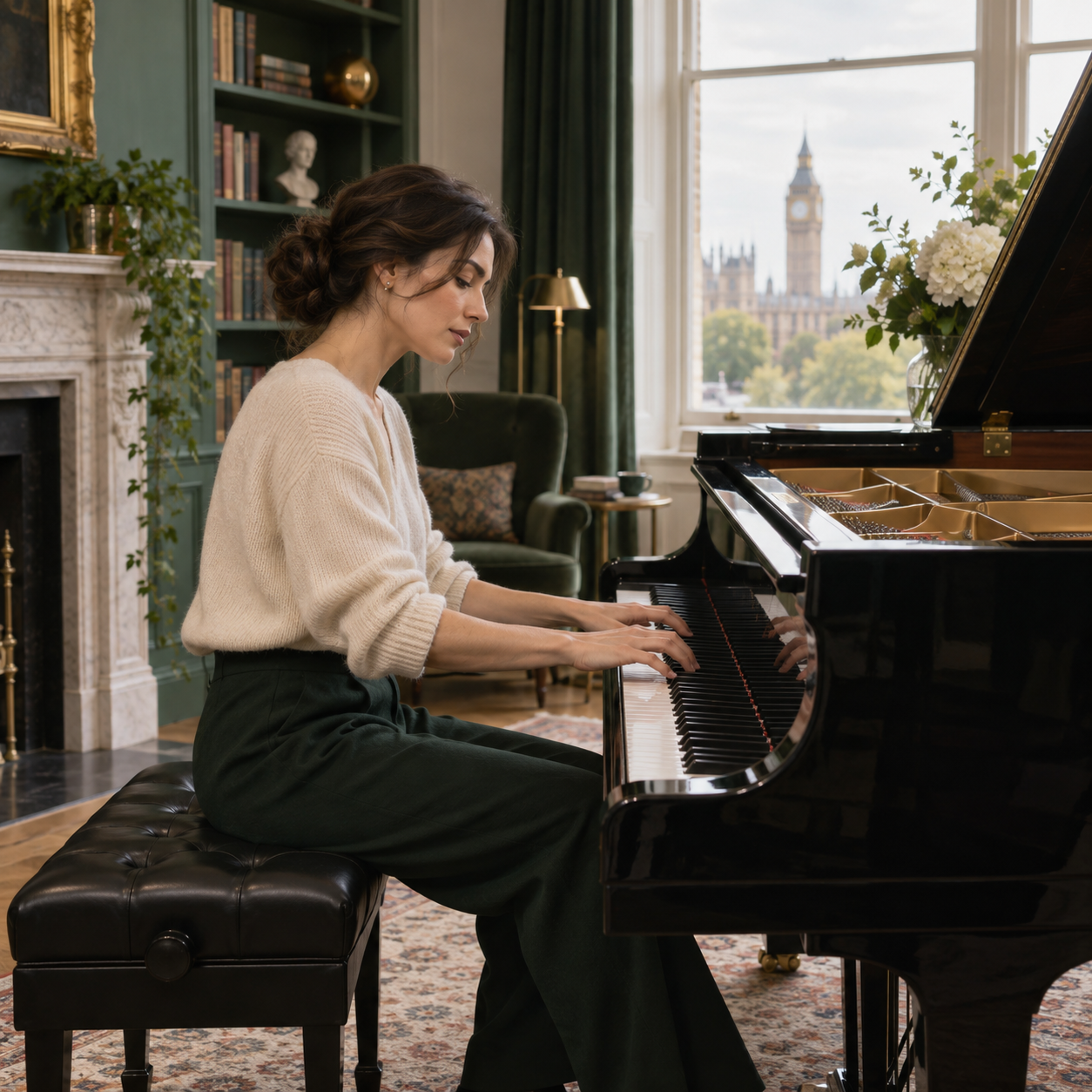
Why lessons deepen the experience
In adult piano lessons in London, a teacher connects private enthusiasm with a workable method. Fingering, rhythm and interpretation stop being isolated problems and become parts of a coherent musical language. Regular lessons also protect perspective. Adults often demand professional speed from a leisure practice; a teacher can set ambitious but humane goals and keep repertoire broad enough for curiosity.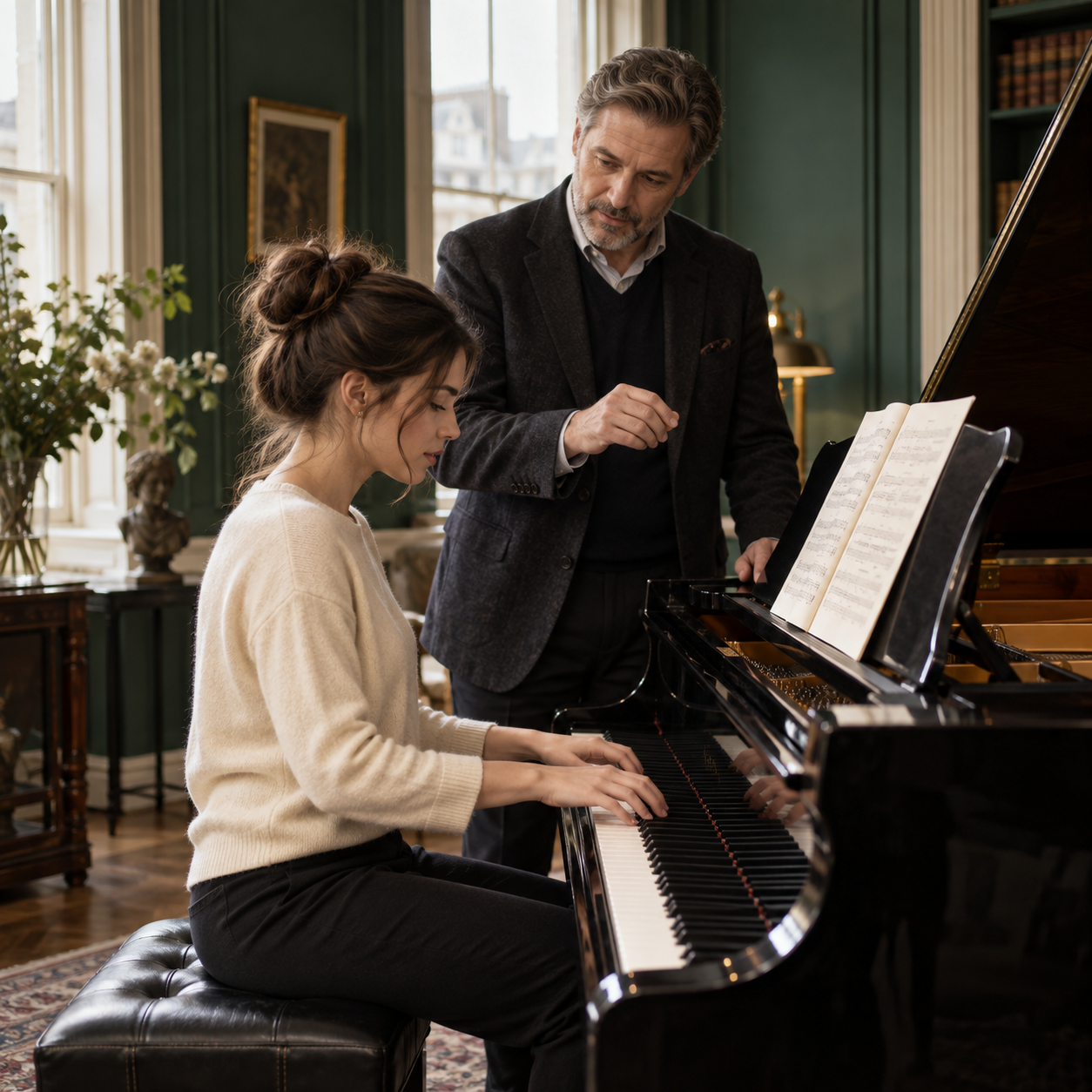
Craft, meaning and the satisfaction of return
Music as a hobby rewards return because a familiar score continues to reveal detail. The same phrase can feel different after better voicing, a new harmonic insight or a month of life outside the practice room. WKMT’s guide for busy professionals shows how short sessions can remain artistically serious. Continuity matters more than heroic bursts.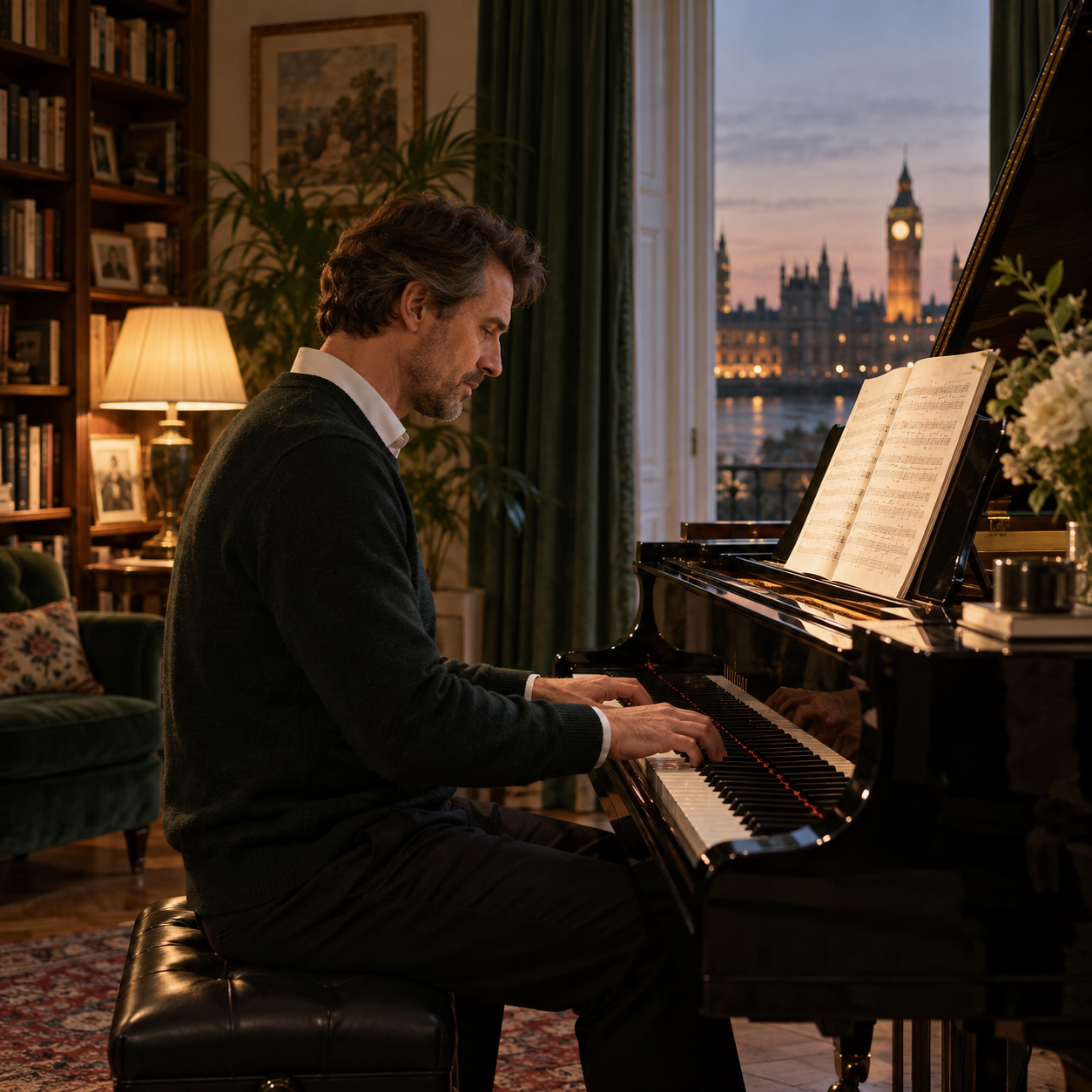
A musical life does not need to become a career in order to become important.
What wellbeing research can and cannot say
Systematic reviews report promising associations between active music-making and wellbeing, especially in older adults, but methods and activities vary. The responsible conclusion is modest: music may support wellbeing for many people, not guarantee a clinical outcome. The lived benefits are often concrete: absorption, social connection, achievement and emotional expression. These are reasons to play, not claims that every practice session must feel calming.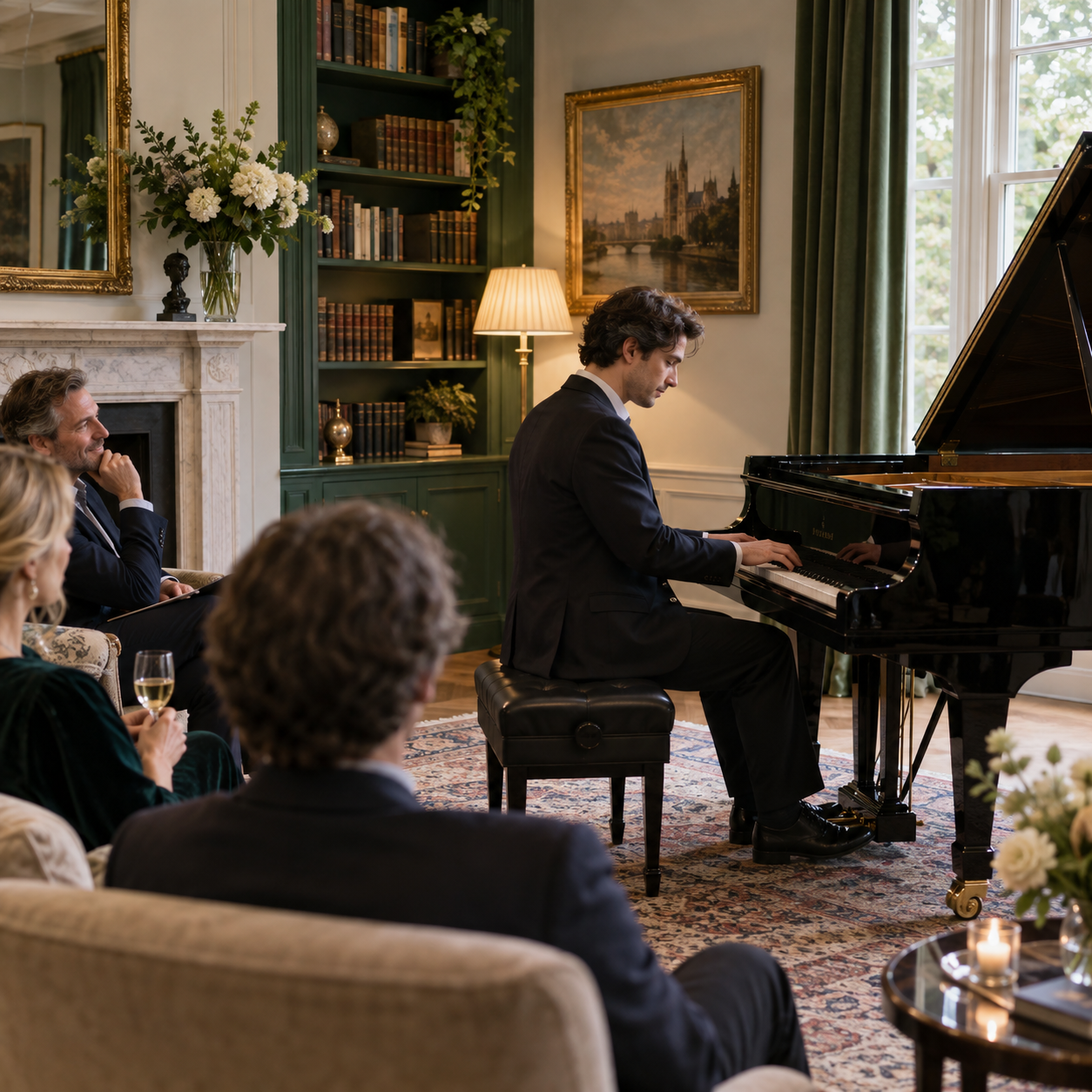
Design a hobby that can last
Choose one piece for comfort, one for growth and one for exploration. Keep the instrument easy to approach, define a small starting ritual and end sessions by naming the next musical question. A lasting hobby leaves room for concerts, duets and periods of slower progress. Its seriousness comes from care, not from pressure.WKMT London
Shape an adult piano practice around meaningful repertoire, expert guidance and a timetable that can endure.
Explore adult piano lessonsSources on music as a hobby
- PMC: music making and wellbeing systematic review
- PMC: active music and dance participation review
- PMC: music and health systematic review
- SAGE: piano playing and stress
- RCM Centre for Performance Science
- BAPAM healthy practice guidance
Sources checked 28 September 2026. Educational guidance; individual circumstances and progress vary.