
 TRIAL LESSON
Piano Lessons
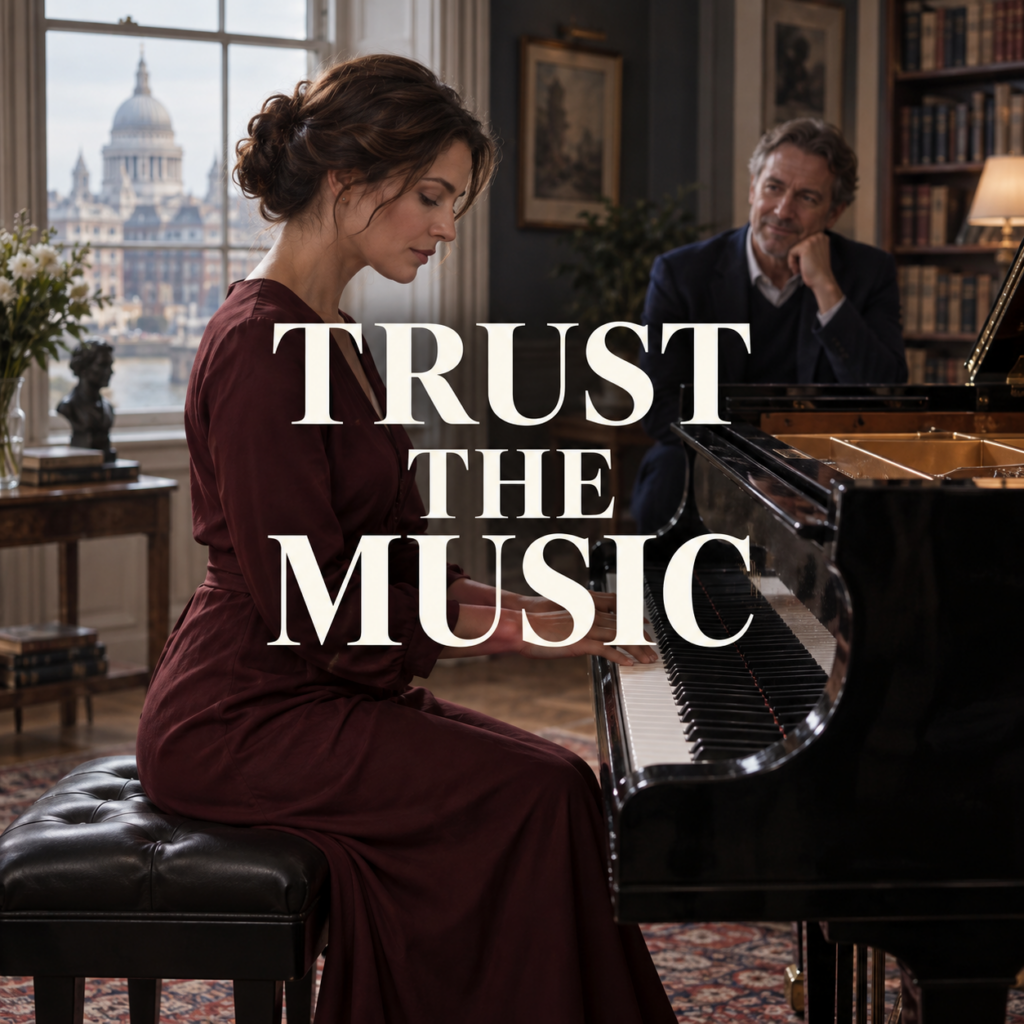
Artistic Confidence: How Adult Pianists Learn to Trust an Interpretation
Sep
WKMT London adult learner guide
Artistic Confidence: How Adult Pianists Learn to Trust an Interpretation
Adult pianists often know too much to feel certain. Several recordings sound persuasive, the score permits more than one answer, and every choice seems open to correction. Artistic confidence grows when uncertainty becomes a disciplined way of listening rather than a reason to postpone interpretation.
In brief
Artistic confidence is the ability to make and sustain musical choices while remaining open to evidence and revision. Adult pianists build it by understanding the score, comparing credible options, recording themselves, testing decisions in performance and learning from specific feedback. Confidence is not the absence of doubt; it is trust in a repeatable interpretative process.
Artistic confidence is a process, not a personality trait
Some performers appear naturally decisive, but dependable artistic confidence is built from preparation. A pianist who knows the harmonic direction, phrase structure and technical route can make a choice without pretending it is the only possible choice. The decision becomes provisional, reasoned and playable.
This matters for adults because mature judgement can become self-surveillance. The ear hears every weakness before it notices progress. Artistic confidence improves when evaluation is delayed until after a complete phrase or take. Playing and judging are both necessary, but trying to do them simultaneously can interrupt musical continuity.
Build artistic confidence from score evidence
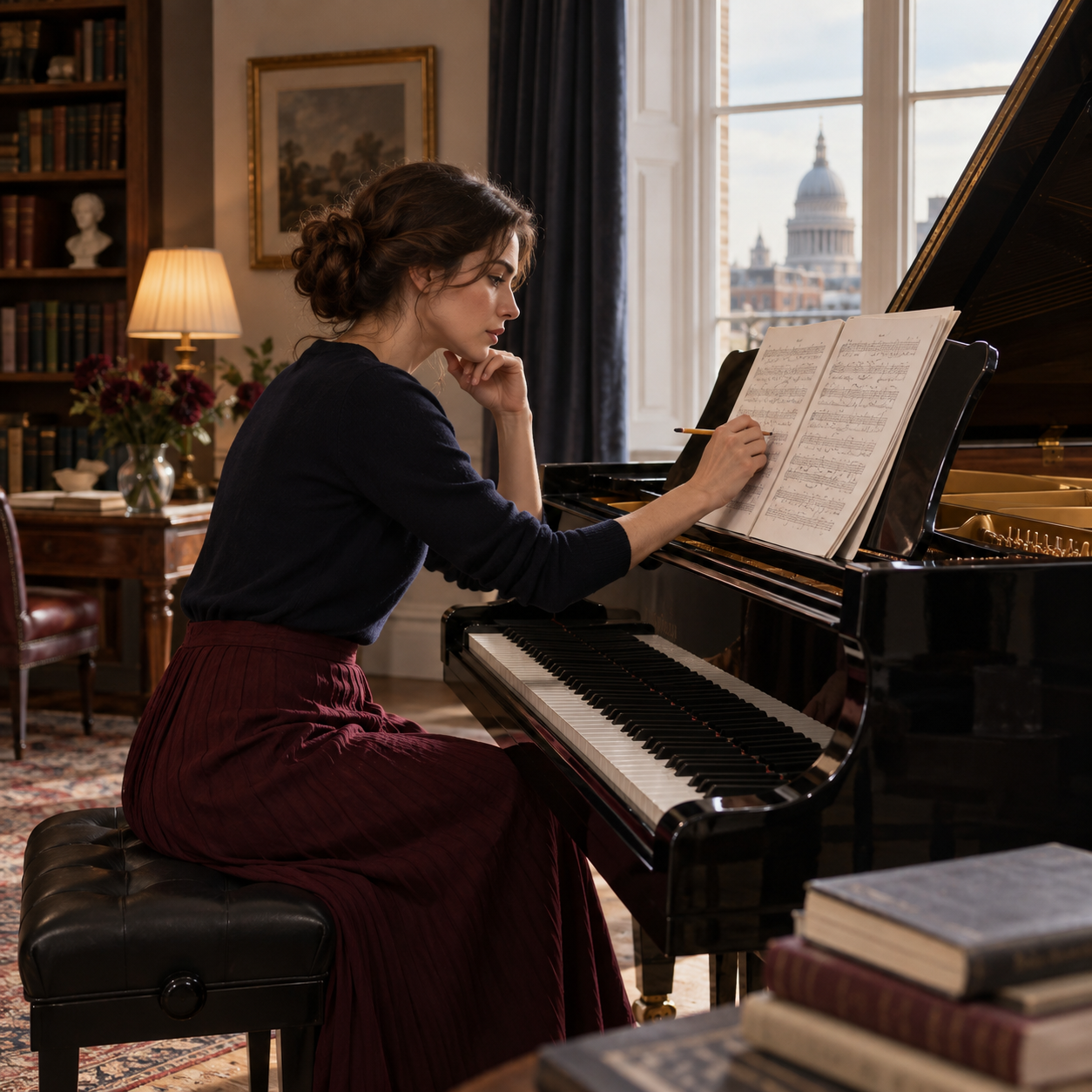
Begin with questions the score can answer. Where does the harmony intensify? Which voice carries the sentence? What articulation is written, and where does it change? Historical style, the instrument and the acoustic refine the options. Evidence does not eliminate imagination; it gives imagination a frame sturdy enough to support risk.
In adult piano lessons in London, a teacher can ask for two credible versions rather than one approved answer. Comparing them clarifies what timing, balance and pedal actually communicate. WKMT’s article on interpretation in music explores how informed choices become a personal reading.
Self-efficacy, feedback and musical evidence
Research on music-performance self-efficacy links belief in one’s capability with performance outcomes, though confidence alone is not a guarantee of quality. The strongest feedback identifies an action: the bass arrived late, the cadence lost direction, or the soft attack remained clear. Specific evidence is more useful than either vague praise or global criticism.
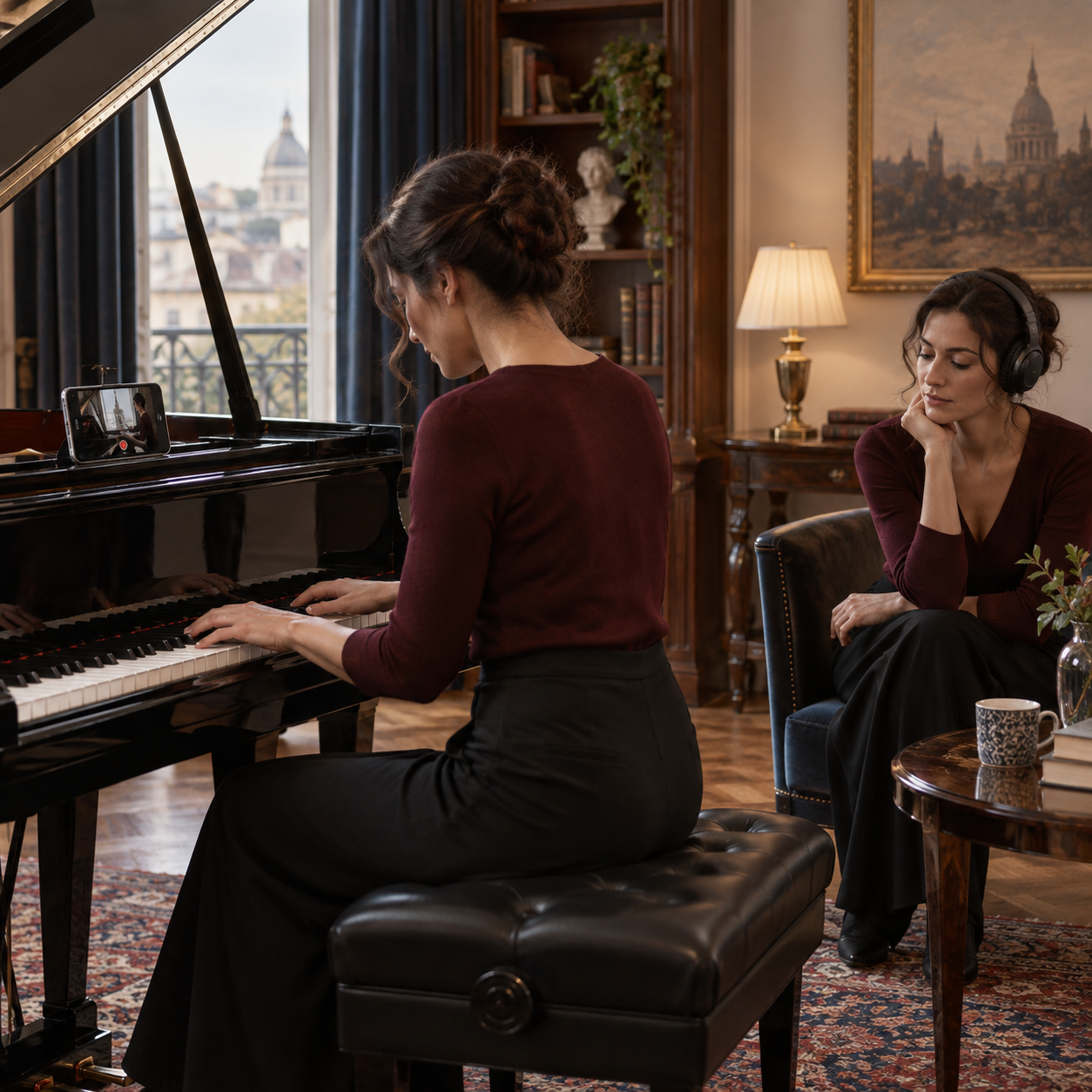
Keep an evidence log with one choice that worked, one passage that needs repair and one experiment for next time. Over several weeks, recordings reveal whether artistic confidence is becoming reliable. The aim is not to manufacture positive feeling. It is to accumulate proof that listening, preparation and adjustment lead to audible improvement.
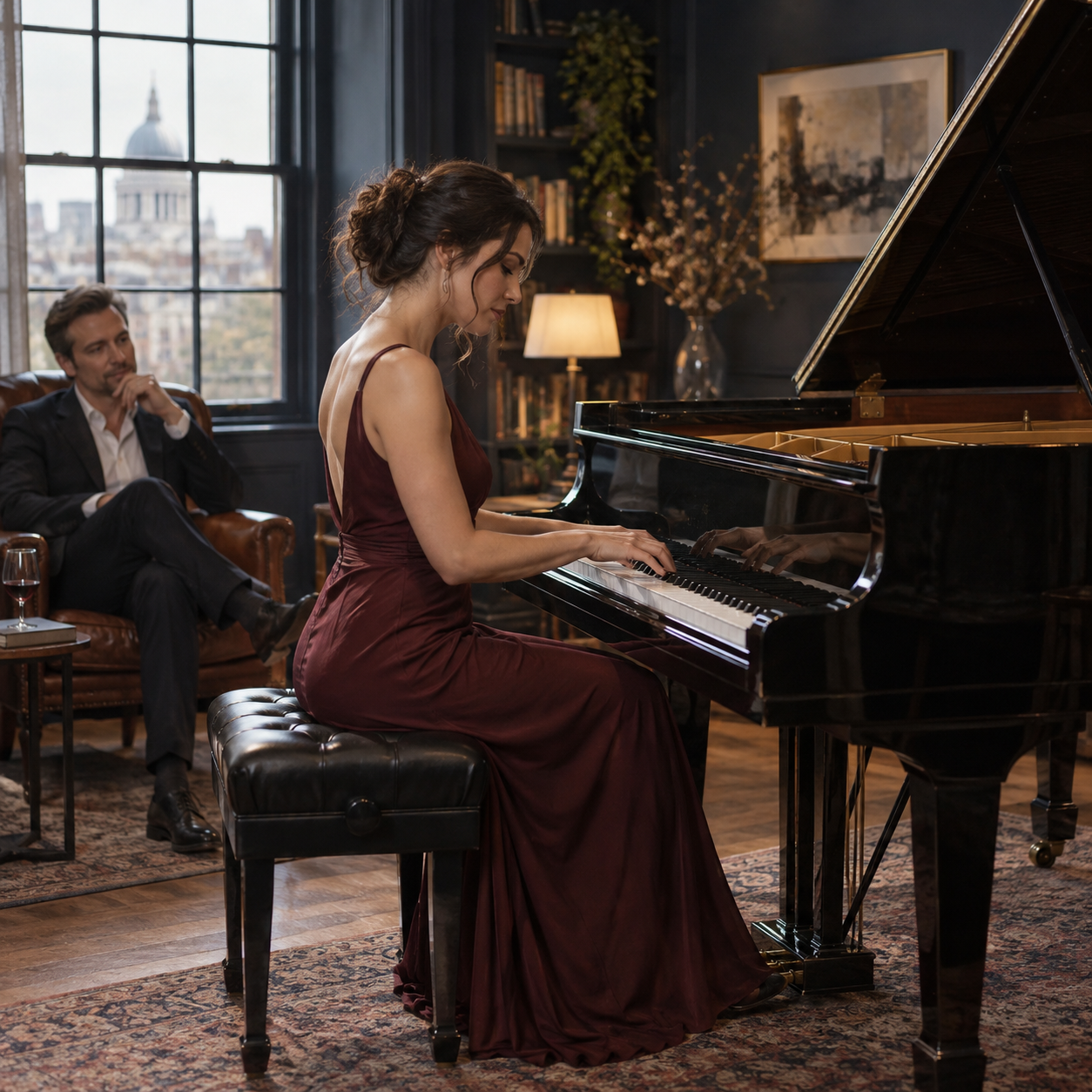
Confidence does not close interpretation; it gives a musical choice enough shape to be heard and tested.
From the practice room to performance
A choice is not fully trusted until it survives continuity. Practise beginnings, transitions and endings, then play the whole work without stopping. Perform for one listener, then in a studio class or informal salon. Each exposure teaches the nervous system that a musical plan can continue while attention and physical sensation change.
Before playing, choose three anchors: the opening character, one structural arrival and the final release. If something goes wrong, return attention to the next anchor rather than conducting an internal post-mortem. WKMT’s guide to confidence building for piano students offers complementary practical strategies.
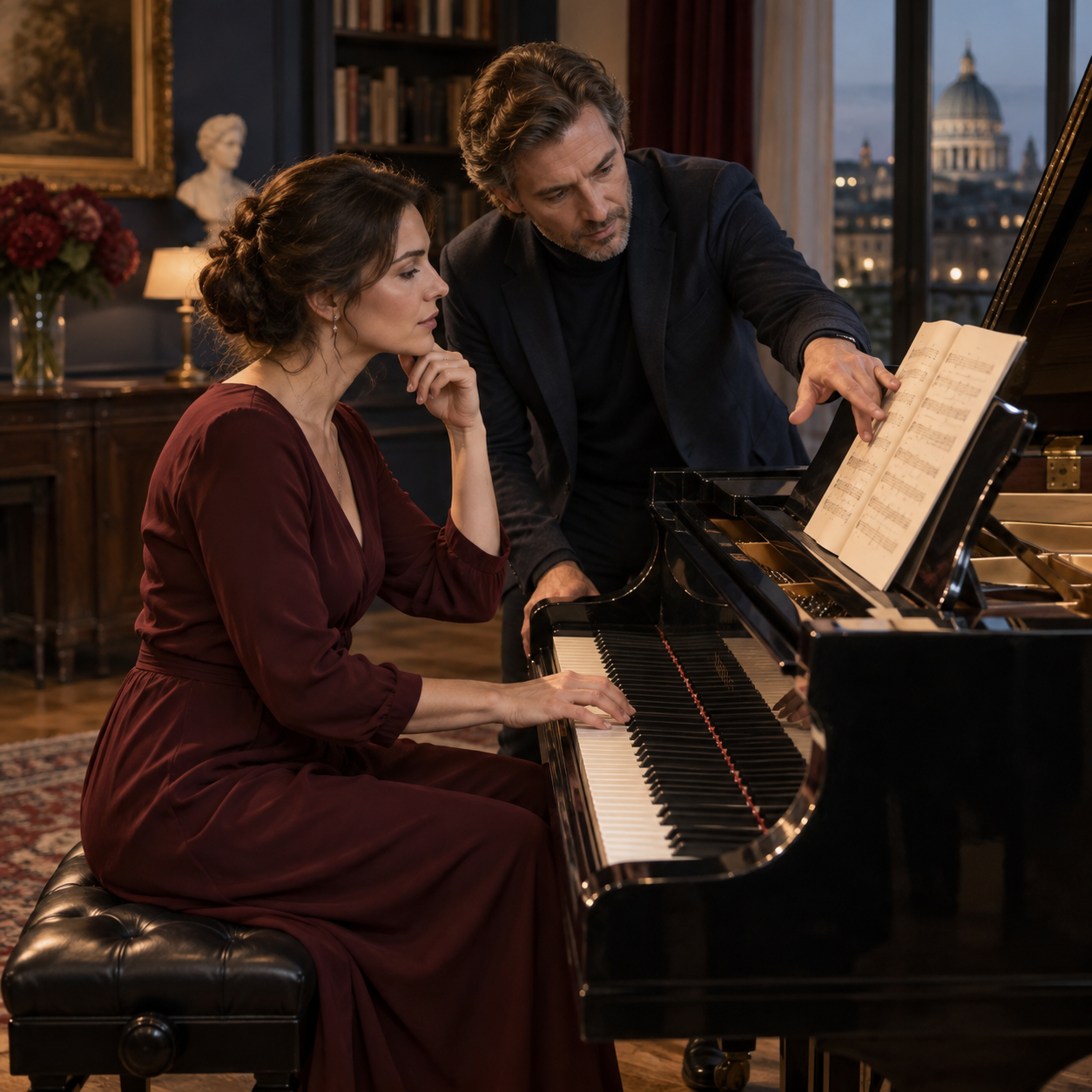
A four-part artistic confidence routine
First, state the musical intention in one sentence. Second, identify two score-based reasons for it. Third, record a complete passage and listen once without stopping. Fourth, revise only the choice that most affects the musical argument. This routine turns interpretation from a verdict on identity into a sequence of workable decisions.
Artistic confidence remains flexible. A hall, instrument or new insight may require change, and revision is not failure. The adult pianist becomes convincing by making choices clearly enough to test them, listening honestly enough to refine them and performing generously enough to let the audience follow the music rather than the anxiety behind it.
WKMT London
Build an adult piano practice in which informed choices, careful listening and performance experience support a distinctive musical voice.
Explore adult piano lessonsSources on artistic confidence for adults
- Psychology of Music: self-efficacy and music performance meta-analysis
- Frontiers in Psychology: self-efficacy and performance preparation
- PMC: music performance anxiety review
- Royal College of Music: Centre for Performance Science
- BAPAM: performance health resources
- University of Melbourne: musician performance research
Sources checked 21 September 2026. Educational guidance; individual circumstances and progress vary.