
 TRIAL LESSON
Pianists
Maria Yudina: Courage, Bach and the Moral Imagination of a Pianist
Sep
WKMT London listening guide
Maria Yudina: Courage, Bach and the Moral Imagination of a Pianist
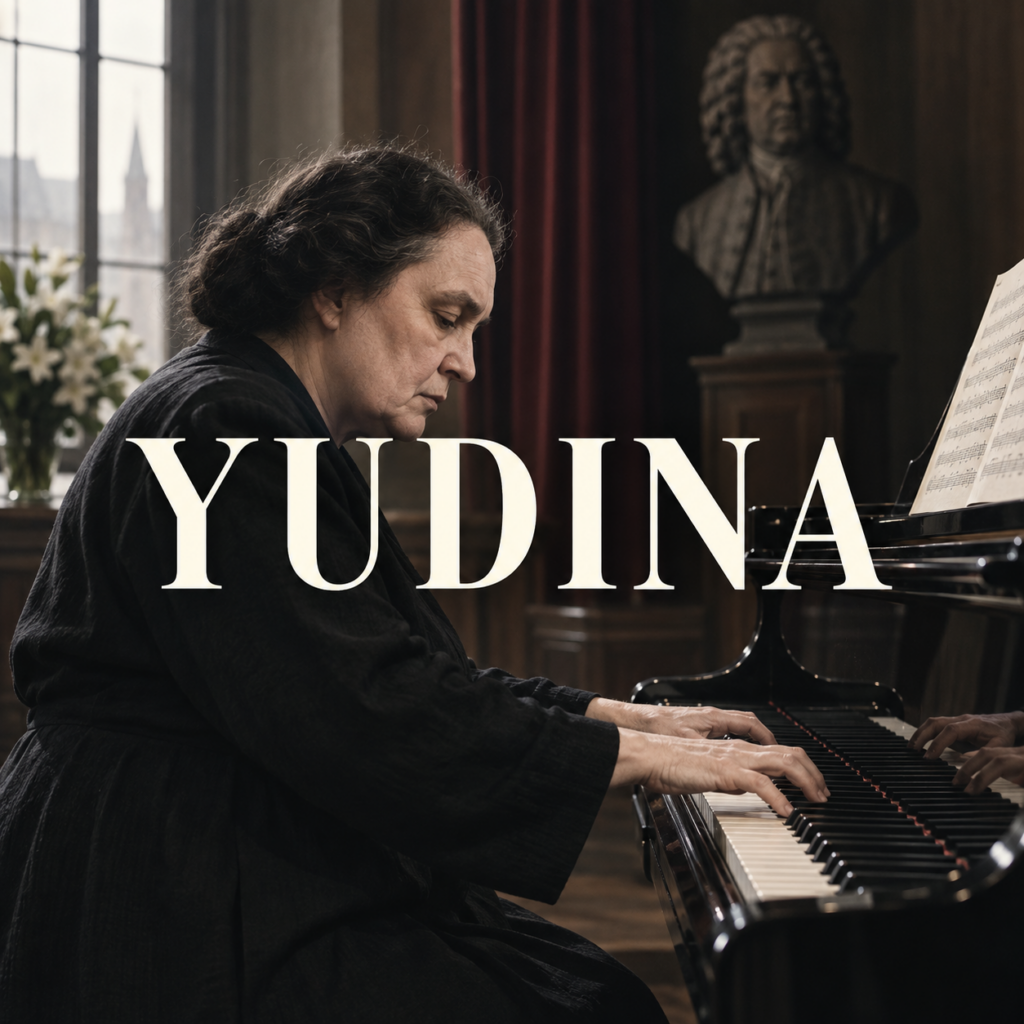
Maria Yudina played as though interpretation carried moral weight. Her Bach could be granite-clear, her modern repertoire fearless, and her silences charged with thought. Behind the legends surrounding her stands a documented life of formidable study, teaching and artistic independence.
In brief
Maria Yudina was a Russian pianist and teacher born in 1899. She studied at the Petrograd Conservatory, graduated in Leonid Nikolayev’s class, taught in Leningrad, Tbilisi and Moscow, and became closely associated with Bach, Beethoven, Mozart, Schubert and twentieth-century music. Her performances were admired for structural force, spiritual seriousness and individual conviction.
Maria Yudina: formation, Bach and a searching intellect
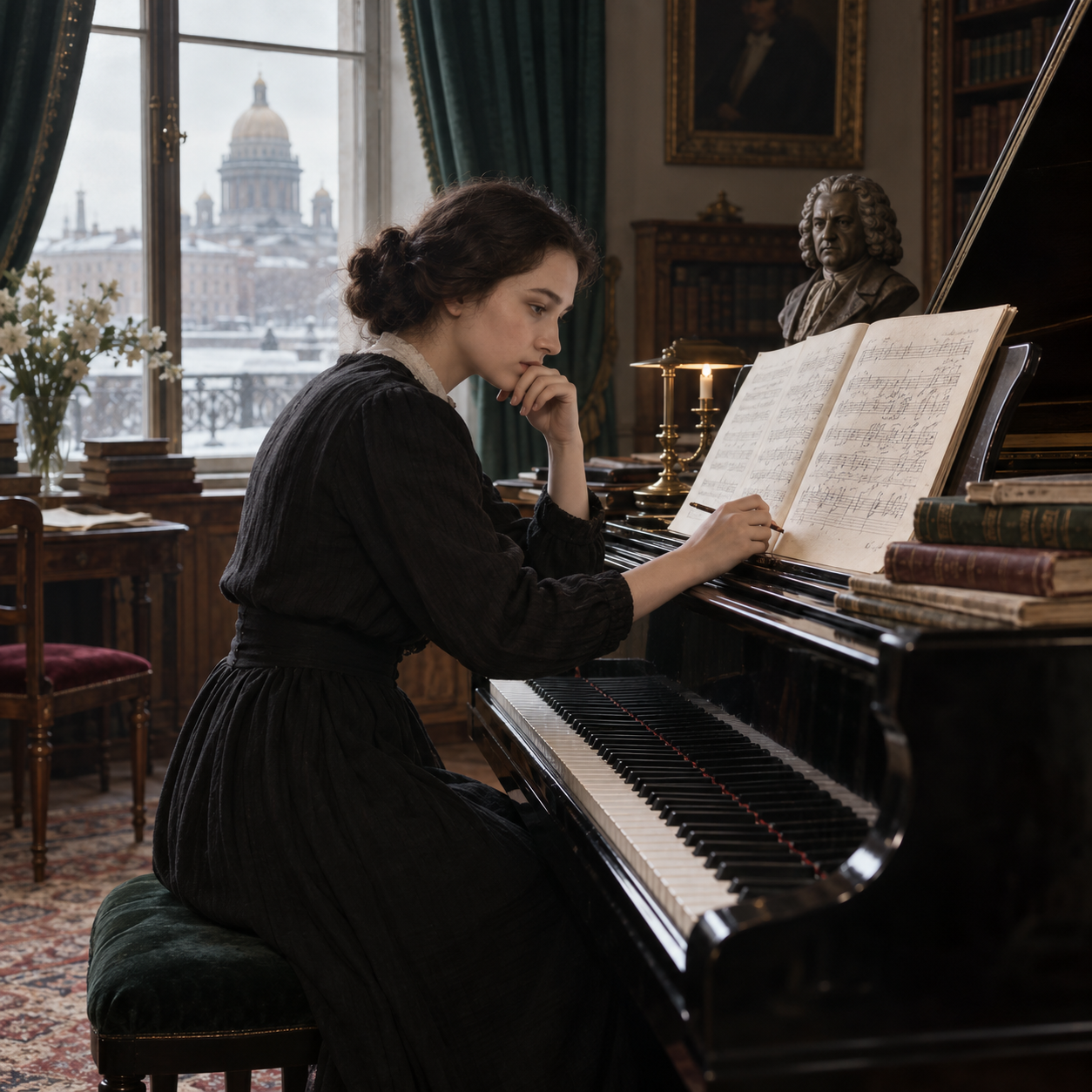
Maria Yudina entered the St Petersburg Conservatory in 1912 and studied piano with teachers including Anna Yesipova, Vladimir Drozdov and Felix Blumenfeld before completing her studies with Leonid Nikolayev. Her graduation programme included both books of Bach’s Well-Tempered Clavier, an early sign that counterpoint would remain central to her musical identity.
Her education extended beyond the piano. Maria Yudina studied organ, composition, conducting, early Russian notation, philosophy and history. Friendships with writers and thinkers fed a conception of performance in which a score belonged to a larger intellectual and ethical world. The breadth was not decorative learning; it shaped the severity, imagination and rhetorical purpose listeners heard in her playing.
What to hear in Maria Yudina’s Bach
Listen first to the independence of voices. Maria Yudina often gives a fugue subject unmistakable direction without smoothing away the resistance of the surrounding lines. Articulation can be spare, accents can feel carved, and climaxes grow from harmonic accumulation rather than a wash of pedal. Her Bach asks the listener to follow an argument as well as a sonority.
For pianists pursuing classical piano study in London, the practical lesson is to assign each voice a destination. Sing the subject, mark its entries and practise the accompanying lines with equal seriousness. WKMT’s article on the sources of Bach’s musical imagination offers useful historical context for that listening.
Teaching, modern music and artistic courage
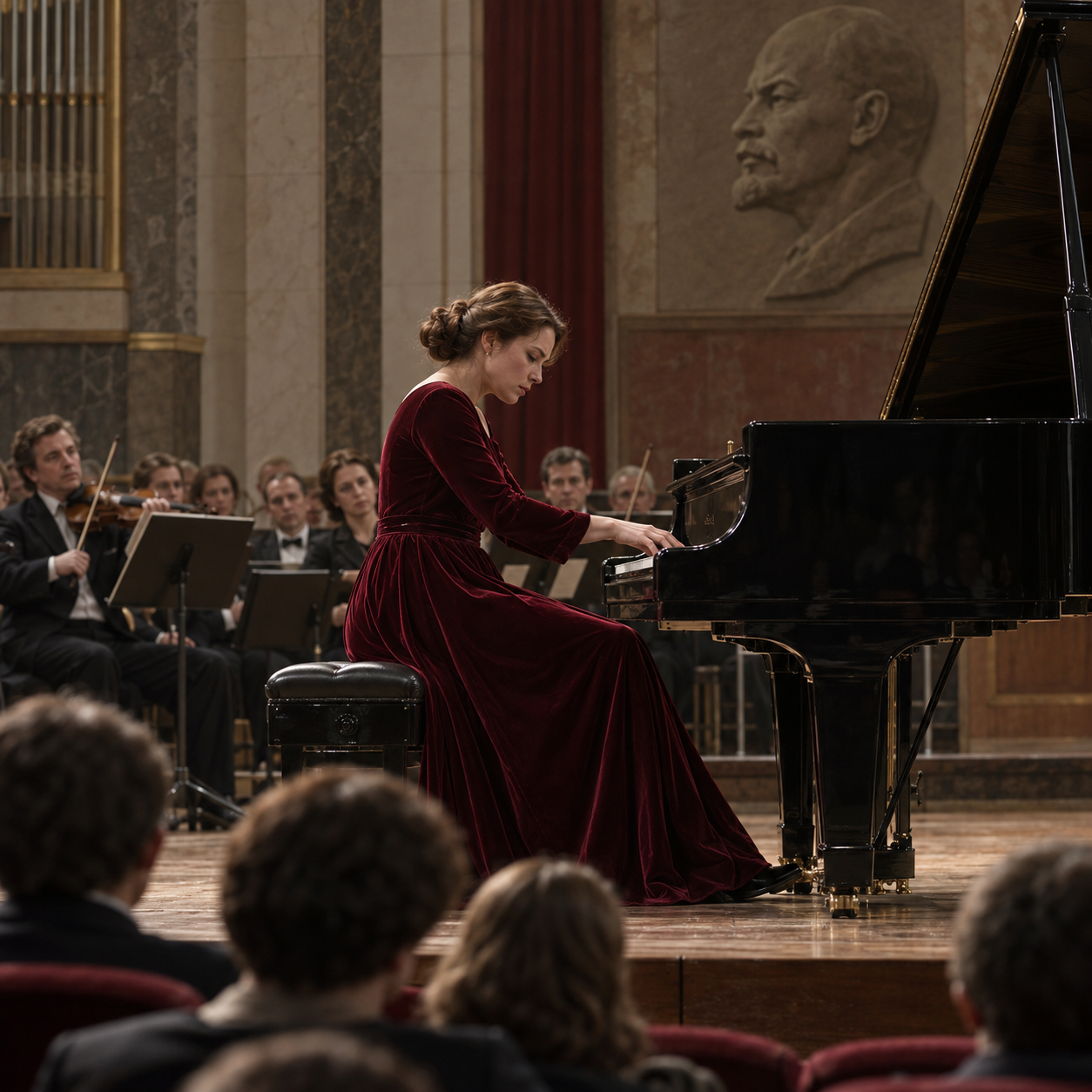
Maria Yudina taught at the Leningrad, Tbilisi and Moscow conservatories and later at the Gnessin Institute. Institutional conflict repeatedly affected her career, yet she continued to champion demanding repertoire. Her programmes embraced Stravinsky, Prokofiev, Shostakovich, Bartok, Hindemith, Krenek, Webern, Berg, Martinu and other modern voices alongside the classical canon.
The celebrated stories connecting Maria Yudina with Stalin are difficult to separate from later myth, so they should not replace documented evidence. Firmer ground lies in her public religious conviction, dismissals, advocacy of contemporary music, wartime broadcasting and performances for front-line audiences. Courage appears here as sustained artistic conduct, not a single cinematic anecdote.
Conviction in performance is strongest when the score, not the pianist’s personality, supplies the necessity.
Recordings and the moral imagination of interpretation
Maria Yudina’s recordings preserve a striking range: Bach’s Well-Tempered Clavier, Beethoven, Mozart, Schubert, Brahms, Mussorgsky and modern repertoire. In Mussorgsky’s Pictures at an Exhibition, architecture and character are inseparable. In Mozart, abrupt contrasts can expose drama that more polished readings soften. The recorded sound is historical, but the decisions remain vivid.
Compare two short works rather than beginning with reputation. Notice how she releases a cadence, how long a dissonance remains alive and whether a repeated phrase returns as confirmation or challenge. Her example complements WKMT’s guide to David Fray’s Bach and inner listening: both make silence structural, though their temperaments differ sharply.
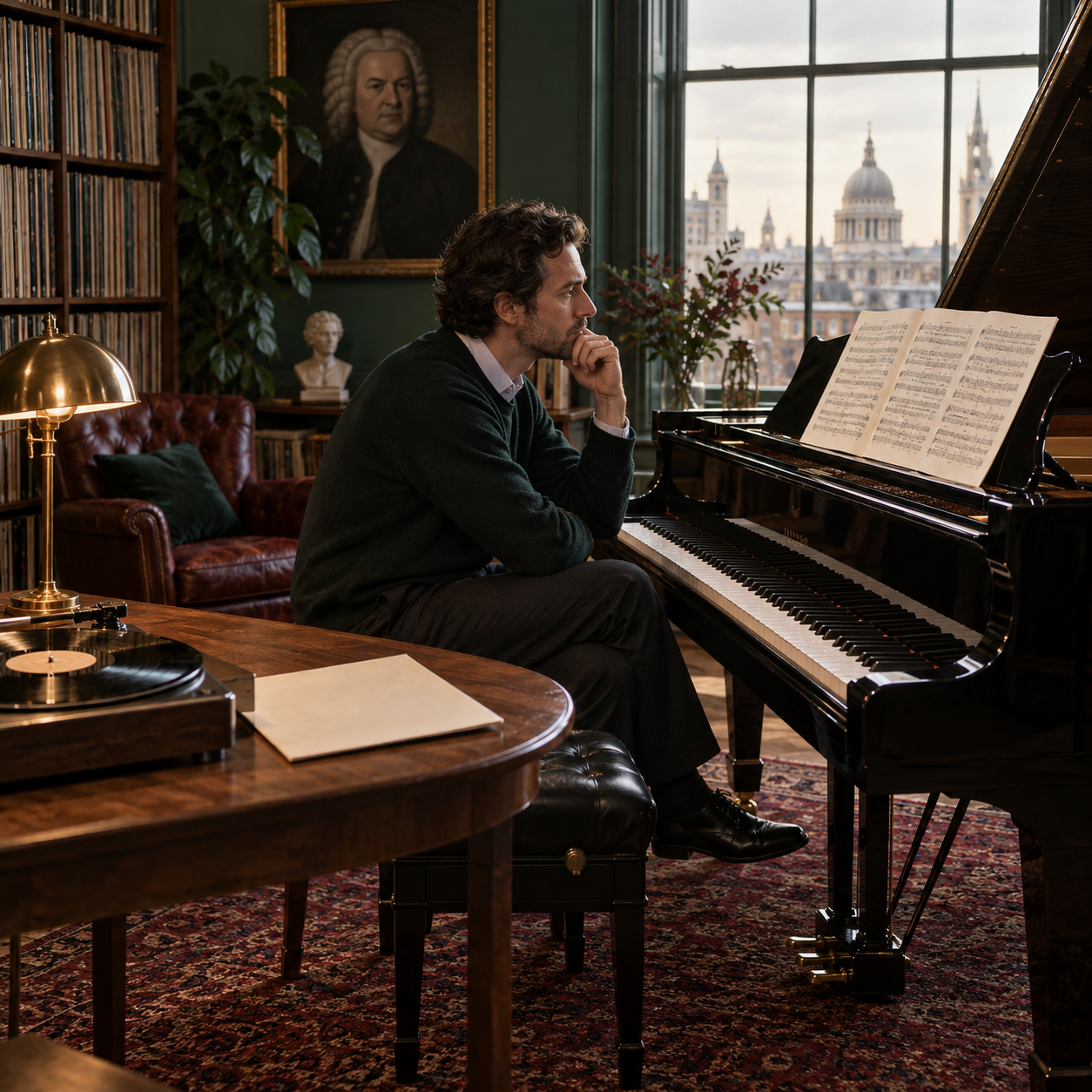
A four-stage Maria Yudina listening route
Choose one prelude and fugue. First trace the subject wherever it appears. Next listen only to bass direction and cadences. On a third hearing, note the places where touch or timing creates moral urgency without distorting the contrapuntal map. Finally, hear the whole performance and ask whether intensity clarified the composition or merely announced the performer.
At the piano, prepare one page in layers: subject alone, bass alone, inner voices together and finally the complete texture. Record a single uninterrupted account. Maria Yudina’s lasting provocation is that accuracy and conviction need not be opposites. The strongest interpretation knows the text intimately and still risks saying something necessary through it.
Hear Maria Yudina in Bach
This historical recording of a prelude and fugue from Book I of The Well-Tempered Clavier allows close listening to Yudina’s independent voices, harmonic weight and uncompromising cadence. Video attribution: embedded from YouTube for educational commentary; rights remain with the channel and rights holders.
WKMT London
Develop the structural hearing, tonal control and interpretative independence that allow classical repertoire to speak with conviction.
Explore piano lessons in LondonSources on Maria Yudina in London
- Moscow Conservatory: Maria Yudina biography
- St Petersburg Conservatory: Maria Yudina
- Moscow Conservatory: Yudina anniversary booklet
- Indiana University Press: Playing with Fire
- Cambridge repository: Yudina and Bach
- Library of Congress authority record
Sources checked 21 September 2026. Educational guidance; individual circumstances and progress vary.