
 TRIAL LESSON
Piano Lessons
Child Development and Piano: How Music Gives Progress a Shape Parents Can See
Sep
Child development via piano with WKMT London
WKMT London parent perspective
Child Development and Piano: How Music Gives Progress a Shape Parents Can See
Child development is not a checklist that music accelerates on command. At the piano, it appears as a changing relationship between movement, language, attention, emotion and growing independence.
Child development is not a checklist that music accelerates on command. At the piano, it appears as a changing relationship between movement, language, attention, emotion and growing independence. In a lesson, the subject becomes practical: what should the ear follow, what action changes the result, and how can the learner repeat that change without losing curiosity?
How child development becomes visible at the piano
A beginner may first copy a two-note pattern, later recognise it on the page, and eventually prepare it independently. The music is constant while the required control changes. That makes children development observable without reducing the child to a score. Teachers watch comprehension, coordination, language, frustration and curiosity, then adapt the next task.
Hear
Distinguish pitch, pulse and phrase.
Move
Coordinate posture, hand and timing comfortably.
Decide
Choose a sound and evaluate the result.
Milestones are guides, not deadlines
Developmental guidance describes broad patterns, not a timetable every learner must follow. One child may sing accurately before coordinating fingers; another may move confidently but need longer with notation. Responsible piano teaching respects childhood development by changing pace, explanation and repertoire. Comparison with classmates is less useful than evidence from the same child across time.
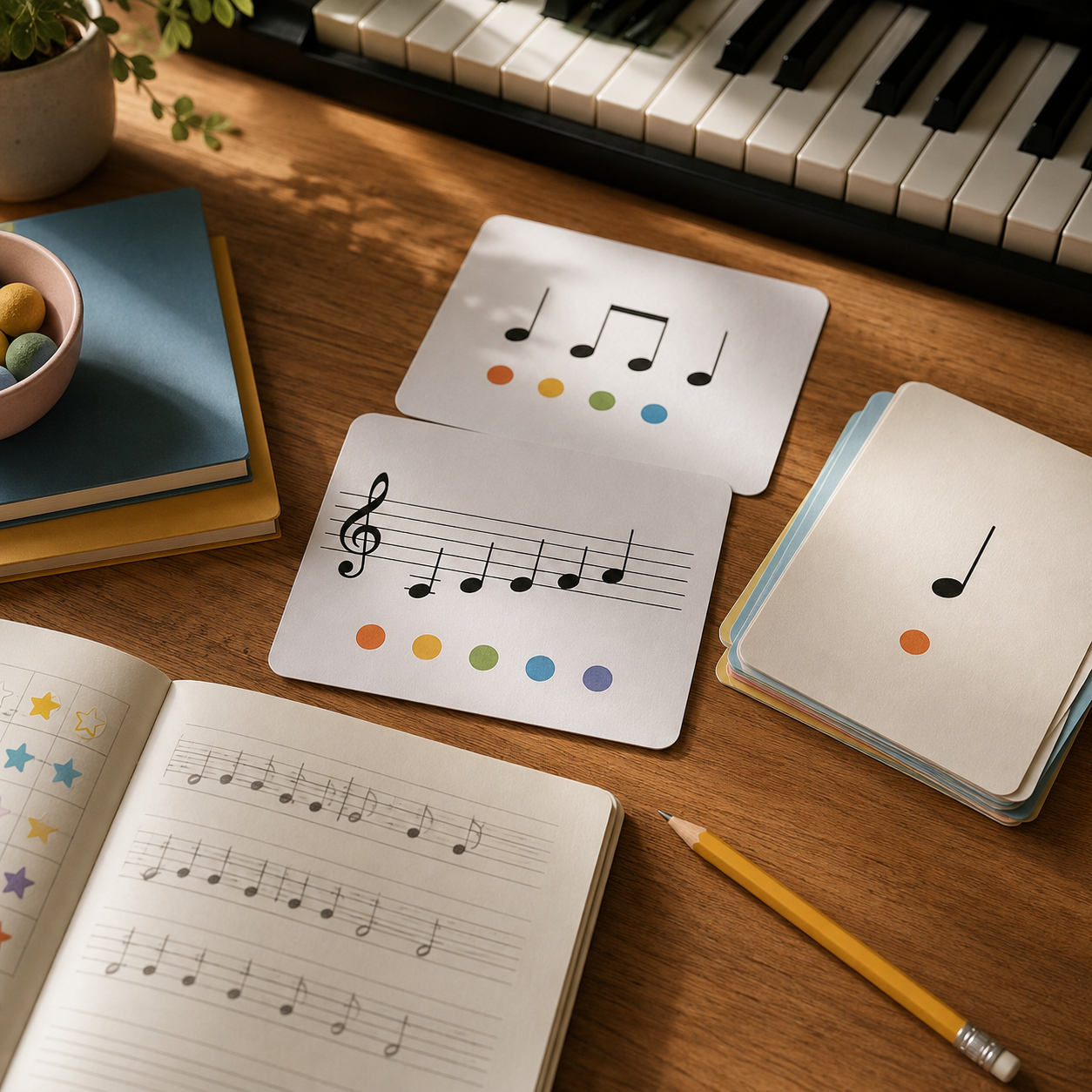
Progress becomes trustworthy when the learner can hear what changed and understand why.
What parents can record each month
Note one musical action in four areas: something the child can hear, read, move and decide. A monthly sentence is enough. This keeps children development grounded in real behaviour and prevents daily practice from feeling like constant assessment. Share recurring difficulties with the teacher, especially discomfort, distress or instructions that remain unclear after several attempts.
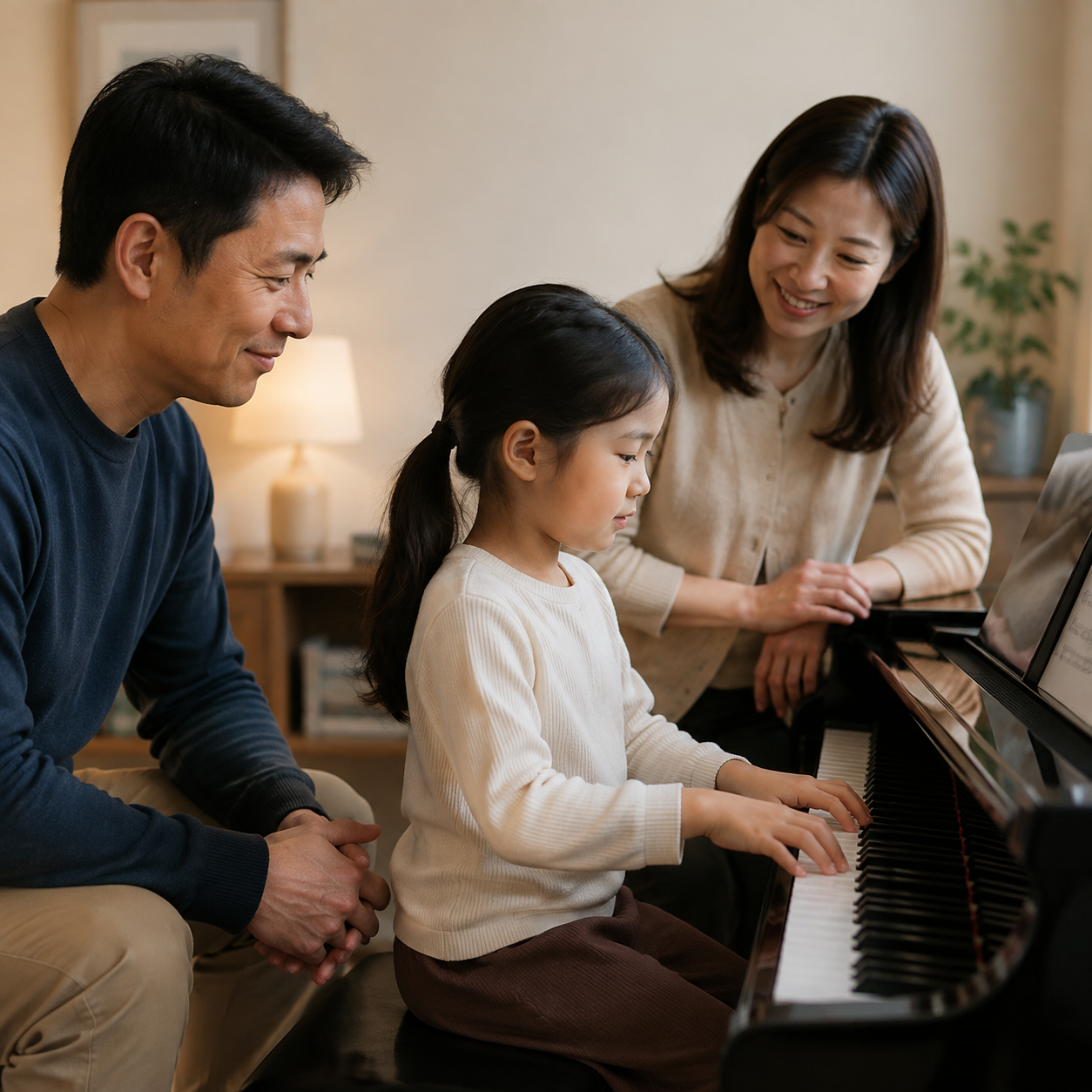
Why relationship is part of learning
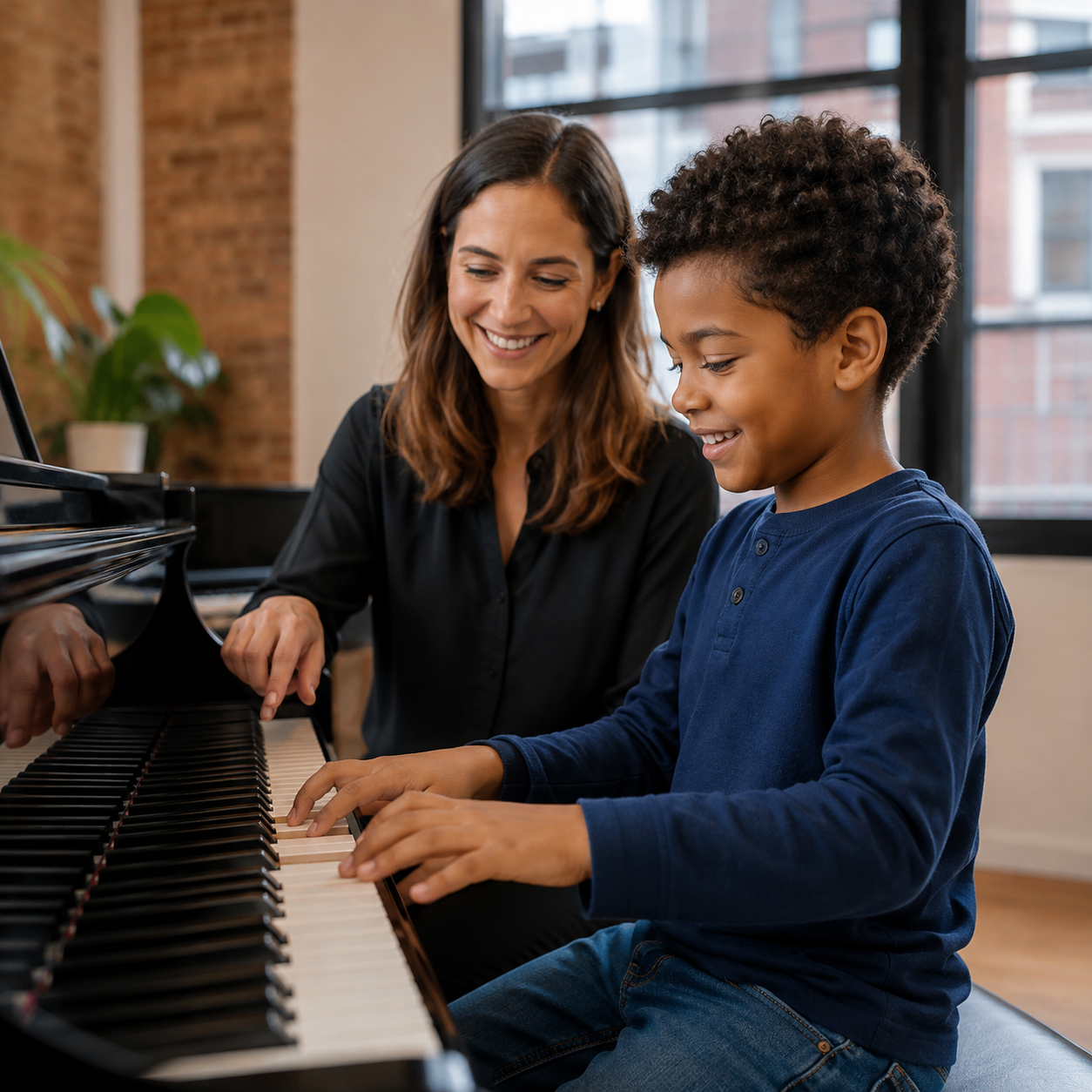
Children attempt difficult things when the environment is predictable and mistakes are informative. A face-to-face teacher can notice fatigue, change the activity and model a phrase immediately. In thoughtful London lessons, child development is served through music with its own artistic value. The child is not doing a disguised cognitive exercise; they are becoming a musician at an appropriate pace.
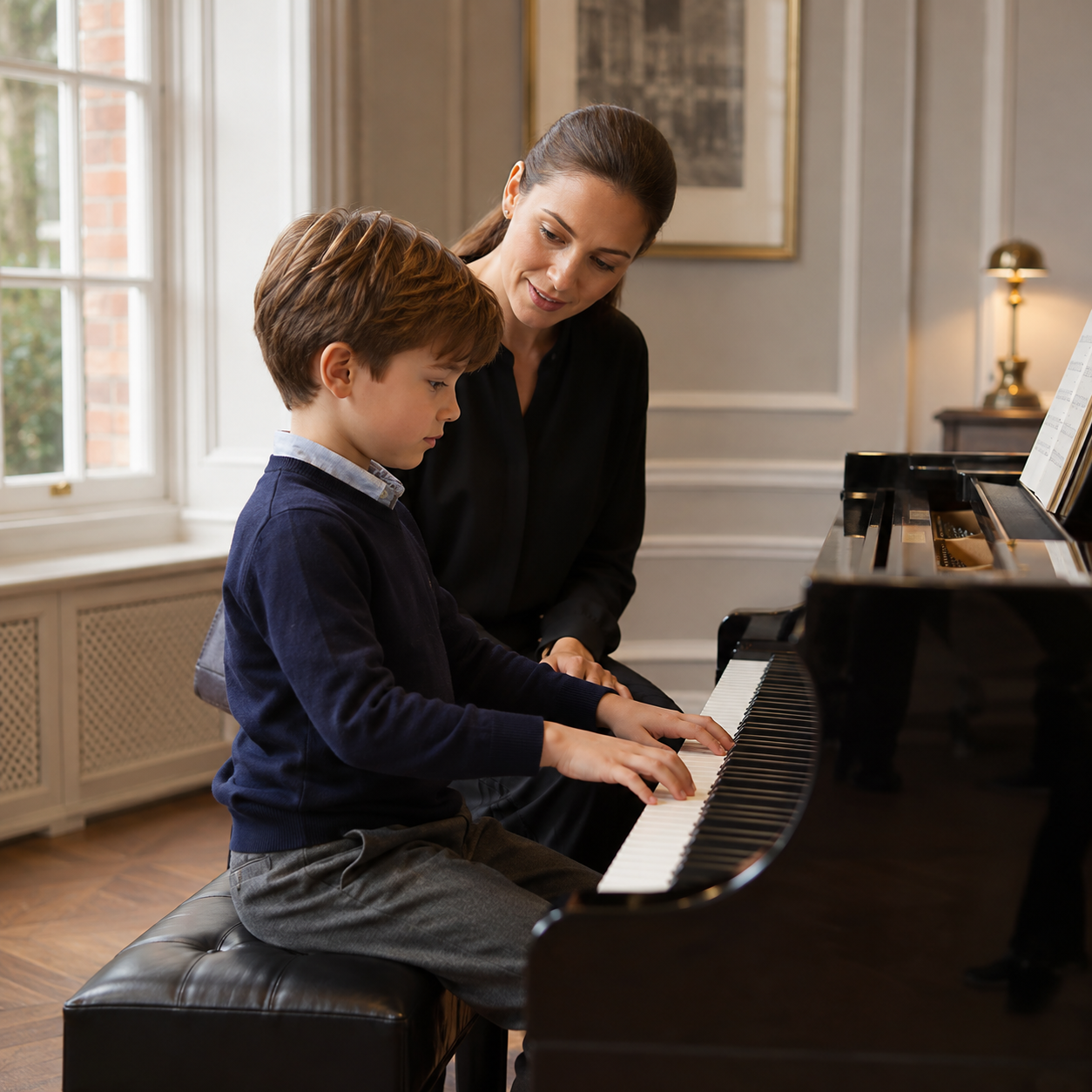
For a connected perspective, read WKMT’s practical piano guidance. The value of child development is clearest when it supports musical independence rather than exaggerated promises.
WKMT London
If you want to develop child development through serious, face-to-face musical study, explore WKMT’s London teaching.
Sources and further reading on childhood development
- NHS child development guidance
- Harvard Center on the Developing Child
- UNICEF early childhood development
- Royal College of Paediatrics and Child Health
- Education Endowment Foundation
Sources checked 8 September 2026. Educational guidance only; no clinical or developmental outcome is guaranteed. Images are AI-generated editorial artwork.