
 TRIAL LESSON
Piano Lessons
Self-Regulation: What Children Practise When They Learn Piano
Sep
WKMT London parent guide
Self-Regulation: What Children Practise When They Learn Piano
Self regulation at the piano begins in tiny moments: waiting for the pulse, starting again after a wrong note, breathing before a difficult bar, and learning that frustration does not have to decide the next sound.
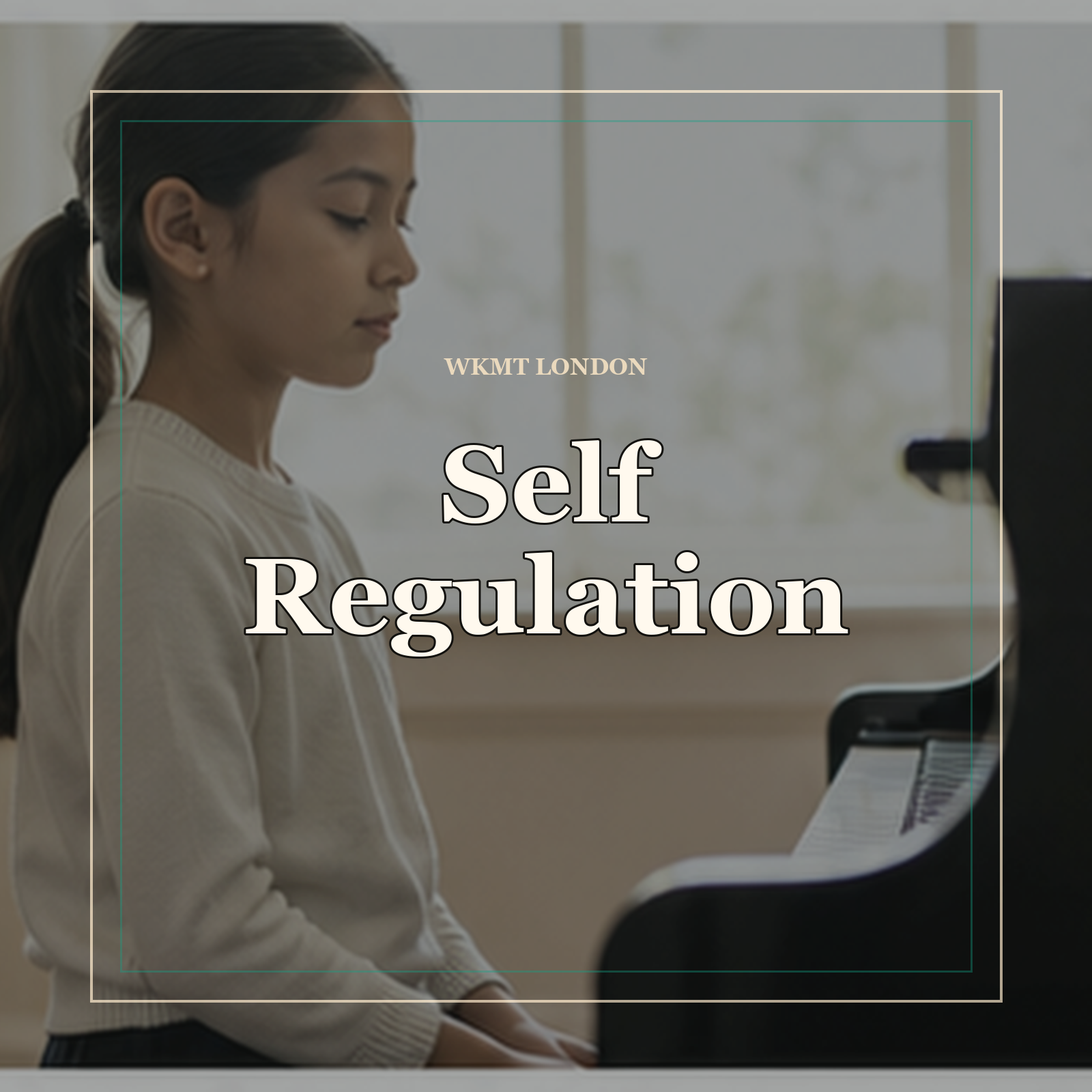
Parents often see the musical result first: a steadier pulse, fewer rushed starts, or a child who can stop and repair one bar without collapsing into irritation. Those details are small, but they are educationally serious.
In children’s piano lessons at WKMT London, the teacher can make self regulation practical. The child is not told simply to concentrate; the task itself is shaped so the child can succeed, notice and try again.
How self regulation appears in piano practice
The piano gives immediate feedback. If the child rushes, the rhythm changes. If the body tightens, the tone hardens. If attention breaks, the place in the music may be lost. A good lesson turns those signals into information rather than criticism.
Pause
Wait before beginning so the body and ear are ready.
Plan
Know the one thing the next attempt will improve.
Play
Stay with the pulse and listen while moving.
Recover
Stop, locate the issue and restart without panic.
Research on rhythm, movement and executive function supports a cautious claim: structured musical activity can engage systems of timing, inhibition and attention. The teacher’s role is to keep that activity musical, humane and age-appropriate.
Three lesson moments that build self regulation
1. The silent count-in
The teacher asks the child to hear two silent beats before playing. This gives the start a centre.
2. The one-bar repair
Instead of replaying the whole piece, the child repairs one bar slowly and then reconnects it.
3. The calm stop
The child learns that stopping is not failure when it is followed by a clear reason and a better attempt.
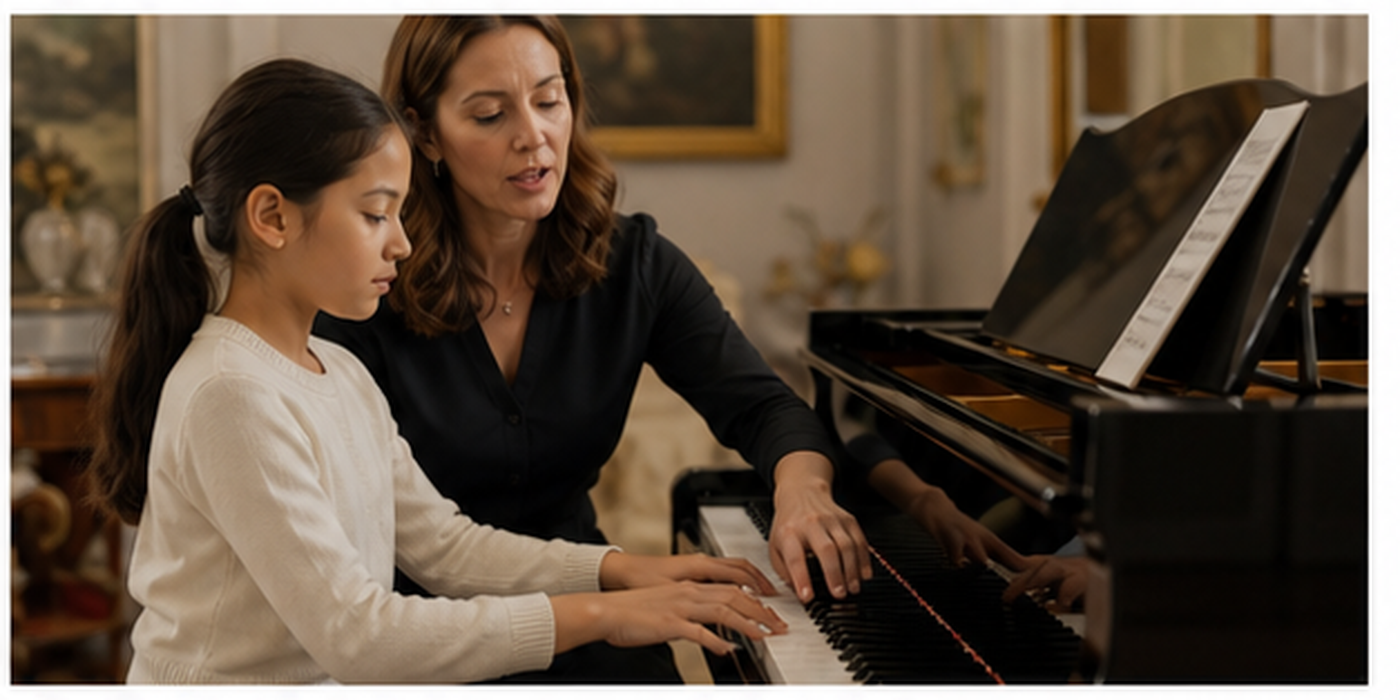
Self regulation grows when a child learns that the next attempt can be chosen, not merely endured.
What parents should notice at home
A good sign is not perfection. It is recovery. Does the child restart with less panic? Can they accept a slower tempo? Can they identify the bar that needs work? Those behaviours matter because they show ownership of the practice process.
Home practice should remain short enough for the child to finish with dignity. A focused five minutes can teach more self regulation than a long session that ends in negotiation and fatigue.
Selected video
Educational musical activity illustrating stop-and-go listening and inhibition for young learners. Embedded from YouTube for educational commentary; rights remain with the publishing channel / YouTube.
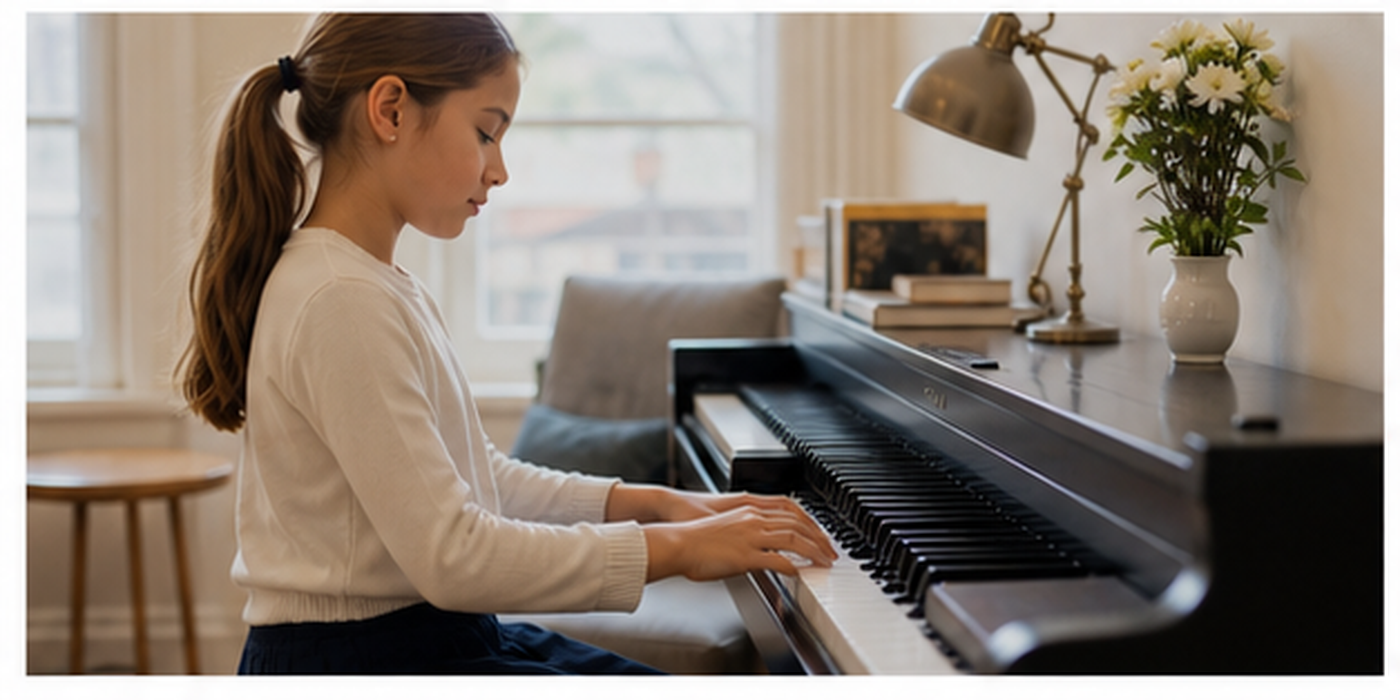
Self regulation without pressure
Children develop unevenly. Some need movement before sitting; others need a shorter page, a slower pulse or permission to sing before playing. The aim is not obedience at the keyboard, but musical attention that the child gradually learns to manage.
Readers can also compare WKMT guides on music and concentration and music and memory, where similar learning habits are explored from different musical angles.
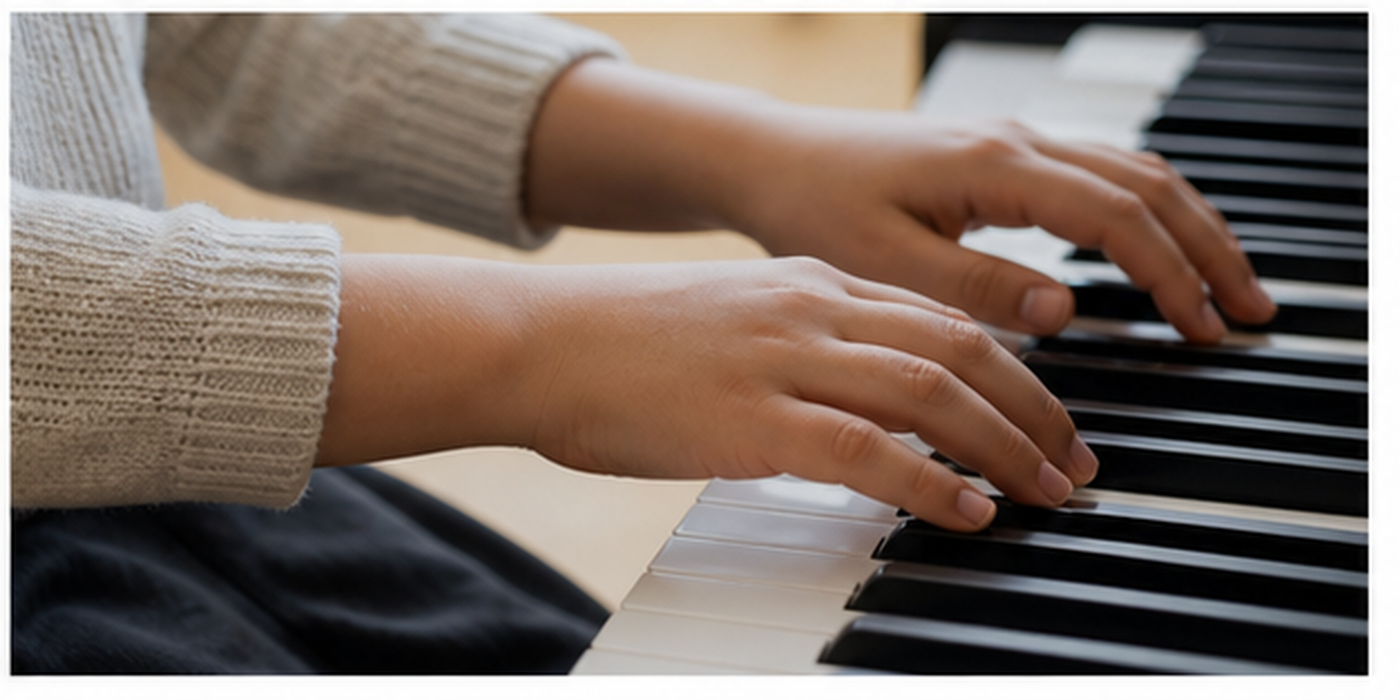
WKMT London
Discover structured, thoughtful piano lessons for children at WKMT London.
Sources
- Frontiers in Psychology: rhythm and movement for self-regulation
- University of Minnesota CEED: music and inhibitory control
- West Chester University REACH Lab: self-regulation research resources
- Frontiers in Psychology: music training and executive function
Sources last checked 1 September 2026.