
 TRIAL LESSON
Piano Lessons
Music and Focus: What Piano Practice Teaches Children
Aug
Music and Focus: What Piano Practice Teaches Children
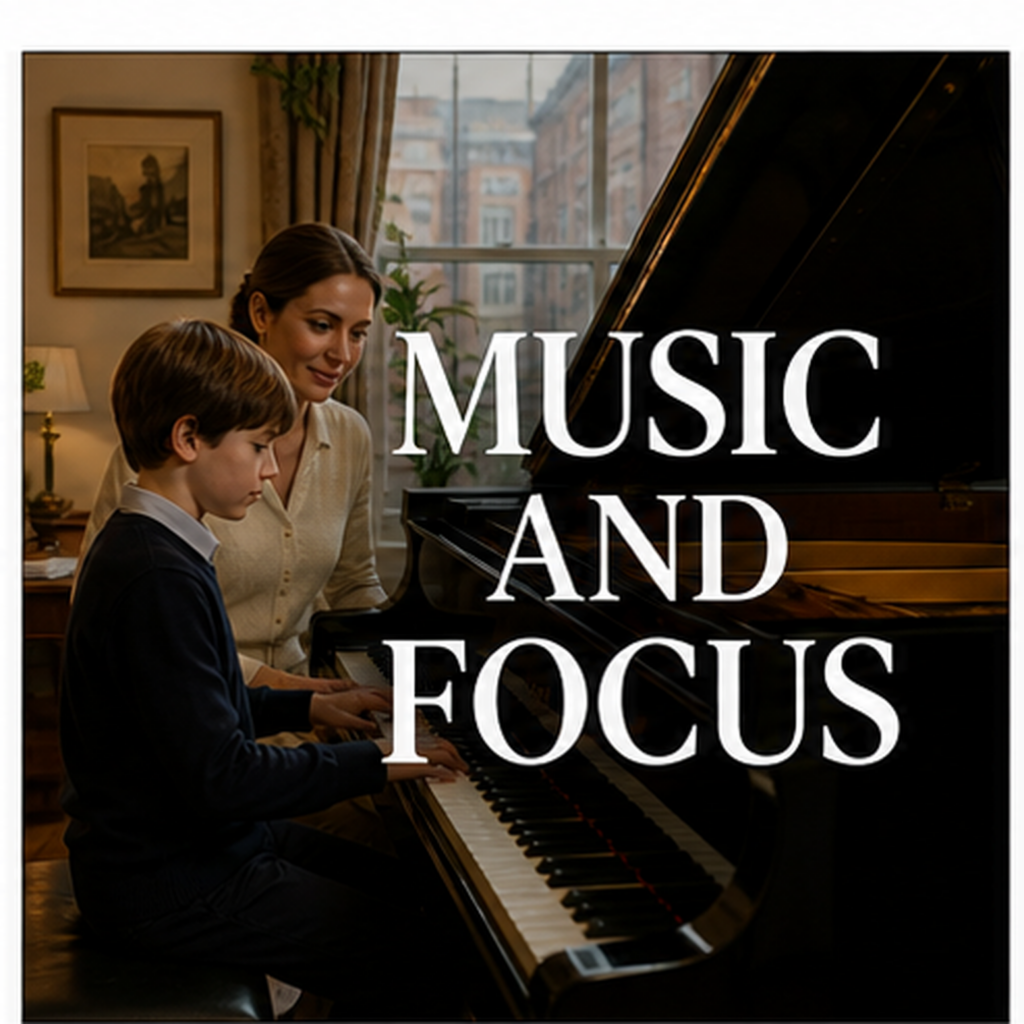
Music and focus meet in the small moment when a child hears one detail, tries again, and realises that attention can be trained without turning practice into pressure.
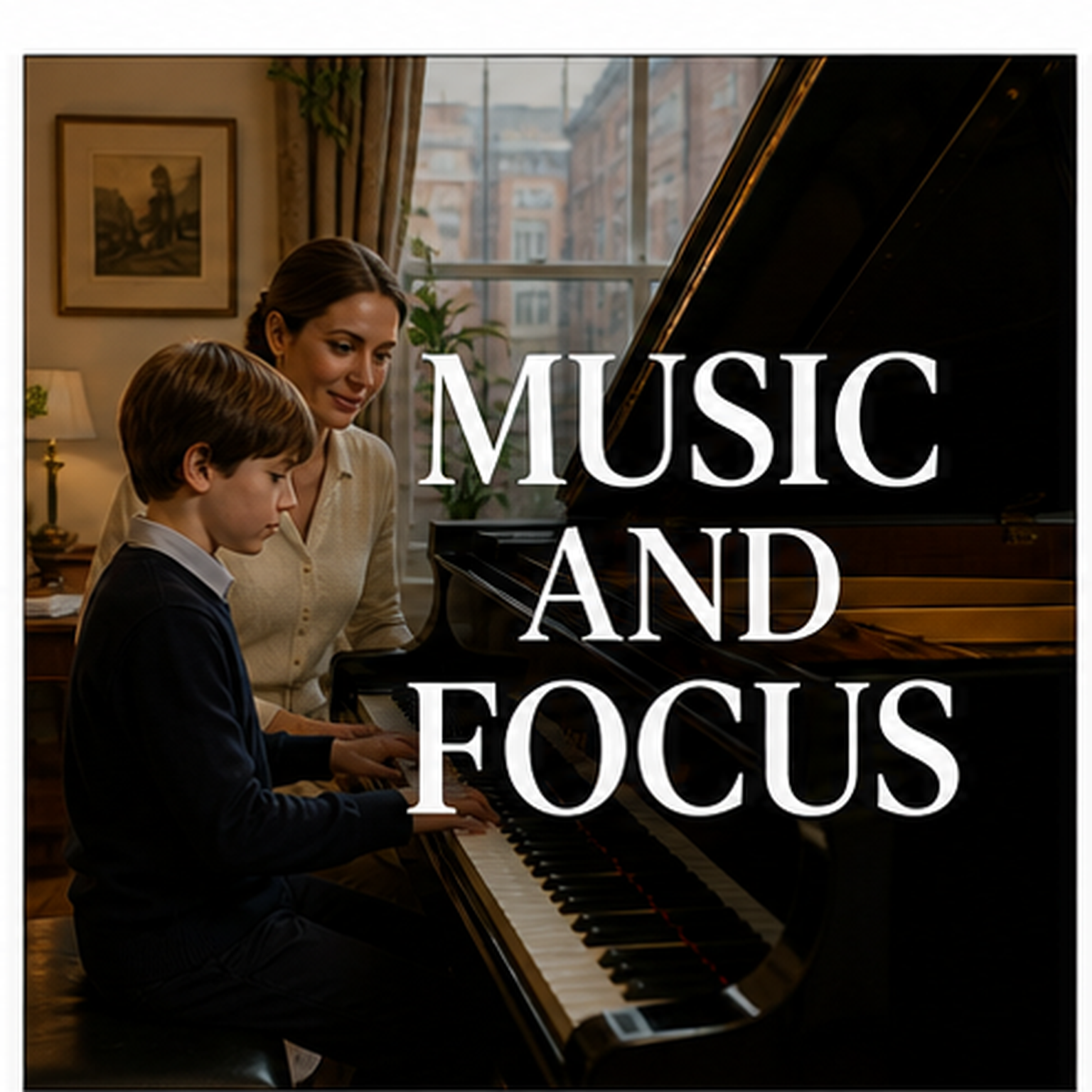
Parents often describe focus as if it were a fixed trait: a child either has it or does not. Piano practice suggests something more hopeful. Music and focus grow through short, concrete acts of attention: finding a steady pulse, shaping one phrase, listening for an even sound, or noticing that the left hand has become too loud.
This is different from forcing a child to sit still. In thoughtful piano lessons for children in London, focus is built through meaningful musical decisions. The child is not asked to concentrate in the abstract; the child is asked to listen for something specific.
For parents
Music and focus improve when practice gives a child one clear listening task, one achievable correction and one reason to feel proud of patient effort.
How music and focus work at the piano
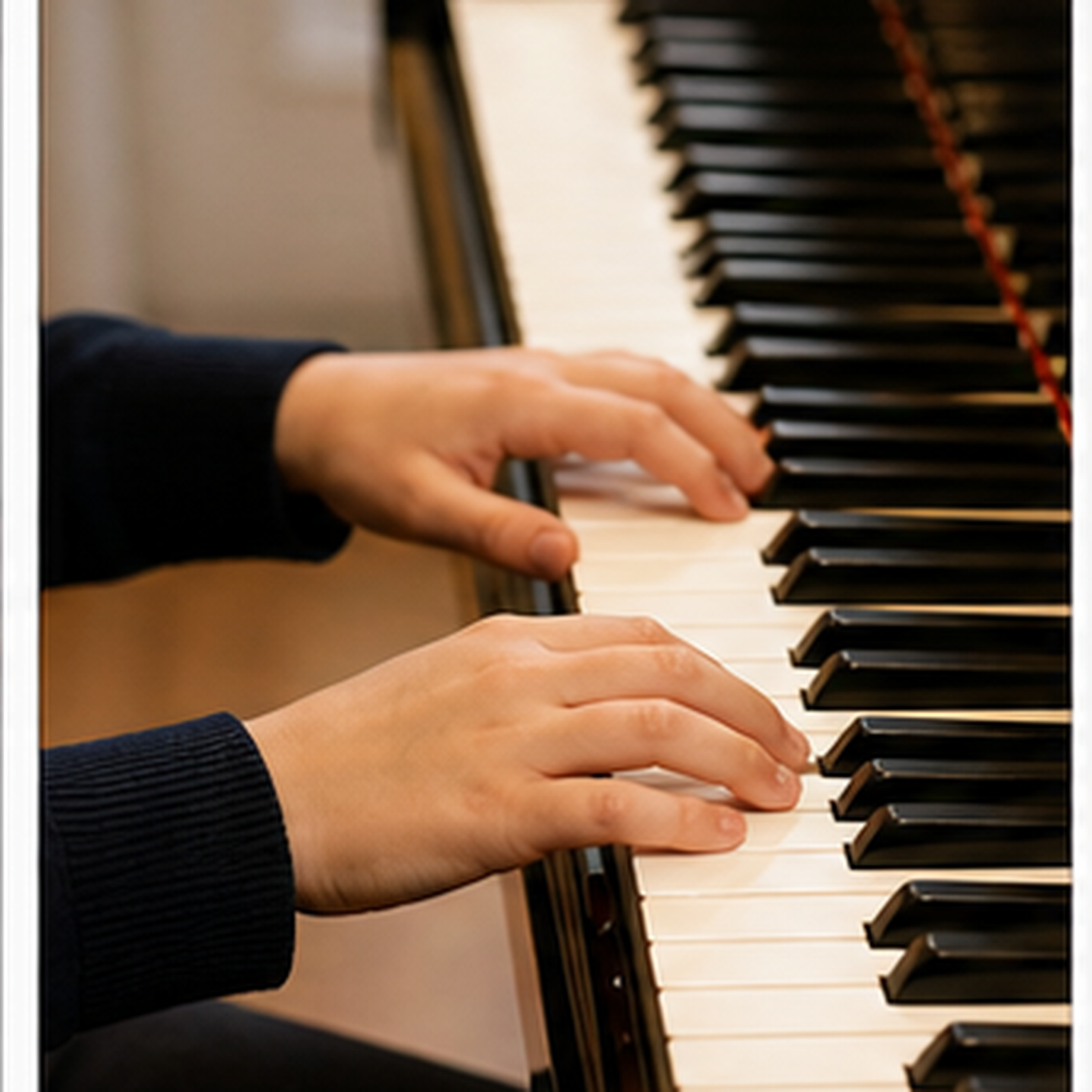
A piano lesson gives attention a physical form. The eyes follow the score, the ear checks the sound, the fingers organise movement, and the body learns when to wait. That combination is why music and focus can feel more natural at the piano than at a desk. The task is active, audible and immediate.
Research on music training and executive function is careful rather than magical. Studies do not say that every child becomes instantly more focused because of lessons. They do show that structured musical learning can engage memory, inhibition, flexibility and sustained attention, especially when teaching is consistent and age-appropriate.
A child-friendly focus ladder
Can the child make the first note beautiful?
Can the child keep the pulse steady for two bars?
Can the child repeat a short passage with one improvement?
Can the child say what became better?
This is why music and focus should be measured in minutes, not speeches. A five-minute practice session can be valuable if the task is precise. A forty-minute session can become empty if the child is simply repeating mistakes while tired.
What teachers can make visible
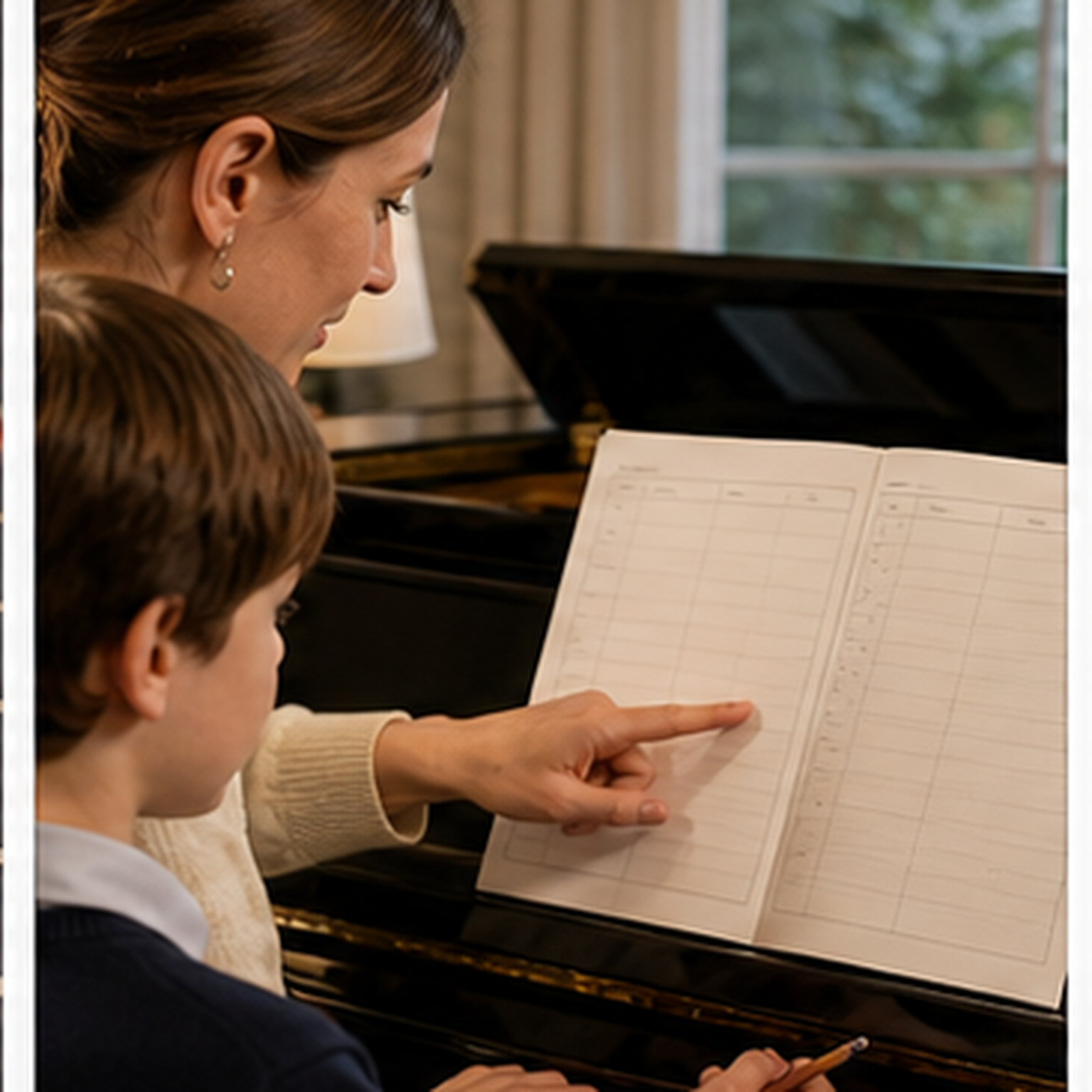
A teacher can turn music and focus into a sequence the child understands. First, the teacher narrows the target. Then the child tries. Then teacher and pupil listen back with kindness and accuracy. The correction is not a criticism; it is evidence that the ear is becoming sharper.
That approach also protects confidence. Children do not need constant praise, but they do need to know what success looks like. When the goal is audible, focus becomes less mysterious. The child can hear whether the rhythm stayed steady or the phrase sang more clearly.
Teacher note
Focus is strongest when the lesson alternates challenge and recovery: effort, listening, correction, then a short successful repeat.
What parents can do at home
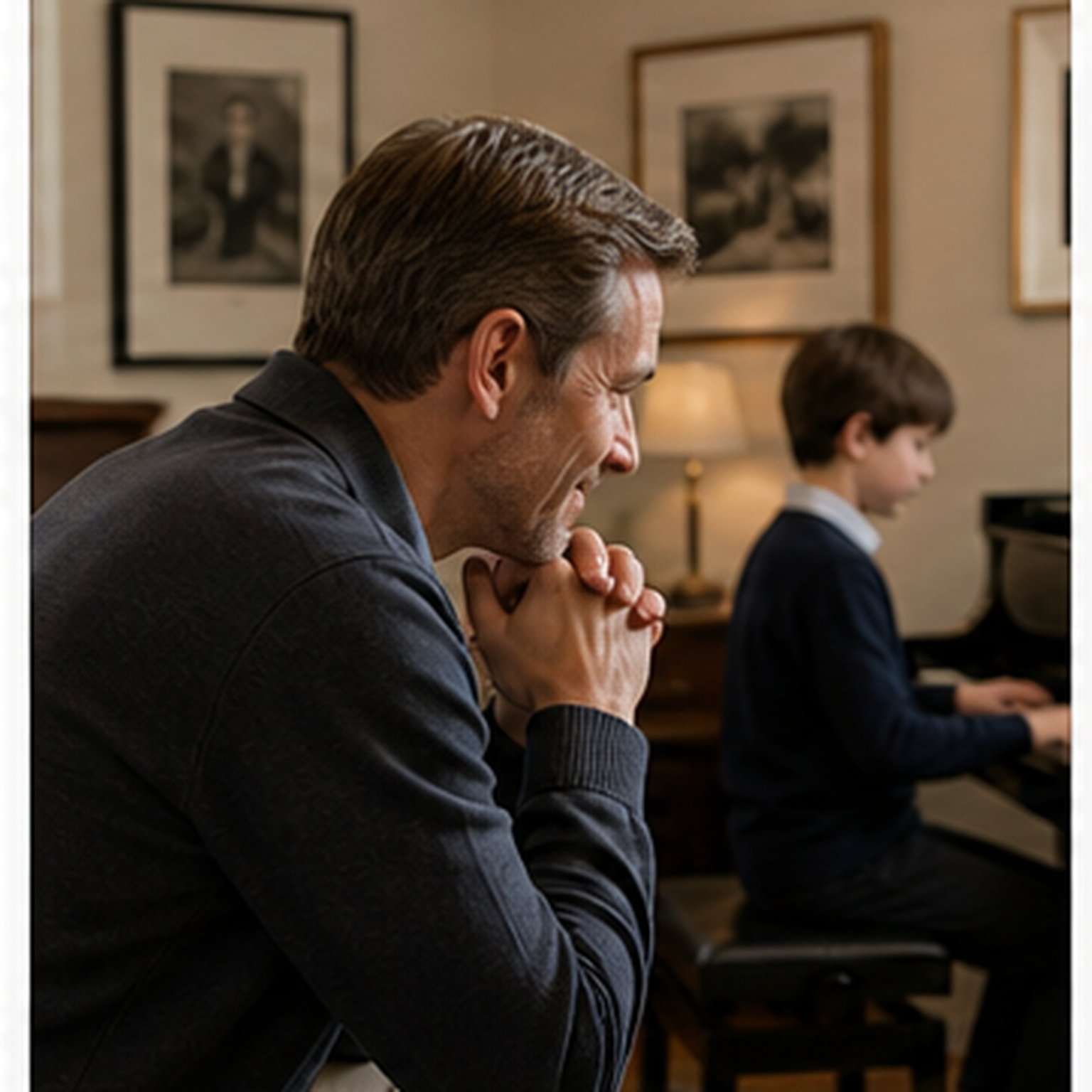
At home, the best help is usually simple. Ask what the lesson’s one main practice point was. Keep the first repeat short. Let the child notice one improvement before moving on. Music and focus improve when the routine feels steady and humane.
For a related evidence-led parent guide, WKMT has also written on music and concentration. This article is narrower: it looks at how piano practice turns focus into a visible lesson habit.
Study at WKMT London
WKMT helps children build musicianship through patient one-to-one teaching, clear practice habits and a serious but encouraging London lesson environment.
Explore children’s piano lessons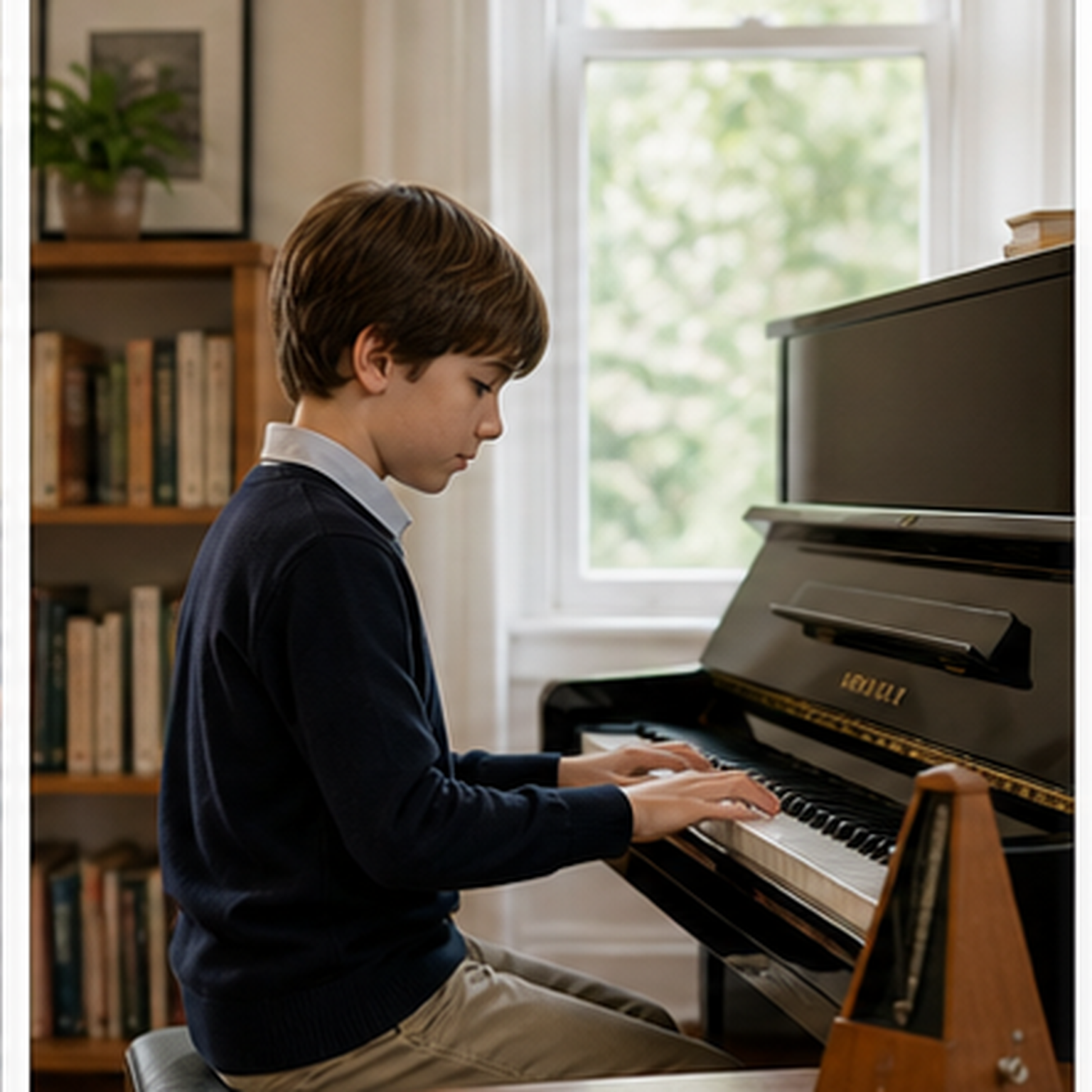
Music and focus are not separate achievements. At the piano, they grow together: a child listens, chooses, corrects and hears the result. That is one of the quiet educational gifts of learning an instrument well.
Sources on music and focus
- Frontiers in Education, music training and executive function in children, 2024.
- Effects of music training on executive functions in preschool children, 2025.
- Universite de Montreal, music training and cognitive development meta-analysis report, 2024.
- Harvard Center on the Developing Child, executive function overview, checked August 2026.
- BBC Teach, music education resources for children, checked August 2026.
Related video
Focus and self-control songs for young children is embedded below from YouTube for educational listening and context. Rights remain with Kids Song Neenie Studio / YouTube.