
 TRIAL LESSON
Piano Lessons
Spaced Practice for Piano: Why Adult Learners Improve Between Sessions
Sep
WKMT London adult learner guide
Spaced Practice for Piano: Why Adult Learners Improve Between Sessions
A long Sunday session can feel heroic, yet Tuesday may reveal how little survived. Adult pianists often improve more reliably when practice returns in shorter encounters: enough time to forget slightly, retrieve the route and rebuild it with less help.
In brief
Spaced practice learning distributes work across several sessions instead of concentrating it in one block. For adult pianists, this means revisiting the same passage on different days, retrieving fingering and musical intentions before looking at notes, and alternating repair with complete playing. Spacing supports retention, but the best interval depends on the difficulty, learner and performance date.
What spaced practice learning means for a pianist
Spaced practice learning does not mean playing less attentively. It means arranging repeated encounters so that memory must be reconstructed. A passage practised for twelve minutes on three days asks the brain and body to find the route again; thirty-six uninterrupted minutes may produce temporary fluency that feels secure only because every repetition is still warm.
The effect is well established in learning research, although much evidence concerns verbal or academic material rather than complex musical performance. Piano adds perception, movement, timing and expression. The sensible conclusion is practical rather than absolute: distribute important work, test what remains, and judge the result through playing.
Why a little forgetting can improve retention
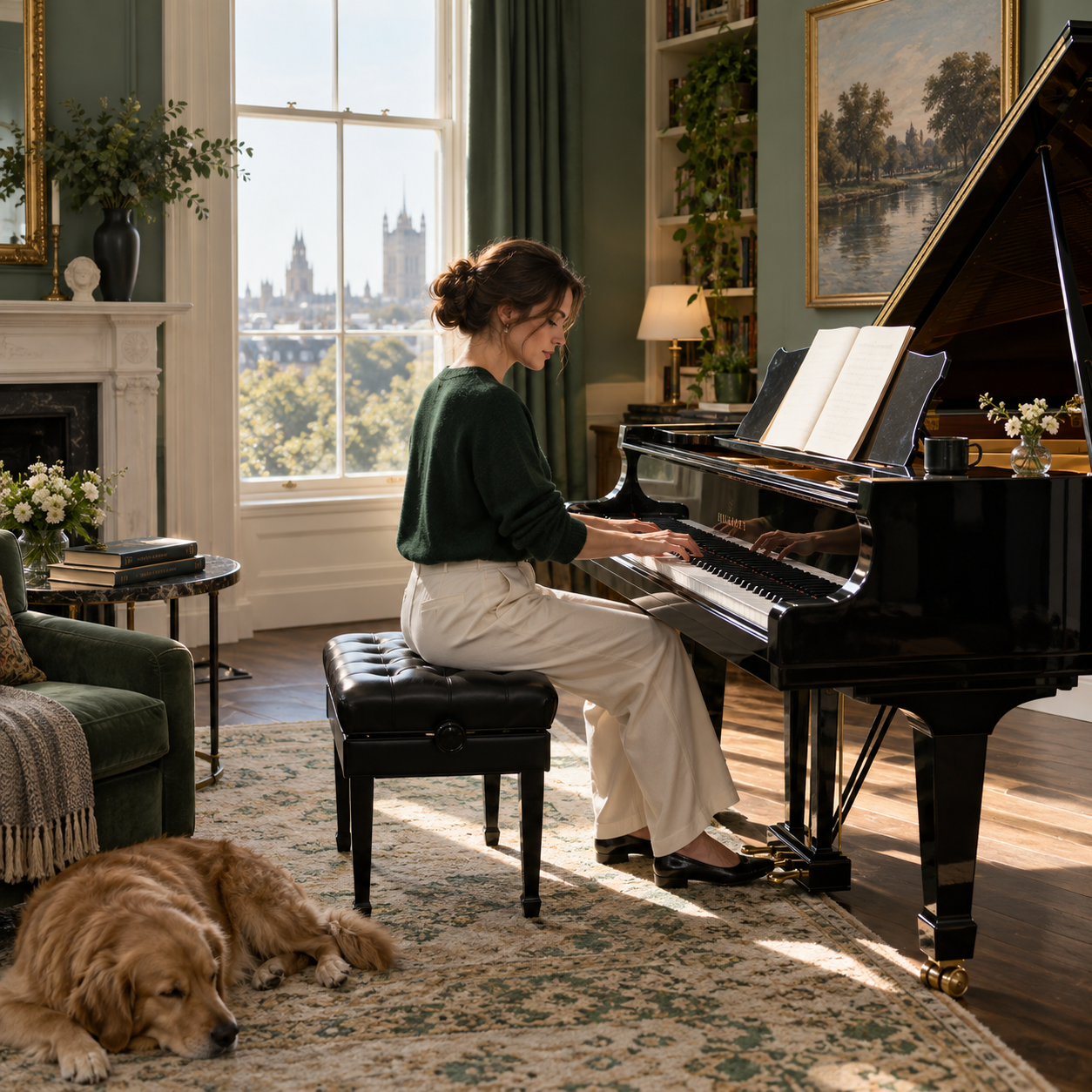
When the next session begins, resist immediate rescue from annotations or a recording. Try the opening, recall the fingering and state the harmonic destination. This retrieval may feel less fluent than yesterday’s final repetition, but the effort provides information. It shows which parts of the plan are available without the short-term support of recent practice.
In adult piano lessons in London, a teacher can help choose intervals that fit work and family life. WKMT’s guide to a realistic piano practice schedule complements spaced practice learning by turning good intentions into repeatable appointments.
A weekly spaced practice learning pattern
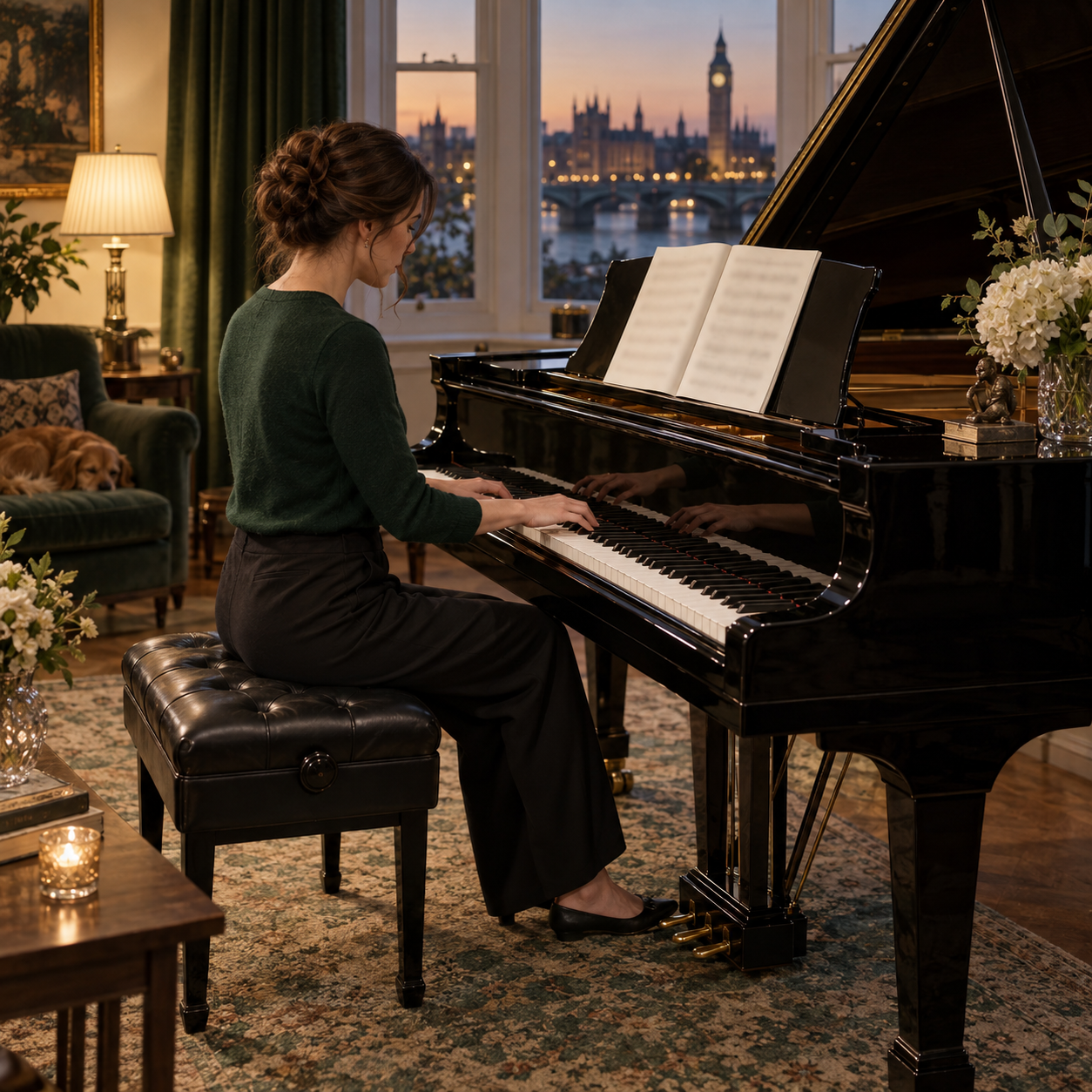
Choose one difficult passage and visit it on four days. On Monday, analyse and establish a reliable slow version. On Tuesday, retrieve it before checking the score. On Thursday, begin from three different places and vary tempo. On Saturday, play the larger section without stopping and note the next repair. Each visit has a different job.
Spacing also works within a session. Practise a passage, leave it for scales or another piece, then return after ten minutes. This interleaving prevents endless polishing of one motor pattern. The return should remain specific: can the left hand lead the cadence, can the leap begin without a preparatory pause, and can the phrase survive from a cold start?
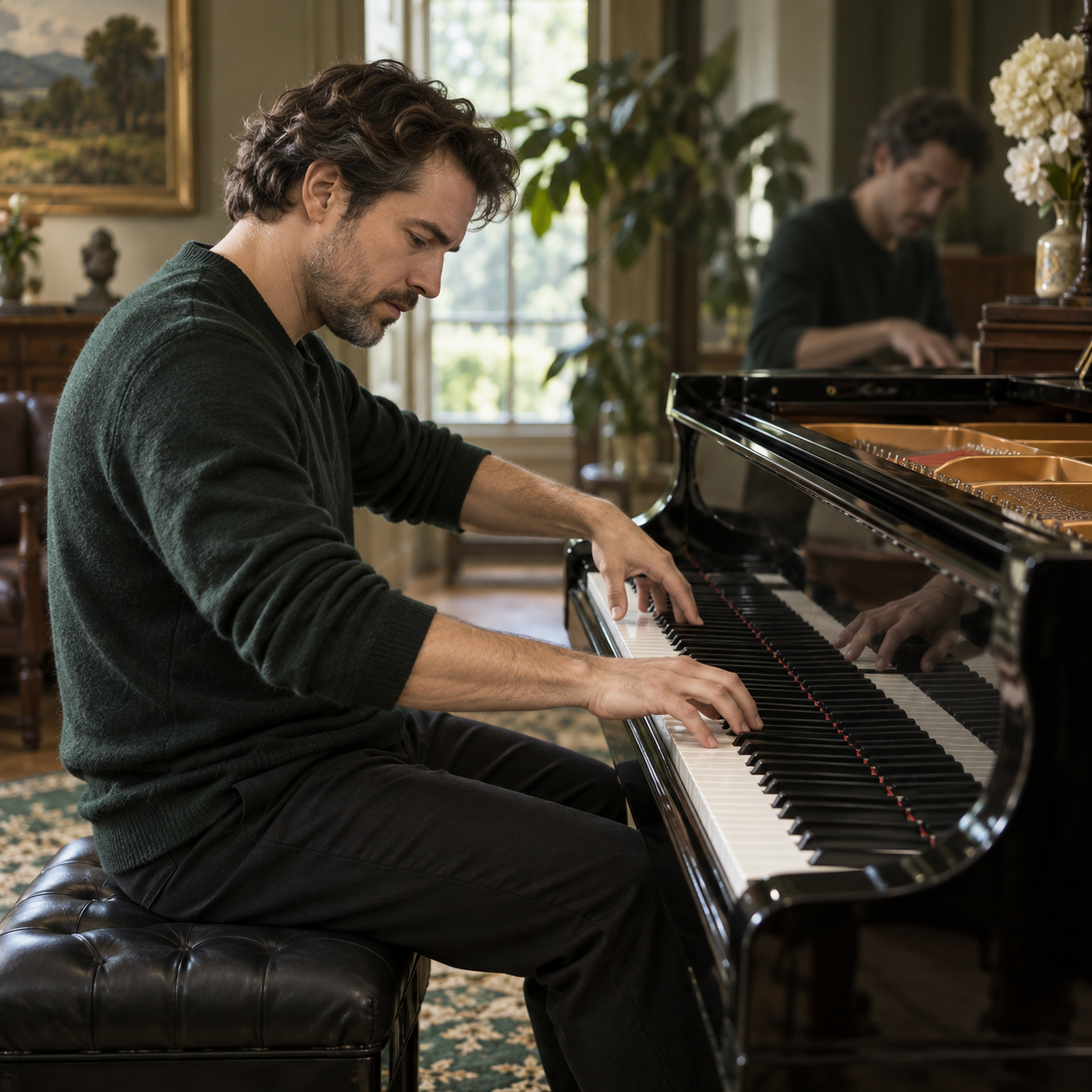
A practice session succeeds not when the passage feels easy tonight, but when its musical route can be rebuilt tomorrow.
What to space: movement, memory and interpretation
Technical patterns benefit from brief, accurate returns that avoid fatigue. Memorised passages benefit from retrieval at expanding intervals. Interpretative decisions benefit from time because a recording heard the next day often reveals balance and pacing more honestly than immediate playback. Spaced practice learning therefore serves more than note retention.
Do not space every task equally. A newly changed fingering may need several close, careful repetitions before the first break. A secure work may need only two complete runs in a week. WKMT’s article on efficient piano practice offers further ways to match the method to the problem rather than treating time as a measure of seriousness.
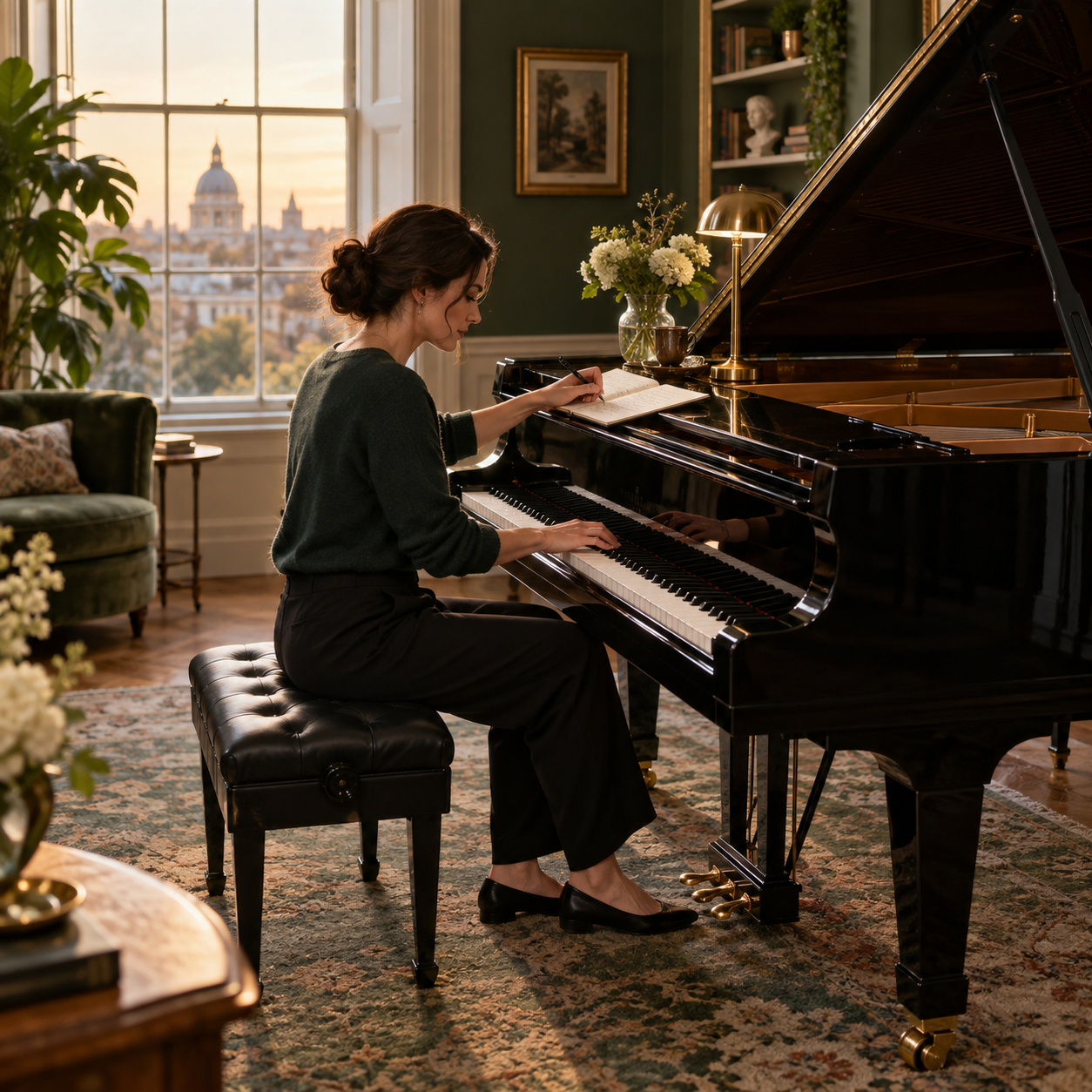
A four-part routine for busy adult learners
At the end of each session, write one starting cue, one musical intention and the next return date. Begin the following session from memory, compare with the score, repair one decisive detail and finish with a complete phrase. This simple record turns spaced practice learning into a visible cycle rather than a vague promise to come back later.
Short sessions still need musical ambition. Keep sound, rhythm and phrase present even when working slowly. The purpose of spacing is not to fragment the piece, but to let each return strengthen a coherent performance. Improvement between sessions becomes audible when the adult pianist can begin more independently, recover more calmly and remember why the phrase moves as it does.
WKMT London
Shape a flexible adult piano plan in which thoughtful spacing, responsive teaching and serious repertoire fit a real London life.
Explore adult piano lessonsSources on spaced practice learning
- Psychological Science in the Public Interest: effective learning techniques
- Psychological Bulletin: distributed practice meta-analysis
- npj Science of Learning: self-regulated spacing
- Journal of Applied Research in Memory and Cognition: retention and transfer
- Advances in Health Sciences Education: distributed practice review
- Maynooth University repository: the spacing effect
Sources checked 22 September 2026. Educational guidance; individual circumstances and progress vary.