
 TRIAL LESSON
Piano Lessons
Celebrating Diversity: Classical Piano Traditions from London’s Multicultural Communities
Mar
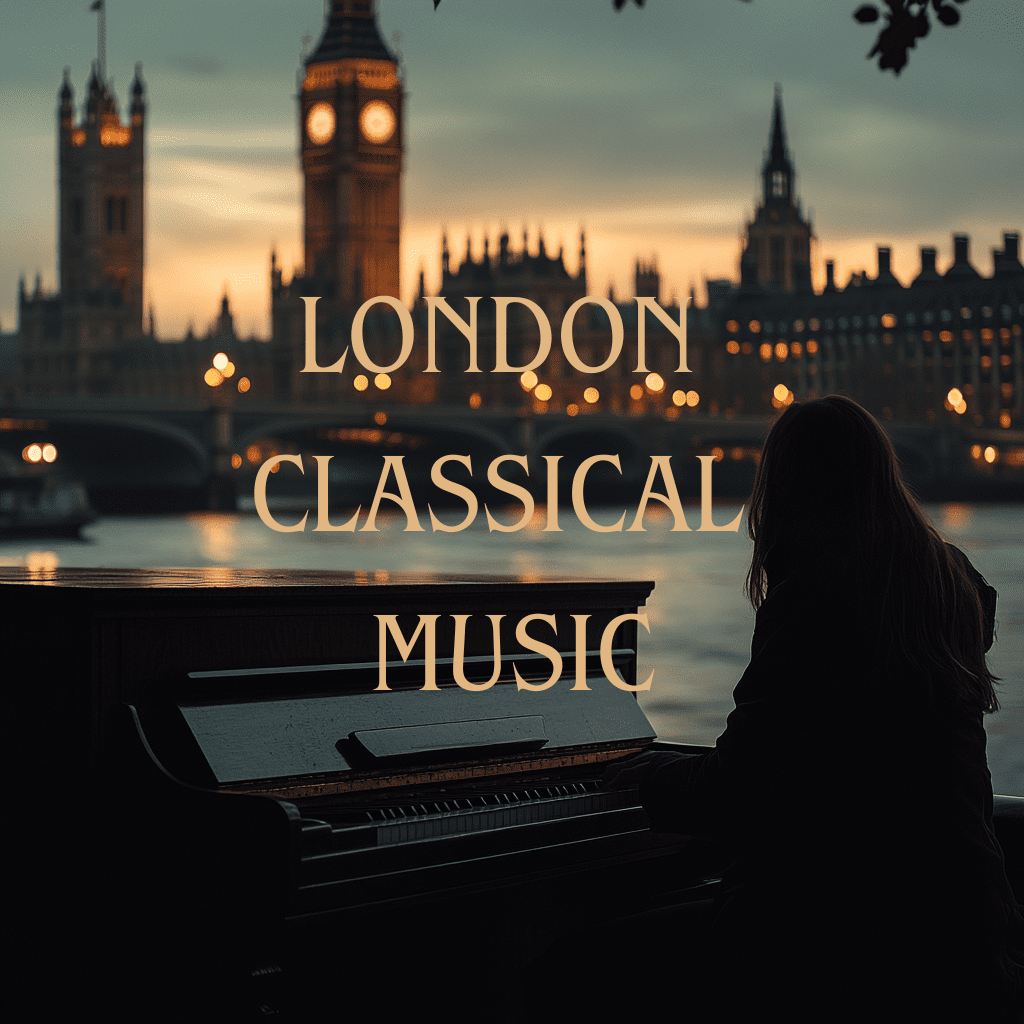
London Classical Music – Celebrating London Culture

Celebrating Diversity: Classical Piano Traditions from London’s Multicultural Communities
The piano’s voice echoes through London’s streets, carrying whispers of centuries past and harmonies of today’s diverse metropolis. Join us on a journey through time as we explore how the city’s piano heritage has evolved alongside its changing cultural landscape.
The Birth of a Tradition: London’s Piano Genesis
London’s love affair with the piano began in the 1730s, when the first pianos arrived from Florence like exotic birds finding an unexpected home. These early instruments—delicate forerunners of today’s concert grands—were initially the preserve of aristocratic drawing rooms, where they served as both musical instruments and symbols of refined taste.
In those early days, one name would rise above all others to define London’s contribution to piano history: John Broadwood & Sons.
“The history of the piano in London is inseparable from the history of Broadwood—a name that resonates through the centuries with the same clarity as their instruments.”
Founded in 1728, Broadwood remains the world’s oldest surviving piano manufacturer. The company’s story illustrates London’s remarkable adaptability: Scottish carpenter John Broadwood joined Swiss harpsichord maker Burkat Shudi’s workshop in 1761, married Shudi’s daughter, and eventually transformed the business after Shudi’s death in 1773. As musical tastes evolved, Broadwood pivoted from harpsichords to pianofortes, crafting their first square piano in 1771 and their inaugural grand piano by 1781.
Did you know? Broadwood ceased harpsichord production entirely by 1793, symbolizing London’s embrace of the piano as the keyboard instrument of the future.
From Private Salons to Public Stages
As the 19th century dawned, London’s relationship with the piano underwent a profound transformation. The instrument that had once been the exclusive domain of the wealthy began its journey toward democratization.
Between 1837 and 1850, London pioneered what would become a defining format for classical music performance: the piano recital. This new tradition emerged alongside the rise of England’s upper middle class, whose patronage created fertile ground for musical innovation.
The city quickly established itself as the epicenter for “classical” solo piano performances. Like pilgrims to a shrine, virtuosos including Liszt and Moscheles journeyed to London, drawn by both financial opportunity and the city’s growing reputation as a cultural arbiter.
Key Development: During this period, pianists began to be judged primarily on their interpretive abilities rather than compositional skills—a shift that would permanently alter how we experience piano music.
Cultivating Excellence: London’s Piano Education

The foundations of London’s enduring piano legacy were cemented through its educational institutions. Before formal music schools existed, piano education was largely a private affair, available only to those with means to hire personal instructors.
The establishment of the Royal Academy of Music in 1822 and the Royal College of Music in 1882 marked turning points in London’s musical education landscape. These institutions created structured pathways for pianistic development that would produce generations of distinguished performers and teachers.
Imagine yourself as a piano student in 1850s London. Would you be studying privately with a master in a Mayfair townhouse, or among the first generation of students at the Royal Academy? How might your experience differ from today’s students?
As piano ownership expanded beyond elite circles, educational opportunities necessarily broadened. London’s piano pedagogy eventually gained international renown, attracting students from across the globe—particularly from Asia in the post-war period.
The Diversity Challenge: Representation in Classical Piano Music
Despite London’s evolution into one of the world’s most multicultural cities, its classical piano traditions have struggled to achieve equitable representation. Recent research from Donne, Women in Music (2024) reveals persistent disparities that demand attention:
- 92.5% of orchestral works performed globally were composed by men
- 89.3% were specifically by white men
- Women composers accounted for just 7.5% of programmed pieces
- Representation of global majority women composers dropped from 2.1% to 1.6%
The dominance of traditional repertoire—with deceased white male composers constituting 78.4% of programmed pieces in the 2023-24 season—reflects deeply entrenched patterns within classical music institutions.
Bright Spots: Some London-based organizations are actively addressing these imbalances. The BBC Concert Orchestra, London Contemporary Orchestra, and Aurora Orchestra rank among institutions with the most gender-diverse programming, demonstrating that artistic excellence and inclusive representation can coexist harmoniously.
Cultural Crossroads: Multicultural Influences
As London has transformed into a global hub, its piano traditions have been enriched by diverse cultural influences. The city’s demographic tapestry has introduced new interpretative approaches, repertoire choices, and performance styles that have vitalized its classical piano landscape.
The post-war period witnessed significant cross-cultural exchange, with migration creating new communities of musicians and audiences. This cultural flow has been bidirectional:
- London’s established piano traditions spread globally, particularly to Asia
- International musicians brought distinctive perspectives to European classical repertoire
- Educational institutions facilitated exchange by attracting international students
Consider This: How might a pianist trained in both Western classical and Indian classical traditions approach a Beethoven sonata differently? What new dimensions might they reveal in the music?
London’s Piano Scene Today: Tradition Meets Innovation
Today’s London piano scene represents a vibrant ecosystem where historical traditions intersect with contemporary innovations. Prestigious venues like The Dorchester, The Ritz, Harrods, and The Shard regularly host performances spanning classical repertoire and modern interpretations.
Artists like Melissa exemplify this contemporary approach, offering “a unique act that puts a Classical twist on today’s popular chart music in a cinematic piano solo-style performance.” Her performances for brands including Bvlgari and venues like The Dorchester demonstrate how classical piano training can evolve to engage diverse audiences.
From the Archives: A testimonial from The Dorchester Hotel praises how modern pianists maintain “the perfect balance between being heard and not overpowering the atmosphere”—a skill that bridges centuries of performance practice.
Looking Forward: The Future of London’s Piano Heritage
The future of London’s piano heritage will likely be shaped by continuing efforts to balance preservation with innovation. Educational institutions face the challenge of updating pedagogical approaches that have historically privileged Western European traditions while creating space for global musical influences.
Digital technologies present both challenges and opportunities. While traditional venues remain important, digital platforms offer new possibilities for reaching diverse audiences and facilitating cross-cultural collaboration.
Thought Experiment: Imagine London’s piano scene in 2050. How might performances, education, and audience engagement have evolved? What elements of today’s traditions might remain, and what new traditions might emerge?
Conclusion on London Classical Music: A Continuing Conversation
London’s piano heritage represents a dynamic tradition that has continuously evolved through centuries of musical development, social change, and demographic transformation. From the pioneering innovations of 18th-century manufacturers to today’s diverse performance landscape, the city maintains its significance in global piano culture while gradually expanding representation.
As London’s piano heritage continues to evolve, it offers valuable lessons in how cultural traditions can maintain continuity while adapting to changing social landscapes—balancing preservation with transformation in ways that enrich rather than diminish artistic expression. London Classical Music scene.
What aspects of London’s piano heritage most intrigue you? Share your thoughts in the comments below.
Bibliography
-
1 WKMT: “Exploring the Heritage of London’s Piano Factories” – This source provides information on London’s piano manufacturing scene, including the Kemble, Knight, and Bentley factories.
-
2 Wikipedia: “John Broadwood & Sons” – Offers historical details about John Broadwood & Sons, one of the oldest piano manufacturers in the world.
-
3 Total Piano Care: “Broadwood and Sons Pianos – Company History” – Provides a comprehensive history of Broadwood and Sons, including its founding and innovations.
-
6 Surrey County Council: “Broadwood customers and destinations” – Offers archival insights into Broadwood’s history.
-
7 Museums London: “Royal Academy Of Music Museum” – Provides information on the history of keyboard instruments in London.
-
8 Britannica: “John Broadwood” – Details John Broadwood’s contributions to piano manufacturing.
-
9 Entally Estate: “History – Broadwood & Sons” – Offers additional historical context on Broadwood and Sons, including their innovations and legacy.