
 TRIAL LESSON
Pianists, Piano Lessons
Lucas Debargue in London: Curiosity, Risk and Serious Piano Listening
Aug
Lucas Debargue in London: Curiosity, Risk and Serious Piano Listening
Lucas Debargue gives piano learners a rare example of cultivated freedom: playing that sounds spontaneous because the ear, the hand and the imagination are all awake.
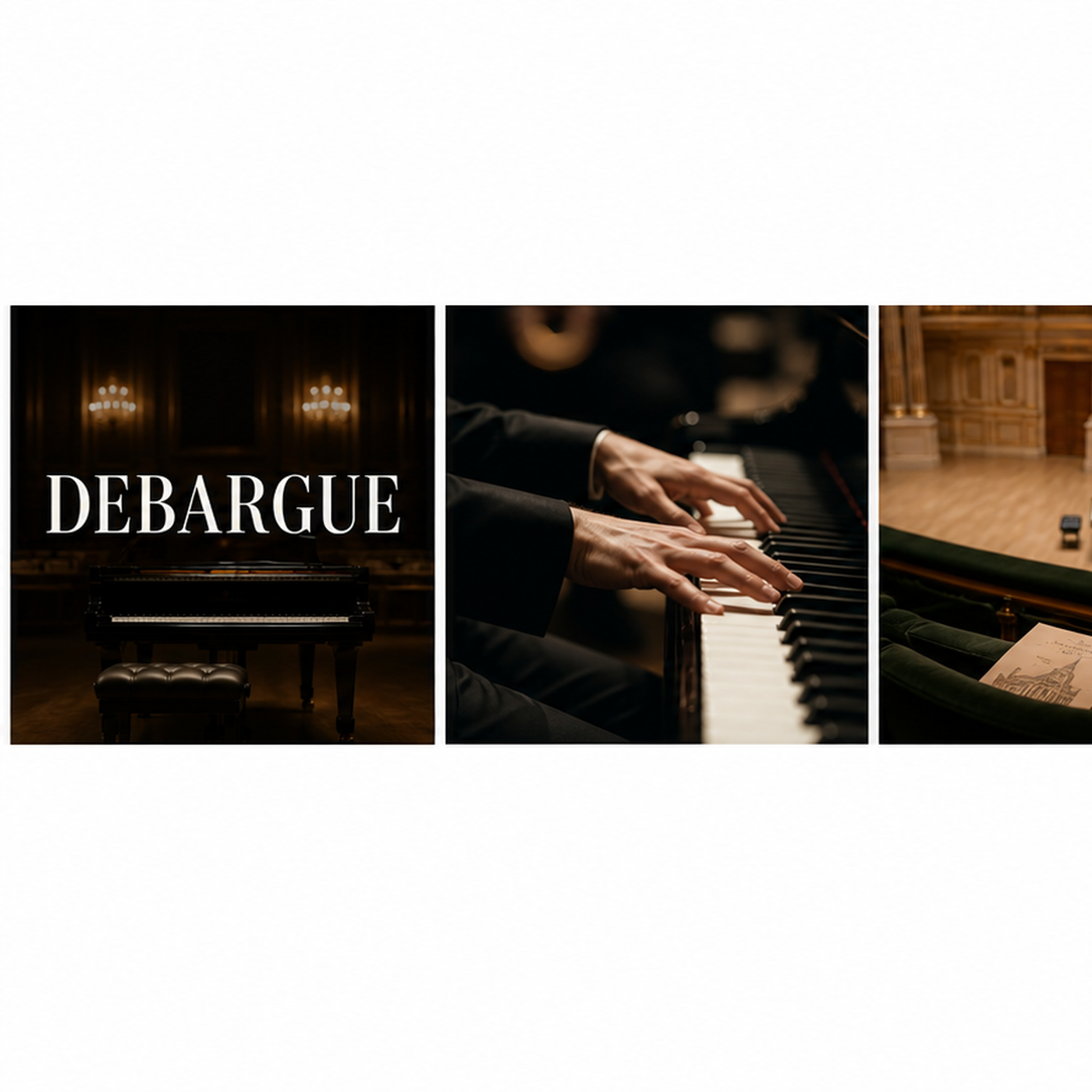
Lucas Debargue is useful for London learners because his artistry makes curiosity audible. The listener hears questions inside the sound: how far can a phrase hesitate without losing line, how much colour can a chord contain, and when does risk become musical rather than theatrical?
For anyone considering serious classical piano study in London, Lucas Debargue offers a vivid listening route. His playing reminds students that interpretation is not decoration placed on top of the notes. It is the result of reading, hearing, judging and daring with control.
Listening answer
Lucas Debargue helps London piano learners hear curiosity, sound colour, rhythmic flexibility, voicing and the difference between personality and mannerism.
Why Lucas Debargue matters to London piano learners
Lucas Debargue was born in France in 1990 and became internationally known after the 2015 International Tchaikovsky Competition, where his unusually individual musical voice attracted attention beyond the normal prize narrative. The competition story matters less than what followed: a career built on distinctive programming, chamber music, composition and a willingness to make familiar repertoire feel newly examined.
London has heard that profile in real time. Wigmore Hall has presented Debargue in recital and chamber contexts, while London reviews have often focused on the same qualities students can learn from: imagination, colour, sometimes volatility, and the sense that interpretation is a live act of thought rather than a polished museum object.
The artistic facts behind the reputation
Debargue’s reputation rests on more than a dramatic career story. His discography has included Scarlatti, Bach, Beethoven, Medtner, Ravel, Faure and his own compositions. That range tells students something important: an artist’s identity is built by repeated contact with different musical languages. Scarlatti asks for sparkle and timing; Bach asks for structure; Ravel asks for colour; Medtner asks for long-breathed argument.
One reason Debargue fascinates listeners is that his playing can seem to search while it speaks. That is not the same as being untidy. At its best, the search has discipline: unusual voicing, elastic timing and a strong sense of narrative direction. A learner can use that as a practical model by asking, before playing a phrase, what the phrase is trying to discover.
Listen for moments where the phrase seems to ask a question before resolving.
Notice whether freedom increases meaning or merely draws attention to itself.
Follow the long line so that colour never becomes a sequence of isolated effects.
How to listen before your next lesson
Choose one Debargue performance and listen first for atmosphere. Then listen again with a pencil. Mark the places where the timing surprises you, where the left hand changes the colour of a melody, and where silence becomes part of the phrase. These are not advanced questions only. Even a beginner can learn to hear whether music is being pushed, breathed or allowed to turn.
WKMT perspective
The point is not to copy Lucas Debargue. The point is to let a strong artistic personality train the ear towards questions a teacher can refine face to face.
Study at WKMT London
WKMT teaches classical piano in London with close attention to tone, reading, phrasing and the disciplined listening that turns repertoire into musicianship.
Explore piano lessons in LondonA practical Lucas Debargue listening route
Begin with Scarlatti for articulation and timing. Move to Ravel for colour and pedal. Then hear a larger Beethoven or Medtner work and follow the architecture. The question for the learner is simple: what kind of attention does each composer demand from the pianist?
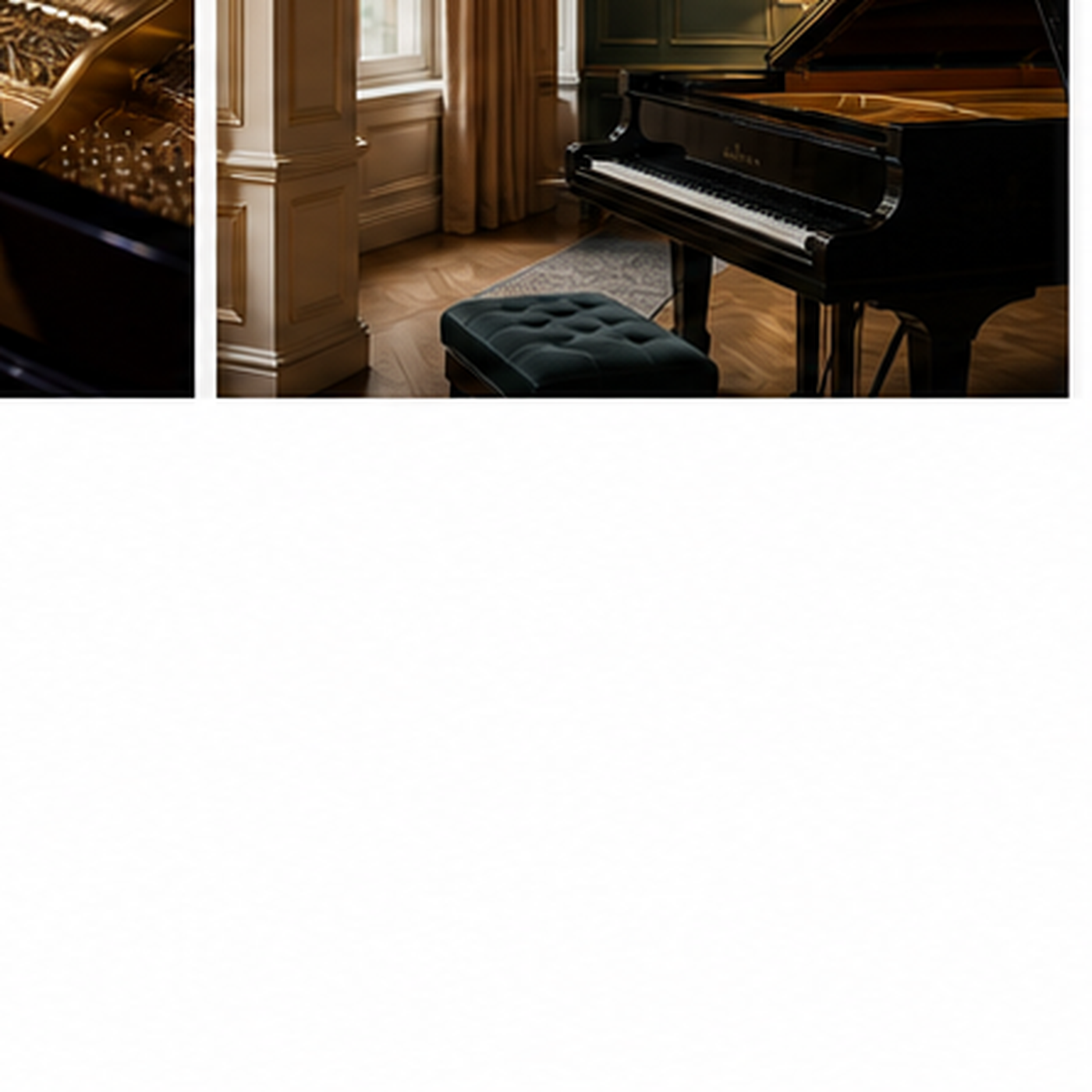
For London students, Lucas Debargue is therefore more than a name in the pianist series. He is a route into serious listening: curiosity made disciplined, risk made musical, and individuality tested by the score.
Sources
- Medici.tv, Lucas Debargue Tchaikovsky Competition profile and archive.
- Sony Classical, Lucas Debargue artist and recording profile.
- Wigmore Hall, Lucas Debargue event listings and archive search, checked August 2026.
- The Guardian, Lucas Debargue Wigmore Hall review, 2017.
- Wikipedia, Lucas Debargue biography overview, checked August 2026.