
 TRIAL LESSON
Piano Lessons
Coordination Skills: How Piano Brings Hands, Ears and Attention Together
Sep
WKMT London parent guide
Coordination Skills: How Piano Brings Hands, Ears and Attention Together
Coordination skills are not just about quick fingers. In a piano lesson, a child learns to connect pulse, posture, listening and movement until the body begins to understand music as a whole.
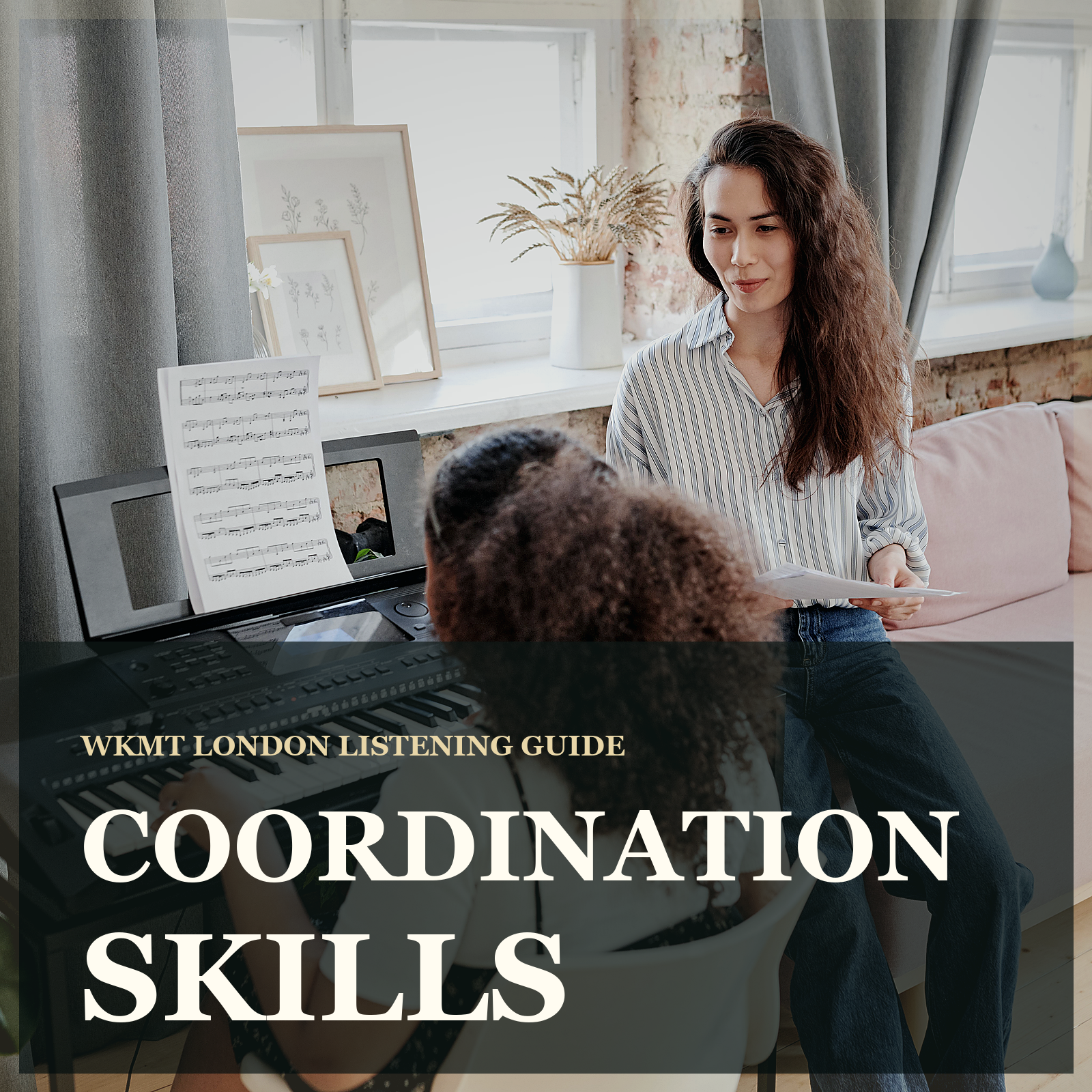
Parents often notice coordination in small domestic moments. A child ties shoelaces with less drama, catches a rhythm faster, or starts to tap one hand while the other hand does something else. Piano lessons do not magically cause every change, and serious teaching should never promise that. What piano can offer is a beautifully concrete training ground: two hands, ten fingers, two feet, one pair of ears and a pulse that refuses to wait.
That is why coordination skills make such a good parent-facing topic. The piano asks children to organise movement in time. The reward is not only a correct note. It is the beginning of self-command.
Coordination skills begin before the first fast piece
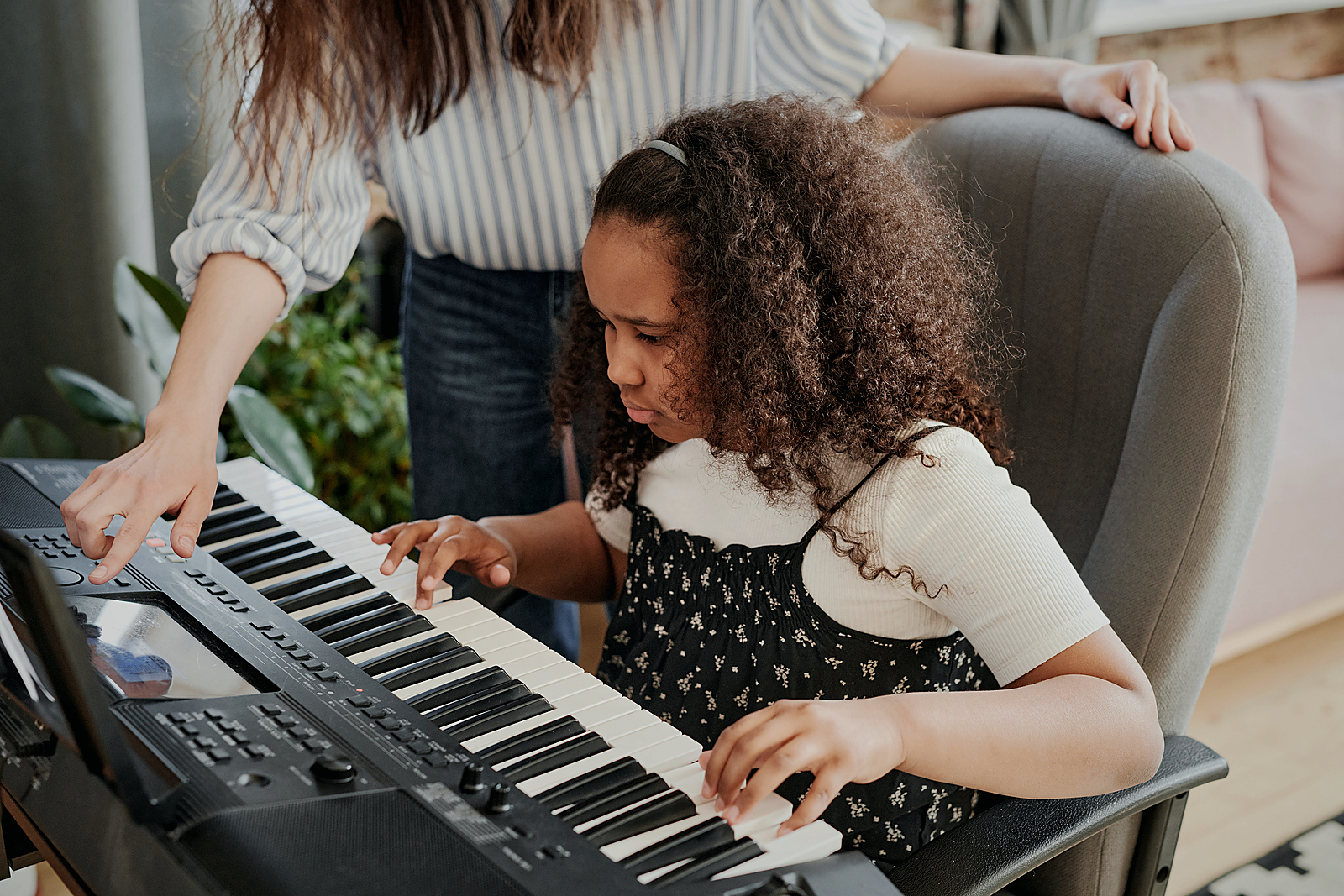
The first useful lesson is often slow. A young beginner sits well, finds the black-key groups, copies a pulse, then plays a tiny pattern without collapsing the wrist. Nothing looks spectacular. Yet the child is already joining vision, touch, balance and sound. Those early coordination skills are the grammar from which later fluency is built.
Teachers watch for the difference between effort and tension. A child may press hard because the ear wants certainty, or rush because the hand is chasing the eye. In a face-to-face lesson, the teacher can adjust the bench, change the task, sing the rhythm, or use a short physical game before the child becomes frustrated.
What research can and cannot tell parents
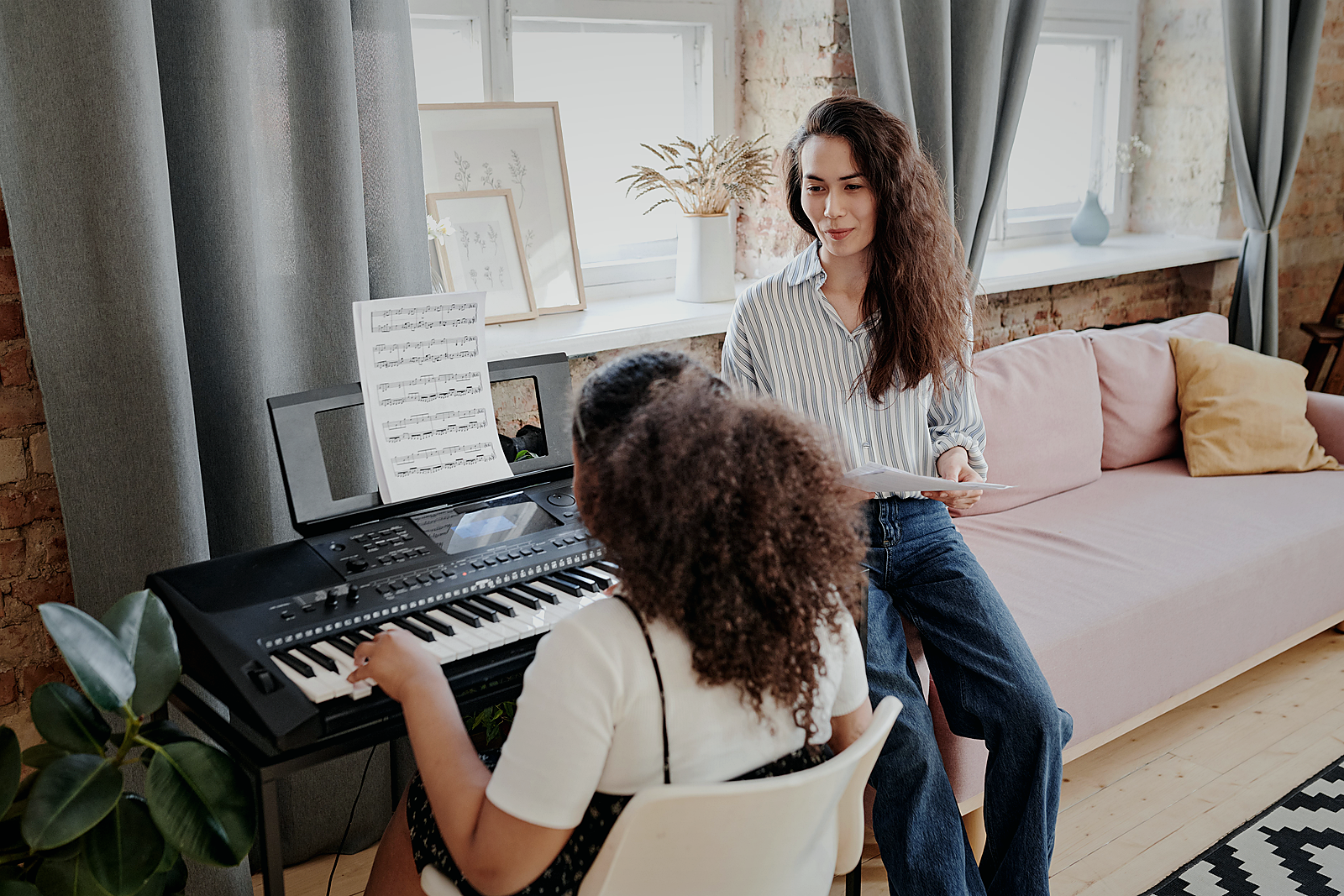
A Frontiers in Psychology study on Orff-based music training reported a robust advantage for bimanual coordination and manual dexterity in children who received structured music training. Reviews of music education and executive function are more cautious, showing promising patterns but also reminding us that age, teaching design, duration and comparison groups matter. That caution is useful for parents. It keeps piano in its proper place: not a shortcut, but a demanding and rewarding way to practise organised movement.
In other words, the best case for piano is not exaggerated. The instrument makes coordination visible. A child can hear when the hands are together, feel when a wrist is stiff, and notice when rushing makes the melody unclear.
Hands together
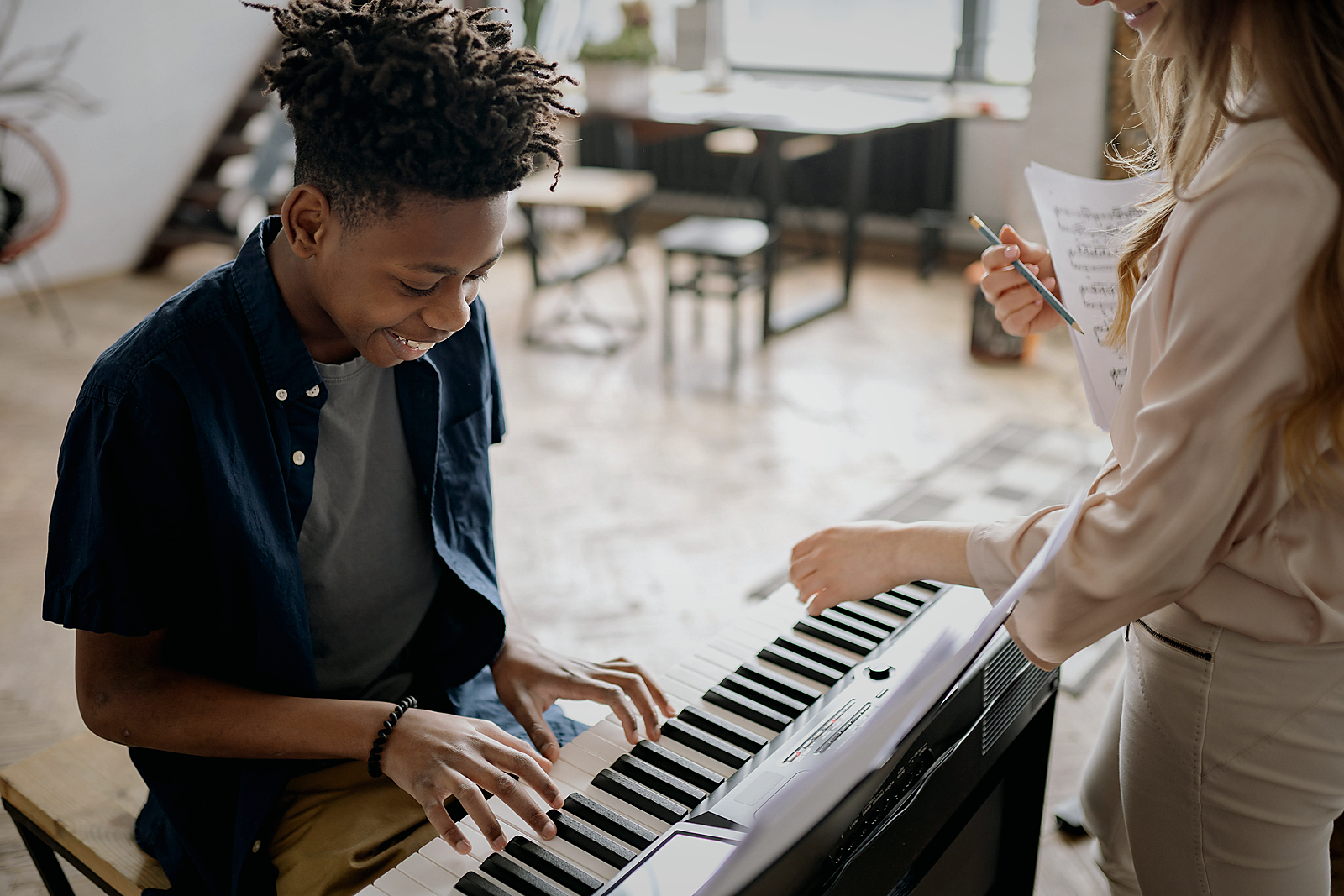
Two-hand playing teaches a child to share attention rather than give each hand a separate world.
Eyes and ears
Reading, listening and correcting help the child compare intention with sound.
Posture and pulse
The body learns where steadiness comes from before the fingers are asked to move faster.
How teachers turn coordination skills into music
The secret is to avoid making coordination feel like a punishment. A child who is told only to repeat a bar may stiffen, guess, or switch off. A better lesson changes the problem. Clap the left-hand rhythm. Sing the right-hand shape. Play the bass alone as a walking line. Turn a difficult join into a question the child can solve.
At WKMT, coordination skills are taught through musical purpose. The question is not simply whether the hands land together. It is whether the phrase breathes, whether the sound is even, and whether the child knows what changed when the teacher asks for one more try.
A video to watch with a practical ear
The Lancashire Music Service video below is simple enough to be useful. Do not watch only for the exercise. Watch for the principle: small patterns, clear timing, patient repetition and no panic. Those are the same habits that help children build coordination skills without turning practice into a battle.
Related video
Lancashire Music Service demonstrates hand coordination on piano. Embedded from YouTube for educational context; rights remain with Lancashire Music Service / YouTube.
When coordination becomes musical, a child is not just moving better. The child is listening while moving.
What parents can do at home
Keep the task short enough to succeed. Ask for three calm repetitions instead of ten tense ones. Let the child clap, sing or tap before playing. Praise the specific thing that improved: the pulse stayed steady, the left hand waited, the wrist softened, the eyes returned to the score. Specific praise teaches the child what to repeat.
Good coordination grows from small, accurate experiences. Over time, those experiences change how a child approaches the instrument: less guessing, more listening, more willingness to slow down until the body understands.
WKMT London
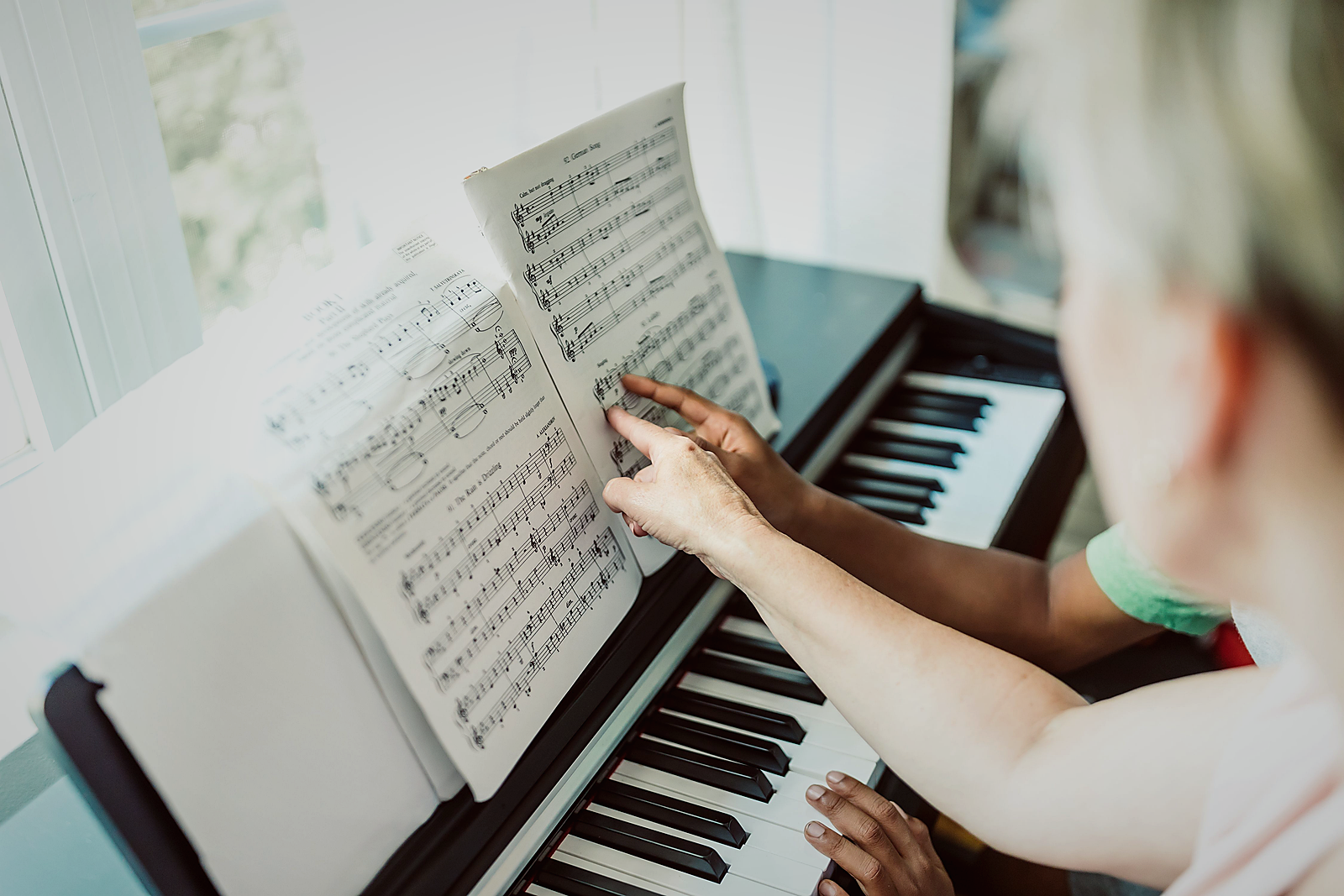
WKMT London teaches children through structured, face-to-face piano lessons that connect technique, listening, posture and musical confidence.
Explore children’s piano lessonsSources on coordination skills
- Frontiers in Psychology / PMC: Orff-based music training and manual dexterity
- Frontiers in Psychology: music training and executive function in preschool children
- Systematic review: music training and executive functions in children
- Meta-analysis: cognitive and academic effects of music training
- WKMT: fine motor skills and piano practice for children
- WKMT London: piano lessons for kids
Sources last checked 3 September 2026.