
 TRIAL LESSON
Piano Lessons
Piano Transcription: How One Instrument Learned to Contain an Orchestra
Oct
WKMT London interpretation guide
Piano Transcription: How One Instrument Learned to Contain an Orchestra
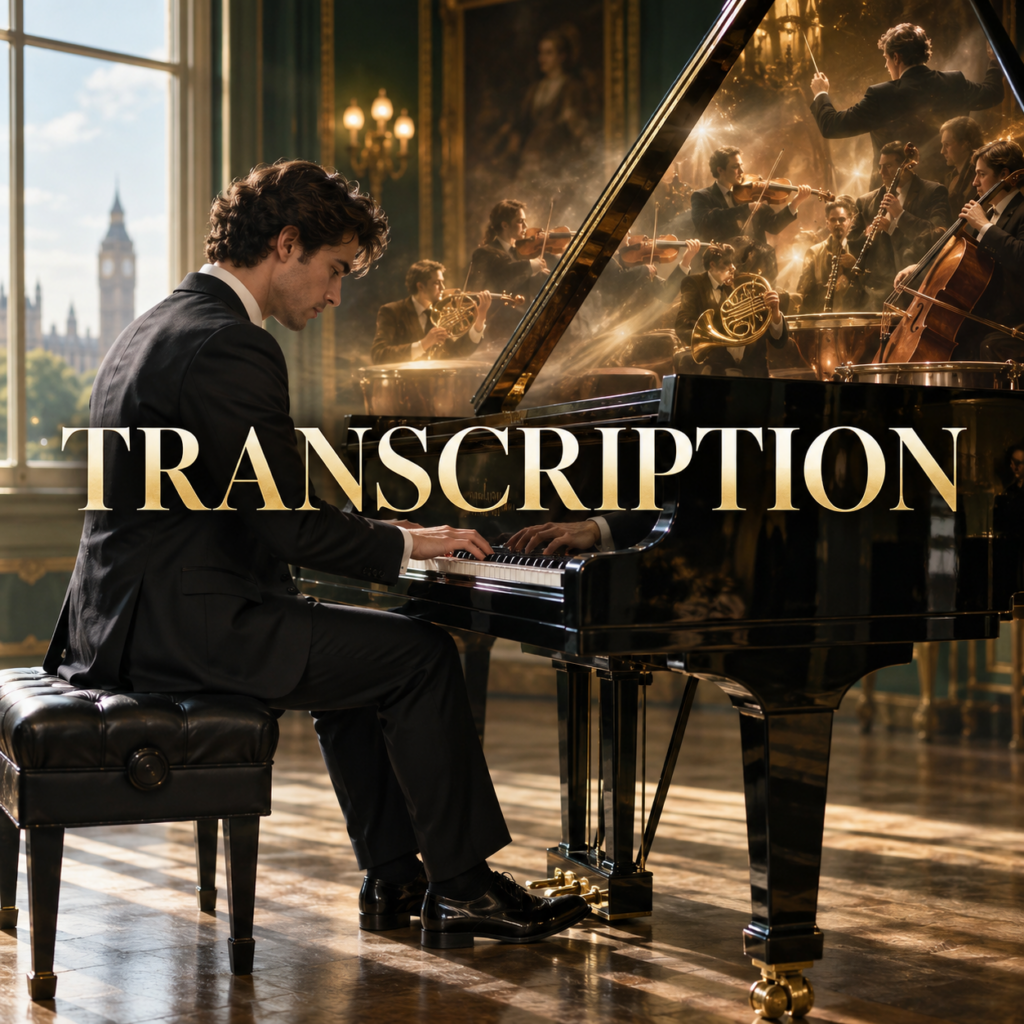
A piano cannot imitate every orchestral colour literally, yet it can preserve an orchestra’s argument with startling force. The art lies in deciding which line must sing, which rhythm must propel the music and which sonorities can be suggested through touch, register and pedal.
In brief
Piano transcription is the reimagining of music written for another instrument or ensemble so that it works convincingly at the piano. A strong transcription preserves the original work’s structure, melodic priorities, harmonic direction and expressive character while adapting texture, register, articulation and balance to the physical possibilities of two hands and one keyboard.
Piano transcription is musical translation, not photocopying
Piano transcription begins with a practical impossibility: an orchestra can sustain many colours at once, whereas a pianist has ten fingers, one sound source and notes that decay after they are struck. The transcriber therefore identifies the musical information that listeners need most. A bass line may carry the architecture, an inner woodwind phrase may explain the harmony and a repeated string figure may provide momentum.
The result is closer to translation than reduction. Literal completeness can make the keyboard congested and obscure the very idea it is meant to preserve. Successful piano transcription clarifies hierarchy. It places the indispensable voices where they can project, redistributes chords to fit the hands and uses resonance to imply continuities that the pianist cannot physically sustain.
From domestic listening to Liszt’s symphonic piano transcription
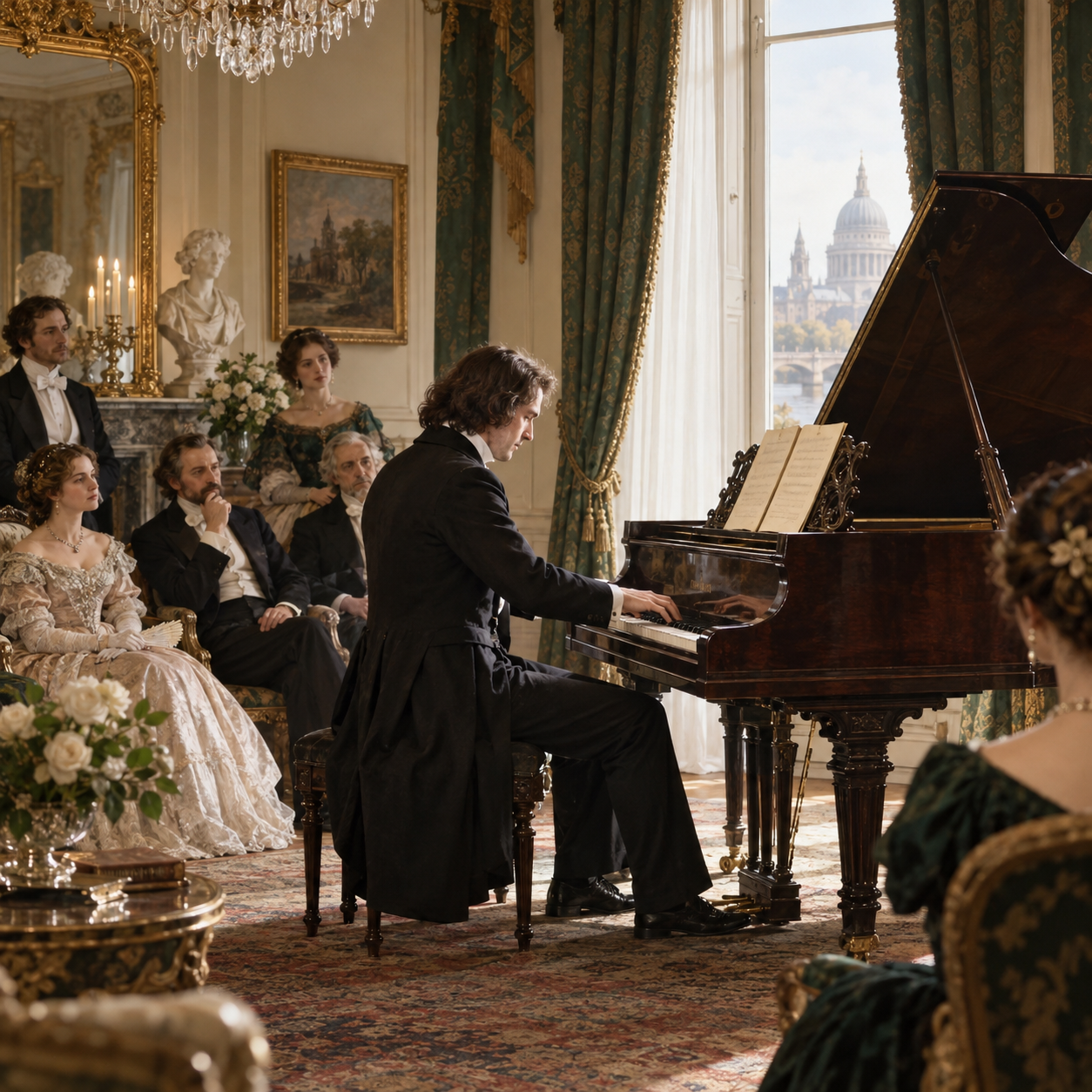
Before recordings, arrangements brought opera, symphonies and chamber music into homes, salons and teaching rooms. Four-hand versions allowed two players to explore large scores together. Solo versions demanded more radical invention, compressing orchestral layers into a single performer’s span while making repertory portable and repeatable.
Franz Liszt’s Beethoven symphony transcriptions became a defining example. They were not merely virtuoso showpieces. Instrument cues in the scores encouraged pianists to imagine orchestral character, while the keyboard writing tested how register, articulation and chord spacing could preserve large-scale drama. In classical piano lessons in London, studying even a short passage can sharpen the same decisions about voicing, texture and destination.
How a pianist suggests orchestral colour
The piano changes colour through proportion rather than through a literal change of instrument. A flute line may need a light attack and unforced upper register; a horn phrase may require breadth, warmth and careful release; string tremolo might become repeated notes, rolled harmony or a finely controlled shimmer. These are listening choices before they are technical choices.
Pedal can connect resonance, but it cannot replace fingering and balance. The melody must remain audible inside thick harmony, and the bass must support rather than dominate. WKMT’s guide to piano voicing explores this control directly: the pianist shapes perceived orchestration by deciding which note the ear follows.
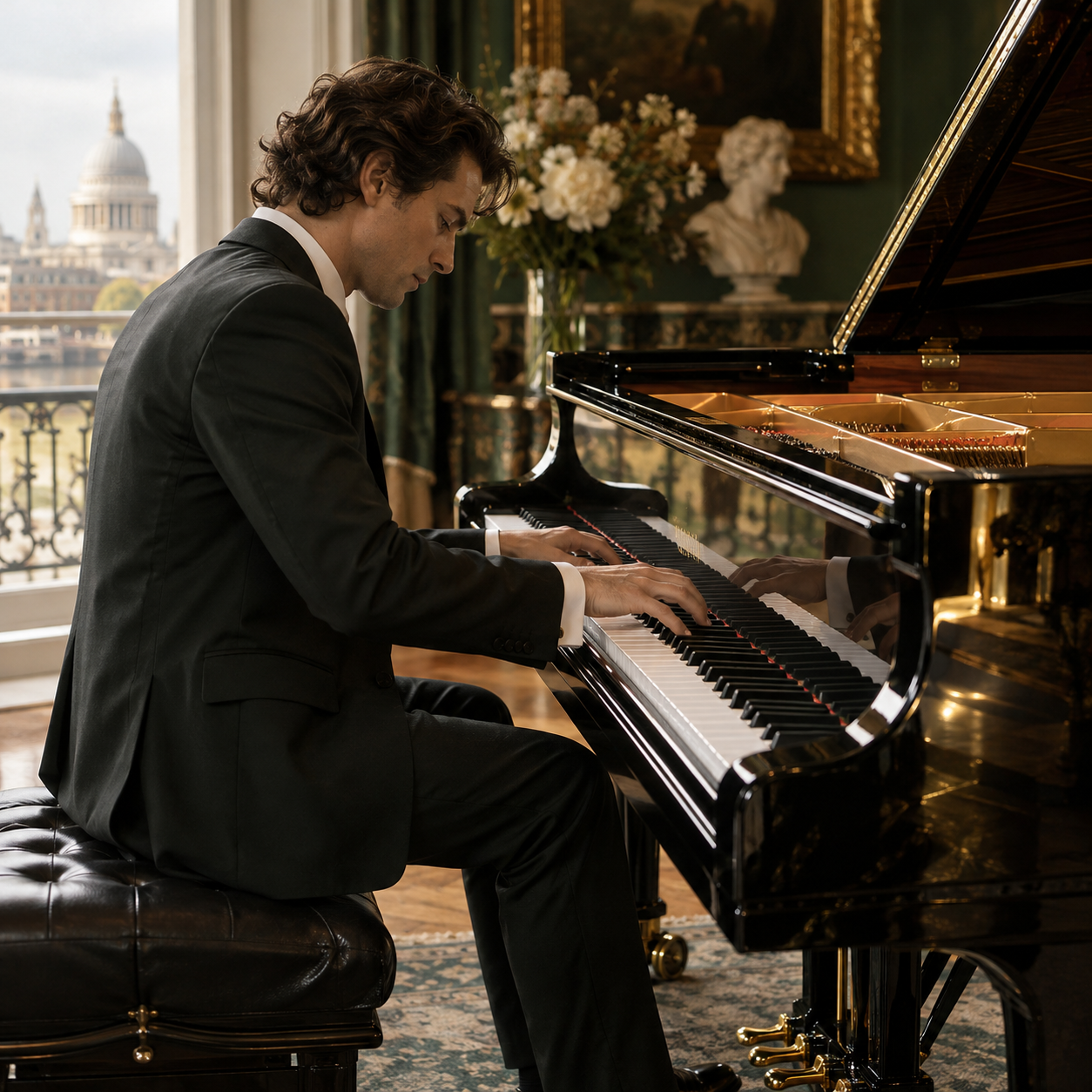
The finest transcription does not make the piano pretend to be an orchestra; it makes one instrument reveal the orchestra’s thought.
Arrangement, paraphrase and score reduction are not identical
A practical score reduction aims to make an ensemble work readable or rehearsable at the keyboard. An arrangement may change medium while retaining recognisable form. A concert paraphrase treats the source more freely, selecting themes and transforming them into a new virtuoso design. Piano transcription can overlap with all three, but the intended use changes what counts as success.
A rehearsal reduction values clarity and continuity. A recital transcription can exploit the full keyboard and ask for greater independence, span and colour. A paraphrase may place the pianist’s imagination in the foreground. Naming the purpose helps a performer judge tempo, texture and fidelity rather than treating every transferred score as the same kind of object.
What piano transcription teaches every student
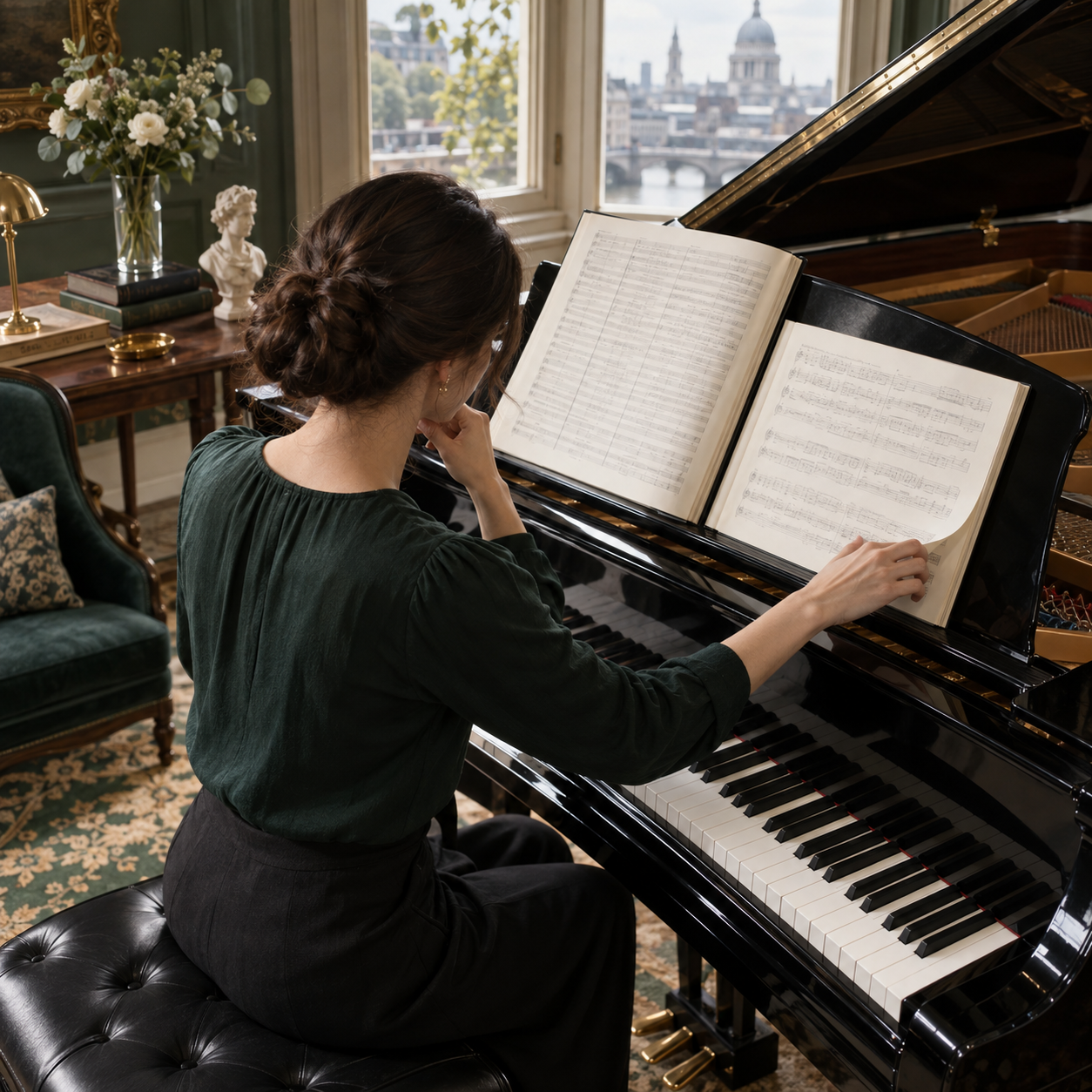
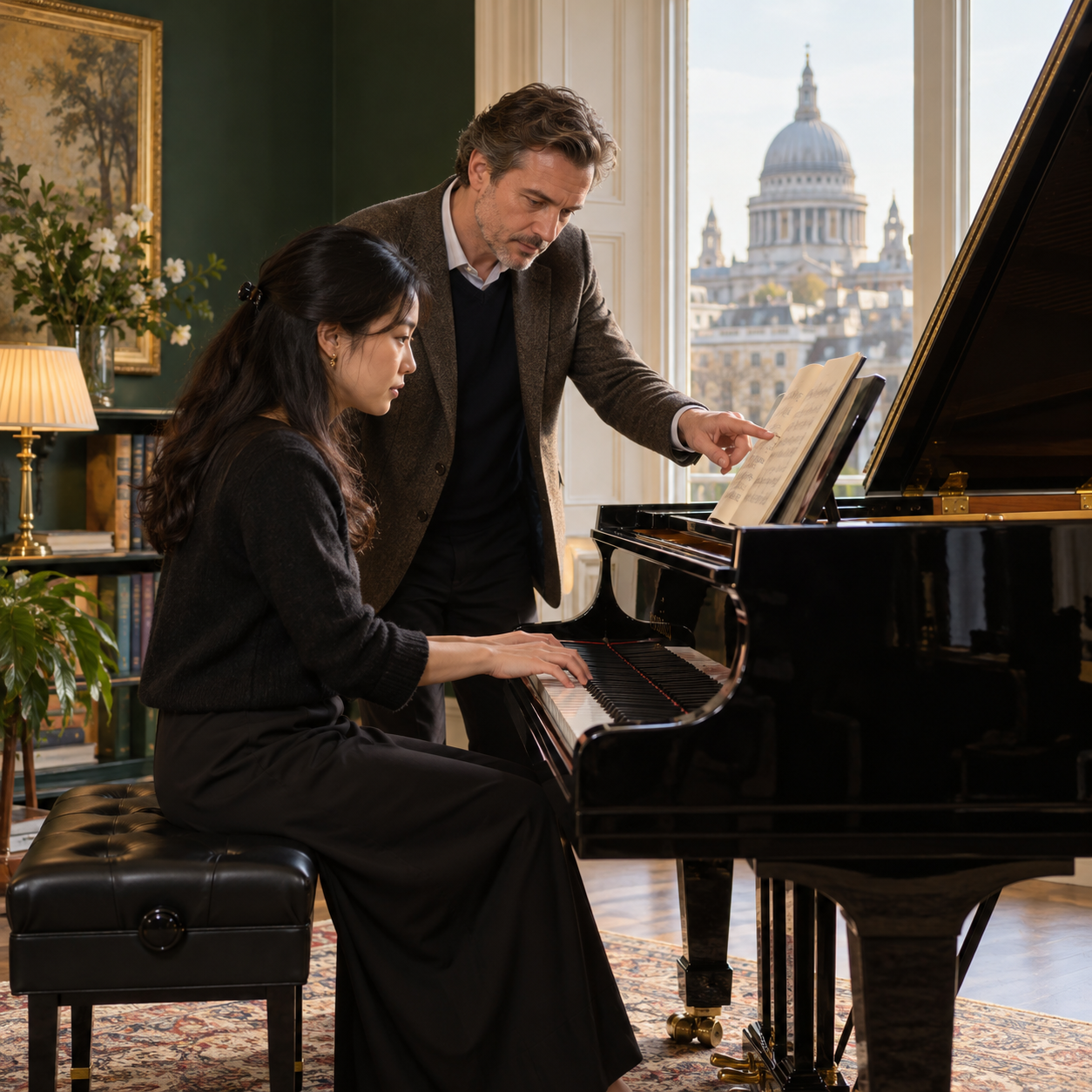
Transcribed music trains the ear to think beyond the mechanism. Mark the principal voice, the structural bass and one important inner line before practising. Sing each strand, then combine them without allowing accompaniment figures to become equally loud. Where the page is dense, remove notes temporarily and restore only those that add essential harmony or colour.
This work develops a flexible sound imagination that also benefits original piano repertory. Beethoven, Debussy and Ravel often ask a pianist to hear implied ensembles within the instrument. WKMT’s introduction to orchestral music offers useful listening context. A convincing performance begins when the score is heard as interacting characters rather than a quantity of notes.
WKMT London
Explore piano study in London where score reading, voicing and a cultivated sound imagination belong to the same musical craft.
Explore piano lessons in LondonSources on piano transcription
- Library of Congress: Liszt published music
- Library of Congress: ReHearing Beethoven programme
- The Metropolitan Museum of Art: the piano
- IMSLP: Beethoven symphonies transcribed by Liszt
- Encyclopaedia Britannica: musical arrangement
- Royal College of Music: Centre for Performance Science
Sources checked 12 October 2026. Educational guidance; individual circumstances and progress vary.