
 TRIAL LESSON
Uncategorized
Tips To Make Teaching Piano To Children More Effective
Jun
It may be rewarding for a piano academy or piano teachers, teaching children and seeing them enjoy the lessons and grow as musicians but, being honest, it can sometimes be frustrating too.
Here are ten top tips to ensure your music and piano lessons for children are always enjoyable and fulfilling.
Be Positive
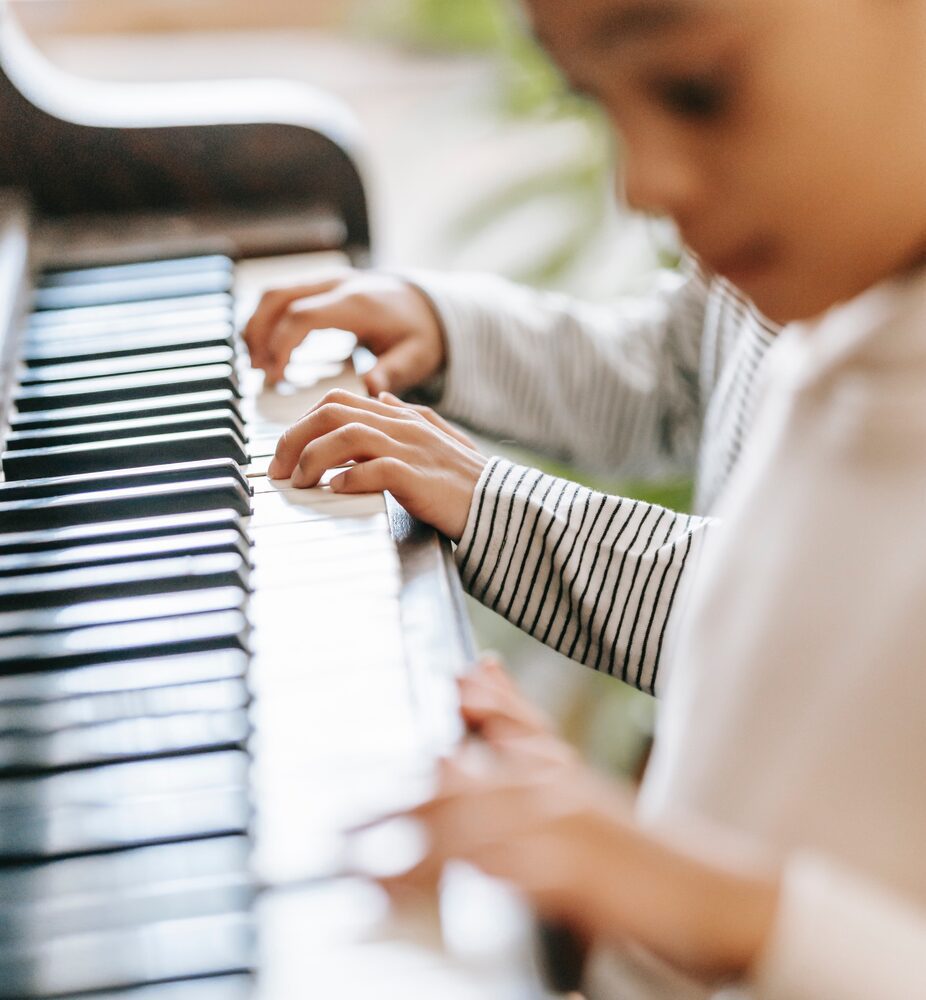
How to teach piano to children in a healthy way? First of all, motivate them. Children love to know that they have done a good job and that their practising is paying off so by making sure you congratulate their achievements they will immediately feel more inspired and motivated.
A positive atmosphere creates a fun and loving space which, when you’re a young child (especially toddlers ages 3-6) really helps with their desire to develop creatively.
Be Engaging
For young children, their attention spans are a lot shorter than adults so keeping them engaged is key to success. In order to do this, it is very important that you switch up the exercises, changing between physical and mental stimulation.
Be Enthusiastic
If a student can see that you are passionate about what you are teaching and they can truly believe that their teacher finds music fun and exciting then they are more likely to feel inspired to think the same. Think about it, in school who did you relate to more, the teachers who read out the chapters of the textbook, or the teachers who were hands-on and in love with their subject?
Relate Topics With Subjects They Already Know
Children learn and understand things quickly when they can relate them to something they already know. For example, learning the names of the piano keys can be taught through singing the alphabet whilst note durations can be learnt through clapping and counting. This, combined with “piano facts for kids”: interesting details about piano practise, history of piano or even music theory shared with a twist especially thought for children, will not only help them understand concepts but is also a fun and interactive way to learn.
Use Music Your Student Likes
It is a “Piano fact” that, when learning music young students always love little tunes such as Twinkle Twinkle or Mary Had A Little Lamb. We could say that this happens for adults too: learning songs we like is a very useful way to relate with the practice and get results fast, also, because we are engaged with what we are doing.
By helping them learn songs like this they feel as if they have accomplished something so great and will be motivated to practise. It is also a good idea, if they like, to get them to sing along to the song whilst they play as this gets them practising the function of doing two things at the same time whilst having fun.
Be Active
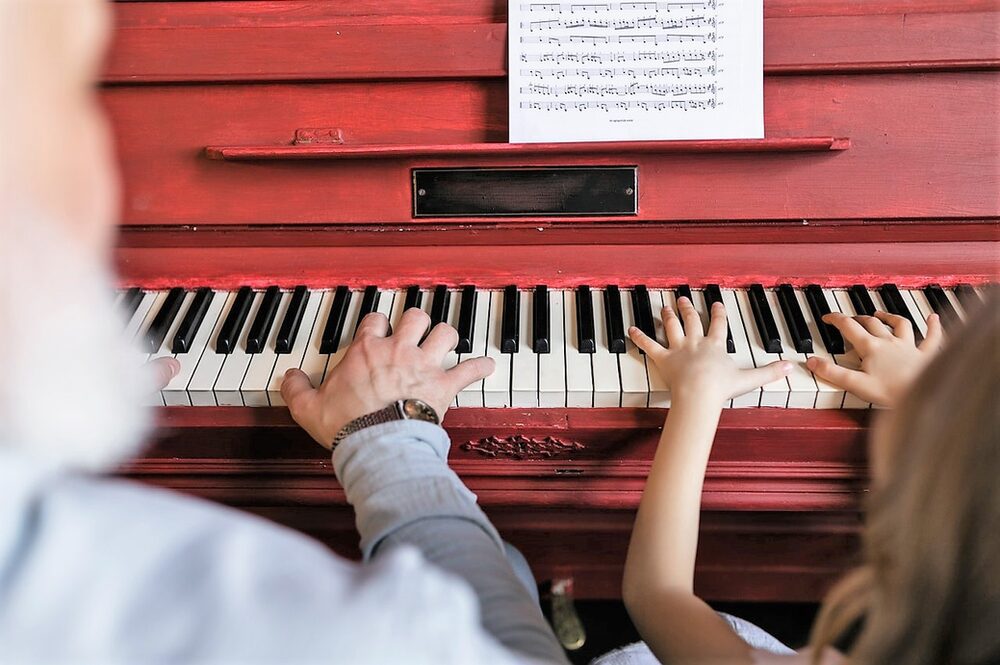
It’s all very well telling a student to play something or explaining definitions but by playing an active role you are building a stronger rapport with them, which is crucial for a happy child and successful lesson. When getting them to play, maybe take some time to play with them so they feel they are playing a duet, which for them will be a great achievement, even if it is only four notes long!
Get To Know Your Students
If you do one-to-one piano lessons, it is important to get to know your student.
Understand what they like, how they learn and how long they can keep their focus. This will help you be able to personalise your lesson for them to allow greater success. For example, if your student is very energetic use small breaks throughout the lesson and combine physical activity within their learning so they can let off some steam. Maybe four jumps for every semibreve or two twirls for every minim.
Plan Your Lessons
Planning your lessons can be time-consuming but it is also a great way to make sure your student(s) is getting the most out of their time with you.
If your student enjoys learning in a more academic way then spend some time doing worksheets with different coloured pens. If your student is more practical then try and resonate all aspects of music in a way where they can interact with it. Planning your lesson will not only make sure they are happy but will also allow you to feel organised.
Give Them Tasks To Focus On At Home
It is usually quite easy for a child to go home after a lesson and forget about what they have learnt, especially if they only have one music lesson a week.
This is why you should set them some light and fun tasks to do at home, that they can enjoy, to re-establish what they have learnt in the lesson so they can come to the next one prepared and ready to progress further.
Encourage Them To Showcase Their Music
It is important to get the child excited about the musical journey they are on.
A good way of doing this is encouraging them to show their family/friends songs that they are confident playing. This will make them feel real pride for their achievements and will also appreciate that people around them that are supportive and care about the progress they have made. Among the many benefits of piano lessons for children, one is that they help them develop their social skills. So motivate them to show how they play to help them become more confident!
#funlessons #pianolessonstoddlers #pianolessonsforchildren