
 TRIAL LESSON
Pianists, Piano Lessons
Jonathan Biss in London: Beethoven, Thought and Serious Piano Study
Aug
WKMT London listening guide
Jonathan Biss in London: Beethoven, Thought and Serious Piano Study
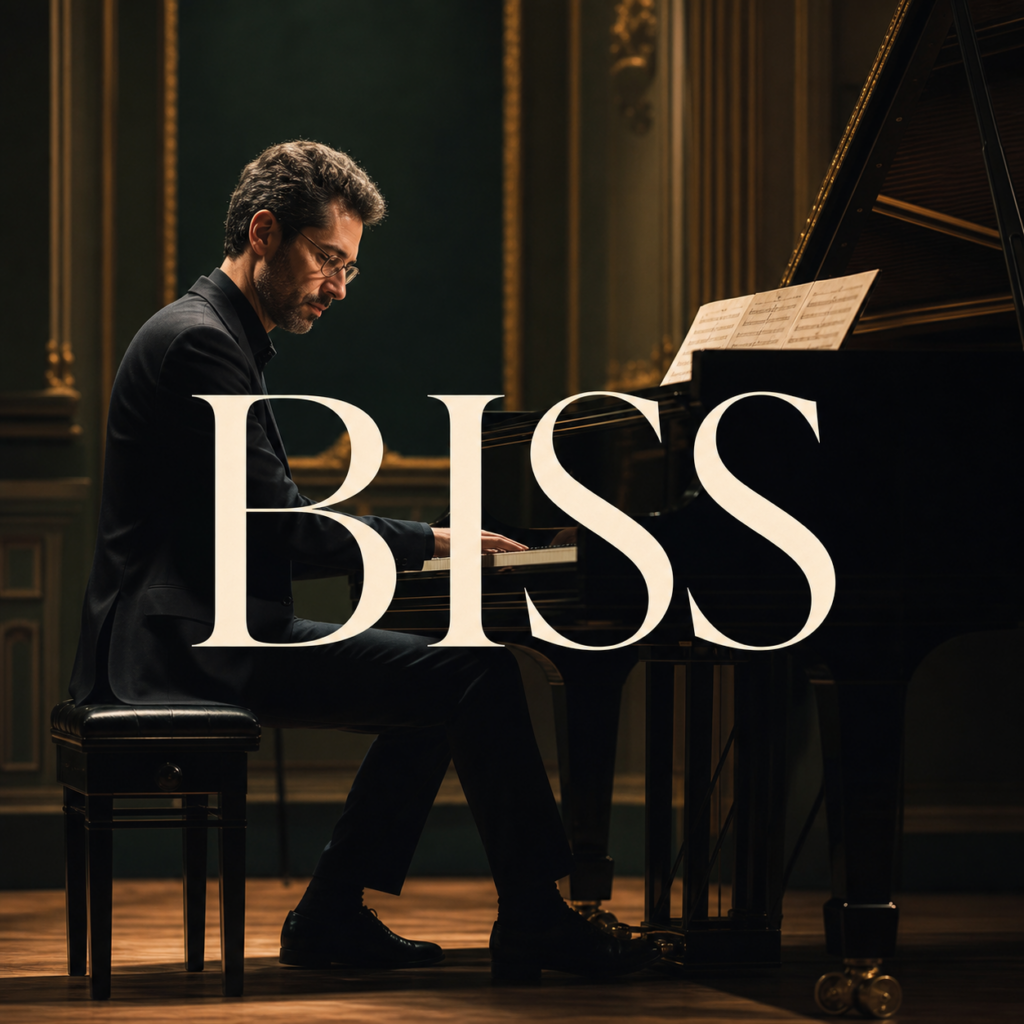
Jonathan Biss treats a Beethoven sonata as a living argument: urgent, vulnerable and never solved once and for all. His playing, teaching and writing offer London listeners a rare model of how intellectual rigour can deepen rather than cool musical feeling.
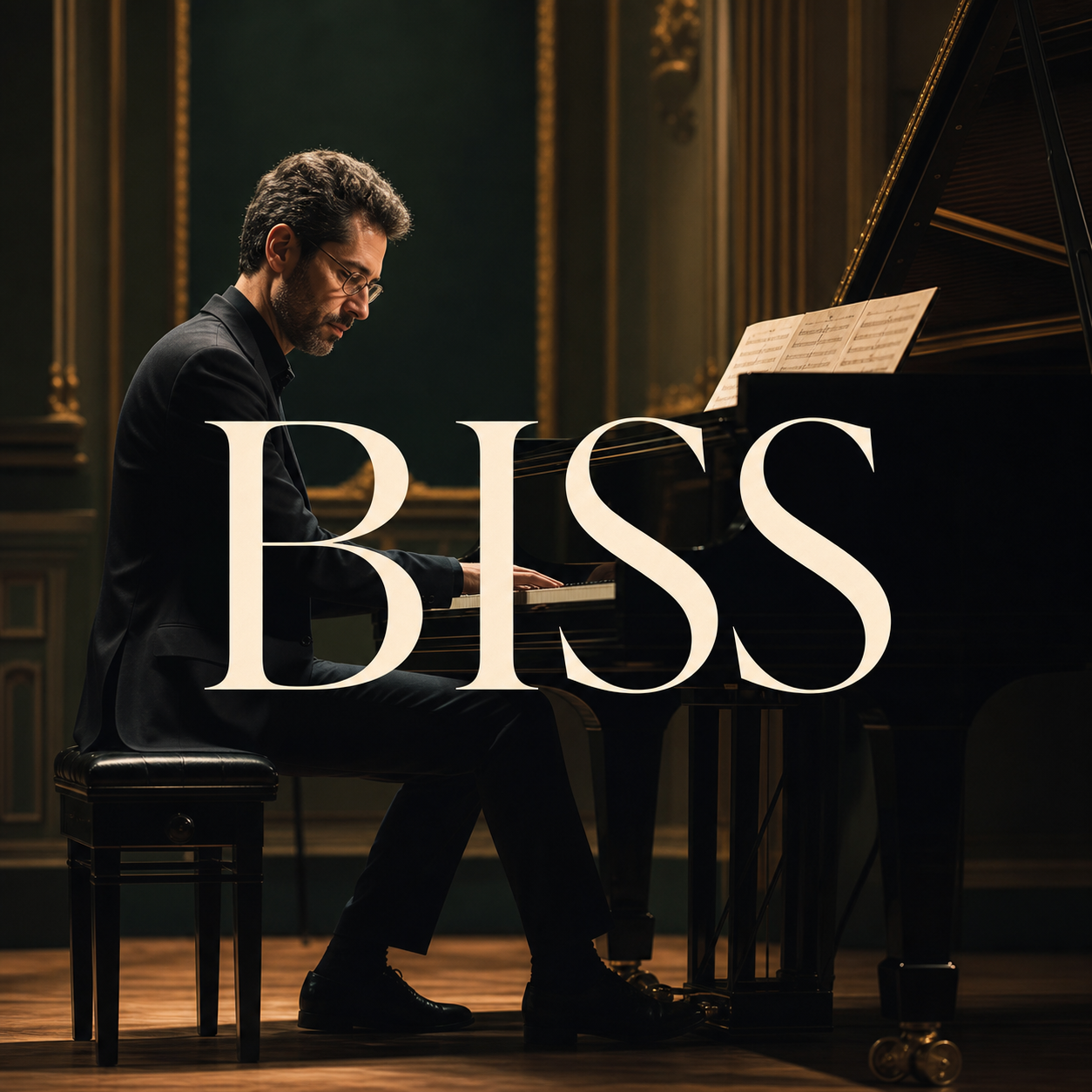
Born in 1980 into a family of professional musicians, Jonathan Biss began piano studies at six. At seventeen he entered the Curtis Institute of Music to study with Leon Fleisher, whose attention to sound, structure and physical freedom became a decisive influence. The result is not a pianist who presents interpretation as a polished answer. Jonathan Biss makes the act of searching audible.
That quality matters to anyone pursuing classical piano study in London. WKMT London teaches one-to-one lessons in which technique, close listening and interpretation support one another. A beautiful tone is not an isolated effect; it reflects balance, timing, harmonic awareness and a clear reason for the phrase to move.
Jonathan Biss: training, awards and a life with Beethoven
The Curtis Institute records Biss’s studies with Fleisher, his later faculty role and honours including an Avery Fisher Career Grant, the Leonard Bernstein Award and the Borletti-Buitoni Trust Award. His career has included the London Symphony Orchestra, major American and European orchestras, Carnegie Hall, Wigmore Hall and Queen Elizabeth Hall.
Beethoven became the central thread. Jonathan Biss recorded the complete sonatas for Onyx, wrote about the composer’s psychological hold in Beethoven’s Shadow and Unquiet, and created the Curtis course Exploring Beethoven’s Piano Sonatas. The course reached listeners far beyond the conservatoire, showing that serious analysis can begin with direct questions: where does the music resist arrival, why does a repeated figure change meaning, and what kind of silence follows a cadence?
Pulse
Hear the beat as a source of character, not a metronomic cage.
Voice
Follow which inner part questions, interrupts or consoles the melody.
Harmony
Notice where tension changes before the surface becomes louder.
Silence
Treat a rest as part of the sentence rather than an empty gap.
How Jonathan Biss makes thought audible
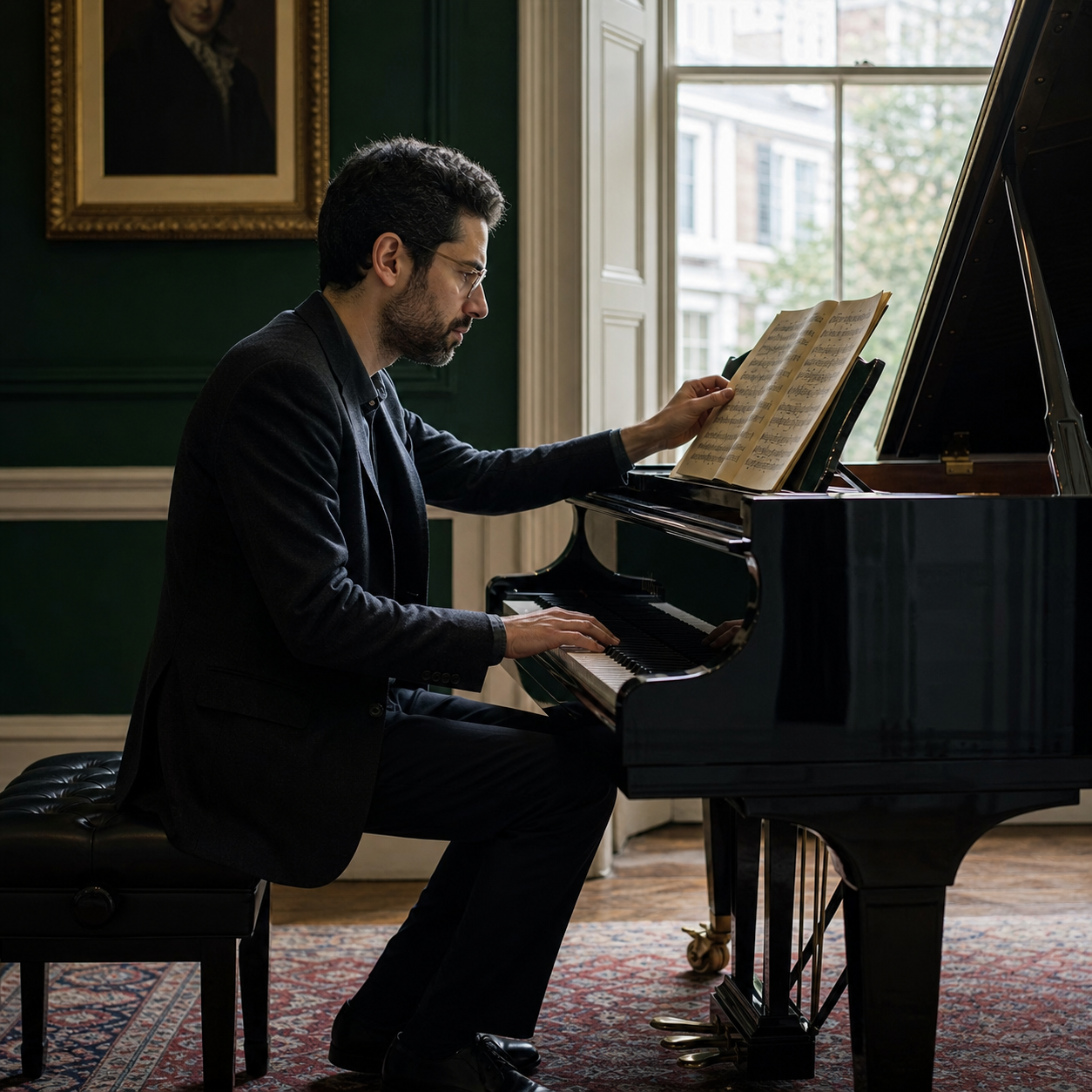
Jonathan Biss often begins from contradiction. Beethoven can be monumental and private in the same movement, comic and furious within a few bars. A less alert reading smooths those differences into a house style. Biss lets them coexist. The listener hears a stable architectural span, yet also the risk of a thought changing course.
At the piano, this can be tested without imitation. Choose a transition and identify its verbs: withdraws, insists, interrupts, remembers. Then decide which musical element carries each action. It may be an accent, a bass arrival, a shortening of articulation or a delayed resolution. Words are useful only when they produce a more exact sound.
Interpretation is not decoration added after the notes; it is the disciplined act of hearing what each note does to the next.
Beethoven/5 and the courage to hear familiar music anew
In 2015 Jonathan Biss launched Beethoven/5 with the Saint Paul Chamber Orchestra. Five contemporary composers wrote concertos responding to Beethoven’s five piano concertos. The point was not to modernise Beethoven superficially, but to restore the shock of invention that familiarity can conceal.
For learners, comparison is powerful. Hear two performances of the same opening and resist ranking them immediately. Describe tempo, articulation, bass direction and rhetorical weight. Then return to the score. Jonathan Biss’s example suggests that informed disagreement is healthier than passive admiration: a learner develops taste by connecting an opinion to audible evidence.
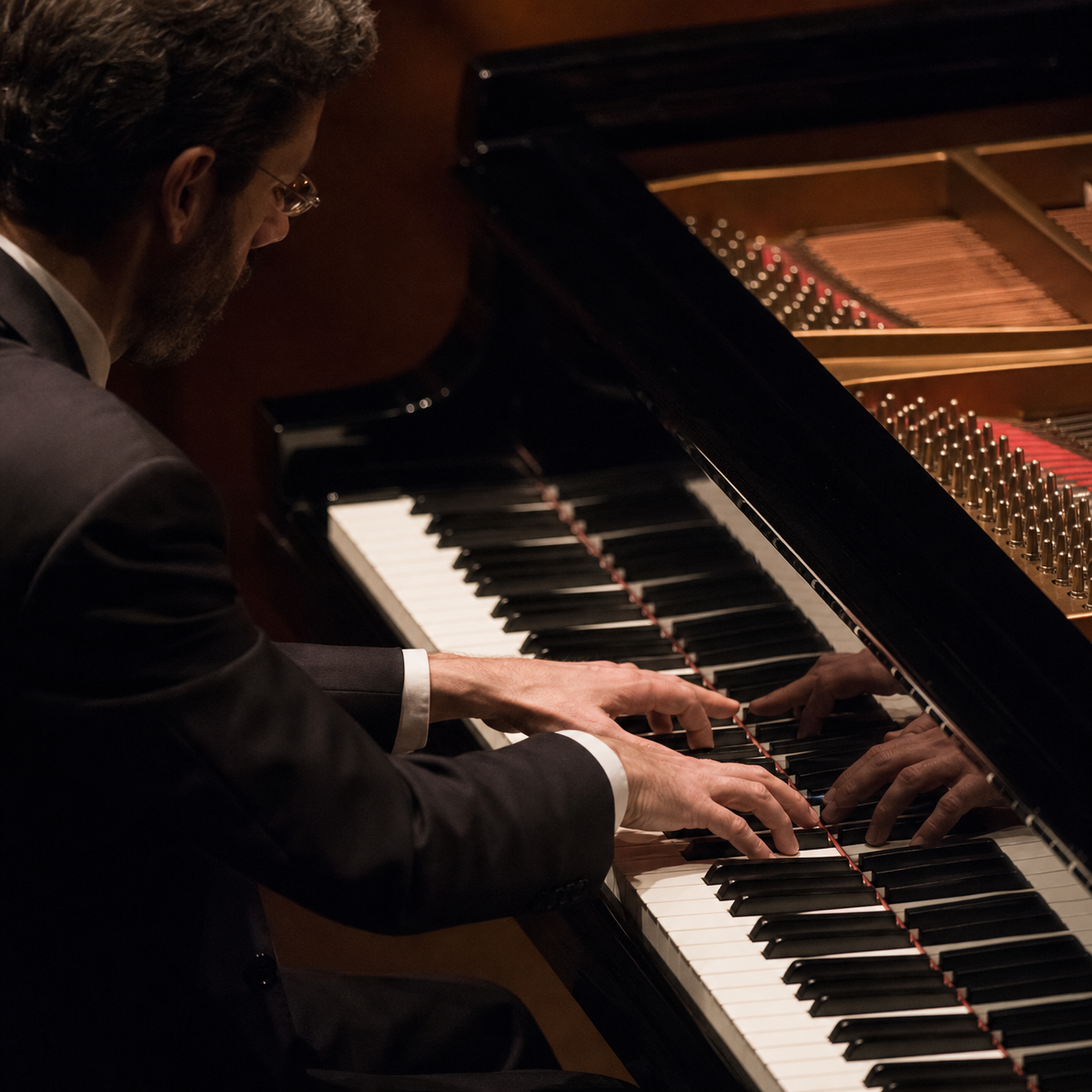
Jonathan Biss in London: what to listen for
London has been a recurring part of Biss’s musical life through Wigmore Hall, Queen Elizabeth Hall, the London Symphony Orchestra and chamber partnerships. His official site continues to list London appearances, while the Boston Symphony profile documents the wider orchestral, teaching, recording and writing career behind them.
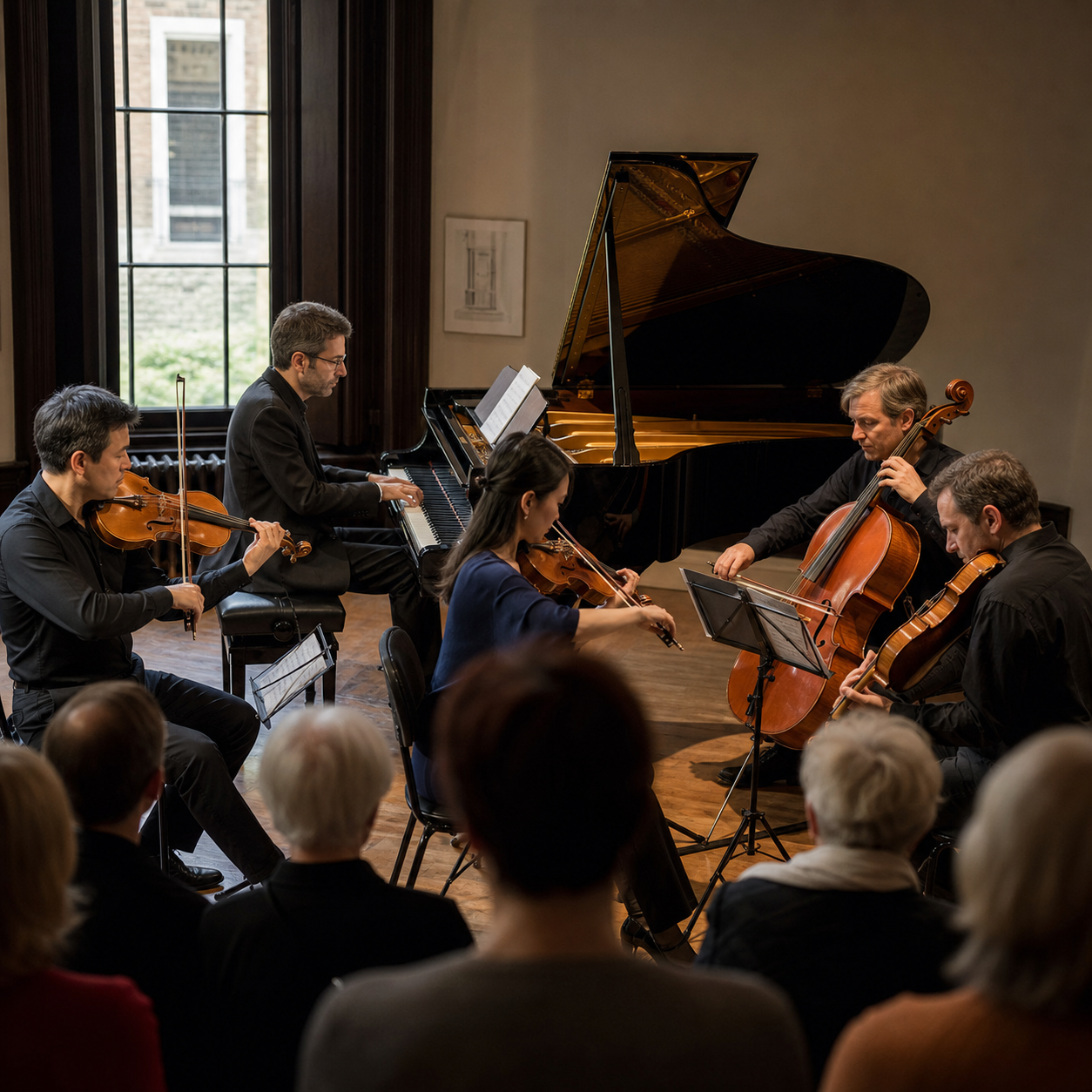
In a live hall, follow the soft playing. Does the line retain direction when volume falls? Then follow one left-hand voice through a dense passage. Finally, notice whether a climax sounds inevitable or merely emphatic. These questions turn concert attendance into active study and connect naturally with WKMT’s wider London listening guides.
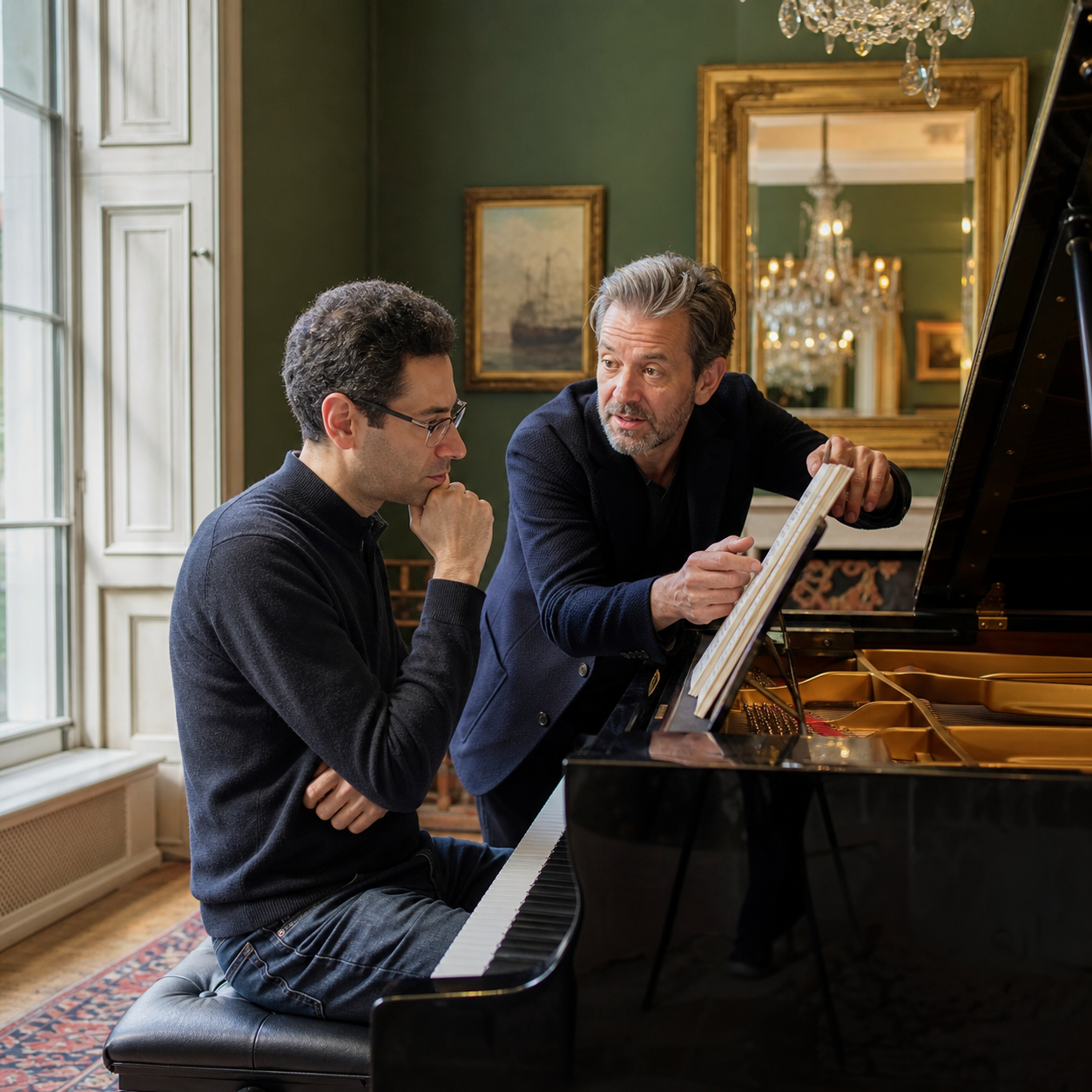
A Jonathan Biss listening route for piano learners
Begin with one early Beethoven sonata, then a late sonata, a concerto and a chamber collaboration. On the first hearing, follow emotional direction. On the second, trace rhythm and releases. On the third, listen for inner voices. Jonathan Biss becomes valuable not as a style to copy, but as a musician who teaches us to ask better questions.
The lasting impression is seriousness without solemnity. Beethoven remains difficult, funny, unsettling and humane. Biss’s achievement is to keep that complexity alive while making the musical argument clear enough for a listener to enter.
WKMT London
Discover WKMT London’s individual approach to classical piano lessons, close listening and serious musical development.
Sources on Jonathan Biss in London
- Jonathan Biss: official biography
- Curtis Institute: Exploring Beethoven’s Piano Sonatas
- Jonathan Biss: Beethoven/5
- Boston Symphony Orchestra: Jonathan Biss profile
Sources last checked 25 August 2026.