
 TRIAL LESSON
Music Theory Resoucers, Piano Lessons
Music and Learning: Why Piano Gives Children a Clear Practice Language
Aug
Music and Learning: Why Piano Gives Children a Clear Practice Language
Music and learning meet beautifully at the piano because a child can hear thought becoming action: rhythm, attention, memory and feeling all organised into sound.
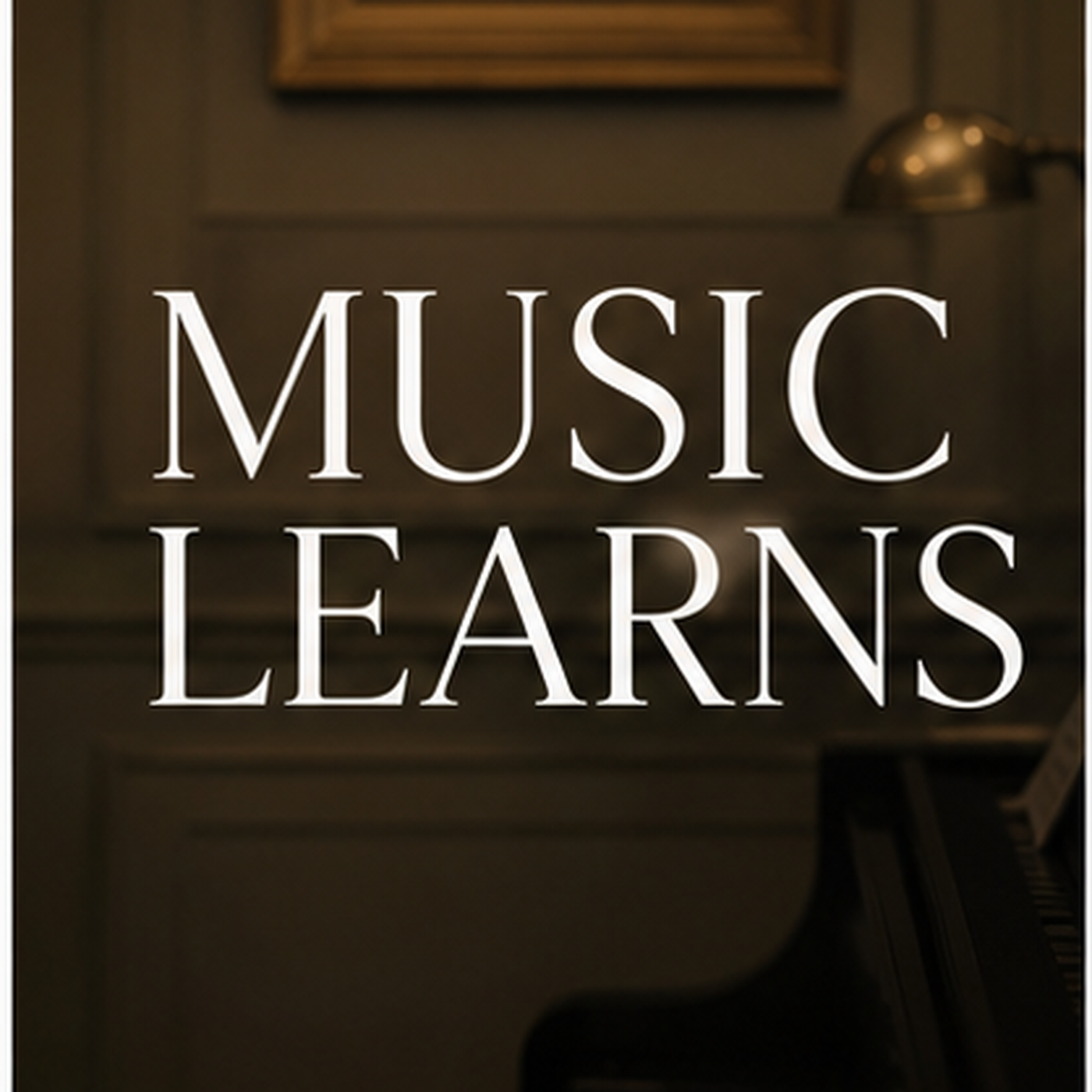
Parents often notice that piano practice changes the way a child listens. The child begins to wait, compare, repeat, correct and try again. That is where music and learning become practical: not as a vague promise of intelligence, but as a set of audible habits built over time.
In thoughtful children's piano lessons in London, the piano gives young learners a shared language for effort. A wrong note is not a failure of character. It is information. A rhythm that runs ahead is not a disaster. It is something the ear can notice and the body can organise.
Parent answer
Music and learning connect when piano practice helps a child hear patterns, name small problems, repeat with purpose and feel progress through sound.
What music and learning look like at the piano
A good piano lesson turns abstract learning into something the child can touch. Counting becomes rhythm. Reading becomes sound. Memory becomes a familiar hand shape. Attention becomes the ability to stay with one phrase until it speaks clearly.
Research on music education often points to links with auditory processing, executive function, social development and language-related skills. The best interpretation is careful: music lessons do not magically solve every learning problem. But regular, well-taught practice can give children a structured place to coordinate listening, movement and reflection.
A clear practice language for children
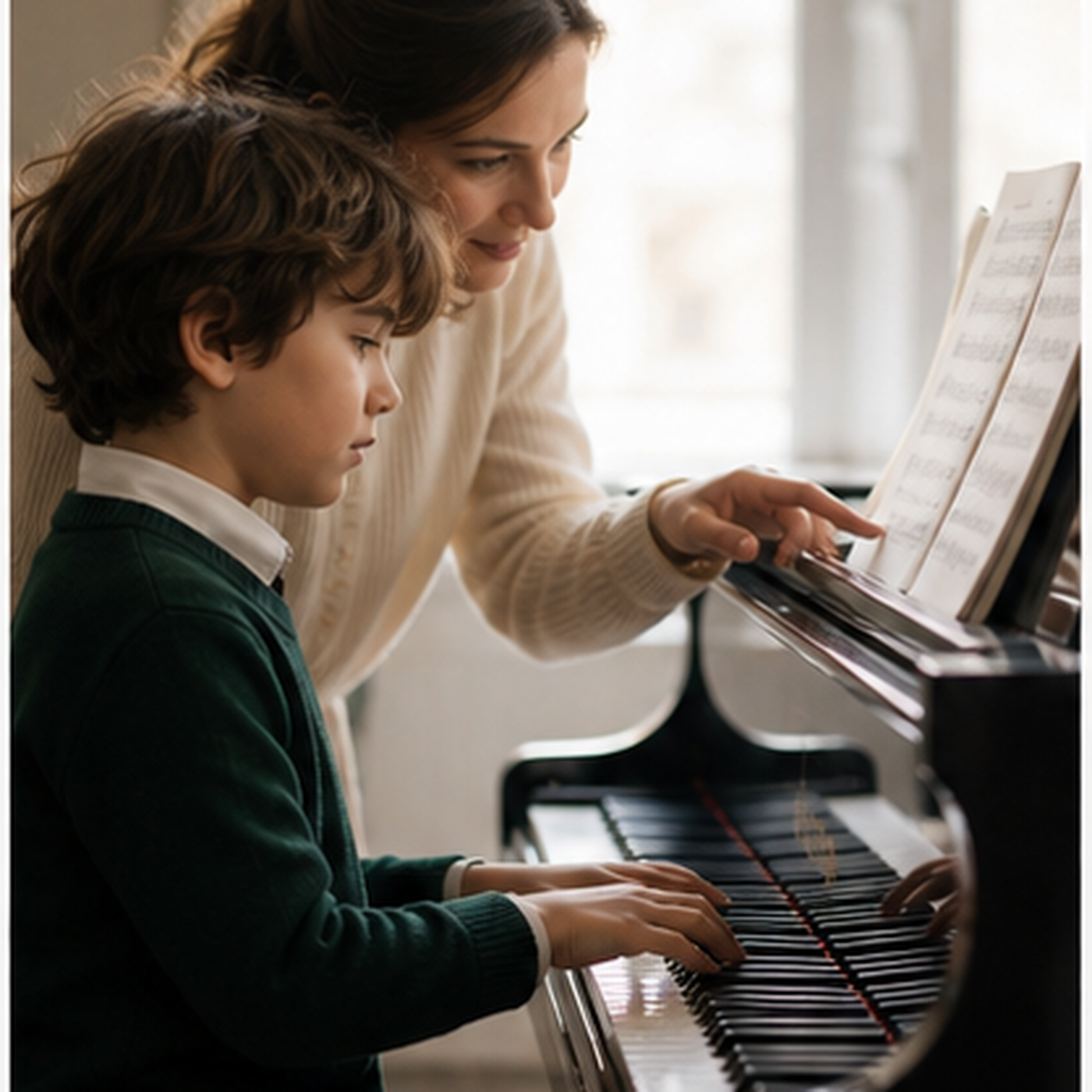
Children need words that make effort safe. Instead of saying only “try harder”, a teacher can ask: “Which hand lost the pulse?”, “Where did the melody disappear?”, “Can we make the first bar quieter?” These questions help the child locate the problem inside the music rather than inside themselves.
The child notices what changed in the sound.
The teacher gives the issue a concrete musical word.
The child tries again with a smaller and clearer aim.
How parents can support music and learning at home
The most useful home support is simple and calm. Ask what the practice job is before the child starts. Keep the task small enough to finish. Praise the exact musical improvement, not only the child's general talent. “Your left hand stayed softer” teaches more than “brilliant”.
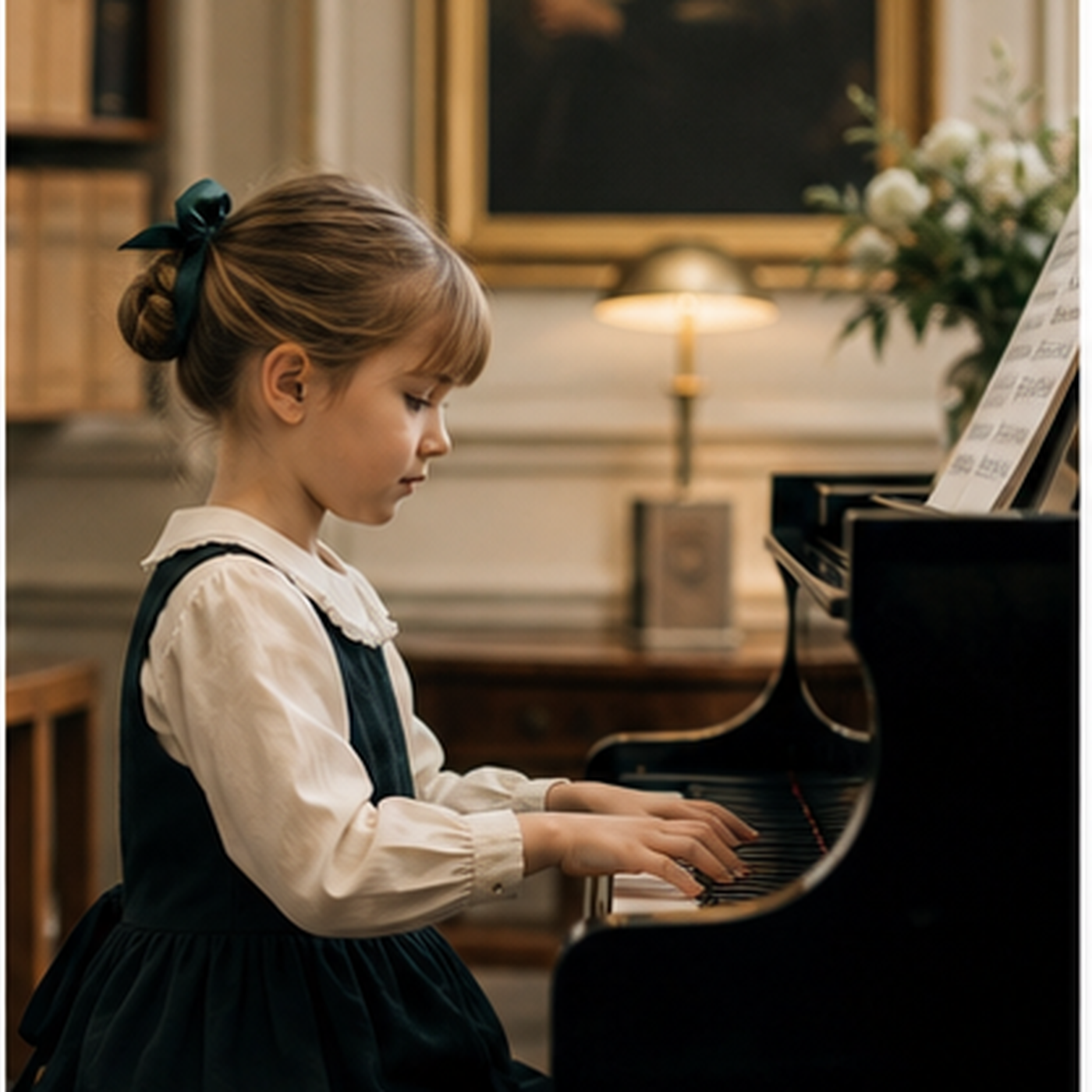
For parents
A child learns more when practice has one clear musical job. Short, specific and repeated usually works better than long, vague and tense.
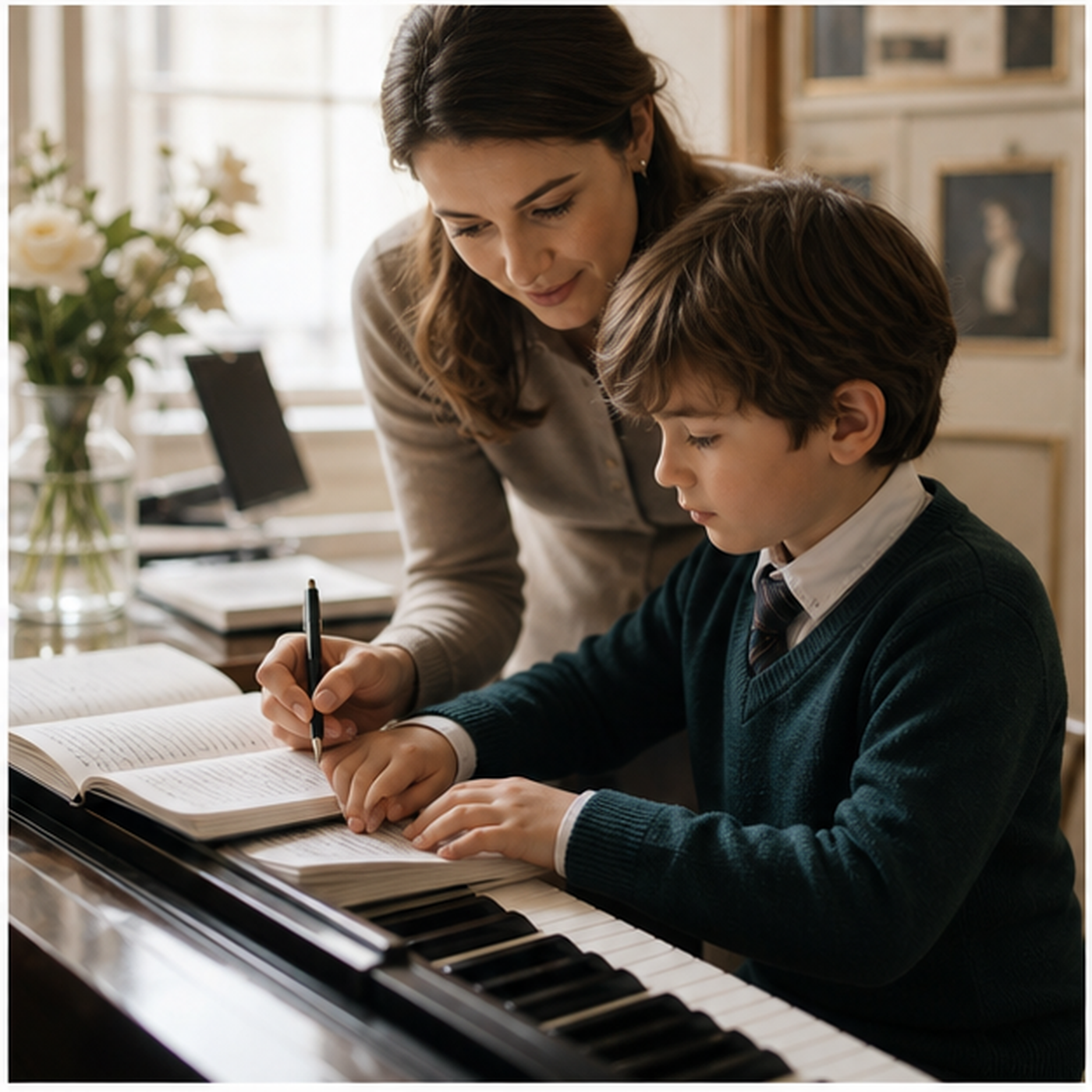
Study at WKMT London
WKMT helps children build musicianship through patient one-to-one teaching, clear practice habits and a serious but encouraging London lesson environment.
Explore children's piano lessonsWhen the learning becomes musical
The strongest sign is not a perfect performance. It is a child who can say what they are trying to improve. “I am keeping the pulse”, “I am listening for the melody”, or “I am starting softly” are small sentences with large educational value. They show that music and learning have become one process.
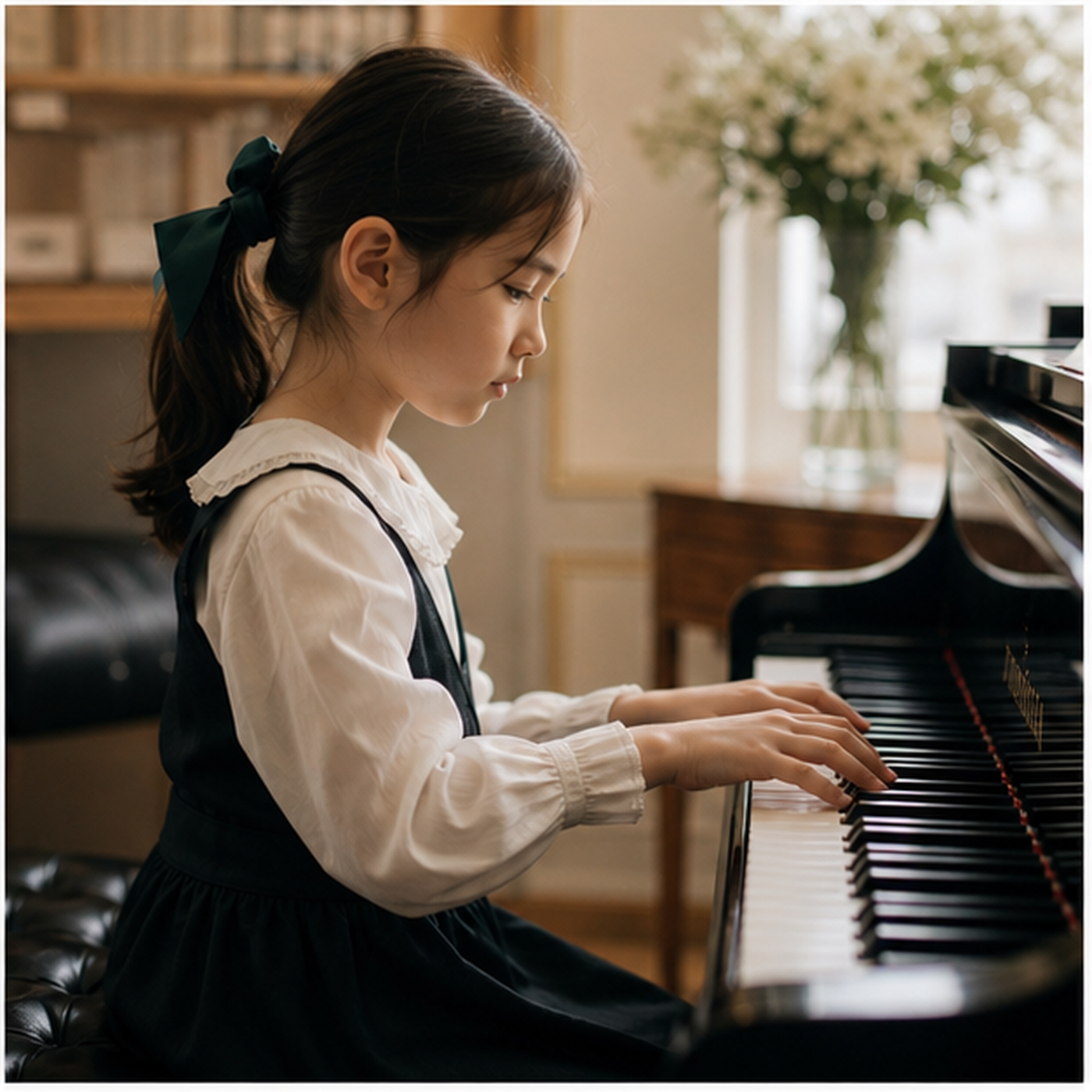
For families in London, piano can therefore become more than an activity. It can be a calm weekly structure in which attention, language, memory and emotion are trained through something beautiful.
Sources on music and learning
- PNAS, music training and neural processing in children, 2014.
- Frontiers in Neuroscience, music training and child development review, 2017.
- Harvard Center on the Developing Child, executive function overview, checked August 2026.
- BBC Teach, music education resources for children, checked August 2026.
- Psychology of Music / PMC, musical training and working memory evidence, checked August 2026.