
 TRIAL LESSON
Piano Lessons
Am I Too Old to Learn Piano?
Aug
Am I too old to learn piano? Complete Guide on Never too late to learn something new.
WKMT London adult learner guide
If you are asking am I too old to learn piano, the fear behind this question is rarely a birthday. It is the worry that the hands will not obey, that reading music will feel exposing, or that beautiful playing belongs to people who began before life became busy.
The short answer
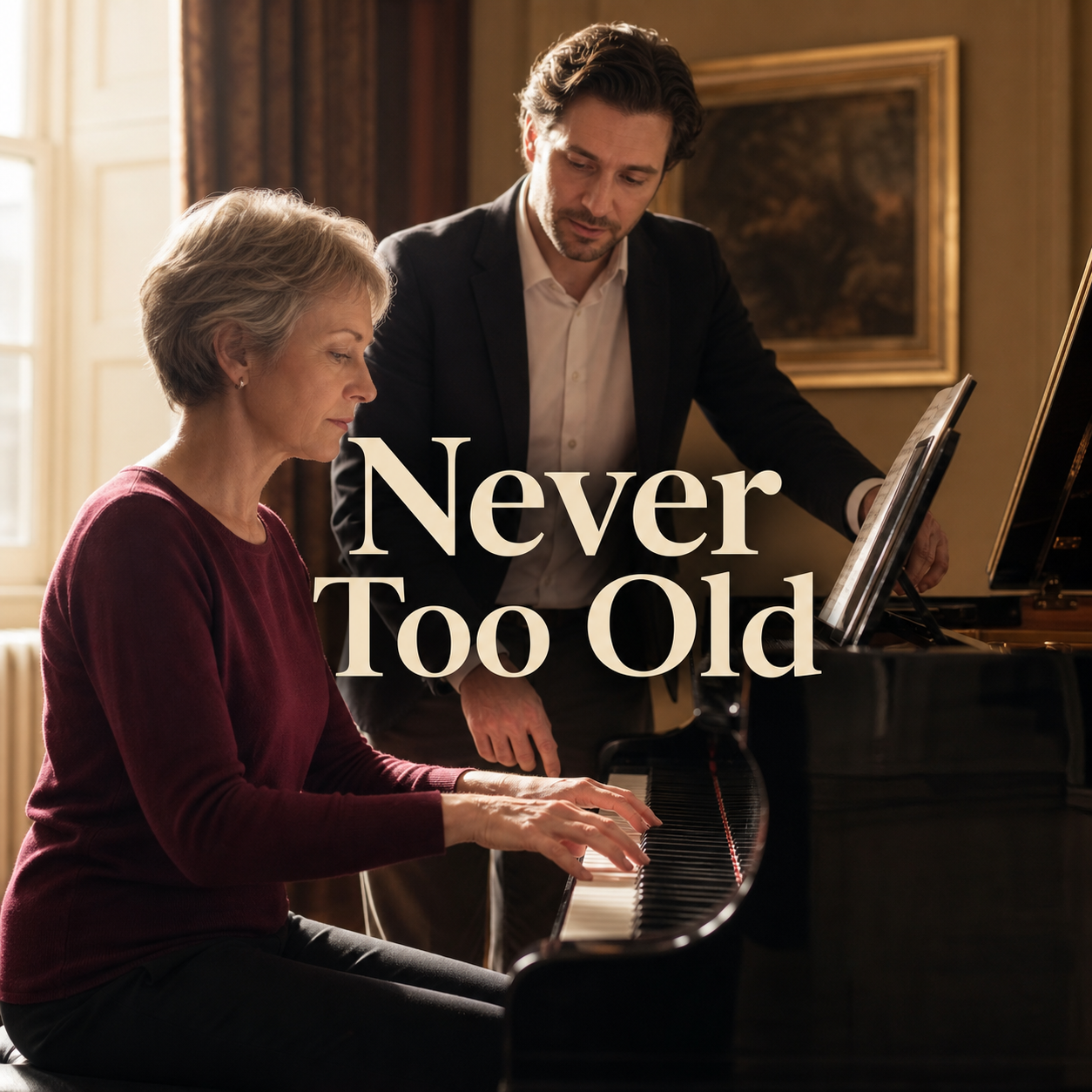
You are not too old to learn piano. Adults may need realistic practice, body-aware technique and precise feedback, but age does not remove the capacity to build musical skill. The decisive factor is the quality of the learning route.
Am I too old to learn piano? What adults bring
Adults who ask “am I too old to learn piano?” rarely arrive empty-handed. They bring taste, patience, memories of music that mattered, a sharper sense of why they want to learn, and often a deep embarrassment about being heard at the beginning. A good first lesson should respect all of that. It should not treat the adult as a late child, or reduce the instrument to a list of beginner exercises.
For someone considering adult piano lessons in London, the real question is not whether age permits progress. The question is whether the teaching can translate adult attention into musical action: one relaxed sound, one readable pattern, one phrase that feels less accidental by the end of the lesson.
This is where adult learning can become unusually rewarding. The beginner may be new to the keyboard, but not new to meaning. Even a simple phrase can be studied with adult seriousness: how it leans, where it breathes, what the left hand changes, and why a slower tempo sometimes sounds more honest.
For adult learners
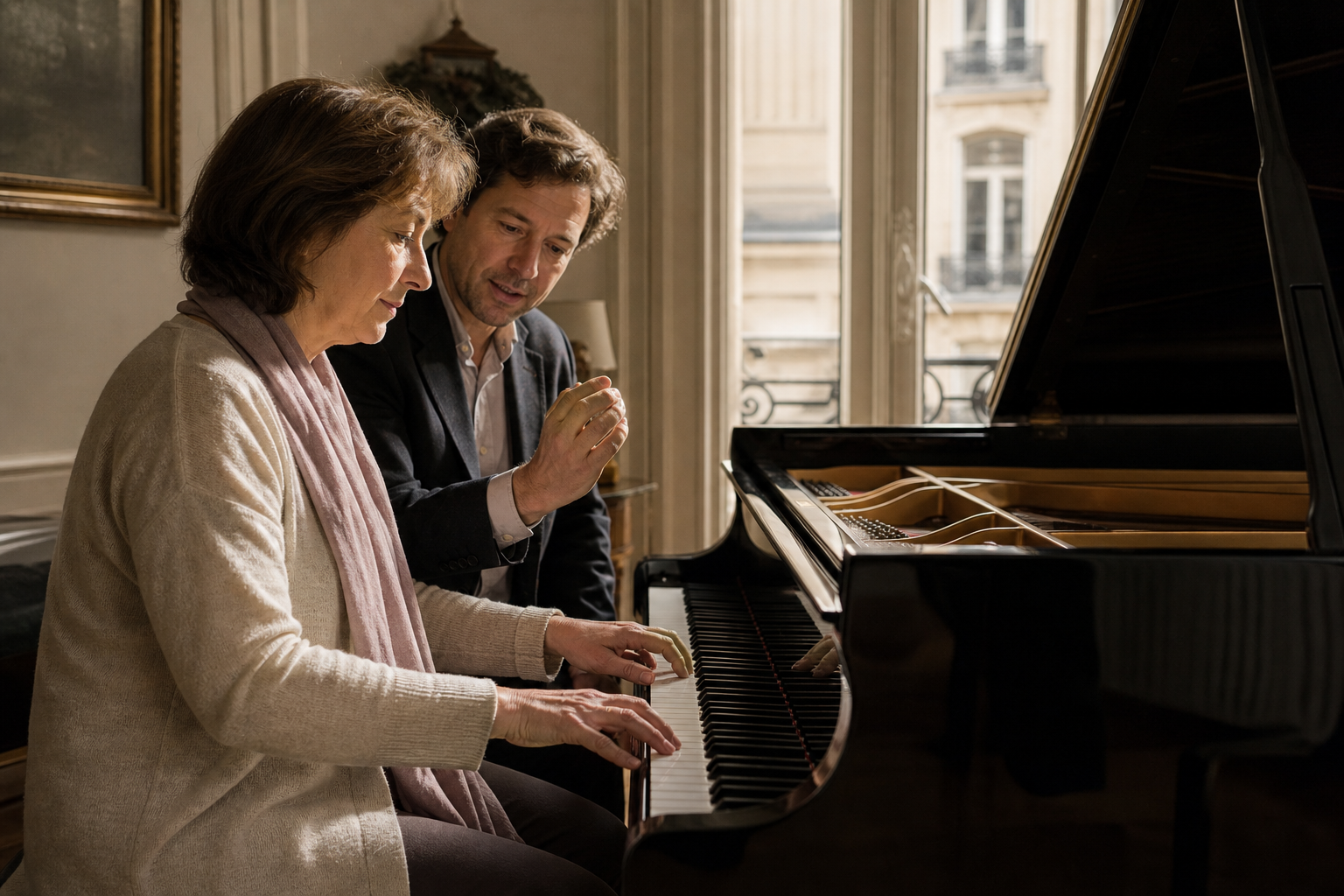
Do not ask whether you can become the child you never were. Ask what kind of pianist your adult attention, taste and discipline can become now.
What age changes, and what it does not
Research into musical training and adult brain plasticity does not promise miracles. It does, however, keep dismantling the idea that meaningful instrumental learning belongs only to childhood. Studies on adult musical training and older adult piano learning continue to show that structured practice can engage memory, attention, movement and listening well beyond the school years.
The practical lesson is not that every adult should expect childlike speed. It is that adults deserve a route designed for adult bodies and adult weeks. The teacher has to notice tension before it becomes habit, explain how movement affects sound, and choose repertoire that is simple enough to improve but musically dignified enough to sustain desire.
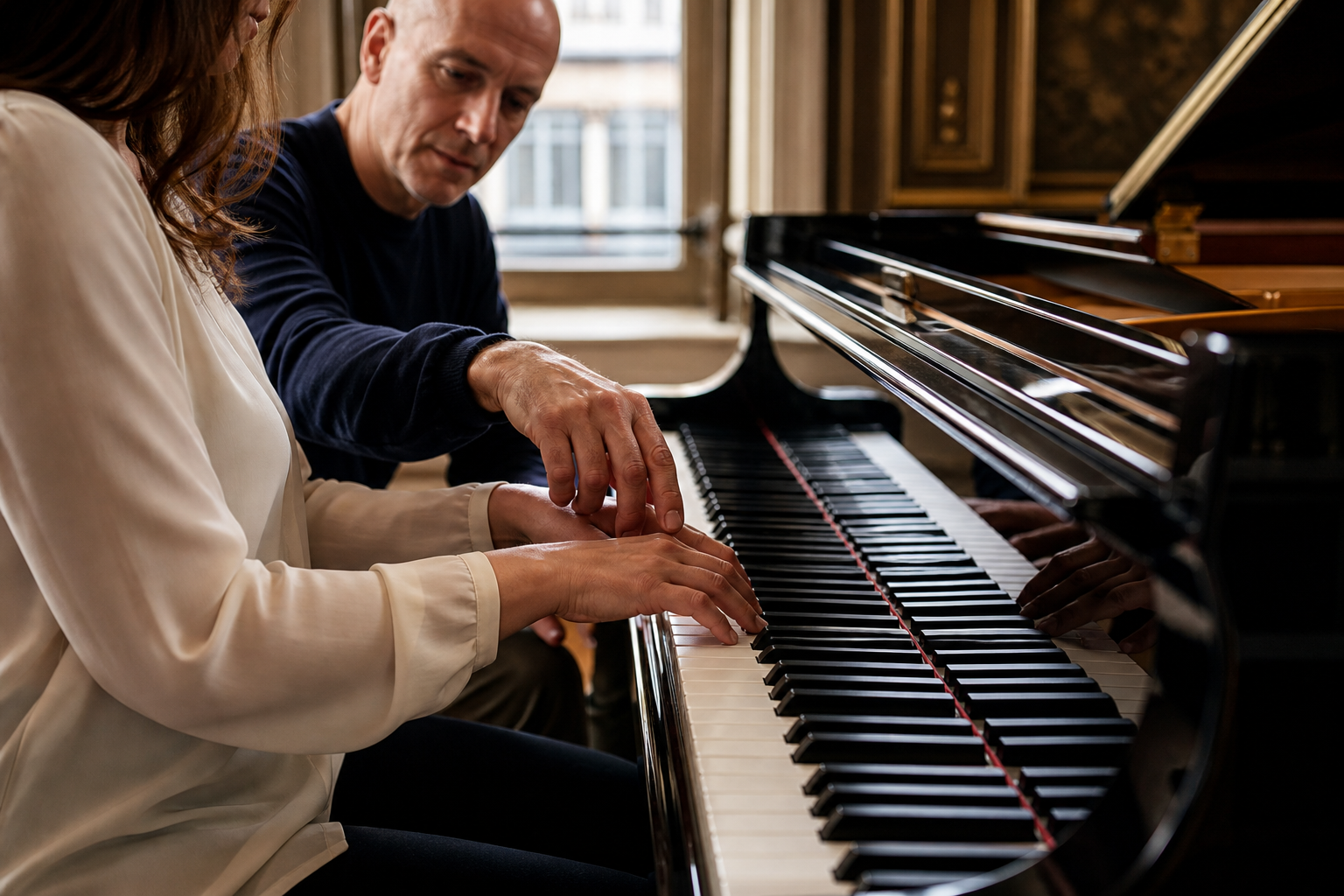
The adult starting route
Begin with one relaxed, deliberate tone.
Make timing steady before trying to make anything fast.
Connect notation to keyboard geography in small steps.
Choose pieces simple enough to improve and beautiful enough to matter.
The first month should feel dignified, not childish
The first month of adult piano study should not be a test of character. It should build trust between the learner, the teacher and the instrument. Sit well. Make one balanced sound. Read a small pattern without panic. Practise for ten minutes with a clear purpose. Finish before the hand hardens. Return tomorrow without needing a dramatic promise.
Many adults fail because the task is too vague, not because they lack discipline. “Practise more” is rarely enough. “Play these two bars slowly enough to keep the wrist free, then listen for an even left hand” is a task the body can understand.
Adult worry, better lesson response
Begin with efficient movement and clean pulse. Notice whether the sound becomes easier.
Read pattern, rhythm and keyboard position together. Fluency grows from recognition.
Use short, exact assignments. One focused task beats an hour of vague repetition.
Use dignified material and careful feedback. Simple music can still be adult music.
Teacher’s note
An adult beginner should never be given childish musical aims. The material can be simple; the musical attention must be adult.
A WKMT video context for adult beginners
This WKMT video gives a useful starting context for adult beginners: the point is not speed or performance display, but a clear, practical route into musical work.
If the embedded player is unavailable, open the WKMT adult beginner piano video on YouTube.
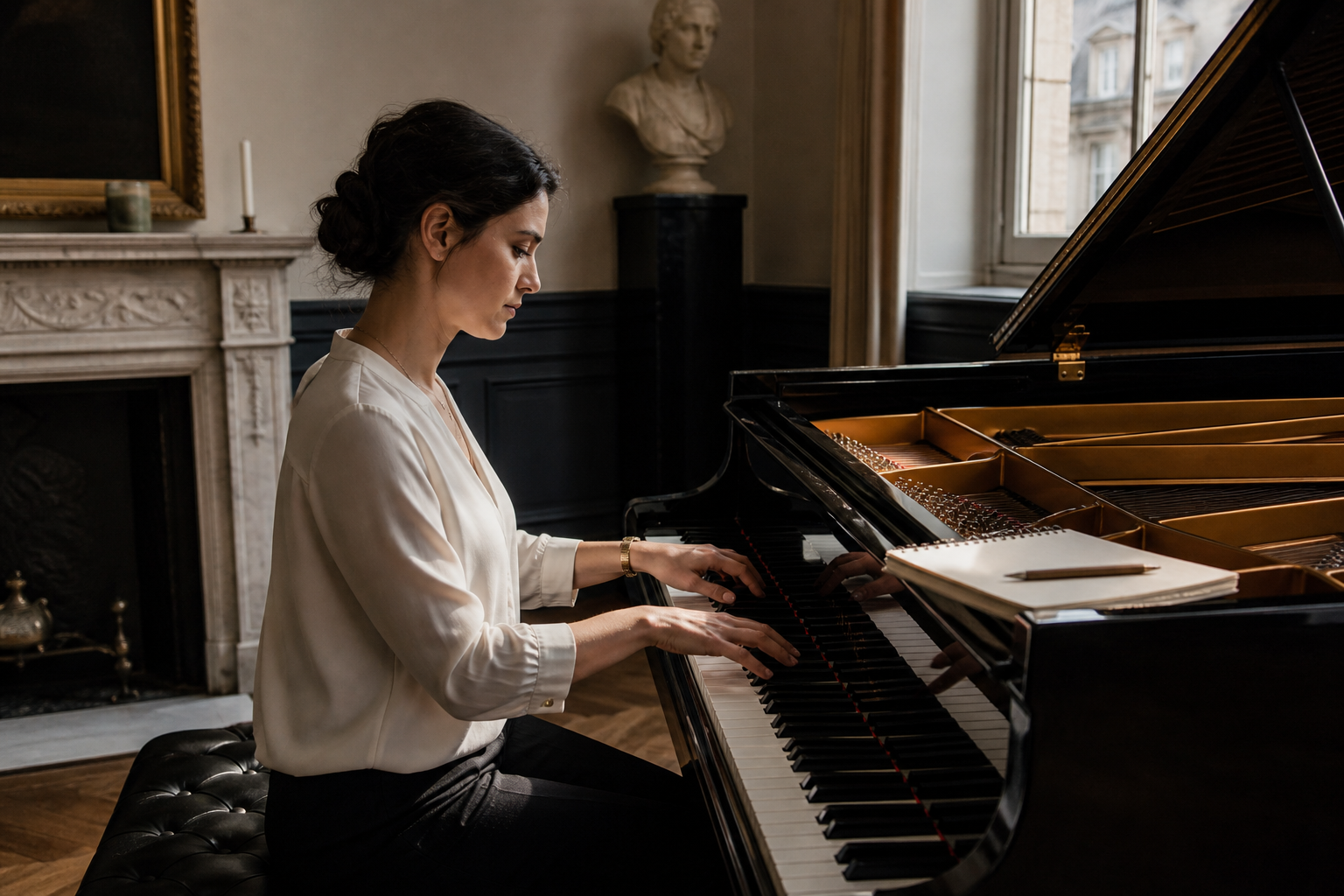
“The question is not whether adulthood is too late. It is whether the lesson is specific enough for the adult in front of the piano.”
How to begin without turning the piano into another pressure
The honest answer to am I too old to learn piano becomes clearer when you begin by making the practice promise smaller and the listening promise sharper. Ten attentive minutes can be a real beginning if the task is exact. Play one phrase slowly enough to hear the hand relax. Count one rhythm until it stops rushing. Read two bars until the keyboard geography becomes familiar. Then stop while the sound is still improving.
If your concern is fitting lessons around work, WKMT’s guide to how adults can practise piano after work is a useful companion. If the question is still am I too old to learn piano, read are you too old to start piano lessons? as supporting context.
A serious adult beginning
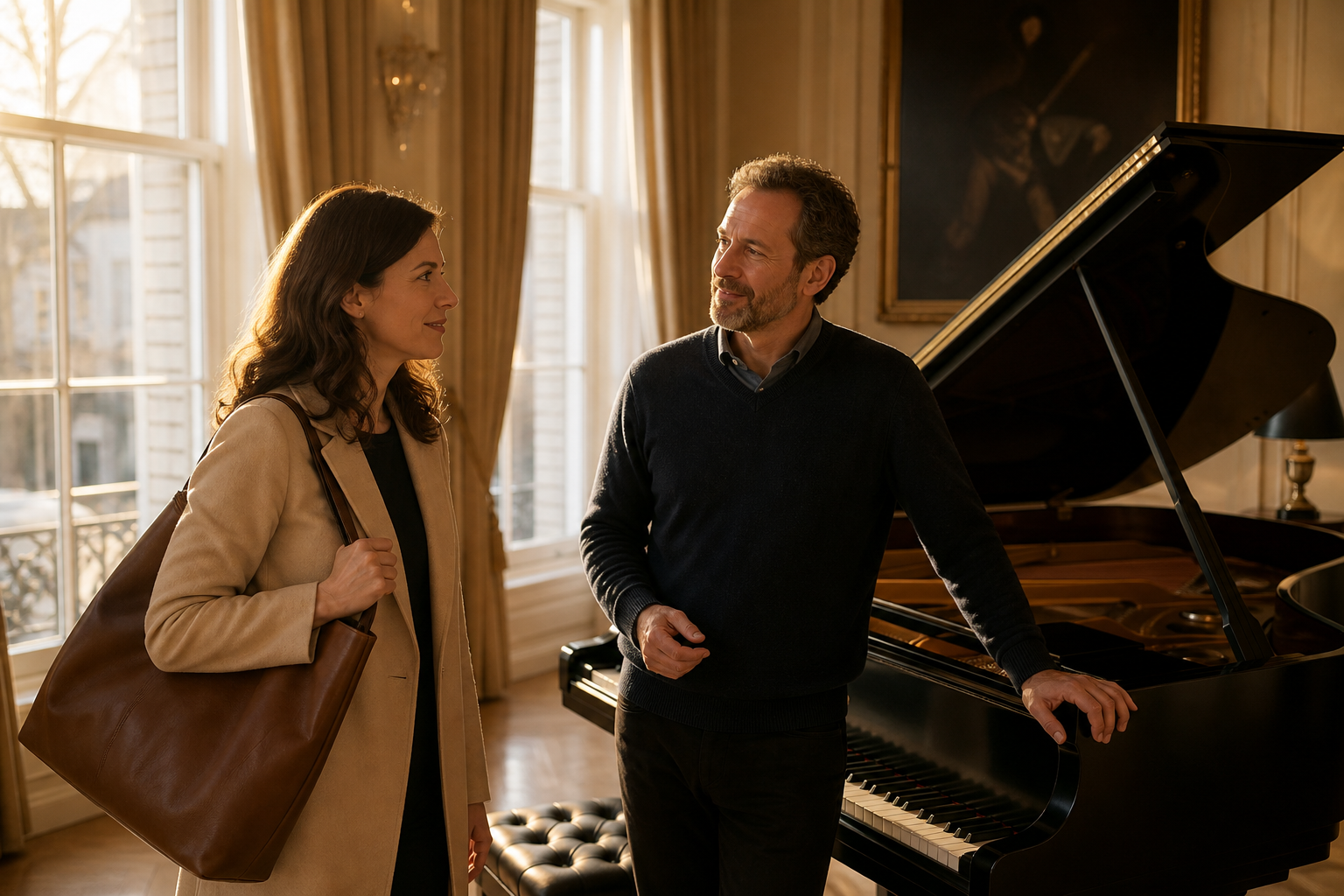
WKMT helps adults begin or return to piano with face-to-face teaching, clear technique and repertoire chosen around real musical progress.
Sources and further reading on am I too old to learn piano?
- WKMT London adult piano lessons, checked 16 August 2026.
- How Musical Training Shapes the Adult Brain, published 10 March 2021.
- Six Months of Piano Training in Healthy Elderly Stabilizes White Matter Microstructure, published 14 February 2022.
- Learning a musical instrument in your 70s could help protect memory, published 13 June 2026.
- National Institute on Aging: how the aging brain affects thinking, checked 16 August 2026.
- WKMT: how adults can practise piano after work, checked 16 August 2026.