
 TRIAL LESSON
Piano Lessons
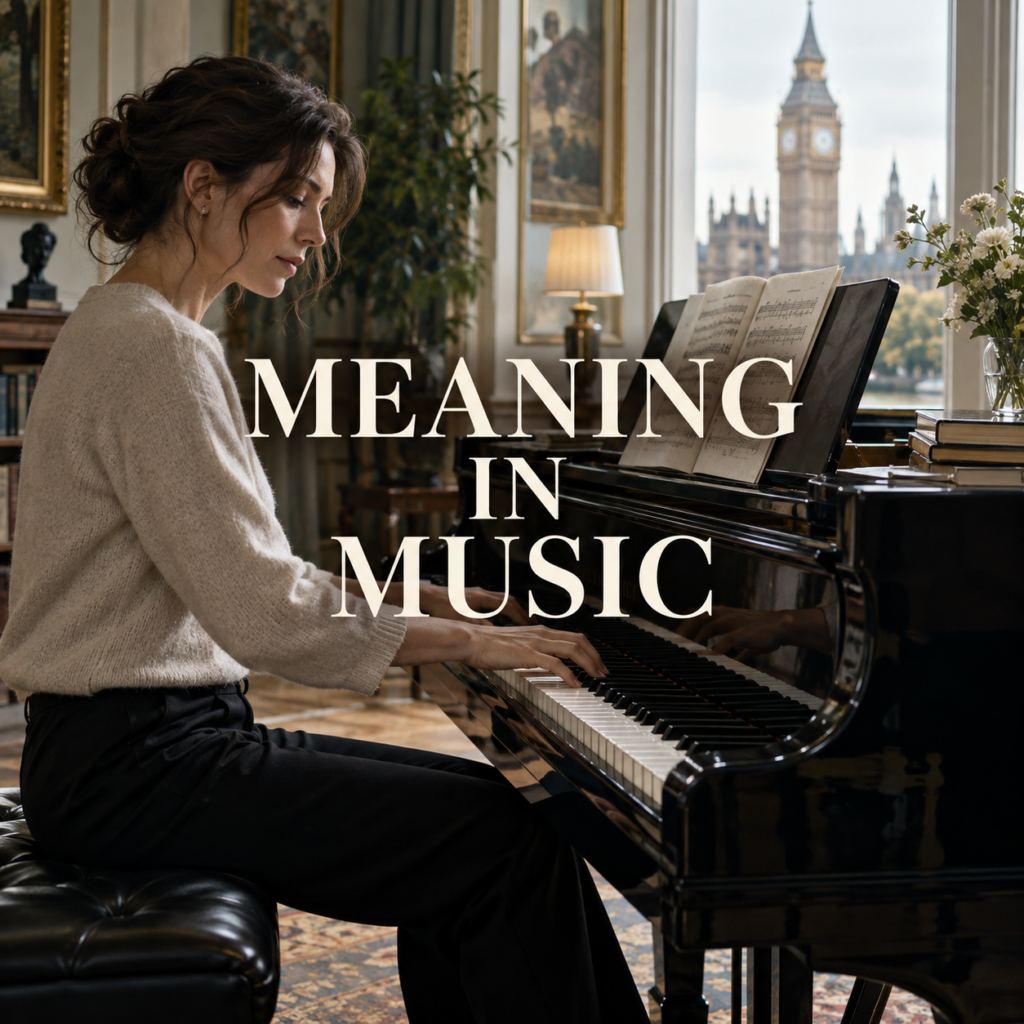
Meaningful Hobbies: Why Adult Piano Study Deepens with Time
Sep
WKMT London adult learner guide
Meaningful Hobbies: Why Adult Piano Study Deepens with Time
Adults often begin piano wanting one piece, one recovered memory or one hour that belongs entirely to music. With time, the instrument can become more than an activity: it offers a language for attention, a history to enter and a craft whose horizon keeps moving.
In brief
Meaningful hobbies combine enjoyment with growing skill, personal identity, purpose and connection. Piano can offer all four because repertoire deepens over time, practice produces audible change, lessons create a relationship with musical tradition and performance can be shared. Its value does not depend on professional achievement or constant measurable progress.
Meaningful hobbies are built, not merely found
A hobby rarely arrives fully meaningful on the first evening. Meaning develops through return: the learner recognises a phrase that once seemed opaque, hears a recording differently or discovers that regular practice has become part of the week. Among meaningful hobbies, piano is especially layered because technical, historical and expressive understanding can mature together.
This does not mean every session must feel profound. Scales can be awkward, a passage may resist and enthusiasm naturally fluctuates. The deeper value lies in continuity. An adult can step away, return and still find a repertoire of questions waiting. Progress is not erased by a difficult week; it becomes part of a longer musical biography.
Skill creates agency without turning leisure into work
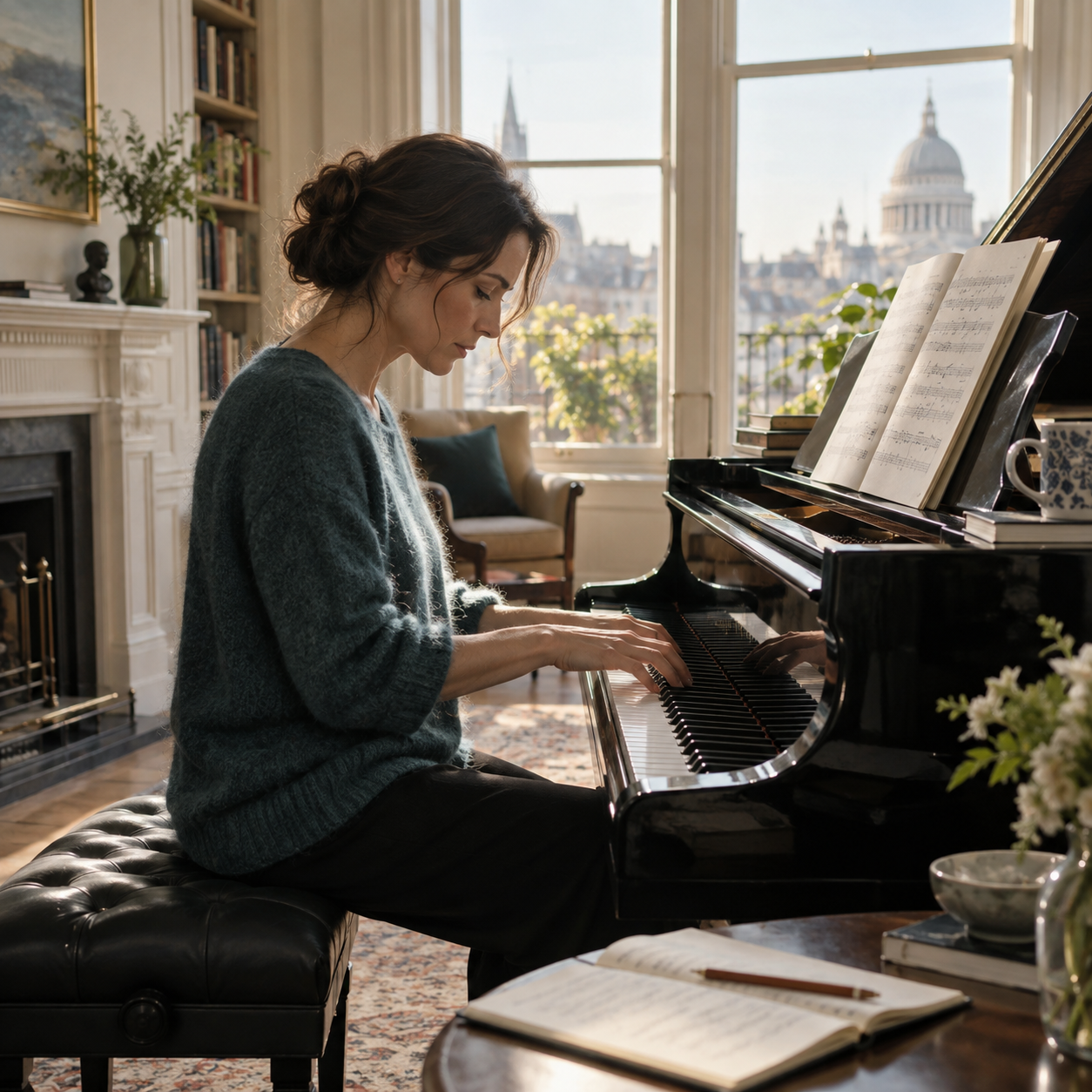
Piano gives immediate evidence that deliberate attention changes an outcome. A cleaner rhythm, more balanced chord or better-shaped cadence is audible. That agency can be satisfying after work dominated by meetings, screens or abstract decisions. Yet meaningful hobbies become brittle when every session is judged by productivity. Musical growth needs curiosity as well as targets.
In adult piano lessons in London, a good plan can hold two tracks: one piece that stretches technique and another that can be played for pleasure. The combination protects ambition from perfectionism. Serious study does not require the hobby to imitate a second job.
What research suggests about hobbies and wellbeing
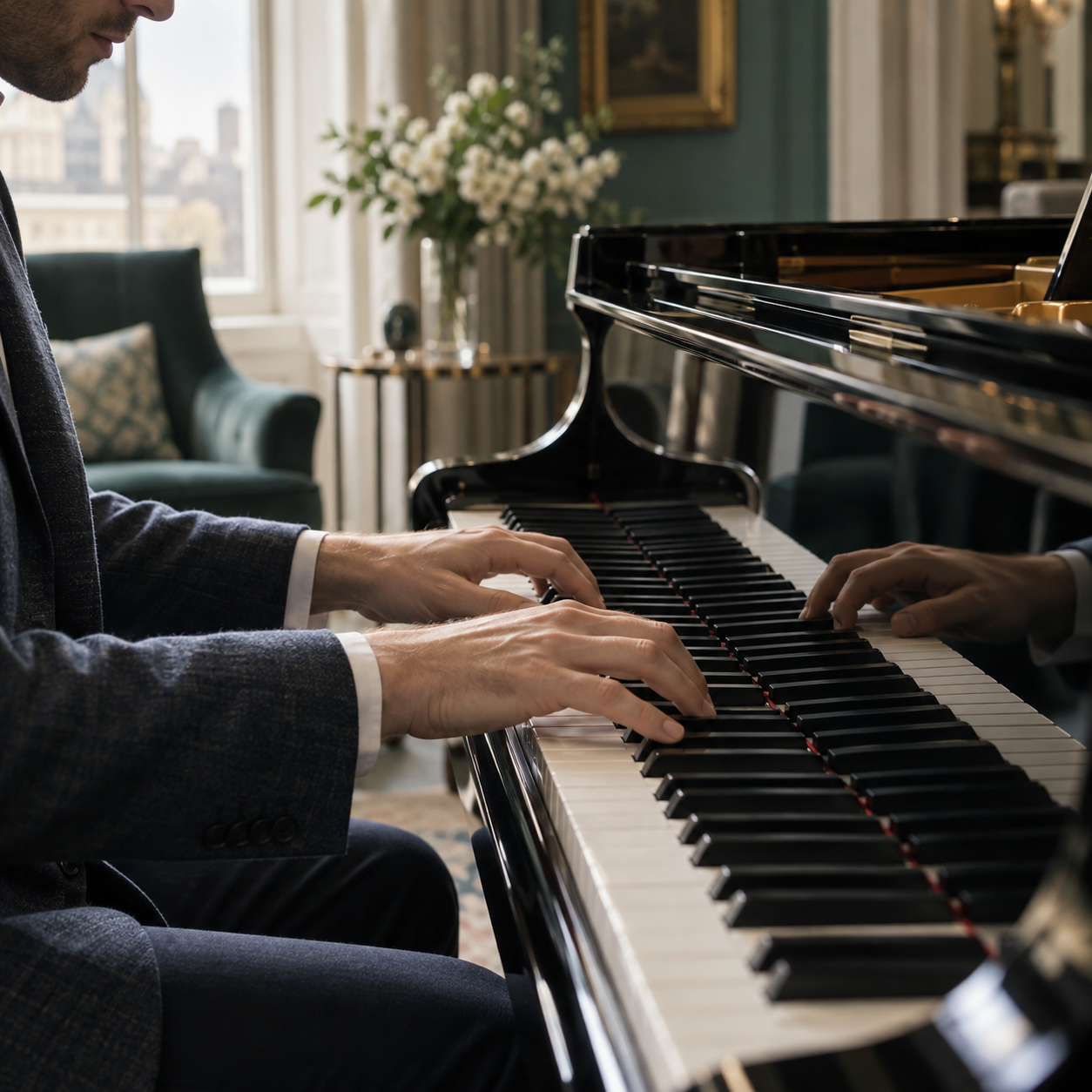
Large international studies have associated hobby engagement in older adults with fewer depressive symptoms and higher self-reported health, happiness and life satisfaction. Piano-specific trials have also reported improvements in aspects of quality of life after structured learning. These are encouraging findings, but association is not a guarantee and individual experiences vary.
The responsible conclusion is modest. Meaningful hobbies can support wellbeing through engagement, social contact, competence and enjoyment; they are not medical treatment. Piano remains worthwhile even when a learner cannot point to a health outcome. A sonata understood more clearly, a duet shared or a long-postponed ambition attempted is already a substantial human result.
A meaningful hobby does not fill time; it changes the quality of attention within it.
Identity, repertoire and a sense of belonging
Adults bring memories and tastes to the piano. A childhood piece may reopen family history; a new composer may change the way a concert is heard. Repertoire becomes a personal library rather than a sequence of exercises. Over years, the learner develops preferences about sound, editions, performers and interpretation, gaining an identity as a musician without needing public status.
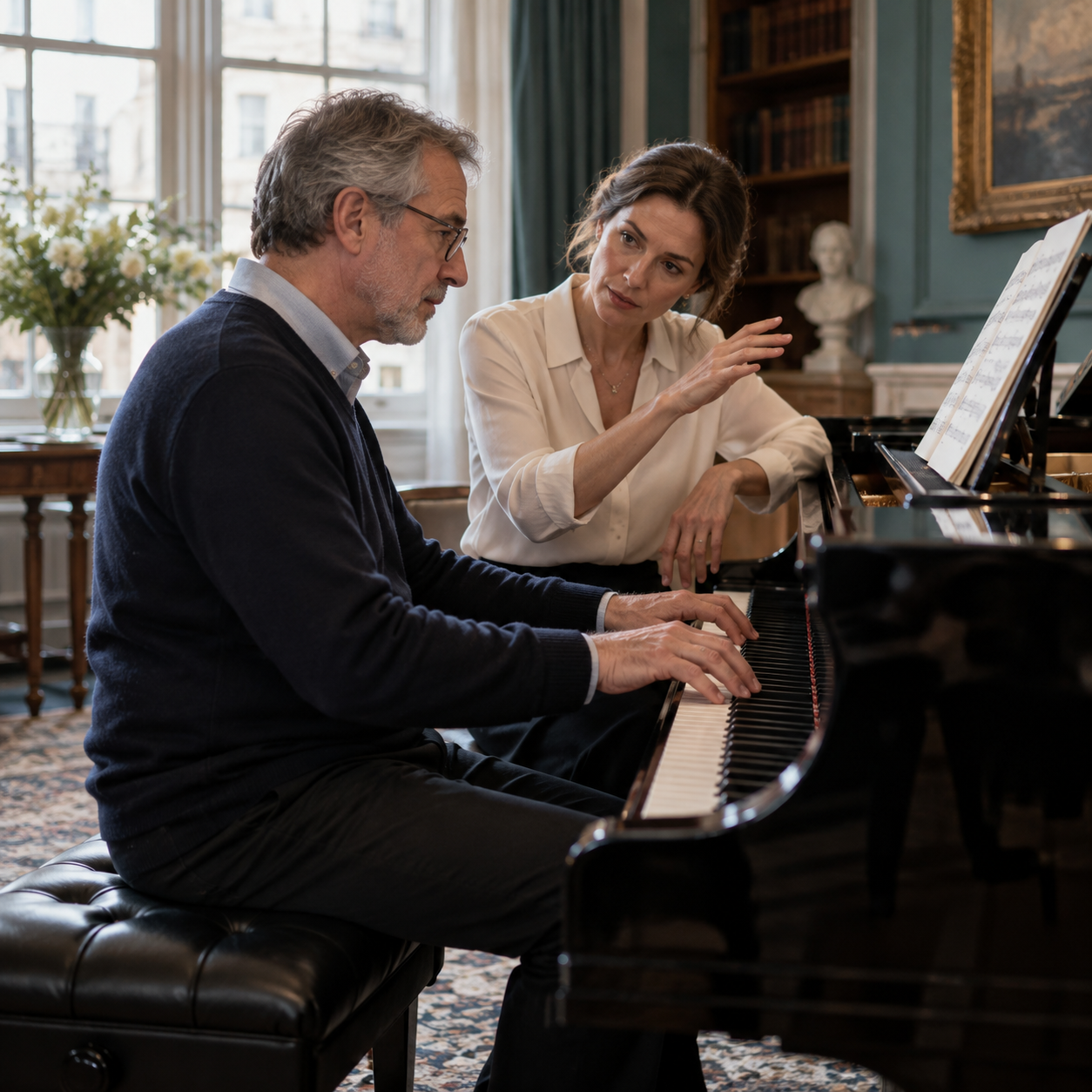
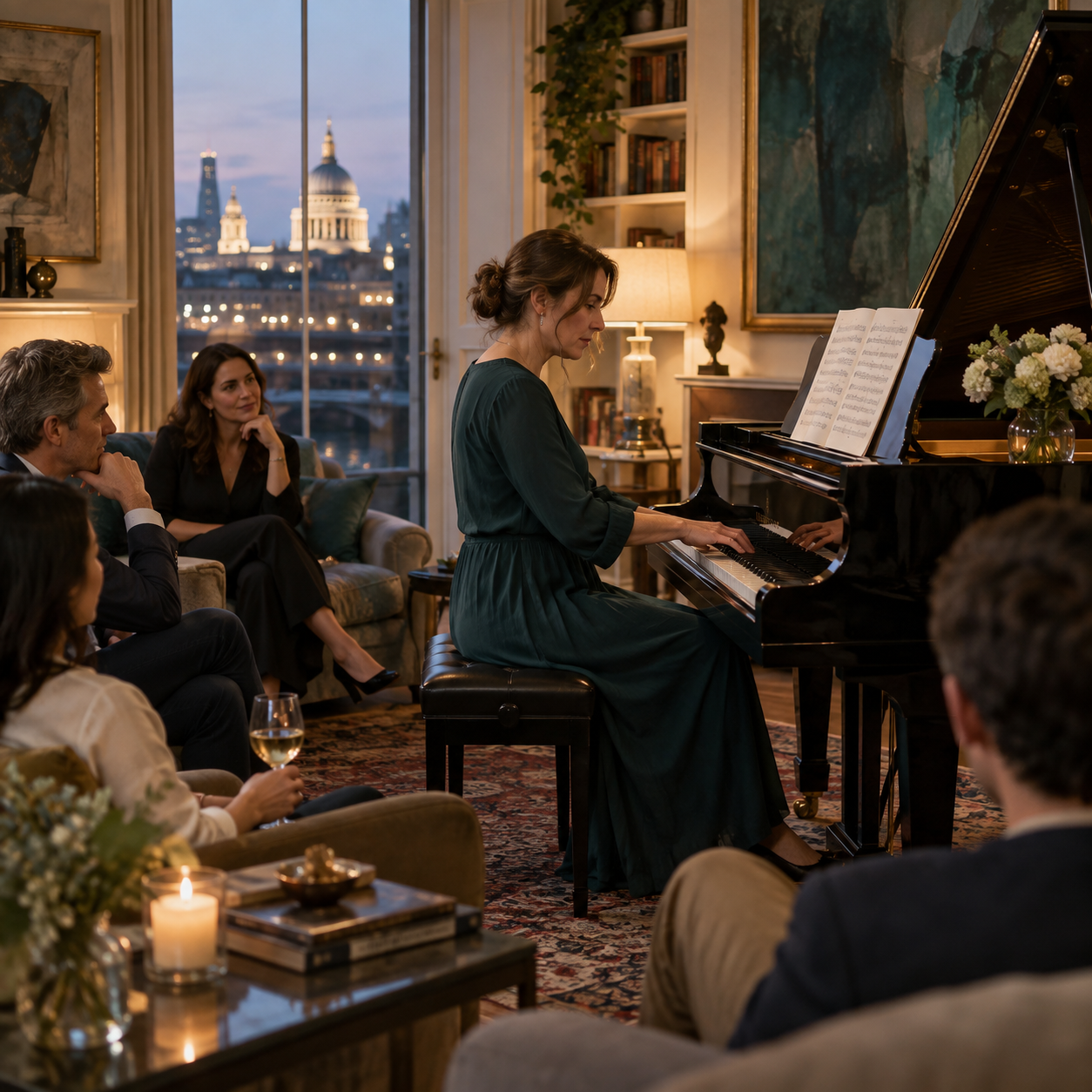
Connection can be private or social. Lessons create a sustained musical conversation; duets and informal recitals add shared purpose; concert-going becomes more attentive. WKMT’s guide to hobbies for adults through piano offers another route into beginning, while a long-term practice plan turns initial interest into an enduring craft.
Design a piano life that can deepen
Choose a weekly rhythm that survives ordinary life: perhaps three short sessions and one longer encounter. Keep a small repertoire active, study one unfamiliar work and leave space for listening without playing. Mark musical discoveries rather than only completed pieces. A notebook entry such as ‘heard the bass turn towards the cadence’ records growth more truthfully than minutes alone.
Meaningful hobbies remain alive because their purpose can change. Piano may begin as relaxation, become disciplined study, open a social circle or provide a way to inhabit music in retirement. The instrument does not demand one justification. It rewards sustained attention while leaving room for the adult learner’s circumstances, ambitions and imagination to evolve.
WKMT London
Build an adult piano practice that respects your timetable while giving musical ambition room to deepen.
Explore adult piano lessonsSources meaningful hobbies
- Nature Medicine: hobby engagement and wellbeing across countries
- PMC: piano learning, cognition, mood and quality of life
- PMC: randomised trial of piano practice and quality of life
- PMC: cognitive, motor and social factors in older-adult instrument learning
- Psychology of Music: learning music in older adulthood
- ERIC: meaning of learning keyboard in later life
Sources checked 18 September 2026. Educational guidance; individual circumstances and progress vary.