
 TRIAL LESSON
Piano Lessons
Piano for Brain Health: What Adult Learners Should Know
Aug
Piano for Brain Health: What Adult Learners Should Know
Piano for brain health is most convincing when it is treated as serious learning: reading, listening, moving, remembering and shaping sound with patience.
Adults are often drawn to the piano because it feels intellectually alive. The instrument asks the mind to read symbols, hear harmony, organise movement and remember a musical shape. That is why piano for brain health has become such an interesting subject for adult learners, researchers and teachers.
The promise should be handled carefully. Piano lessons are not medical treatment, and no responsible teacher should offer them as a cure. But well-structured adult piano lessons in London can give the brain a rich, meaningful form of challenge that also produces music.
Adult learner answer
Piano for brain health is strongest as a practical learning habit: regular musical attention, coordinated movement, memory, reading and emotionally rewarding progress.
Why piano for brain health interests adults
The adult brain does not stop learning. It may learn differently from a child’s brain, but it can still build new routines when the task is clear and repeated with care. Piano for brain health is compelling because the activity is multi-layered. A single phrase can involve pitch, rhythm, fingering, touch, posture, memory and interpretation.
Several studies on adult and older adult music learning report encouraging changes in memory, processing, mood, quality of life or functional connectivity. The best reading of that evidence is balanced: results vary, sample sizes can be modest, and the benefits depend on consistent engagement. Even so, the piano remains one of the most complete learning tasks an adult can choose.
The five-part mental workout of piano study
Symbols become sound through trained recognition.
The ear checks tone, harmony and balance.
Hands coordinate with rhythm and intention.
Patterns become familiar through repetition.
Music gives effort an emotional reason.
Piano for brain health should therefore be taught through real music, not mechanical drilling alone. Scales, sight-reading and technical work matter, but they need musical purpose. Adults remain motivated when they can hear why a technical correction changes the expressive result.
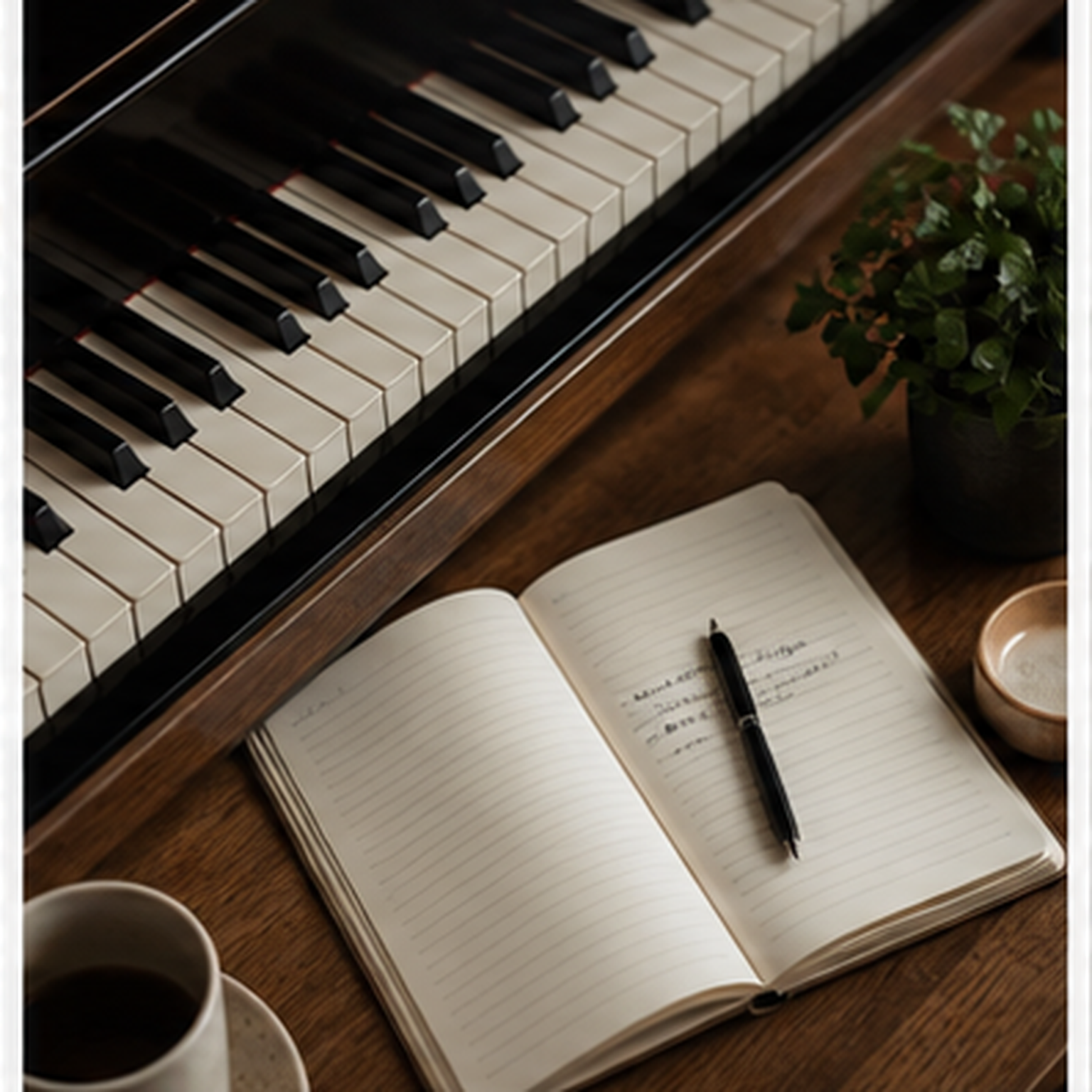
How a London adult lesson should feel
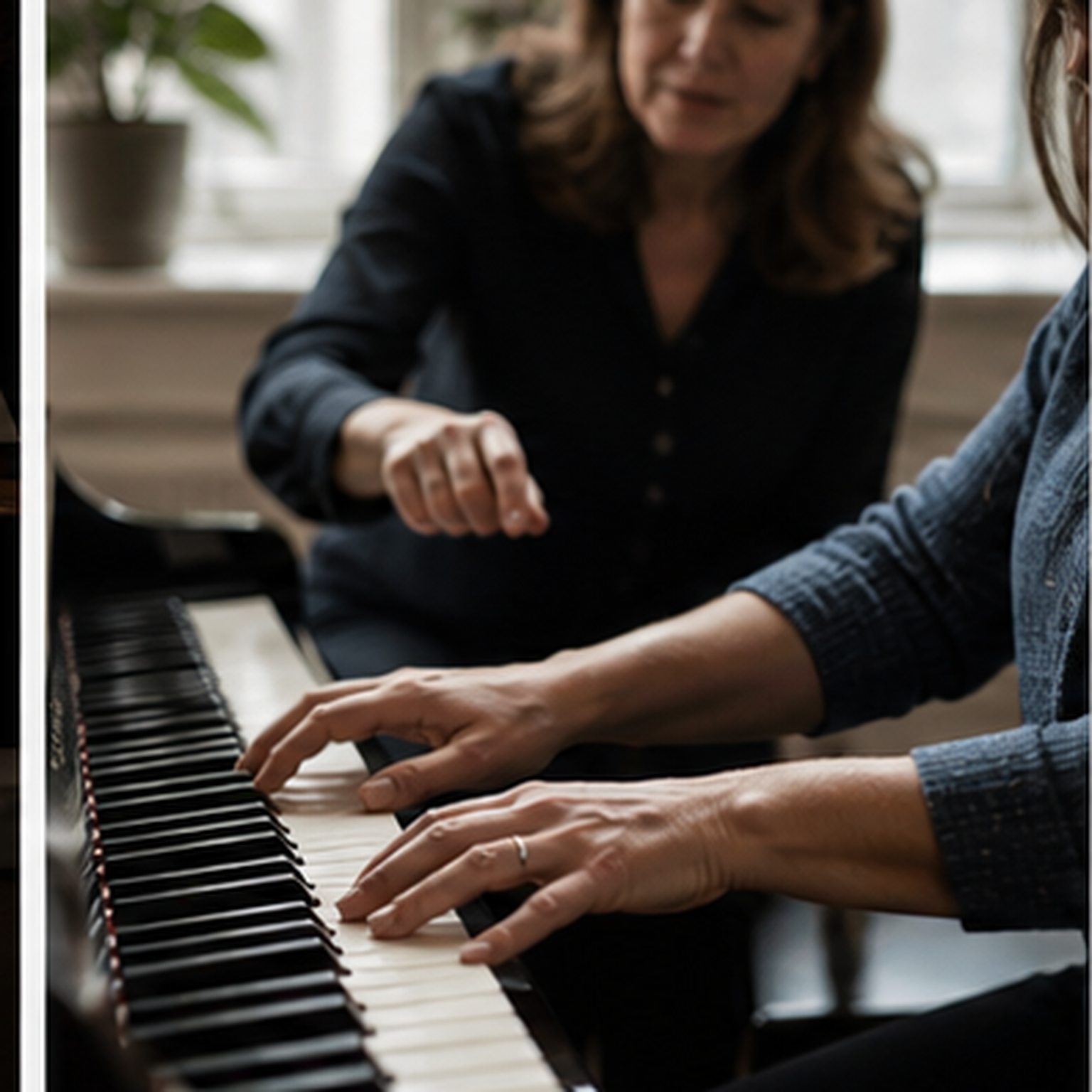
A good adult lesson respects intelligence and time. The teacher should explain the reason behind exercises, choose repertoire that fits the learner’s current level, and build practice steps that can survive a full working week. Piano for brain health does not require heroic hours. It requires regular, attentive contact with the instrument.
For adults returning after a long pause, WKMT’s guide to returning to piano after years may also help. The present article focuses on the mental and learning value of the instrument rather than the emotional act of restarting.
WKMT perspective
The finest adult progress is not frantic. It is measured, curious and resilient: the learner understands the task, repeats it musically and notices what has changed.
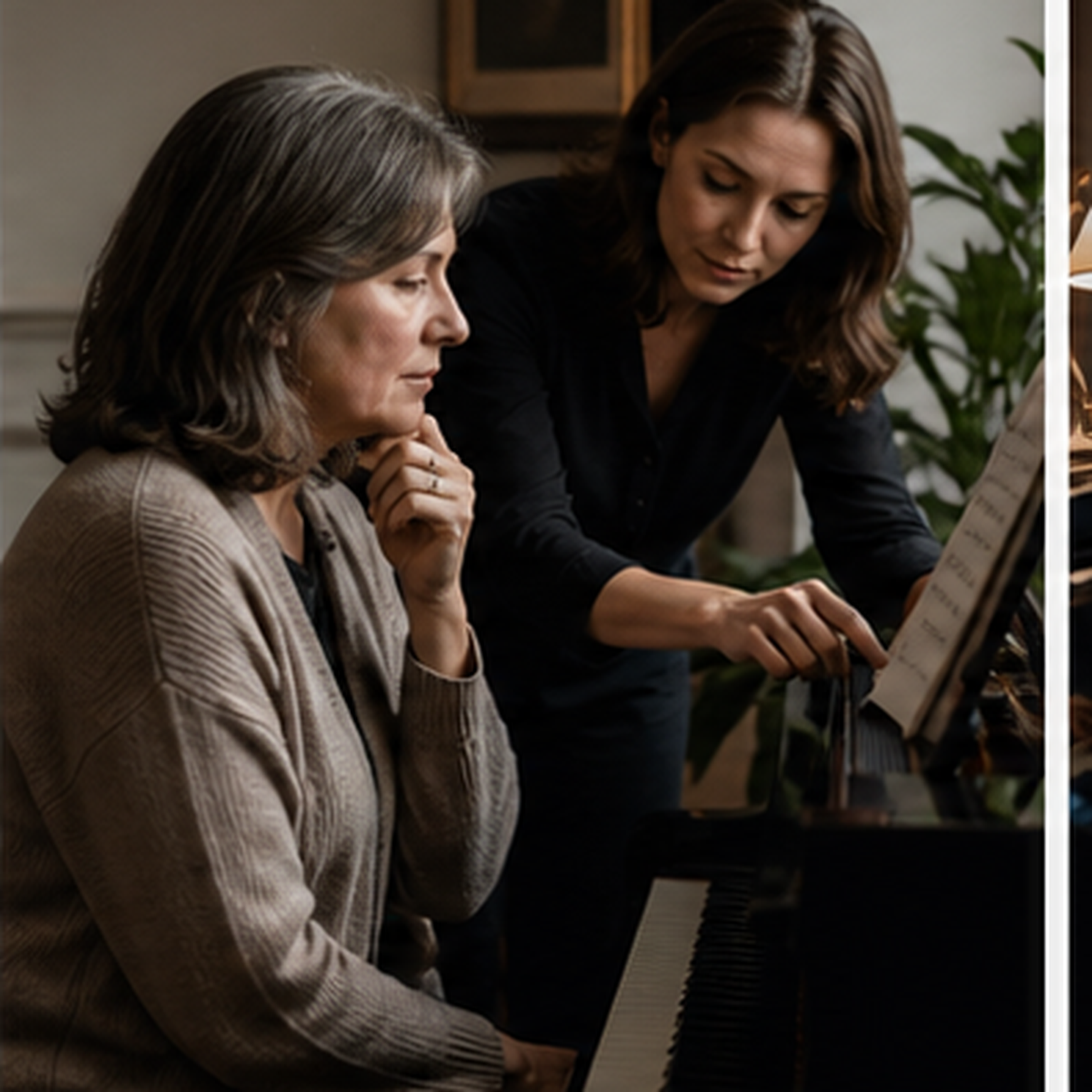
Study at WKMT London
WKMT teaches adults who want thoughtful, face-to-face piano study in London, from first lessons to serious repertoire and returning practice.
Explore adult piano lessonsA practical routine for adult learners
Begin with two minutes of slow sound production. Then practise one short passage for accuracy. Add one memory cue, such as the shape of a chord or the direction of a phrase. Finish by playing something musically complete, even if it is brief. This keeps piano for brain health connected to music rather than turning it into an abstract exercise plan.
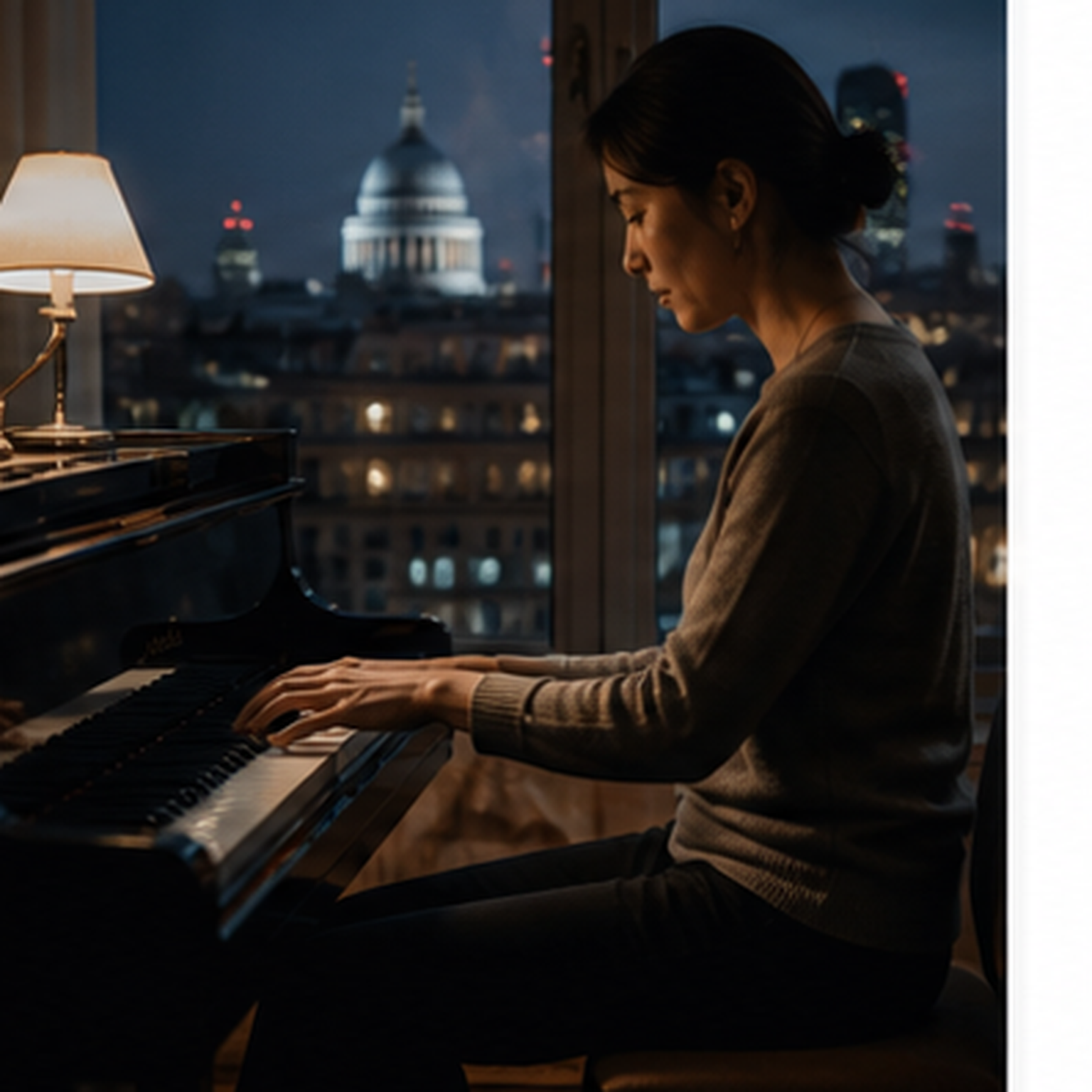
For adults, the piano offers a rare combination: discipline without noise, challenge without hurry, and beauty that rewards attention. That is the real value of piano for brain health.
Sources on Piano for brain health
- Effects of music learning and piano practice on cognitive function, mood and quality of life in older adults, 2013.
- Frontiers in Aging Neuroscience, six months of piano training and healthy aging, 2022.
- Piano training and functional connectivity in older adults, 2023.
- BrainFacts, lessons in music for the healthy aging brain, 2020.
- Being Patient, piano lessons and cognitive health summary, 2022.
Related video
National Institute on Aging: music and the health of older adults is embedded below from YouTube for educational listening and context. Rights remain with National Institute on Aging / YouTube.