
 TRIAL LESSON
Piano Lessons
Piano Lessons for 7 Year Olds: A Parent’s Guide to Confidence, Practice and Progress
Jun
Piano Lessons for 7 Year Olds: Parent Guide | WKMT Guide
Children's Piano Study
Piano Lessons for 7 Year Olds: A Parent's Guide to Confidence, Practice and Progress
A practical guide for parents choosing structured children's piano lessons in London.
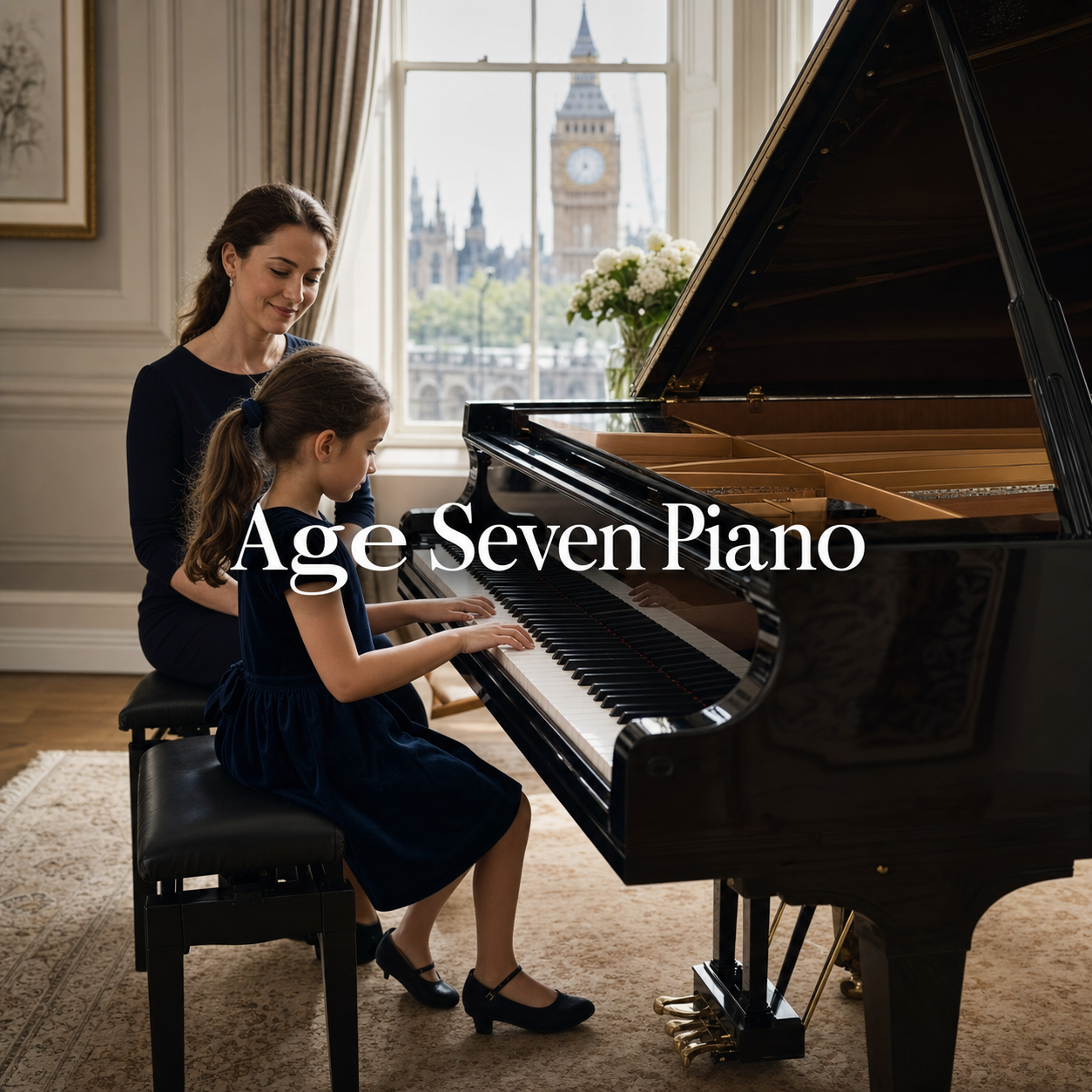
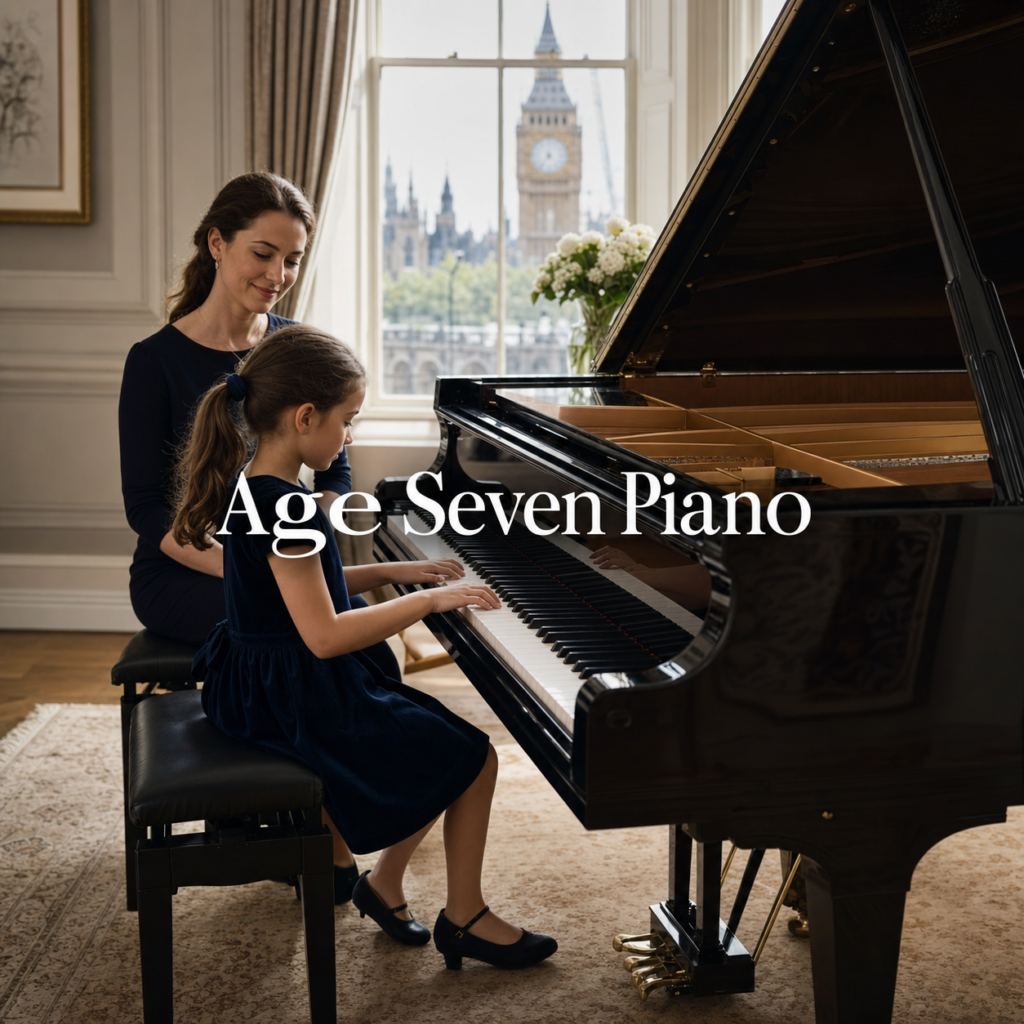
Piano lessons for 7 year olds can be highly productive when the teaching is calm, structured and properly paced. At seven, many children can follow short instructions, recognise patterns, remember weekly tasks and begin reading simple notation. The important question is not whether seven is old enough in theory; it is whether the lesson format gives this child confidence and direction.
WKMT’s children’s piano lessons in London are designed around that balance. The studio teaches children from early years through the teenage years, but age seven is often a strong moment to build hand coordination, pulse, listening, reading and musical confidence without rushing the child into adult-style study.
Parent checkpoint
A good trial lesson should show whether the child can respond to the teacher, enjoy the instrument, copy short patterns and leave with one clear practice task. It should not depend on pressure or long explanations.
Why seven is a strong age to learn piano
Seven-year-olds are usually ready for a more deliberate lesson rhythm than very young beginners. They can often understand a weekly routine, recognise the difference between careful practice and quick playing, and take pride in finishing a short piece. At the same time, music is still imaginative and physical for them, so the teaching must remain varied.
A child does not need to read music before starting. They do not need unusually large hands or a musical family. They need a teacher who can shape the first stage with small tasks, healthy technique, listening, rhythm and positive correction.
What a good lesson looks like at age seven
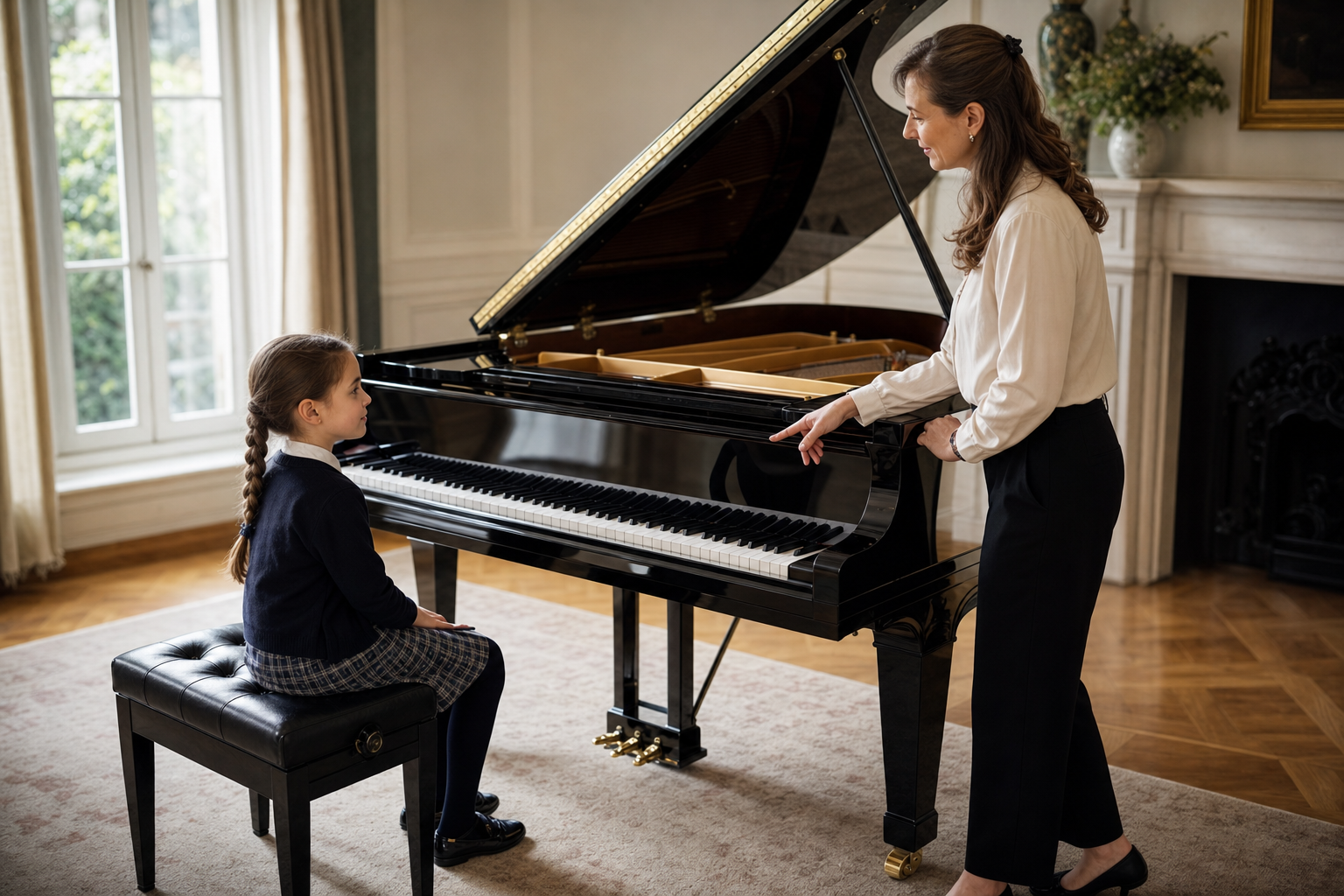
A strong lesson for a seven-year-old should feel calm, focused and varied. The teacher may move between keyboard geography, rhythm, simple reading, singing, imitation, hand shape, short pieces and listening tasks. The lesson should not be random, but it should not feel like a long lecture either.
The first months should establish a few clear foundations: where notes live on the keyboard, how fingers are numbered, how to sit without strain, how to listen before repeating, and how to follow a small weekly task. Some children quickly enjoy notation. Others first respond better to patterns, rhythm and teacher demonstration. A skilled teacher uses both routes without losing musical seriousness.
First Month Learning Map
Week 1
Meet the keyboard, copy short patterns and leave with one manageable task.
Week 2
Add rhythm, finger numbers and a tiny repeatable practice routine.
Week 3
Connect simple reading with sound, pulse and hand position.
Week 4
Review confidence, concentration and whether regular lessons are right.
Readiness signs parents can observe
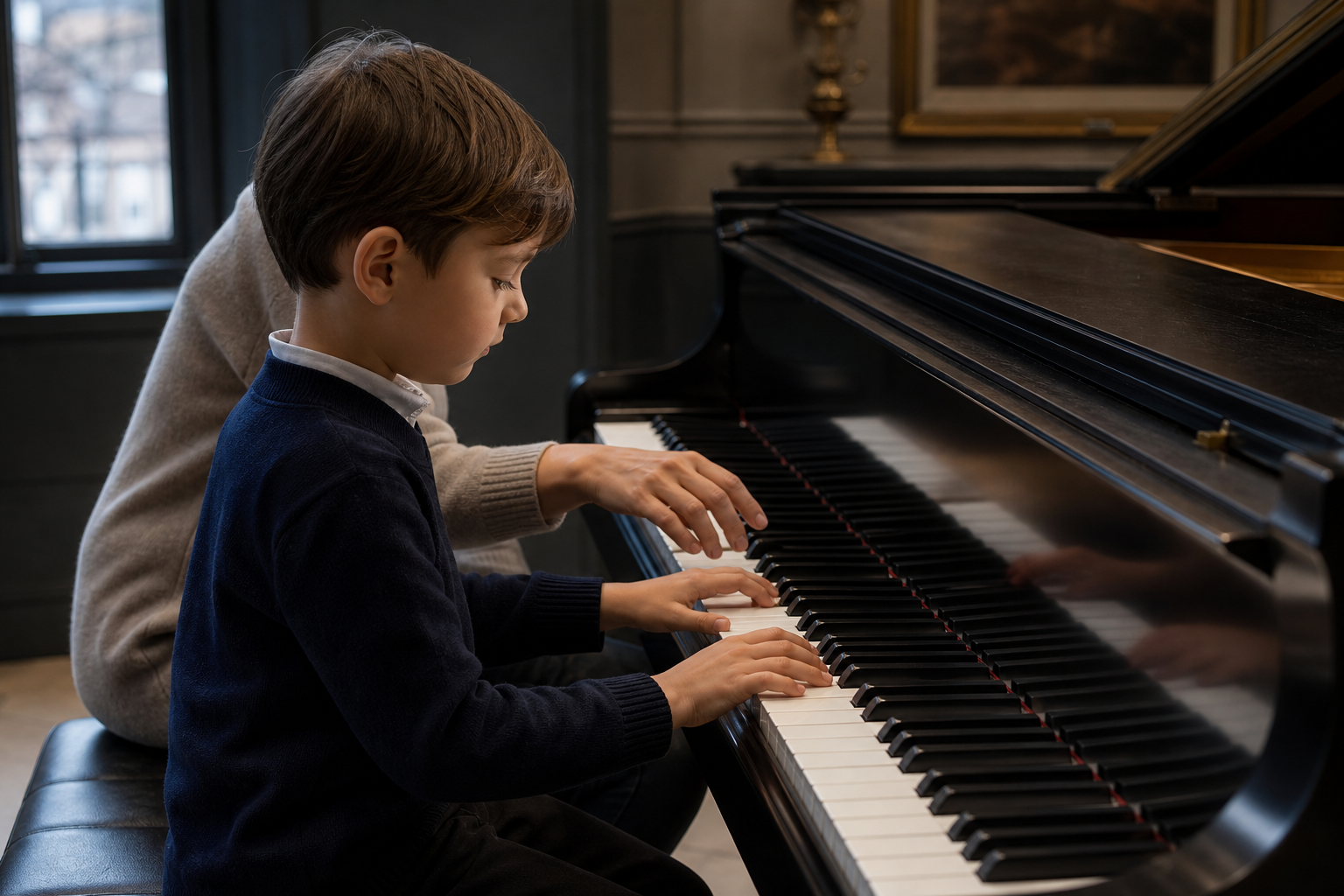
The strongest sign is not that a child can already read music. It is that they can copy a short pattern, listen to a sound, accept one small correction and try again without becoming discouraged. At seven, that ability often appears in flashes rather than for a whole lesson, which is why the teacher’s pacing matters so much.
Parents can help by looking for curiosity rather than perfection. A child who wants to return to the piano for two minutes after dinner, or who notices whether a note sounds high, low, bright or soft, is already building the listening habit that formal piano lessons need.
Parents do not need to be musicians to judge readiness. Look for practical signs: can the child sit with an activity for ten minutes when guided? Can they copy a short physical pattern? Do they enjoy sound, rhythm or singing? Can they accept gentle correction without becoming distressed every time? Are they curious about the instrument?
If the child is lively or easily distracted, that is not automatically a reason to wait. It may simply mean the lesson needs clear pacing. Many seven-year-olds focus well when tasks are concrete: clap this rhythm, find these notes, copy this hand shape, play this phrase, listen for the difference between loud and soft.
How much should a seven-year-old practise?
For most seven-year-old beginners, short regular practice is better than one long weekly session. Ten focused minutes on most days can be more useful than thirty tired minutes once or twice. The point is not to create pressure; it is to make the piano familiar.
A useful home routine is:
- Open the teacher’s notes and choose one small goal.
- Play the warm-up or pattern slowly.
- Practise one tricky bar three times with care.
- Play the whole short piece once for enjoyment.
- Stop before the child is exhausted.
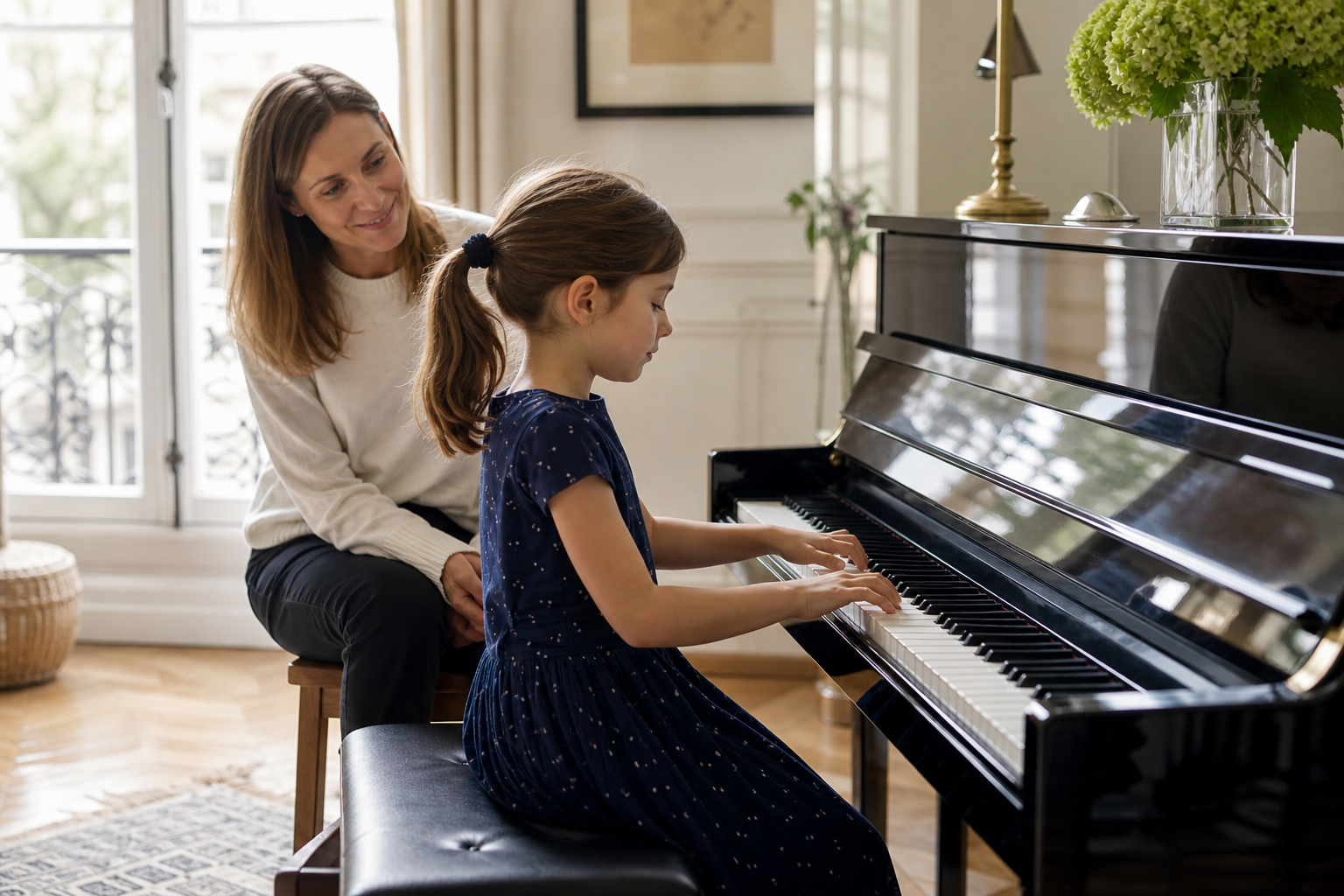
At age seven, confidence is not a decoration. It is the condition that allows disciplined practice to begin.
Exams, reading and musical enjoyment
Many parents ask whether a seven-year-old should prepare for ABRSM or Trinity exams. Exams can give structure, motivation and a clear milestone, but they should not replace musical development. A child should first develop pulse, reading, technique, listening and confidence. Exam work is useful when it serves those goals.
ABRSM Practical Grades include prepared pieces, scales and arpeggios, sight-reading and aural tests. For a young learner, that structure can be helpful over time because it reminds teacher and parent that piano study is not only about learning one tune. It includes listening, memory, coordination, reading and musical response.
Why this supports the kids page
This article uses the age-specific keyword from the children’s keyword supply route and supports WKMT’s piano lessons for kids without replacing the landing page. The blog answers the parent’s age-seven question; the landing page remains the conversion destination.
Why piano helps more than piano alone
Parents often feel that piano lessons support concentration, listening and discipline. Research should be used carefully, but there is credible evidence that piano training can strengthen aspects of sound discrimination in young children. An MIT-linked study reported that six months of piano training improved certain speech-sound discrimination measures in 4- and 5-year-old children compared with control groups. The practical conclusion is measured: piano lessons are not magic, but they train valuable habits.
A seven-year-old learns to listen closely, repeat patiently, coordinate two hands, read symbols, respond to feedback and finish small tasks. Those habits can support wider learning because they require attention and self-control. The musical benefit remains the main reason to study: the child gains a language of expression that can last well beyond childhood.
Choosing the right teacher in London
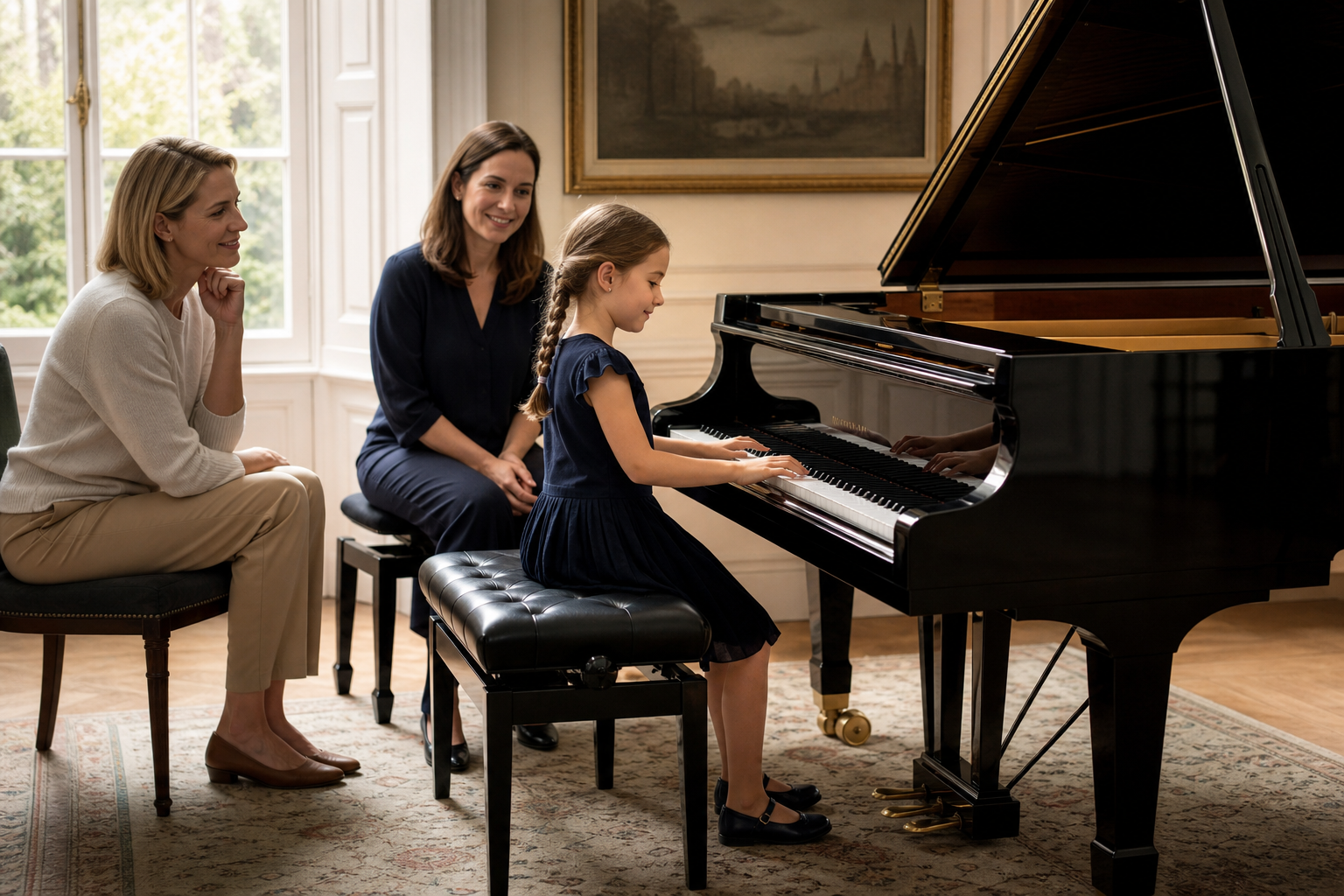
A good teacher also protects the child’s confidence while still asking for accuracy. The lesson should include enough structure for progress, but not so much correction that the child associates the piano with being tested. Clear praise, one priority at a time and a short musical goal usually work better than a long list of faults.
In London, parents should also ask practical questions before committing: who teaches the child, how feedback is shared after each lesson, whether parents may observe when appropriate, and how missed lessons are handled. These details are not administrative extras; they shape trust, routine and continuity.
For a seven-year-old, the teacher matters more than the method book. Parents should look for professional standards, safeguarding awareness, calm communication and a lesson style that respects the child’s age. The teacher should be serious about music without treating the child like a small adult.
WKMT teaches children at London studios in West Kensington, Camberwell and Bermondsey. The children’s programme emphasises DBS-checked teachers, parent communication, age-appropriate structure and the possibility of ABRSM or Trinity preparation when the timing is right.
Related WKMT reading
Parents may also find tips for teaching piano to children, ABRSM Grade 1 and pre-grade guidance, and foundations and ABRSM exam preparation useful after choosing lessons.
Begin with WKMT children's piano lessons
If you are considering piano lessons for 7 year olds in London, start with a trial lesson rather than guessing from home. A teacher can observe attention span, coordination, musical curiosity and response to instruction, then set a realistic route.
Sources on Piano lessons for 7 year olds
- WKMT London, Piano Lessons for Kids in London
- ABRSM, Practical Grades, https://www.abrsm.org/en-gb/practical-grades/about-practical-grades
- Gabrieli Lab / PNAS citation, piano training and speech-sound discrimination, https://gablab.mit.edu/2018/07/10/piano-training-enhances-the-neural-processing-of-pitch-and-improves-speech-perception-in-mandarin-speaking-children/ –
- ScienceDaily / MIT summary, How music lessons can improve language skills, https://www.sciencedaily.com/releases/2018/06/180625192827.htm –