
 TRIAL LESSON
Piano Lessons
Annie Fischer in London: Beethoven, Schumann and Bartok for Serious Listening
Jun
Annie Fischer in London – Complete Guide
WKMT London listening guide
Annie Fischer in London: Beethoven, Schumann and Bartok for Serious Listening
An interpretive profile for London concertgoers, adult piano learners and teachers who want to hear why Annie Fischer still matters.
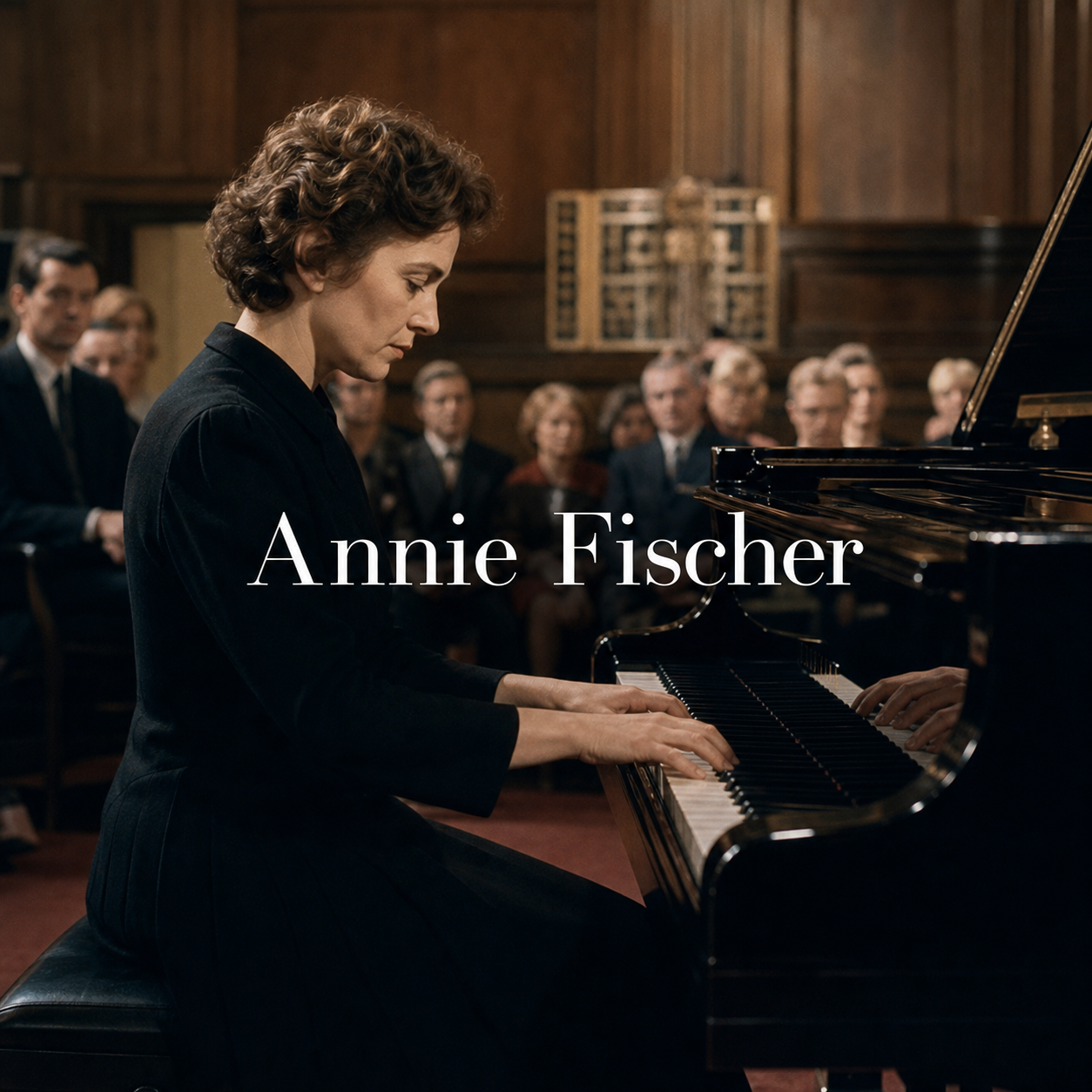
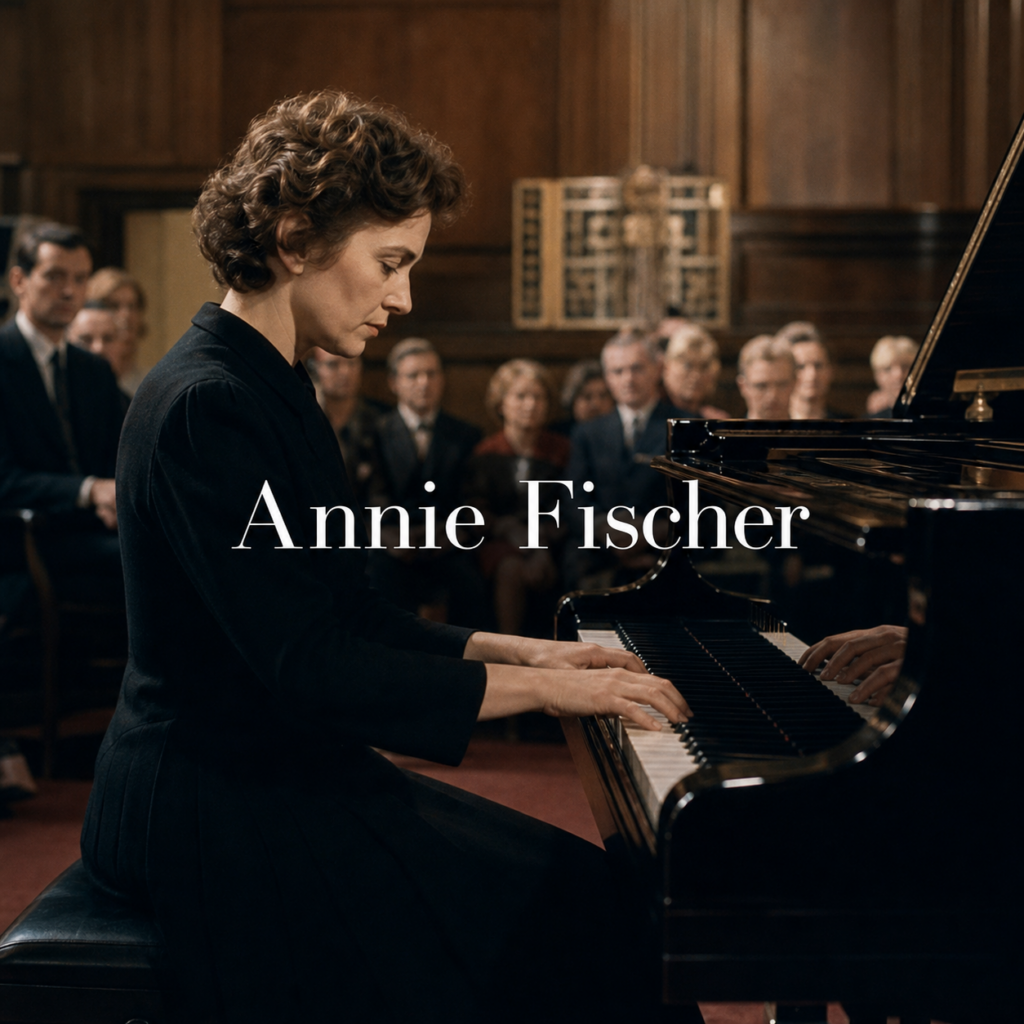
Why Annie Fischer Matters In London And For Serious Listeners
Some pianists become famous through public myth. Annie Fischer became important through concentration. She did not build a career on spectacle, slogans or easy profile. Her reputation rests on a quality London listeners understand well: the feeling that a pianist has entered the score with complete seriousness, and that every phrase is being judged in real time.
For WKMT, Fischer is valuable because she connects biography, repertoire and listening discipline. Her Beethoven is never merely forceful; it is paced. Her Schumann does not drift into perfume; it speaks in inward sentences. Her Bartok is not hard-edged modernism for effect; it keeps rhythm, colour and Hungarian speech close together. That makes her an ideal figure for a London piano school article: she strengthens classical piano study in London without competing with lesson pages.
Life And Career Highlights
Annie Fischer was born in Budapest in 1914 and trained at the Franz Liszt Academy, where the Hungarian piano tradition joined discipline, intensity and a strong sense of national musical speech. She appeared in public as a child and won international attention early, including the Franz Liszt competition in the 1930s. The outline is simple enough; the artistic result is not. Fischer emerged as a pianist whose authority seemed to come from inside the music rather than from display.
The war years disrupted her life and career. She spent time outside Hungary, then returned to Budapest after the Second World War and remained closely associated with Hungarian musical life. Later honours, including major Hungarian cultural recognition, confirmed her status at home, while recordings and touring built a quieter international following. She was admired by musicians who valued integrity over polish and immediacy over studio perfection.
Her recording history also explains part of her mystique. Fischer worked for many years on a complete Beethoven sonata cycle, but she was famously dissatisfied with releasing it during her lifetime. The set appeared posthumously, becoming central to her legacy. That story can easily become romantic folklore; more usefully, it tells us how severely she judged the relationship between performance, recording and truth.
Fischer In Britain: Recitals, Broadcasts And Critical Reception
Fischer’s British reputation is best approached carefully. The available public record points to British broadcasts, reissues and critical attention, but not every claimed London date is easy to verify in open catalogues. A responsible account should therefore distinguish confirmed listening material from research leads. BBC Legends and related reissue material document Fischer in performances that British listeners have encountered through broadcast culture, including Beethoven, Schubert and Schumann repertory. Historical newspaper reviews and programme archives remain the right next step for pinning down every recital date.
That distinction matters for trust. Wikipedia provides a concise career outline, but WKMT can add value by explaining how London listeners should hear Fischer now: through carefully chosen recordings, BBC-linked releases where available, the British Library’s sound collections, and the wider culture of recital listening represented by Wigmore Hall, Royal Festival Hall and Radio 3. The point is not to overstate local biography. It is to show how Fischer’s artistry can still shape London listening.
London is especially suited to this kind of afterlife because the city has always taken recorded performance seriously. A pianist may appear in a hall for one evening, but the argument continues afterwards through critics, teachers, students, collectors and broadcast listeners. Fischer’s art belongs to that slower conversation. Her playing does not offer quick biographical colour; it rewards repeated listening, comparison and disagreement.
A student who hears three Beethoven interpretations in a week will quickly notice that Fischer’s power is not volume alone. It is the pressure of continuity: the feeling that the next phrase has already been prepared by the previous one. For that reason, the open research gaps should be treated as invitations rather than weaknesses. An editor can later add confirmed archive references or programme dates if they are retrieved from paid catalogues. This article deliberately avoids inventing those details.
Fischer’s playing asks for a listener who can wait: structure first, flame second, and then both at once.
Signature Repertoire And Interpretive Hallmarks
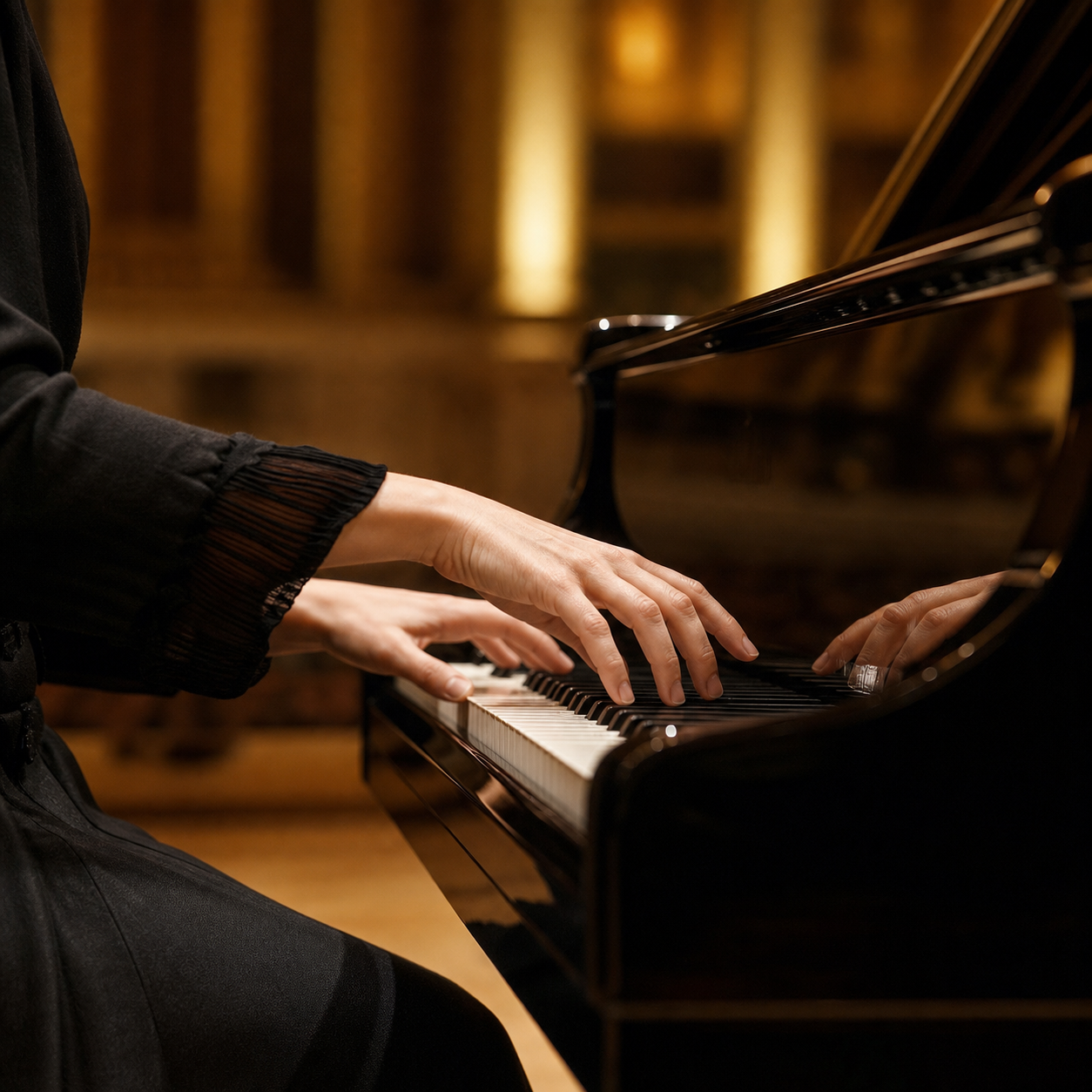
Listen for pulse under freedom, firm harmonic direction and climaxes that feel earned rather than imposed.
Notice how lyric intimacy stays alert. Fischer lets fantasy breathe without losing sentence structure.
Hear rhythm as speech: sharp, sprung, sometimes dry, but never mechanically percussive.
Fischer’s Beethoven has attracted the strongest long-term attention because it refuses two common simplifications. It is neither granite monument nor private confession. In the sonatas, she often gives the left hand a moral role: bass motion, inner pulse and harmonic arrival make the argument intelligible before the melody blooms. Adult listeners should follow how a movement moves from one necessity to the next. The most revealing moments are not always the loud ones; they are the transitions where tempo, voicing and tension decide the next page.
In Schumann, Fischer’s value lies in disciplined volatility. Schumann can tempt pianists into exaggerated rubato or blurred colour. Fischer keeps the lyric line alive while protecting the syntax. A phrase may lean, hesitate or flash, but it still belongs to a paragraph. That is why her Schumann remains useful for serious students: she shows that Romantic freedom is not the same as looseness.
Bartok returns Fischer to a native musical language. Her playing avoids treating Bartok as merely brutal or dry. Rhythm has edge, but it also has dance, inflection and irony. Colour is often contained rather than displayed. For London students used to thinking of 20th-century repertoire as a special category, Fischer offers a better model: modernism as speech, not as costume.
Across these composers, her interpretive profile is consistent without becoming formulaic. She gives the listener a strong sense of musical grammar: beginnings have weight, sequences point somewhere, cadences are judged rather than merely reached. This is why Fischer is so useful for advanced amateurs. Technical difficulty often tempts adults to listen locally, bar by bar. Fischer encourages a wider ear. Even a short phrase belongs to a larger span; even a beautiful tone has to justify its place in the argument.
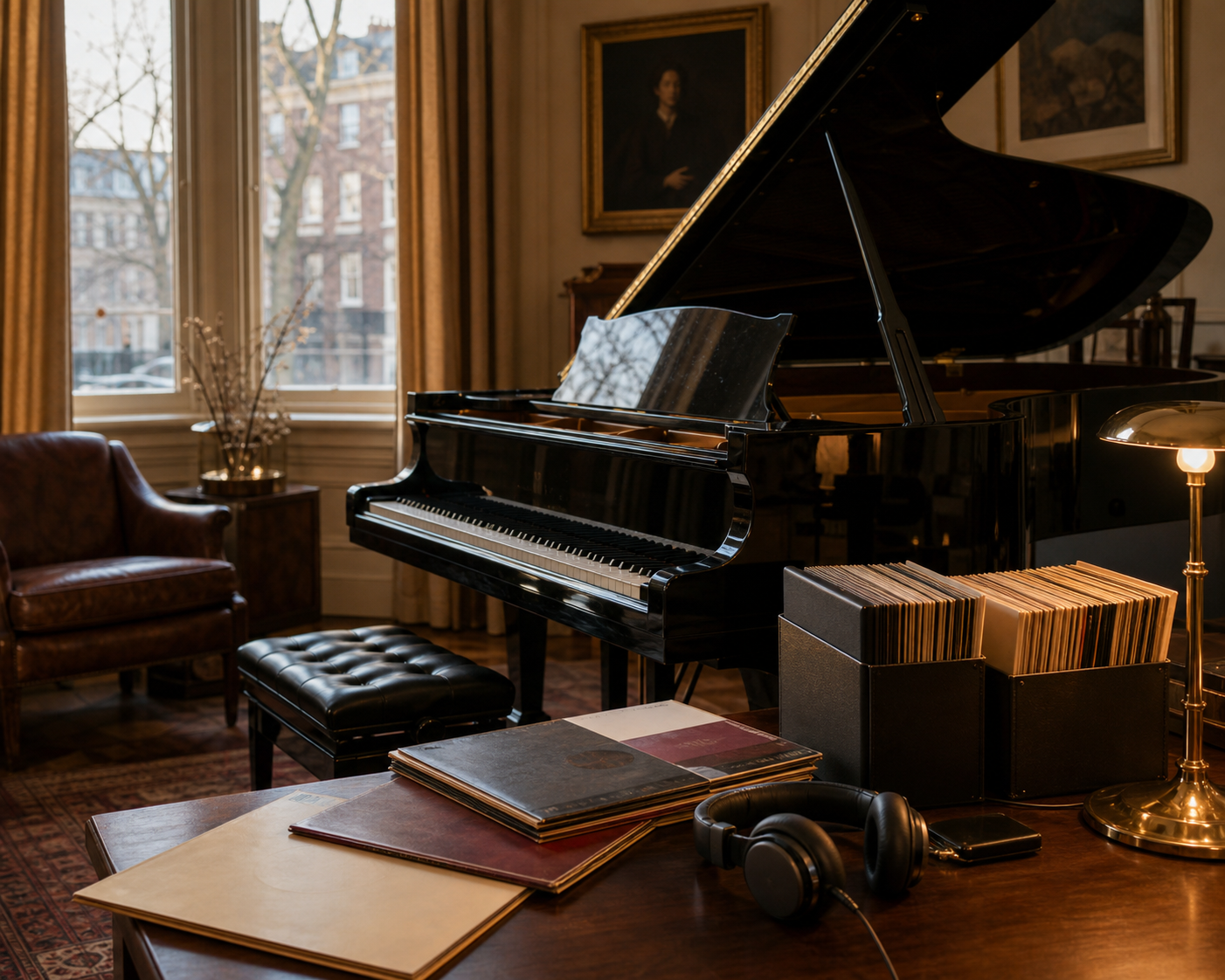
Recordings To Know: A Concise Discography
| Recording area | Why it matters | What to hear |
|---|---|---|
| Beethoven sonatas | The posthumous cycle is central to Fischer’s reputation. | Architecture, bass direction and unsentimental intensity. |
| Schumann | Shows her poetic side without loss of rigour. | Tempo flexibility that still preserves musical grammar. |
| Bartok and Hungarian repertoire | Connects Fischer to her cultural and rhythmic roots. | Dryness, colour, bite and dance-like inflection. |
If you have one hour, begin with a single Beethoven sonata movement, then a Schumann slow movement or character piece, and finish with Bartok. Do not listen for perfection first. Listen for decision-making: where the phrase is going, how the left hand changes the temperature, and when Fischer lets tension remain unresolved for one more bar.
For a second hour, reverse the order. Begin with Bartok so the ear wakes up to attack, interval and rhythmic bite. Move to Schumann and notice how those same listening skills help you hear inner voices rather than a wash of Romantic sound. Finish with Beethoven and ask a simple question: does the movement feel like a sequence of episodes, or like a single structure being uncovered?
Collectors may prefer live recordings for danger and studio recordings for balance, but students should not turn that into a rigid hierarchy. Studio performances can reveal long-range thought; live performances can expose risk, compression and urgency. The most useful approach is comparative. Hear the same movement twice, once for architecture and once for colour. That habit transfers directly to lessons, rehearsals and concert listening.
What Pianists And Serious Listeners Learn From Fischer
The most useful lesson is not “play like Annie Fischer”. That would be imitation. The deeper lesson is to demand a reason for every musical choice. Why this tempo? Why this balance? Why this delay before resolution? Why this kind of sound in the left hand? Fischer’s example encourages adult learners to stop collecting effects and start hearing musical causes.
This is where the article naturally supports adult piano lessons in London. Mature students often arrive with strong musical taste but uncertain technical habits. Fischer’s recordings offer a way to refine taste while lessons make that taste usable at the keyboard.
Where To Hear Her In London Today
Fischer is no longer a concert presence, but London can still hear her through archives, broadcast reissues and guided listening. Search the British Library sound collections for catalogue leads, check BBC-linked reissues for broadcast material, and use major label catalogues for availability before buying or streaming. For live context, pair those recordings with present-day recital culture at Wigmore Hall, Royal Festival Hall and WKMT’s own classical concerts in London.
Continue Serious Piano Listening In London
WKMT’s teachers connect recordings, repertoire and technique so that listening becomes part of weekly musical development, not a passive habit.
FAQs
Who was Annie Fischer?
Annie Fischer was a Hungarian classical pianist, born in Budapest in 1914, admired for Beethoven, Schumann, Bartok and a highly serious approach to interpretation.
What are Annie Fischer’s best recordings?
Start with the posthumous Beethoven sonata cycle, then compare Schumann and Bartok recordings to hear the range between structure, lyricism and rhythmic bite.
Why does Annie Fischer matter for London piano students?
Her playing gives London students and listeners a model of disciplined interpretation: tone, voicing and structure serving the music before display.